The Ministry of Internal Affairs discussed crime prevention and measures to improve the effectiveness of internal affairs bodies
2026-10-30 08:00:00 / News
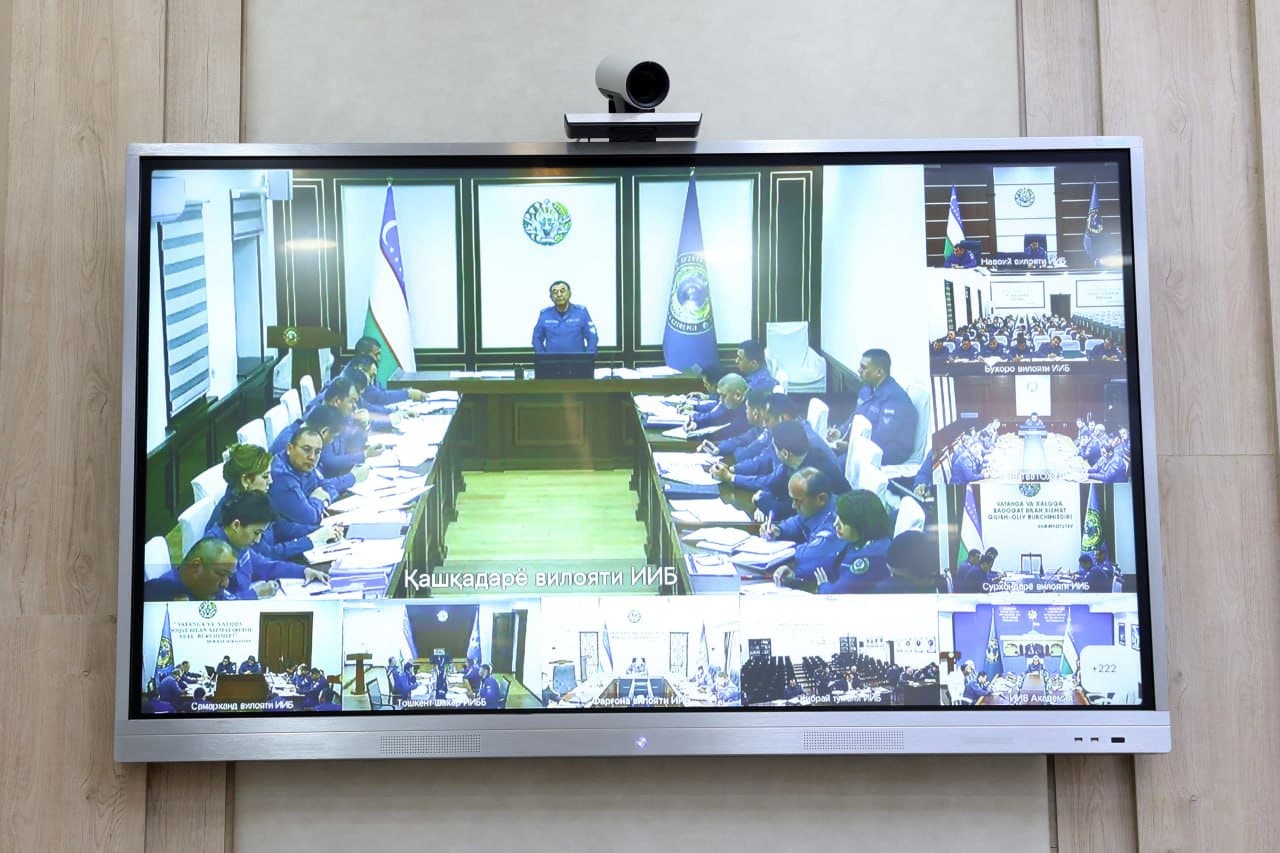
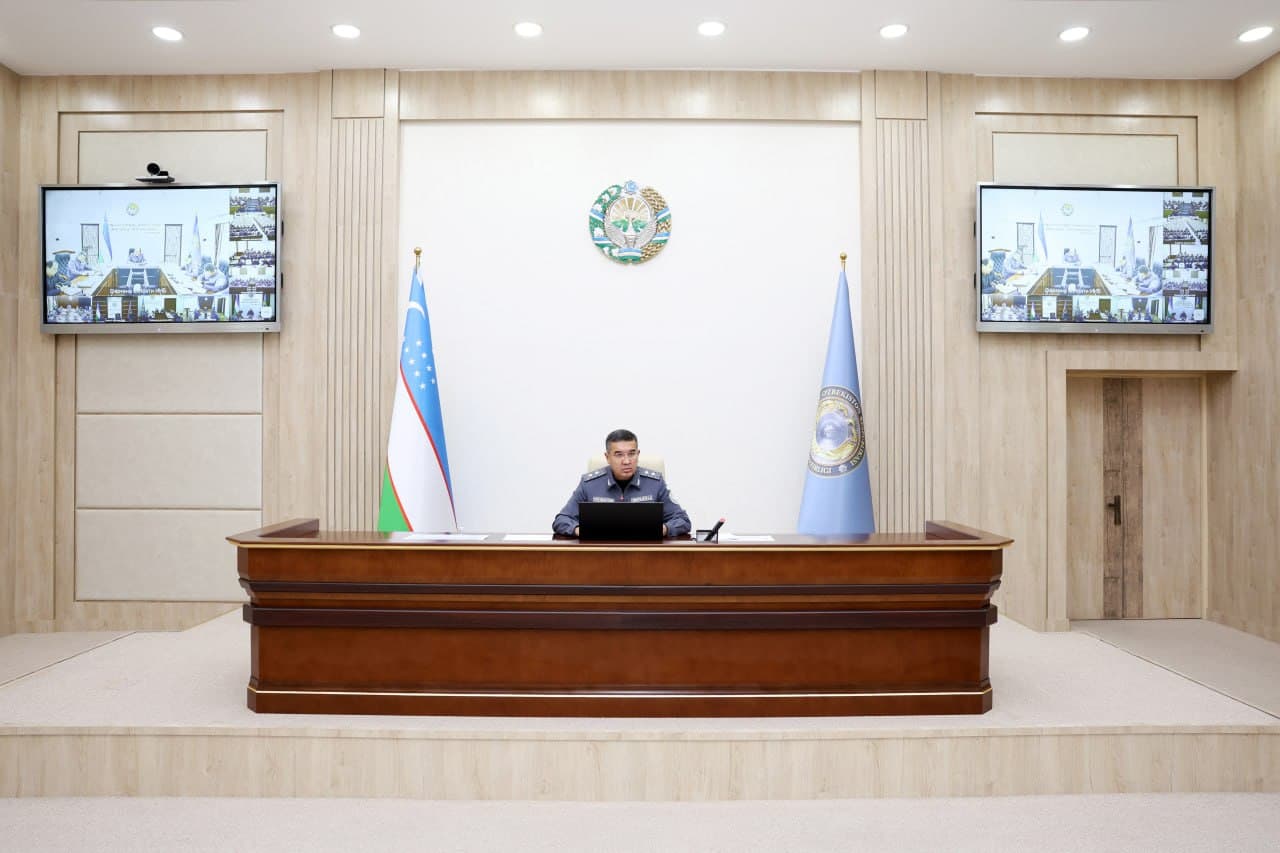
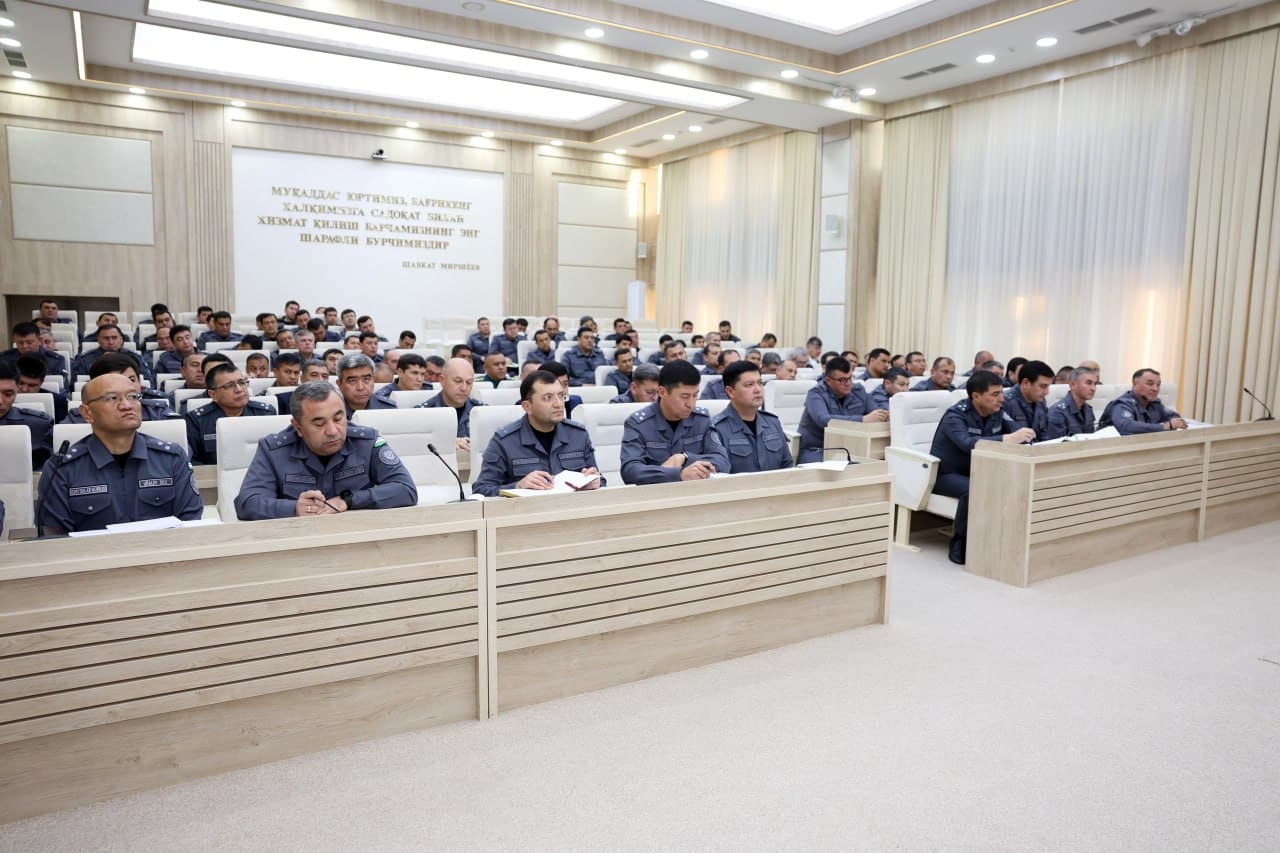
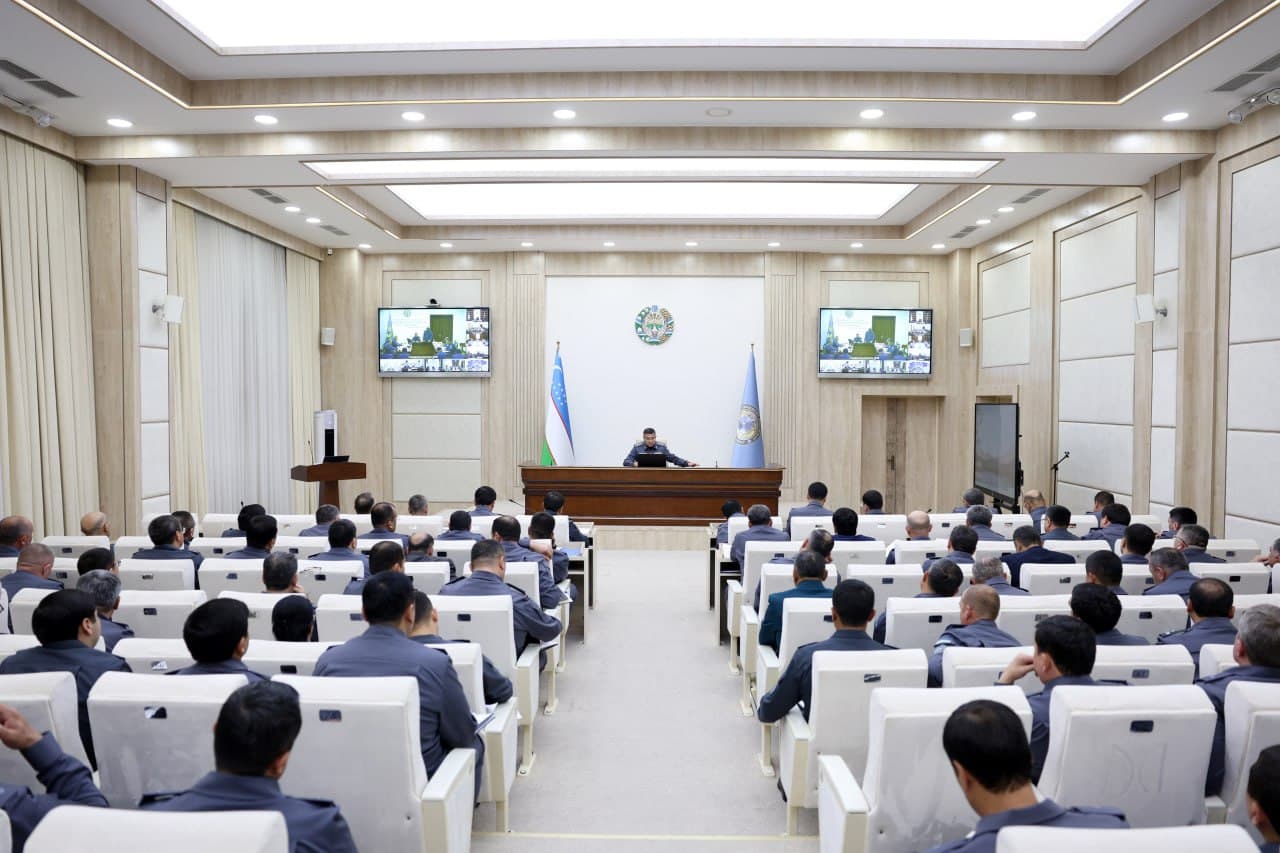

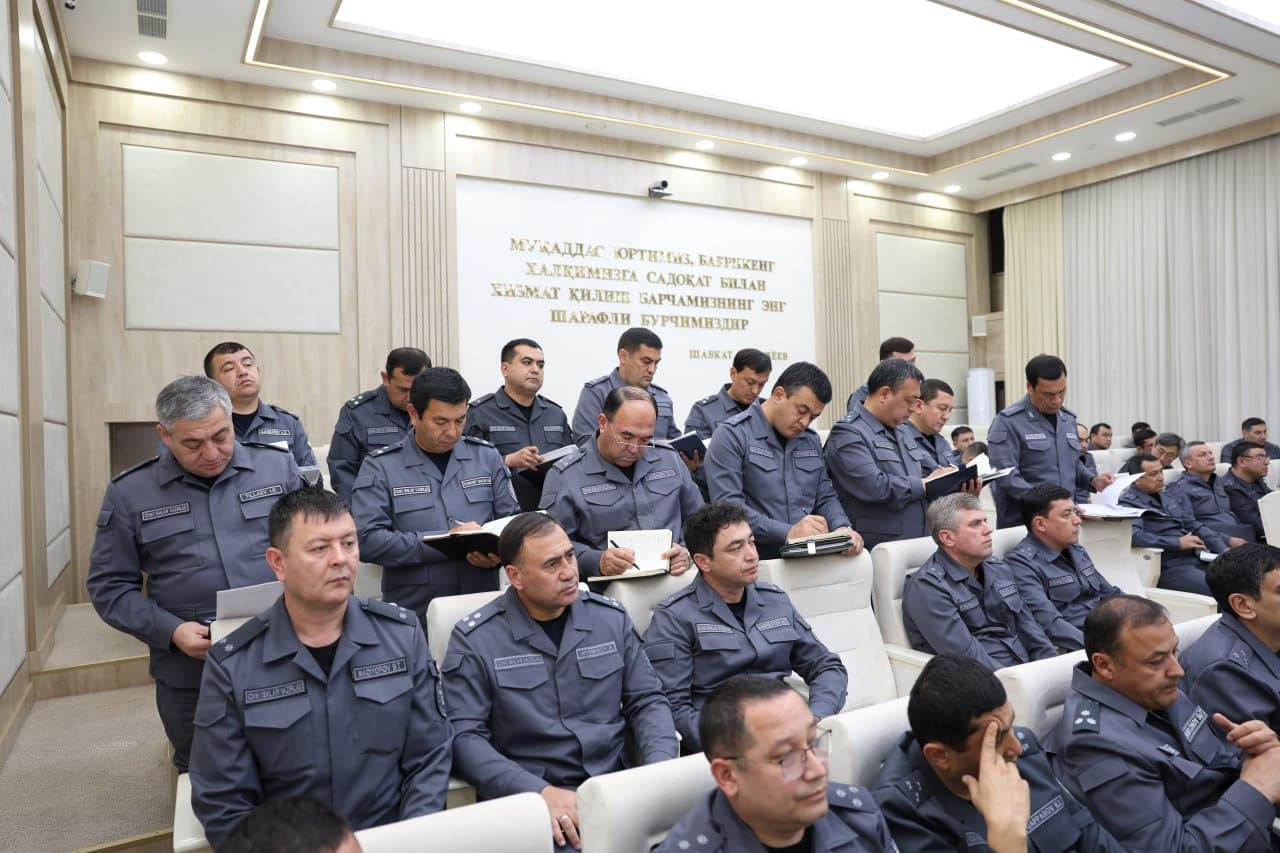
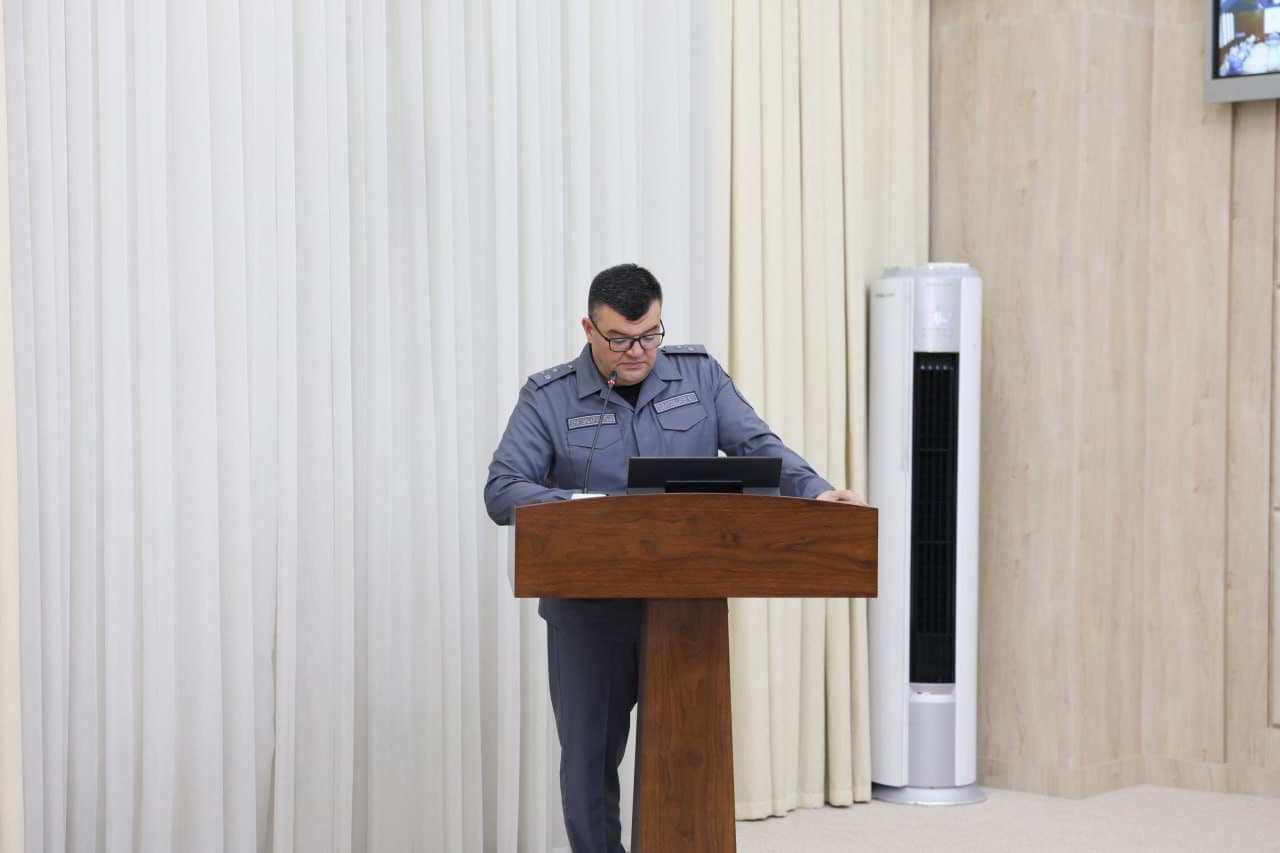
A meeting was held at the Ministry of Internal Affairs to discuss measures to combat crime and enhance internal affairs effectiveness.
The meeting was attended by the Minister of Internal Affairs, Lieutenant General Aziz Tashpulatov, deputy ministers, heads of specialized services and regional internal affairs departments, as well as personnel.
According to the agenda, participants discussed preparations for the third phase of the comprehensive operational and preventive campaign "Safe and Healthy Nation", which will begin nationwide on November 1.
It was highlighted that comprehensive measures have been taken at the initiative of the Head of State in order to protect public health and the nation's gene pool from drug addiction and related crimes. In this regard, the “Safe and Healthy Nation” month, regularly conducted in accordance with the relevant Presidential decree, plays a significant role.
The results of the campaign's second phase, held from July 1 to August 15 this year, demonstrate its effectiveness. During this period, the number of potential criminal offenses decreased to 2,228. A decline was recorded in several types of crime, including murder, intentional grievous bodily harm, robbery, armed robbery, fraud, and hooliganism. As a result of the proactive efforts of internal affairs personnel, 792 cases of crime have been detected.
During the campaign, 1.8 million doses of narcotic substances, weighing 369.3 kilograms, were seized with an estimated black-market value of 221.7 billion UZS. Also, 66,000 units of potent medicinal substances and 44,919 illegally cultivated narcotic-containing plants were identified, and three illegal drug laboratories were shut down.
In the area of cybercrime, 438 offenses were detected and 3.5 billion UZS in damages were recovered. Furthermore, 51,041 violations involving corruption were uncovered, including 18,322 cases of misappropriation of energy resources and 4,710 cases of illegal land use.
The results of these studies indicate that the "Safe and Healthy Nation" comprehensive operational and preventive campaign should be expanded. A particular emphasis will be placed on the prevention and detection of drug-related crimes, as well as the promotion of a healthy lifestyle among the population, particularly among children. As a result, law enforcement agencies, local authorities, and other relevant organizations were instructed to strengthen their cooperation.
The leadership of the Tashkent City Main Department of Internal Affairs presented a report on the organization of these activities. Relevant instructions were also issued regarding planned measures in Tashkent, Samarkand, and Andijan regions, as well as the elimination of existing shortcomings.
The preparation of administrative buildings for internal affairs for the autumn and winter of 2026–2027 was also discussed. An emphasis was placed on ensuring proper functioning of the heating system and preventing interruptions in supply of electricity and natural gas.
It was stressed that it is important to inspect buildings and utility networks for technical defects, to respond to identified deficiencies promptly, to comply with fire safety requirements, and to ensure that energy resources are used efficiently.
All officials responsible for these matters were instructed to complete all preparatory work by the established deadline and ensure uninterrupted operation of the relevant systems throughout the season.
Additionally, the meeting discussed the timely delivery of liquefied gas and coal to the population during the autumn-winter season, the prevention of theft and misappropriation, and the need to make stronger partnerships with relevant ministries and agencies.
During the discussion, it was emphasized that fuel supplies must reach their intended destinations in full, while theft and illegal sales during distribution should be prevented. Additionally, attention was drawn to the timely consideration of citizens' appeals.
It was instructed to cooperate with responsible organizations in identifying and resolving supply-related issues, assessing the situation in areas experiencing difficulty, and protecting citizens' legitimate interests.
The meeting also reviewed the implementation of assigned tasks related to combating cybercrime, preventing such offenses, and investigating crimes that have already been committed.
It was noted that cybercriminals are increasingly using sophisticated methods to steal bank card details and personal information, obtain citizens' funds through fraudulent links, and take control of social media accounts. A timely information exchange, a thorough analysis of digital evidence, and the effective use of modern technologies are necessary in these circumstances.
Over the recent period, more than 24,000 operational, technical, and investigative measures have been carried out to protect Uzbekistan's cyberspace and identify and uncover crimes committed through information technologies.
As a result, 17,490 cybercrimes were detected, representing a 251 percent increase compared to the same period last year. The rights and legitimate interests of more than 18,000 citizens were restored, and 182 billion 176 million UZS in material damages were returned to their rightful owners.
In addition, 459 malicious phishing programs designed to illegally withdraw funds from citizens' bank accounts and cause financial harm were identified and neutralized. During the past nine months, more than 660,000 citizens' electronic devices and funds have been protected from theft.
Furthermore, 3,929 crimes involving violations of legislation governing crypto-asset circulation, one of the most dangerous areas of cybercrime, were detected. These efforts prevented the transfer of more than 112.2 billion UZS in illegally obtained funds in the form of crypto-assets outside the country.
In this regard, the importance of analyzing the methods used to commit such crimes, eliminating the conditions that facilitate them, and strengthening efforts to compensate citizens for damages was emphasized.
Additionally, instructions were given to improve the population's digital literacy and expand preventive awareness-raising, particularly regarding the importance of not sharing private information or verification codes with unauthorized individuals.
As another item on the agenda, strengthening service discipline among internal affairs personnel, ensuring strict compliance with the law, and addressing existing shortcomings were also discussed.
It was emphasized that performing official duties in accordance with the law, adhering to ethical standards when communicating with citizens, and preventing abuse of official authority are essential to strengthening public trust in internal affairs bodies.
In addition, the need to prevent disciplinary violations, identify the factors contributing to them, strengthen managerial oversight of personnel, and take a firm stance against every violation of the law was emphasized. Relevant tasks were assigned to ensure systematic efforts to increase the personal responsibility of managers and prevent the recurrence of identified shortcomings.
Following the meeting, relevant instructions were issued to ensure the timely and proper implementation of all assigned tasks, strengthen the responsibility of officials in charge, and ensure the effectiveness of measures.