Crime Prevention: Results, Responsibilities, and Specific Actions
2026-09-10 08:00:00 / News
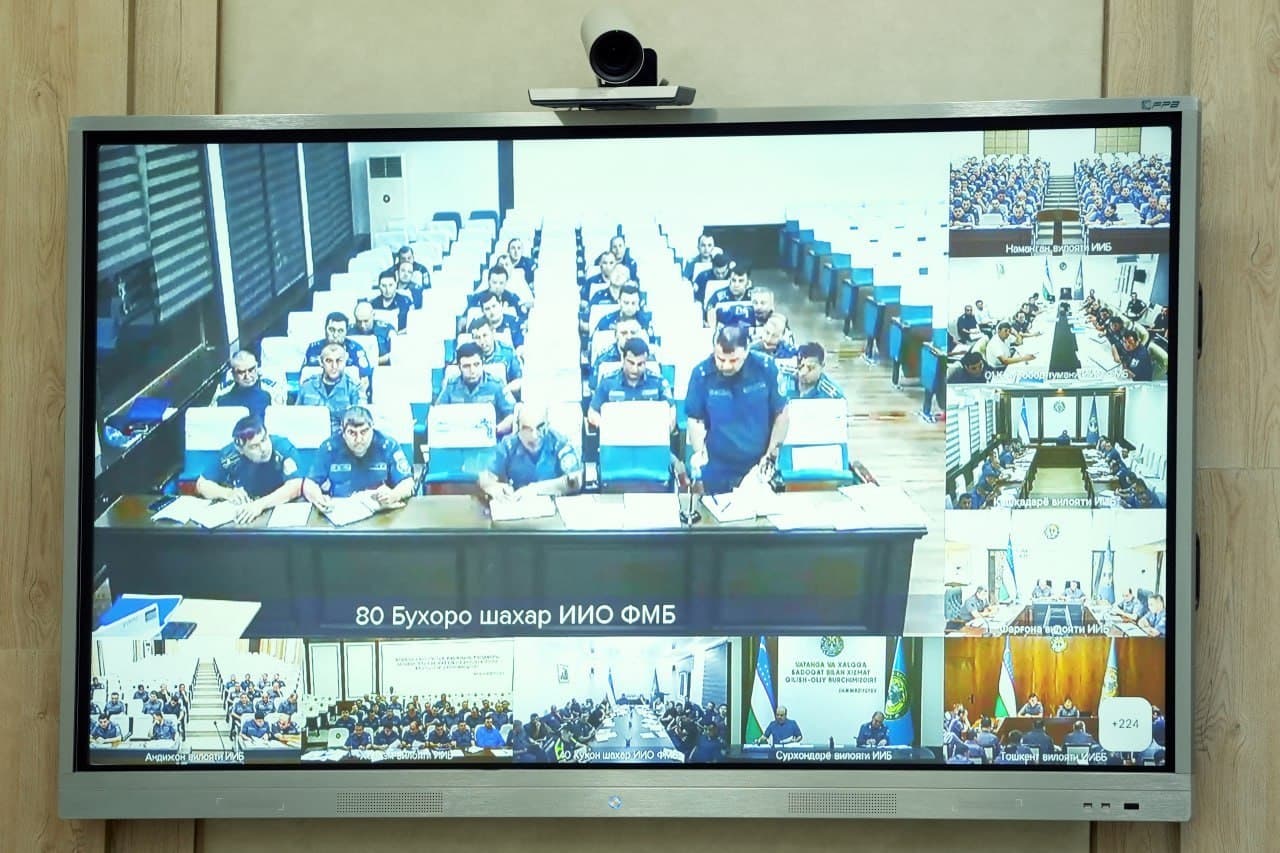
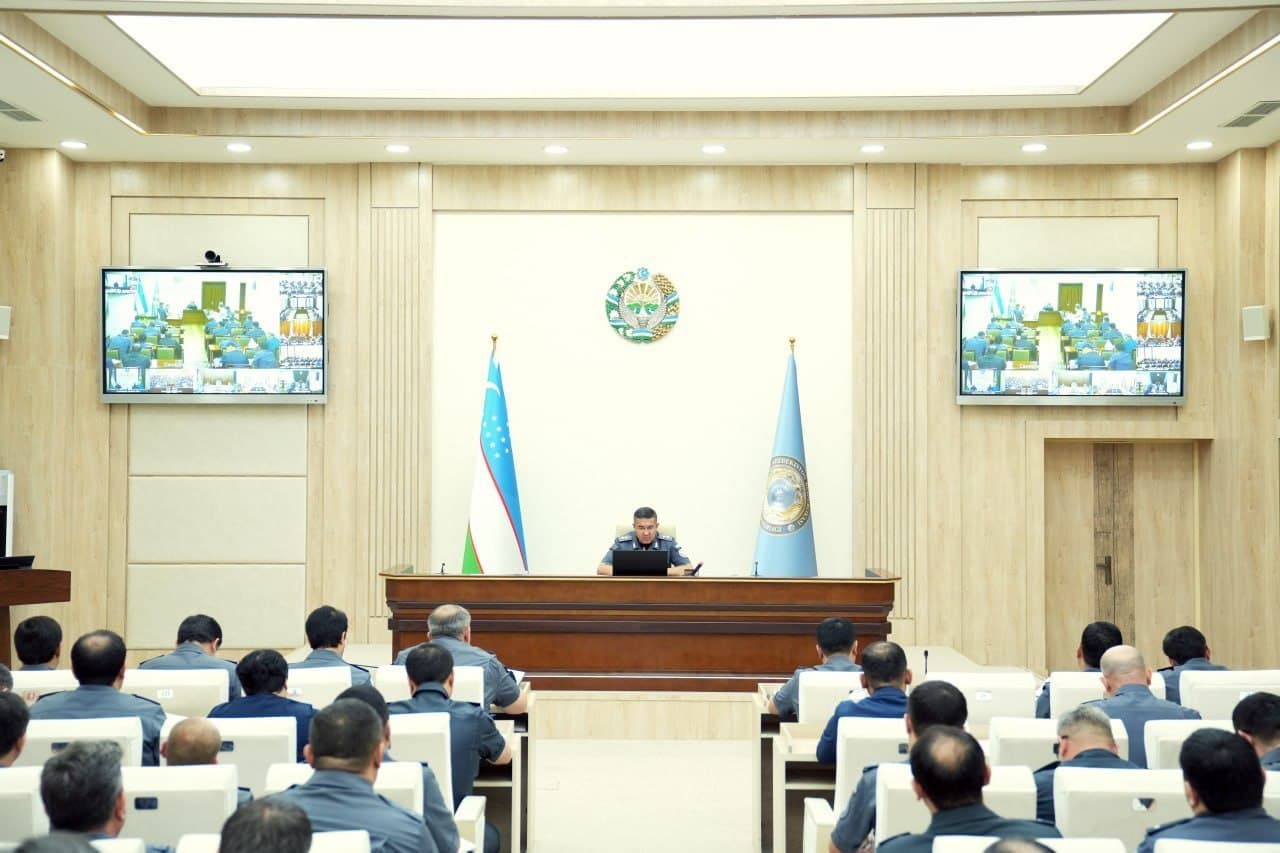
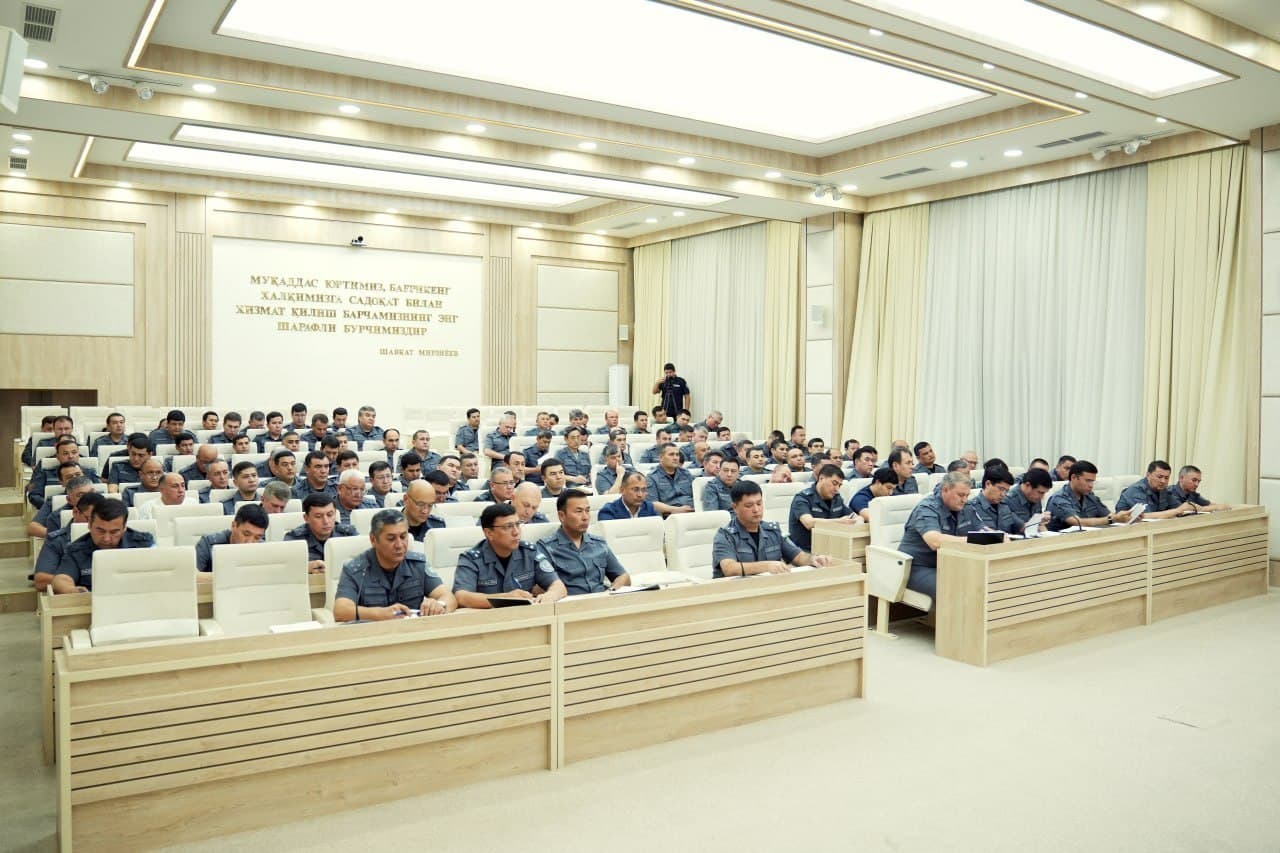
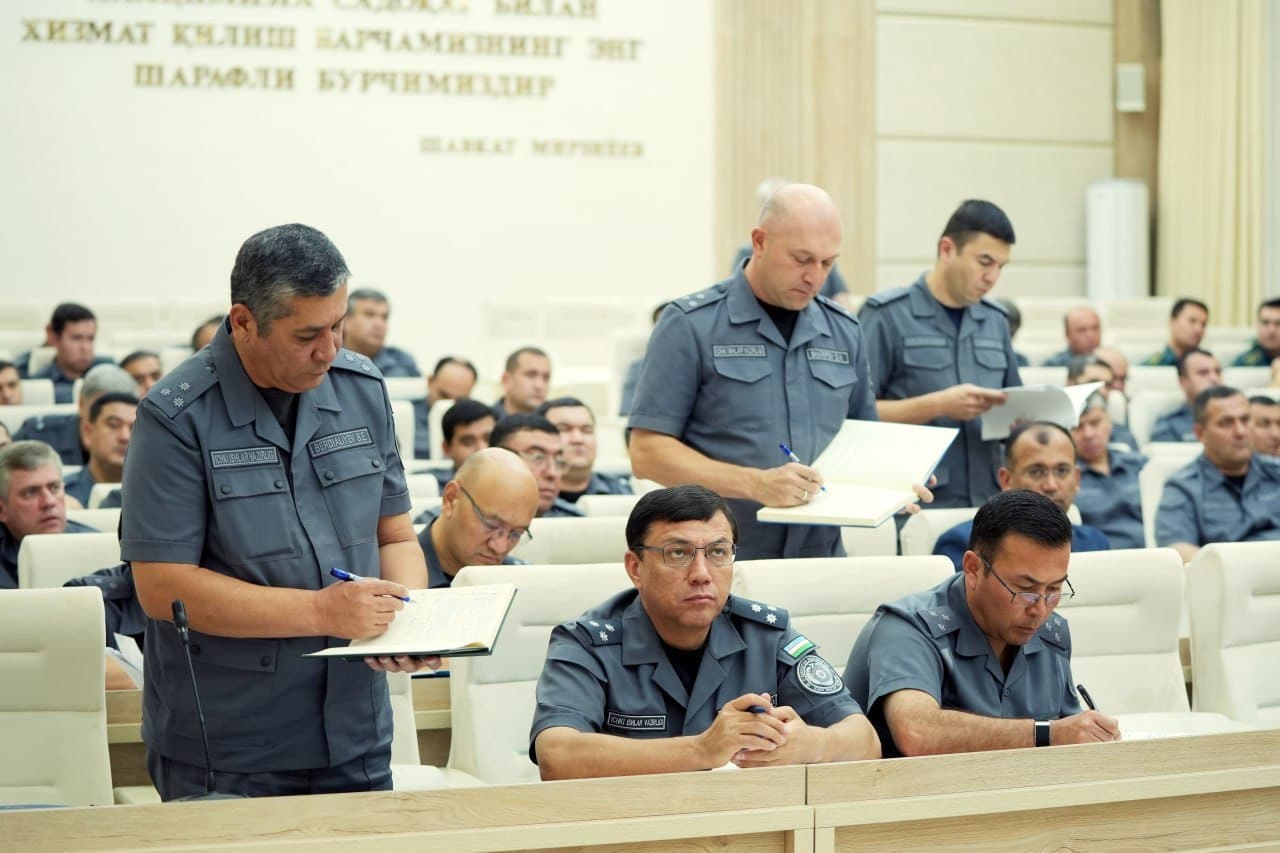
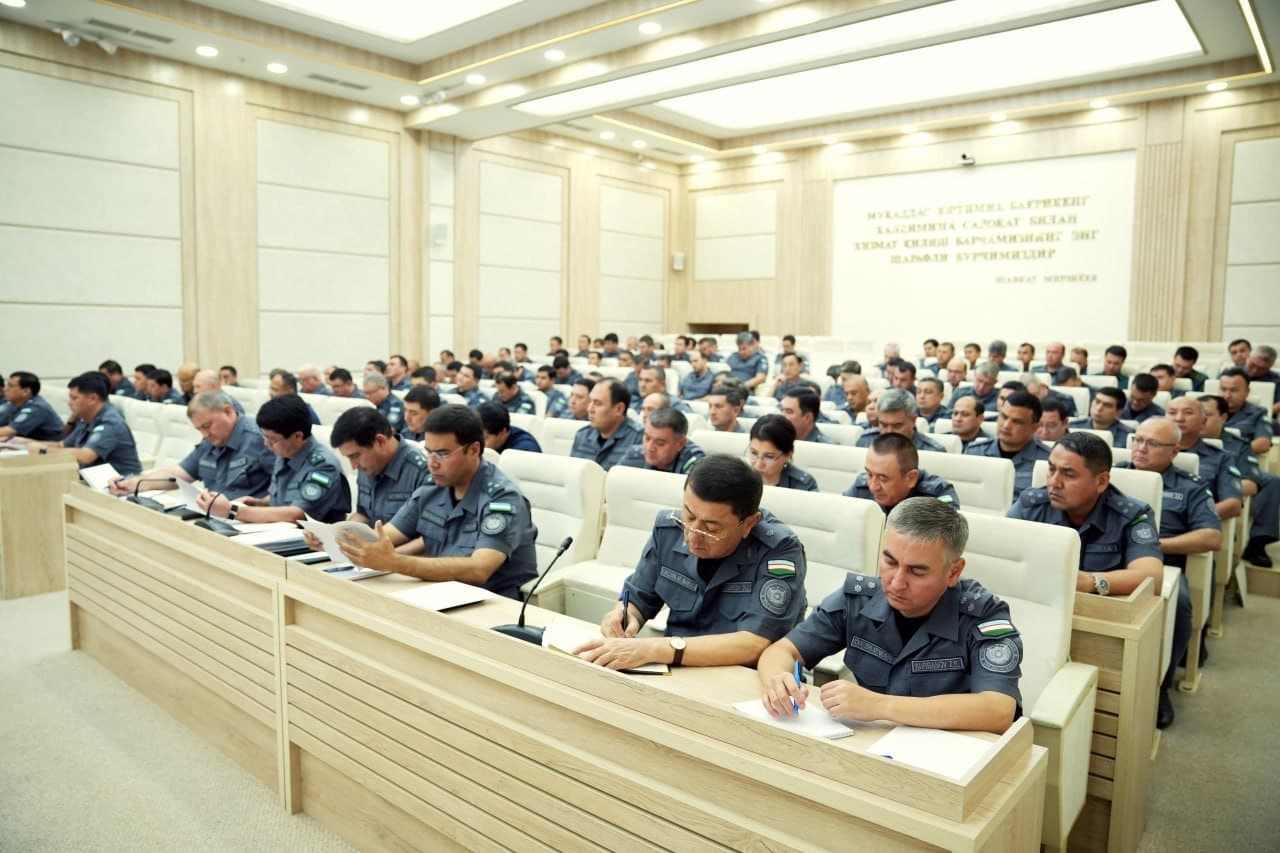
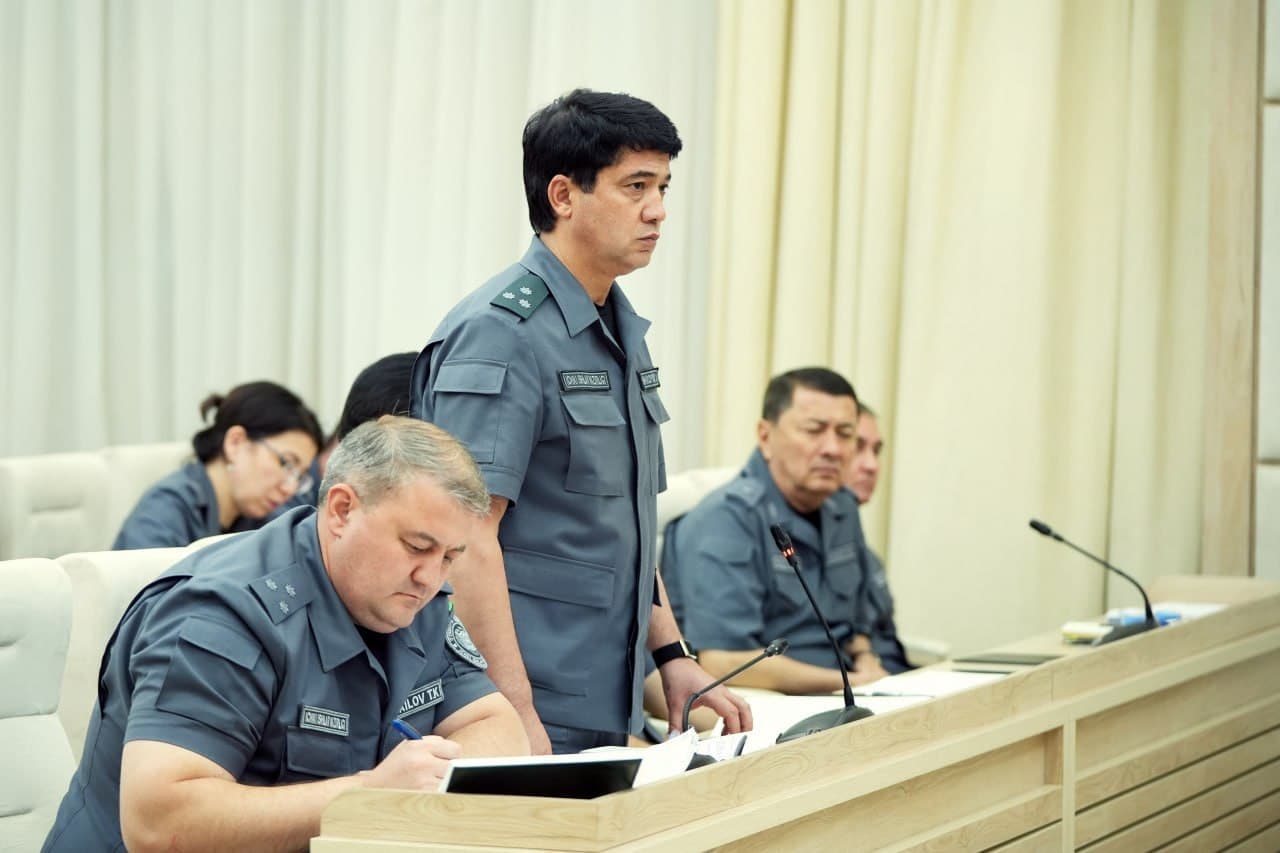
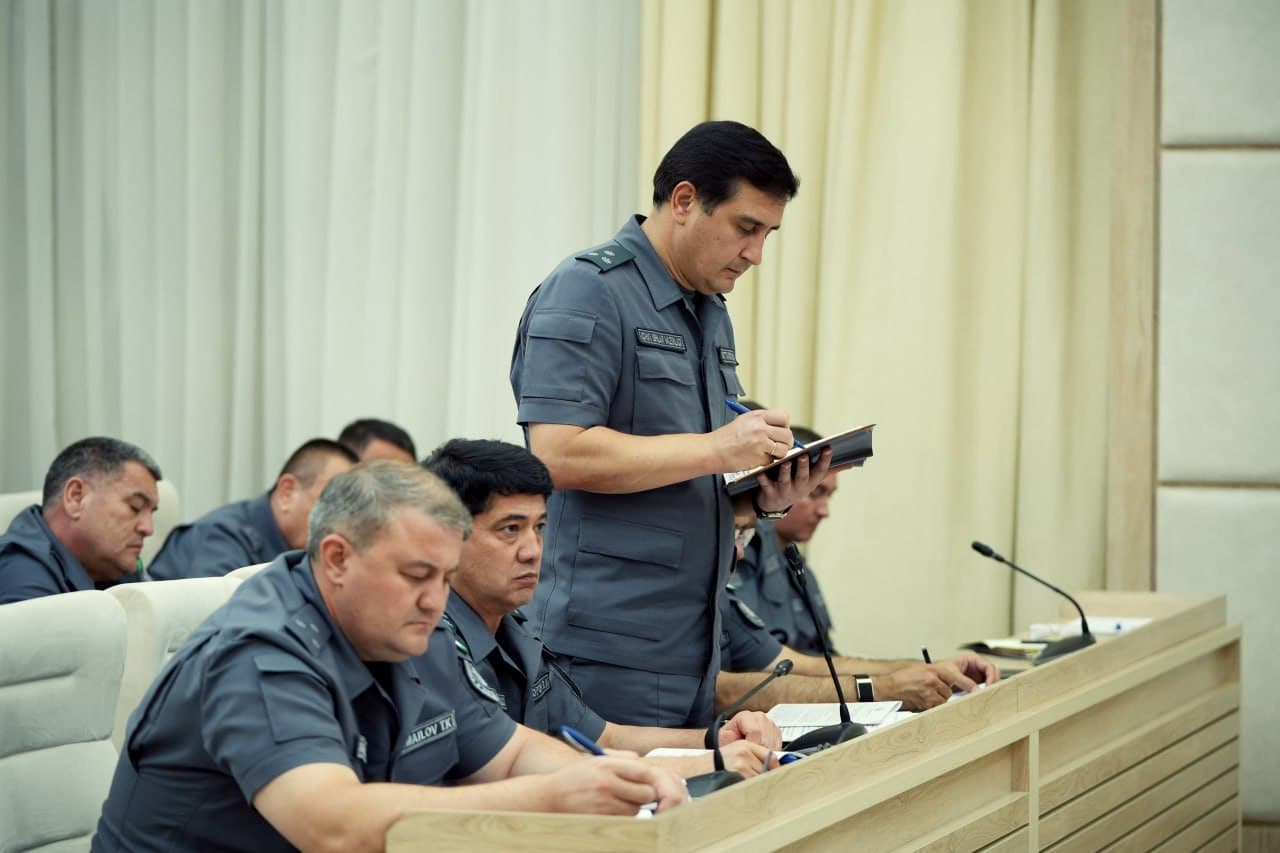
A videoconference meeting was held at the Ministry of Internal Affairs to review the results of the work carried out during the first eight months of this year to combat crime, maintain a stable criminogenic environment, work with the population on a targeted basis, and improve the effectiveness of preventive measures.
The meeting was led by Lieutenant General Aziz Tashpulatov, Minister of Internal Affairs, and attended by deputy ministers, heads and employees of sectoral services and territorial internal affairs bodies.
According to the agenda, the tasks outlined in Presidential Resolution No. PR-303 dated August 26, 2026, “On Measures to Transform the System of Training Professional Personnel for Internal Affairs Bodies,” and Resolution No. PR-314 dated September 4, 2026, “On Measures to Introduce a New System of Work in Internal Affairs Bodies Activities to Ensure Public Safety,” were considered first. The implementation of these policies was strictly supervised in practice.
It has been emphasized that modern internal affairs bodies require highly qualified personnel with solid professional knowledge and practical skills who are capable of effectively using modern technologies, analysing situations, and making independent decisions. In this regard, it was realized that the personnel training system needed to be improved in order to meet modern requirements, to ensure that education and practice are more closely aligned, and to continuously improve the professional skills of employees throughout their careers.
Additionally, the importance of implementing the new system of work effectively to ensure public safety and organize activities based on efficiency and personal responsibility was emphasized. It was noted that greater attention should be paid to identifying the causes and factors contributing to offenses, strengthening preventive measures, and organizing targeted work based on the specific situation in each region, instead of simply focusing on the consequences of crimes and offenses.
Meeting participants established strict requirements for ensuring the tasks established by resolutions are implemented in practice and are not limited to paper reports. Managers and employees must clearly define their tasks and responsibilities, with a focus on achieving practical results.
The effectiveness of the new approaches should be demonstrated first and foremost through the quality of the work with the population, the prevention of crime, the assurance of public safety, and the strengthening of citizen trust in the internal affairs agencies.
The meeting reviewed the work done throughout the republic during the first eight months of this year to combat crime and maintain stability of criminogenic situations, as well as the results achieved and shortcomings identified.
A particular criticism was directed at the fact that insufficient attention was being paid to eliminating the causes and conditions that contributed to crimes.
The Minister instructed the heads of regional internal affairs bodies to analyze the criminogenic situation in every neighborhood, street, and family, identify the factors contributing to crime, and take specific measures to eliminate them, rather than assessing the situation solely based on general statistical indicators.
In this regard, it was stressed that prevention work should be reconsidered according to the specific characteristics of crime in different regions, while strengthening targeted work with people at risk, problem families, and situations that require control.
Following the meeting, specific tasks were assigned to responsible officials in respect of each issue discussed.
The heads of regional internal affairs bodies were instructed to conduct an in-depth analysis of the criminogenic situation, strengthen preventative approaches to crime prevention, identify and deal with social problems quickly, improve the effectiveness of working with young people, and take personal responsibility for addressing identified shortcomings.