Ensuring Public Safety, Combating Crime and Improving Service Efficiency: The Ministry of Internal Affairs reviewed second-quarter results and set key tasks
2026-08-11 11:00:00 / News
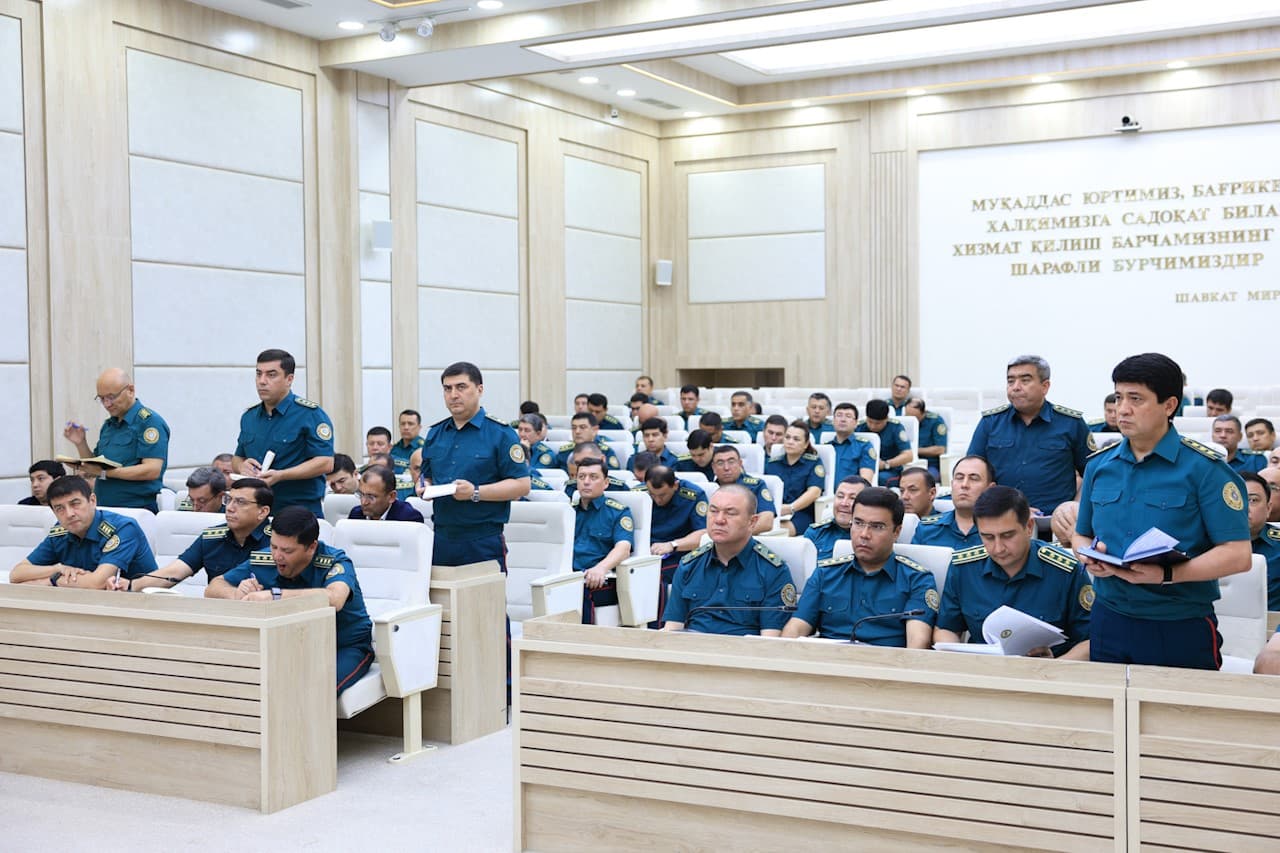
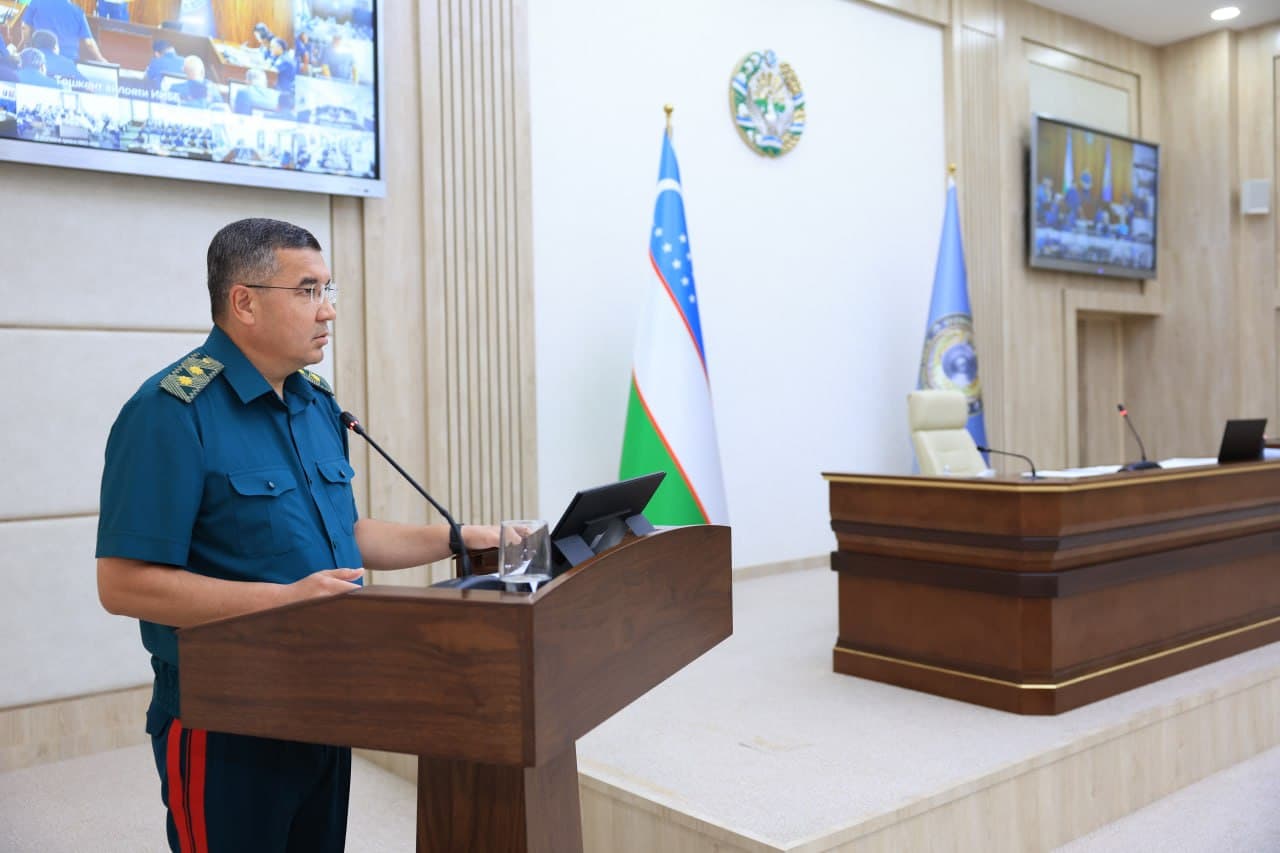
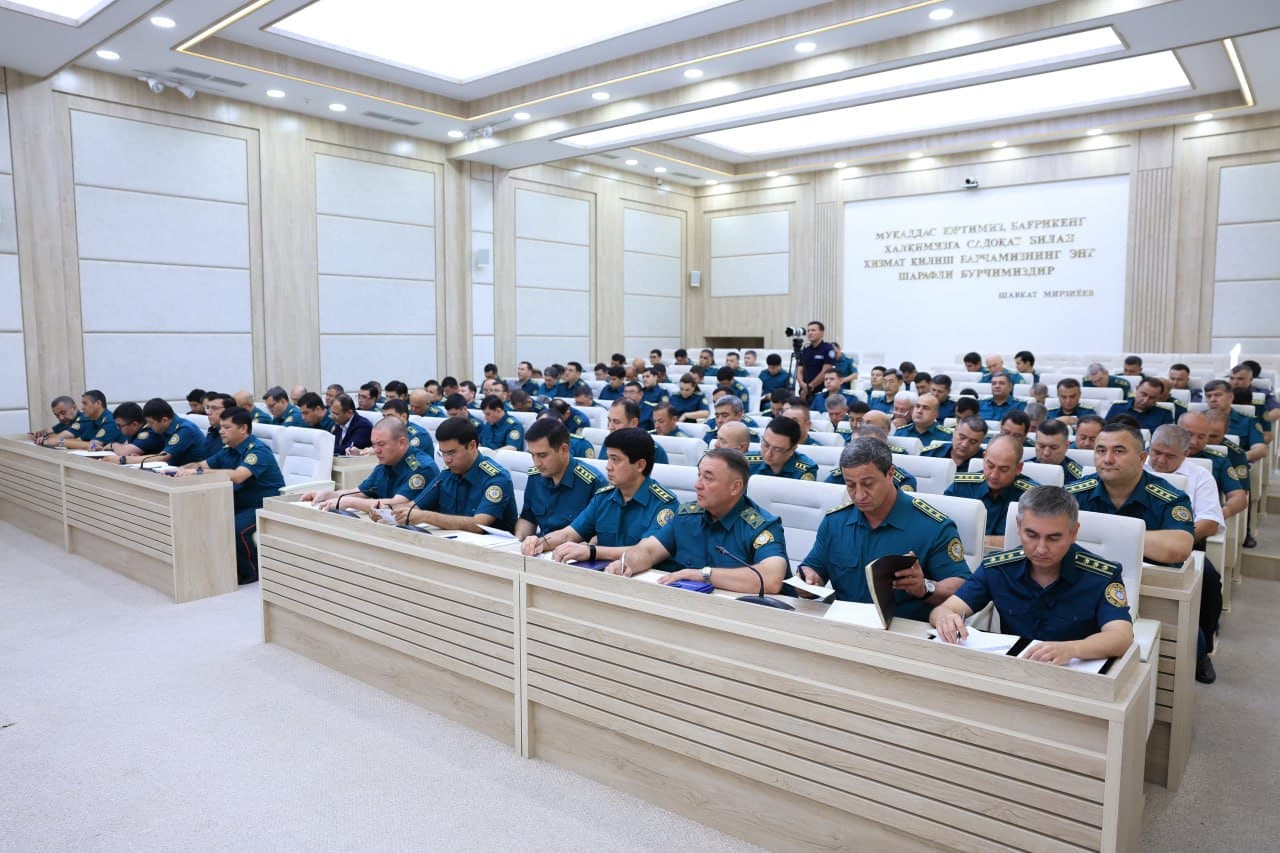
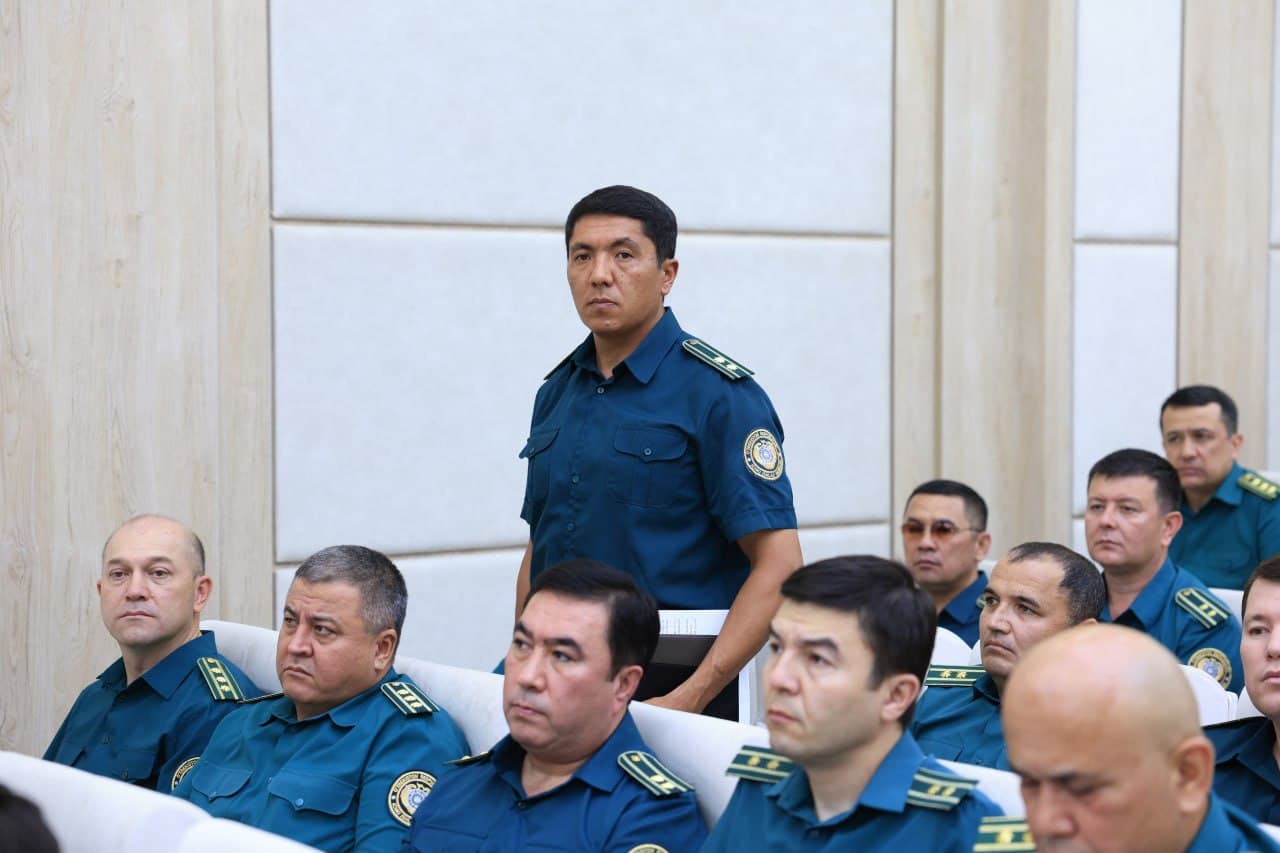
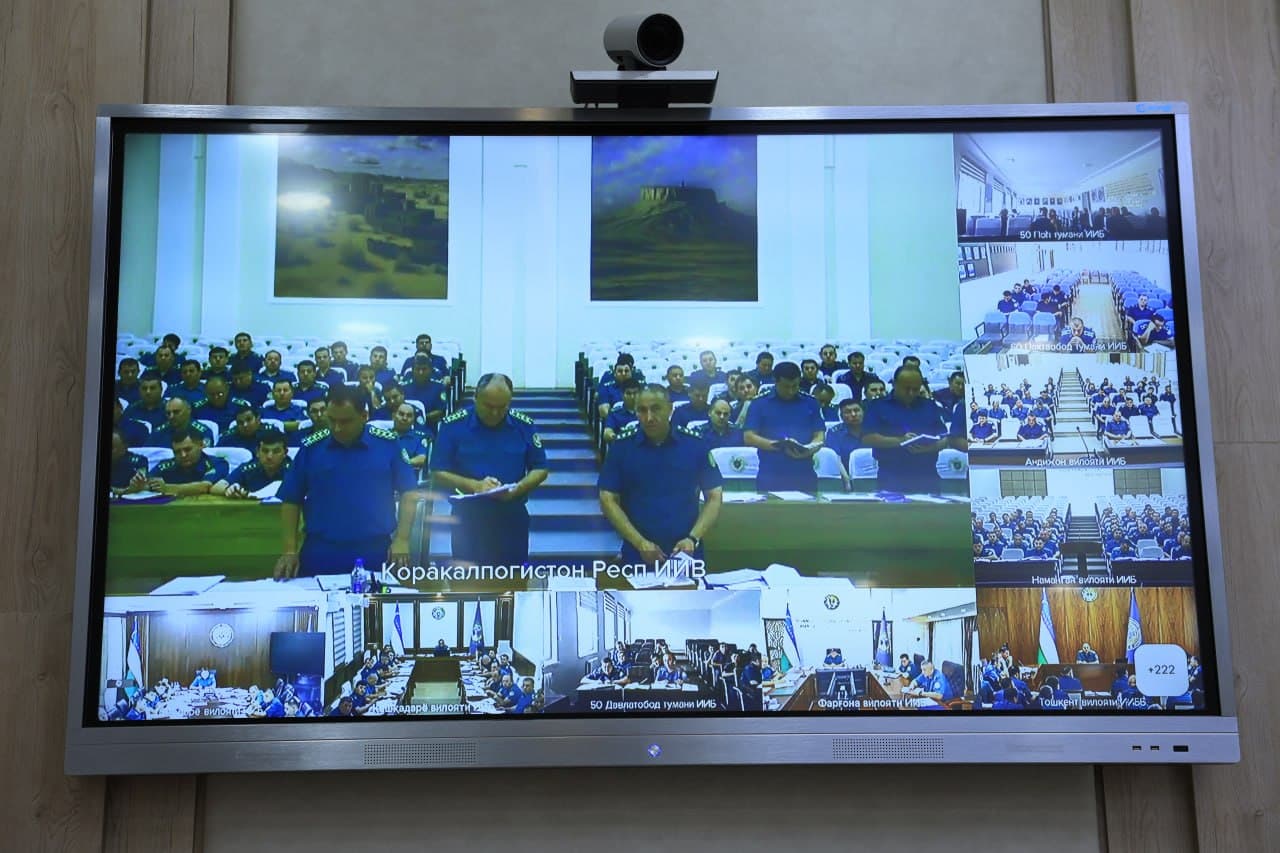
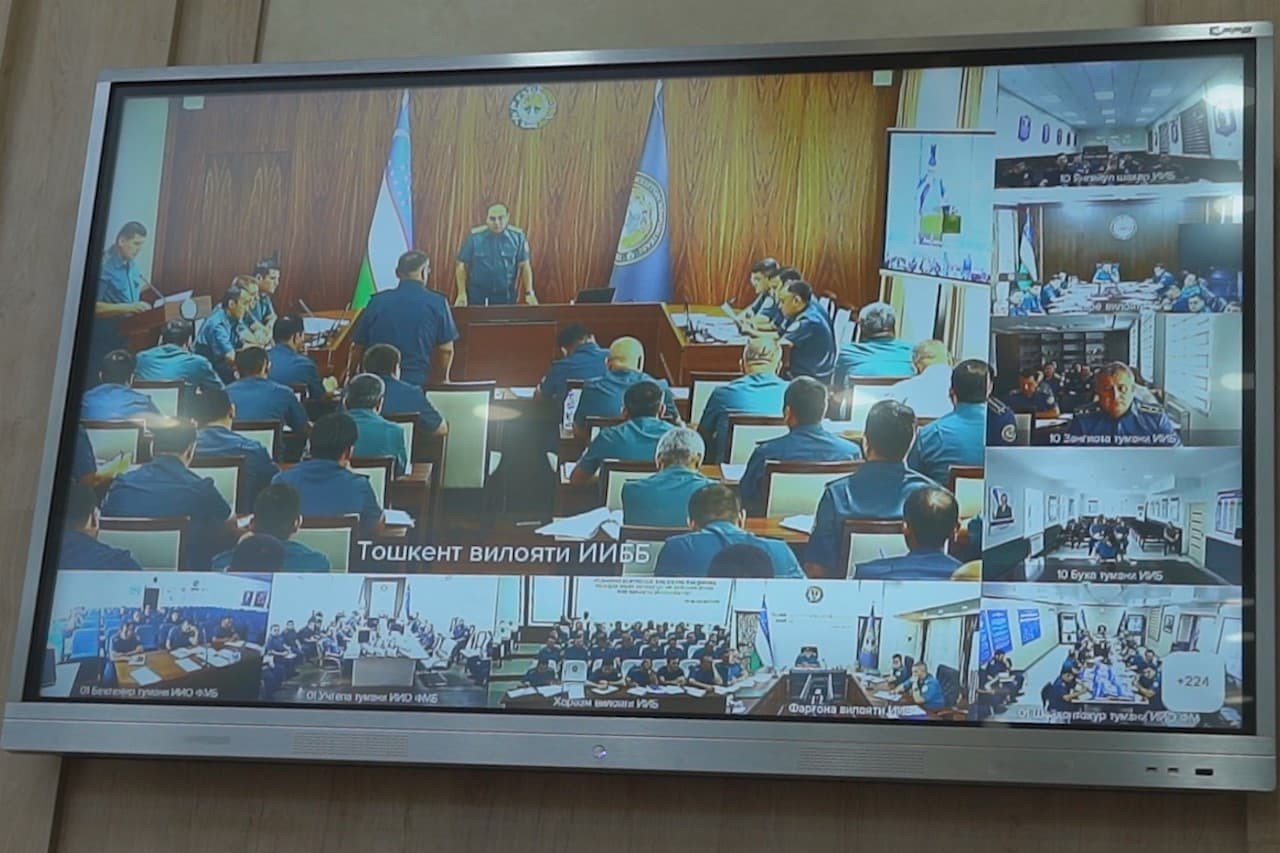
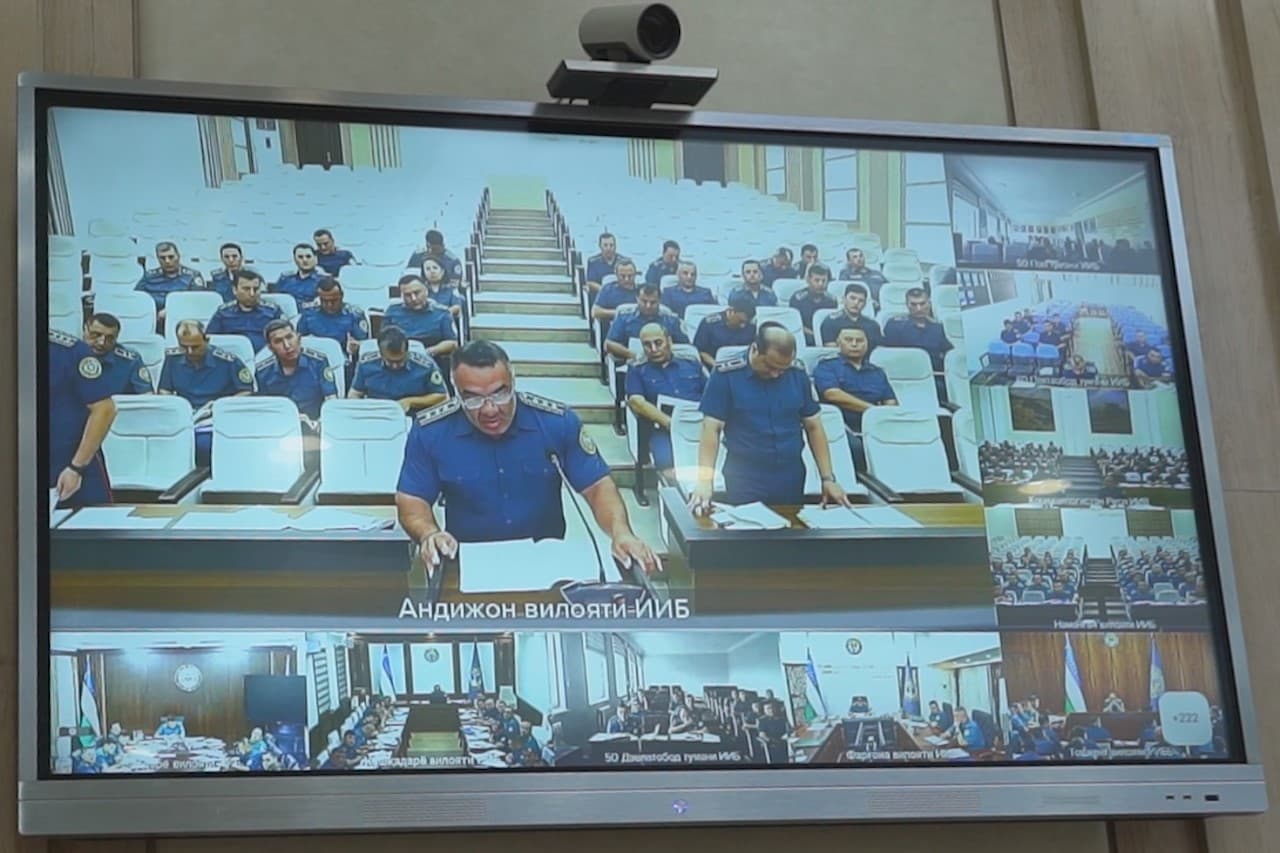
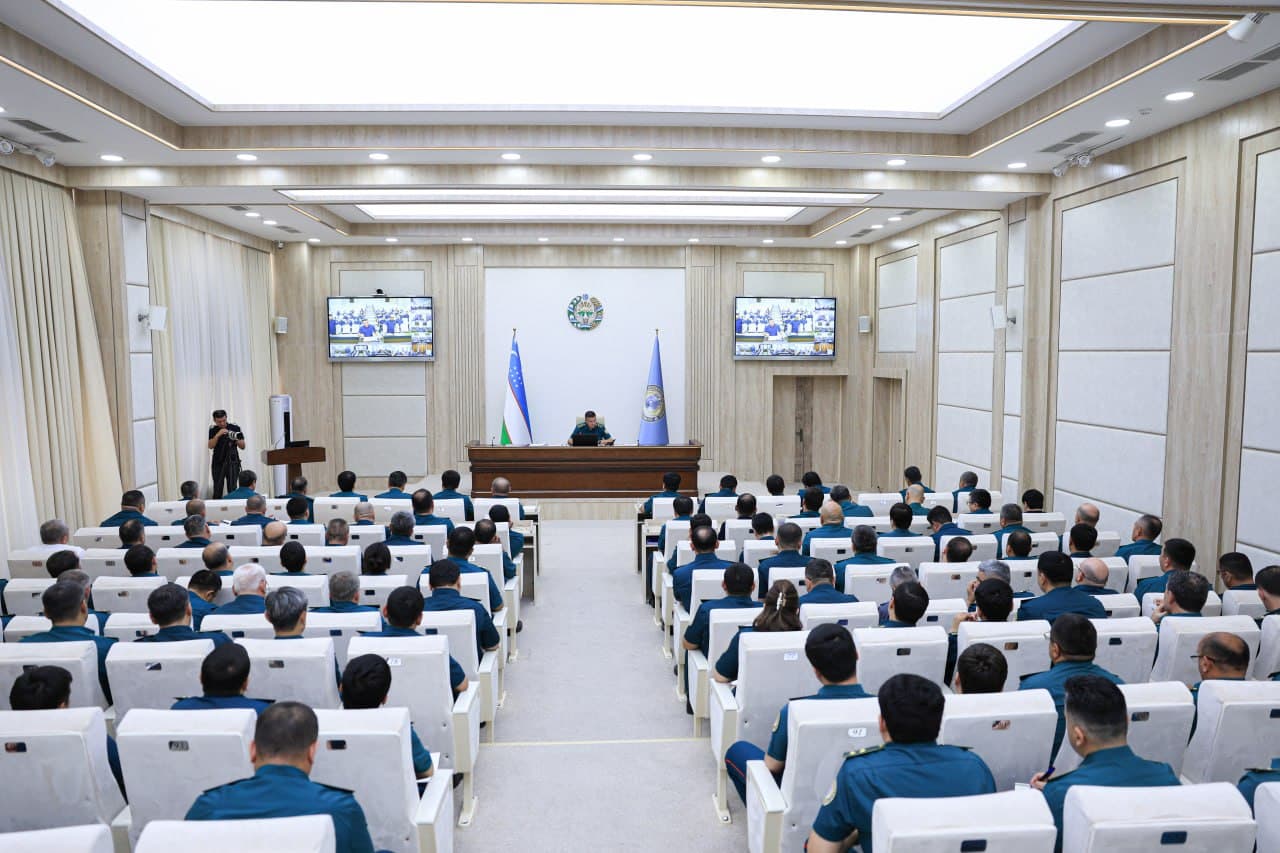
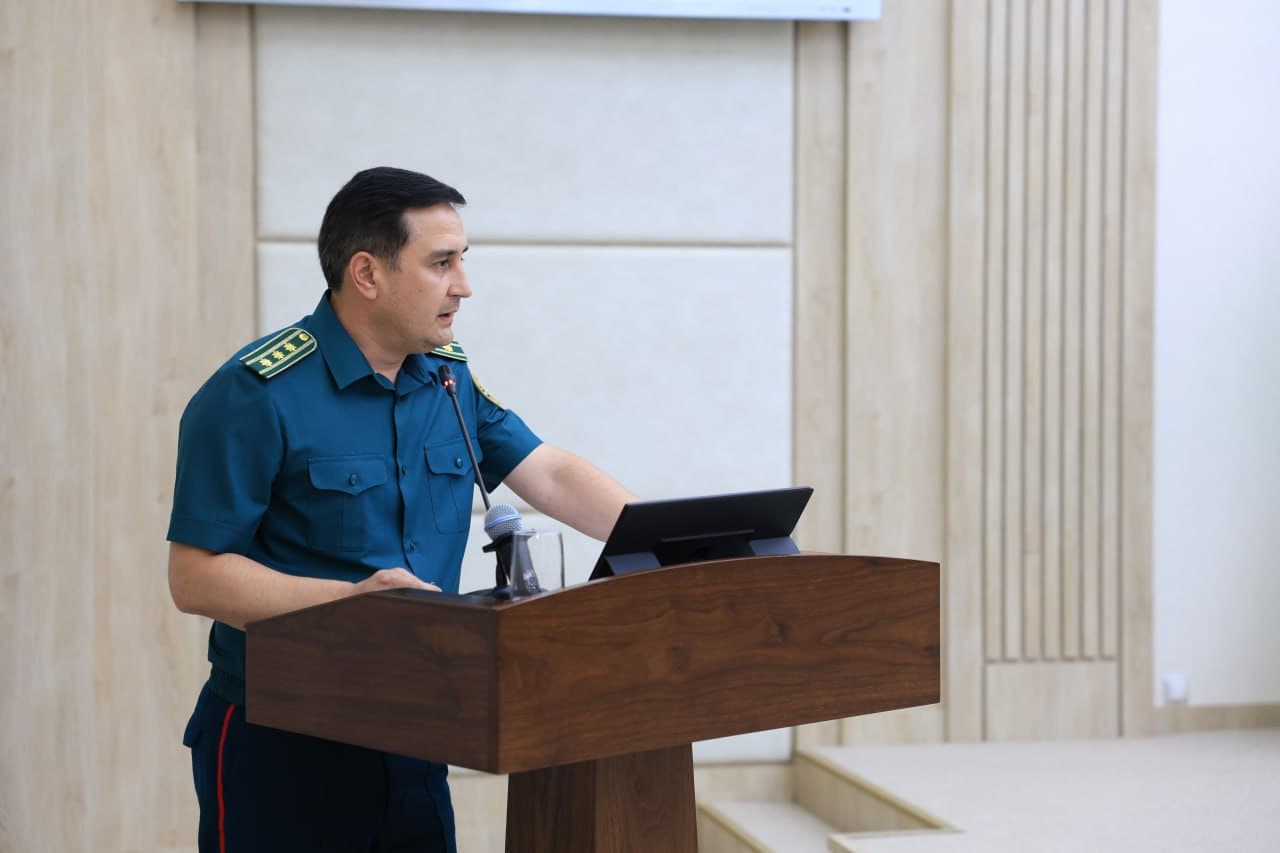
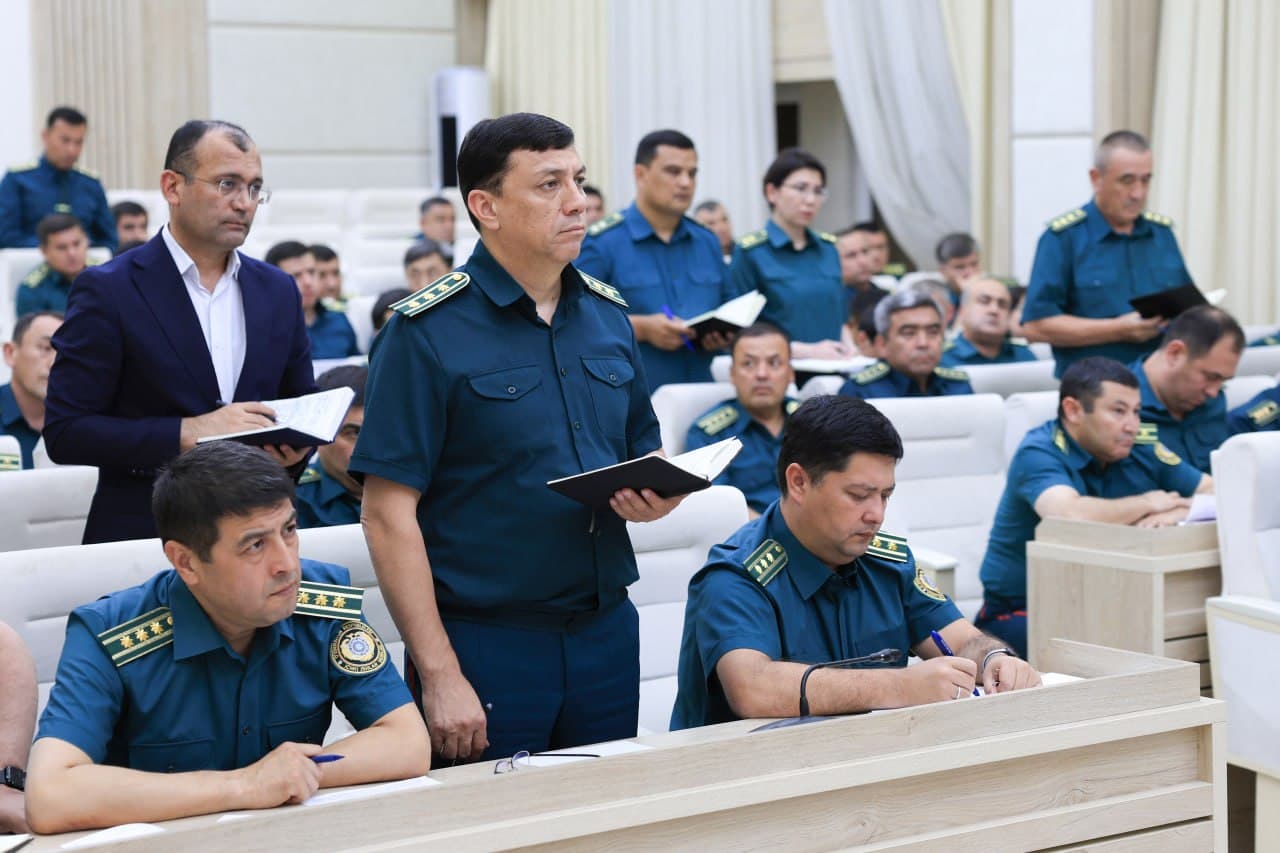
Ministry of Internal Affairs holds regular Board meetings in order to review service activities, identify priority tasks for the future and address shortcomings.
The next Board meeting, chaired by Minister of Internal Affairs Lieutenant General Aziz Tashpulatov, focused on the work done during the second quarter of this year. The meeting was attended by members of the Board, heads of sectoral services, and personnel from regional internal affairs bodies.
The meeting began with an overview of the criminogenic situation in the Republic during the first six months of 2026, which included serious and extremely serious crimes. Positive results have been noted in efforts to create a safe environment in the mahallas, improve the effectiveness of public safety measures, strengthen operational search activities, and introduce effective approaches to crime detection.
During the reporting period, 125,387 political, cultural, sports, and other public events were held, with the safety of more than 70 million citizens ensured.
The measures taken prevented crimes in 5,778 mahallas, or 64 percent of all mahallas. Meanwhile, 476 mahallas remained in the "red" category, which was strongly criticized.
It was emphasized that approaches to combatting crime and detecting and preventing socially dangerous offenses had fundamentally changed. The new crime forecasting mechanism enabled 87 percent of preventable crimes to be detected during the reporting period, while ensuring the rights of victims.
The crime detection rate increased by 31.4% due to the prompt actions of employees, the effective use of modern technology, and the active participation of citizens. Thus, material damage amounting to 1 trillion 365 billion UZS was compensated to citizens.
Over the reporting period, 5,010 wanted persons who had been hiding from judicial and investigative bodies and evading responsibility were arrested, thereby preventing them from committing further crimes. In addition, 2,616 individuals who had left their residences and gone missing were identified within a short period of time. Dangerous situations were prevented, and they were returned to their families.
In addition, the heads of the Public Order Service and the Crime Prevention Service presented reports on measures to combat crime, particularly hooliganism, and eliminate factors contributing to high crime rates.
The Minister of Internal Affairs of the Republic of Karakalpakstan, the heads of the Main Departments of Internal Affairs of Tashkent city and Tashkent region, and the heads of the Departments of Internal Affairs of Andijan, Kashkadarya, Namangan, and Surkhandarya regions also presented reports on the criminal situation in their respective territories.
Additionally, the meeting outlined efforts to combat cybercrime, the results achieved, and existing deficiencies.
It was noted that 2026 had been declared the "Year of Combating Cybercrime" within the Ministry. Therefore, preventive measures aimed at preventing cybercrime, raising cybersecurity awareness among the population, and alerting the public to online dangers were significantly strengthened.
As a result of a special system established in cooperation with the Central Bank, the illegal outflow of 29 trillion UZS was prevented, and 18,838 bank cards linked to criminal activities were blocked.
During the reporting period, 9,282 cybercrimes were exposed, including 4,011 identified through initiative-based efforts. Material damage amounting to more than 120 billion 496 million UZS caused to more than 13,000 citizens was recovered.
As public awareness is one of the key principles of preventing cybercrime, extensive awareness-raising activities covering nearly 23 million people in the country were conducted.
The meeting also critically assessed shortcomings in this area. It was emphasized that citizens’ appeals should be comprehensively and thoroughly studied, while the causes of cybercrime and the factors contributing to its commission should be deeply analyzed.
It was determined that specific tasks would be set in order to systematically improve the knowledge and skills of internal affairs officers as well as to strengthen their training in modern information technologies and new methods for detecting and combating cybercrime.
In addition, responsible leaders reported on service discipline and compliance with the law. A critical and analytical discussion was conducted regarding existing shortcomings.
It was stressed that employees must strictly comply with service discipline and legal requirements, while effective control should be strengthened over their conscientious and responsible performance of official duties. In particular, the importance of thoroughly studying the factors affecting the disciplinary situation and addressing both the consequences of problems as well as their causes was emphasized.
The importance of strengthening the social protection of employees as well as creating decent working and living conditions for them was also highlighted. A timely identification of socio-legal problems and the provision of practical assistance were identified as important tasks.
The social stability and working conditions of employees have a direct impact upon their discipline, professional responsibility, and efficiency at work.
The meeting also discussed the organization of work with appeals from individuals and legal entities, including personal and mobile receptions, with an emphasis on improving their effectiveness.
In accordance with the requirements of the Decree of the President of the Republic of Uzbekistan on ensuring open and effective dialogue with the population, unconditional implementation of citizens' right to appeal, and prioritization of human interests in the activities of state bodies, the state of work with appeals was critically and analytically reviewed.
A total of 205,154 appeals were received during the first six months of this year, which is 2,117 fewer than during the same period last year. Of these, 87.7 percent were satisfied, while 11.3 percent received qualified legal explanations. In accordance with the procedures and grounds established by law, 0.9 percent of appeals were rejected.
Meanwhile, shortcomings in the consideration of appeals, delays by some officials, and inadequate attention to the content and substance of citizens' appeals were criticized.
It was determined that specific tasks must be completed in order to ensure that citizens' appeals are considered in a timely, high-quality, and lawful manner, to take decisive action against officials who show indifference to citizens' concerns, and to encourage employees to display effective performance.
Due to serious shortcomings in stabilizing criminogenic situations in the Republic during the past six months, the Board decided to dismiss six city and district heads of internal affairs bodies, two of their deputies responsible for public safety, and two heads of regional internal affairs departments.
Furthermore, seven leaders were subjected to severe disciplinary actions and three leaders were considered for retention.
Furthermore, proposals were made to encourage the heads of the internal affairs departments in Tashkent and Samarkand in accordance with established procedures, with the Tashkent region winning first place and Samarkand taking second and Fergana third places according to established criteria. Proposals were also made to encourage the heads of Karmana district of Navoi region, Jarkurgan district of Surkhandarya region, Kuva district of Fergana region, Yunusobod district of Tashkent city, Namangan district of Namangan region, Jondor district of Bukhara region, Piskent district of Tashkent region, and Yangiobod district of Jizzakh region. These districts achieved the most successful results in preventing preventable crimes and taking initiative in detecting crimes according to the rating results.
At the meeting, the Board reviewed preparations for the 35th anniversary of State Independence, the organization of high-level festive events, and the transition of employees to an enhanced service regime in order to ensure public safety and order.
Those responsible for maintaining peace and tranquility, ensuring public order, and conducting festive events safely were given specific tasks and instructions.
Following the Board meeting, strict requirements were set to establish effective control over the implementation of assigned tasks and to demand efficiency, discipline, and personal responsibility from every leader and employee.