Mobile receptions help to address citizens' concerns and strengthen public dialogue
2026-03-30 08:00:00 / News
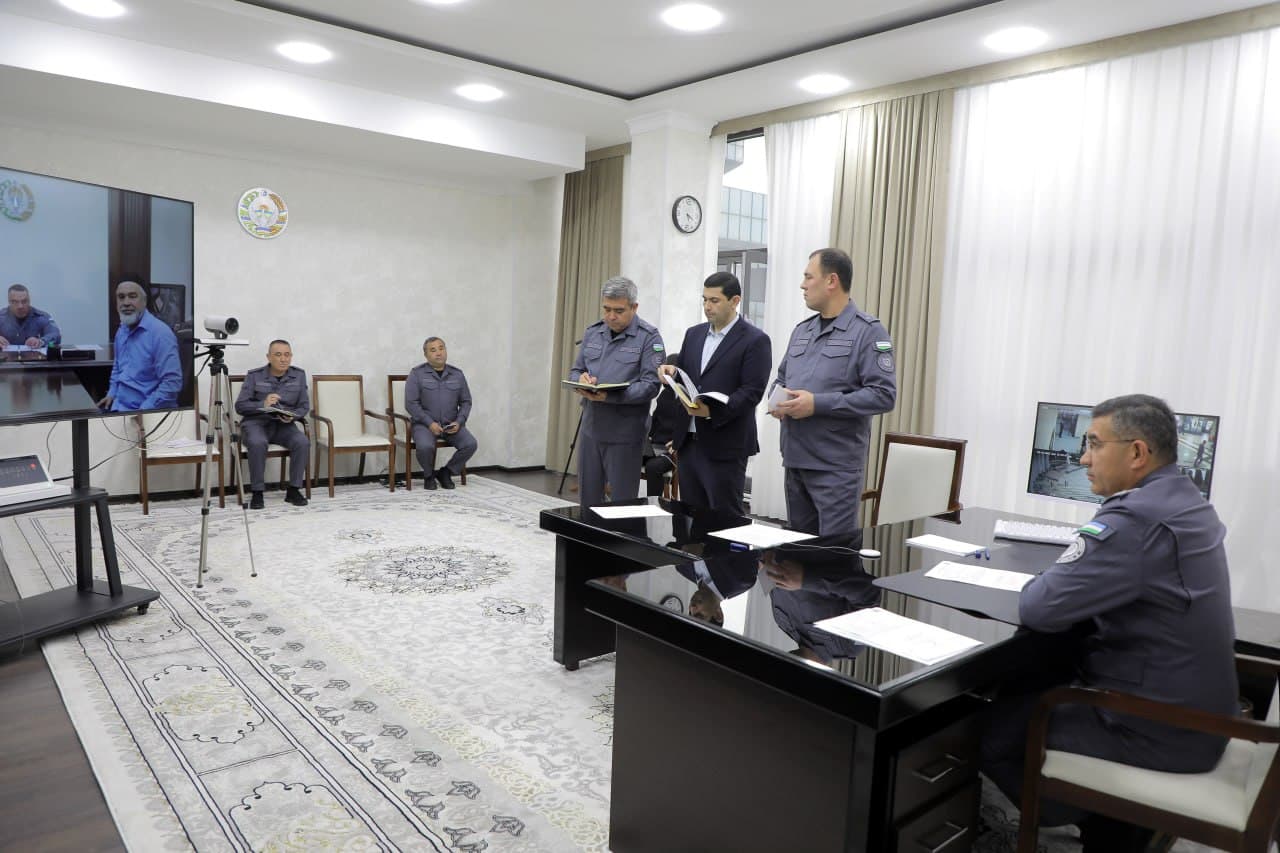
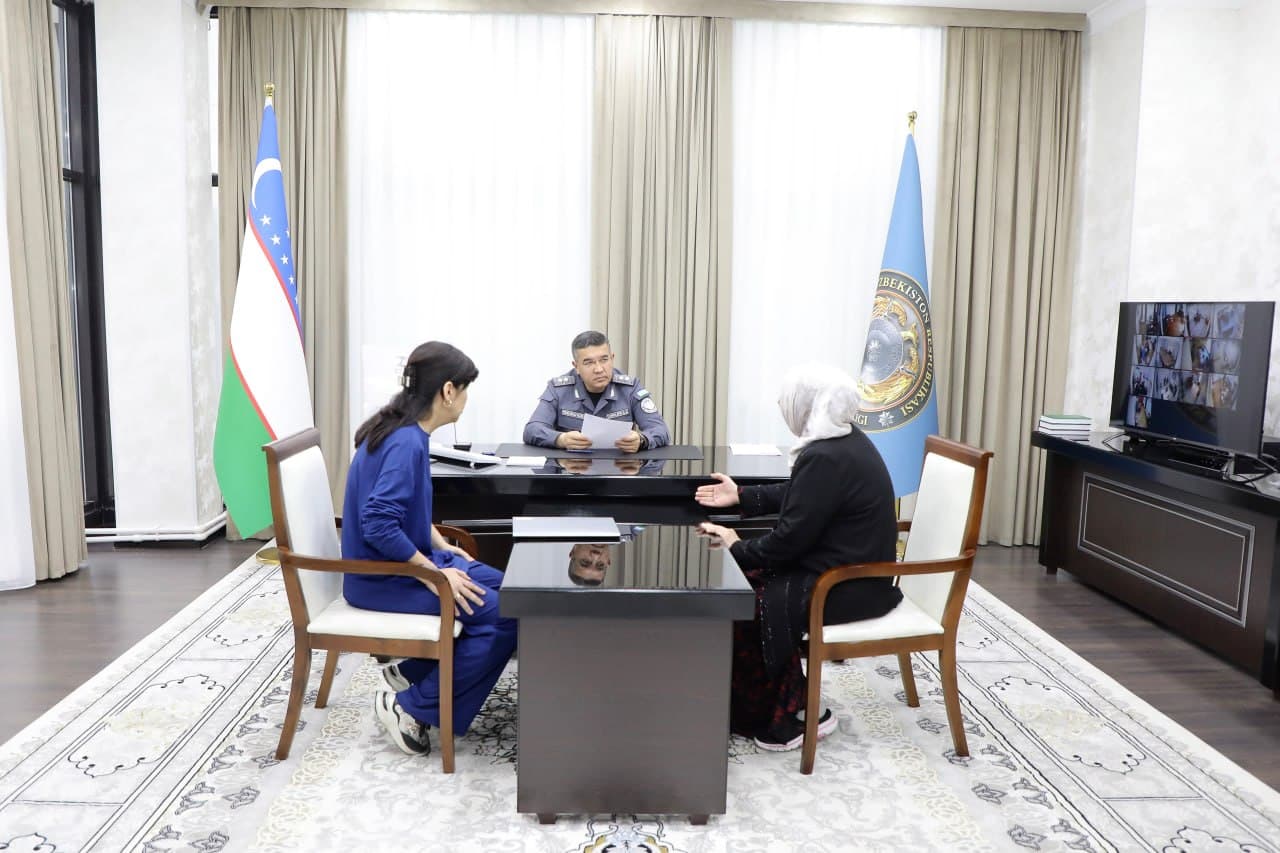
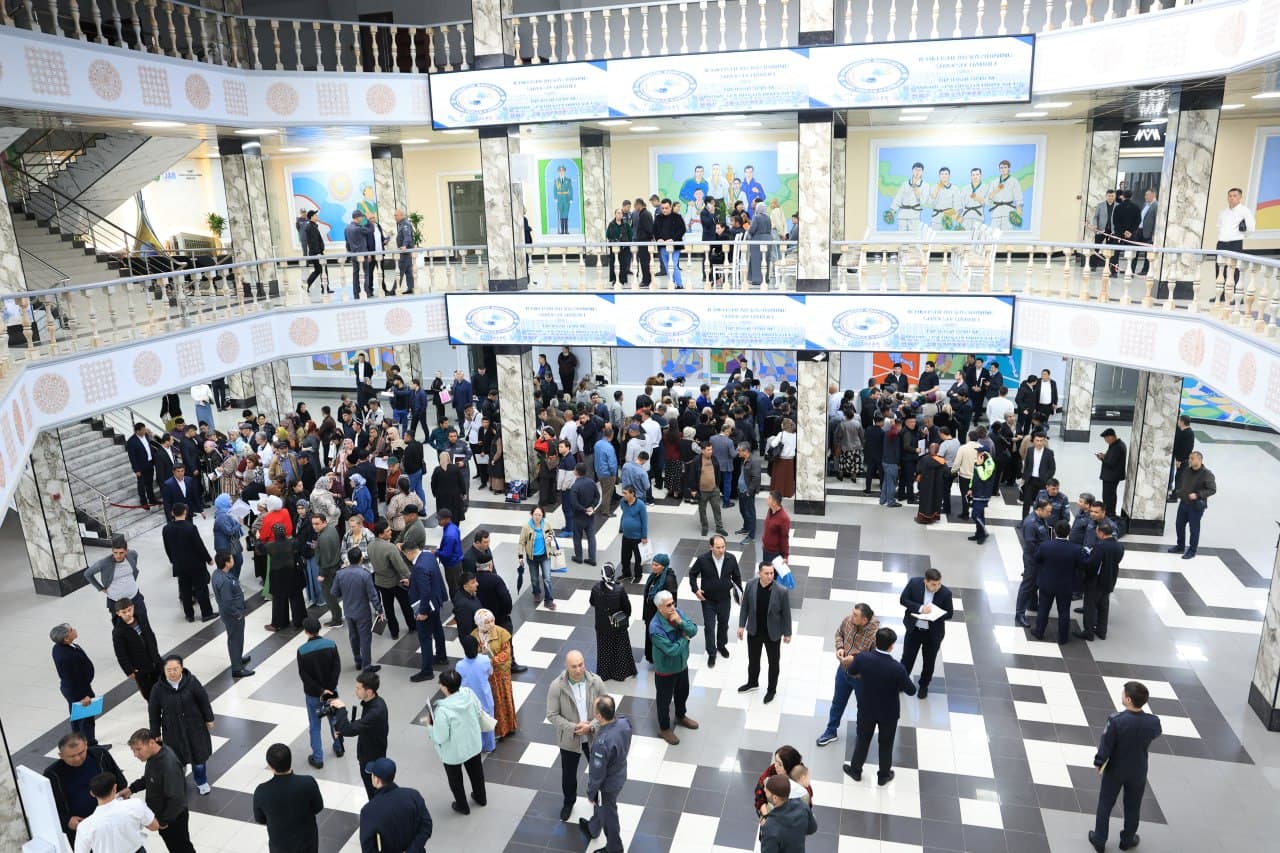
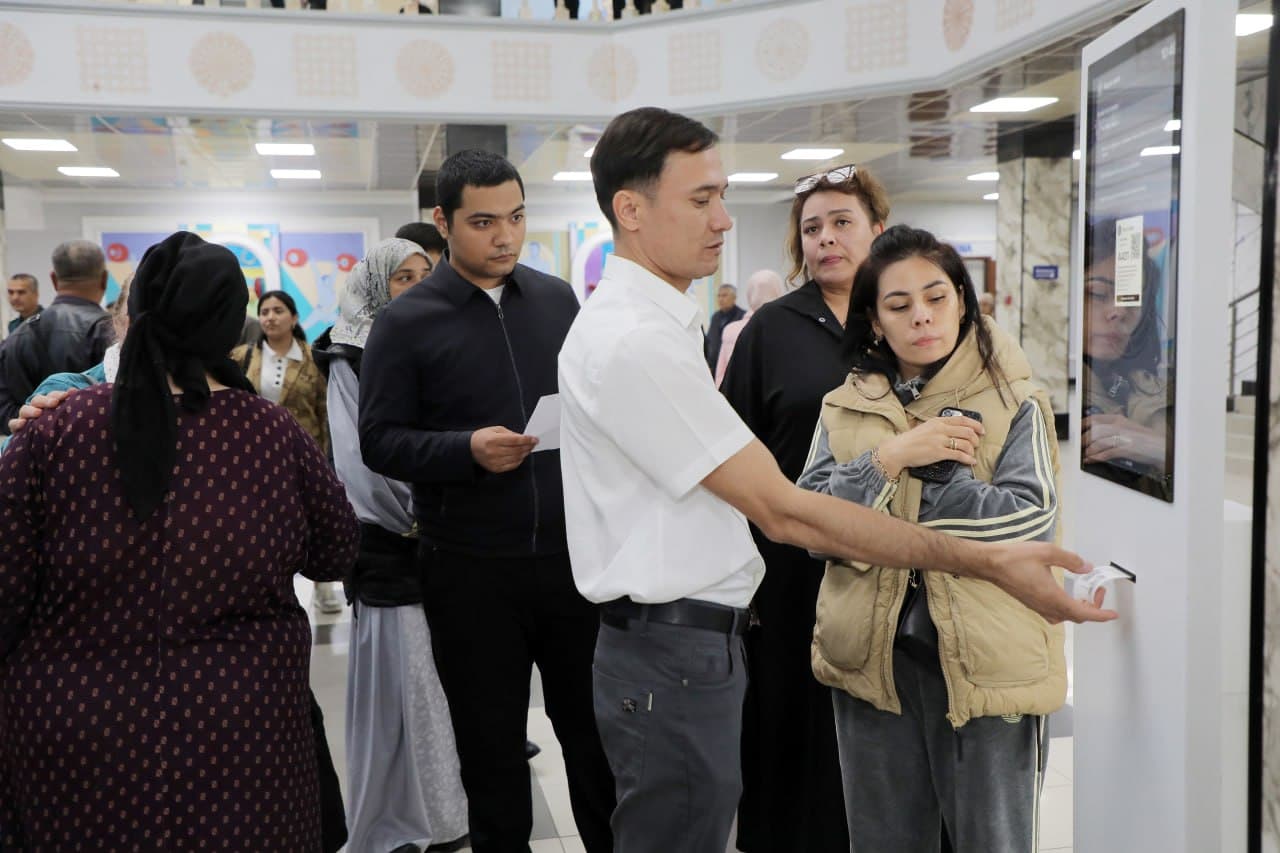
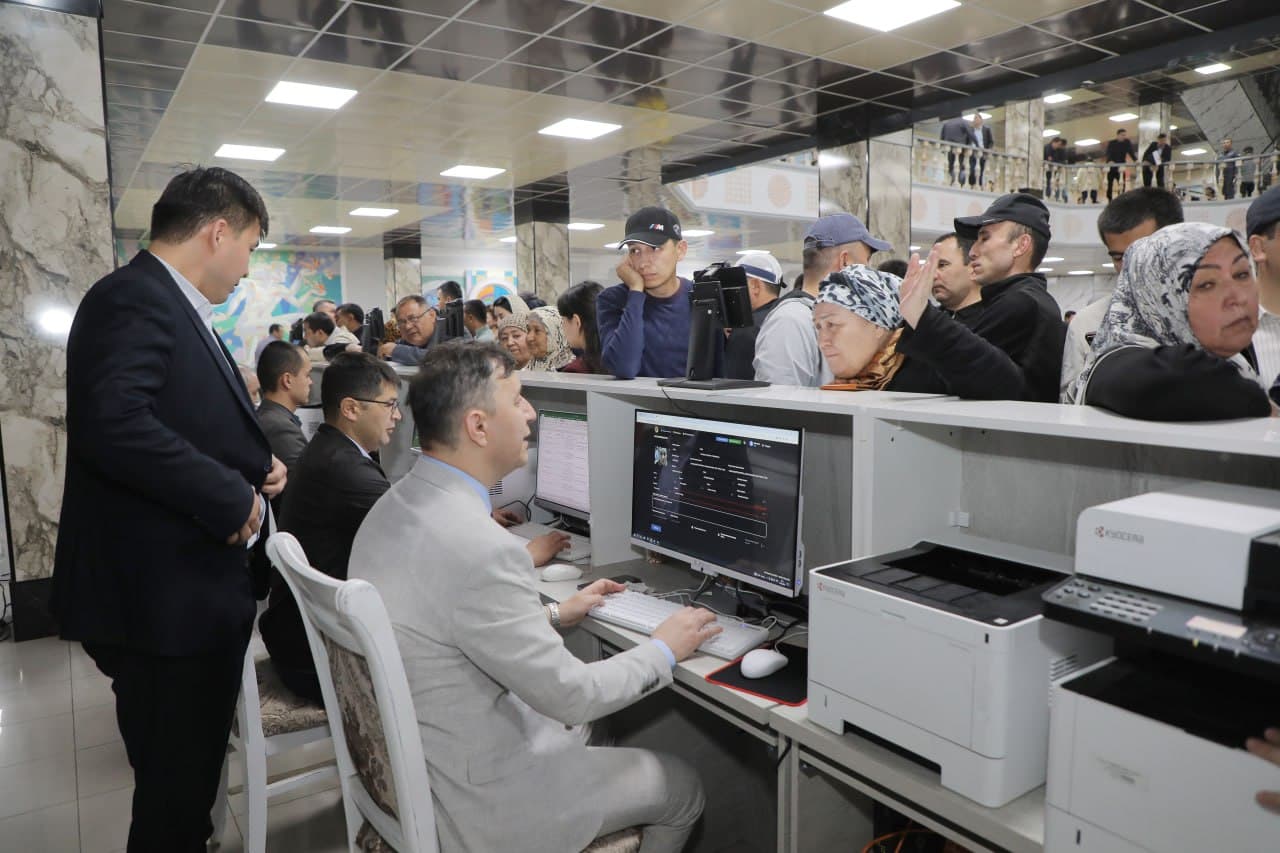
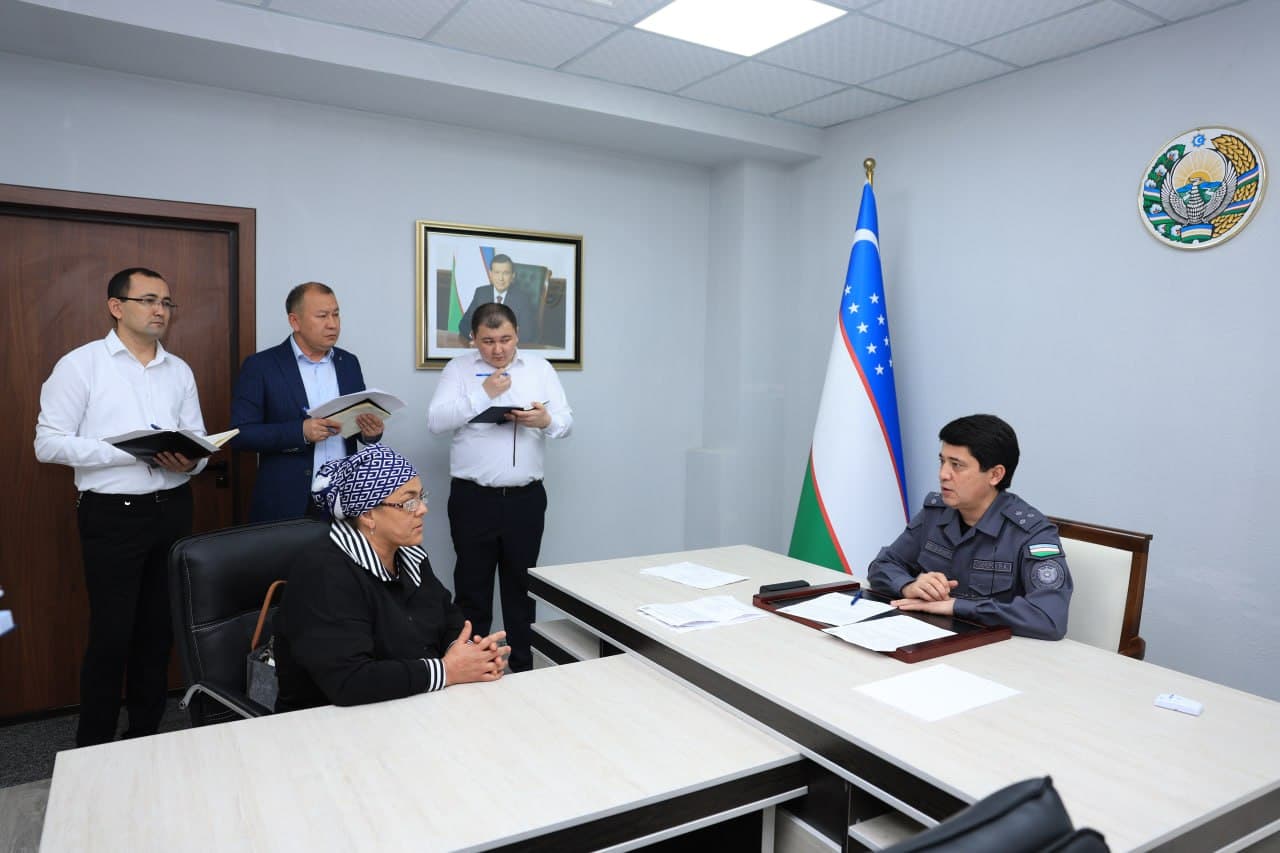
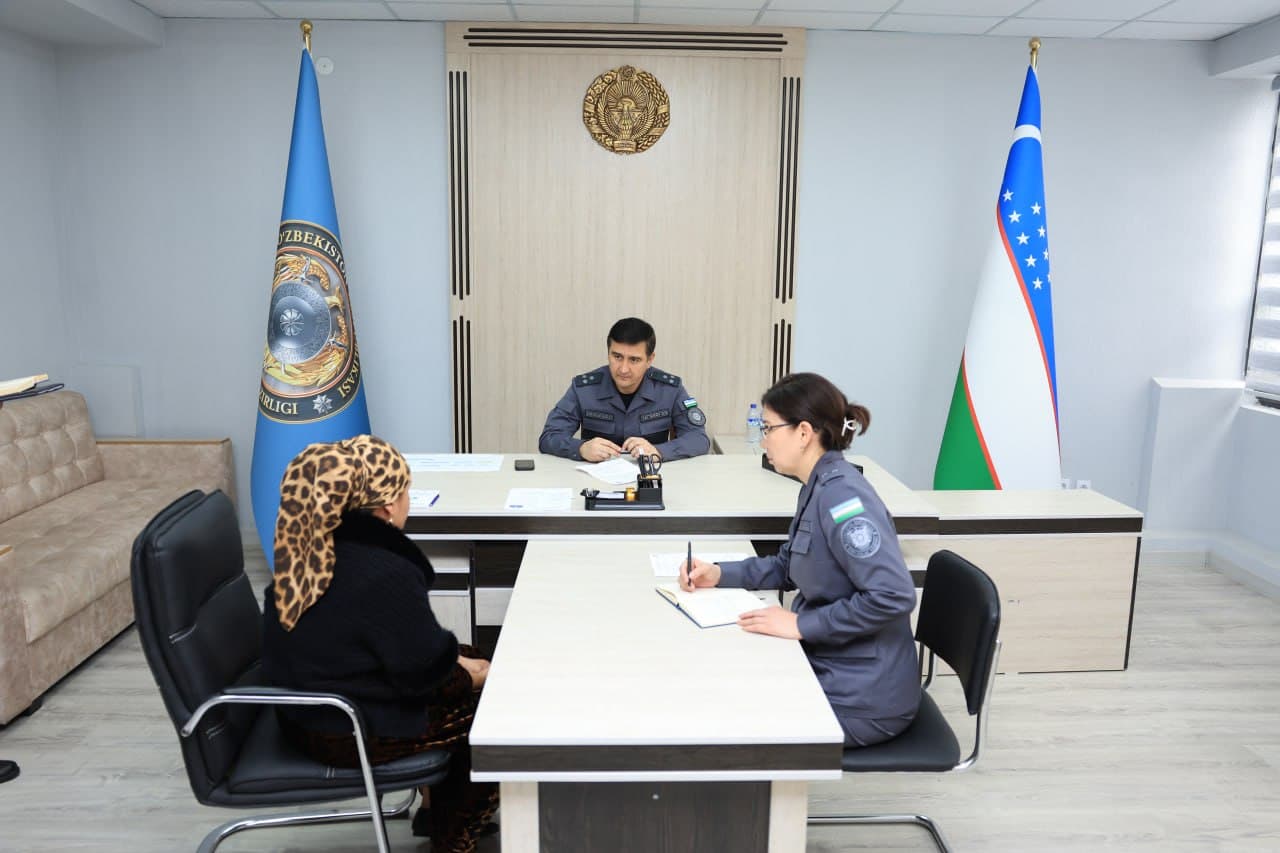
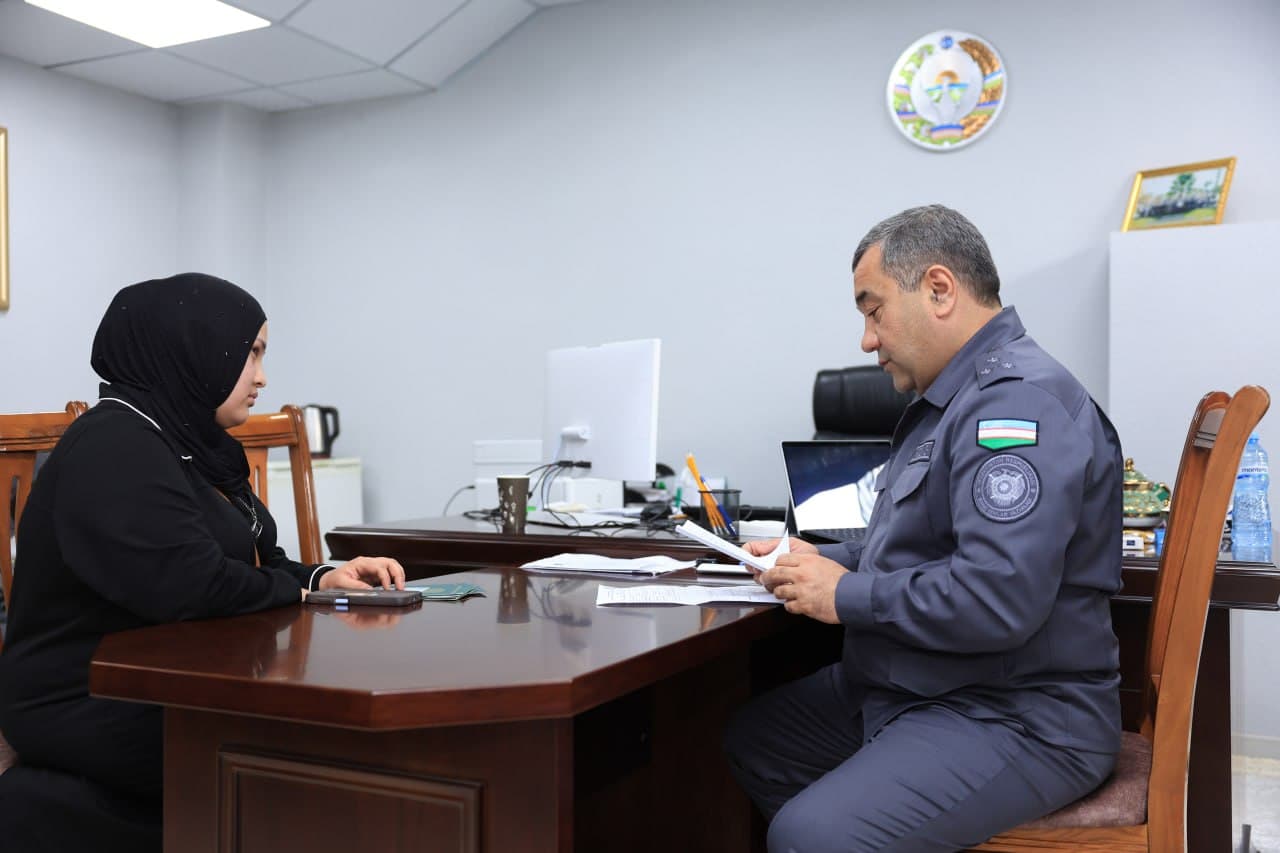
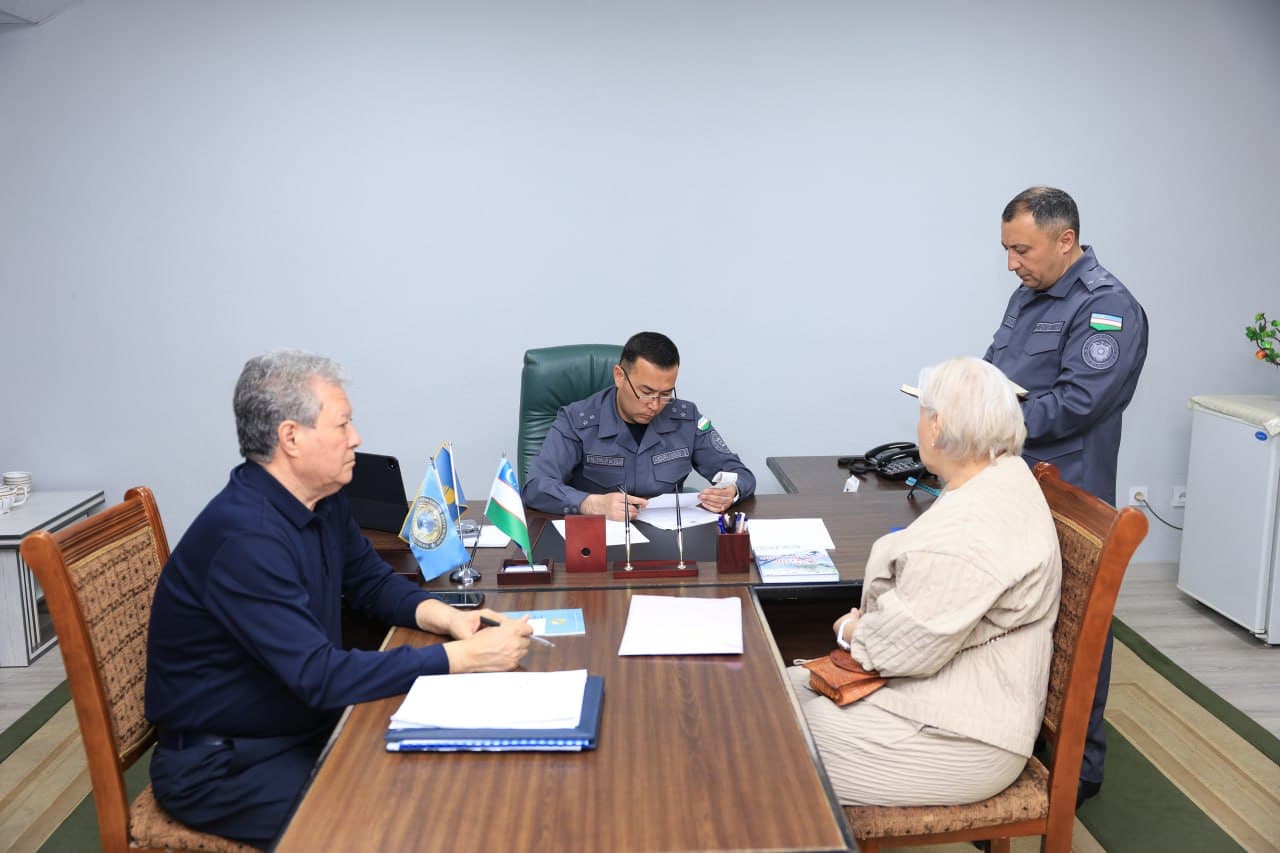
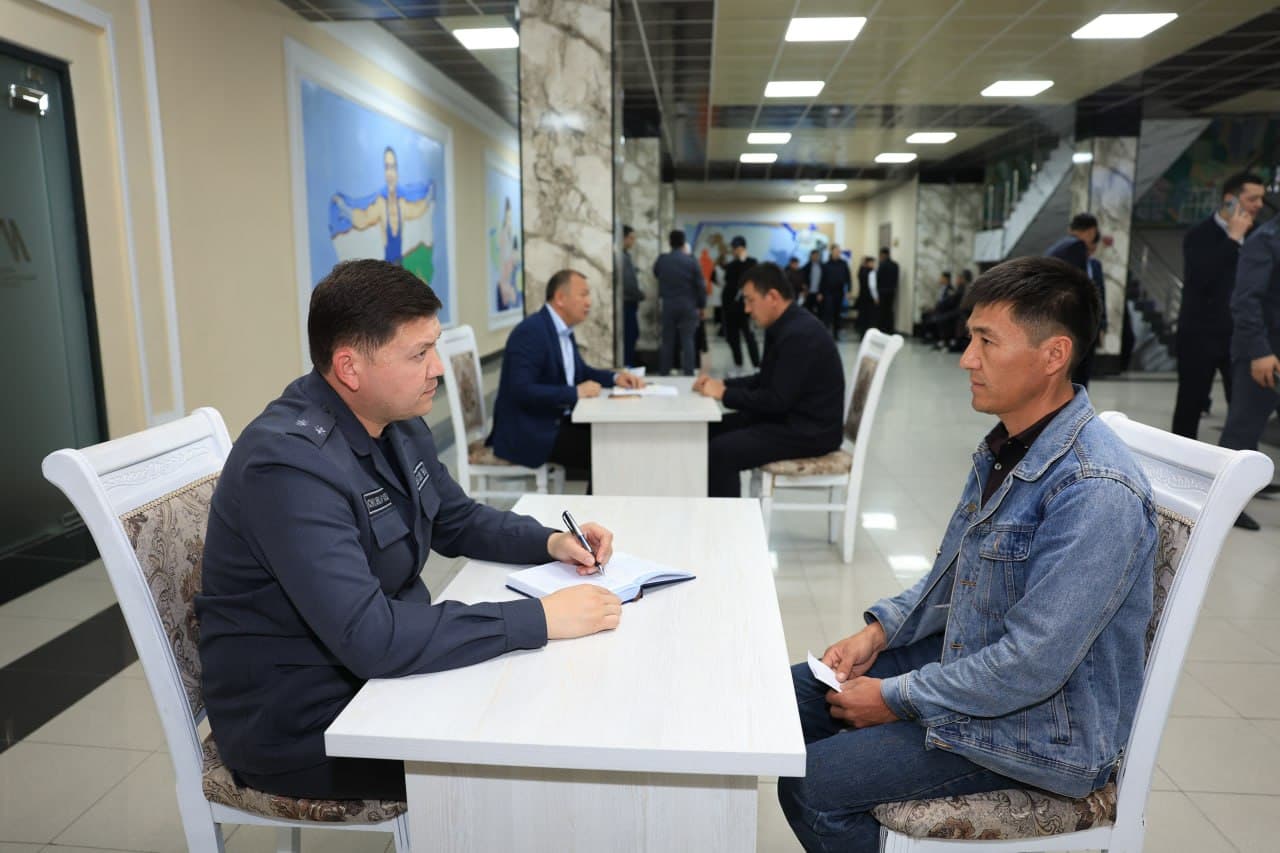
Mobile receptions organized by the Ministry of Internal Affairs and its territorial divisions continue to serve as an effective platform for engaging directly with citizens, thoroughly reviewing their appeals, and identifying practical solutions to existing issues.
Ensuring an open, transparent, and continuous dialogue with the population remains one of the key priorities set by the Head of State. Accordingly, internal affairs bodies consistently strive to improve communication with citizens, to study their needs, and to promptly review incoming appeals in accordance with law.
On March 29, another large-scale mobile reception was held under the leadership of Minister of Internal Affairs, Lieutenant General Aziz Tashpulatov, with responsible officials. In order to ensure convenience for participants, both face-to-face and virtual formats were used: citizens of Tashkent and the surrounding region attended face-to-face meetings, while residents of the Republic of Karakalpakstan and other regions participated via videoconference.
The reception resulted in the registration of 521 appeals. Many of these cases involved disputes between citizens over financial matters, road safety, inquiries and preliminary investigations, as well as personnel-related issues.
In accordance with the law, 250 appeals (48 percent) were resolved positively on the spot. The remaining 271 cases, requiring additional review, were taken under control and assigned to the relevant authorities for further consideration.
Also, 475 appeals were recorded during mobile receptions held by regional internal affairs leaders in Karakalpakstan, Tashkent city and region, and other regions. A total of 185 (39 percent) were resolved immediately, while 290 were referred for further investigation.
Throughout the receptions, citizens received detailed explanations on legal issues and practical guidance on resolving their concerns.
Such initiatives are being systematically continued across all regions of the country, contributing to greater responsiveness, transparency, and public trust.