July 30 – World Day Against Trafficking in Persons: A Global Challenge, a Shared Responsibility
2025-07-29 19:50:00 / News
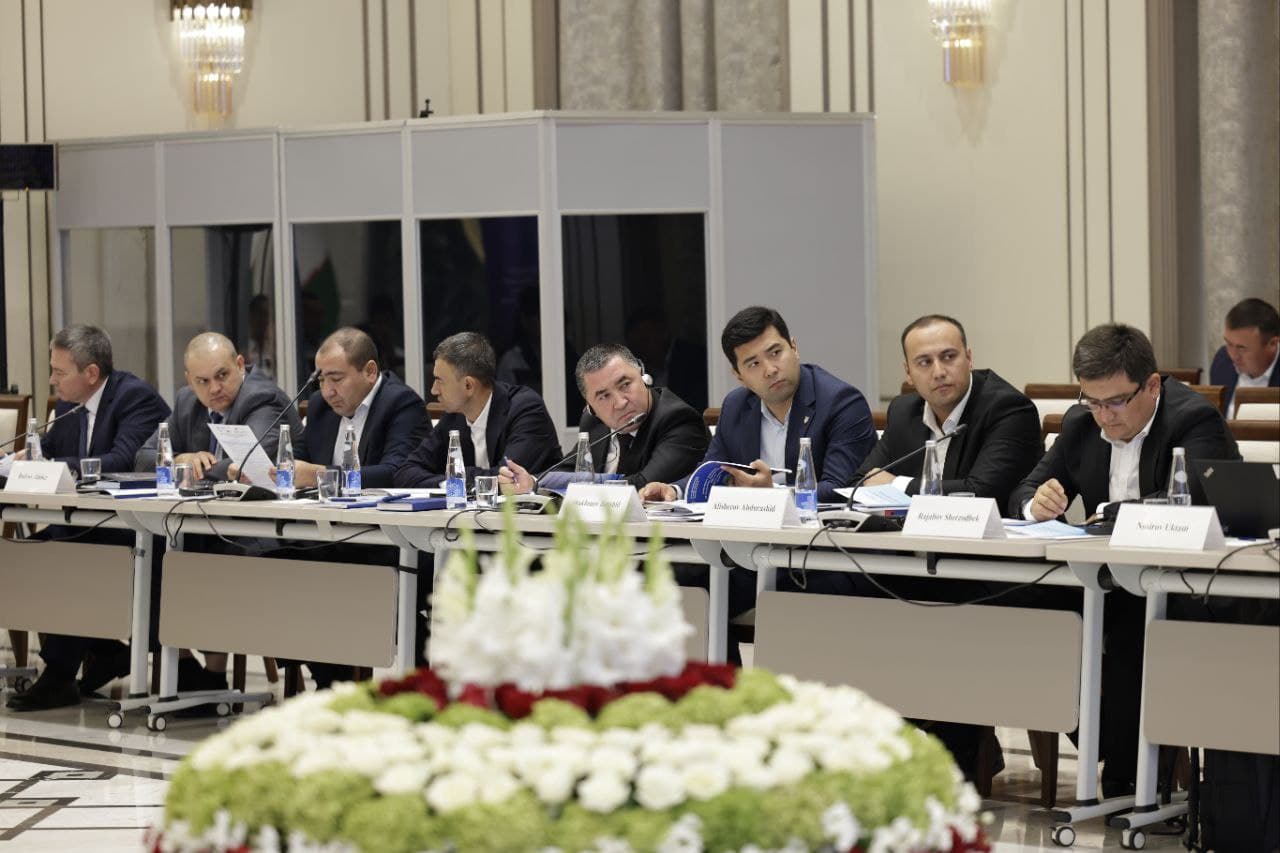
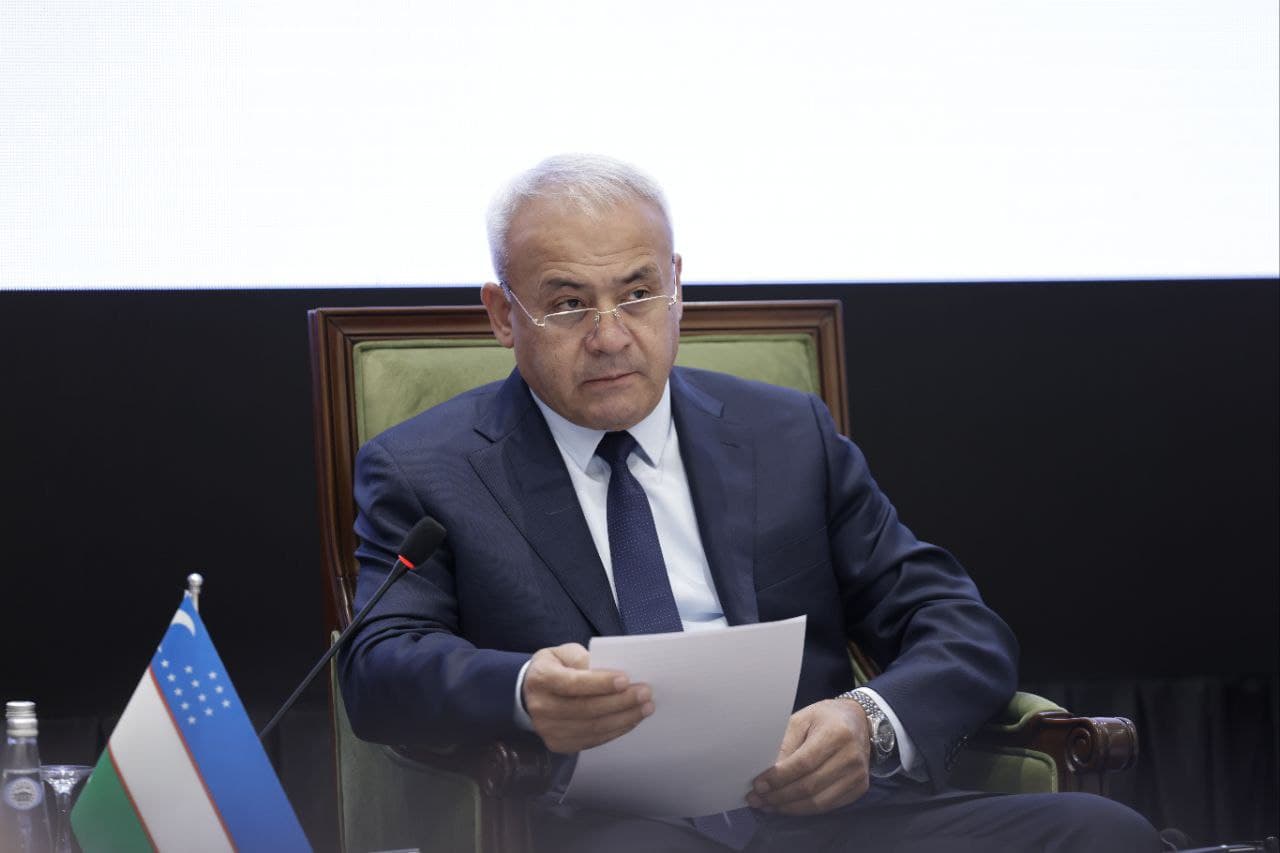
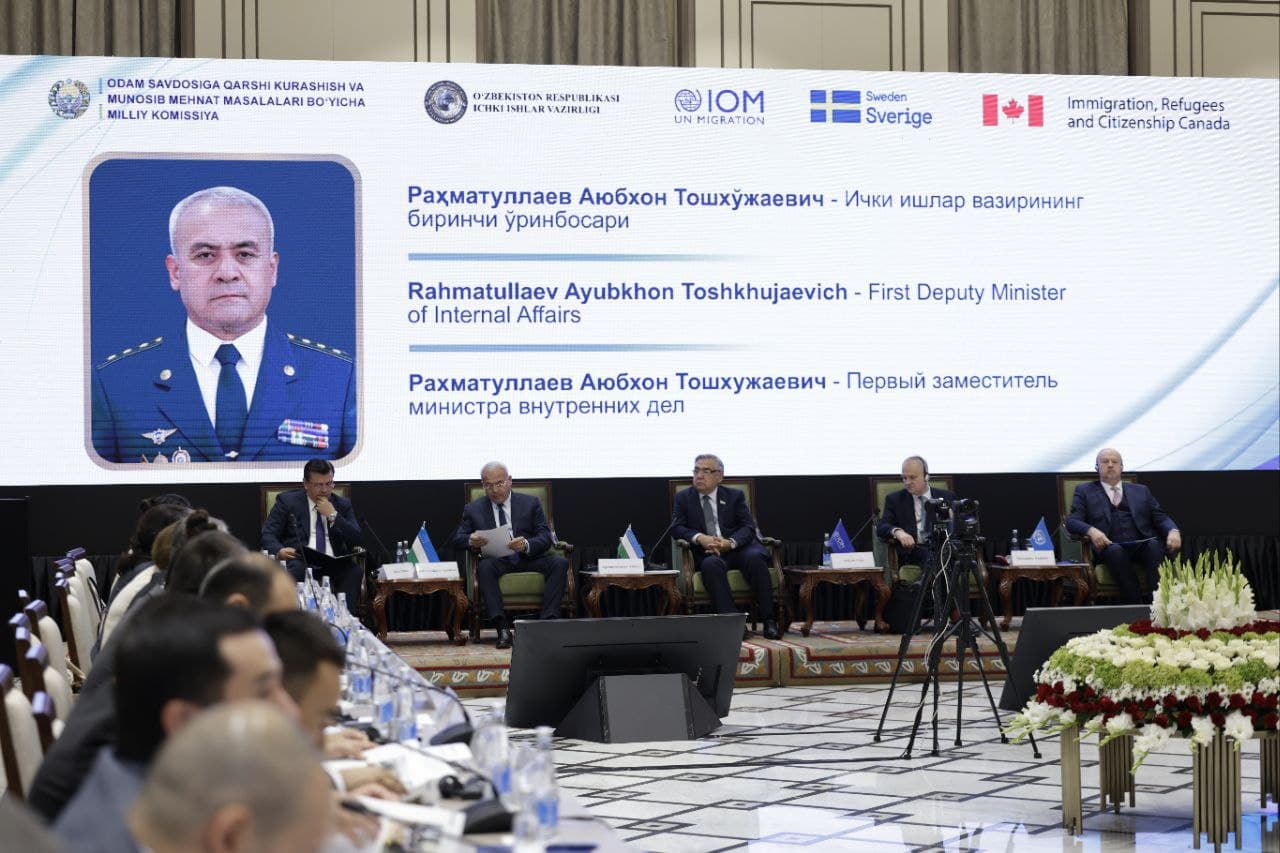
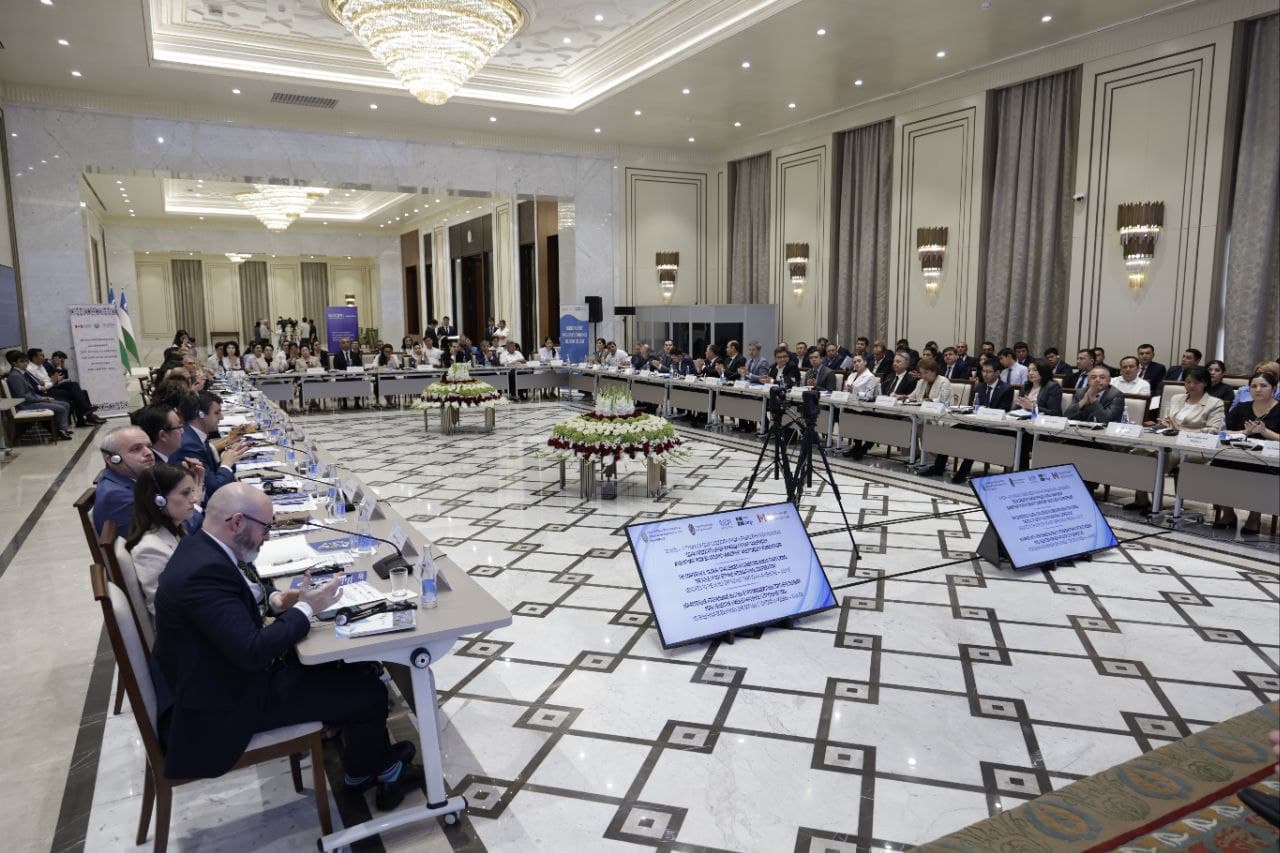
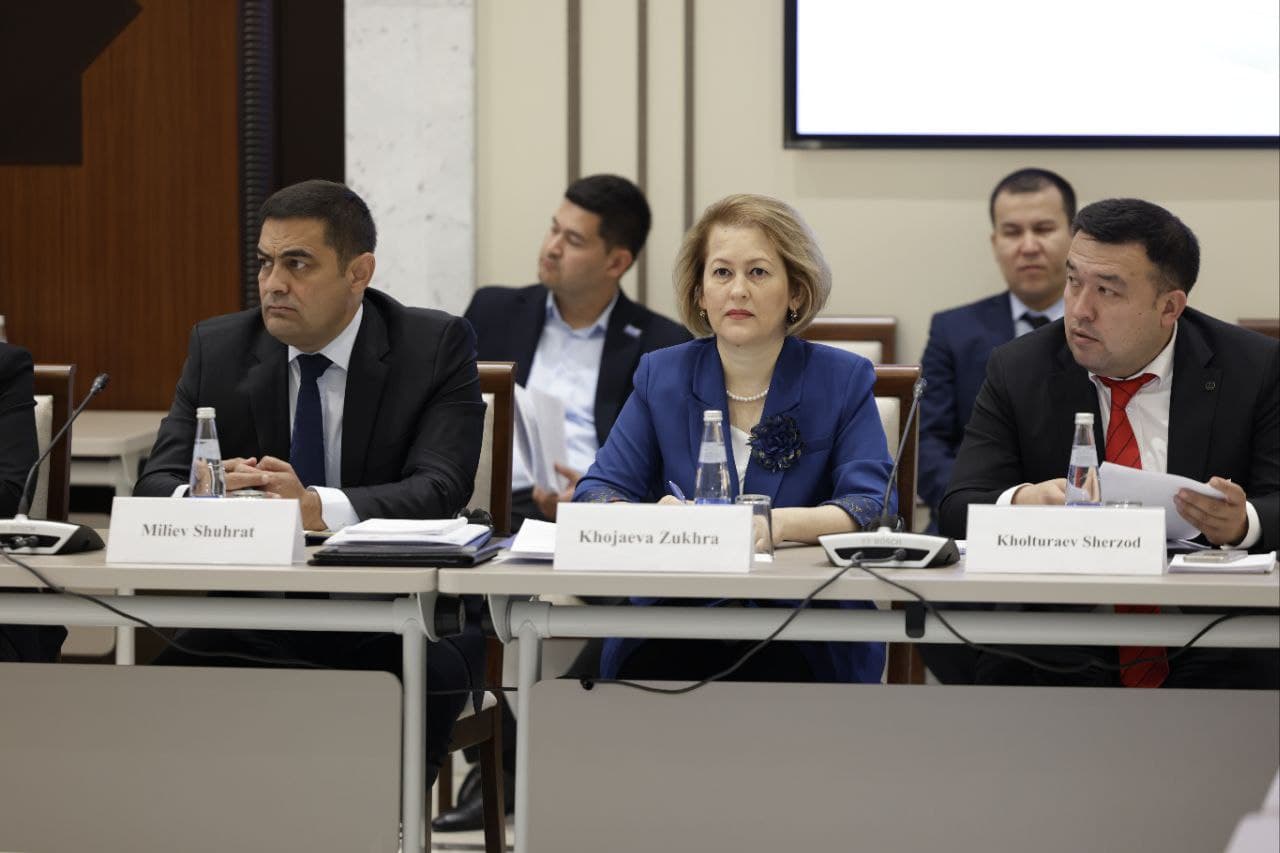
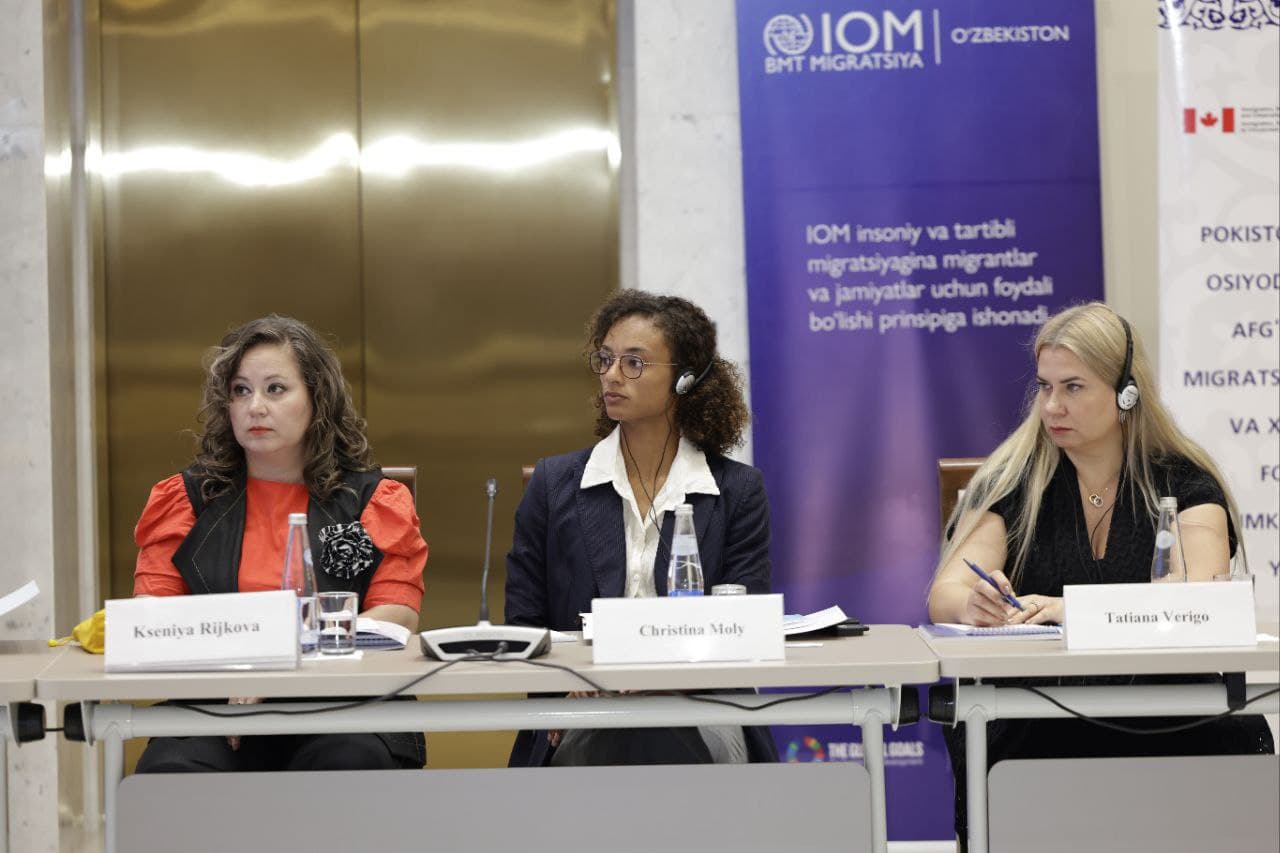
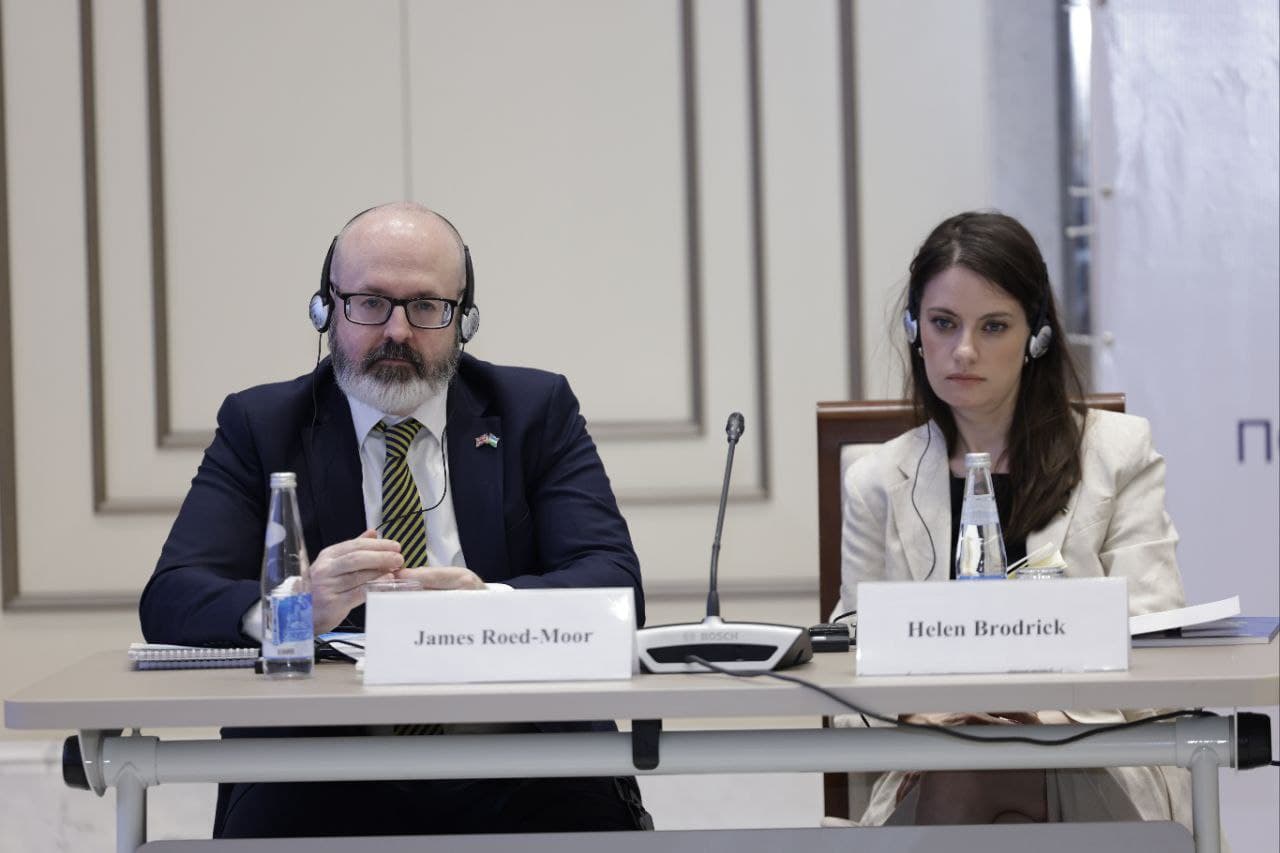
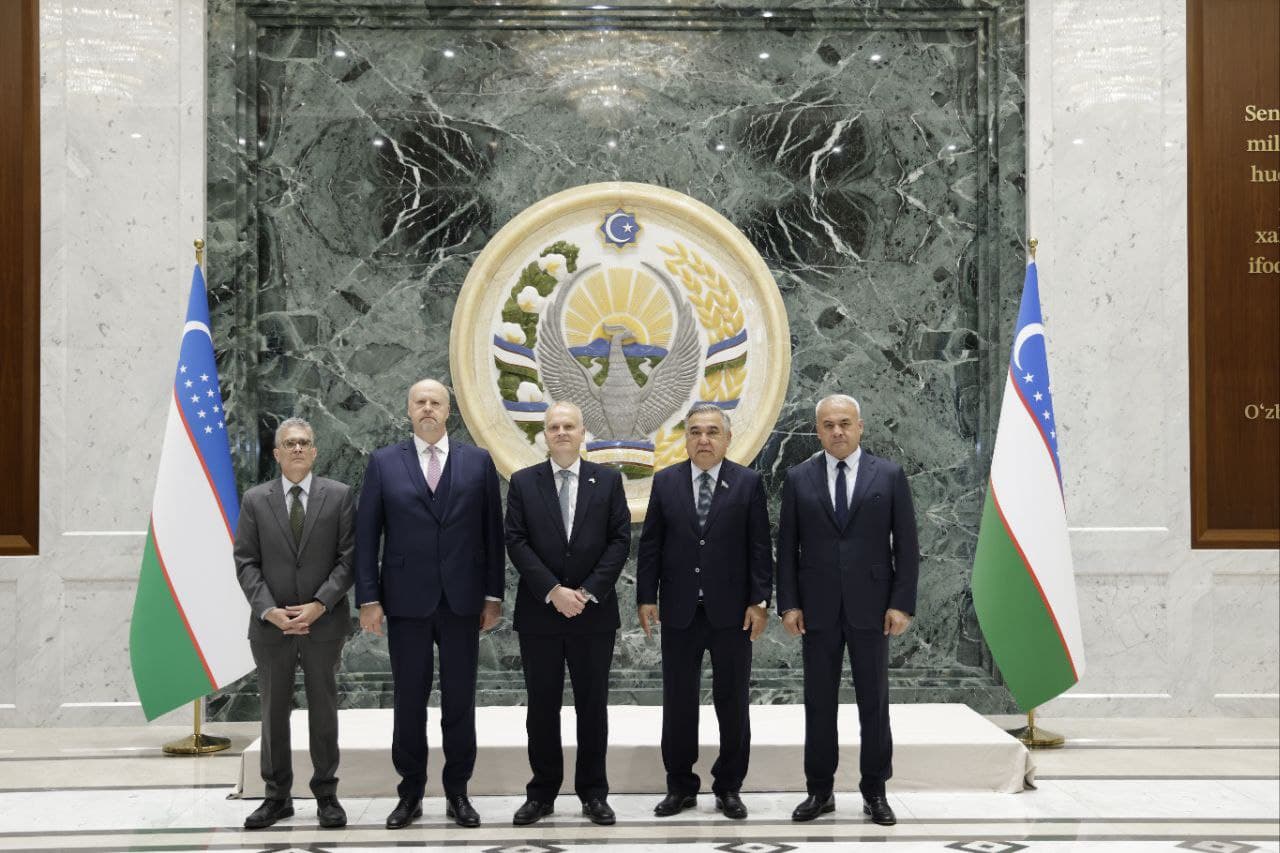
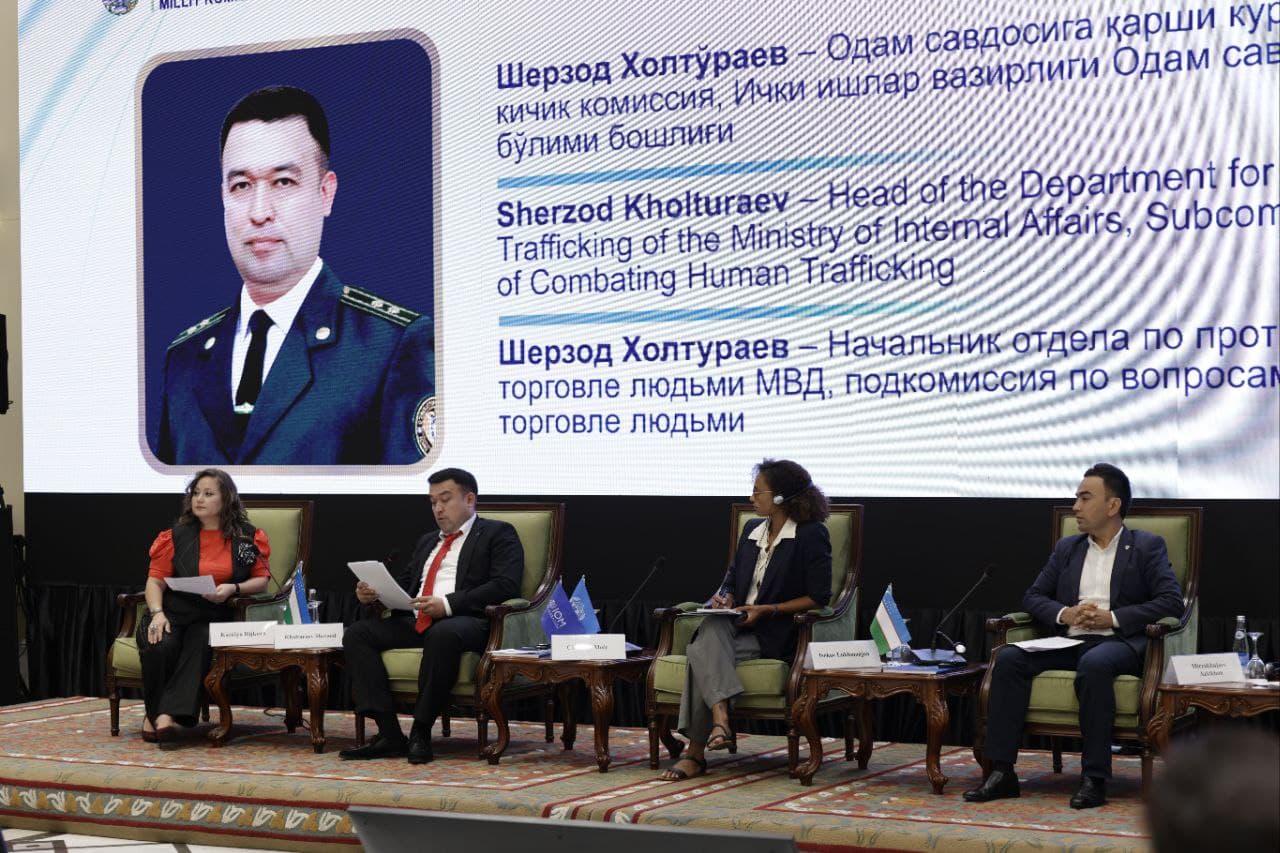
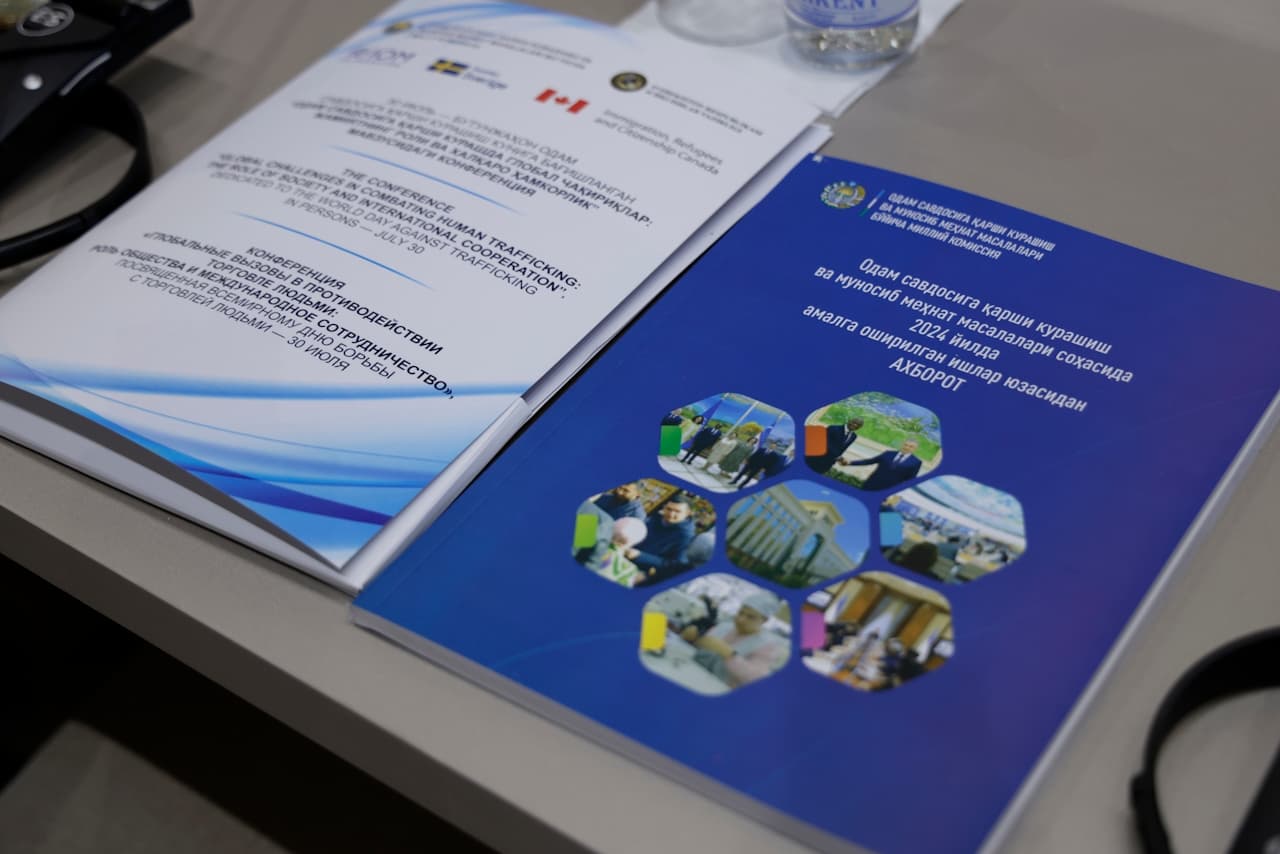
On July 29, 2025, a landmark international conference was held in the capital of Uzbekistan, dedicated to global challenges in combating human trafficking. The event was organized by the National Commission on Combating Trafficking in Persons and Forced Labor in cooperation with the International Organization for Migration (IOM/UN Migration Agency), bringing together over 110 leading specialists and experts from government agencies, civil society institutions, academia, diplomatic missions, and international organizations. The conference was timed to coincide with the World Day Against Trafficking in Persons, observed on July 30.
The official opening of the conference featured addresses by Alisher Agzamkhodjaev, Chairman of the Senate Committee on International Relations, Foreign Economic Affairs, Foreign Investments and Tourism; Colonel Ayubkhon Rakhmatullaev, First Deputy Minister of Internal Affairs of the Republic of Uzbekistan; Andrew Gray, Head of the IOM/UN Migration Agency Office in Uzbekistan; Kari Johnston, Special Representative and Coordinator for Combating Trafficking in Human Beings at the OSCE (online); and Alexander Fedulov, Deputy Regional Representative of the United Nations Office on Drugs and Crime (UNODC) in Afghanistan, Central Asia, Pakistan, and Iran.
In their speeches, the speakers emphasized that in the era of globalization, human trafficking poses not only a threat to individuals but also undermines the security and stability of entire societies. Each year, millions of people fall victim to this crime, and unfortunately, the numbers continue to rise.
It was noted that Uzbekistan has shown systematic and significant progress in the fight against this destructive phenomenon, both from legal and organizational standpoints. Special attention is being paid to improving national legislation in line with international standards. In particular, a new Law "On Combating Human Trafficking" was adopted, penalties for crimes related to human trafficking, child labor, and forced labor have been strengthened, and a national system for identifying and referring victims of trafficking has been introduced. Uzbekistan has approved and is actively implementing a national Concept for Combating Human Trafficking along with a detailed roadmap for its execution.
Participants of the conference highlighted the crucial role of international organizations—especially IOM/UN Migration Agency—in the achievements made. The need for continued mutually beneficial cooperation and the development of new projects and initiatives was strongly emphasized.
The conference included sessions on pressing topics such as “Human Trafficking: Modern Threats and Trends,” “The Role of International Cooperation in Combating Human Trafficking,” and “The Importance of Civil Society Institutions in Combating Trafficking and Supporting Victims.”
Discussions paid particular attention to the growing influence of the digital environment on forms of trafficking, the necessity of cross-border coordination in combating this evil, and the key role of non-governmental organizations in providing comprehensive support to victims.
The conference not only summarized Uzbekistan’s national achievements in the field of combating human trafficking but also facilitated the exchange of leading international practices and defined priority tasks for the future.
The holding of this conference once again confirmed Uzbekistan’s commitment to strengthening regional cooperation, improving victim protection services, and advancing the implementation of the Global Compact for Safe, Orderly, and Regular Migration.
Aziza BOKHODIROVA,
Major