
Green gardens are being established dedicated to UNESCO's 80th anniversary
2025-10-31 17:30:00 / News
Environmental Initiatives and Sustainable Development
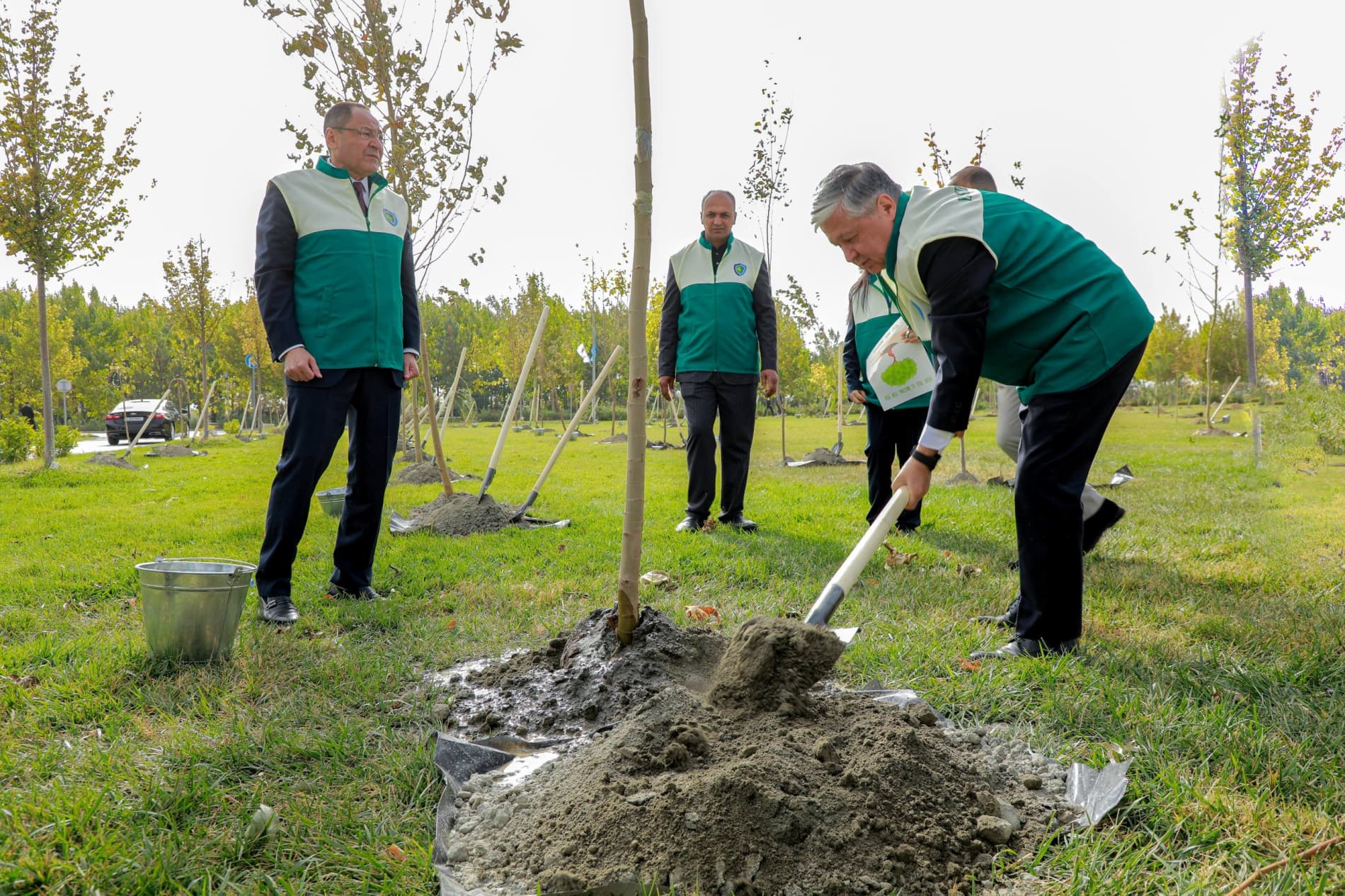
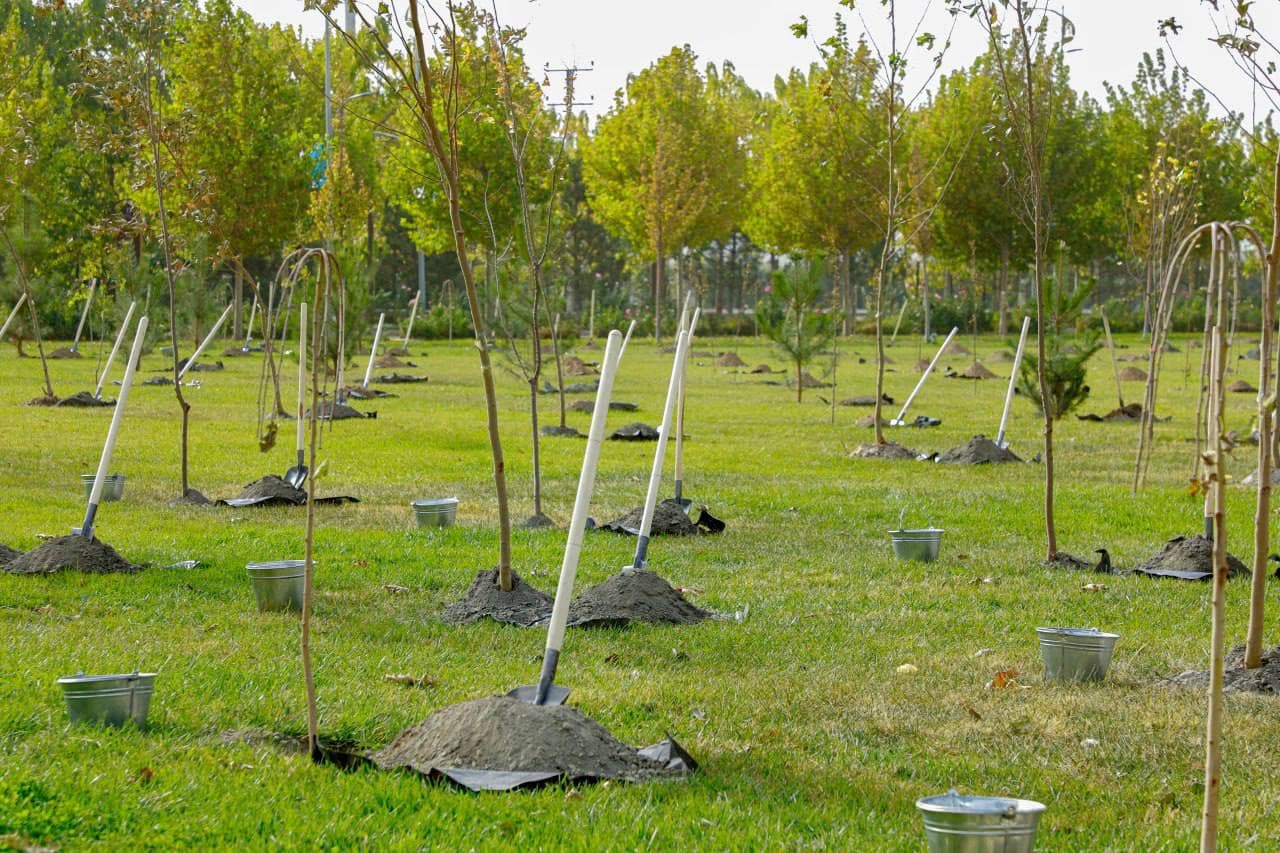
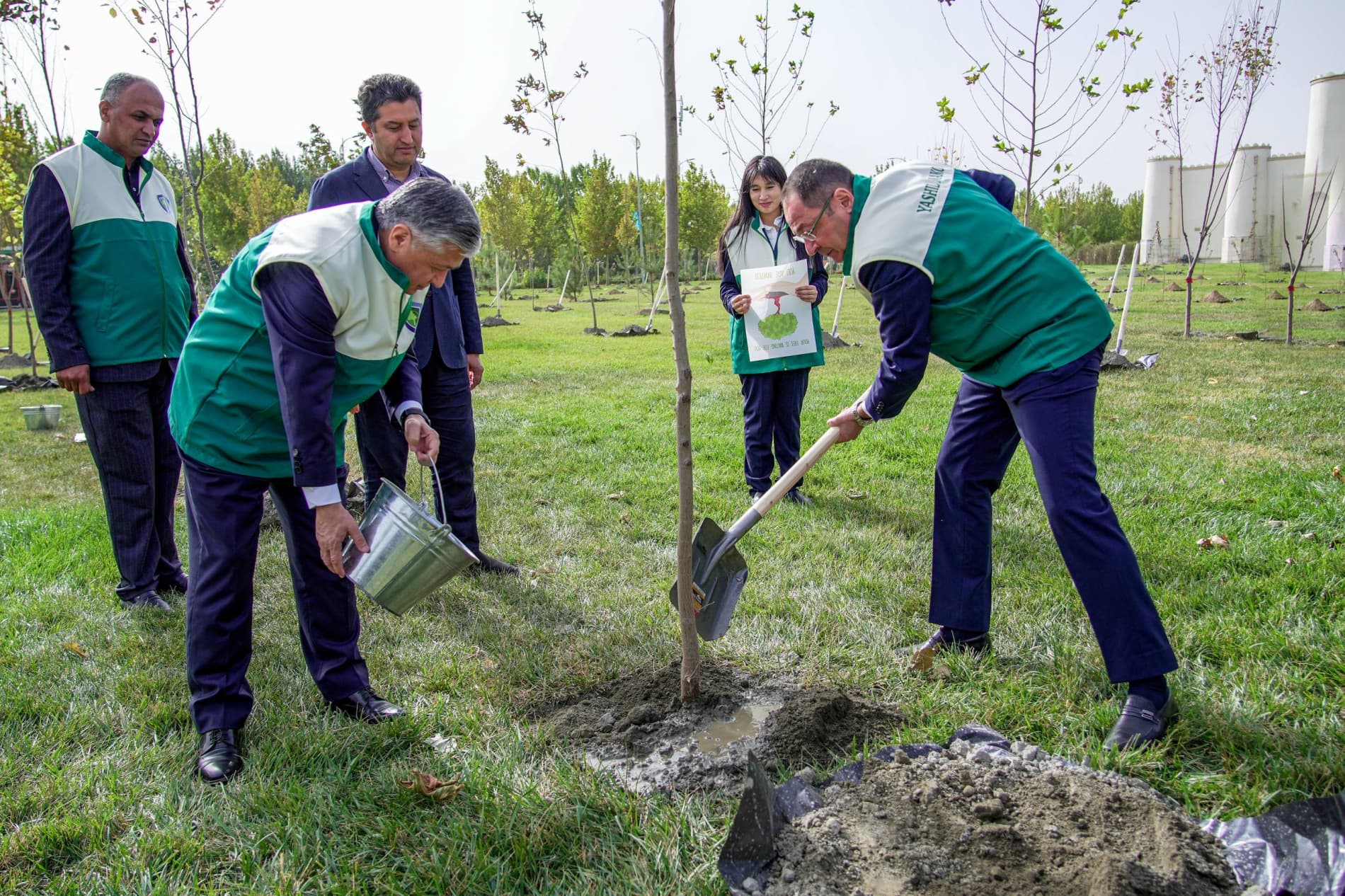
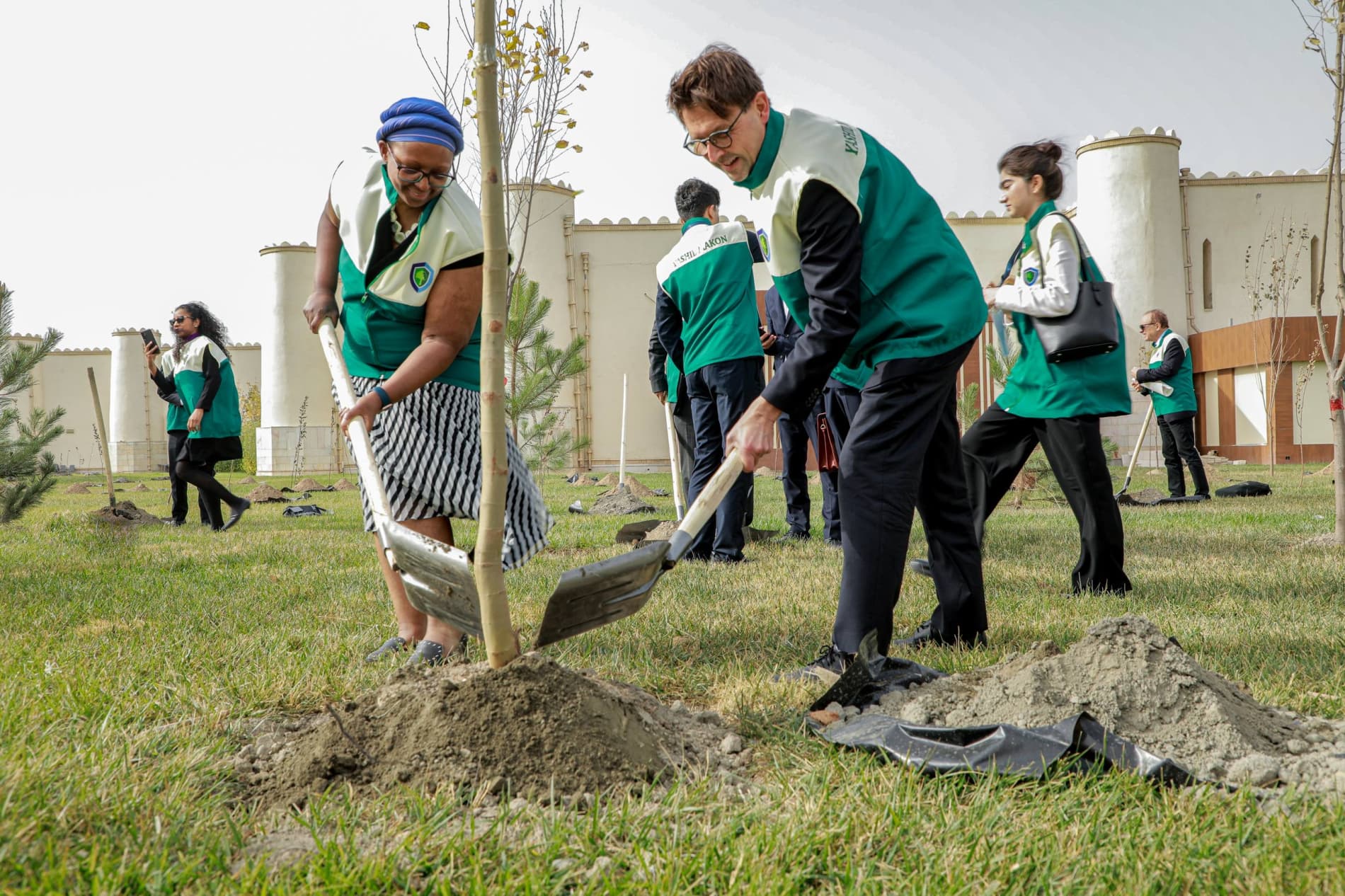
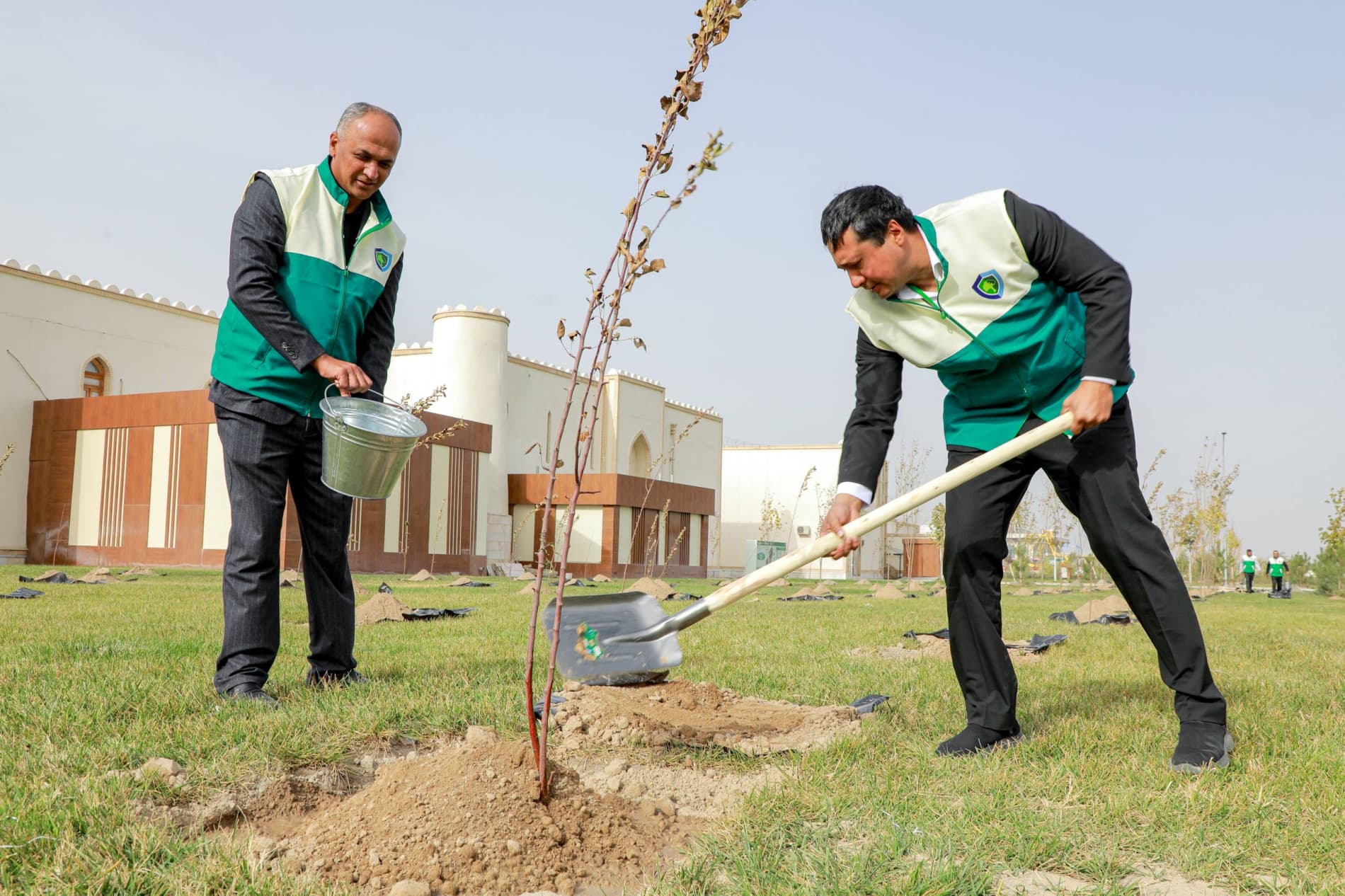
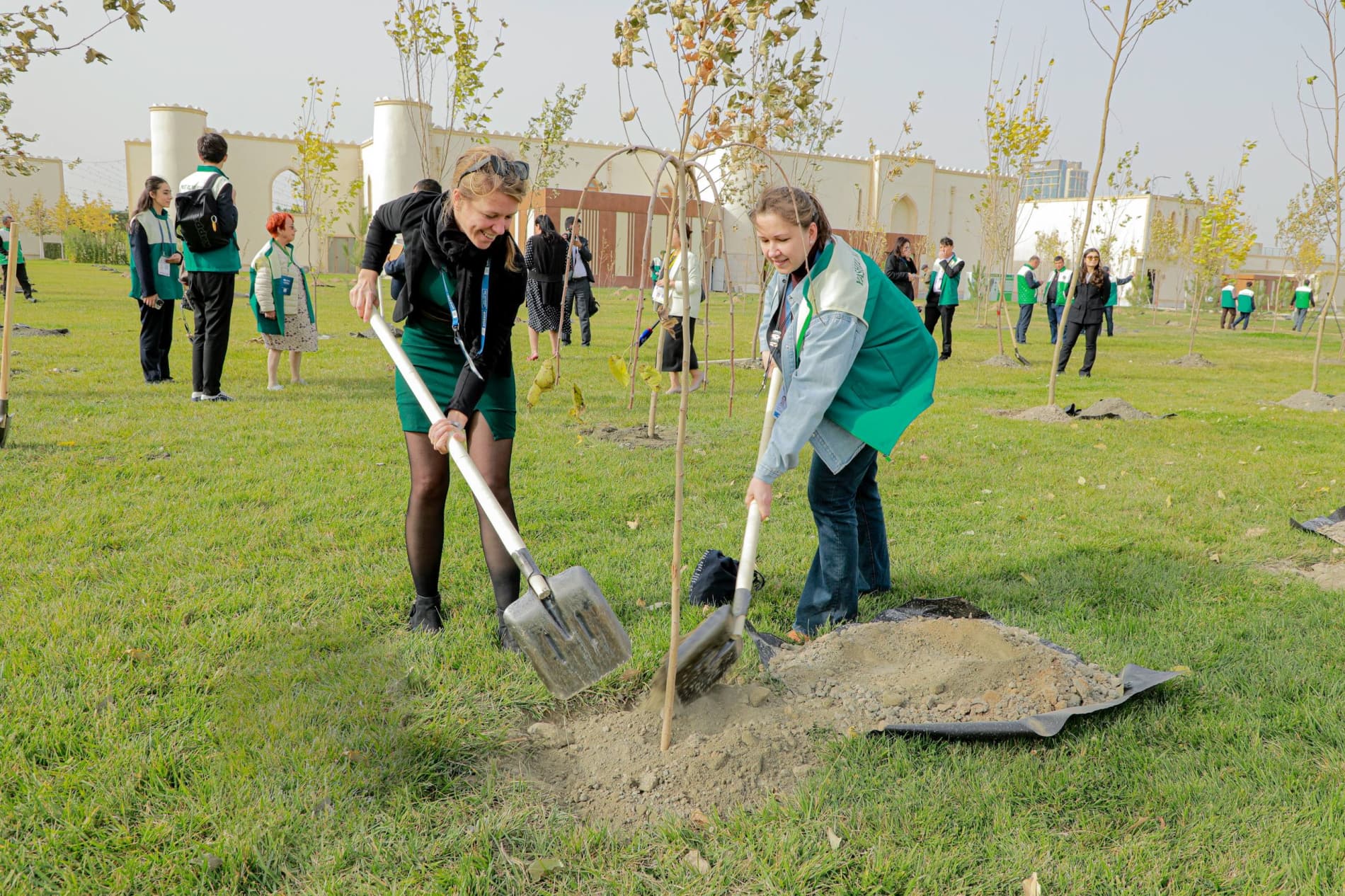
On 31 October, 564 trees and shrubs were planted across 1.2 hectares within the "Eternal City" complex in Samarkand.
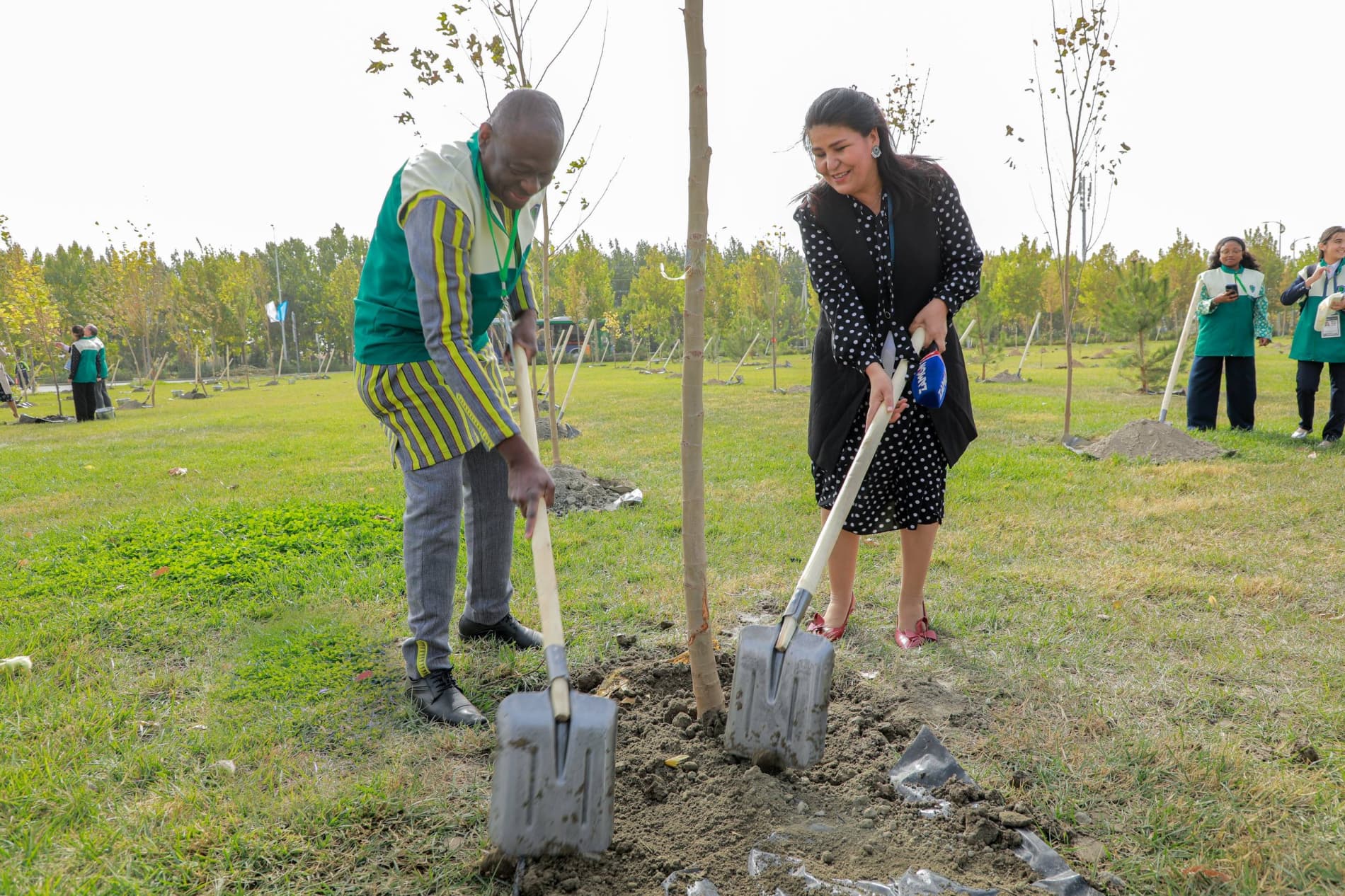
The event, organized by the Ministry of Ecology, was attended by Anna Nsubuga, Ambassador and Permanent Representative of the United Kingdom to UNESCO, Flavien Imah William Nezien, Permanent Representative of Burkina Faso to UNESCO, Adkham Ikramov, Minister of Sports of the Republic of Uzbekistan, Obidjon Kudratov, First Deputy Minister of Ecology, Environmental Protection and Climate Change, Adiz Boboev, Khokim of the Samarkand Region, Erkin Mukhitdinov, Director of the Forestry Agency, Olim Hakimov, Director of the "Yashil Loyiha" Design Institute as well as representatives of international delegations and the media.
“I am very pleased to take part in planting a tree as a contribution to the efforts supporting environmental sustainability, which is a priority of the Government of Uzbekistan. Trees are the lungs of our planet. We need more greenery and vegetation to purify the air and to strengthen and stabilise the soil. It is wonderful that right here, in this remarkable place, the Eternal City, we can bring an element of nature aimed at securing the future — not only of this space, but of the whole world,”— noted Anna Nsubuga.
The garden features elm, catalpa, Japanese pagoda tree, oak, oriental plane tree, horse chestnut, tulip tree, forsythia, lavender, thuja, Indian lilac, as well as acacia, willow, persimmon and apple trees.
“In recent years, Uzbekistan has put forward a number of initiatives aimed at stabilising the environmental situation not only in the region but also globally. In his address at the opening of the 43rd General Conference of UNESCO, the Head of State once again drew the attention of the international community to the challenges of climate change,” said Olim Hakimov. “The Green Garden being created in Samarkand is a symbol of Uzbekistan’s environmental leadership, its rich culture, and its global ecological solidarity.”
The Green Garden — a Centre of Environmental Innovation
The Green Garden will become not only a green space but also a true centre of environmental innovation. It will include:
– drip irrigation systems that reduce water consumption;
– energy-efficient solar panels and pumps;
– systems for collecting and reusing rainwater;
– composting sites for waste and soil enrichment;
– paths and benches made from locally sourced natural materials.
Creating shaded green areas will help reduce urban temperatures and mitigate the “heat island” effect. The park will be located within the Silk Road Samarkand tourist centre and the Korasuv area, near the Zarafshan River. Due to its proximity to the cultural centre, this place will become a symbol of relaxation, education and international friendship. The concept of the park is based on the philosophy of Amir Timur’s gardens, which symbolically united the past, present, and future.
The Green Garden will be designed in the style of a classical oriental garden and divided into nine thematic zones reflecting the features of Amir Timur’s nine famous gardens — Bog‘i Chinor, Bog‘i Behisht, Bog‘i Davlatobod, Bog‘i Dilkusho, Bog‘i Shamol, Bog‘i Nav, Bog‘i Jahonnamo, Bog‘i Maydon and Bog‘i Baland.
Each zone will feature trees and plants characteristic of that era — plane tree, birch, mulberry, persimmon, cedar, paulownia, rose, lavender, magnolia, tulip, willow, acacia, photinia, maple, elm, sakura, sequoia and others.
According to the project, 80,000 trees and shrubs will be planted in honour of UNESCO’s 80th anniversary — a gesture of great symbolic significance.
These plantings will not only create an aesthetic environment but will also help maintain ecological balance. The park will also host contemporary art installations created by Uzbek artists and designers. The project brings together local communities and international partners on the path toward a greener future. Every step toward a sustainable future carries practical meaning. In this context, the initiative to plant 80,000 trees during a major international event that unites participants from around the world is a vivid expression of environmental responsibility and scientific foresight. These trees will not only offset carbon emissions but also contribute significantly to strengthening the region’s climate resilience, improving air quality and preserving biodiversity. Such initiatives, carried out in harmony with nature, encourage reflection on humanity’s environmental footprint and clearly demonstrate the principles of sustainable development. The "Green Garden" project fully corresponds to UNESCO’s values and reflects Uzbekistan’s environmental leadership, its cultural richness, and its commitment to global ecological solidarity. This initiative will become an important step toward creating an open, sustainable, and green space for future generations, transforming into a living symbol of the ecological and cultural development of Samarkand and the entire country.