
Measures Are Being Taken to Reduce Harmful Emissions from Coal and Fuel Oil
2025-09-12 17:00:00 / News
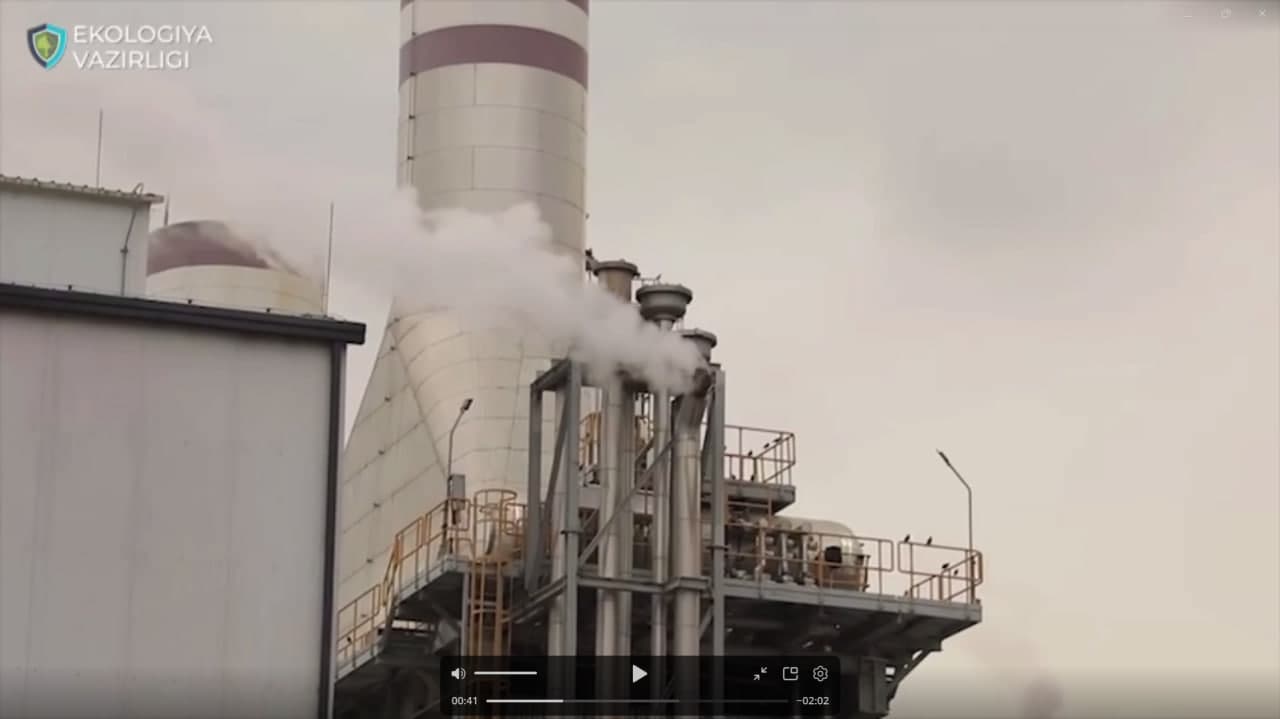
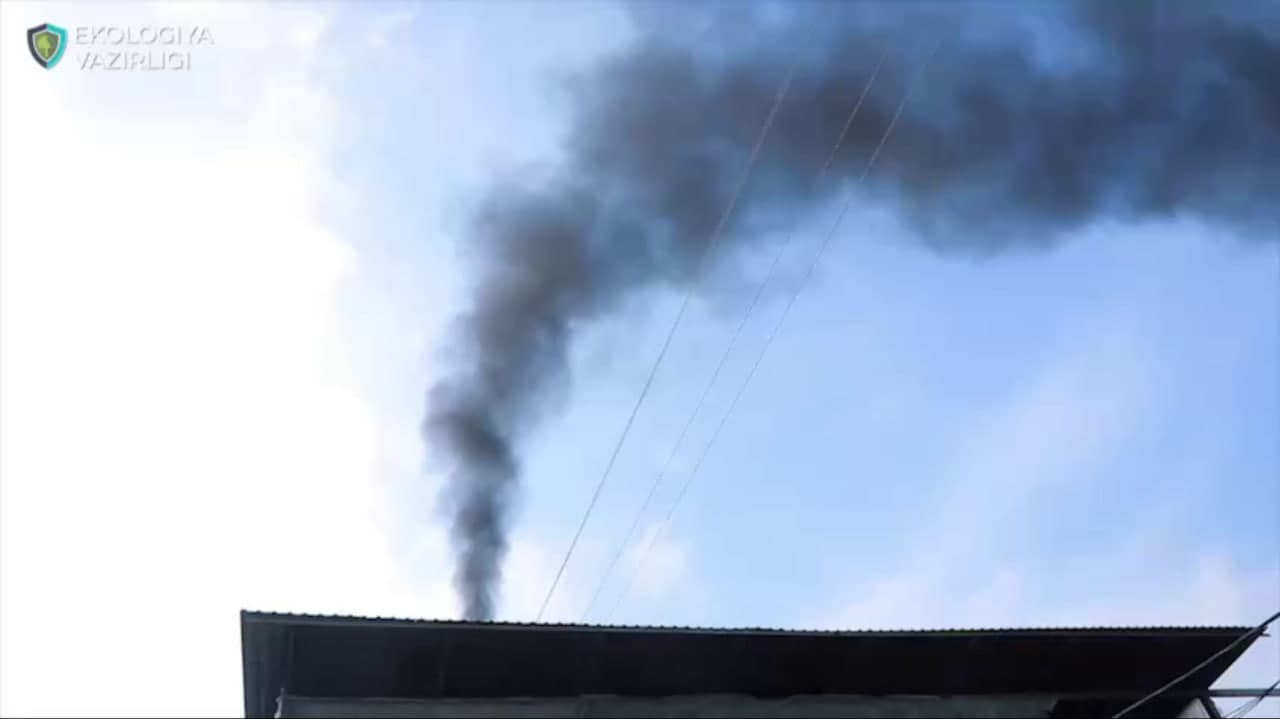
The groups include 748 specialists representing the ecology, energy and tax authorities, the Ministry of Emergency Situations , law enforcement agencies, local administrations and other institutions.
According to the findings, a total of 1,233 category I and II industrial enterprises are operating in Tashkent city (388) and Tashkent region (845). Together they consume 5.03 million tonnes of coal and 262,000 tonnes of fuel oil annually. Of these facilities, 838 (361 in the city and 477 in the region) are equipped with filters. Among power-generating units, seven thermal power plants and nine heating centres were reviewed: three of the heating centres run entirely on natural gas, while the remaining six use both natural gas and fuel oil.
It was also found that nine heating centres and one thermal power plant (Tashkent TPP) had no filters installed. Due to a sharp drop in temperatures, 262,000 tonnes of fuel oil were burned, resulting in 7,000 tonnes of emissions into the atmosphere.
In addition, the Angren and Yangi Angren thermal power plants in Tashkent region consumed 5 million tonnes of coal. With only 70% filtration efficiency, their emissions amounted to 134,835 tonnes — equal to 18.9% of the total.
Based on these results, the section of the 2025–2028 programme concerning Tashkent city and region has been revised, with deadlines shortened to September 2026. Under the plan, dust and gas cleaning systems will be installed at thermal power plants and heating centres, and existing equipment will be repaired. As a result, filtration efficiency is expected to reach 95–99%.
Background: Burning coal or fuel oil causes significant air pollution. For example, one tonne of coal releases 1–5 kg of particulate matter (PM2.5, PM10), up to 100–300 kg of ash, 5 kg of nitrogen oxides, 30 kg of sulfur oxides, and other harmful substances. On average, heating a greenhouse of 400 m² requires 8–9 tonnes of coal per season.
Fuel oil is the final residual fraction obtained in oil refining. Current climate challenges and environmental requirements have fundamentally changed the perception of its use. Fuel oil is 3–5 times more expensive than other petroleum products, contains up to 3.5% sulfur and causes rapid equipment wear, making it economically inefficient.
The Ministry of Ecology regularly conducts inspection raids, especially during the autumn–winter season, to prevent the use of coal and fuel oil. Remember: causing harm to atmospheric air is subject to strict legal responsibility.