
Three Protected Areas of the Aral Sea Region Receive Modern Equipment
2025-08-29 16:00:00 / News
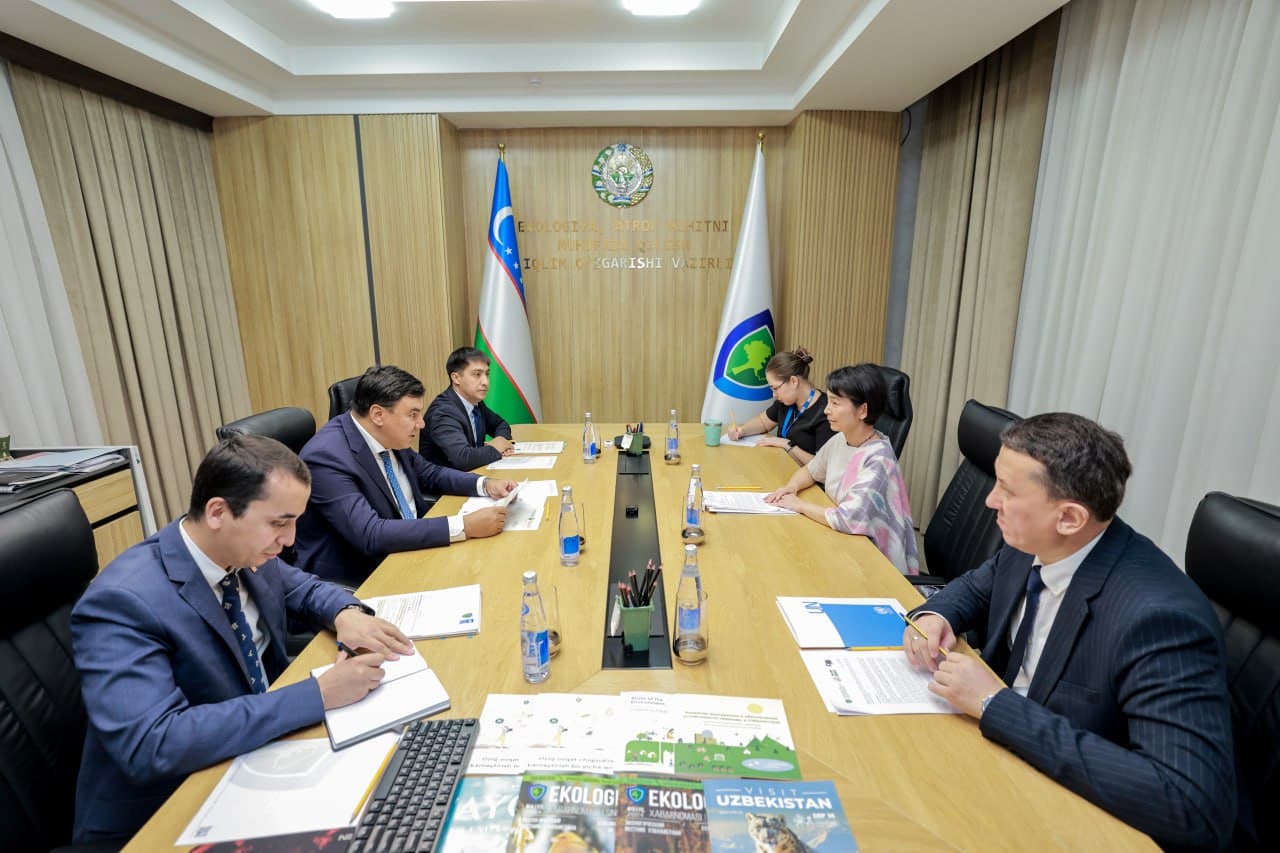
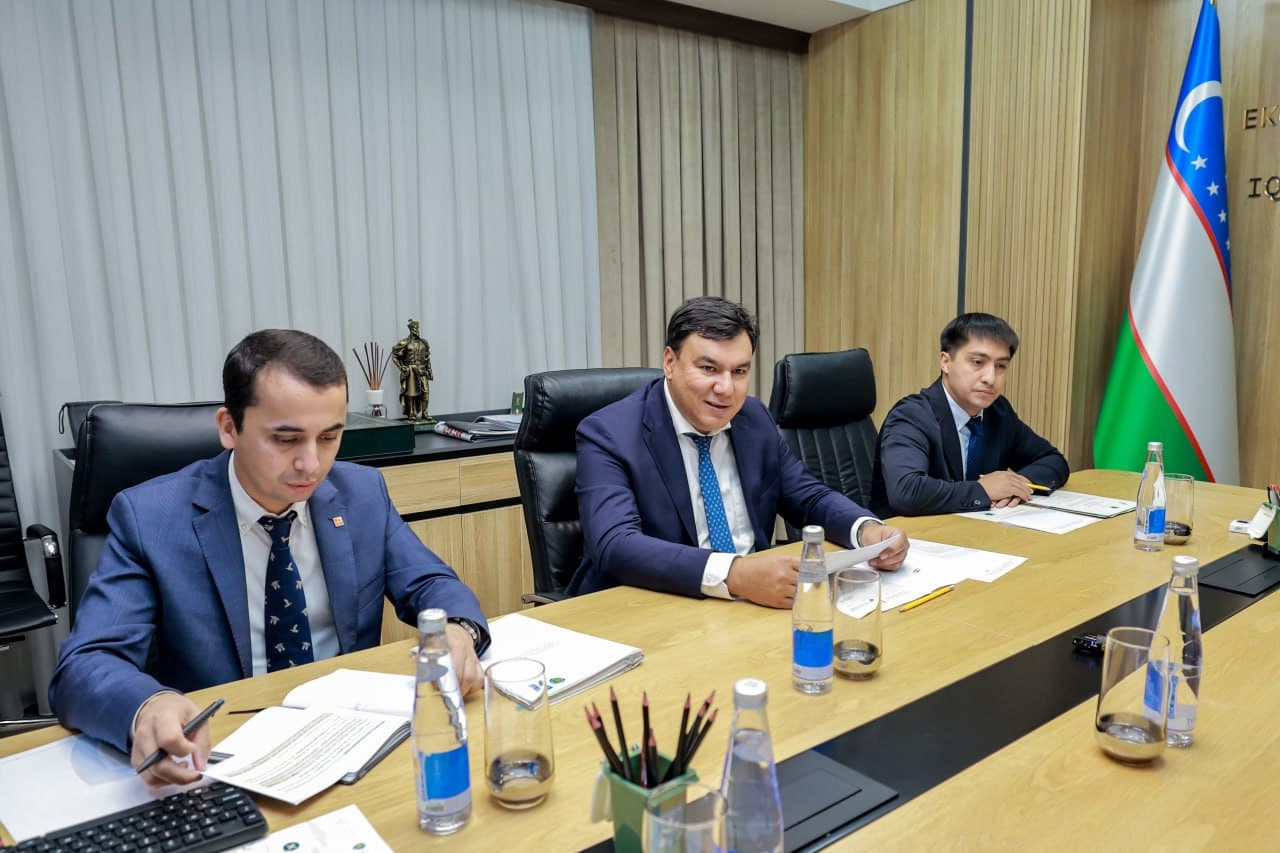
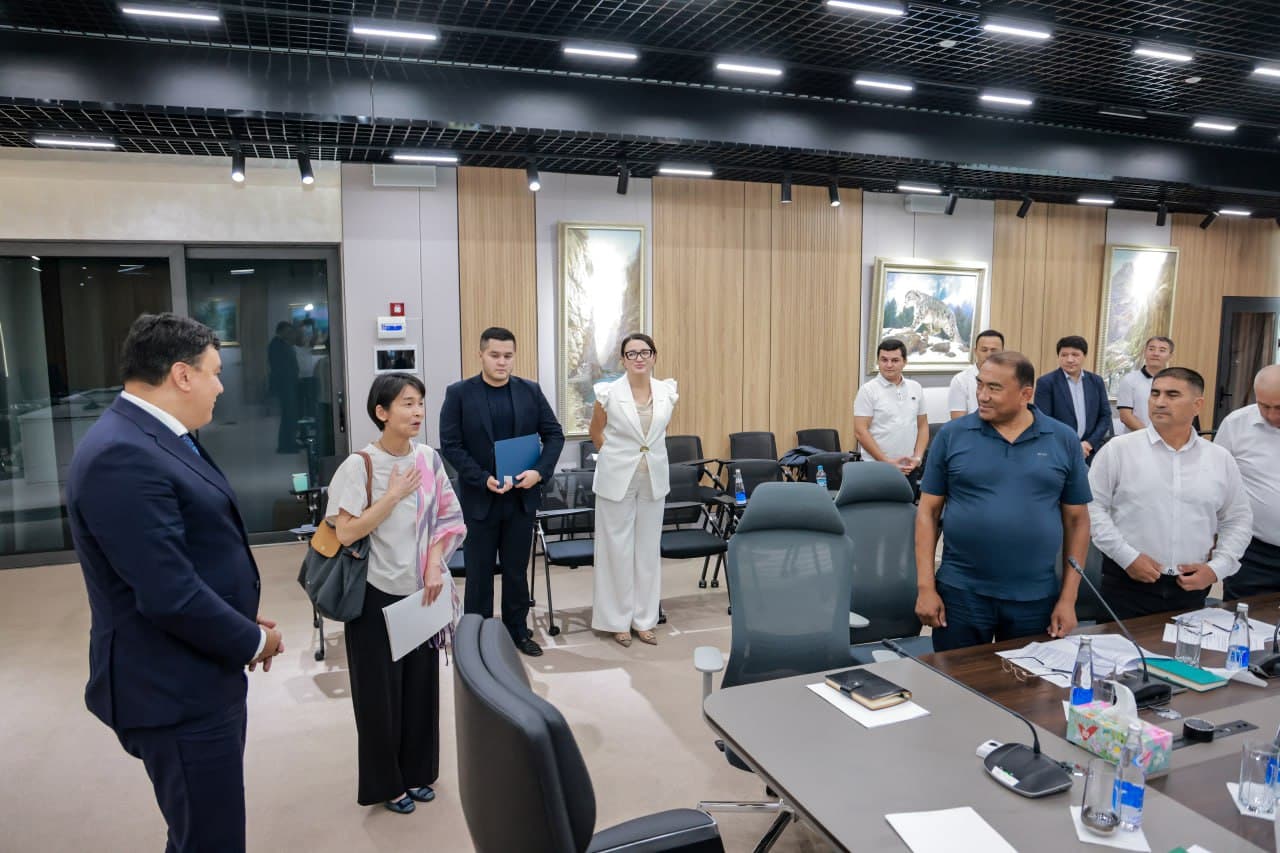
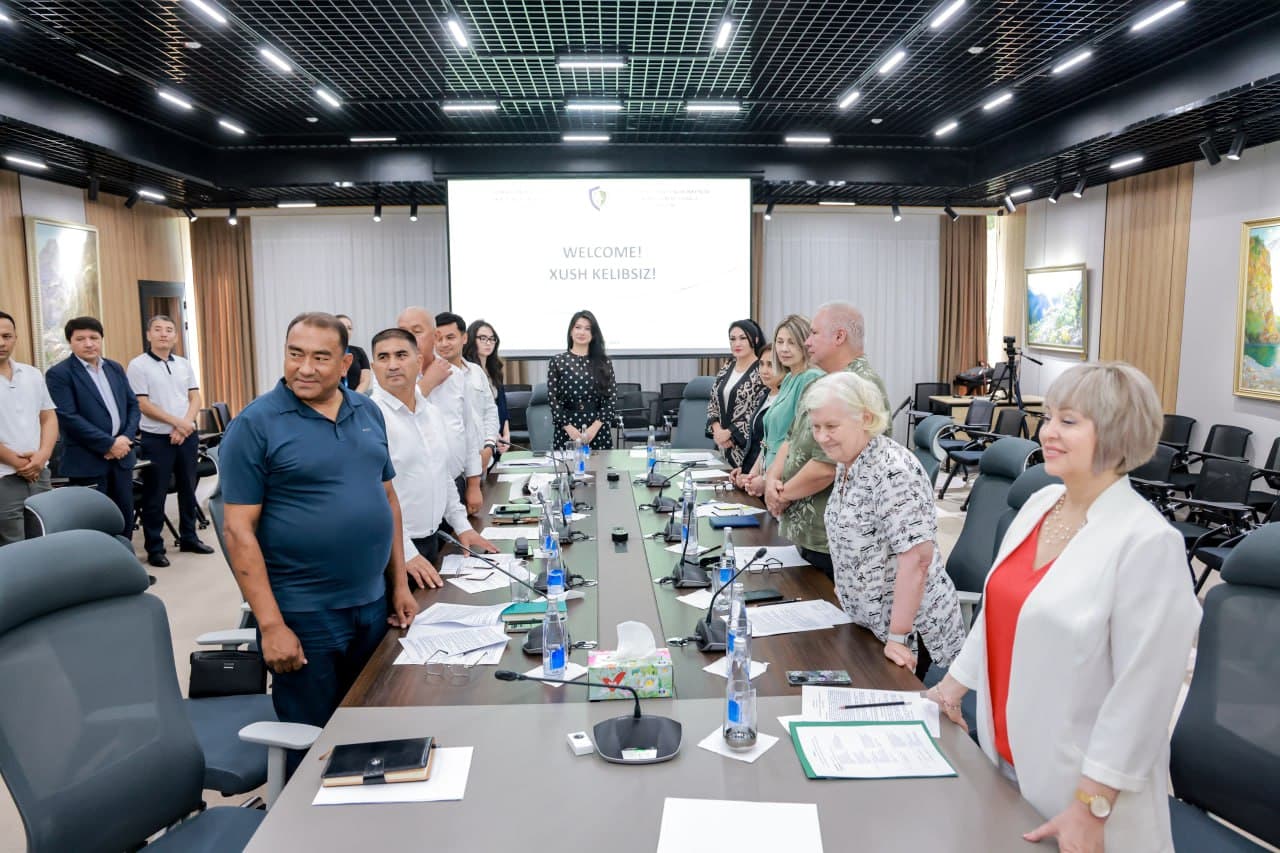
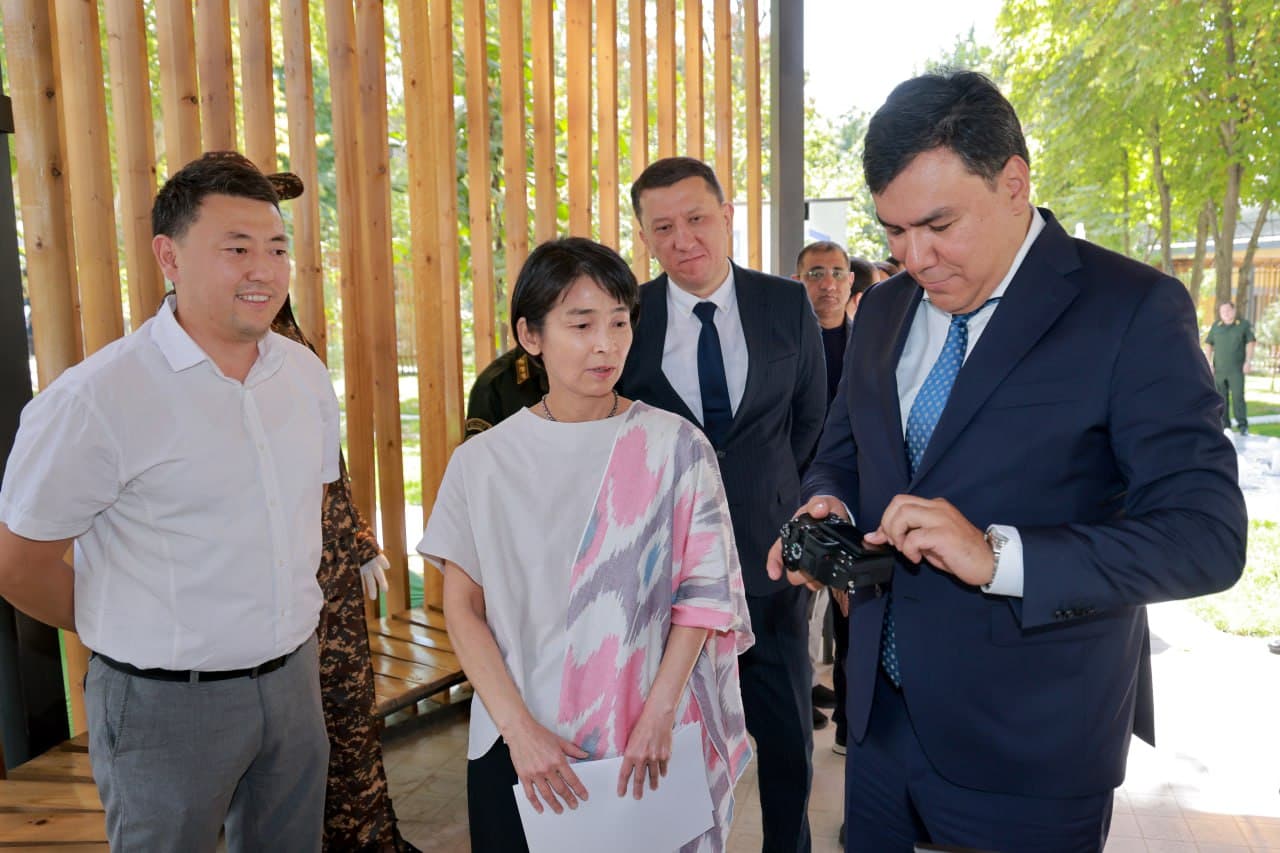
At the meeting, the parties discussed priority areas of cooperation, including expanding international collaboration in environmental protection, strengthening climate-change adaptation measures and mobilizing additional resources for sustainable development projects.
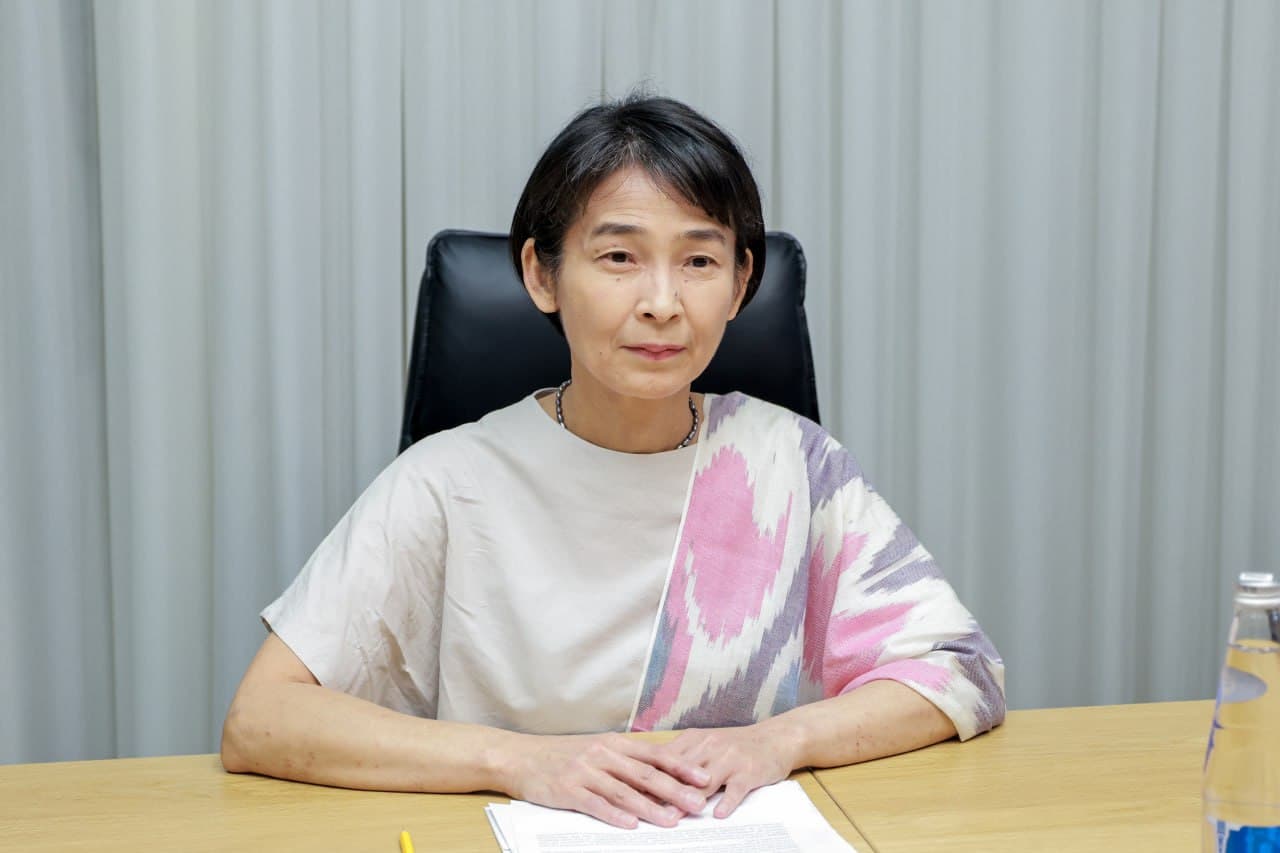
Ms. Akiko Fujii stated: “Uzbekistan’s commitments, as reflected in its strategic documents, link climate action with the concept of a just transition. This means that both workers and vulnerable groups benefit from the green economy and are protected from the risks associated with low-carbon development.”
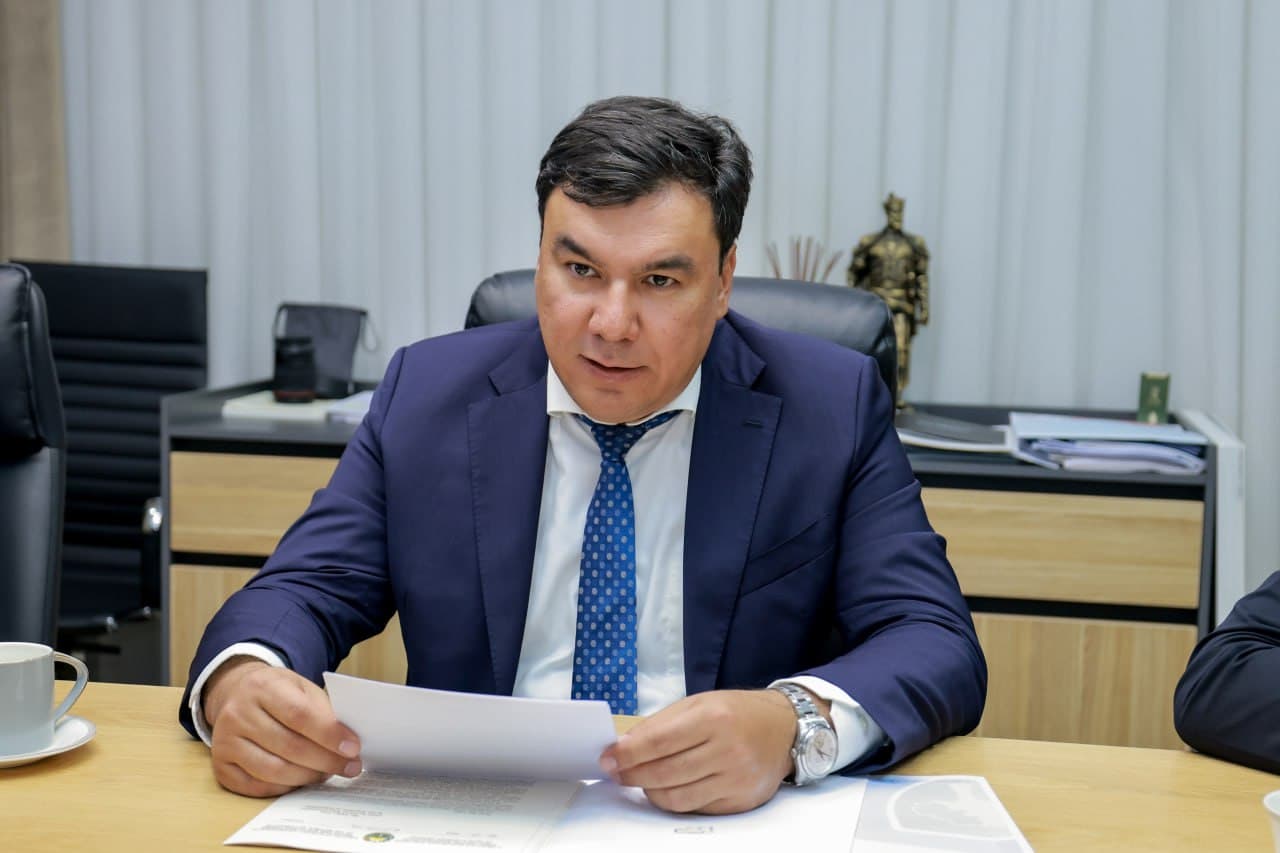
Minister Aziz Abdukhakimov expressed his gratitude to UNDP for its active participation in Eco Expo Central Asia 2025 and emphasized: “Conserving biodiversity and protecting the unique ecosystems of the Aral Sea region are our shared priorities. UNDP’s support plays a key role in achieving these objectives, as well as in preparing for major international events to be hosted in Samarkand, including CITES COP20 and the GEF Assembly.”
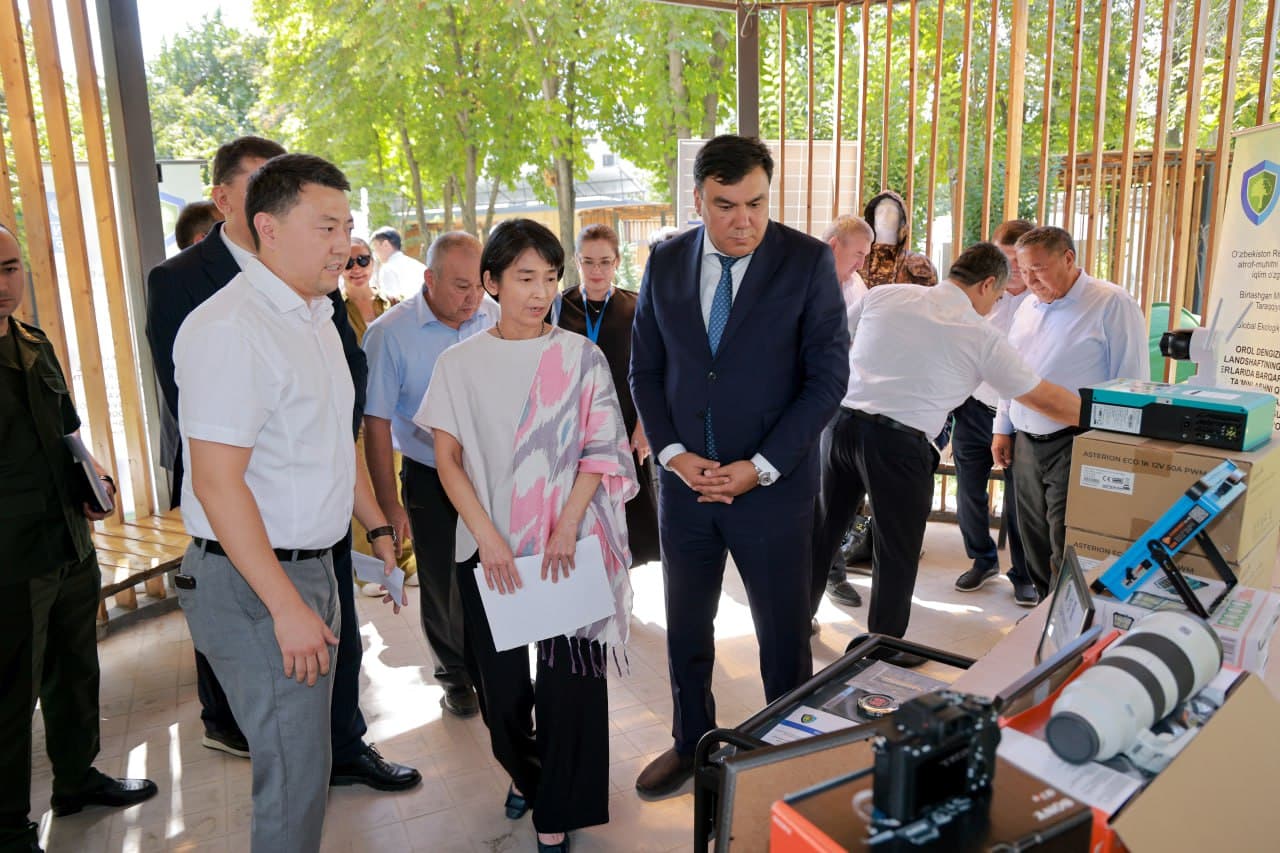
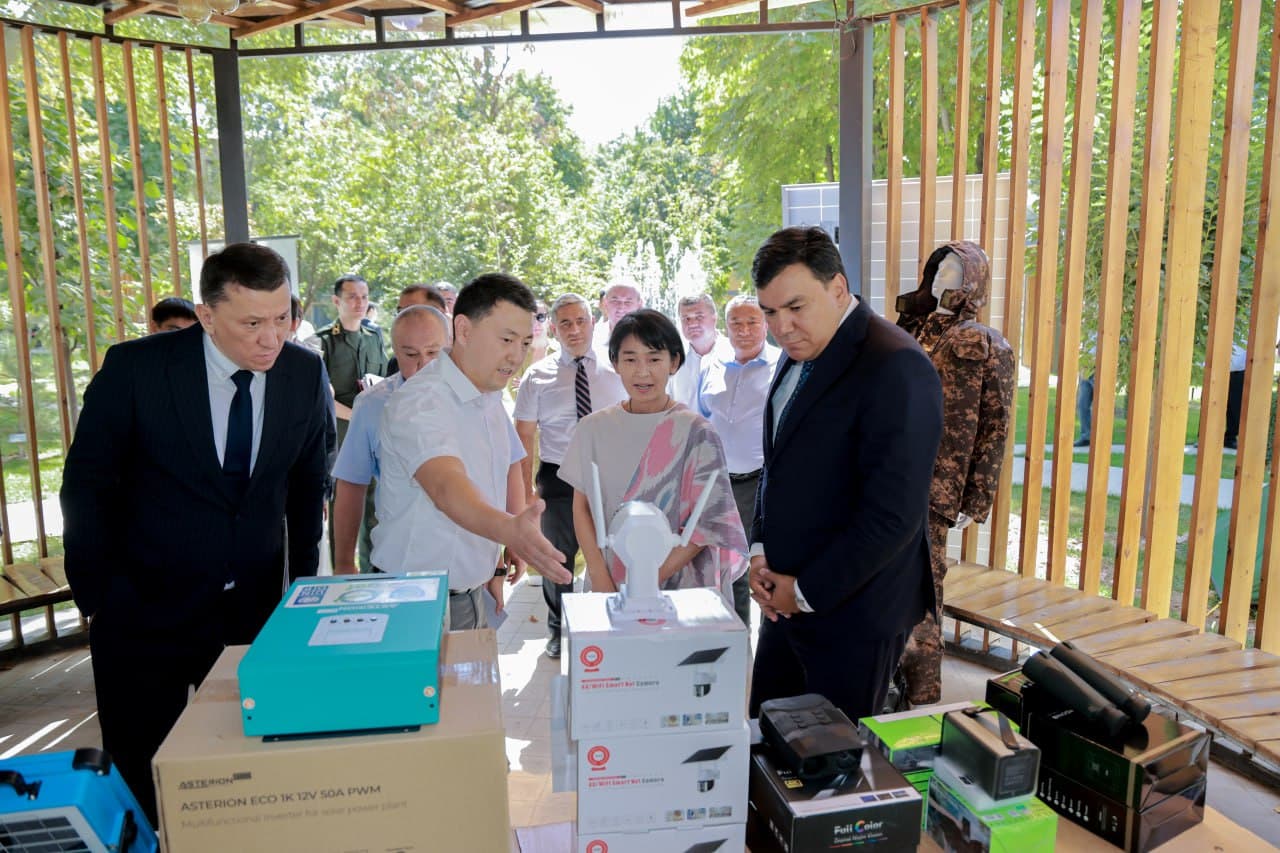
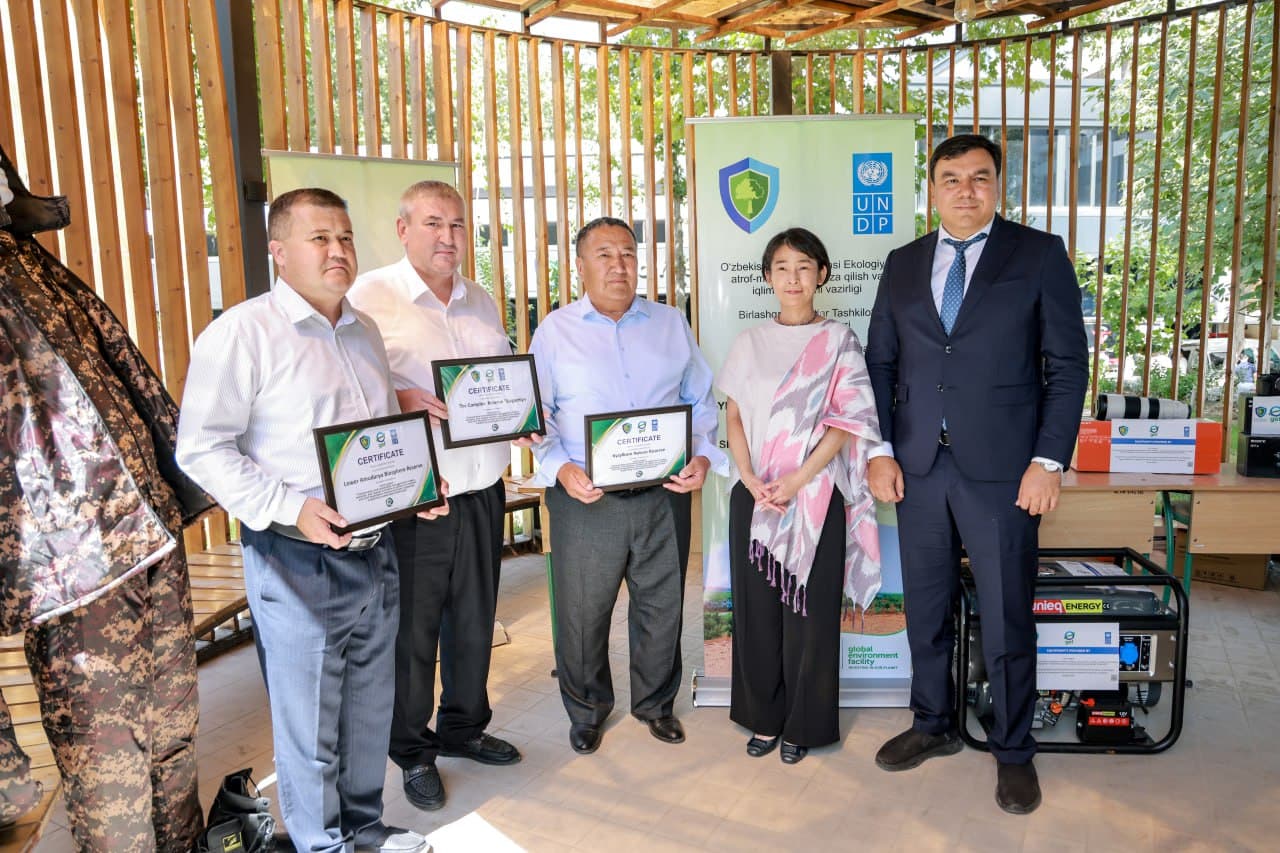
Special attention was given to the Aral Sea Wetlands project. On 29 August, within the framework of this project, a ceremonial handover of field equipment was held for three protected areas in the Aral Sea region: the Kyzylkum State Reserve, the "Saigachiy" Complex (Landscape) Sanctuary and the Lower Amudarya Biosphere Reserve.
The delivered equipment packages comprise solar panels; hybrid generators (gas and gasoline); camera traps; Nikon cameras; binoculars and night-vision devices; infrared thermometers; tents; and field gear. These modern kits will enable rangers to safeguard the protected areas more effectively, detect violations of environmental legislation and substantially improve the quality of scientific research and environmental monitoring.
The equipment will be used not only for protection and enforcement but also for research purposes — including monitoring the migration of rare bird species, studying climate processes, and tracking ecosystem changes in the Aral Sea region. This will provide a robust evidence base to support effective conservation decision-making.
These joint initiatives also contribute to improving the livelihoods of local communities by creating new jobs, promoting environmental education, and fostering sustainable land-use practices — measures that are particularly important for a region severely affected by the desiccation of the Aral Sea.
The Aral Sea region is among the areas most heavily impacted by the drying of the Aral Sea. Preserving its unique ecosystems is of international importance and is directly linked to Uzbekistan’s commitments under the Paris Agreement and the Sustainable Development Goals.