
Public Hearings Were Held in Tashkent District on Major Solar Panel Installation Project
2025-08-19 10:00:00 / News
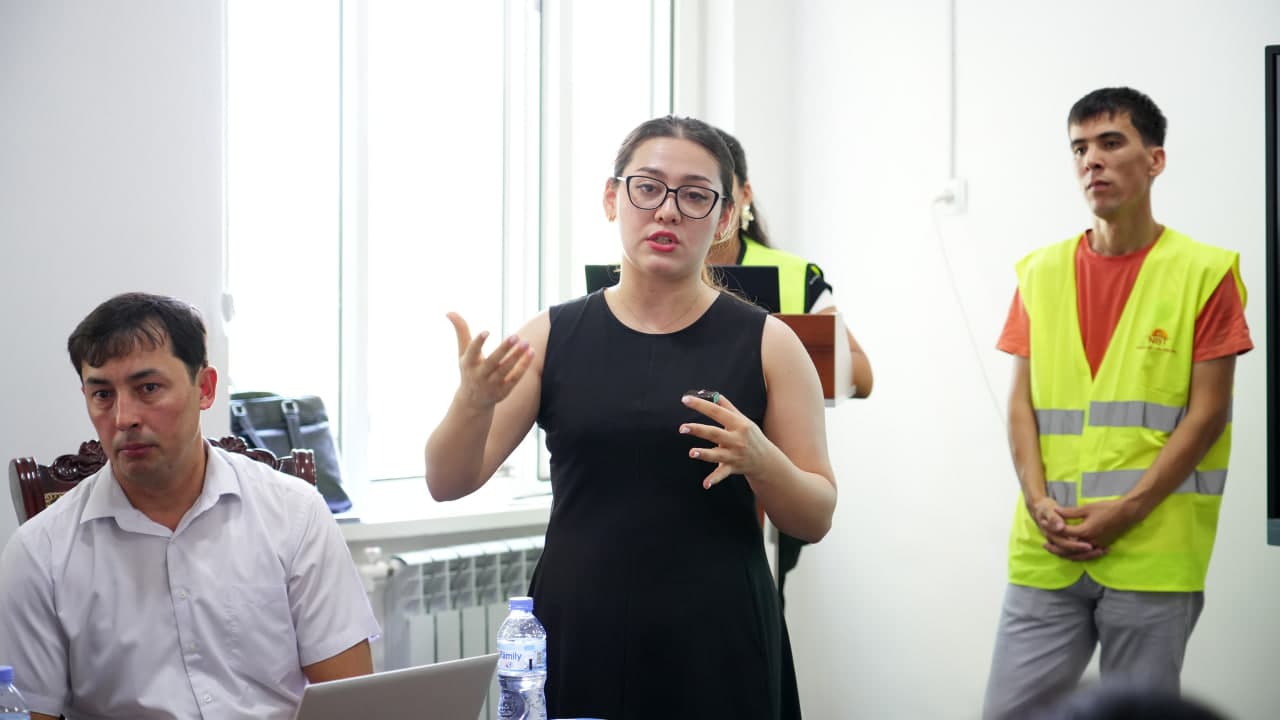
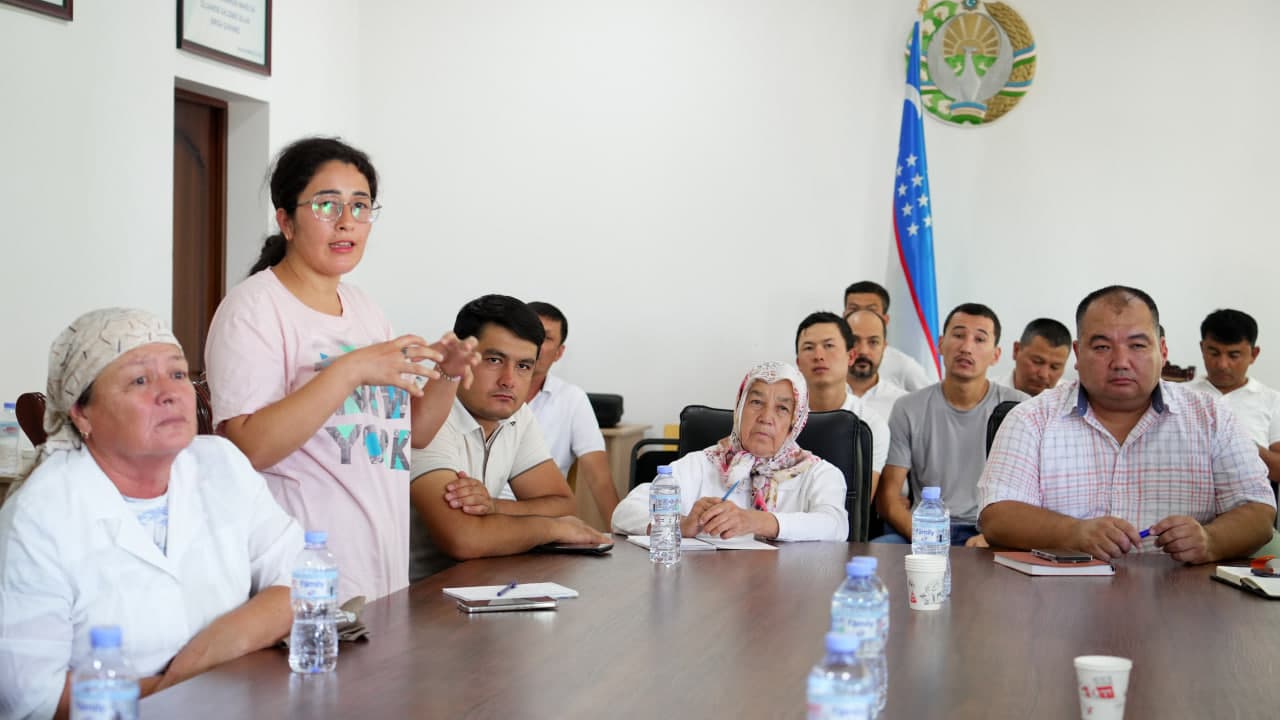
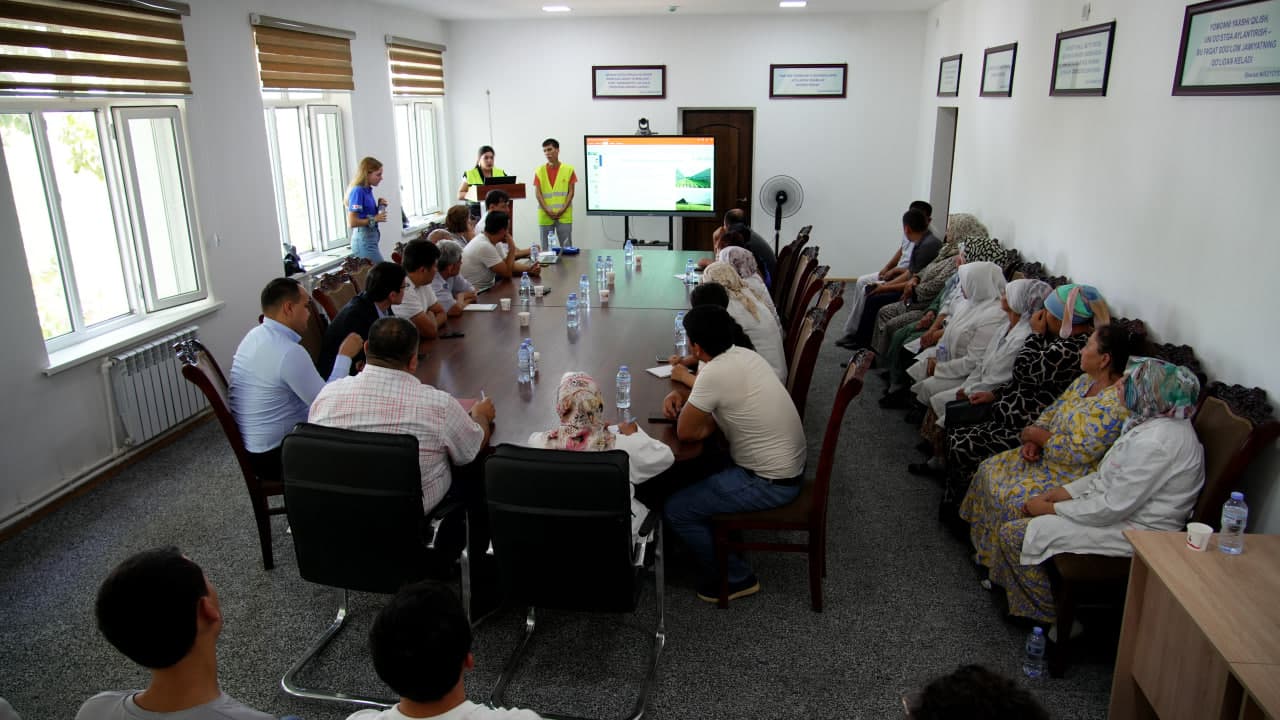
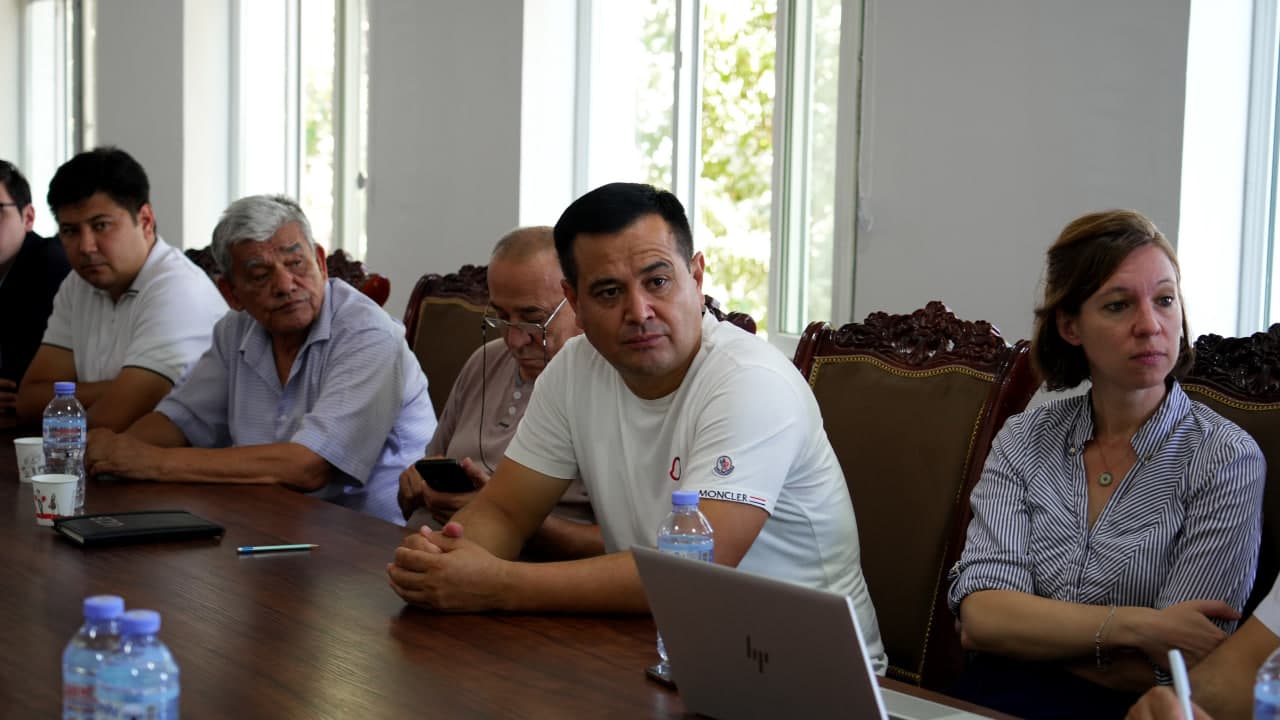
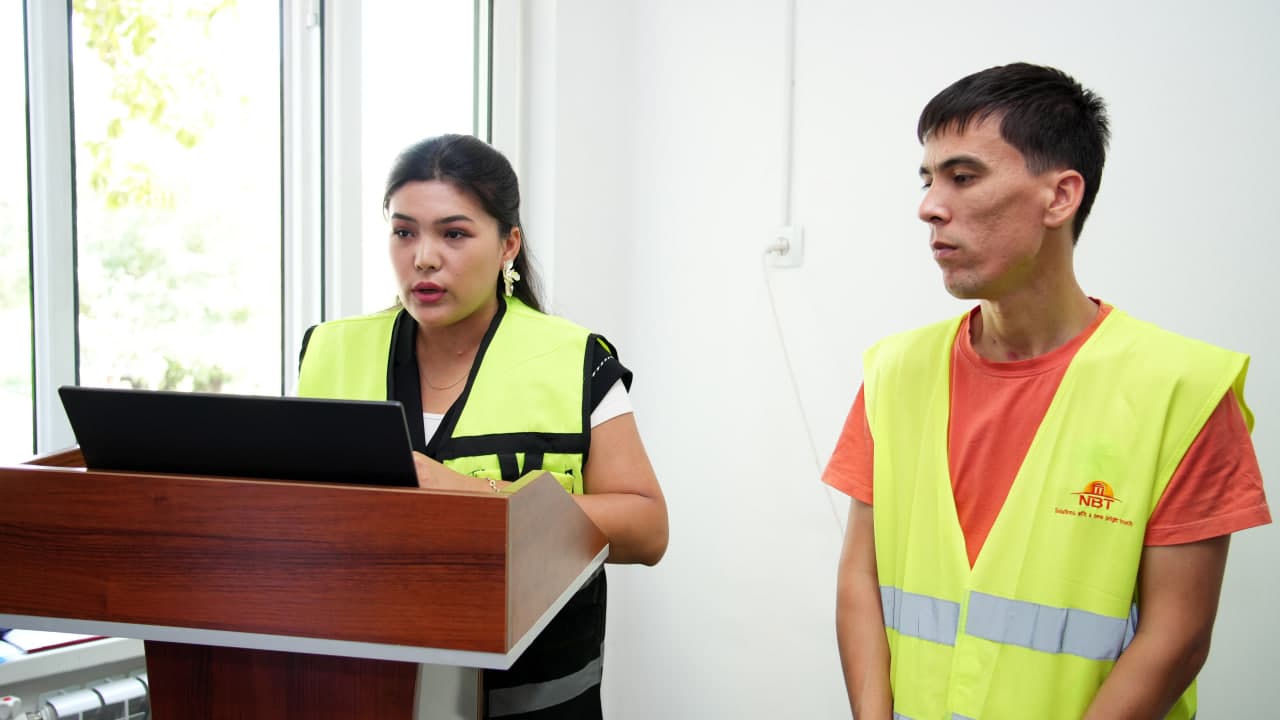
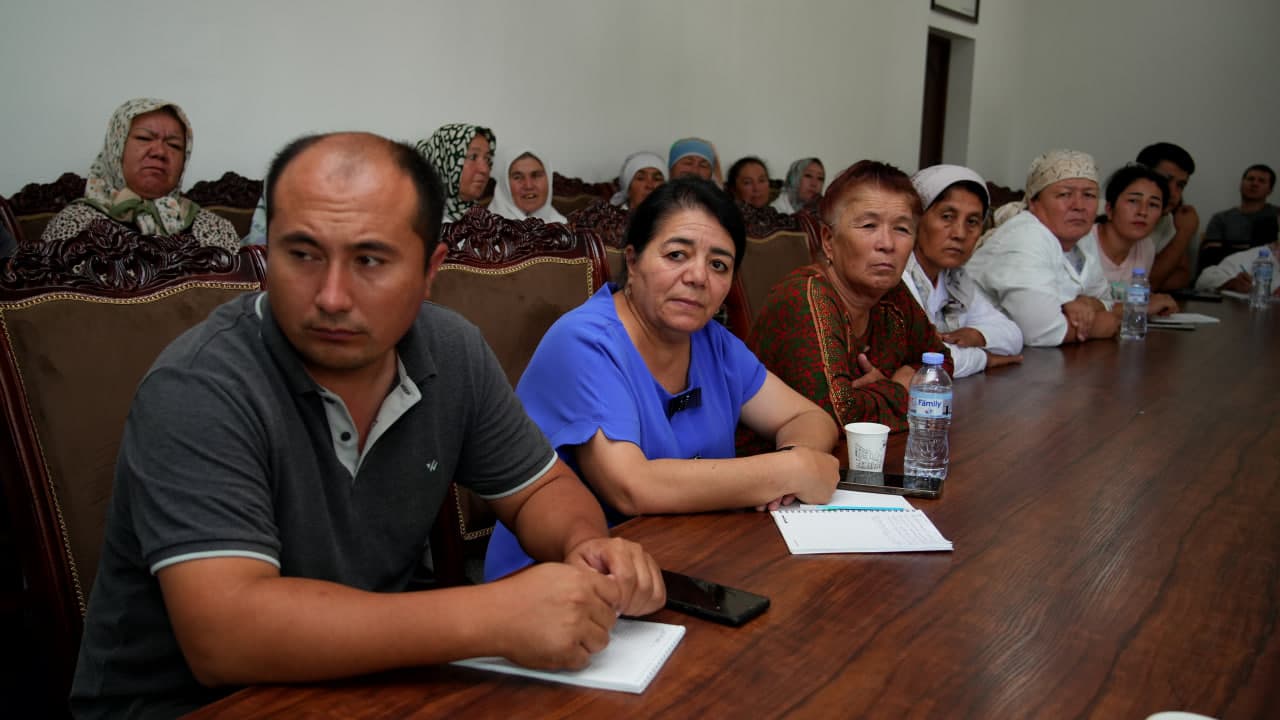
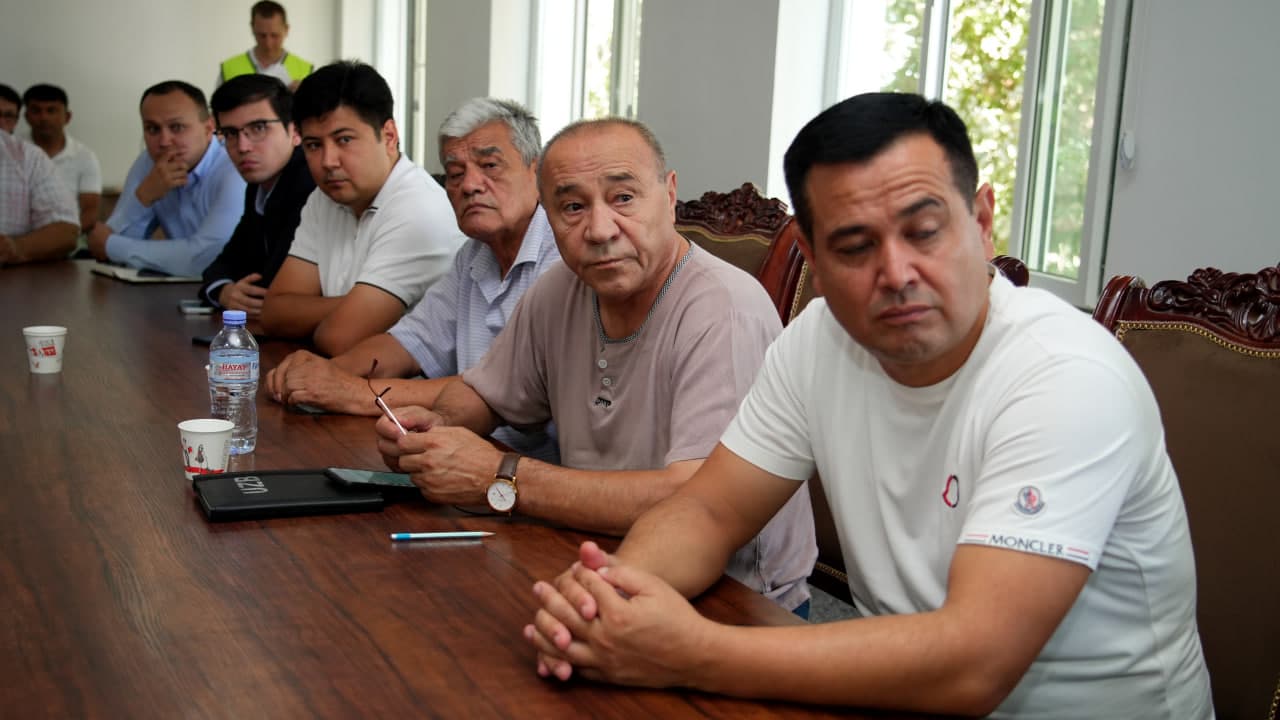
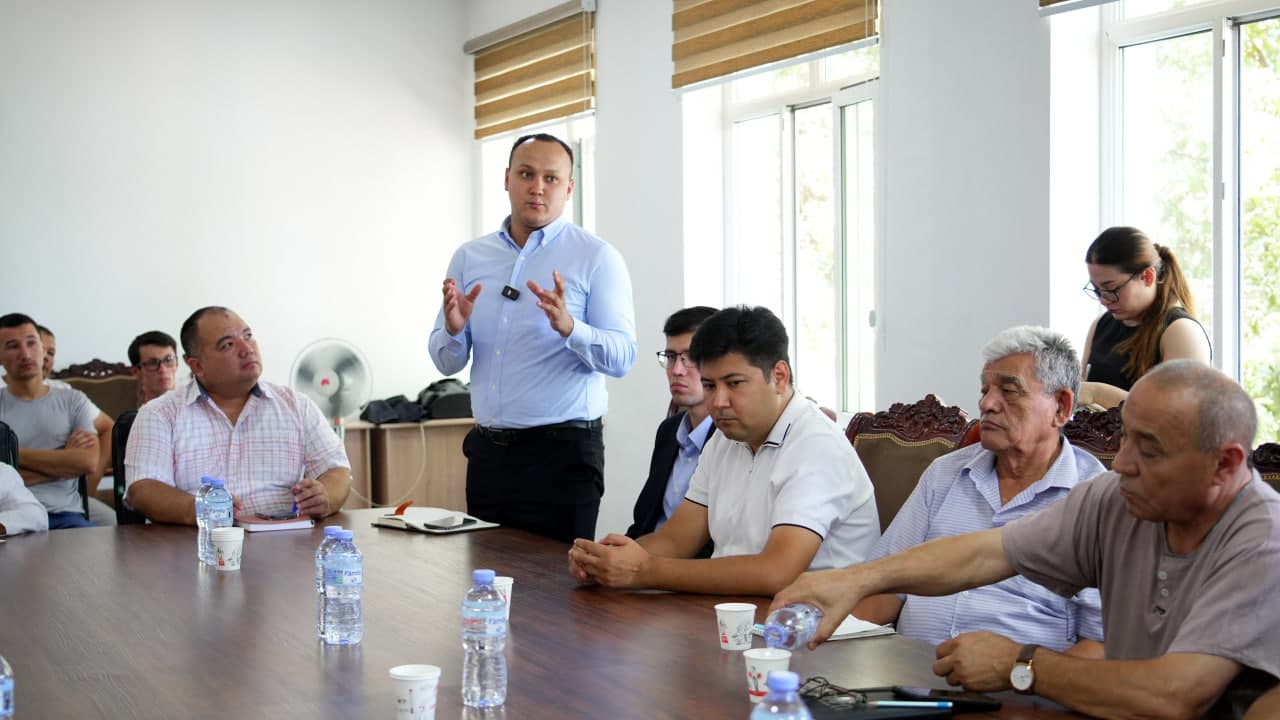
The project is being implemented within the framework of Presidential Decree No. 220 of September 9, 2022, “On additional measures for the introduction of energy-saving technologies and the development of low-power renewable energy sources”, as well as Cabinet of Ministers Resolution No. 541 of September 7, 2020.
The planned Agri-Photovoltaic (Agri-PV) station will have a capacity of 507.78 kWh, covering a total area of 1.5 hectares. On one hectare, 819 solar panels are to be installed. The project is being carried out by LLC "Business Advanced Experts" with financial support from its international partner, VOLTALIA. Construction is scheduled to begin in August 2025 and is expected to be completed by February 2026.
Agri-photovoltaic technology makes it possible to use farmland more efficiently—simultaneously cultivating crops and generating electricity from solar panels. This approach will help conserve water resources, maintain soil fertility, increase crop yields and provide farmers with an additional source of income. During the construction phase, 25 jobs are expected to be created.
At the hearings, specialists provided a detailed assessment of the project’s potential impact on the environment, economy and local living standards. They also outlined possible challenges during construction—temporary noise, waste generation, air and water pollution—and proposed mitigation measures, including regular equipment maintenance, separate collection and disposal of waste at specialized facilities, watering of the construction site to reduce dust and limiting heavy machinery operations to daytime hours.
Particular attention was given to the project’s positive impacts: the use of solar energy will reduce greenhouse gas emissions, lower water consumption and protect crops from excessive heat and precipitation. The microclimate created beneath the panels is expected to help preserve soil fertility and improve crop yields.
Following the discussions, participants noted that the project complies with legal requirements, shared their proposals and expressed support for its implementation.