
Sewage Treatment Plant Project Rejected in Quyichirchiq District Following Public Hearings
2025-07-30 12:00:00 / News
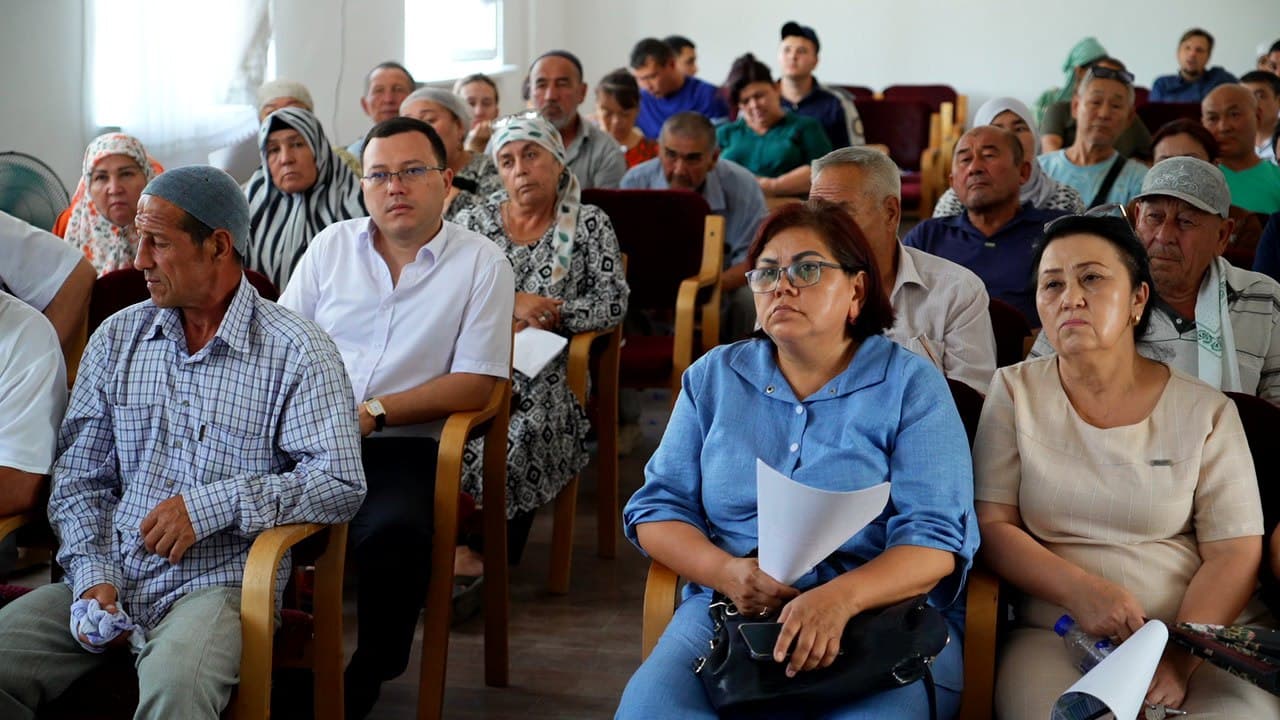

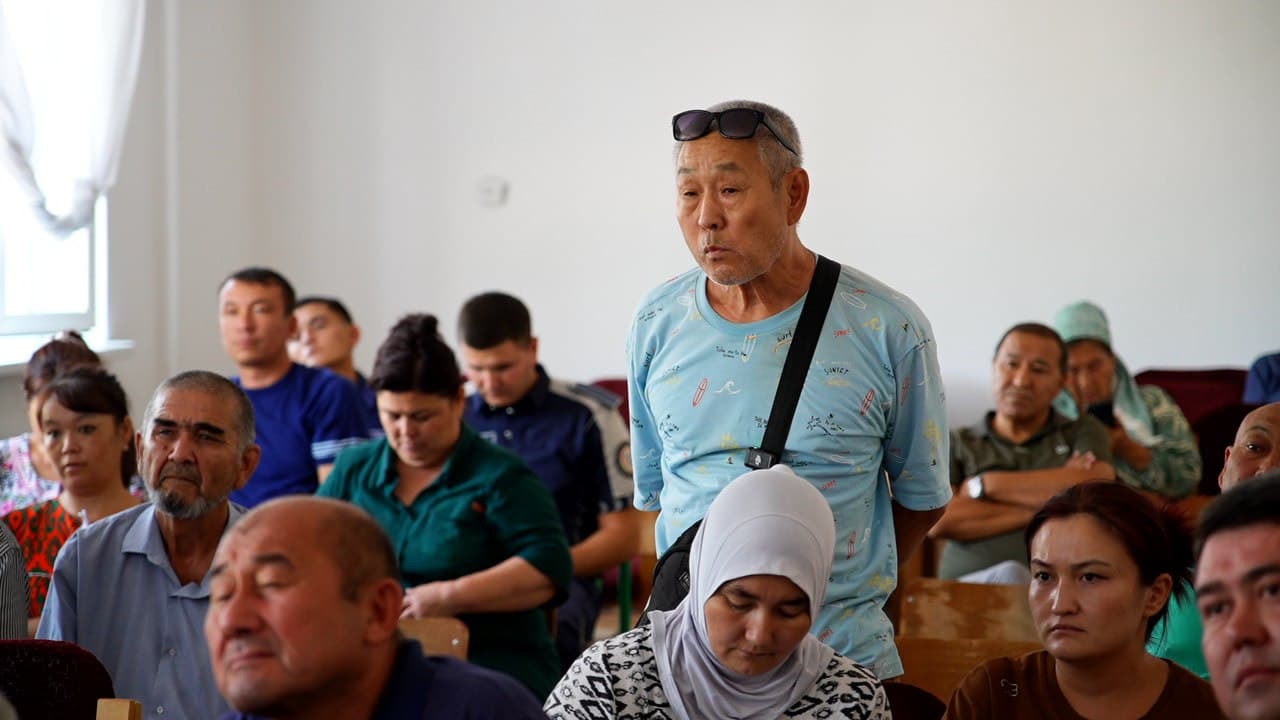

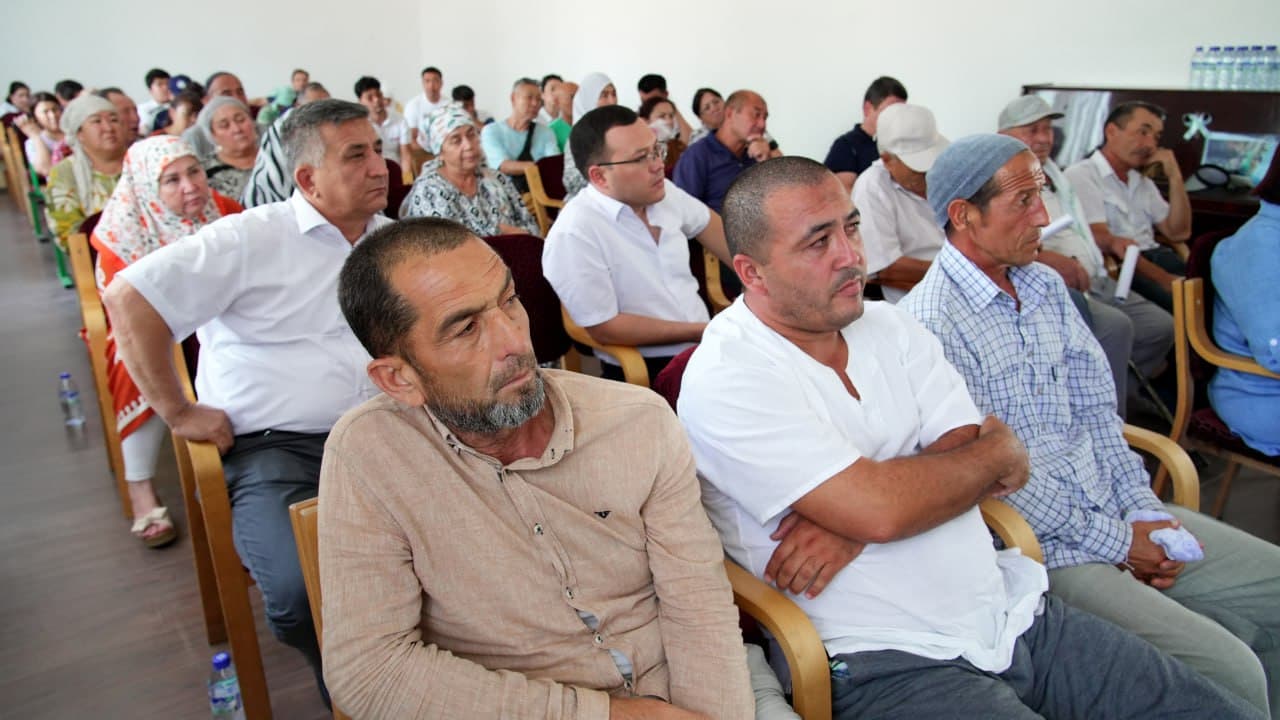


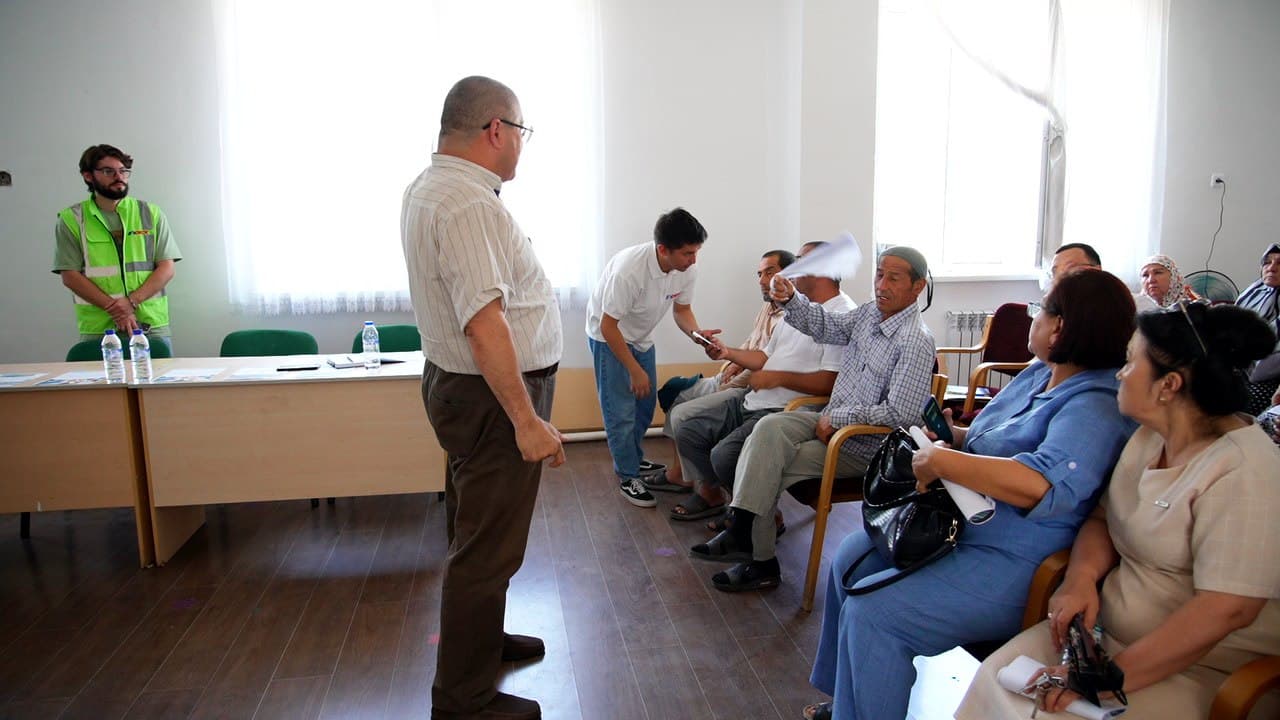
The event was attended by representatives of the Ministry of Construction and Housing and Communal Services, the regional department of the Ministry of Ecology for Tashkent Region and its Quyichirchiq District office, the Sanitary and Epidemiological Service, Uzsuvta’minot JSC, the Quyichirchiq District Hokimiyat, the Center for State Ecological Expertise, as well as residents of the Surum mahalla.
During the hearings, specialists from "INDEX Consulting Company" presented detailed information about the project. According to the proposal, a modern sewer system and wastewater treatment facilities are to be built in the Surum area. These facilities are expected to improve public sanitation, ensure environmental safety, and treat wastewater in compliance with established standards.
The treatment plant is designed based on modern technologies and will clean wastewater to meet environmental norms. Sewer pipelines and infrastructure elements are planned in line with international standards. The primary goal of the project is to modernize the area’s sewer system and minimize negative impacts on natural resources. It was also emphasized that a comprehensive set of measures has been developed to ensure that construction works under the project have minimal environmental impact.
However, during the discussions, local residents voiced several concerns about the project. In particular, they pointed out that the planned treatment facilities are located too close to residential homes, which could lead to air pollution, unpleasant odors, and contamination of groundwater in the future — potentially creating serious environmental problems.
Additionally, residents expressed concerns that the construction of these facilities could negatively affect sanitary conditions in the mahalla and pose risks to public health. They also criticized the lack of public information about the project and the fact that local opinions had not been considered during the decision-making process.
As a result, the project was rejected by the community. It was emphasized that a more in-depth study is needed, along with consideration of alternative locations for the facilities.