
Online Platform to Combat Wildlife Crime Launched in Uzbekistan
2025-07-28 10:00:00 / News
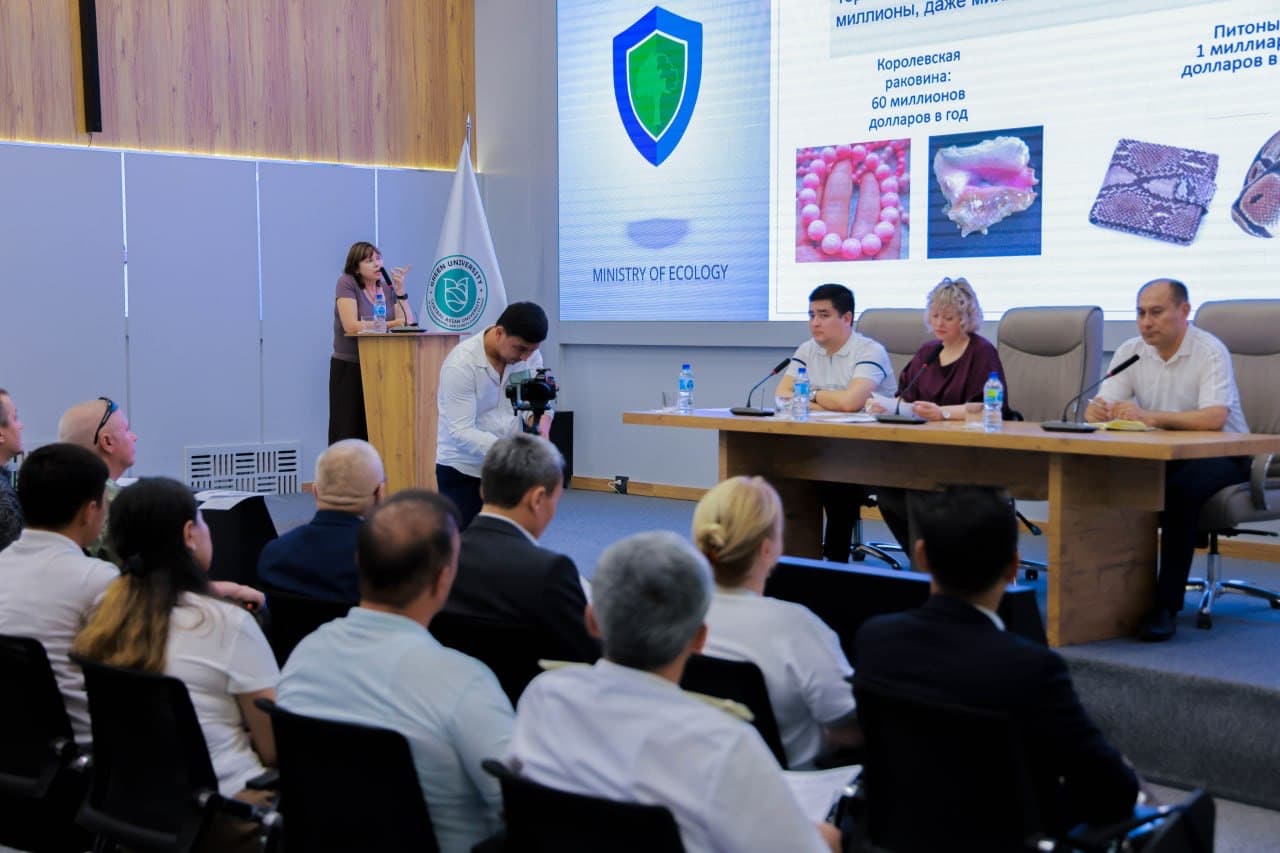




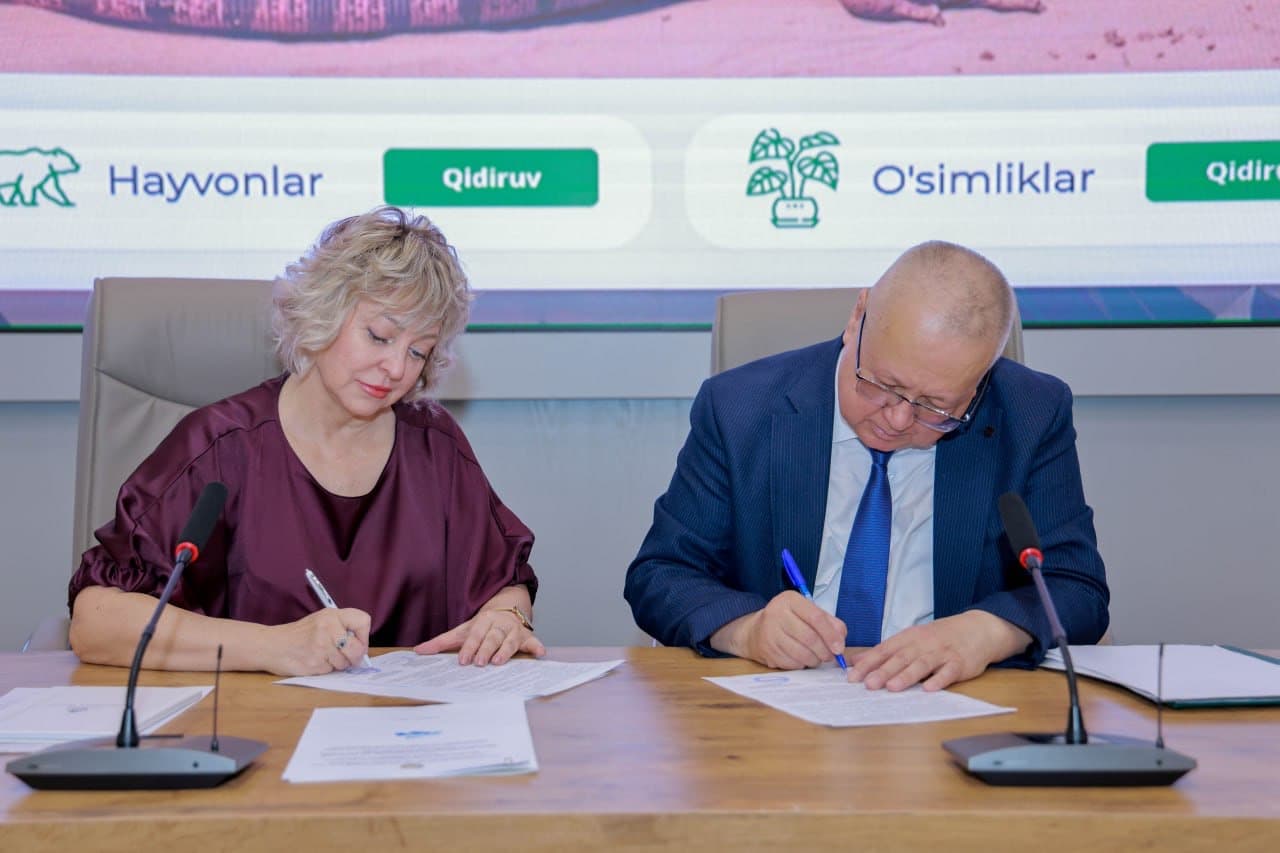
The event brought together representatives of the Ministry of Ecology, Environmental Protection and Climate Change, the Customs Committee under the Ministry of Economy and Finance, academic and educational institutions, and the media.
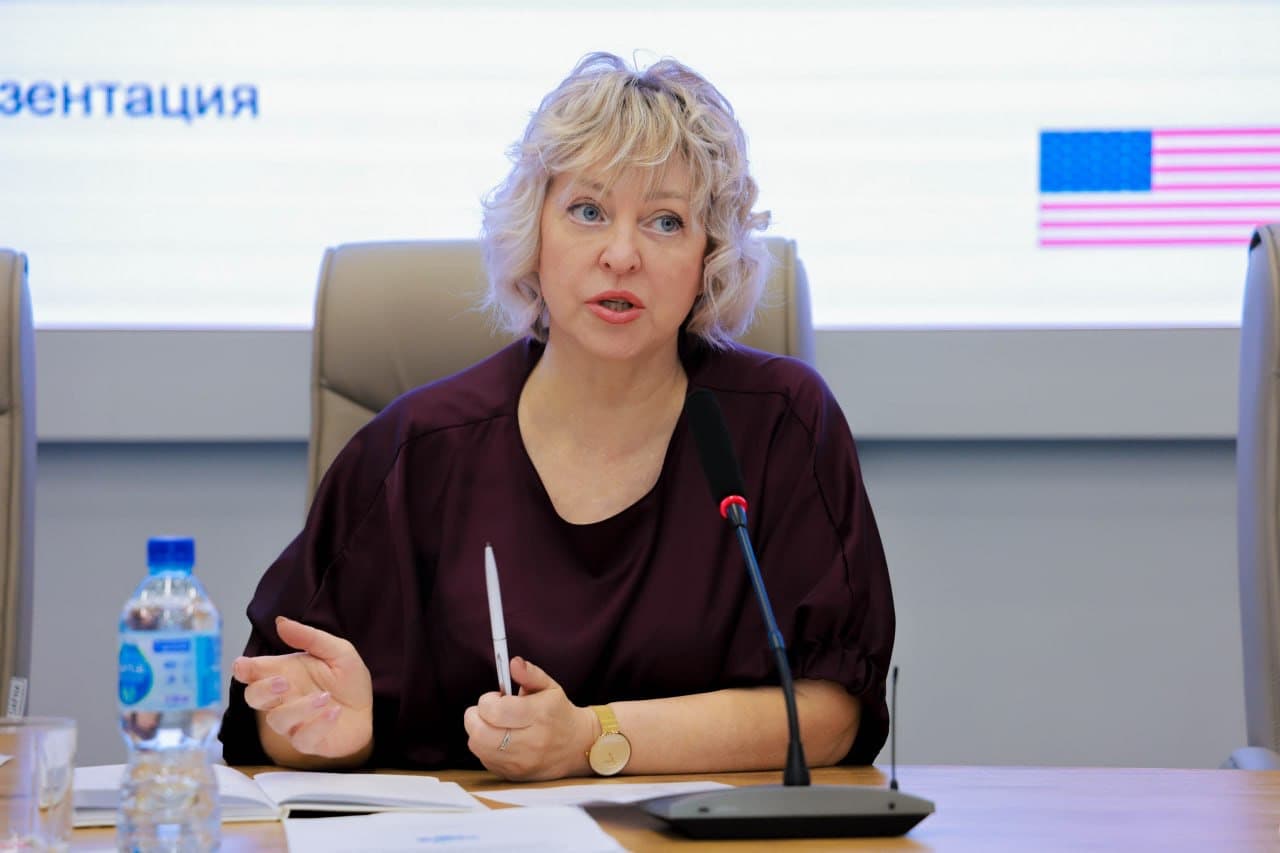
The press conference was opened by Natalia Shivaldova, director of "Ekomaktab" and national project coordinator. She emphasized the urgency of the issue:
“Illegal trade in wild animals and plants has become one of the most profitable areas of transnational organized crime. It destroys ecosystems, undermines security, damages the economy and requires modern, comprehensive solutions,” she noted.
The newly launched platform, yashiltamojnya.uz, is designed to support customs and border officers in real-time. It enables users to quickly identify species of wild fauna and flora, verify their status under the CITES Convention and check for appropriate permits. This is especially crucial when rare animals or their parts (such as horns, skins, or teeth) are disguised as souvenirs or domestic pets. Through digital tools, the platform helps minimize inspection errors and improve enforcement effectiveness.
Project experts — including zoologist Elena Bykova and environmentalist Timur Abduraupov — shared real cases of intercepted smuggling attempts, involving crocodiles, chameleons, piranhas and pythons. These examples not only highlight the scale of the problem but also reveal the cruelty often inflicted on animals during illegal transportation.
The discussion also addressed the need to strengthen training for frontline officers and raise public awareness to prevent wildlife crimes.
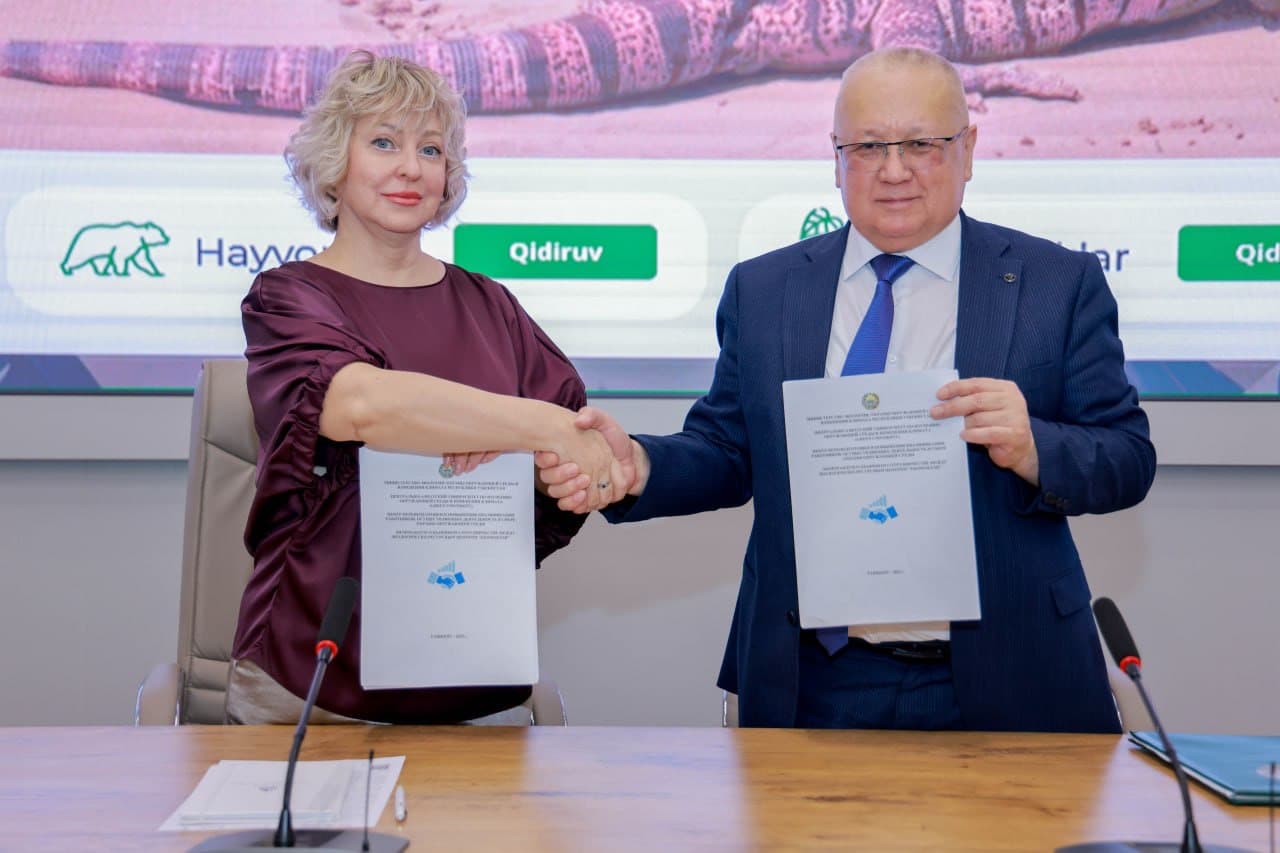
A Memorandum of Understanding was signed during the event between the Ministry of Ecology, the Central Asian University of Environmental and Climate Change Studies (Green University), the Training and Retraining Center for Environmental Professionals and the NGO "Ekomaktab".
The memorandum outlines plans to enhance strategic cooperation in the environmental field through joint education programs for sustainable development, policy recommendations on waste management, air quality, biodiversity and water conservation, support for youth and women’s initiatives, development of IT solutions and innovation, environmental education, community inspector training, research support and legislative improvement aligned with international best practices.
The presentation of the Yashil Tamojnya platform marks a significant step in the digitalization of environmental protection in Uzbekistan and Central Asia. The Q&A session that followed reflected the strong interest of participants in advancing this initiative.
Digital tools, cross-agency collaboration and broad expert and public engagement are essential components for effectively combating environmental crime and protecting the region’s unique natural heritage.