
Ban Ki-moon stressed that cooperation with Uzbekistan serves a sustainable “green” future
2025-05-28 17:00:00 / News
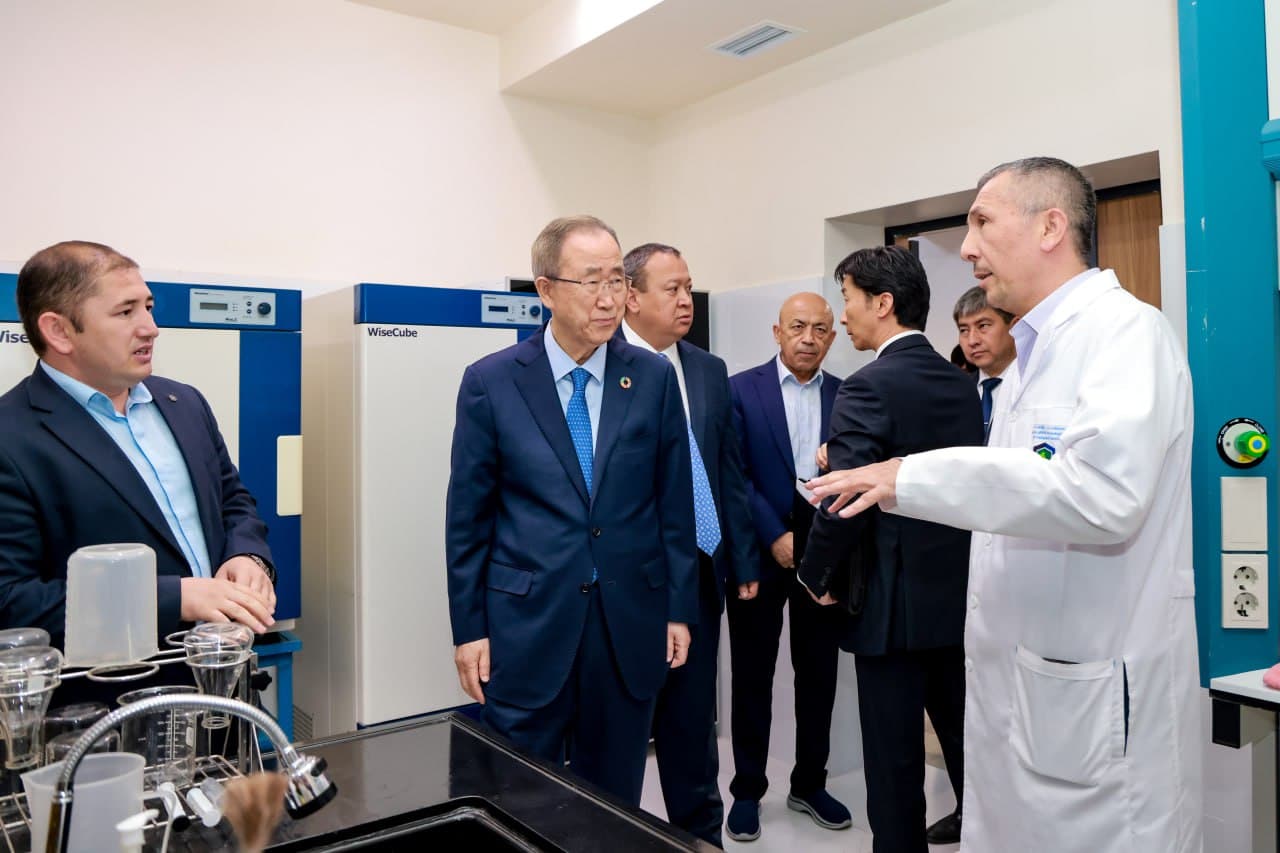
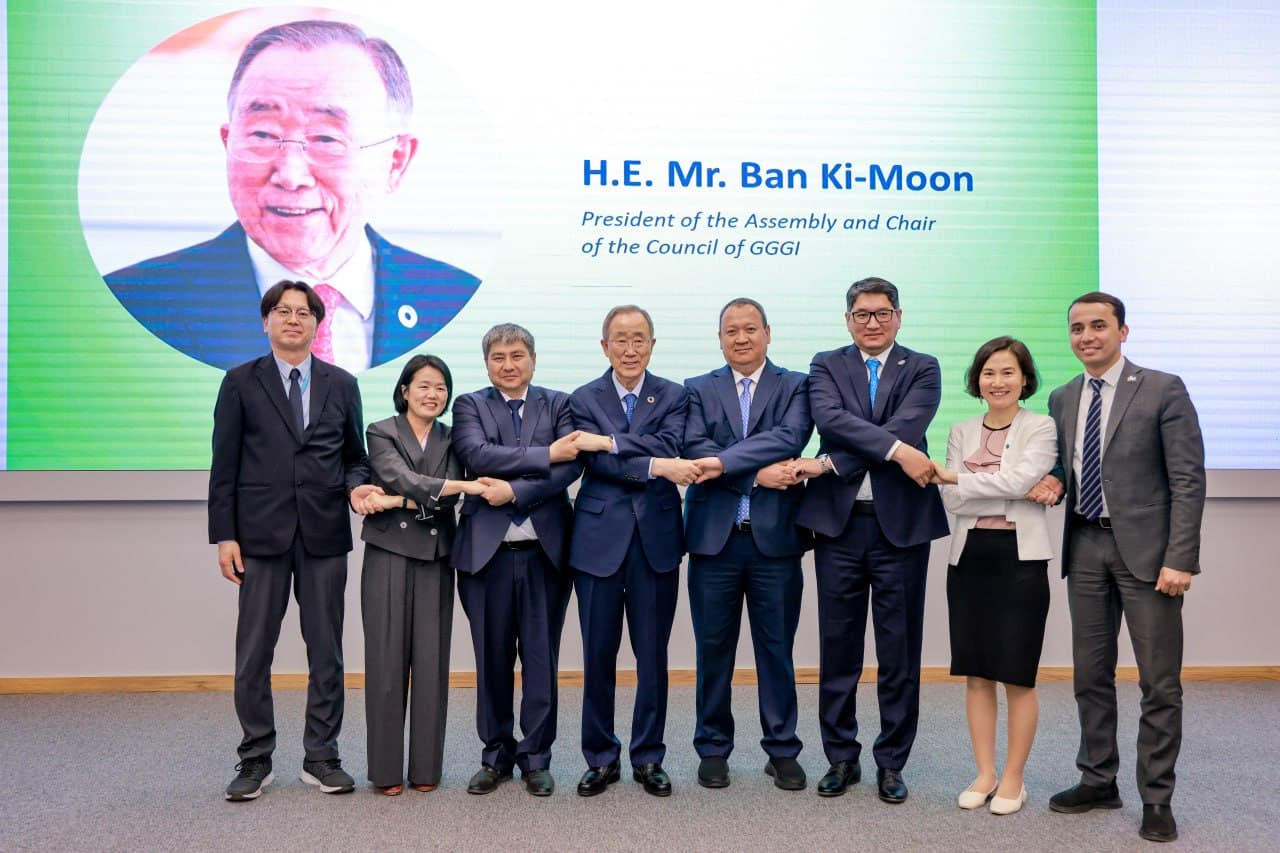
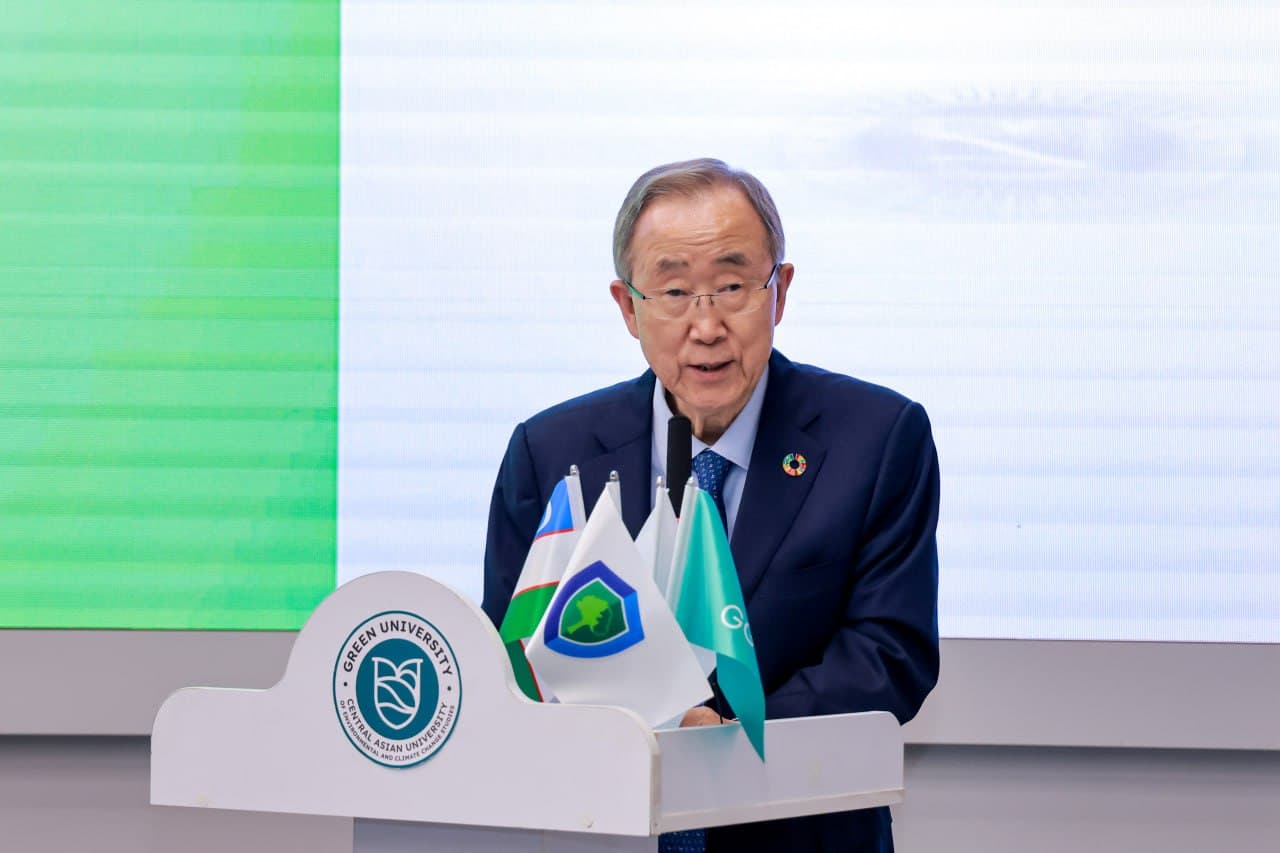
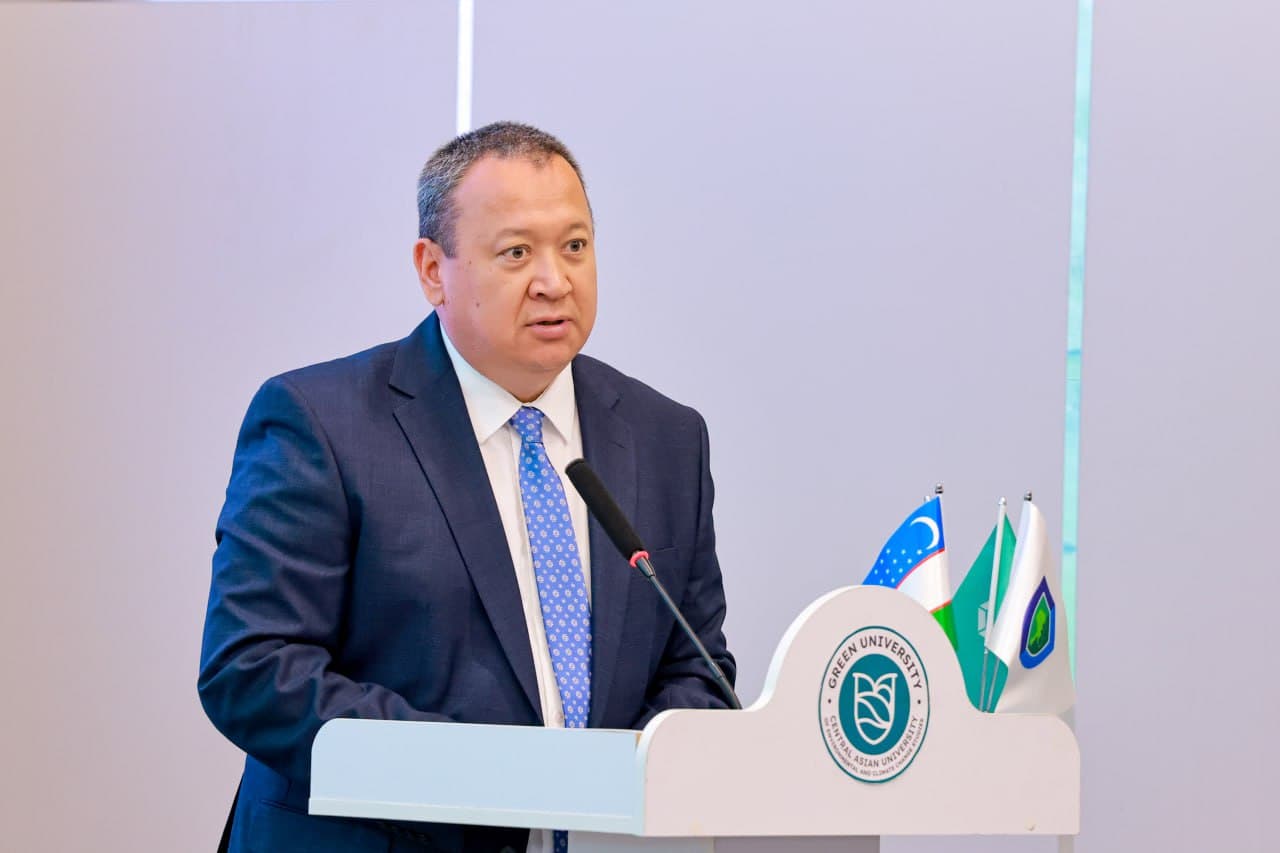
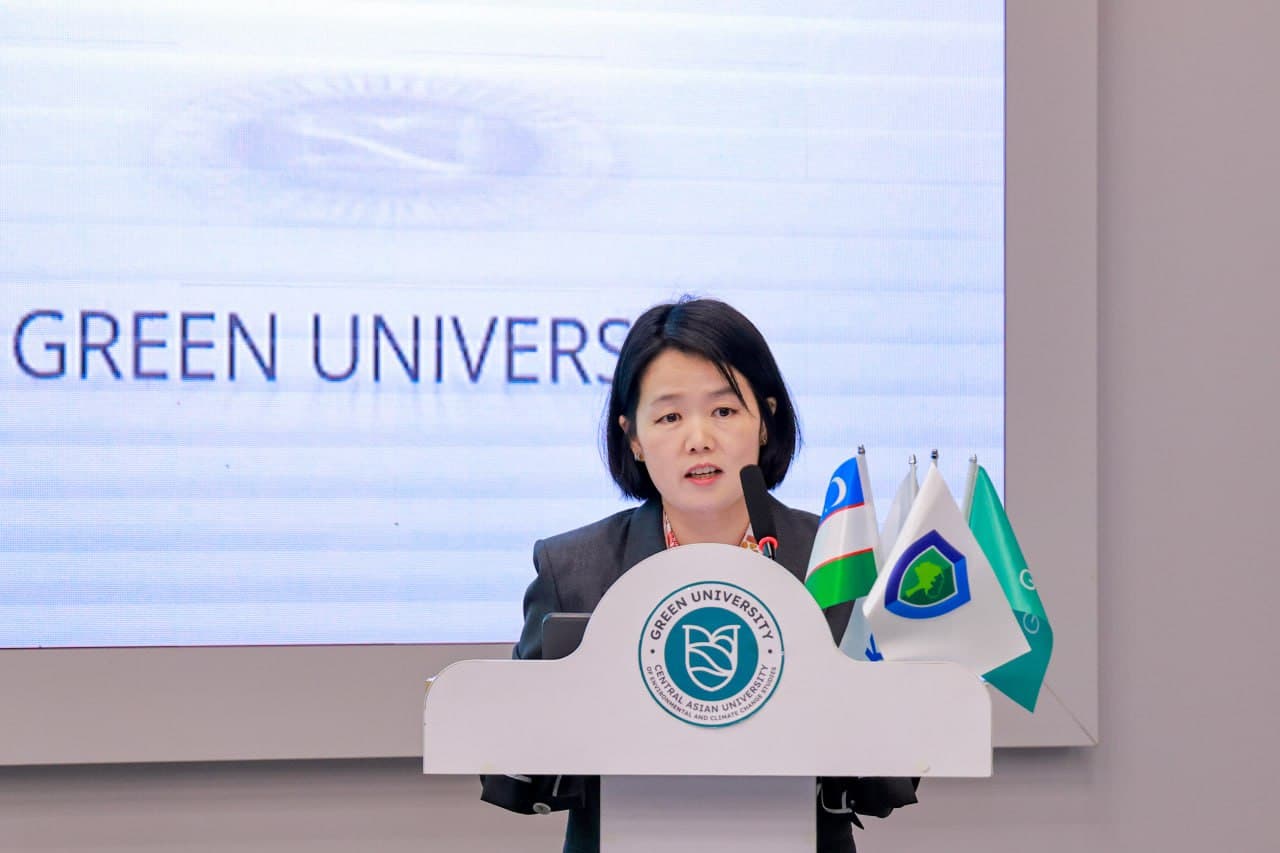
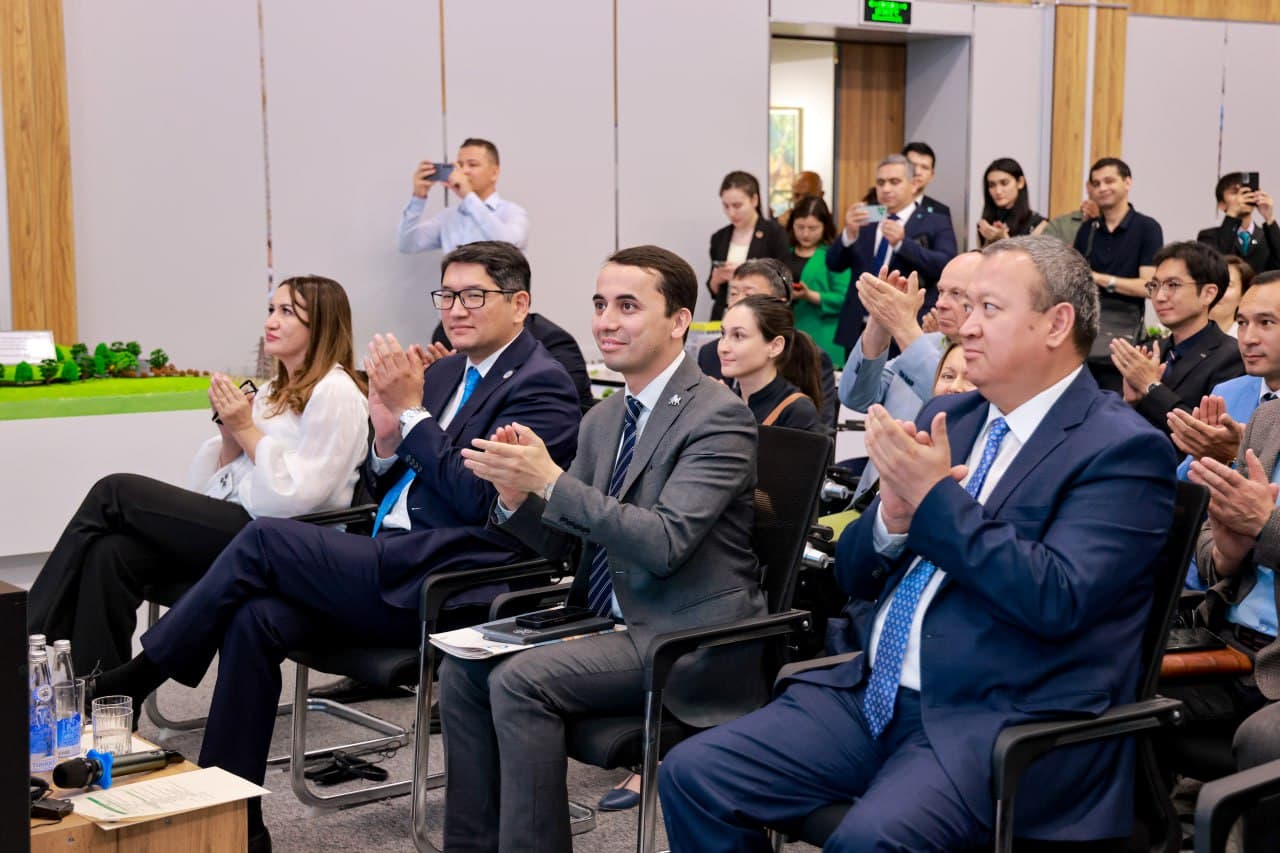
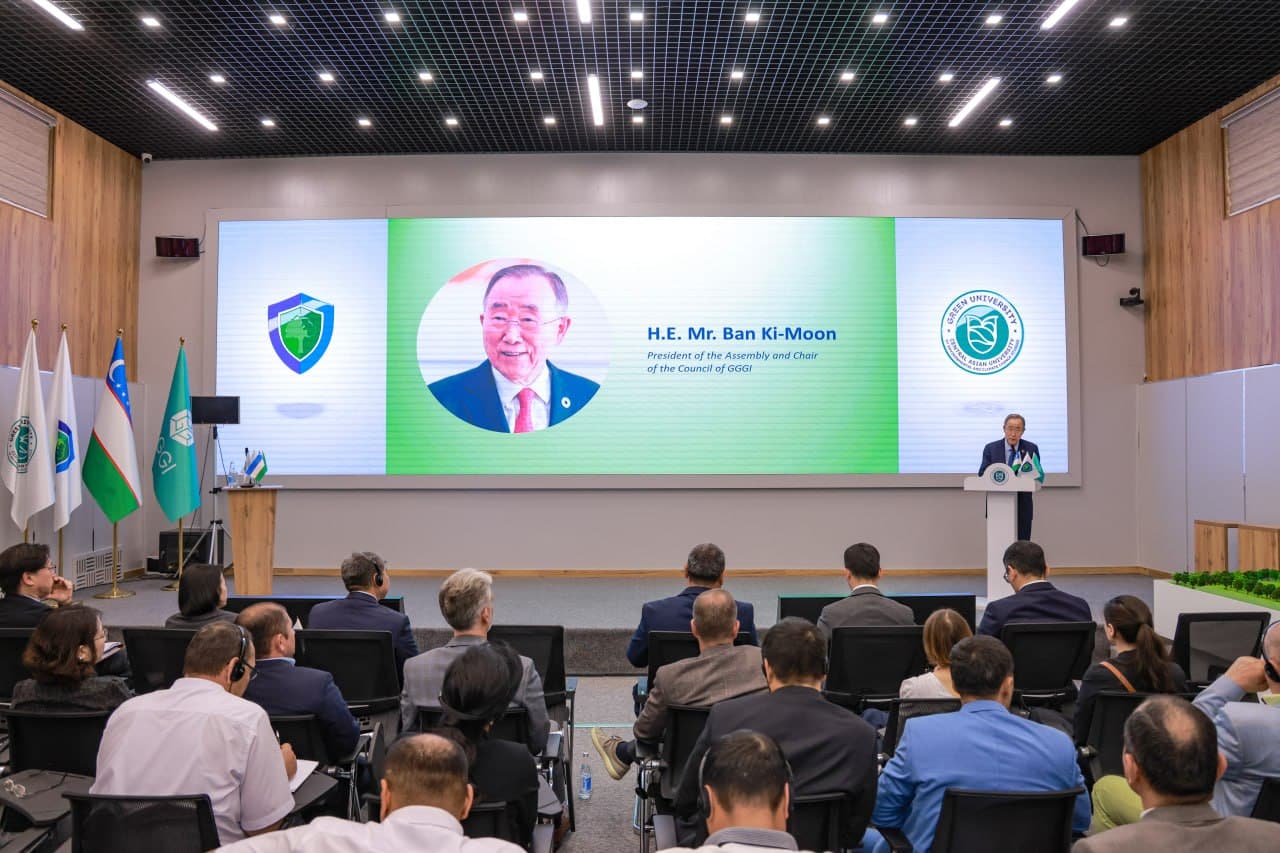
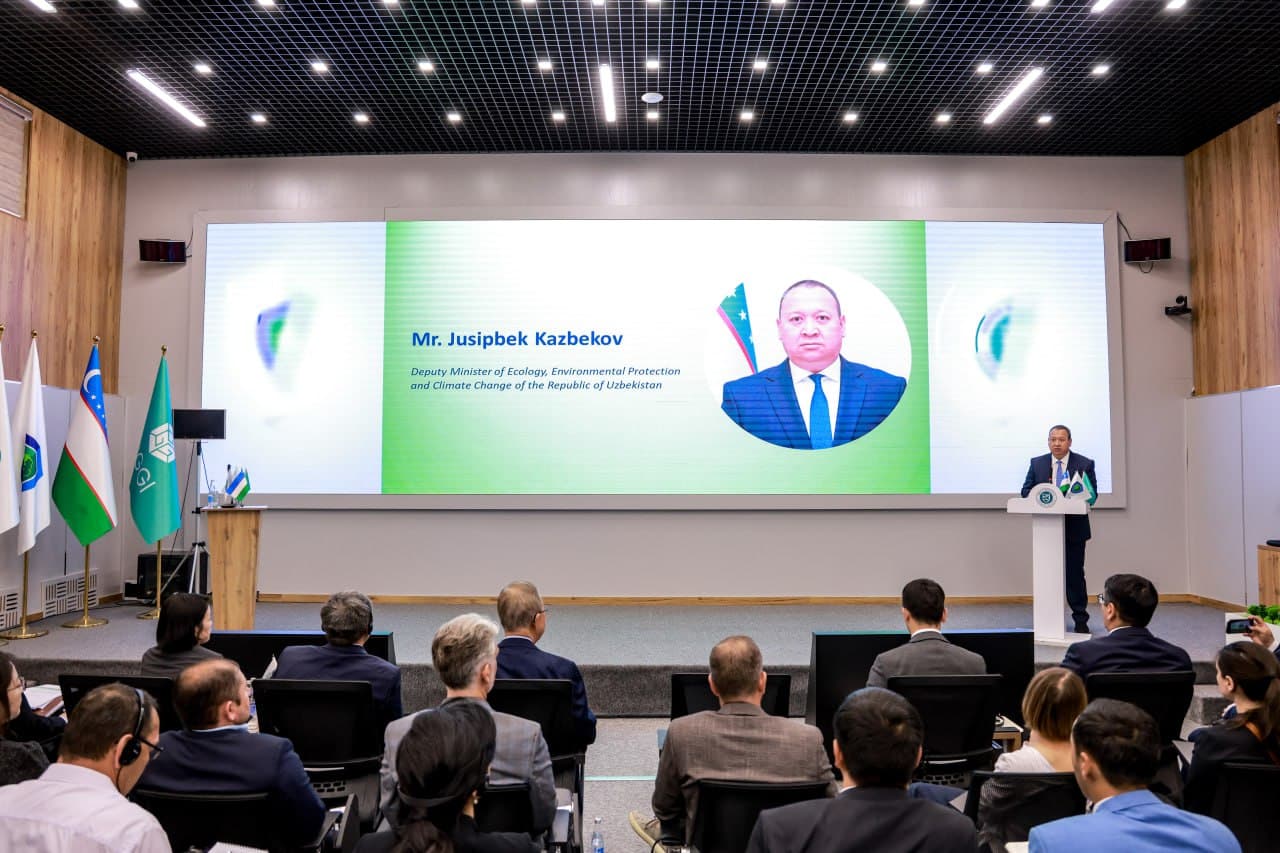
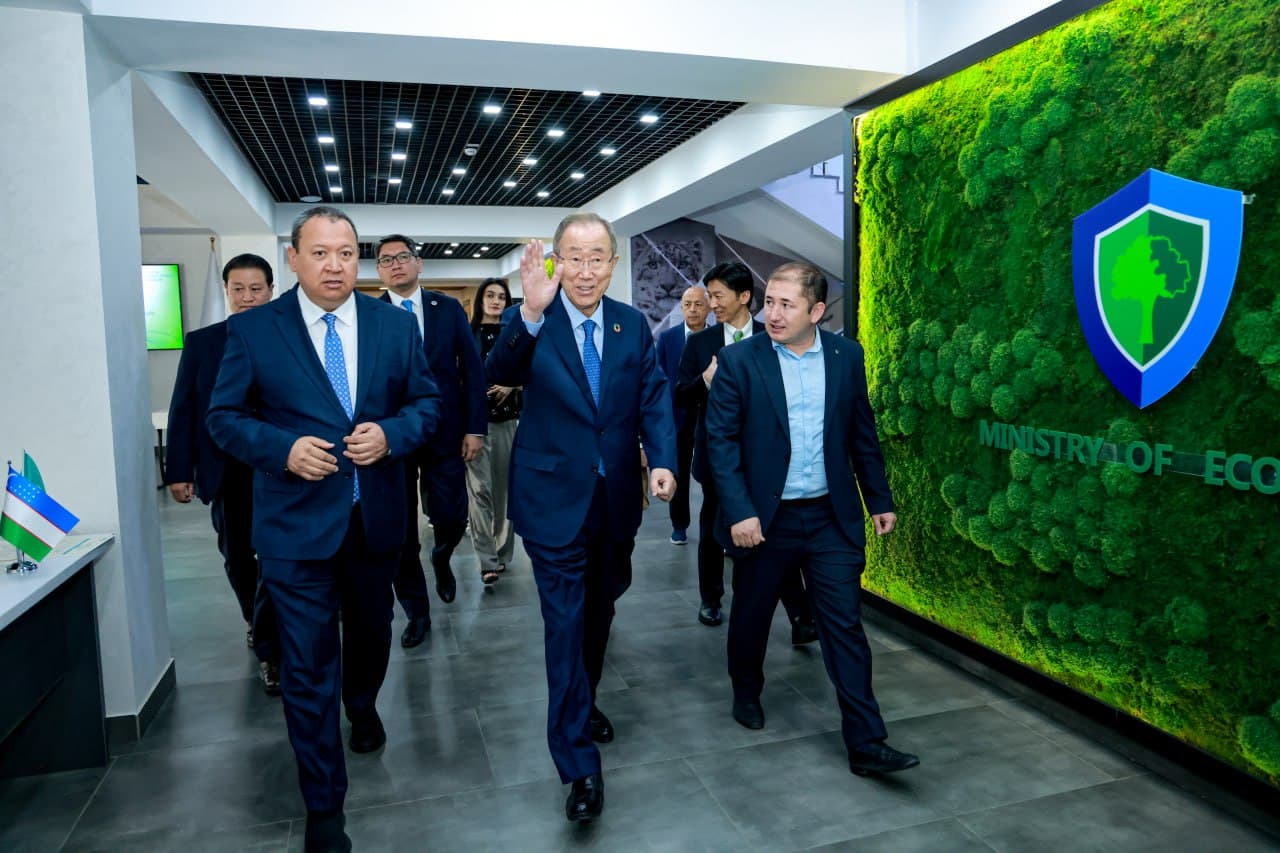
Ban Ki-moon, who currently serves as Chair of the GGGI Council, brought together students, government officials, and representatives of international organizations through his address.
In his remarks, Ban Ki-moon emphasized that climate change is the most serious and urgent threat facing humanity today:
“If we fail to address this issue properly, there will be no future for humanity, no future for our planet Earth.”
He called on the younger generation to take the lead in tackling global challenges, noting that sustainable development is only possible through the collective efforts of governments, institutions and civil society.
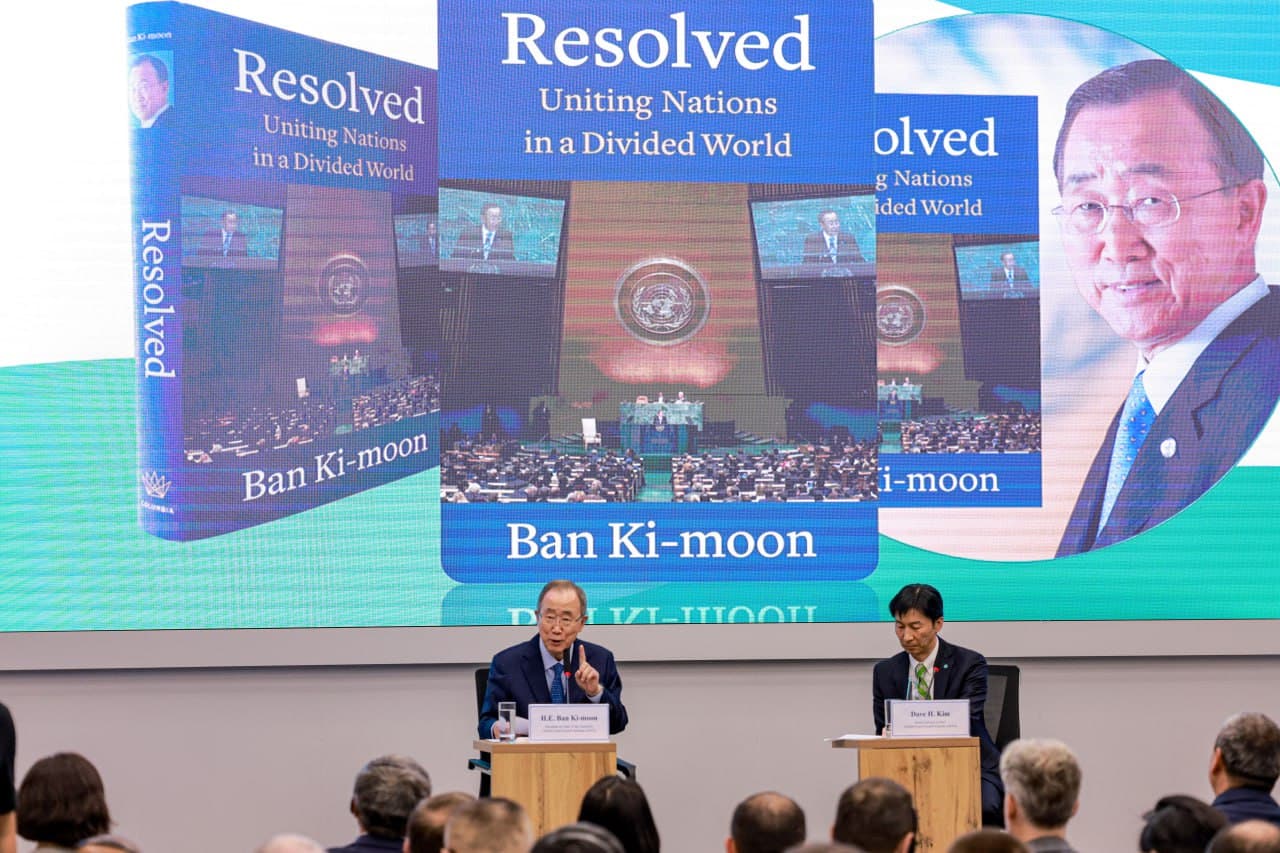
The former Secretary-General also shared personal stories from his early life, shaped by the hardships of war, which deeply influenced his worldview and inspired his lifelong commitment to peace, sustainable development and international cooperation. These experiences, he noted, formed the foundation of his mission as UN Secretary-General. Special attention was given to his book “Resolved: Uniting Nations in a Divided World,” in which he reflects on his journey and core principles: “When I wrote this book, I didn’t just want to share my story—I wanted to pass on the lessons I’ve learned over decades of service: we are stronger when united, and powerless when divided,” he said.
Speaking about Uzbekistan, Ban Ki-moon expressed gratitude to President Shavkat Mirziyoyev for his visionary leadership and proactive environmental policies. He stated that the partnership between Uzbekistan and GGGI lays a solid foundation for building a greener and more sustainable future. He also highlighted the importance of Central Asian and European Union participation in the Samarkand Climate Forum as a powerful example of effective regional cooperation in combating climate change.
In his address, Jusipbek Kazbekov, Deputy Minister of Ecology, Environmental Protection and Climate Change, stressed that the gathering was not merely a ceremonial event, but a reaffirmation of Uzbekistan’s strong commitment to sustainable development.
“The transition to a green economy is not just an environmental necessity, but a strategic choice reflected in the Uzbekistan–2030 Strategy and in the decision to declare 2025 the "Year of Environmental Protection and "Green" Economy," he noted.
Rustam Saparbaev, Deputy Chairperson of the Jokargy Kenes of the Republic of Karakalpakstan, spoke about Uzbekistan’s large-scale efforts to restore the Aral Sea region, which has become a symbol of environmental crisis but is now showing signs of hope and sustainable revival. He discussed the world's largest afforestation project on the dried seabed of the Aral Sea, the establishment of the UN-backed International Innovation Center of the Aral Sea Region, and other initiatives aimed at restoring ecosystems and improving the lives of local communities. Mr. Saparbaev also appealed to Ban Ki-moon to support the organization of an international forum on the future of the Aral Sea region and to assist in promoting a “Green Pact for the Aral Sea region”—a comprehensive framework that could unite international efforts to save this unique and fragile region.
The event program also included a presentation of GGGI’s current and upcoming partnership initiatives in Uzbekistan. Among them were: the recently completed Green Rehabilitation Investment Project for the Republic of Karakalpakstan aimed at addressing the consequences of the Aral Sea crisis (Aral Sea GRIP), the Flood and Drought Management Project, the Country Partnership Program, and the initiative “Support for the Realization of a Pilot Strategic Environmental Assessment (SEA)”.
The event highlighted key achievements of the Aral Sea GRIP project, which has become a landmark example of a sustainable approach to addressing the aftermath of an environmental disaster. Since its launch in 2021 with support from KOICA, the initiative has produced more than 20 analytical and methodological publications, conducted extensive awareness-raising campaigns involving over 17,000 schoolchildren, women, and men, and implemented a large-scale outreach campaign that reached more than 250 million people. A particularly important contribution of the project was the introduction and piloting of seven different climate-resilient agricultural practices adapted to local conditions. Additionally, a digital platform was created to support micro, small and medium-sized agricultural enterprises, enhancing economic resilience and expanding access to knowledge and resources for local communities.
In conclusion, it was emphasized that sustainable development requires coordinated and decisive action from governments, international organizations, and civil society. GGGI reaffirmed its commitment to playing an active role in advancing Uzbekistan’s green agenda, including the expansion of climate finance mechanisms, support for clean energy projects, and the deployment of advanced environmental technologies. The Institute expressed its intention not only to support existing initiatives but also to actively promote the launch of new programs that will foster sustainable growth and strengthen the region’s climate resilience.