
VII Central Asian Climate Change Conference Kicks Off in Ashgabat
2025-05-14 15:00:00 / News


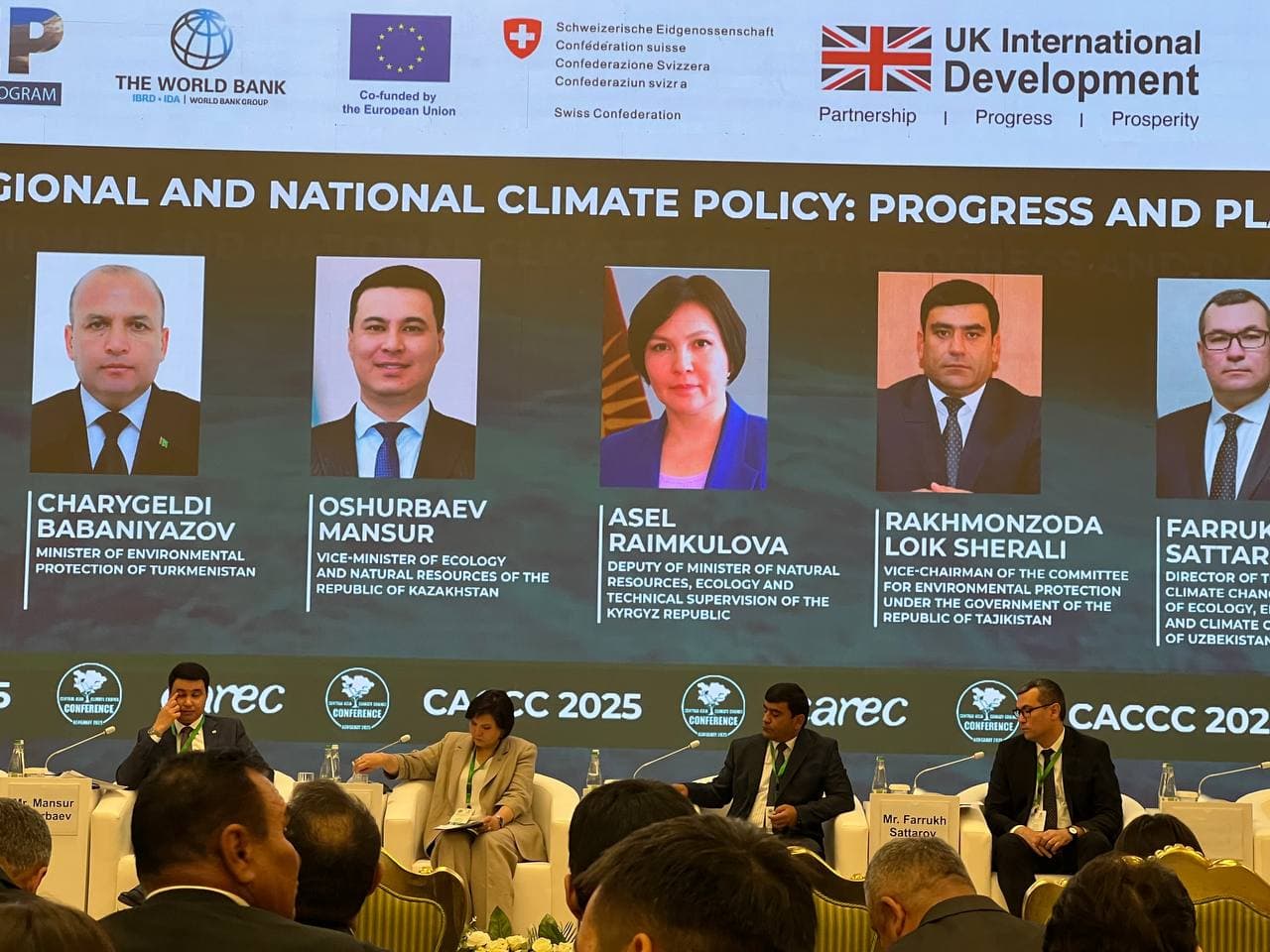
This prestigious event brings together around 250 representatives from Central Asian countries and other regions — including government officials, international organizations, academic and business communities, civil society, and youth. All participants are united by the common goal of enhancing the region’s climate resilience.
The event opened with an exhibition titled "Exploring the Unique Endemic Flora and Fauna of Turkmenistan," aimed at highlighting the importance of preserving the country's unique ecosystems.
The conference is held under the slogan “Achieving the Global Climate Finance Goal Through Regional and National Action” and serves as an open platform for dialogue on mobilizing international financial resources and fostering regional cooperation.
“The year 2025 is a key milestone for all parties to the Paris Agreement, including the Republic of Uzbekistan. At this moment, we are faced with the task of updating and strengthening our national commitments as part of the new cycle for submitting Nationally Determined Contributions (NDCs). The Republic of Uzbekistan, sharing in global efforts to combat climate change and promote sustainable development, is preparing to present its updated NDC 3.0. This document will reflect both the country’s strategic climate priorities and more ambitious long-term commitments,” said F. Sattarov at the opening of the event.
Key discussions held during the conference include:
-
Panel Session 1: Climate Finance for Central Asia.
Opportunities to increase climate investments in the region by 25% over the next five years were discussed, utilizing available financial tools such as green bonds and blended finance. Experts from the United Kingdom, the European Union, GIZ, Italy, and Kyrgyzstan presented reports. -
Panel Session 2: Regional Cooperation and Climate Justice.
Participants discussed early warning systems for hydrological disasters, transboundary initiatives, and the strengthening of Nationally Determined Contributions (NDCs 3.0).
Parallel sessions covered topics such as climate technology transfer under the “Green Bridge” initiative, innovative financial instruments, the role of civil society and youth, and coordination of the RESILAND CA+ program.
This conference serves as an important platform for strengthening cooperation among Central Asian countries, exchanging knowledge and experience, jointly addressing the climate crisis, and advancing toward carbon neutrality goals.