
Uzbekistan Expands Women’s and Community Participation in Climate Solutions
2025-05-13 13:00:00 / News
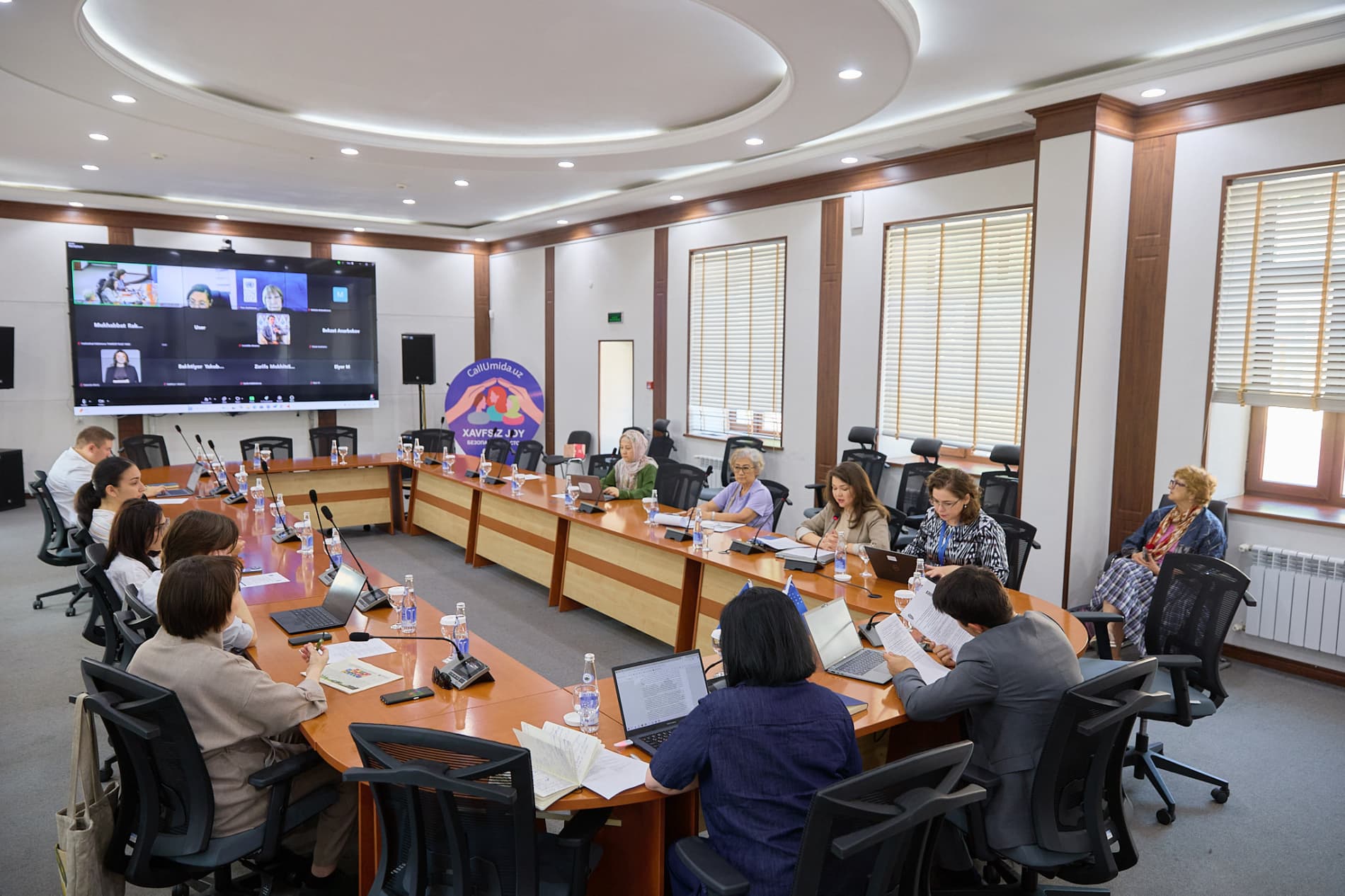
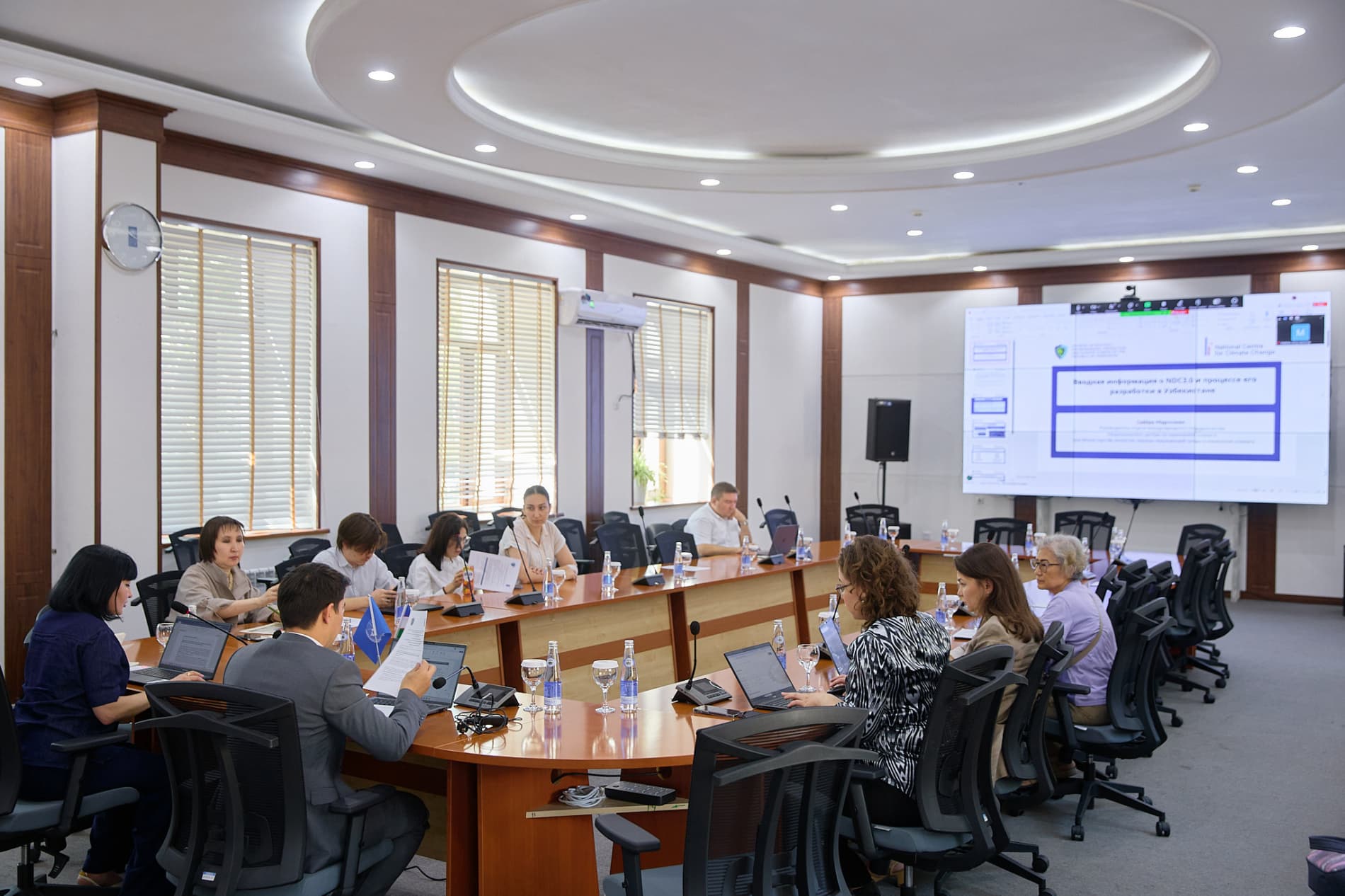
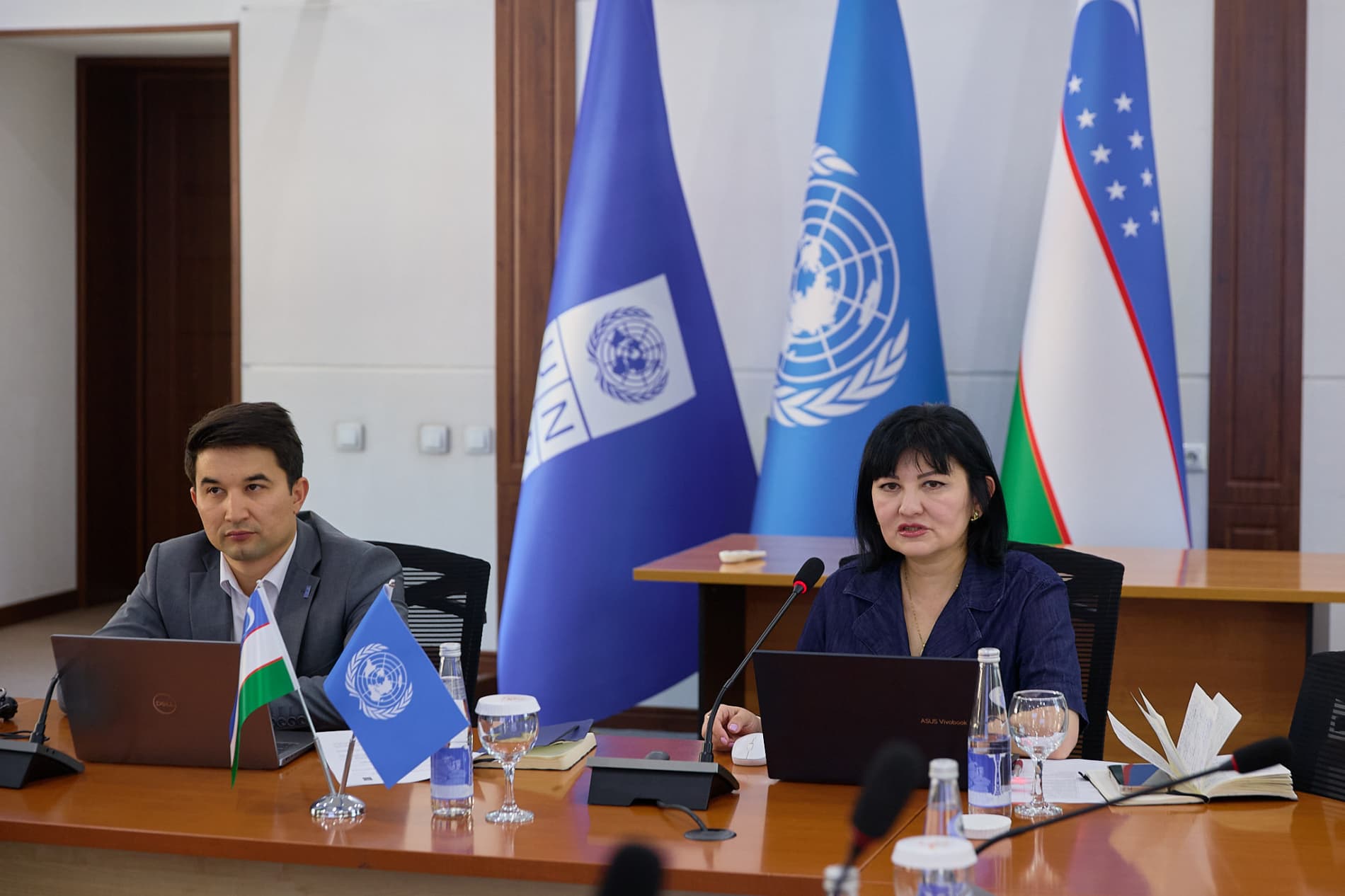
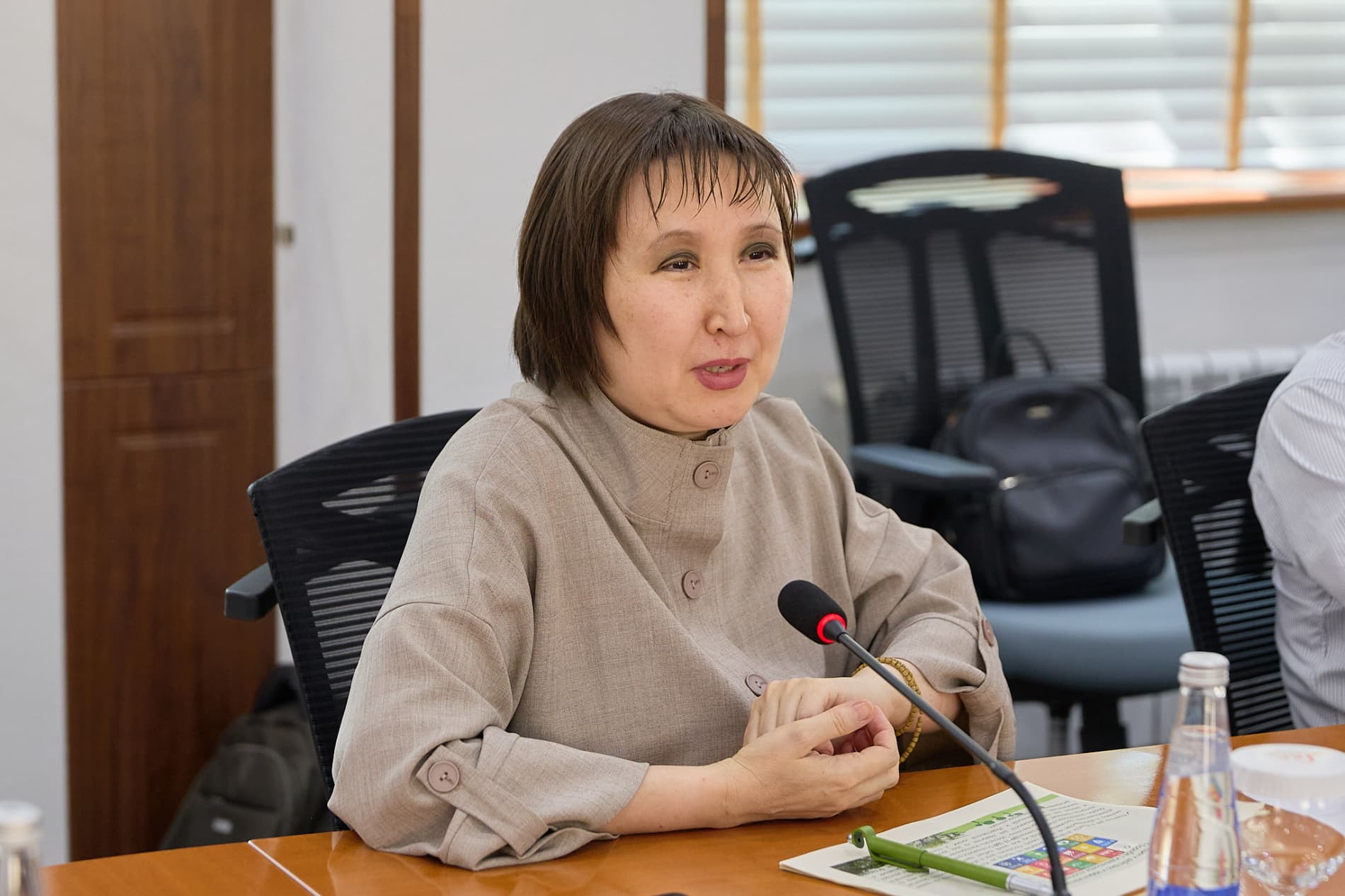
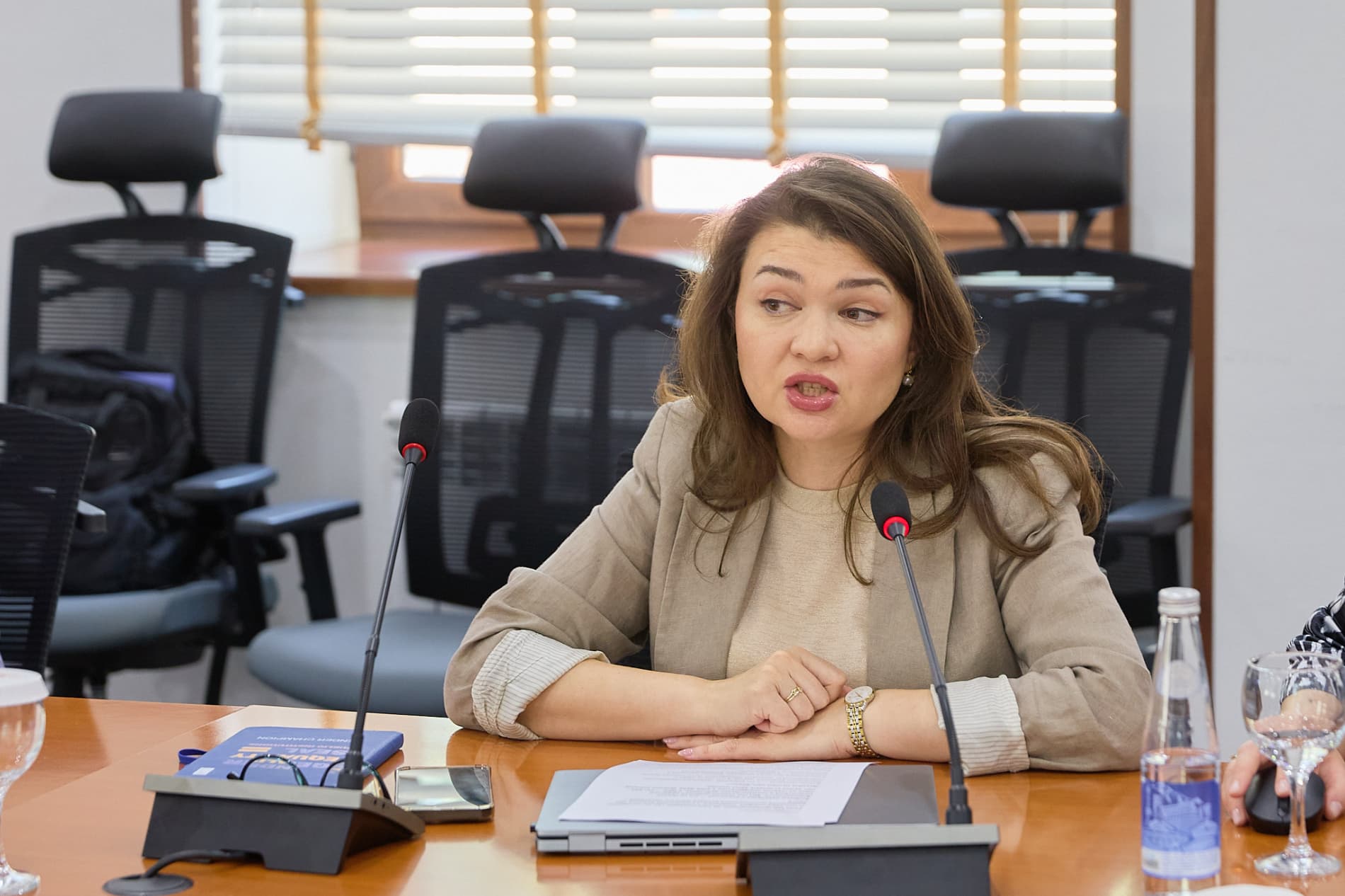
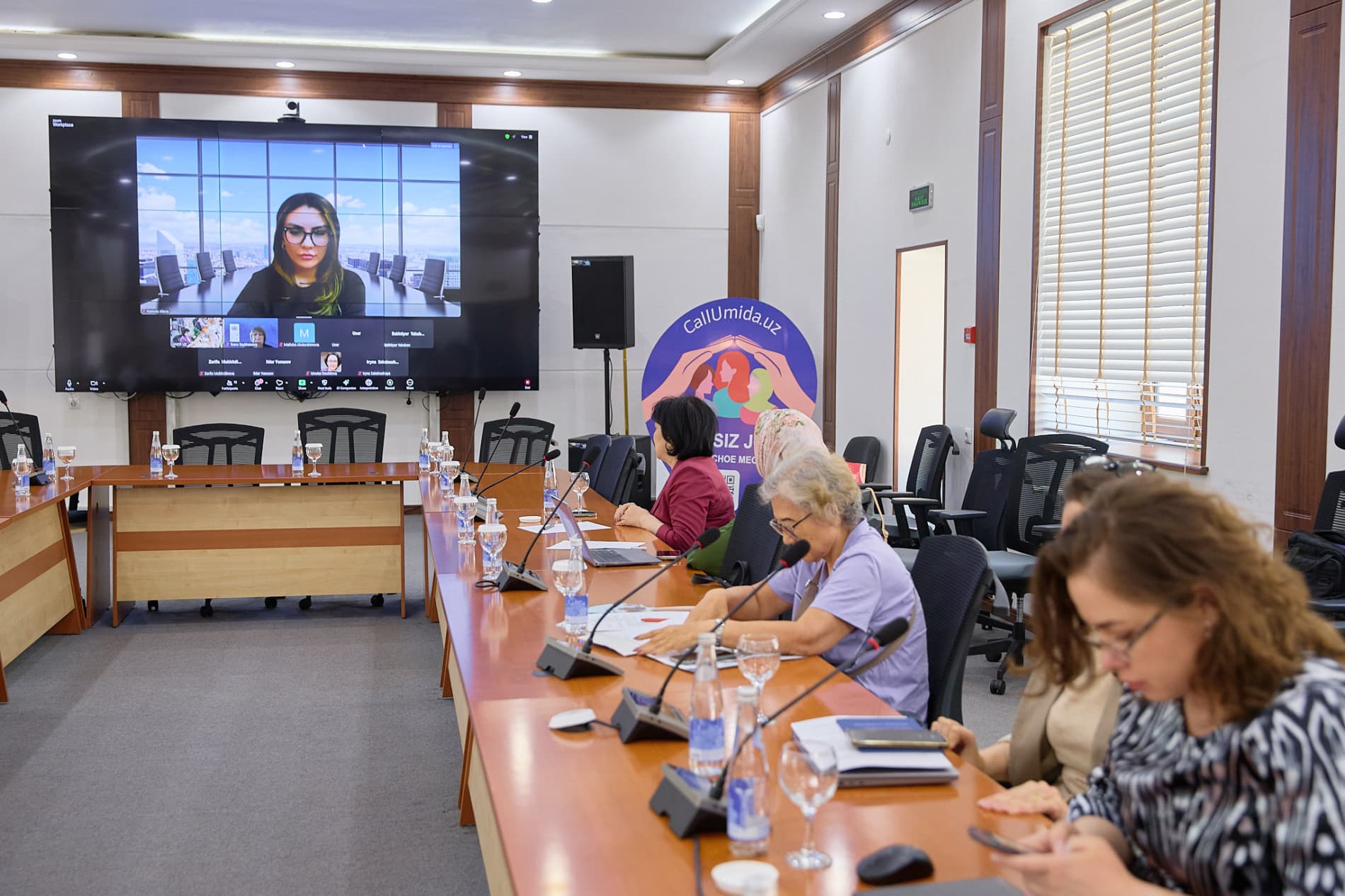
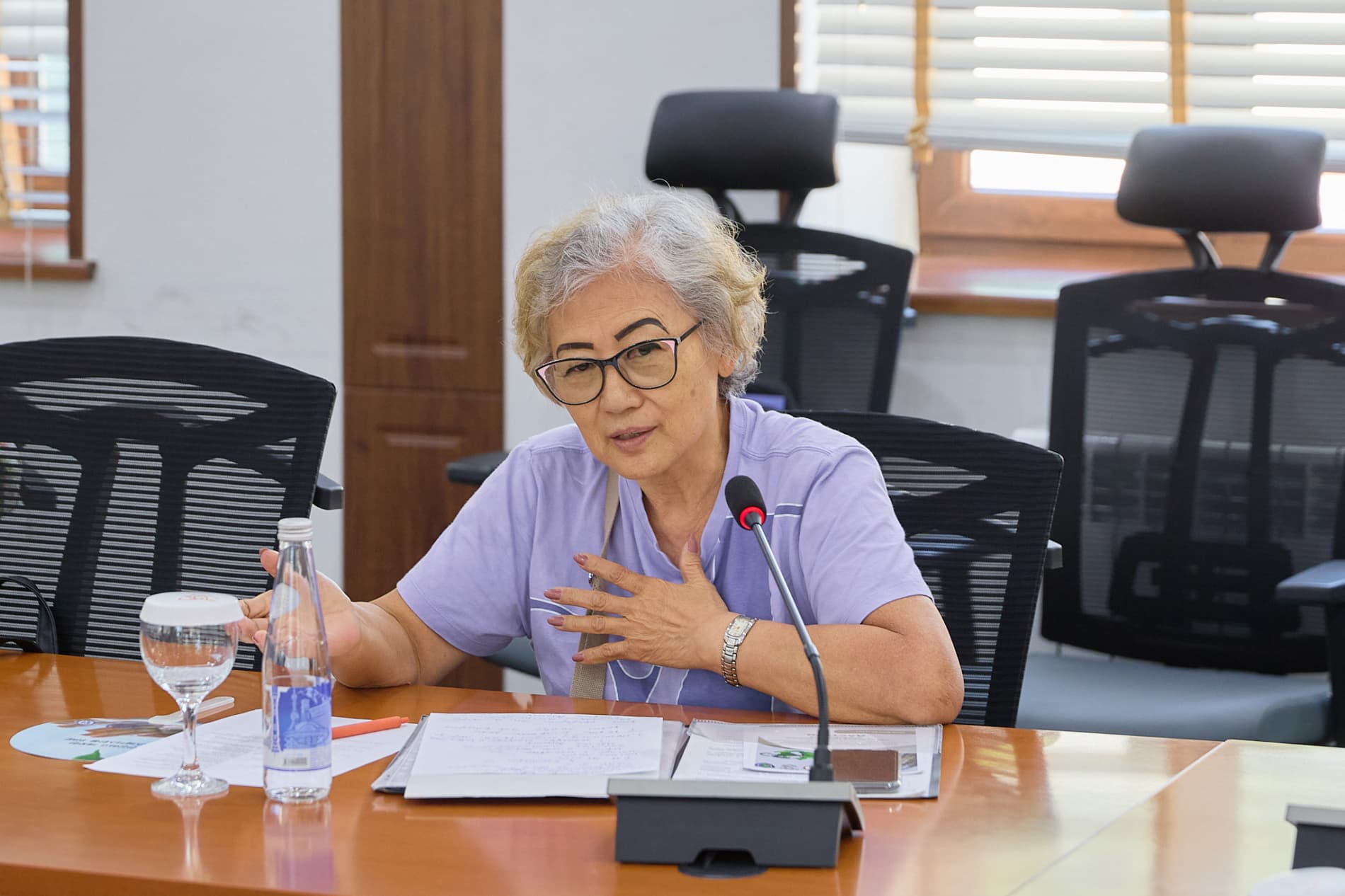
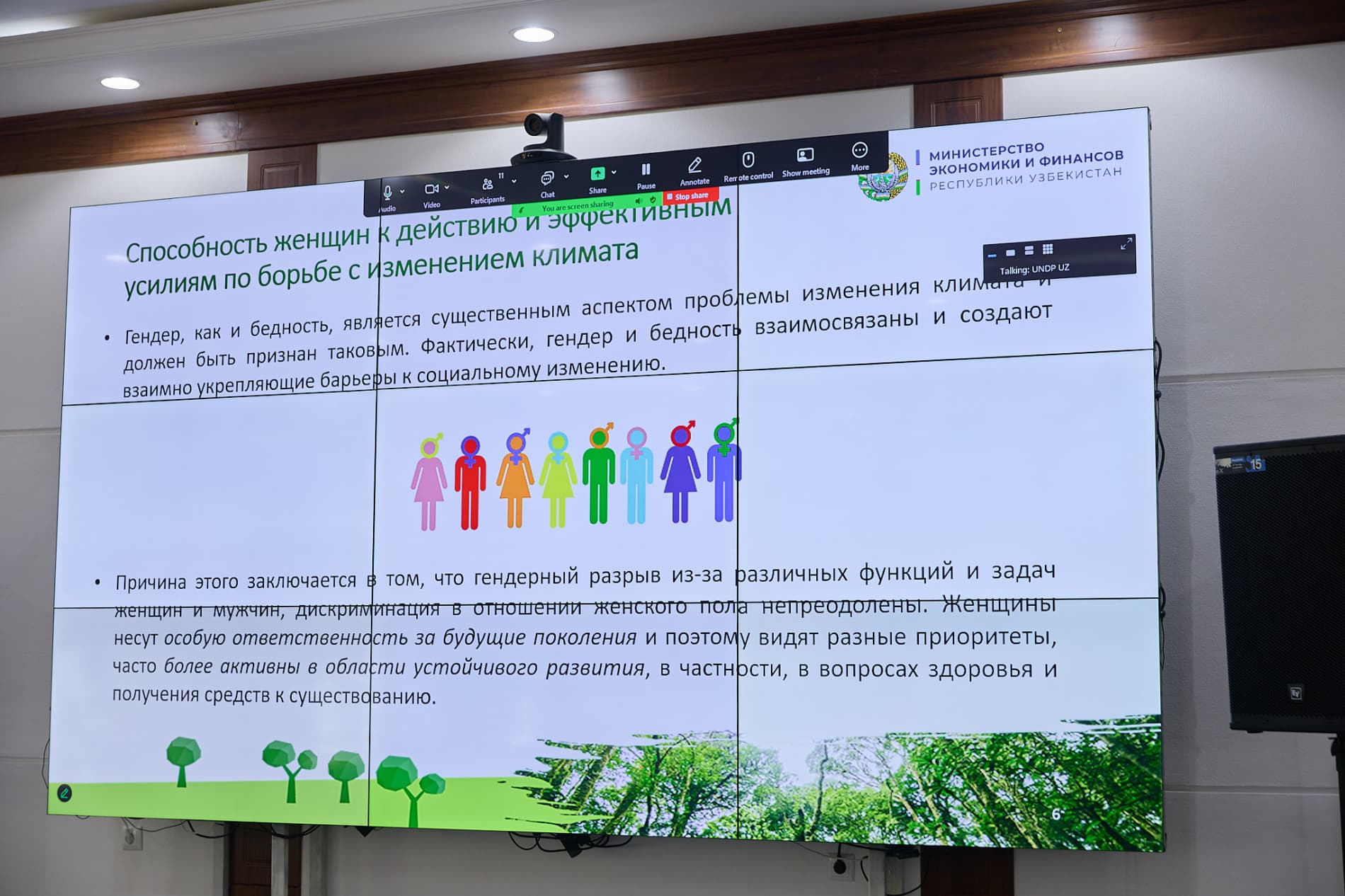
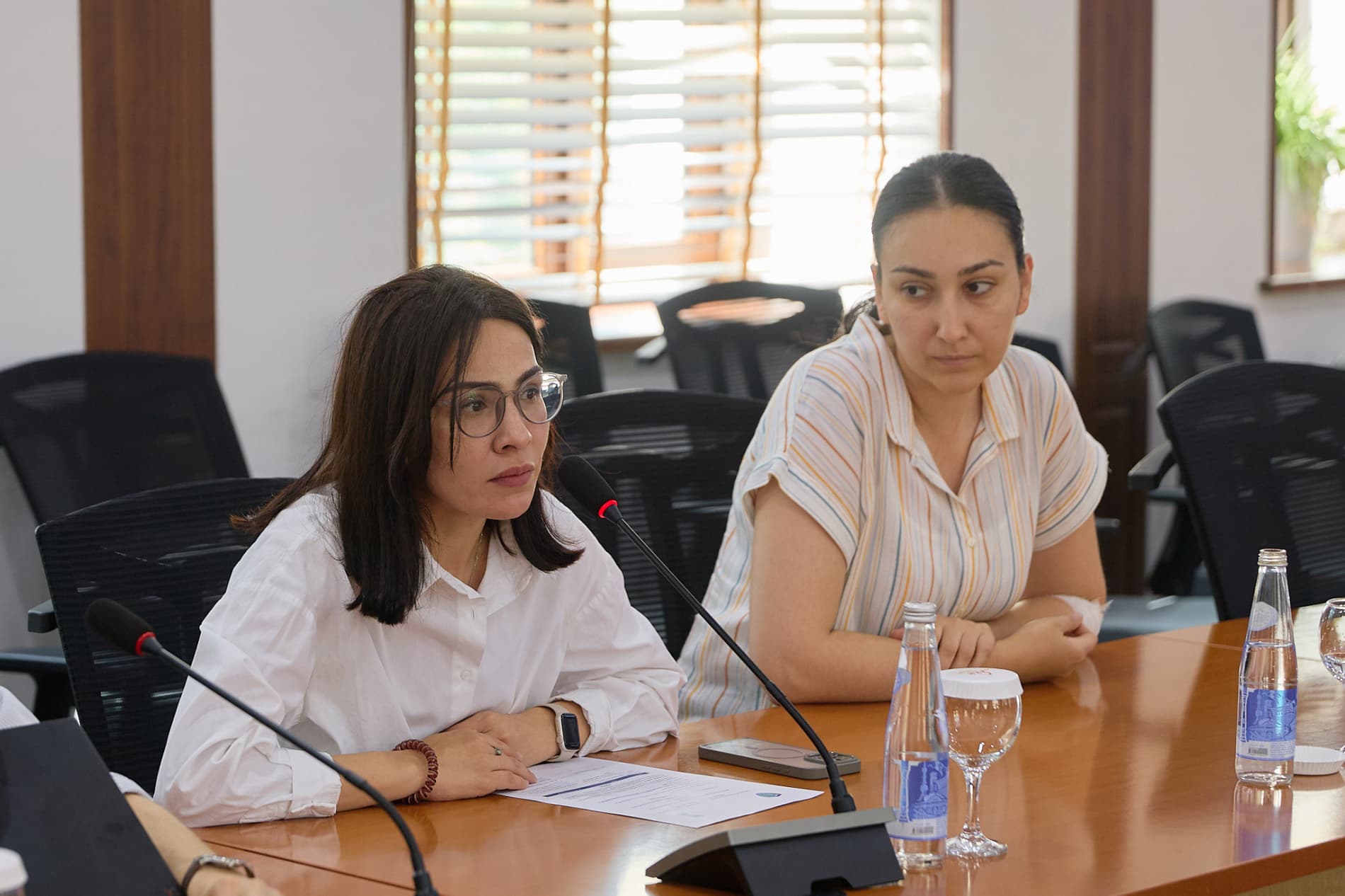
The event was part of the “Climate Promise – Phase 2” project, aimed at supporting the development of Uzbekistan’s updated Nationally Determined Contribution (NDC 3.0) — a key document outlining the country’s commitments to reducing greenhouse gas emissions and adapting to climate change.
The consultation brought together representatives from government agencies, international organizations, women’s and environmental NGOs, and other civil society institutions. This ensured a broad spectrum of perspectives necessary to shape a truly inclusive climate agenda.
“Developing NDC 3.0 is not just a technical process — it’s an opportunity to consider the voices and needs of all segments of the population. Inclusivity is not only about fairness — it is the foundation of sustainable development,” said Sayyora Abdullaeva, a representative of the Ministry of Ecology.
Women, youth, persons with disabilities, and rural communities are often among the most vulnerable to climate threats. However, the current analysis of Uzbekistan’s climate commitments revealed that gender equality and social inclusion are still insufficiently represented in existing policies. The consultation highlighted the need for a systematic approach that incorporates the interests of these groups into climate strategies.
“Climate change is now everyone’s concern,” said UNDP expert Rano Baykhanova. “Emission reduction, agricultural adaptation, and biodiversity conservation all require the active involvement of women and vulnerable groups to be truly effective.”
A key focus of the consultation was the development of gender-sensitive indicators to monitor progress in reducing inequality within climate action. As gender specialist Kamola Alieva emphasized, it is impossible to create a fair climate policy without the involvement of women at every stage of decision-making.
The proposals developed during the consultation are expected to be compiled and integrated into the draft of NDC 3.0. This document will form the foundation of Uzbekistan’s position at the UN Climate Change Conference (COP30) in Brazil in November this year.
It is worth noting that since joining the UN Framework Convention on Climate Change in 1993 and ratifying the Paris Agreement in 2018, Uzbekistan has been steadily increasing its climate commitments. The new version of the NDC reflects not only greater ambition in reducing emissions but also a firm commitment to engaging the entire society, ensuring a sustainable and inclusive future.