
Uzbekistan Presented a Global Reforestation and Sustainable Forest Management Initiative at the UN
2025-05-09 12:00:00 / News
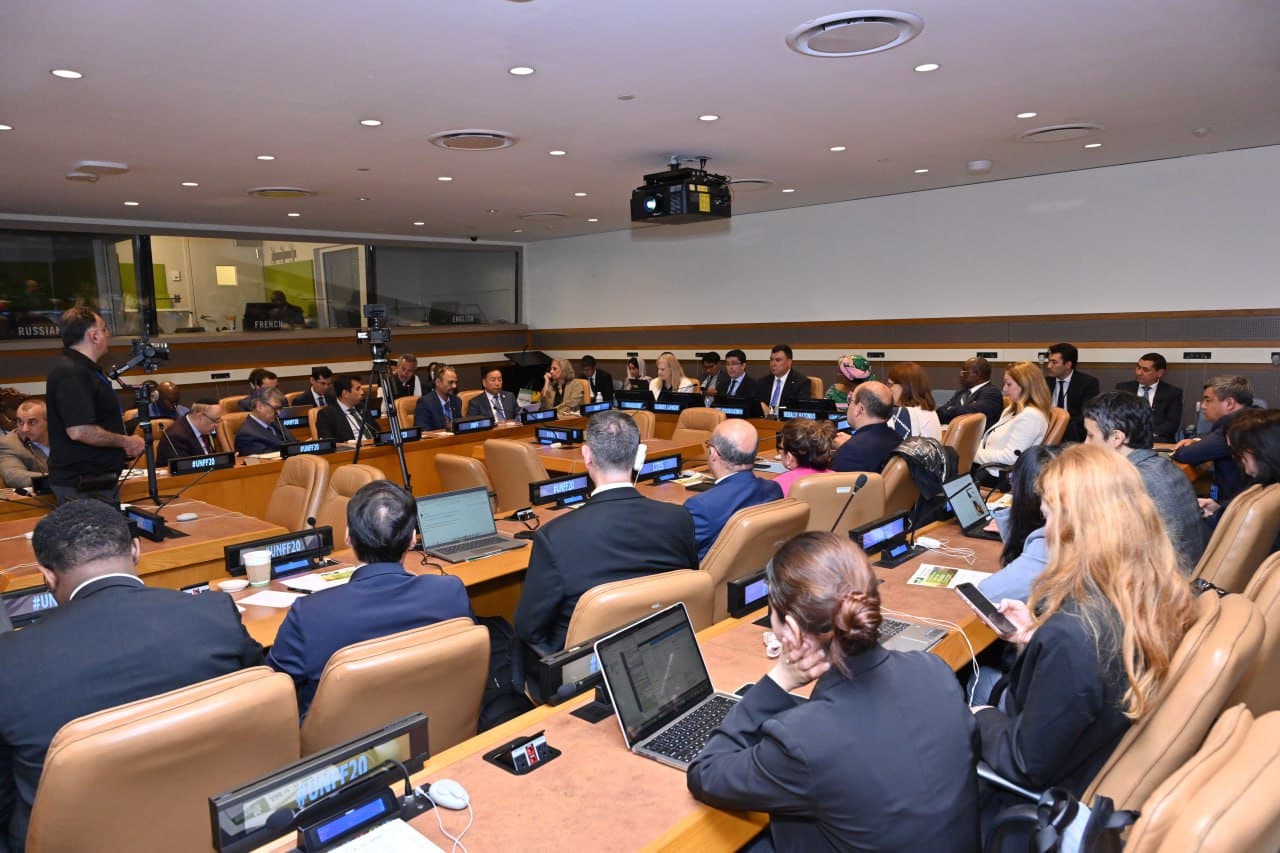
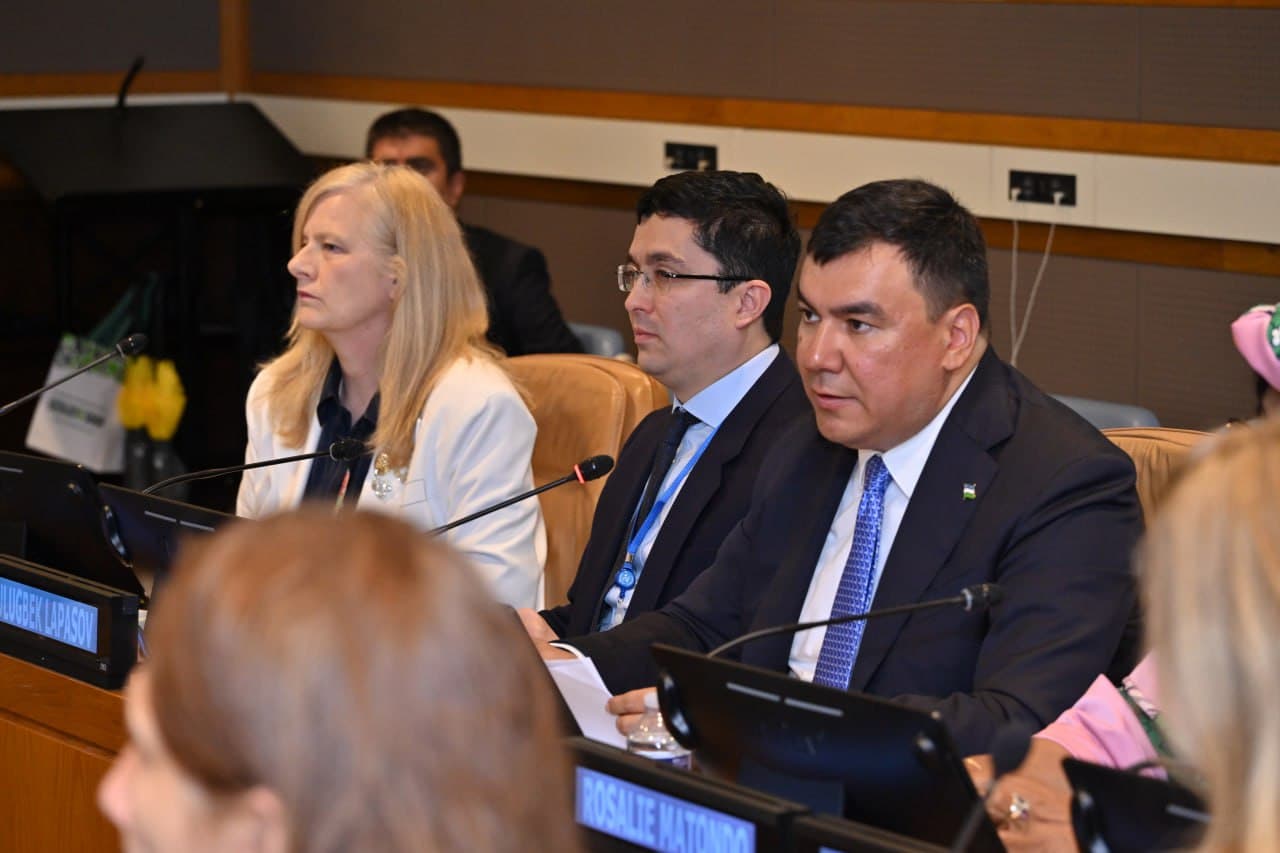
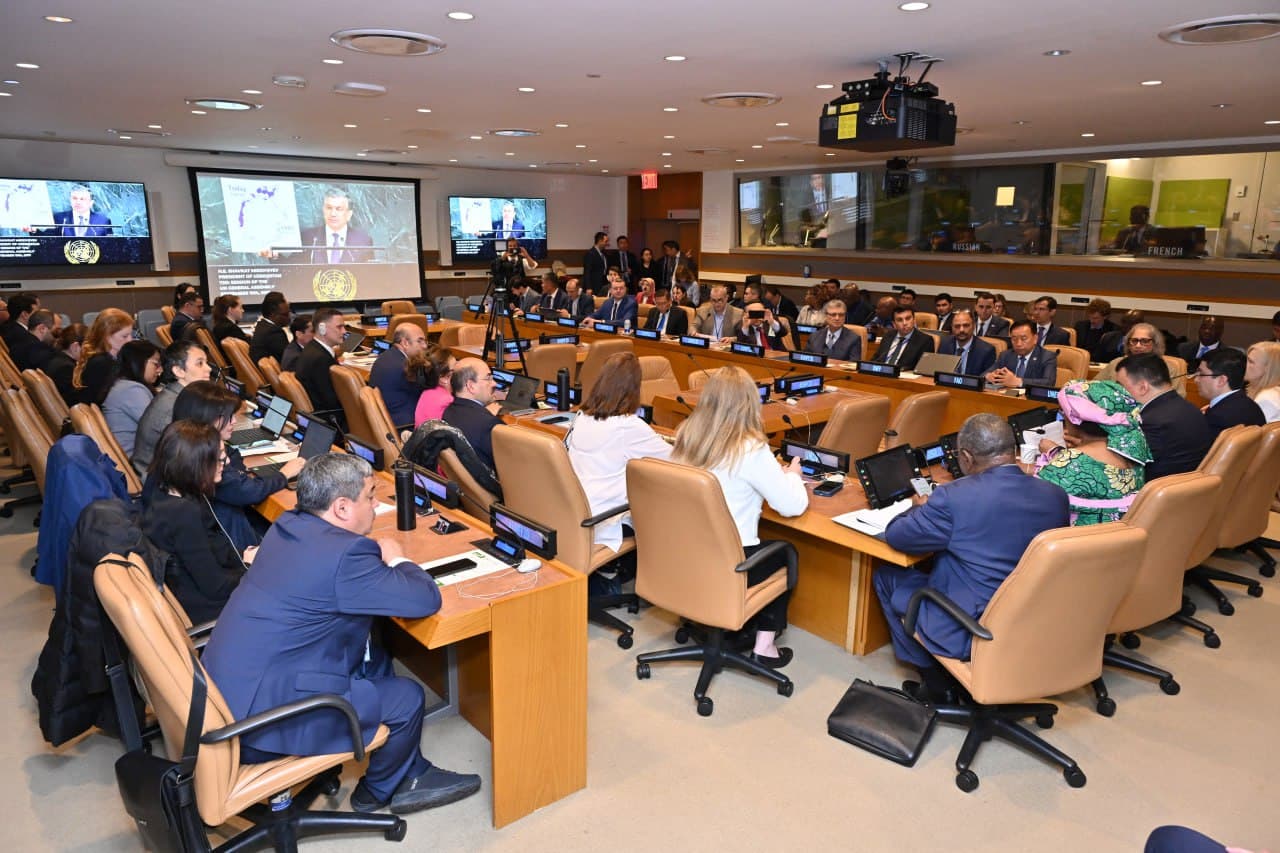
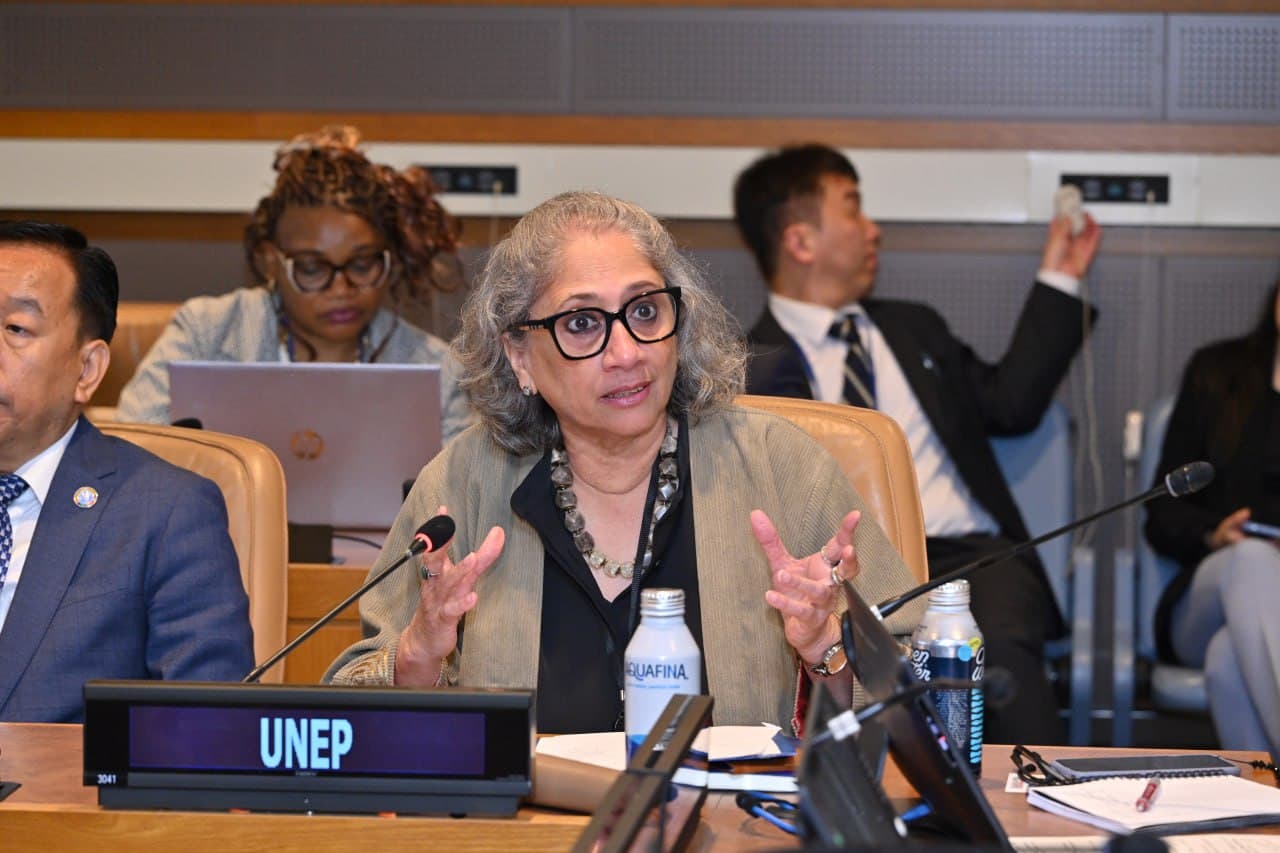
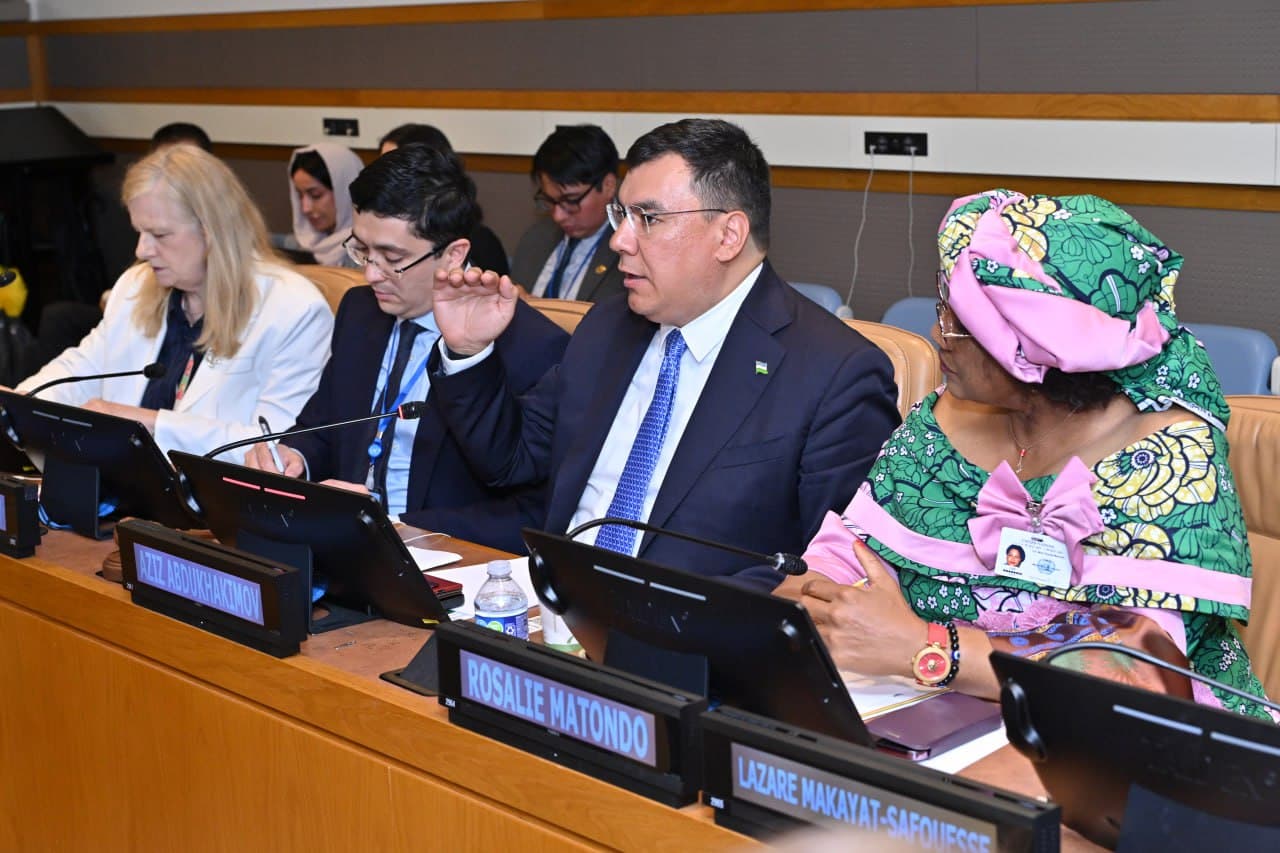
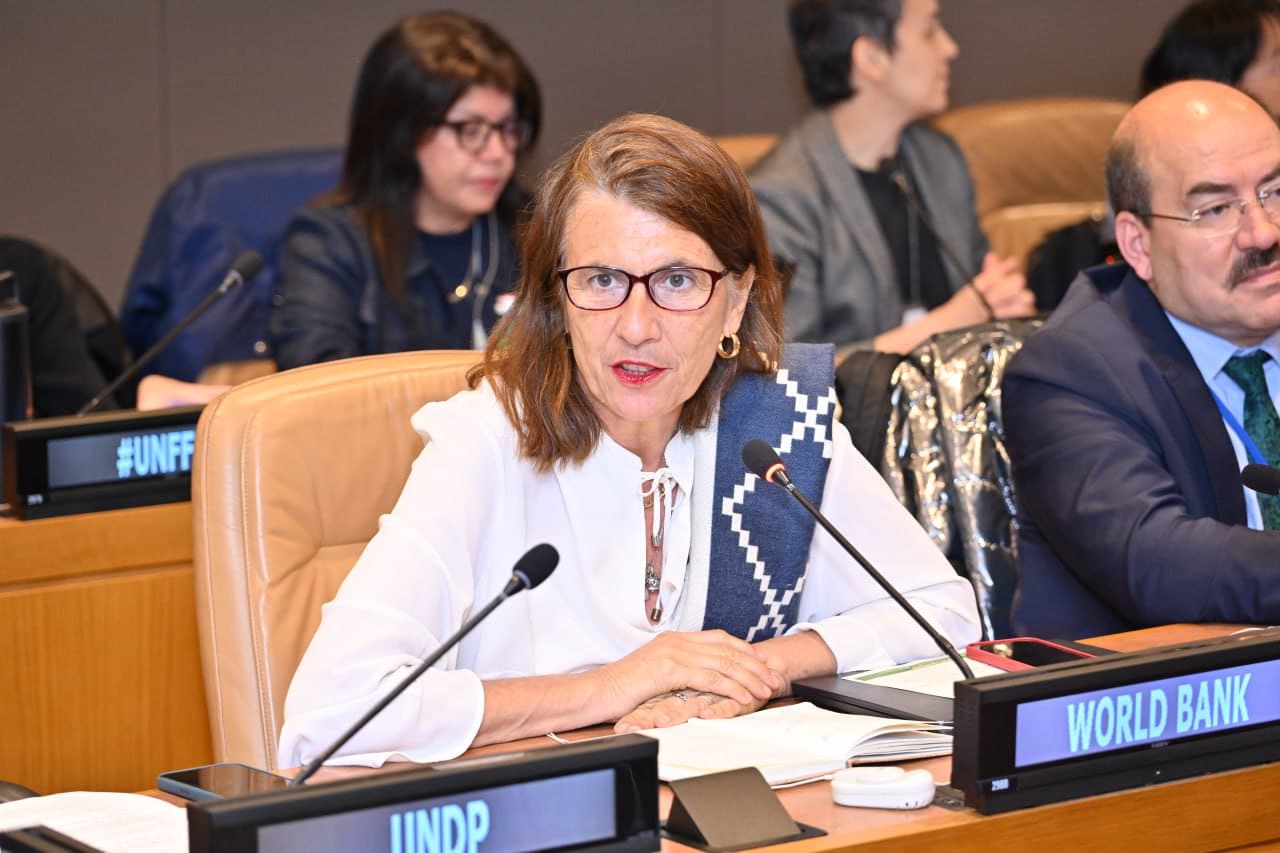
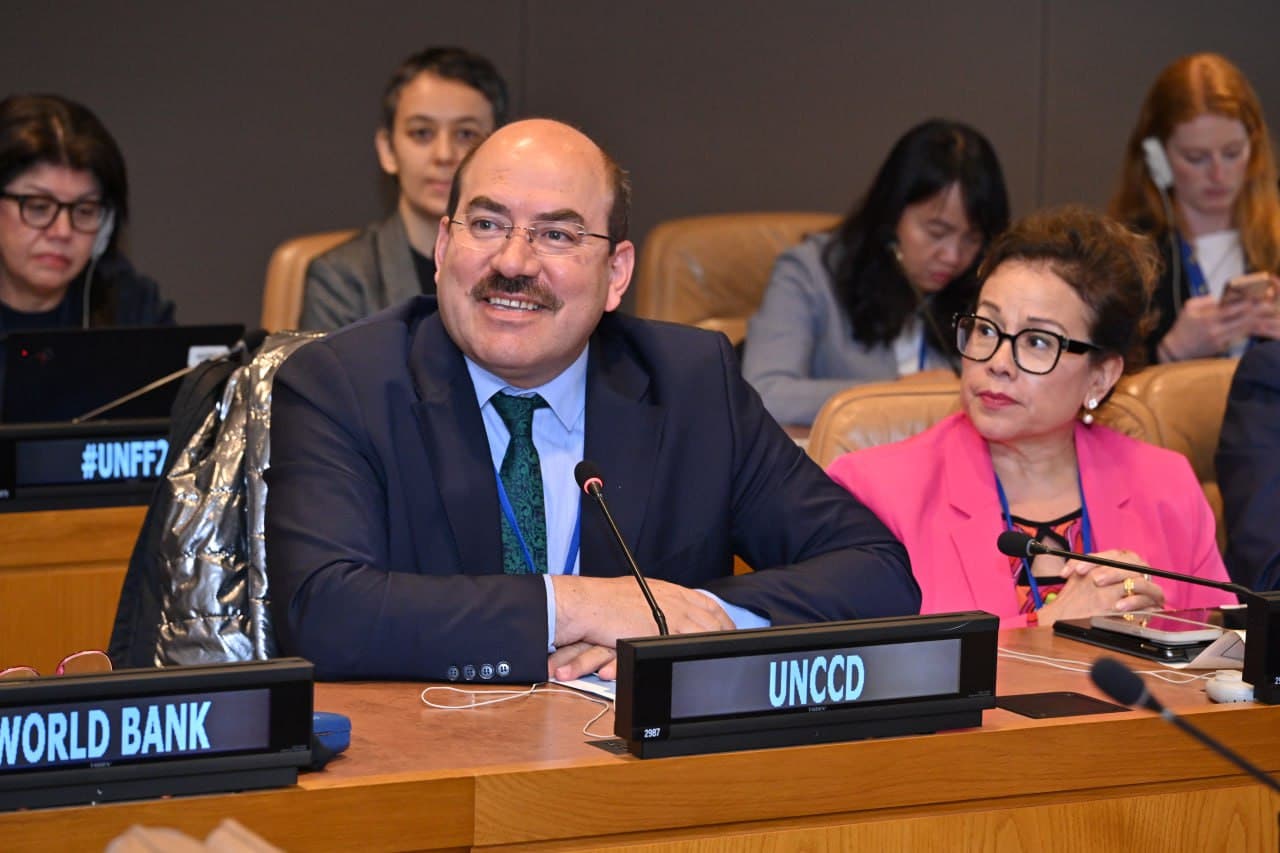
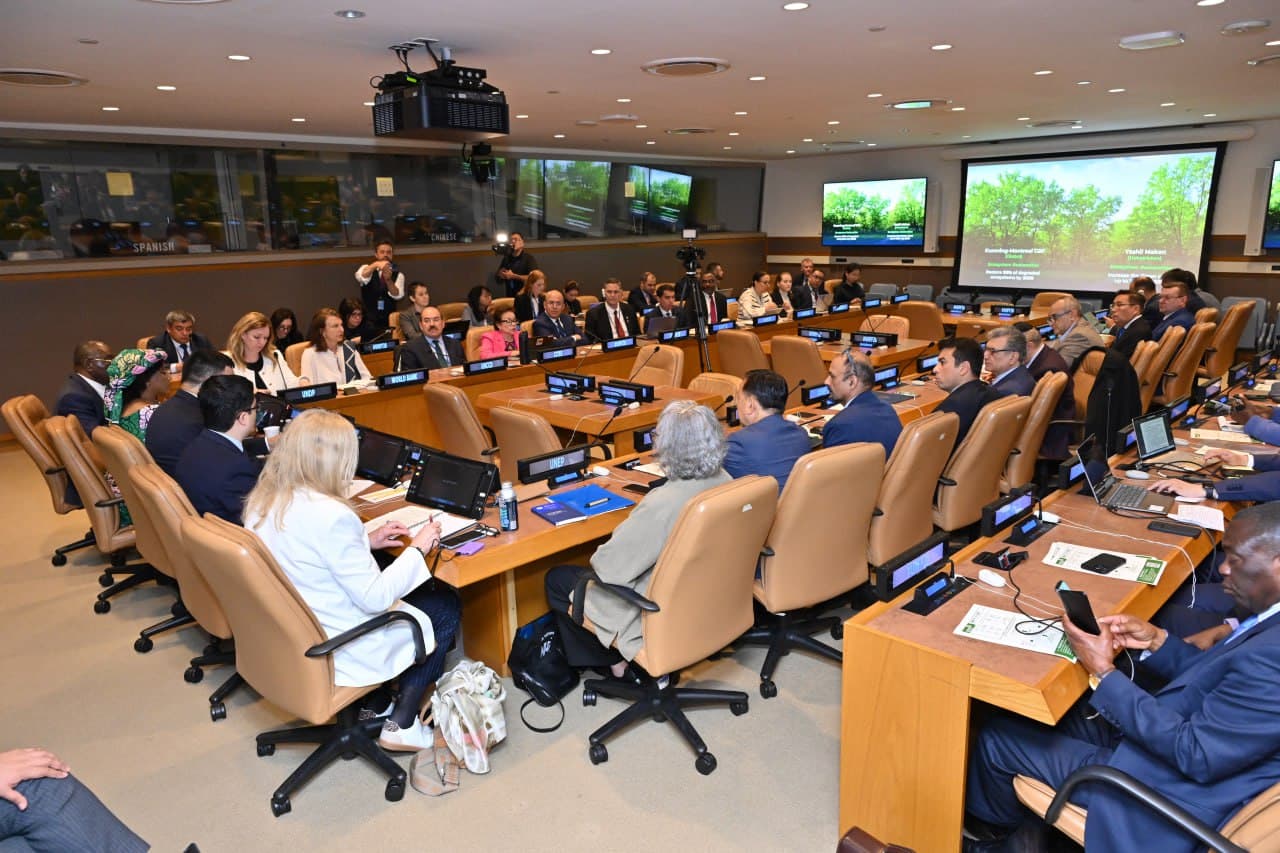
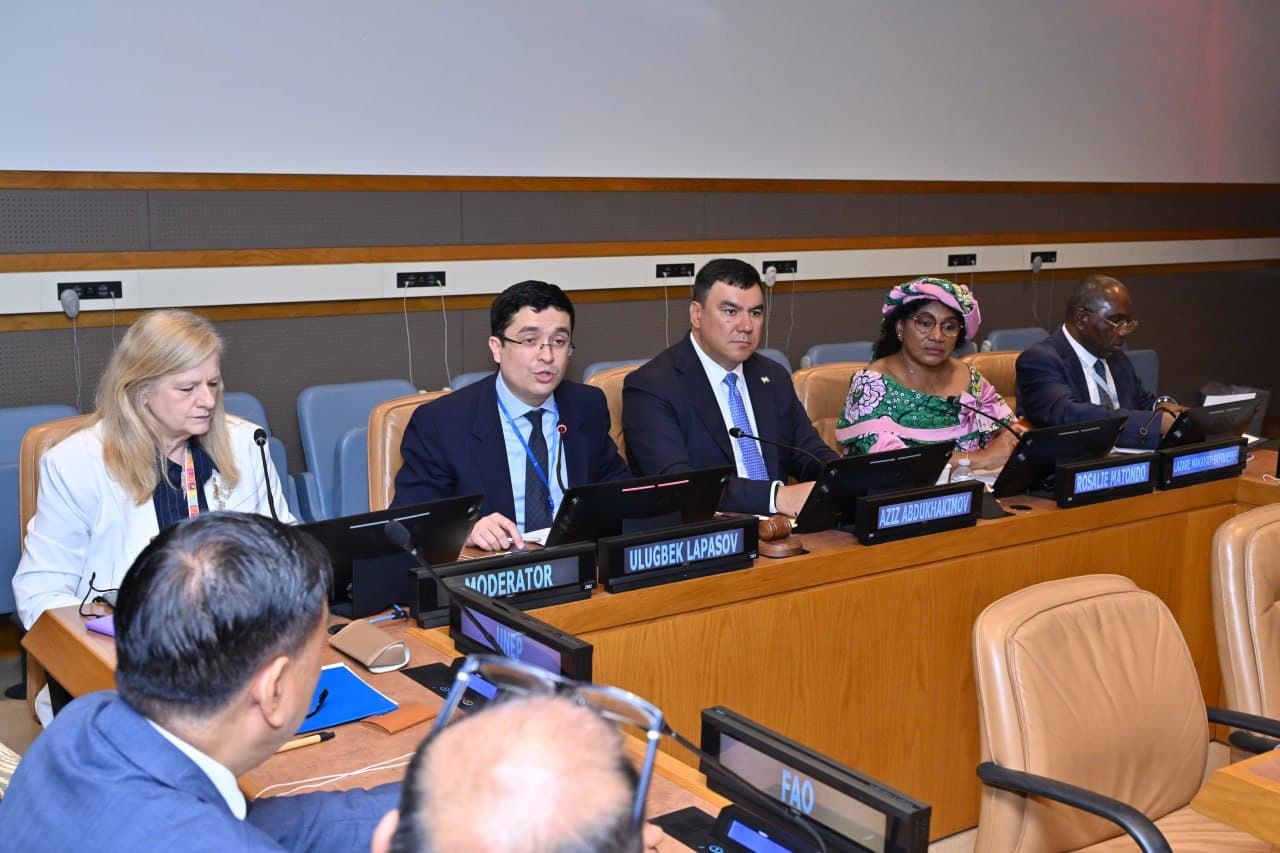
The conference was attended by over 120 participants, including representatives from international organizations and UN member states. Among them were Minister of Forest Economy of Congo R. Matondo, UN Assistant Secretary-General I. Zivkovic, UNEP representative L. Naronja, Director of the Forestry Department of the FAO J. Vu, Secretary-General of the Convention on International Trade in Endangered Species of Wild Fauna and Flora (CITES) I. Iguero, and Lead Economist at the World Bank P. Agostini.
In his speech, the Minister of Ecology, Environmental Protection and Climate Change of the Republic of Uzbekistan, Aziz Abdukhakimov, emphasized that the resolution on sustainable forest management initiated by Uzbekistan and supported by 102 UN member states is a historic step toward global reforestation. The minister also shared examples of national achievements, noting that since 2021, within the framework of the nationwide “Yashil Makon” (Green Space) project initiated by President Shavkat Mirziyoyev, over 200 million trees have been planted annually, increasing forest cover by 12%. Additionally, on the dried seabed of the Aral Sea, the world’s largest afforestation project in arid conditions has been implemented—2 million hectares have been greened with drought-resistant plants.
“We are already seeing results: a 35% reduction in dust storms, creation of 25,000 ‘green’ jobs, and a significant decrease in CO₂ emissions,” said Abdukhakimov, emphasizing that success is driven not only by ambitious goals but also by consistent action at all levels—from the state to local communities.
The Minister of Forest Economy of the Republic of Congo, R. Matondo, thanked Uzbekistan for its friendly partnership and expressed confidence that the joint initiative of the two countries to declare the UN Decade on Afforestation and Reforestation “will serve as an example for the entire world.”
“Without forests, we cannot overcome climate change. Together with Uzbekistan, we have offered the world a resolution that gives a chance to our peoples, our communities, and our planet. Now it’s time to move from words to action,” the minister stressed.
UN Assistant Secretary-General I. Zivkovic praised Uzbekistan’s initiative and highlighted the country’s contribution to promoting sustainable reforestation, including through joint projects with the UN Development Programme. She specifically mentioned the “Yashil Makon” project and the new initiative by the President of Uzbekistan to plant trees en masse during the Navruz celebration by Central Asian students.
Lead Economist of the World Bank P. Agostini noted that the Bank is already implementing a $153 million program in Uzbekistan aimed at nature-based solutions and creating green jobs. According to him, the Uzbek model could be adapted to other regions, particularly the Sahel and the Congo Basin.
CITES Secretary-General I. Iguero emphasized the importance of Uzbekistan’s initiatives in the context of preparations for the 20th Conference of the Parties to the Convention, which will be held in Samarkand at the end of 2025. She stated that Uzbekistan’s reforestation efforts directly contribute to combating illegal timber trade and preserving biodiversity.
As many conference participants noted, Uzbekistan’s example served as clear evidence that the successful implementation of environmental programs requires not only formal declarations and documents, but also the execution of concrete measures—effective and sustainable actions at both the national and local community levels. At the same time, the UN side expressed strong interest in further expanding joint projects in the field of restoring and preserving green cover, emphasizing the importance of these efforts in the global fight against climate change and the degradation of natural resources.
In closing the event, A. Abdukhakimov emphasized that the upcoming Decade of Reforestation (2027–2036) must become a time for decisive action. “From the Aral Sea to international platforms—Uzbekistan has proven that degraded lands can be brought back to life. We are ready to share our experience and move forward together with international partners.”