
Uzbekistan participates in Geneva conference on sustainable management of hazardous chemicals
2025-05-02 16:00:00 / News

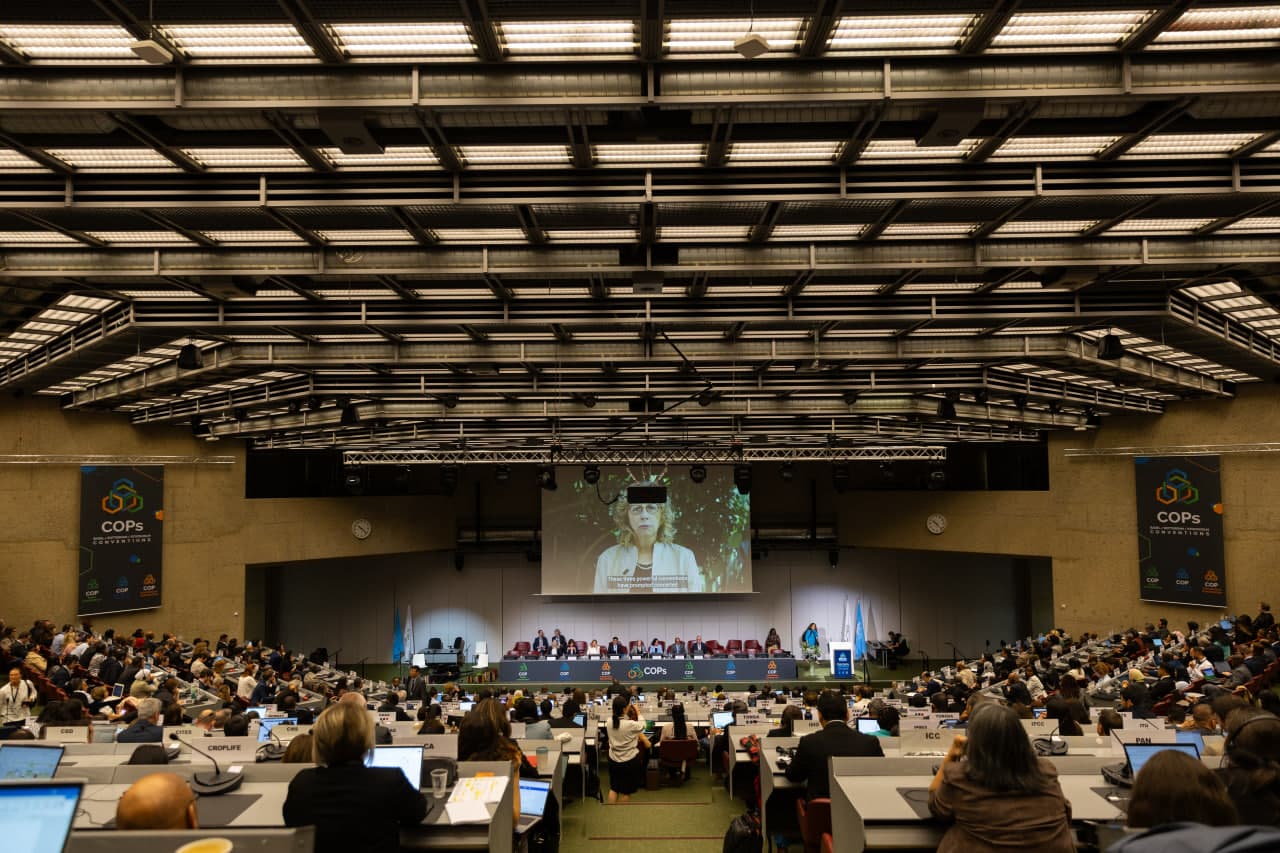


The joint Conference of the Parties to the three Conventions (BRS) has brought together over 1,600 representatives from 170 countries to discuss sustainable management of hazardous chemicals and waste, as well as proposals for updating technical guidelines under the international conventions.
Uzbekistan’s participation in the conference reflects its commitment to strengthening international cooperation in environmental safety and sustainable waste management. The country is actively working to improve national legislation and institutional mechanisms to meet its obligations under the Basel and Stockholm Conventions.
The high-level segment of the conference is being held under the theme “Making the Invisible Visible”, aimed at promoting global action against pollution, advancing the circular economy, and fulfilling commitments under the Conventions.
During the opening ceremony, speeches were delivered by Nathalie Fontanet, President of the State Council of the Republic and Canton of Geneva, Inger Andersen, Executive Director of the United Nations Environment Programme (UNEP), Beth Bechdol, Deputy Director-General at the Food and Agriculture Organization (FAO), and Rolph Payet, Executive Secretary of the Basel, Rotterdam and Stockholm Conventions.
In her address, Nathalie Fontanet emphasized the vital role of the BRS Conventions in protecting human health and the environment and called for joint efforts in the face of limited resources and major challenges to multilateral cooperation.
Inger Andersen highlighted the need to intensify efforts to prevent the harmful impact of hazardous chemicals and waste, involve industry in producing safe and environmentally friendly chemicals, promote the circular economy, establish appropriate financial frameworks, and mobilize resources from other sectors, including insurance companies and banks.
According to UNEP, the volume of municipal solid waste in urban areas amounted to 2.1 billion tonnes in 2023 and may reach 3.8 billion tonnes by 2050, posing a serious threat to both people and the planet.
The conference also stresses the need for sustainable agricultural transformation to ensure food security without compromising human health or the environment, as well as the importance of integrated, cross-sectoral and collaborative solutions.
Rolph Payet, highlighting key achievements, called the $206.8 million PCB elimination program a groundbreaking success. He emphasized that hazardous chemicals and waste contribute to climate change and biodiversity loss, creating a “vicious cycle” that increases the spread of even more dangerous substances. He underscored the urgency of taking action and encouraged ministers to actively engage in discussions on pollution, the circular economy, and related thematic sessions.
The conference will address key issues such as improving the system for controlling transboundary waste movements and strengthening measures to reduce the impact of chemicals on human health and ecosystems.