
The importance of strengthening ecological education in solving the Aral Sea problem was emphasized
2025-04-21 10:00:00 / News
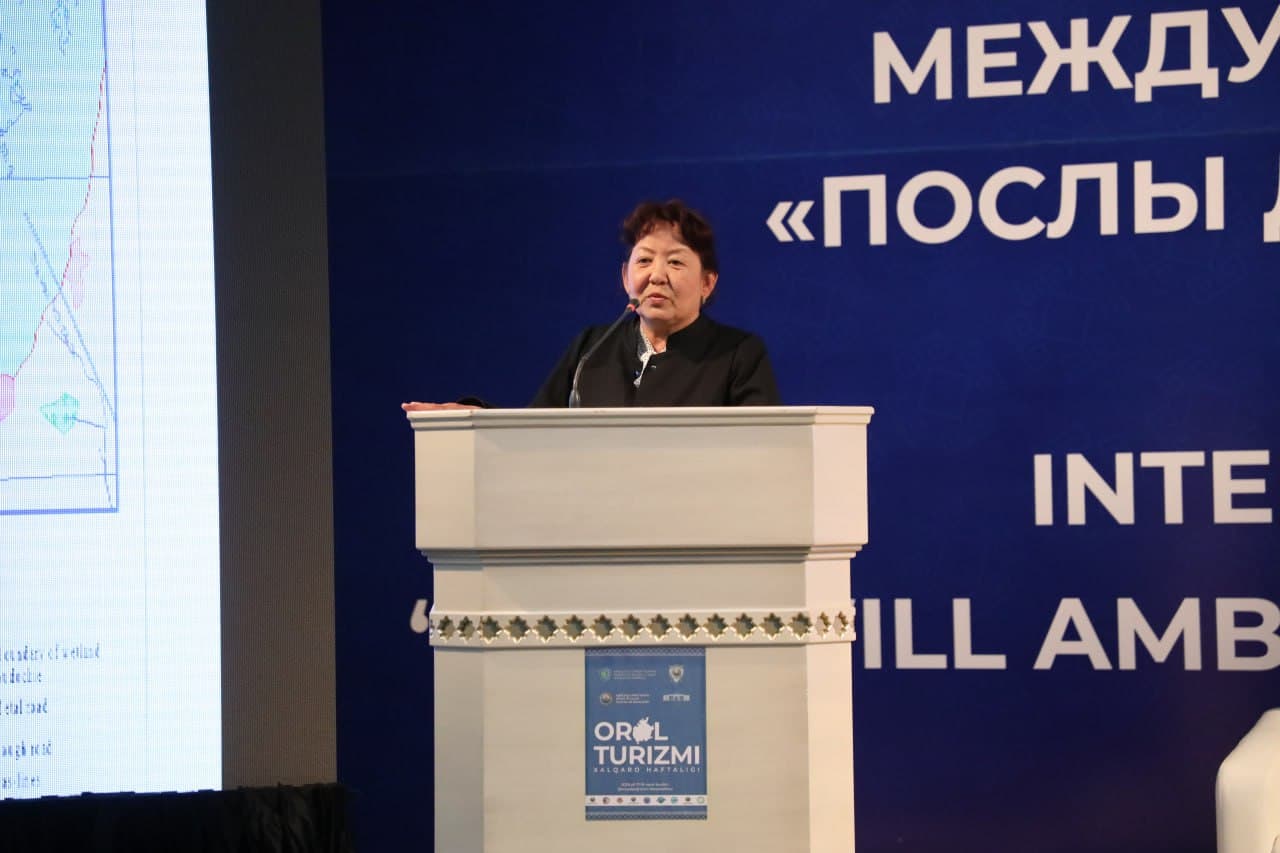
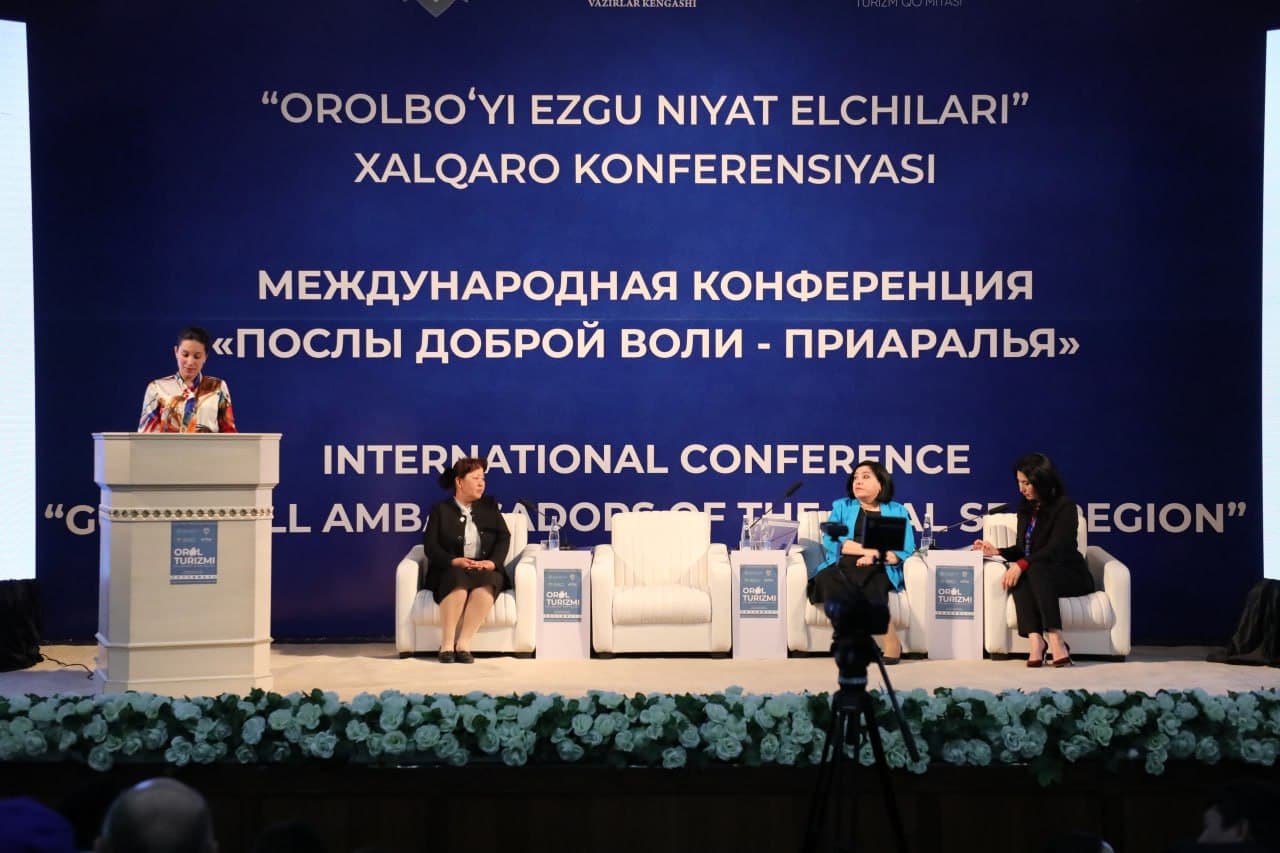
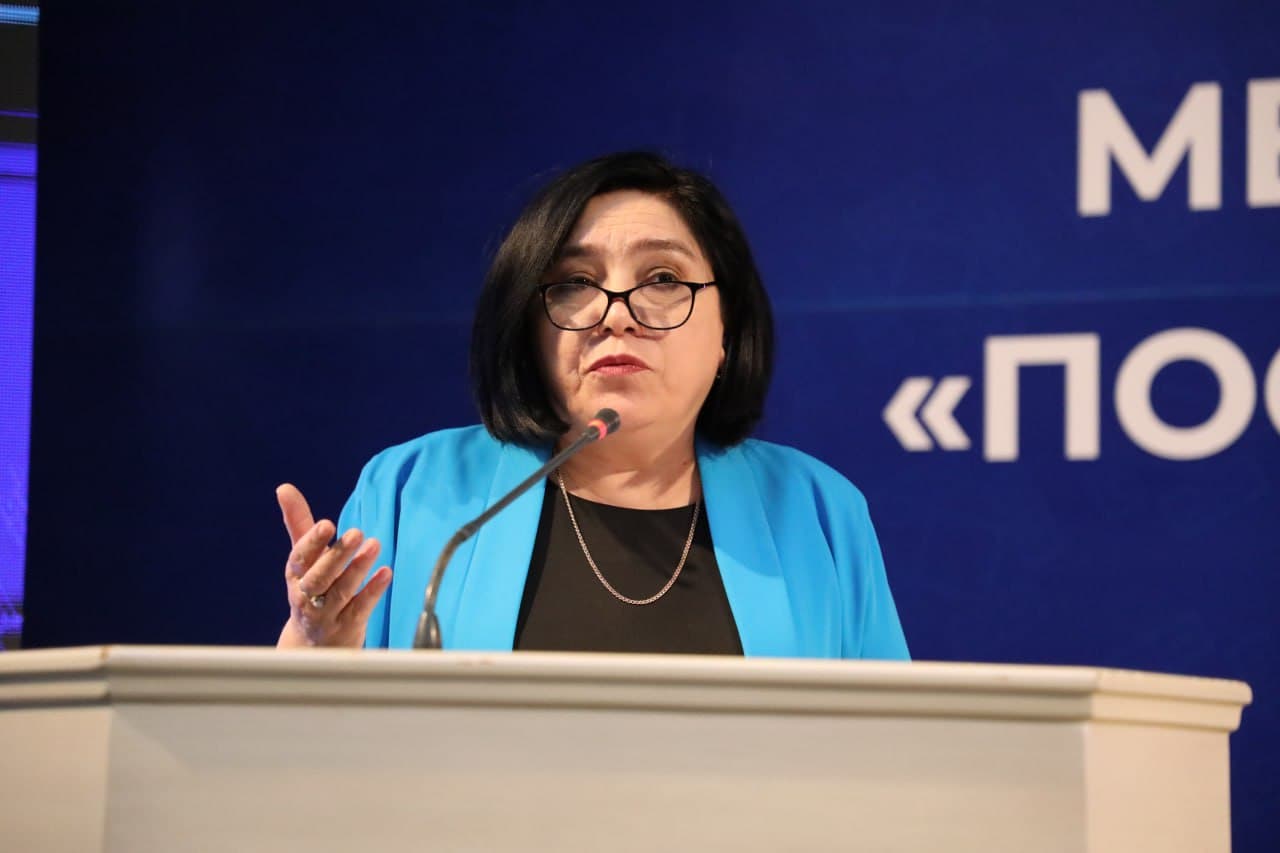
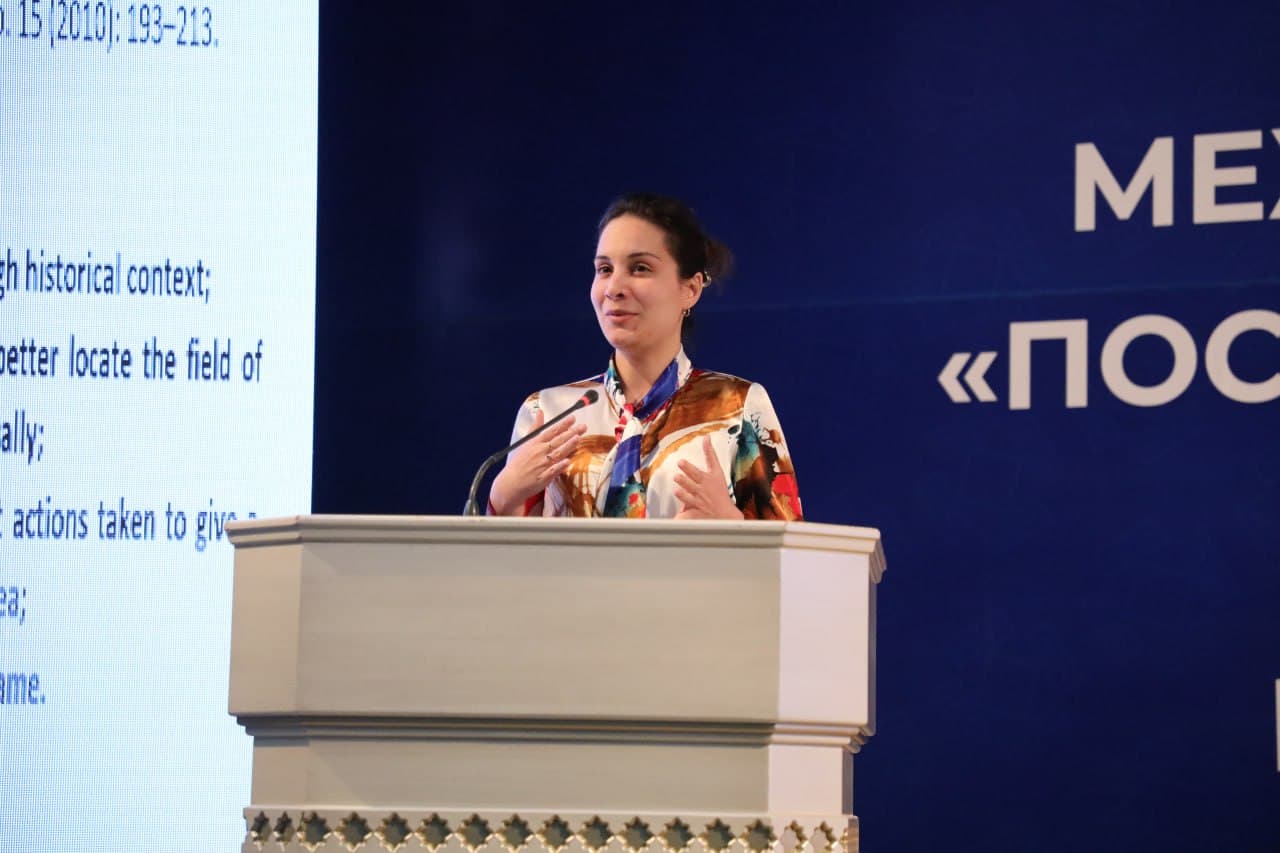
During the conference, several international specialists presented reports and research aimed at improving the ecological situation in the Aral Sea region. Notably, Nodira Mustafayeva, Doctor of Historical Sciences and Head of the Department of Social and Human Sciences at the Academy of Sciences of the Republic of Uzbekistan, emphasized that efforts to mitigate the consequences of the Aral Sea crisis have significantly intensified since 2017.
It should be noted that on September 19, 2017, the President of the Republic of Uzbekistan, Shavkat Mirziyoyev, addressed the 72nd session of the UN General Assembly. In his speech, he highlighted the Aral Sea tragedy and underscored the need to enhance international efforts to address its devastating consequences.
Dr. Mustafayeva also pointed out the importance of the event held in 2018 in Turkmenbashi, Turkmenistan. Furthermore, attention was drawn to other major events, including the 21st session of the Committee for the Review of the Implementation of the United Nations Convention to Combat Desertification (CRIC 21), held in Samarkand from November 13 to 17, 2023, and the Samarkand Climate Forum, which took place on April 4–5, 2025. These and other international platforms have elevated the Aral Sea issue as a key item on their agendas.
Anna-Charlotte Marcombe, lecturer and researcher at the Central Asian University of Environmental and Climate Change Studies (Green University), presented her study titled "Ecological Education and Environmental Governance." Her research focused on the Aral Sea case as a practical example to help students grasp real-world approaches to solving environmental problems. The study revealed that students gained a solid understanding of topics such as the causes of environmental damage, economic aspects, environmental impacts and public health issues.
This research helps deepen the understanding of ecological challenges and their causes, identify both direct and indirect effects, apply integrated approaches, consider the views of all stakeholders, and move beyond outdated traditions and philosophies. It also supports the analysis of current projects, fosters ongoing dialogue, and explores how young people envision the future of the Aral Sea.
It should be noted that currently, foreign specialists also teach students at Green University, which helps to further strengthen their knowledge in the field of ecology.
Gulara Matekova, Senior Research Fellow at the Institute of Natural Sciences of the Republic of Karakalpakstan under the Academy of Sciences of the Republic of Uzbekistan, focused on the avifauna of Lake Sudochye in southern Aral Sea region.
For reference: Lake Sudochye, home to many rare bird species, was designated an Important Bird Area (IBA – Uz002) of Uzbekistan back in 2007. The avifauna of this region includes 240 bird species, 117 of which nest in the area. Among them are rare and endangered species listed in the Red Book of Uzbekistan and the IUCN Red List, such as the great white pelican, Dalmatian pelican, little egret, squacco heron, Eurasian spoonbill, flamingo, mute swan, whooper swan, lesser white-fronted goose, red-breasted goose, marbled teal, ferruginous duck, white-headed duck, osprey, white-tailed eagle, long-legged buzzard, cinereous vulture, pallid harrier, golden eagle, collared pratincole, Mediterranean gull and others.
Matekova emphasized that the Sudochye lake system remains one of the best-preserved ecological zones of the Amu Darya delta and plays a crucial role in preserving and maintaining biodiversity due to its unique location.