
The need for a scientific approach and innovative solutions in addressing climate issues was emphasized
2025-04-05 16:00:00 / News

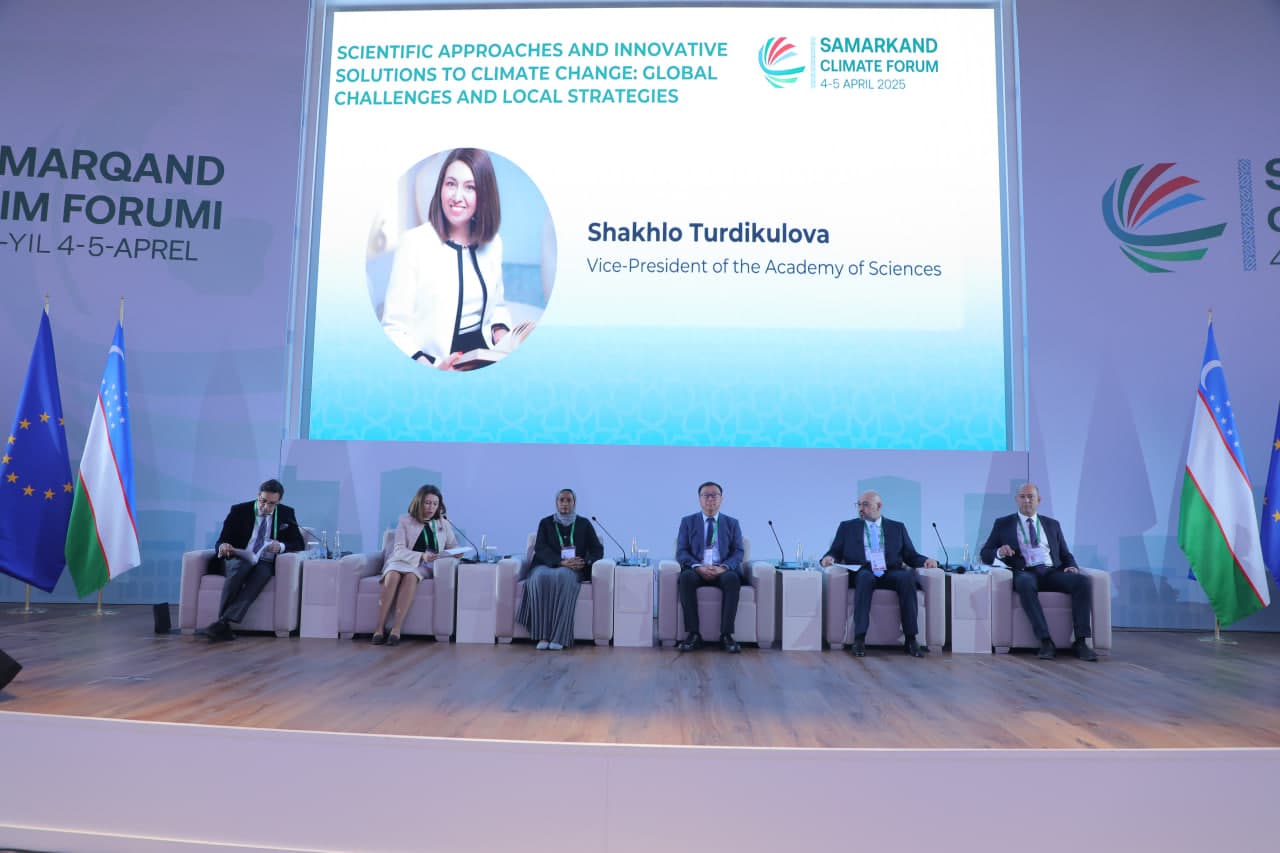


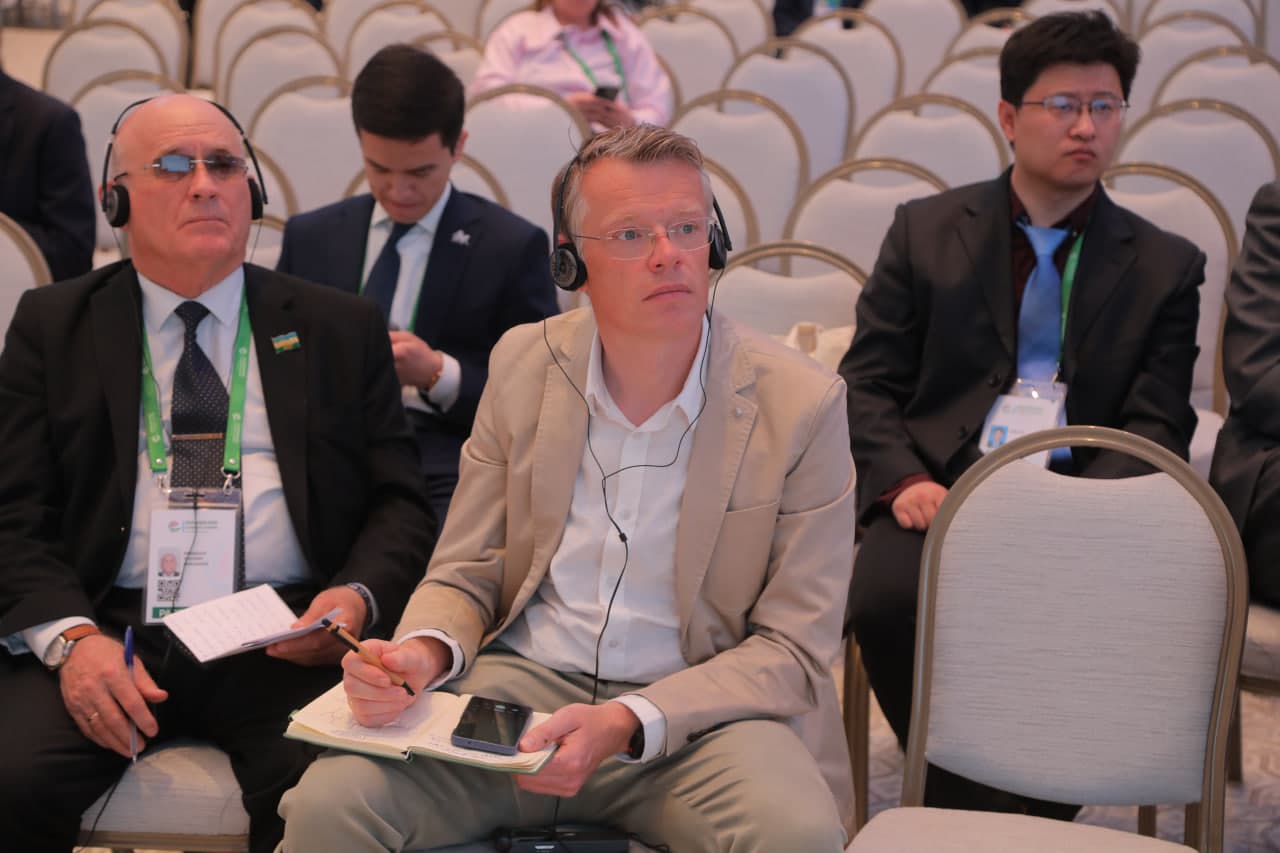


The event was attended by Rector of the Central Asian Green University for Environmental Studies and Climate Change Jasur Salikhov, Director-General at International Center for Biosaline Agriculture (ICBA) Dr. Tarifa Al Zaabi, Director of the Xinjiang University of Ecology and Geography, Chinese Academy of Sciences Zhang Yanming, as well as specialists from leading international and national research institutes, universities, experts, and representatives of environmental and international organizations.
The session discussed key scientific approaches and innovative technologies aimed at addressing climate change issues, with a special focus on the Central Asian region. Participants explored the role of science and technology in developing sustainable and adaptive solutions for local communities, as well as opportunities for international cooperation and knowledge exchange in the climate sector.
Particular attention was given to the following issues:
— The impact of climate change in Central Asia on agriculture, water resources, and ecosystems in the region, future forecasts, and practical adaptation strategies;
— Innovative technologies in combating climate change: modern methods of water and air resource purification, renewable energy technologies, sustainable agriculture, and an ecosystem-based approach to mitigating climate change impacts;
— Scientific cooperation and integration into global initiatives: the importance of an interdisciplinary approach in solving climate problems;
— Educational programs, knowledge exchange, and training of young specialists in climatology, creating opportunities for students and young researchers.
The session also addressed the topic of developing international climate cooperation within the framework of the "Green University" project, creating a network of researchers and experts, and developing practical, regionally adapted climate adaptation strategies aimed at mitigating the impacts on agriculture, water resource management, and ecosystem resilience, particularly in light of the current challenges faced by Uzbekistan and Central Asia.
Additionally, recommendations were made to raise awareness about advanced technologies in climate change mitigation, such as renewable energy, sustainable agriculture, water and air purification, as well as strengthening the scientific foundation in national and international climate policy, with a focus on effective, evidence-based approaches.
An important outcome of the session was the signing of a Memorandum of Cooperation between Green University and the Xinjiang Institute of Ecology and Geography, Chinese Academy of Sciences. The document aims to establish the framework for scientific collaboration and academic interaction between the two institutions in the fields of environmental science, climate change, ecology, and sustainable development.
The cooperation will cover a wide range of areas, including:
- Joint research programs, including applications for national and international funding;
- Conducting joint scientific expeditions and field research;
- Collecting soil, water, and biological samples for joint research;
- Implementing training programs and supporting young talents, including assisting students and researchers in applying for grants and scholarships;
- Exchange of master’s and doctoral students to enhance academic mobility;
- Creating a joint PhD training program with the possibility of receiving quotas provided by the Chinese Academy of Sciences.