
Serious environmental violations identified at "Bozsuv" wastewater treatment plant
2026-11-25 12:30:00 / News
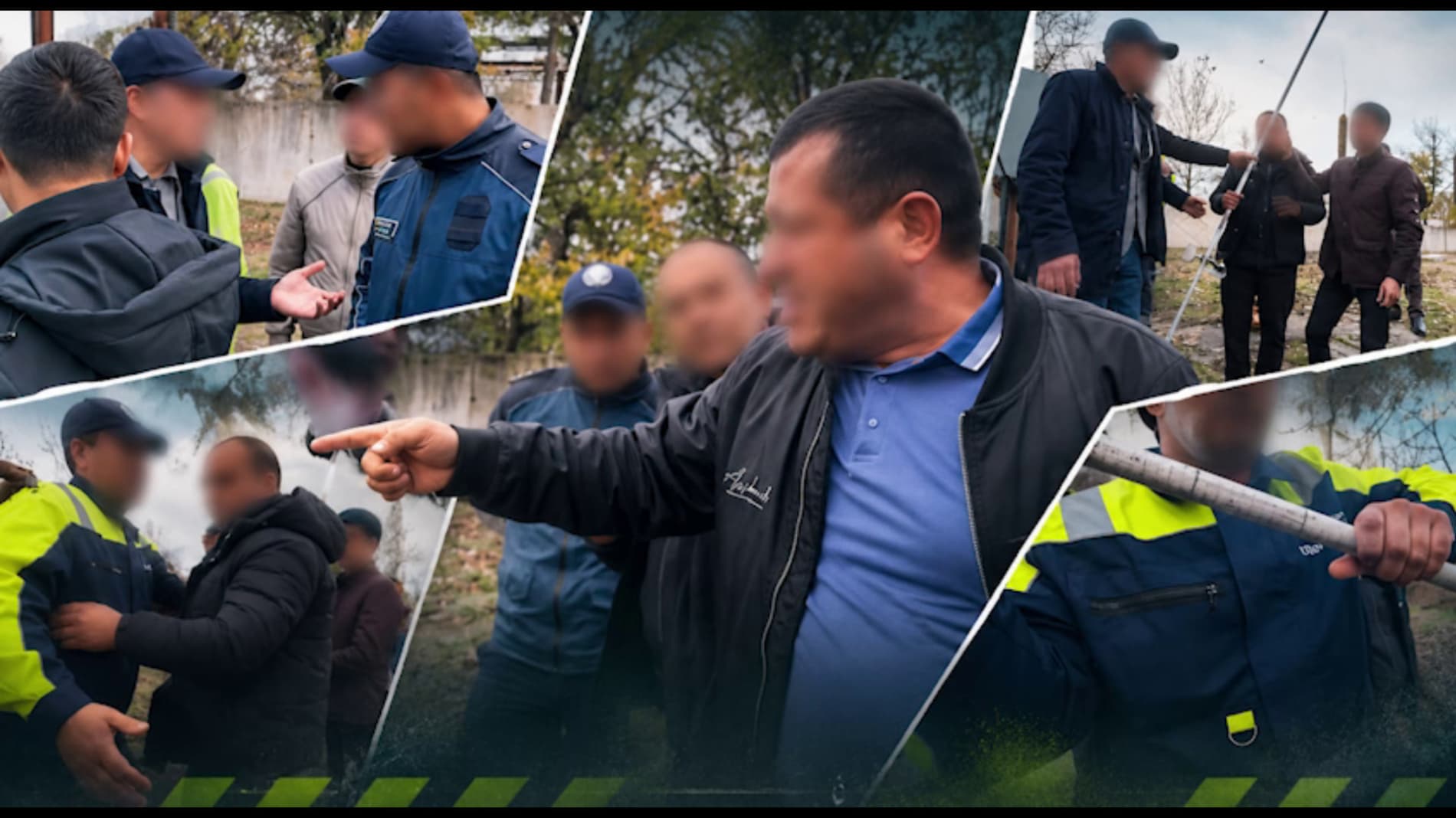
In particular, it was established that technological processes at this major strategic facility, classified as a Category I environmental hazard facility, had been severely disrupted. The efficiency of wastewater treatment had fallen to 47.6–51.5%, well below the established standard of 70%. Furthermore, harmful and inadequately treated wastewater was being discharged directly into the "Boz-Suv" Canal.
Laboratory analyses of wastewater samples collected from the discharge point on 11 and 13 November 2026 revealed that concentrations of nine out of 13 pollutants exceeded the established permissible limits several times over. The sharp decline in the treatment plant's operational efficiency has also resulted in the spread of strong unpleasant odours, prompting widespread and justified complaints from residents of nearby areas.
The primary cause of the situation was the facility management's failure to comply with the requirements of Cabinet of Ministers Resolution No. 11 of 3 February 2010. In violation of these requirements, the plant had been accepting wastewater from major textile manufacturers, paper recycling facilities, poultry farms and other industrial enterprises without prior on-site treatment, despite the wastewater containing heavy chemical dyes and toxic substances.
The facility management failed to disconnect these enterprises from the sewerage network or notify the environmental authorities, as required. Furthermore, none of the requirements set out in the 2024 State Environmental Review conclusion had been fulfilled. These included the modernisation of the treatment plant, construction of an additional treatment facility and introduction of automated wastewater quality monitoring systems.
The inspection also revealed instances of deliberate obstruction of state oversight by the enterprise's management, as well as the concealment of substantial amounts of environmental data.
In particular, on 17 November 2026, employees of the enterprise obstructed the lawful activities of Environmental Police officers and irrigation specialists by preventing them from measuring the volume of wastewater discharged into the Boz-Suv Canal through Outfall No. 3.
In addition, the annual wastewater volume reported by the enterprise had been understated by 131.3 million cubic metres (54%) compared with the 2023 figures. No supporting documentation was provided to explain the whereabouts or disposition of such a substantial volume of water.
Moreover, information on nine out of the 15 pollutants contained in the wastewater, including petroleum products, heavy metals, synthetic surfactants, chromium and other substances, had been concealed in the enterprise's reports for several years.
At the same time, responsible officials of the Tashkent City Main Department of Ecology demonstrated extreme negligence and a lack of accountability in the performance of their duties. Despite the treatment plant being located in Zangiota District, Tashkent Region, the Department had routinely accepted inaccurate reports submitted by the enterprise without proper verification.
Furthermore, the Main Department's laboratory did not conduct a single control sampling or analysis throughout 2026. The enterprise was also not required to submit analytical results covering all 15 types of pollutants. This effectively created conditions for the avoidance of substantial environmental compensation payments. In addition, no reports were submitted for the first or second quarters of 2026.
It was also established that the enterprise generated 23,541 tonnes of waste annually, most of which consisted of hazardous sludge. Instead of being disposed of in accordance with established procedures, this waste had been illegally dumped on open land. No reports on the management or disposal of these wastes had been submitted either.
Following recalculations that took into account the particularly serious violations identified and the previously concealed data, a substantial additional amount was assessed against the enterprise in environmental compensation payments for the damage caused to the environment.
In addition, substantial financial sanctions were imposed pursuant to Article 55 of the Law of the Republic of Uzbekistan «On Nature Protection». The enterprise was issued a mandatory compliance notice setting out 15 requirements to remedy the identified violations.
Should the enterprise fail to comply with the notice within the prescribed timeframe, a claim will be filed with the Economic Court seeking the suspension of the treatment plant's operations.
An internal investigation will also be conducted into the responsible officials of the Tashkent City Main Department of Ecology who demonstrated negligence in the performance of their duties. All collected materials will be submitted to the Prosecutor General's Office for legal assessment.