
Central Asia’s unique natural heritage to be brought together in a regional Red Book
2026-11-13 11:00:00 / News
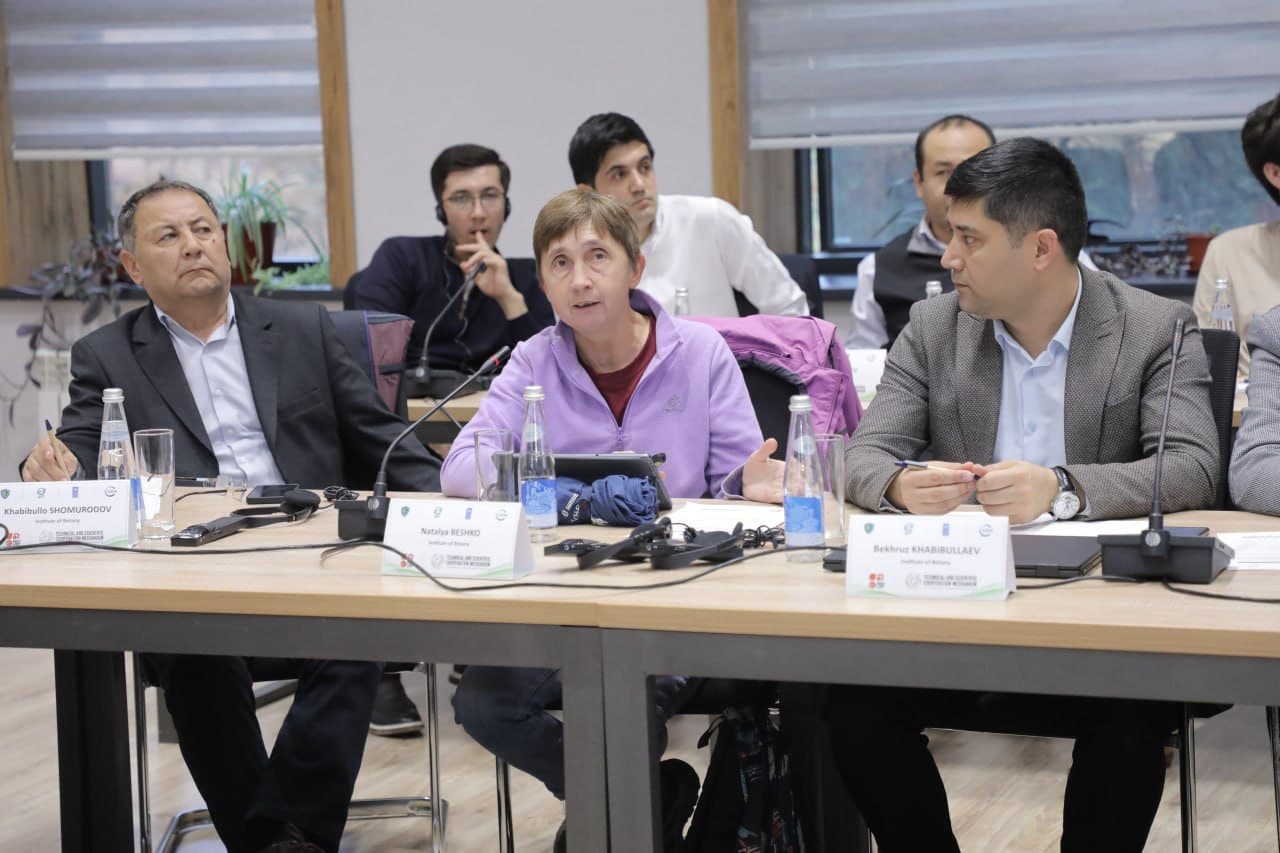

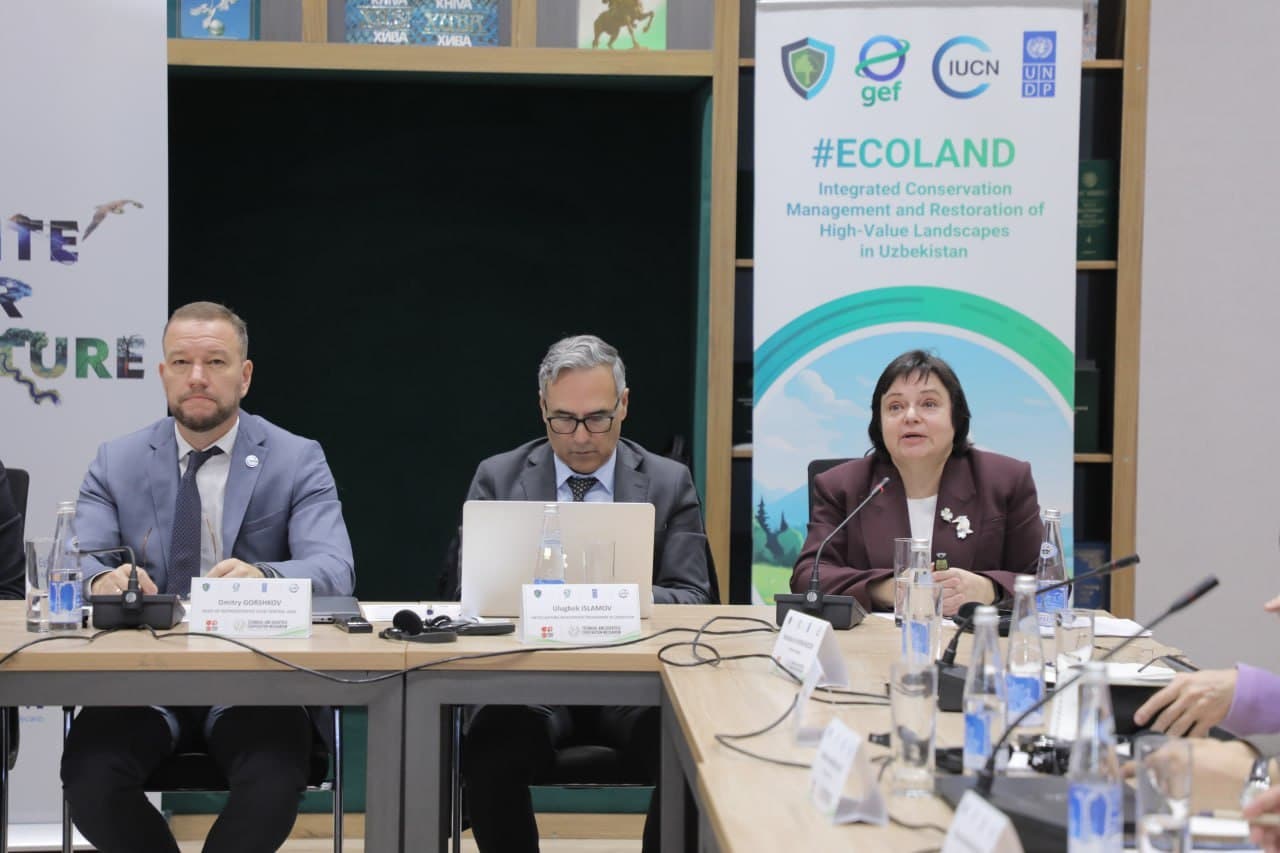
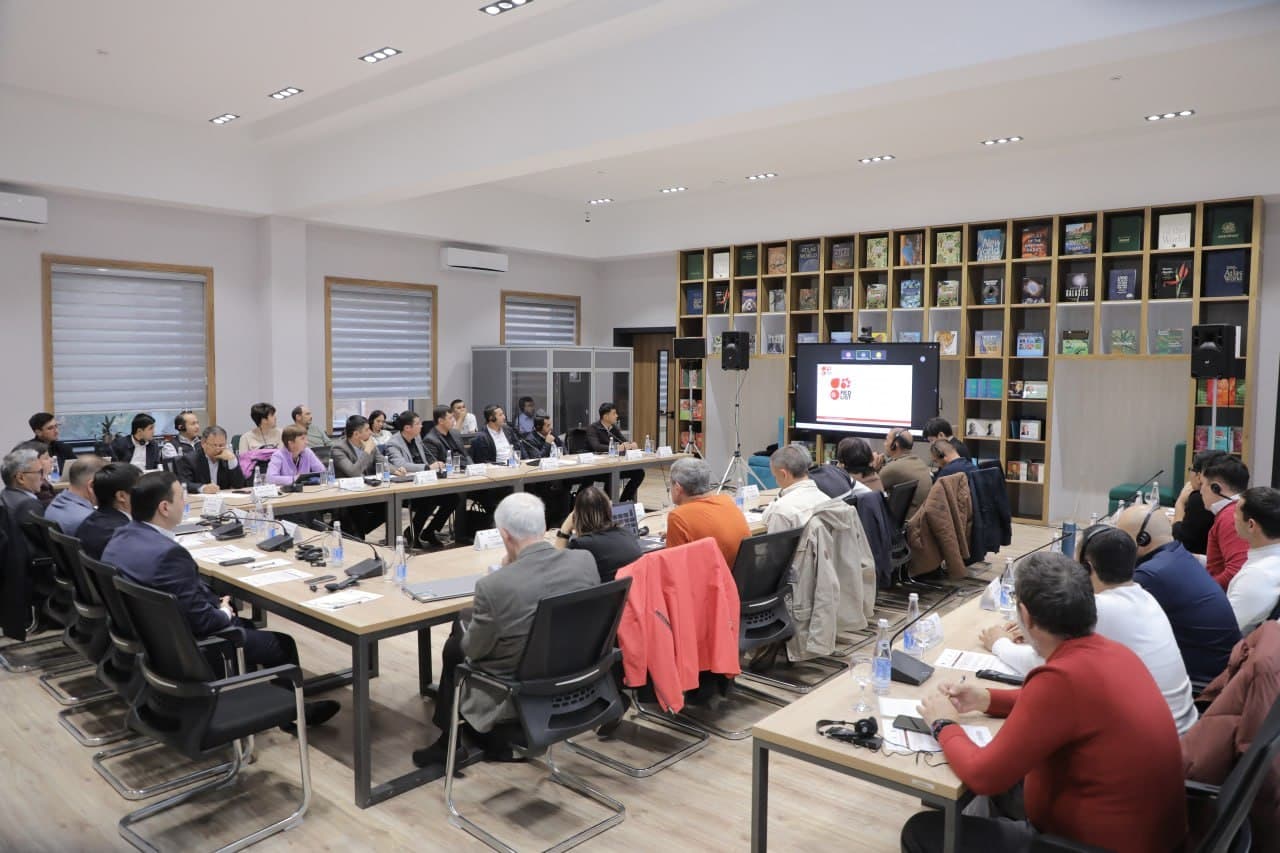
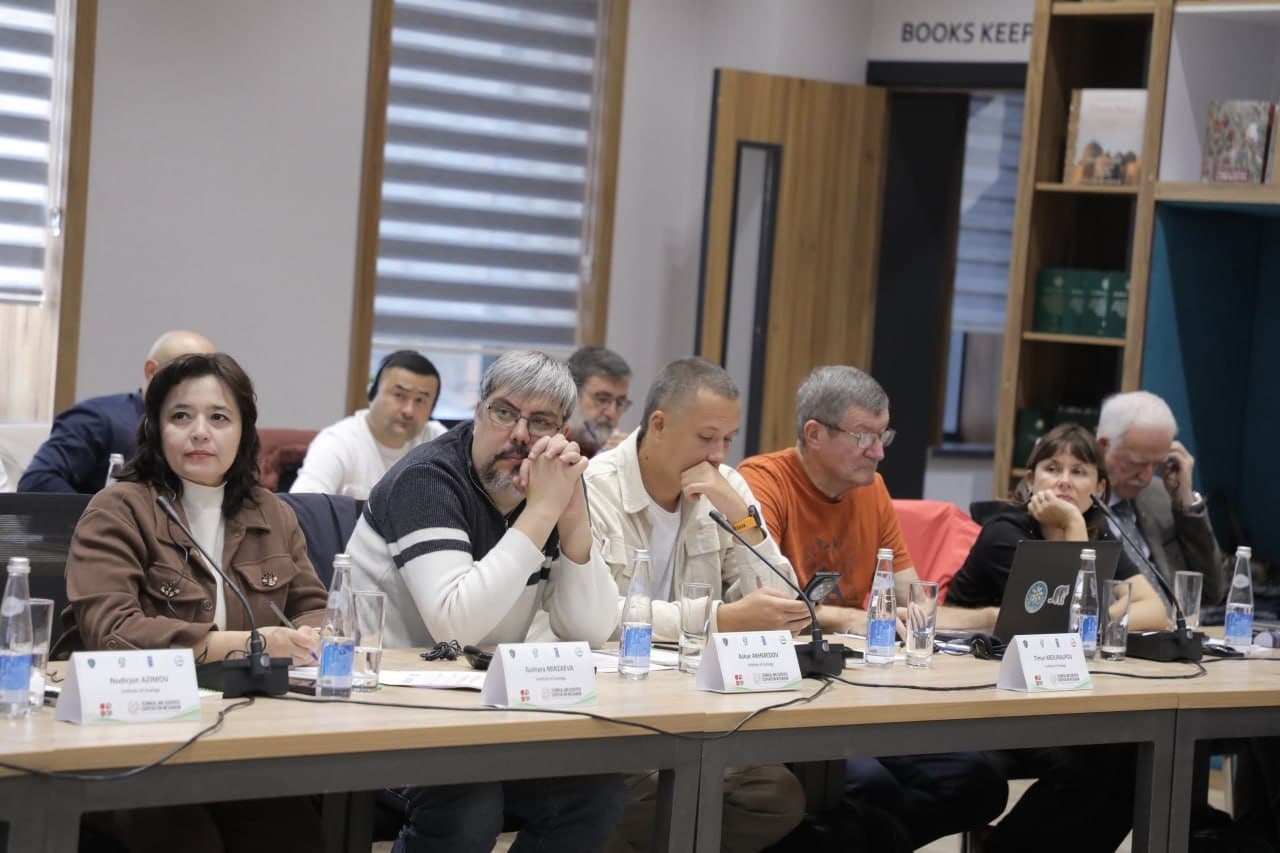
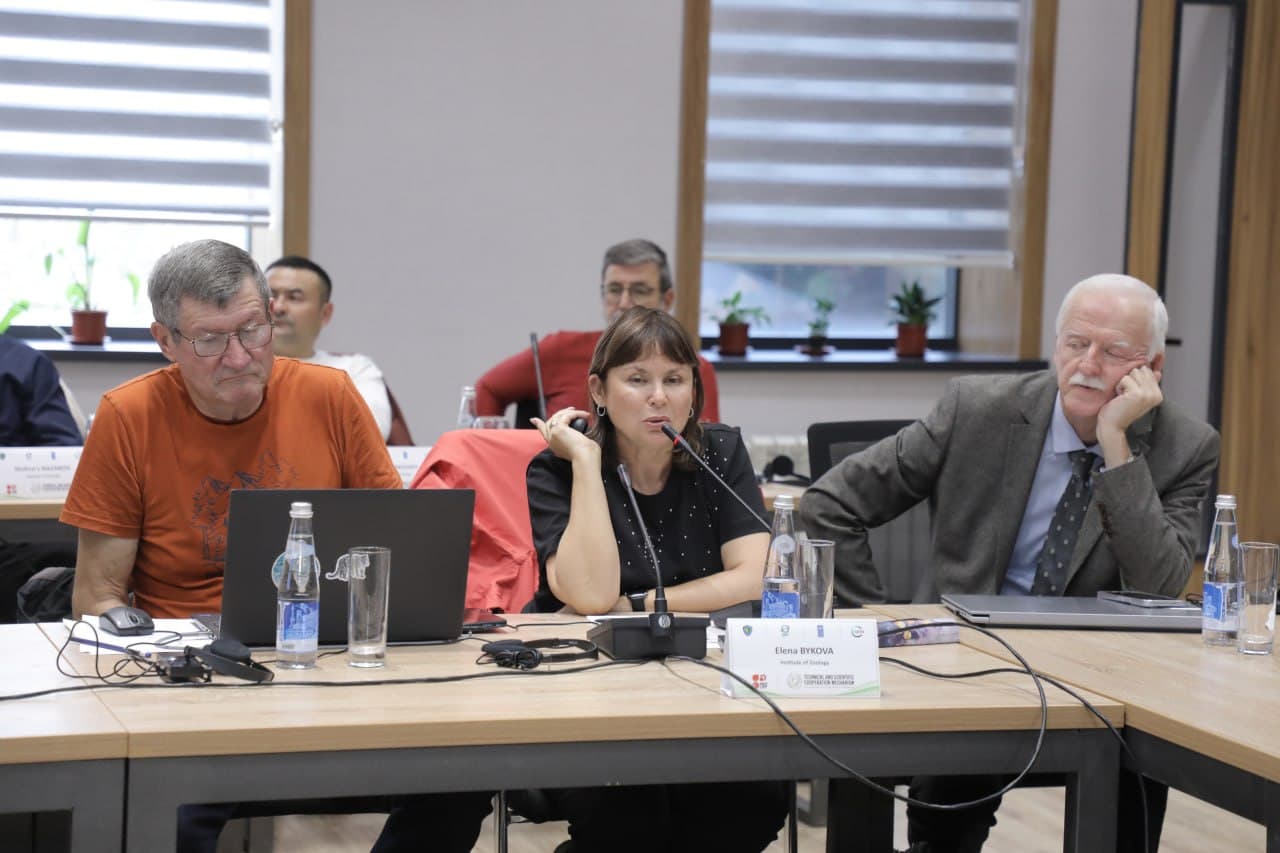
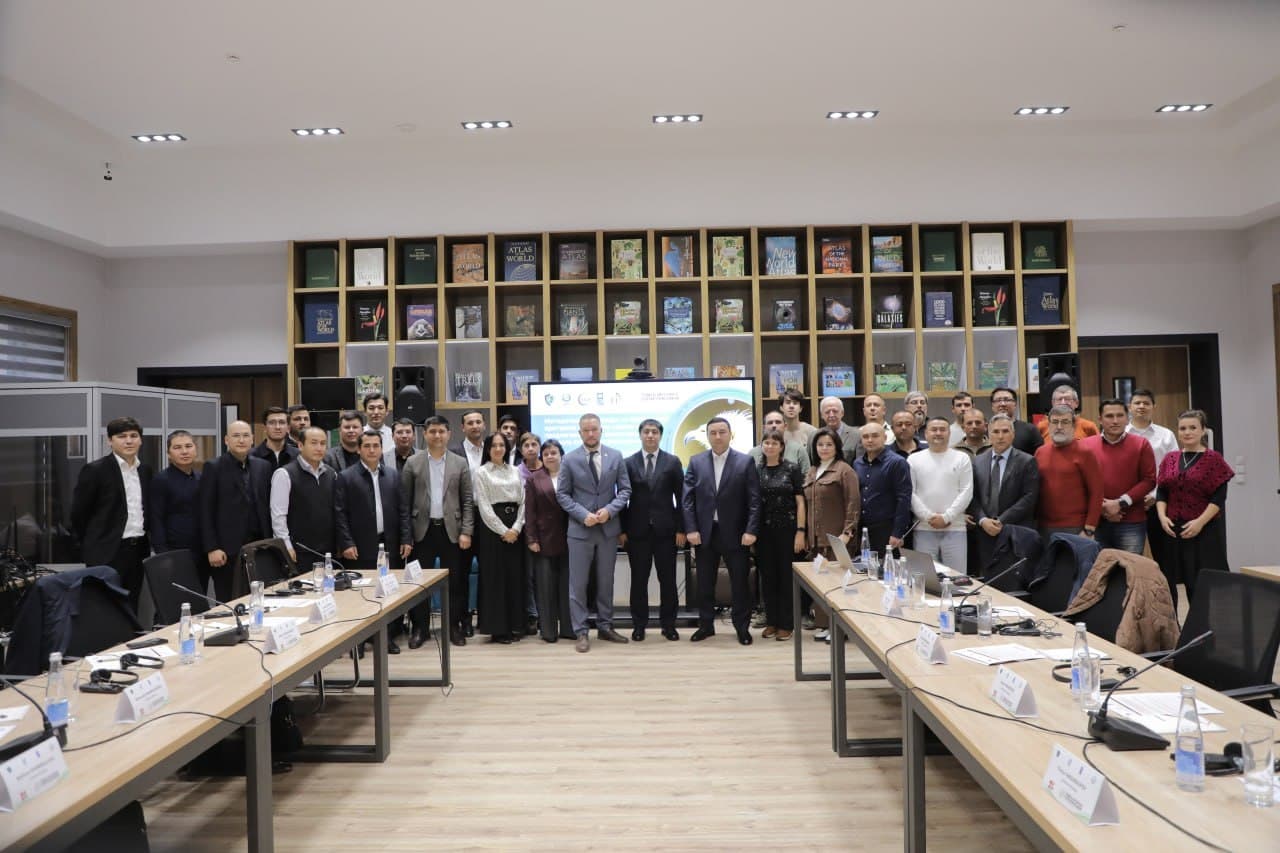
Speaking at the seminar, Bahrom Kholkhujaev, Head of Department at the Committee on Ecology, noted that the initiative to establish the "Red Book of Central Asia" was put forward by President of Uzbekistan Shavkat Mirziyoyev at the Regional Ecological Summit in Astana in April 2026. He emphasised that the initiative goes beyond the preparation of a new publication, providing an opportunity to bring together the knowledge and research findings of scientists from five countries in pursuit of a common goal.
“This initiative is also of international significance. In particular, Target 4 of the Kunming–Montreal Global Biodiversity Framework, adopted in 2022, aims to prevent the extinction of species caused by human activities and to recover threatened species. The "Red Book of Central Asia" will help establish the scientific assessments and conservation priorities needed to achieve this target,” Bahrom Kholkhujaev noted.
Meanwhile, Anna Belousova, an IUCN representative, highlighted the important contribution of Uzbek scientists to the preparation of the publication.
“Our colleagues are making significant efforts to secure international recognition for endemic species native to our country and to have them included in the IUCN Red List. This work is particularly important because it concerns rare species. Their conservation is essential not only for individual territories but also for protecting the natural heritage of our entire planet,” she said.
It should be noted that the habitats and ranges of many rare and endemic plant and animal species in Central Asia extend beyond national borders. Therefore, effective conservation requires bringing together the scientific expertise, data and experience of countries across the region.
During the seminar, participants explored species assessment, the determination of extinction risk, the IUCN Red List criteria, and methodologies for regional assessments.
Importantly, the seminar will lay the groundwork for consolidating scientific data on species, preparing evidence-based assessments and strengthening further cooperation with experts from across Central Asia.