
Regional cooperation prospects for strengthening mountain resilience discussed
2026-11-10 21:20:00 / News
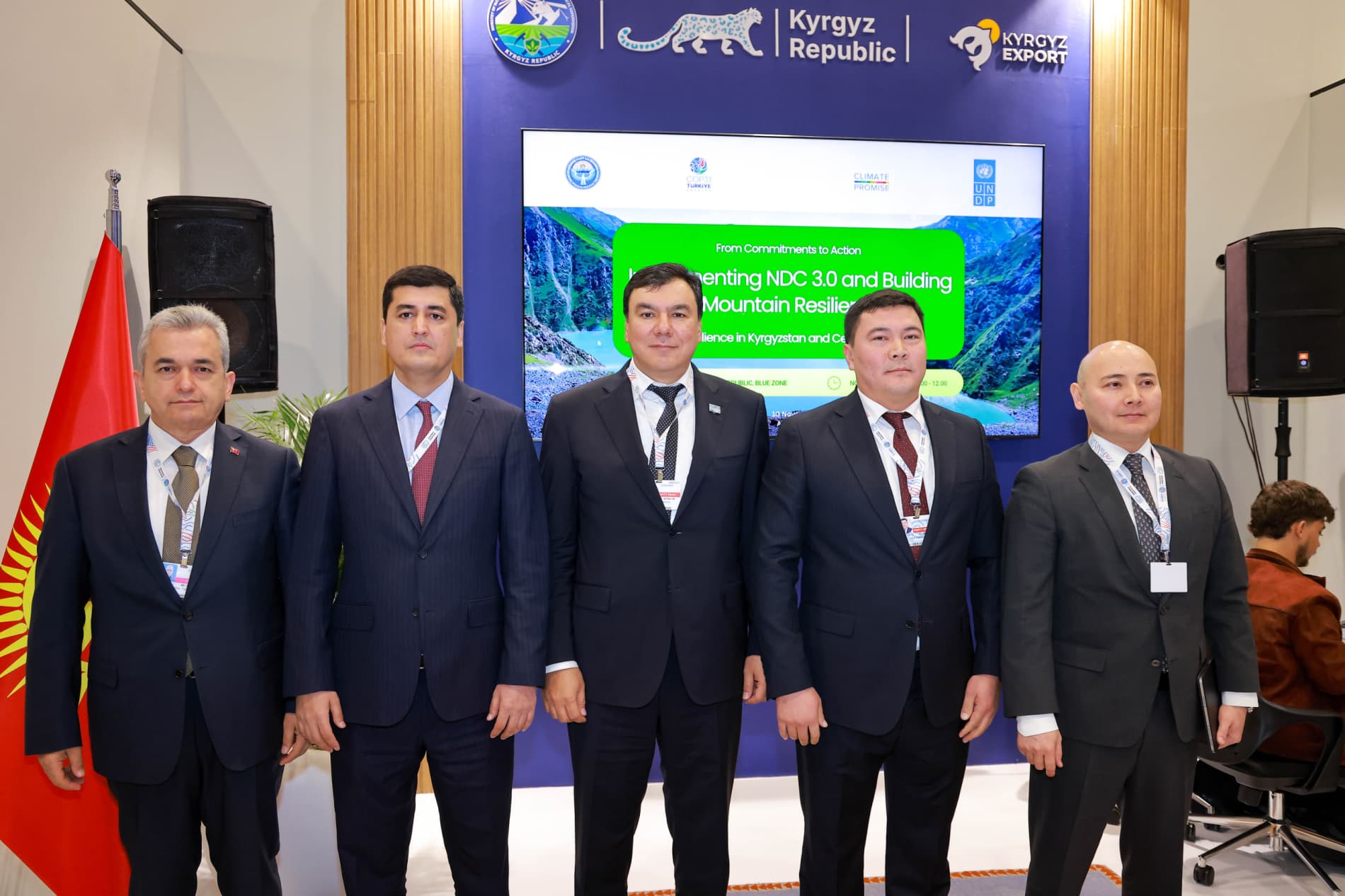
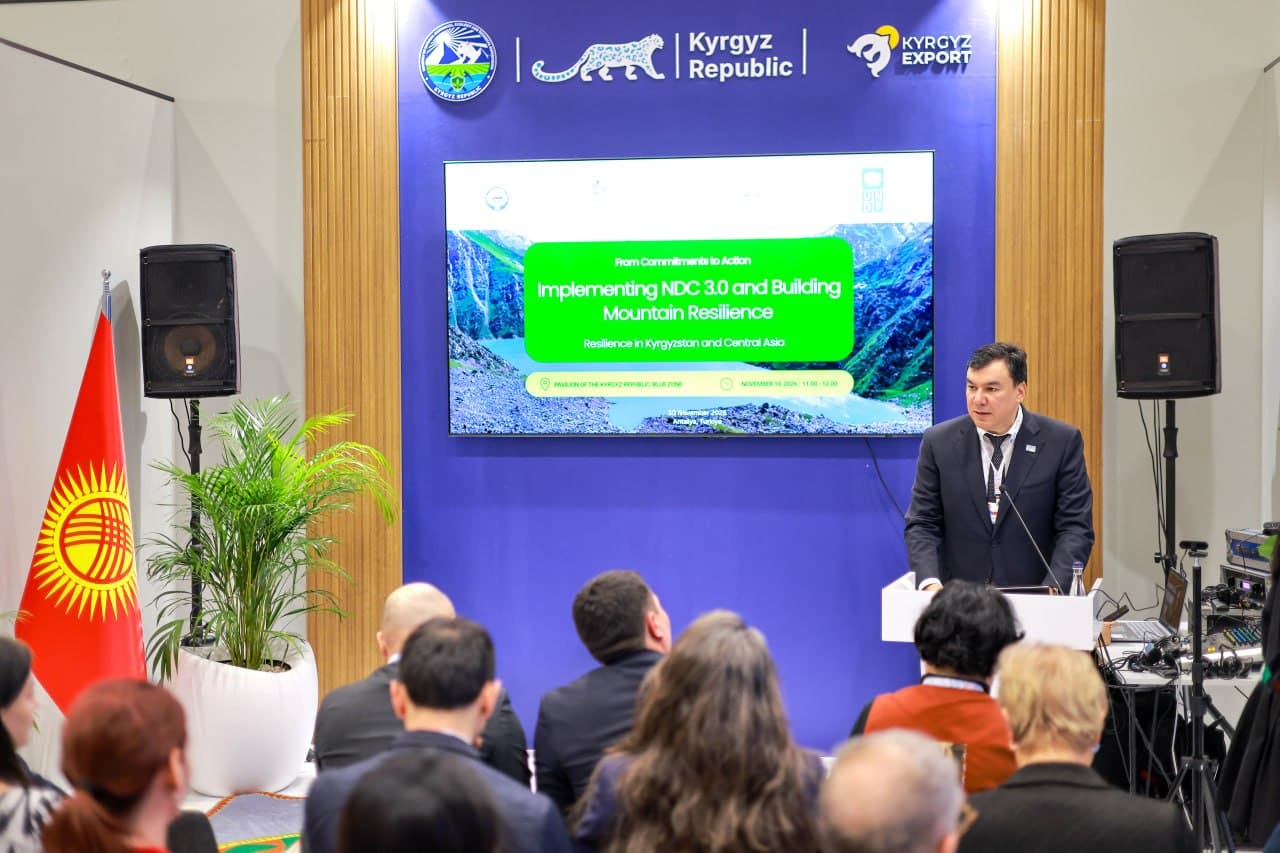
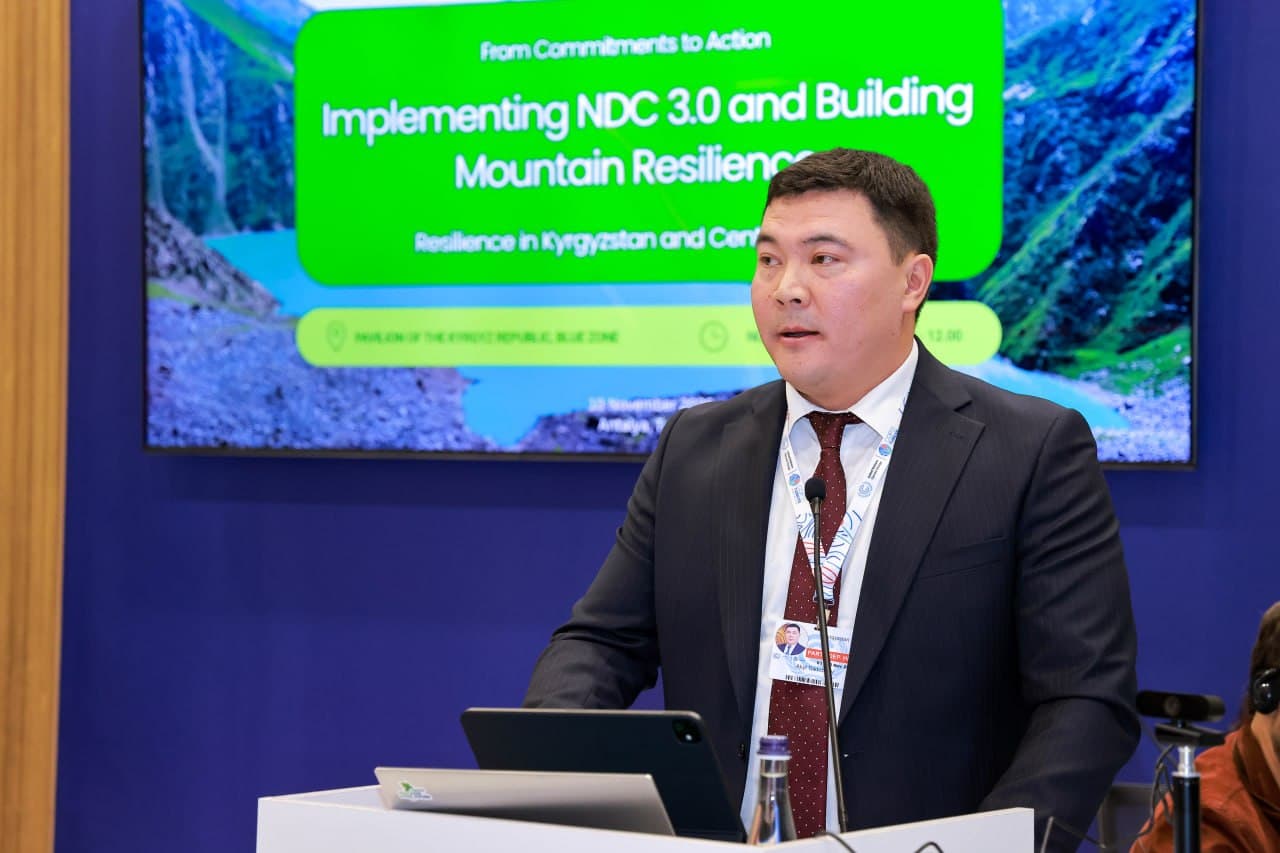

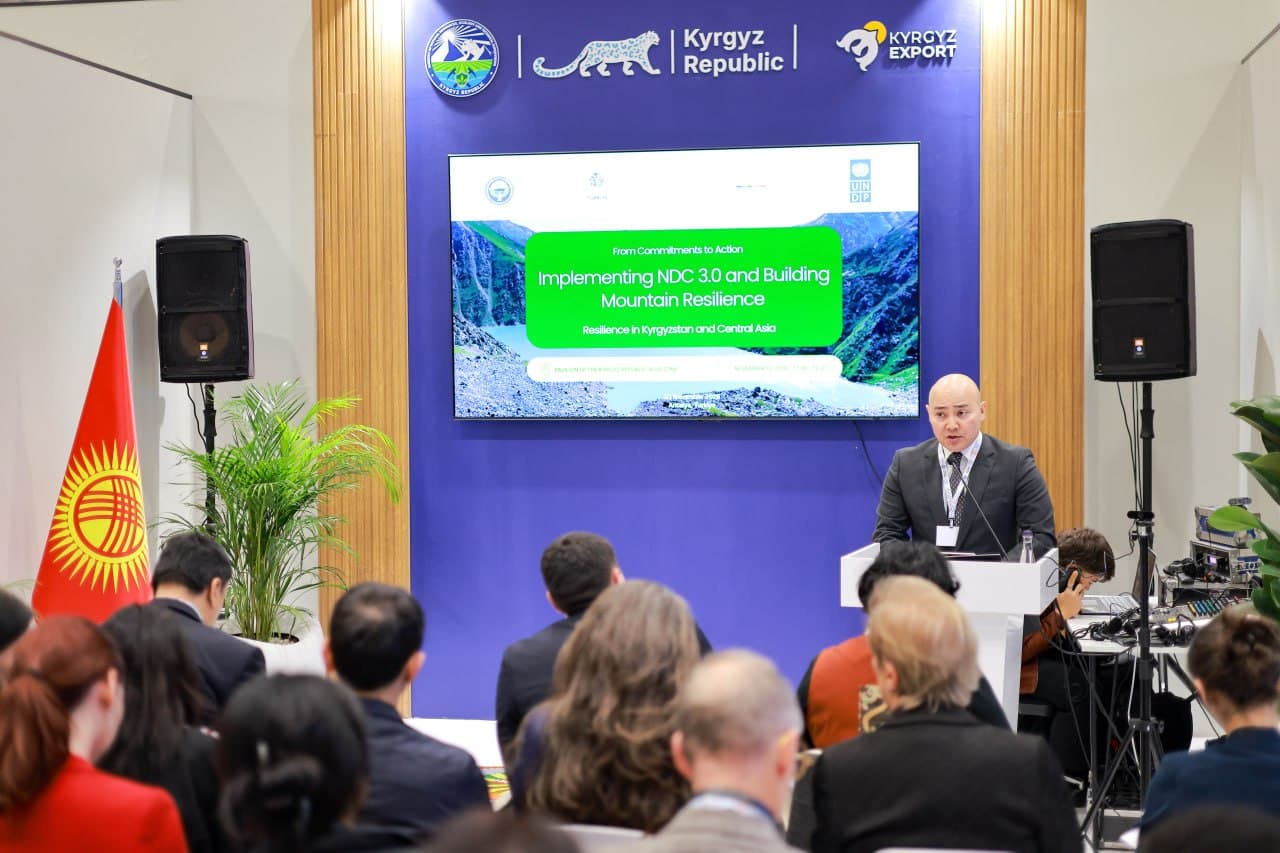
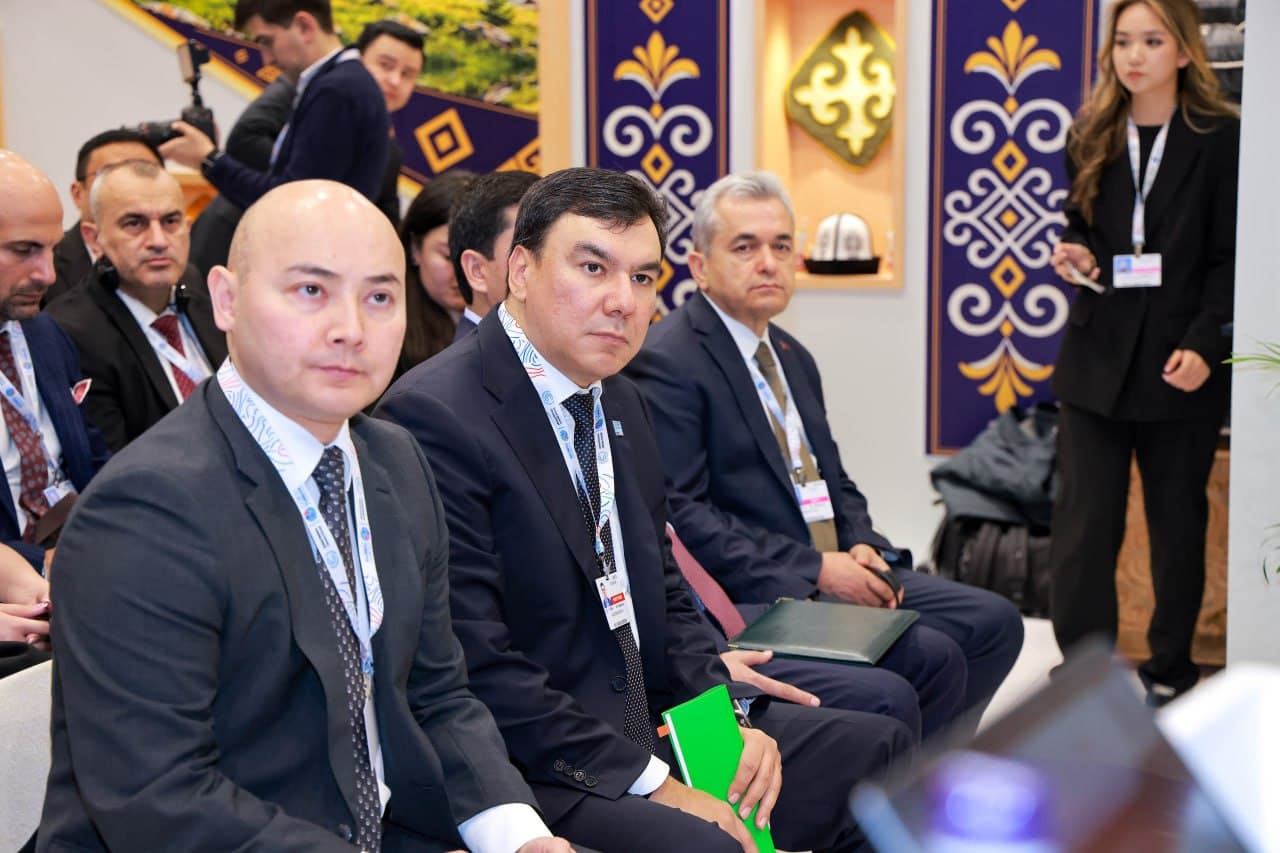
The event was attended by Aziz Abdukhakimov, Advisor to the President of the Republic of Uzbekistan on Environmental Issues and Chairman of the National Committee on Ecology and Climate Change; Akyl Toktobaev, Minister of Natural Resources, Ecology and Technical Supervision of the Kyrgyz Republic; Murat Kurum, Minister of Environment, Urbanisation and Climate Change of the Republic of Türkiye; Alibek Kuantyrov, Minister of Ecology and Natural Resources of the Republic of Kazakhstan; Bahodur Sheralizoda, Chairman of the Committee for Environmental Protection under the Government of the Republic of Tajikistan and Ovezgeldi Goshjanov, Minister of Environmental Protection of Turkmenistan.
The side event, entitled “From Commitments to Action: Implementing the NDC 3.0 and Strengthening the Resilience of Mountain Regions in Kyrgyzstan and Central Asia”, was organised by the Ministry of Natural Resources, Ecology and Technical Supervision of the Kyrgyz Republic, in cooperation with the United Nations Development Programme (UNDP), at the Kyrgyz Republic Pavilion.
Discussions focused primarily on practical mechanisms for implementing Kyrgyzstan’s updated Nationally Determined Contribution (NDC 3.0), submitted in September 2025, which sets out the country’s priorities for reducing greenhouse gas emissions and adapting to climate change through 2035.
Participants discussed ways to integrate climate commitments into sectoral programmes and development plans, strengthen climate monitoring, reporting and verification systems, and mobilise international financing to support national priorities.
Particular attention was given to the climate vulnerability of mountainous areas in Central Asia. Glacier retreat, changes in water regimes, land degradation and the increasing frequency of natural hazards affect not only high-altitude communities but also the water, food and environmental security of downstream areas.
Participants emphasised that strengthening the resilience of mountain regions requires a comprehensive approach encompassing cryosphere conservation, sustainable water resource management, the development of early warning systems, ecosystem restoration and support for local communities.
The discussions also explored opportunities to mobilise climate finance, including funding for Kyrgyzstan’s conditional NDC 3.0 targets, the development of investment projects and the mobilisation of resources from multilateral development banks and international climate funds.
Regional cooperation among Central Asian countries within the framework of the water–energy–adaptation nexus was another key topic. Participants exchanged views on aligning climate priorities, strengthening technical partnerships and developing joint solutions to address shared climate challenges.
The event was particularly significant in the context of preparations for the Bishkek+25 Global Mountain Summit, scheduled for 2027. The discussions helped identify areas for further cooperation, including financing adaptation measures, conserving mountain ecosystems and strengthening community resilience.
The event provided an important platform for strengthening dialogue among countries in the region, international organisations and financial institutions, with a view to translating climate commitments into practical action to enhance the resilience of mountain regions and safeguard environmental security across Central Asia.