
COP31 launches major programme to strengthen climate resilience across Central Asia
2026-11-10 11:55:00 / News
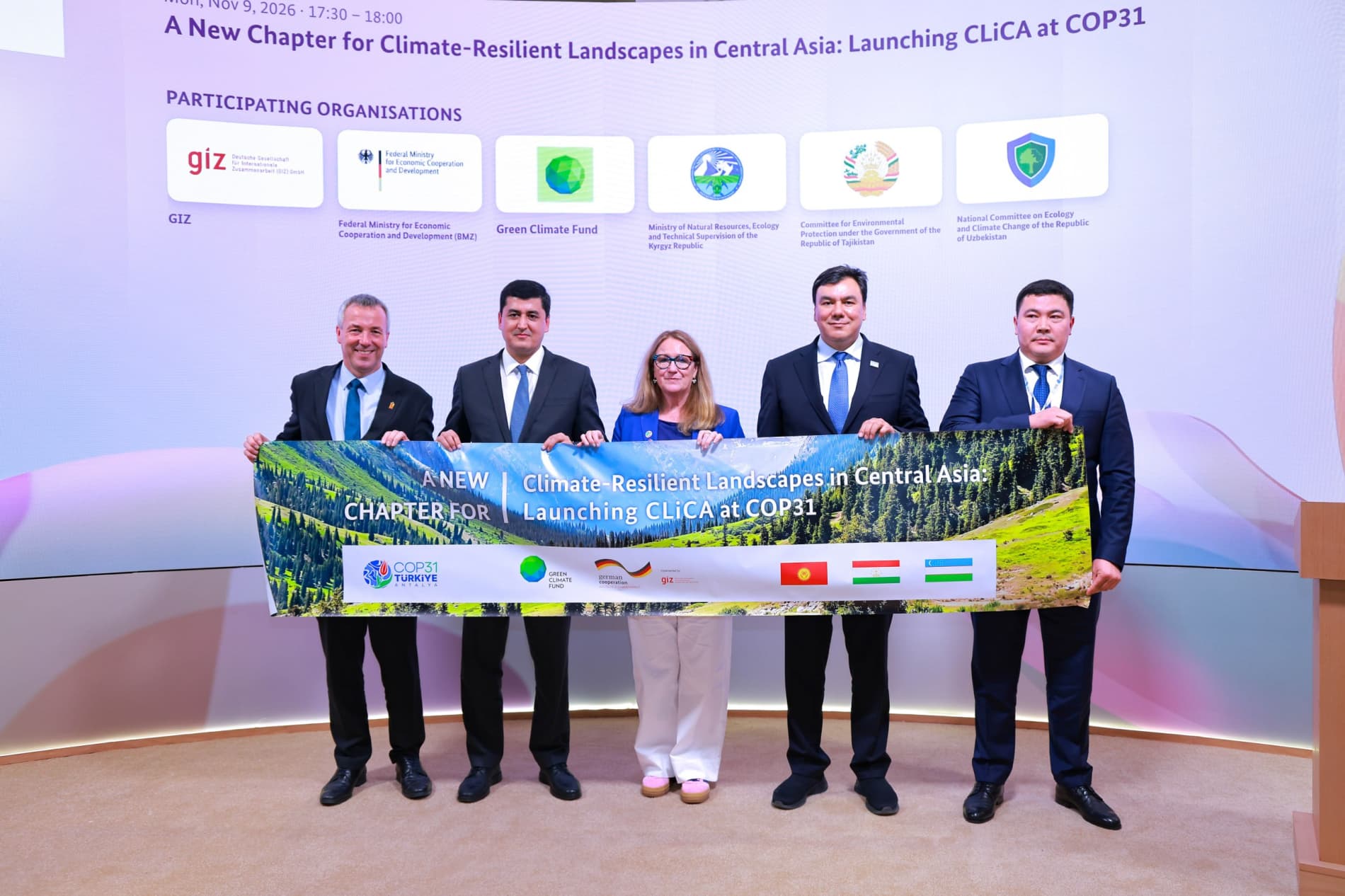
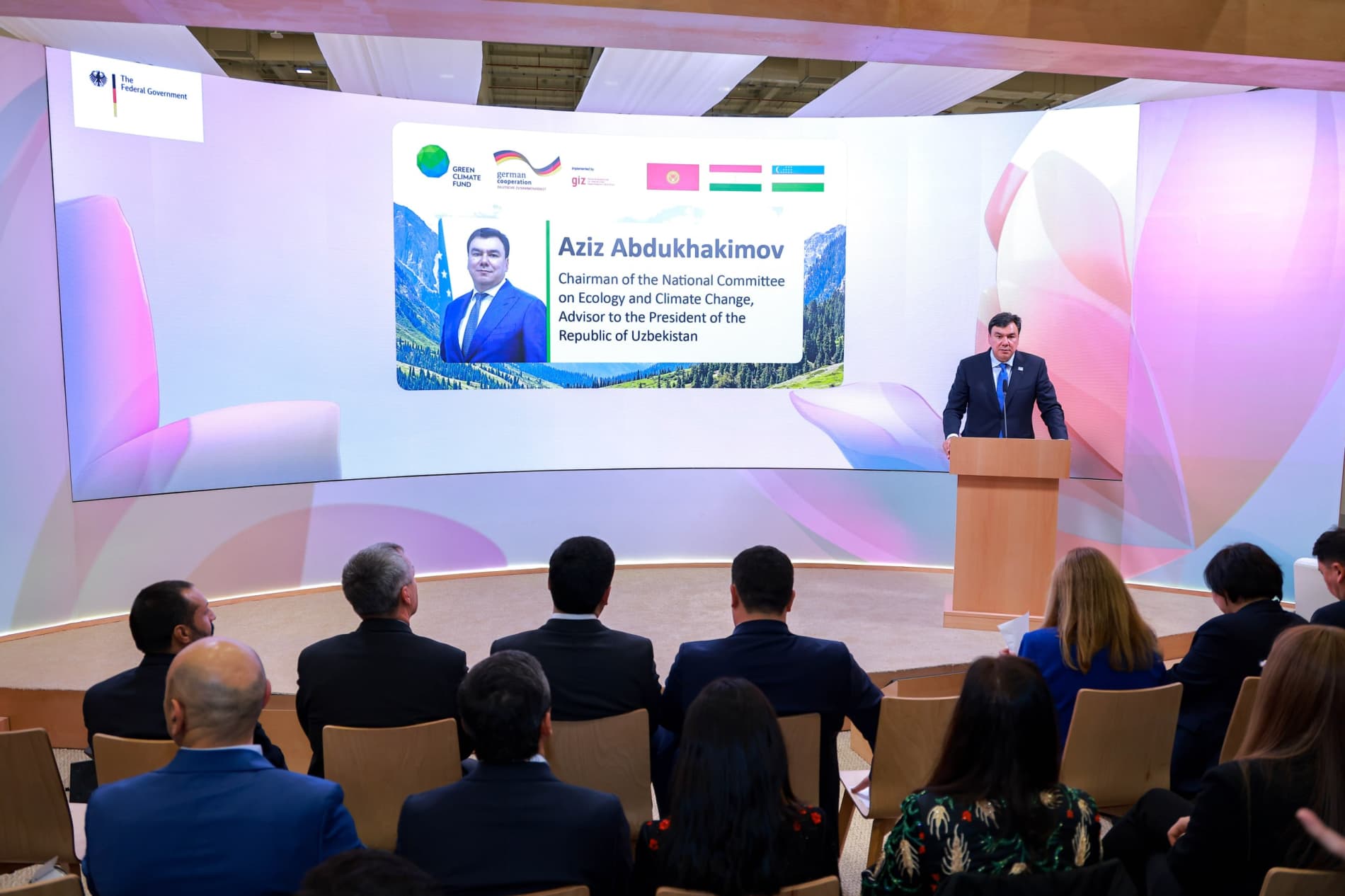
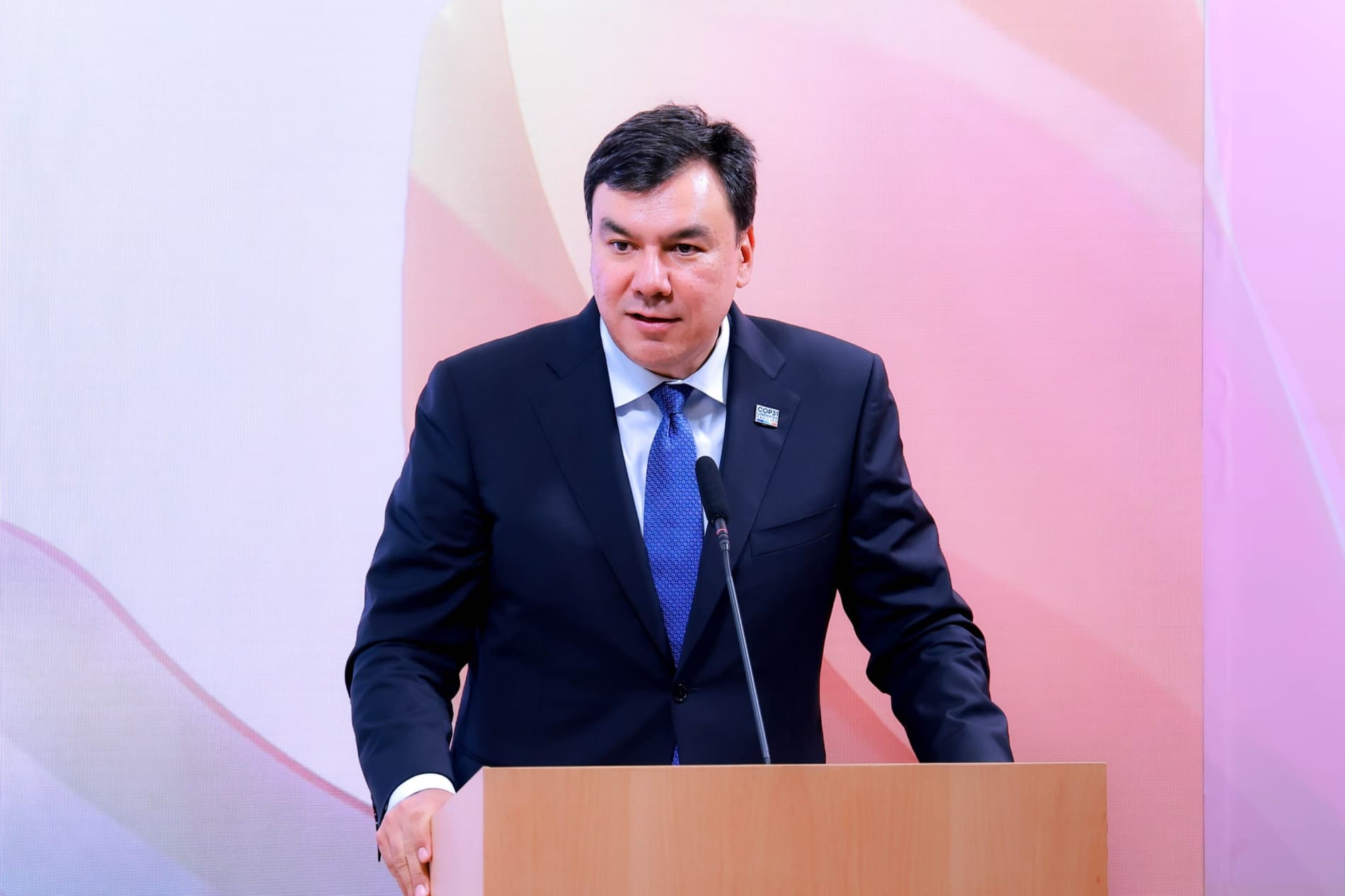
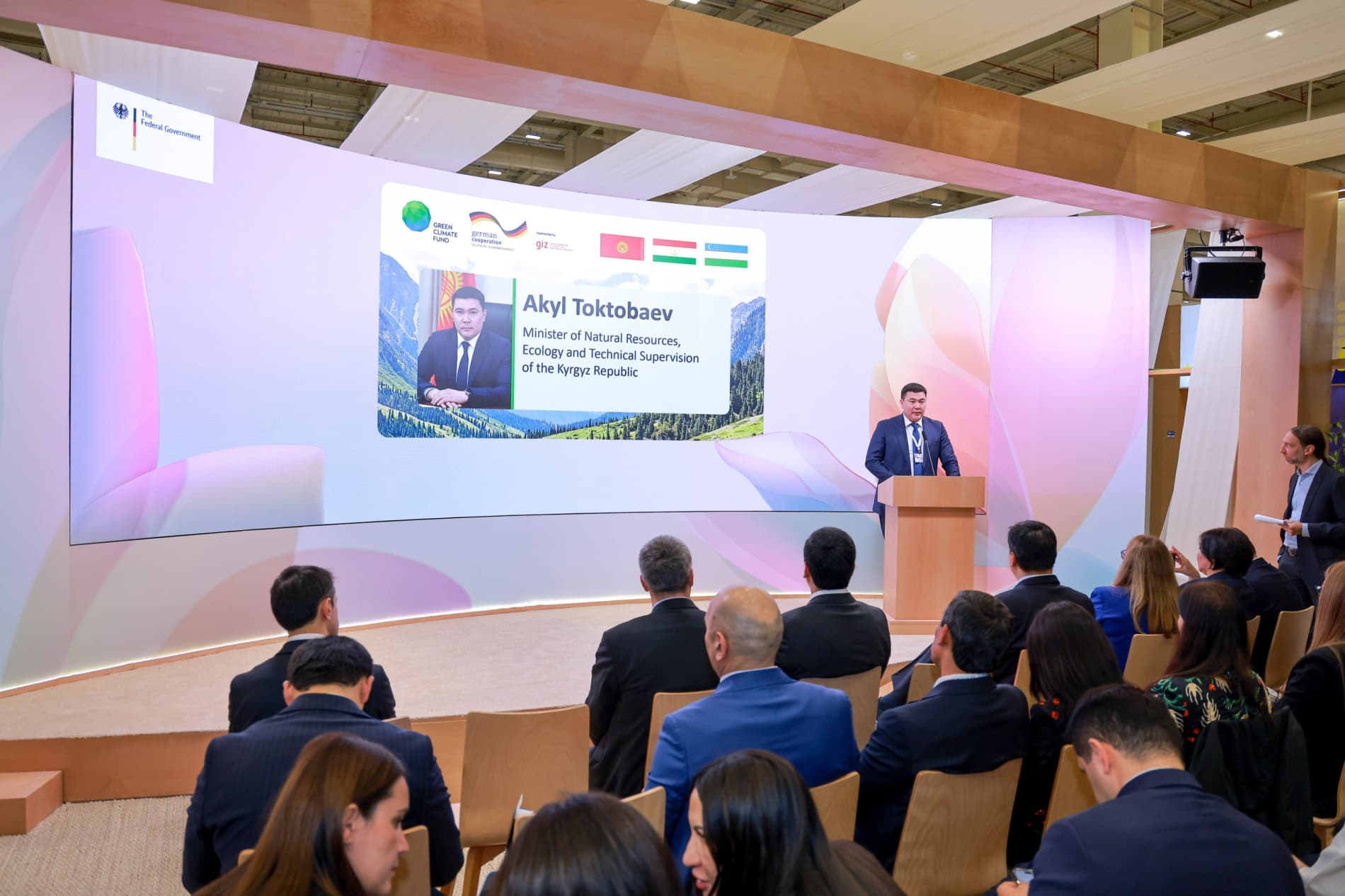
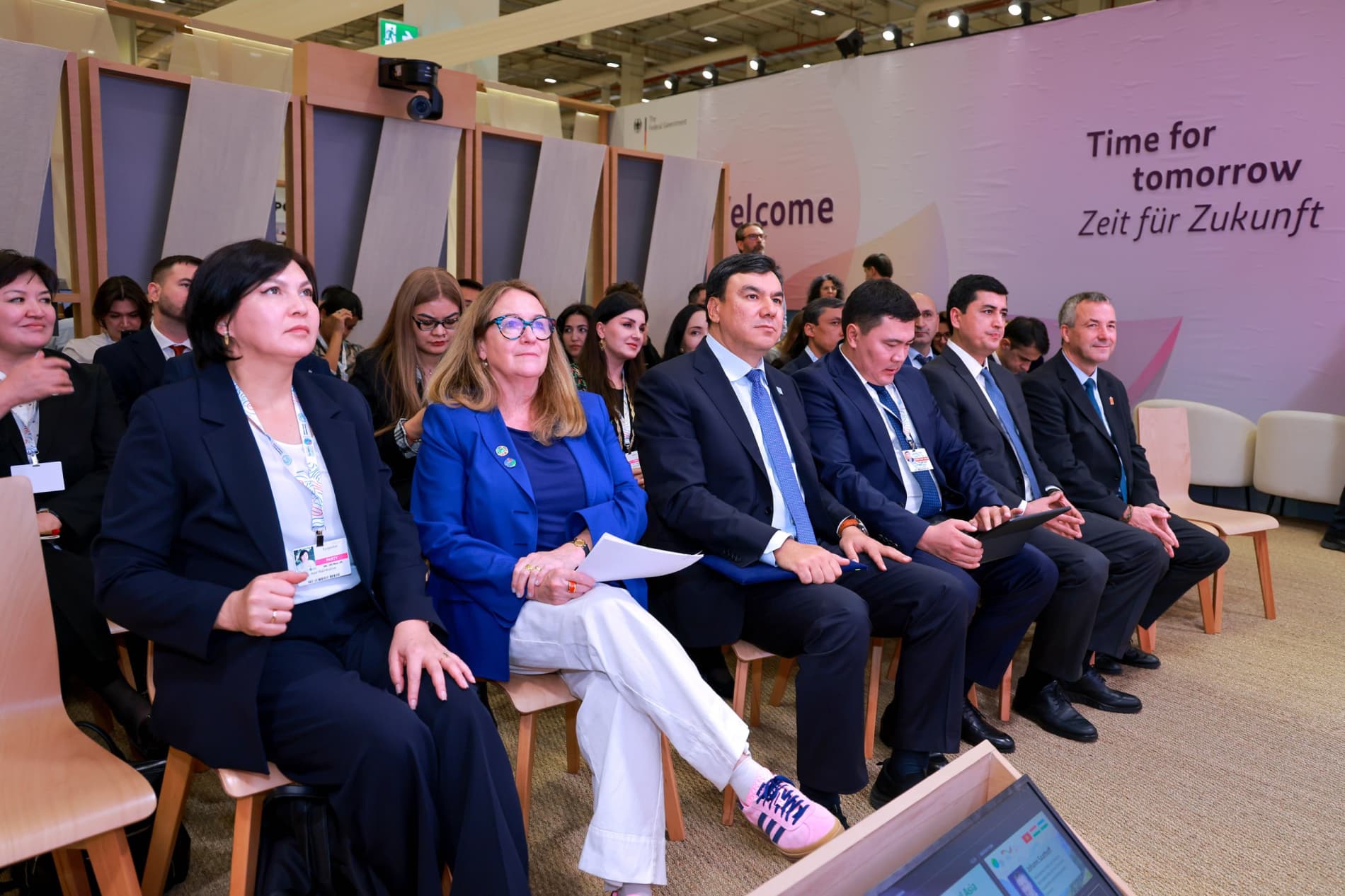
Aziz Abdukhakimov, Advisor to the President of the Republic of Uzbekistan on Environmental Issues and Chairman of the National Committee on Ecology and Climate Change, attended the event. Addressing the launch ceremony, he highlighted the importance of joint efforts by Central Asian countries and international partners in tackling shared climate and environmental challenges.
The CLiCA programme was developed with the participation of Uzbekistan, Kyrgyzstan and Tajikistan, with support from the Green Climate Fund, the Government of Germany, the Deutsche Gesellschaft für Internationale Zusammenarbeit (GIZ) and the European Investment Bank.
For Uzbekistan, the programme envisages mobilising EUR 103.7 million in investment to implement activities across 15 districts in Andijan, Fergana, Namangan and Surkhandarya regions.
The planned activities include:
• restoring 18,000 hectares of forest land;
• rehabilitating 123,000 hectares of pastureland;
• introducing drip irrigation systems;
• promoting drought-resistant crop varieties;
• establishing greenhouses for farming households;
• providing climate advisory services to 12,000 farmers;
• expanding farmers’ access to credit through local banks.
The programme is expected to strengthen the climate resilience of 342,000 people, half of whom will be women.
The Chairman of the Committee also highlighted the programme’s strong potential to leverage international finance: for every euro of national contribution, more than EUR 24 is expected to be mobilised from international partners.
The initiative is also aligned with Uzbekistan’s national priorities, including its updated Nationally Determined Contribution (NDC), the nationwide "Yashil Makon (“Green Space”) afforestation initiative, its targets for achieving land degradation neutrality, and the international Bonn Challenge.
In his remarks, Aziz Abdukhakimov outlined three key commitments undertaken by Uzbekistan to ensure the programme’s successful implementation.
First — timely launch. To ensure that implementation begins as scheduled in 2027, Uzbekistan plans to establish a National Steering Committee and a Programme Management Unit.
Second — national ownership of results. The programme’s targets and achievements will be incorporated into district development plans. The Interdepartmental Council on Agriculture, Forestry and Land Use (AFOLU) will continue to serve as a permanent coordination mechanism beyond the programme’s completion.
Third — transparency in implementation. Uzbekistan reaffirmed its commitment to openly reporting on progress and results, including the areas of land restored, increases in farmers’ incomes and tangible improvements in people’s quality of life.
“Today’s signing is not the finish line, but the starting point. The programme’s approval on paper must translate into restored green slopes, rehabilitated pastures and resilient farming enterprises,” Aziz Abdukhakimov emphasised.
The implementation of CLiCA represents an important example of regional cooperation, bringing together financial, institutional and technical resources to address shared climate challenges. The programme creates additional opportunities to restore degraded land, promote sustainable agriculture and improve the well-being of people across Central Asia.