
Inspections and enforcement raids continue around the clock to improve air quality
2026-11-04 11:00:00 / News
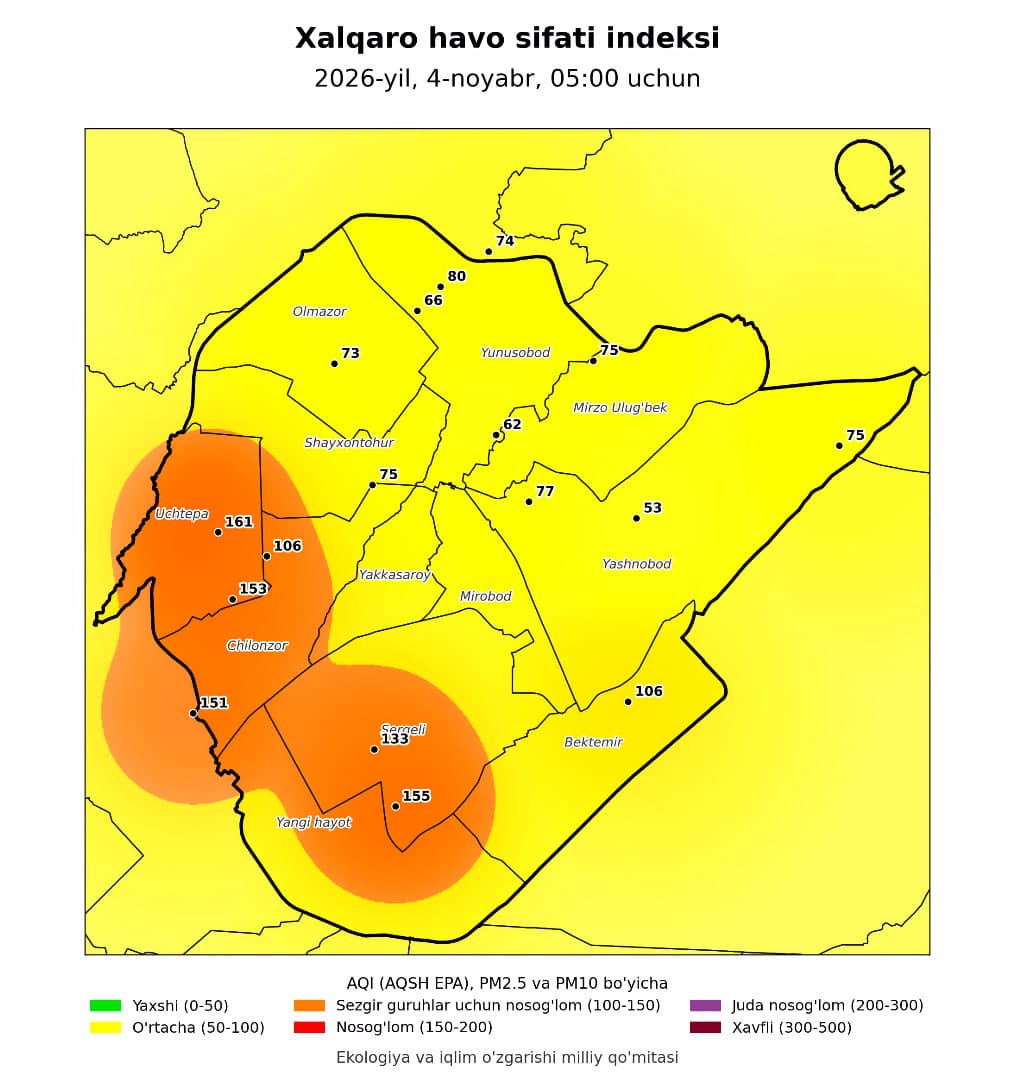
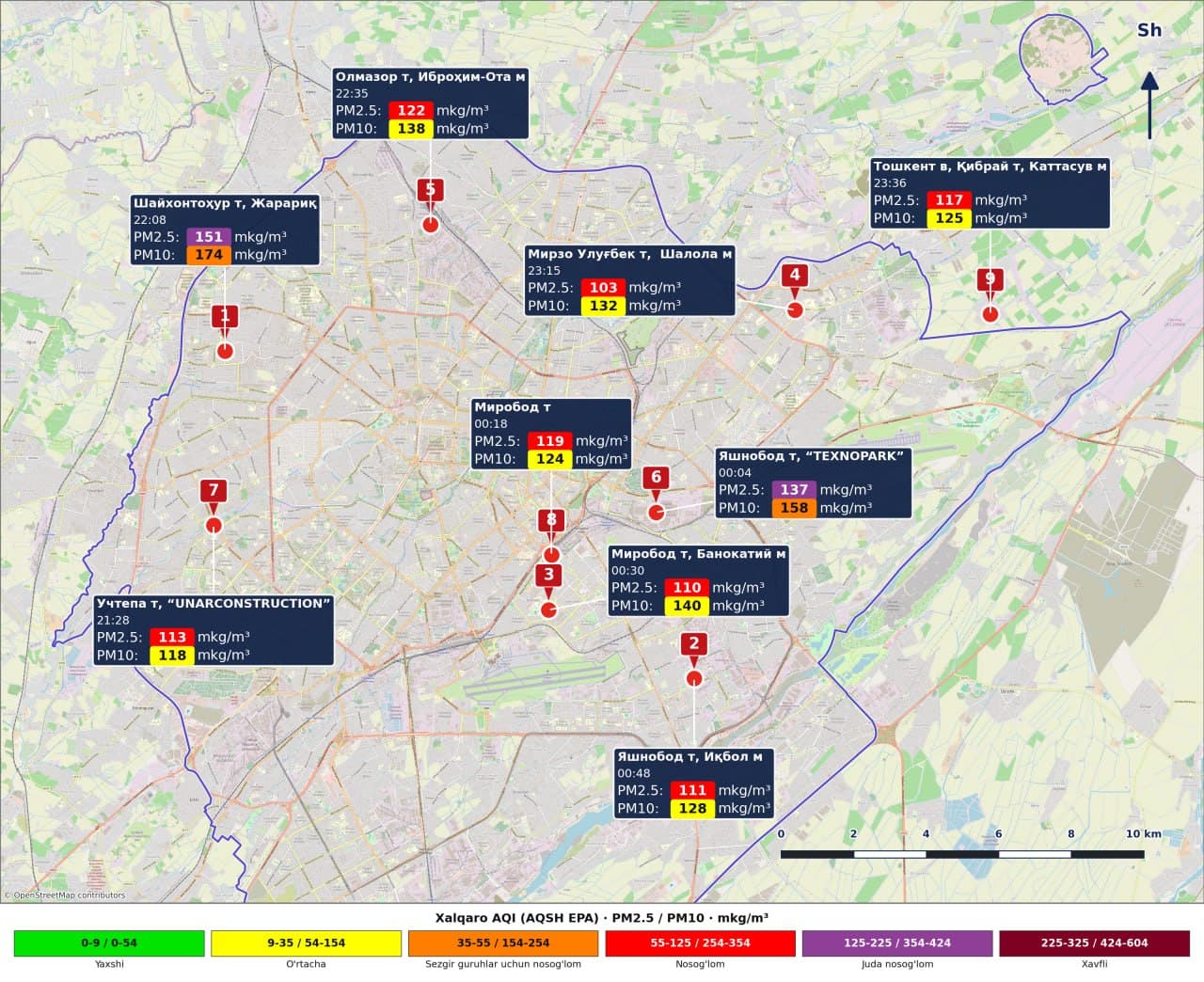
In the evening, air quality remained in the “Unhealthy” category, with pollution levels reaching their peak at 11:00 pm. Some areas of the city briefly recorded “Very Unhealthy” levels. In the following hours, pollution levels gradually declined, and air quality improved to the “Unhealthy for Sensitive Groups” category.
According to the national Air Quality Index, the city’s average PM2.5 levels fell within the “Yellow” category, while PM10 levels were in the “Orange” category. The highest pollution levels were recorded in the northern and north-eastern parts of the city.
At night, falling temperatures and light winds limited air circulation in the lower atmosphere. These meteorological conditions hindered the dispersion of pollutants from local sources and contributed to the accumulation of PM2.5 and PM10 particles near the ground.
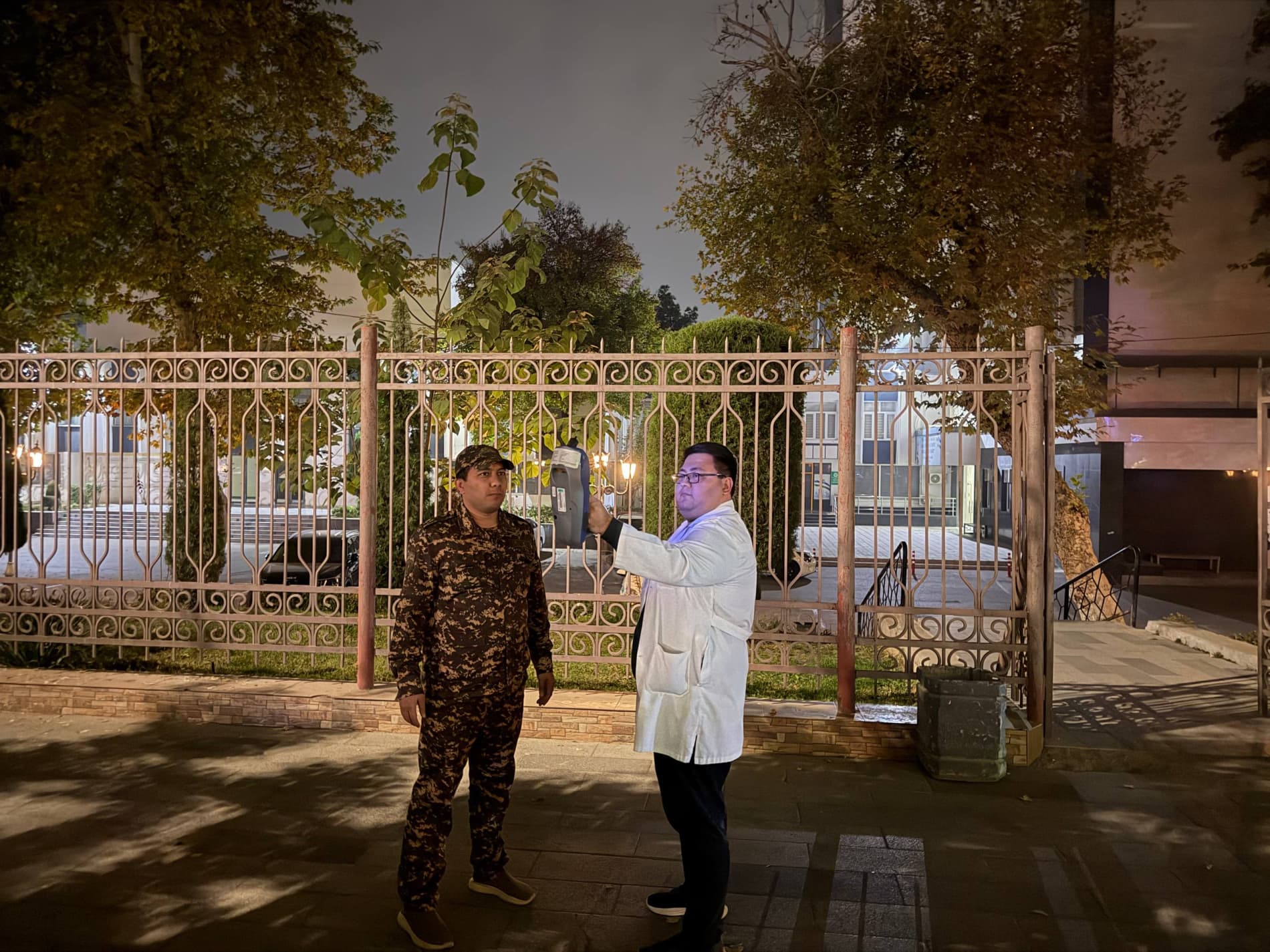
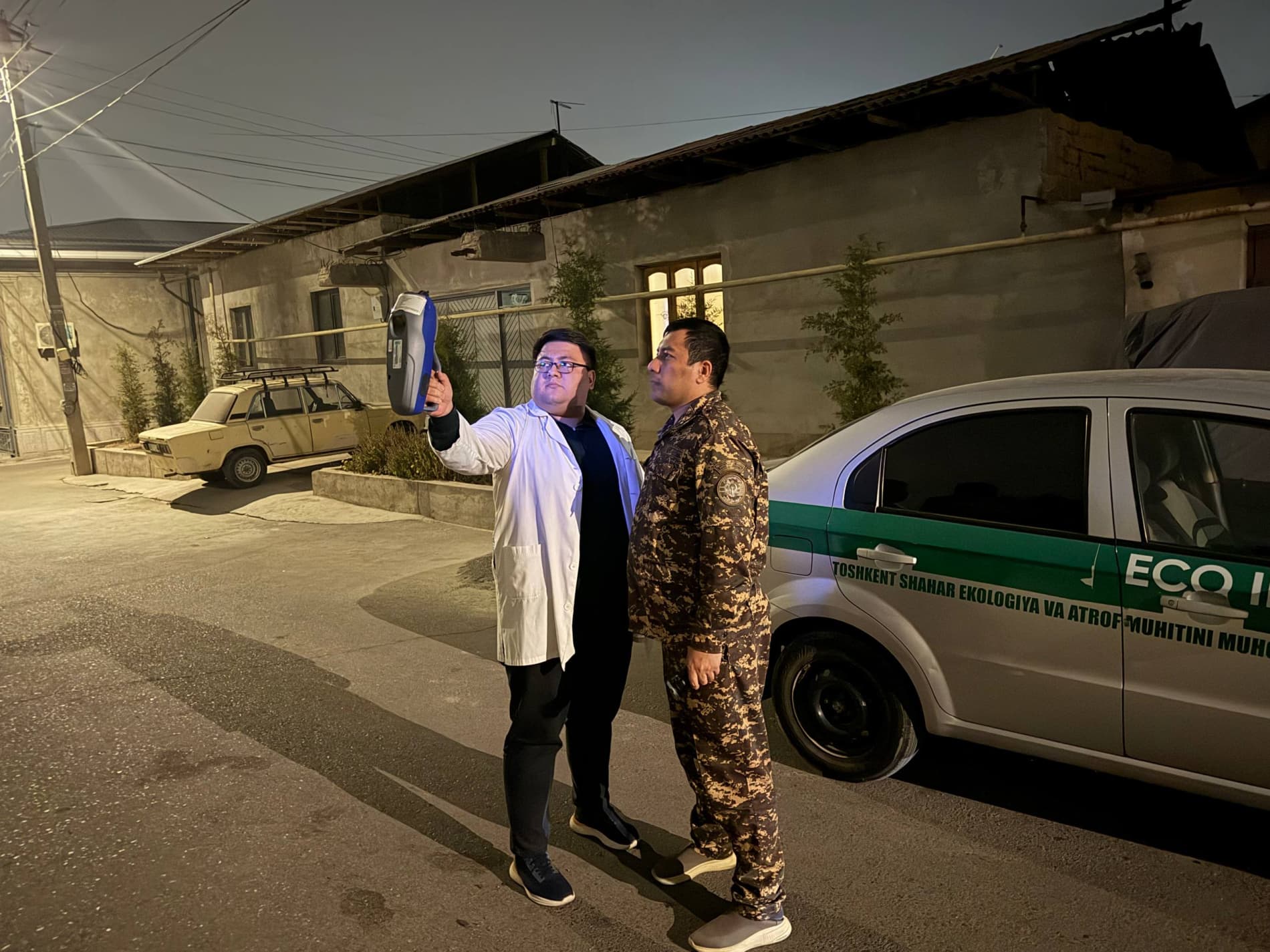
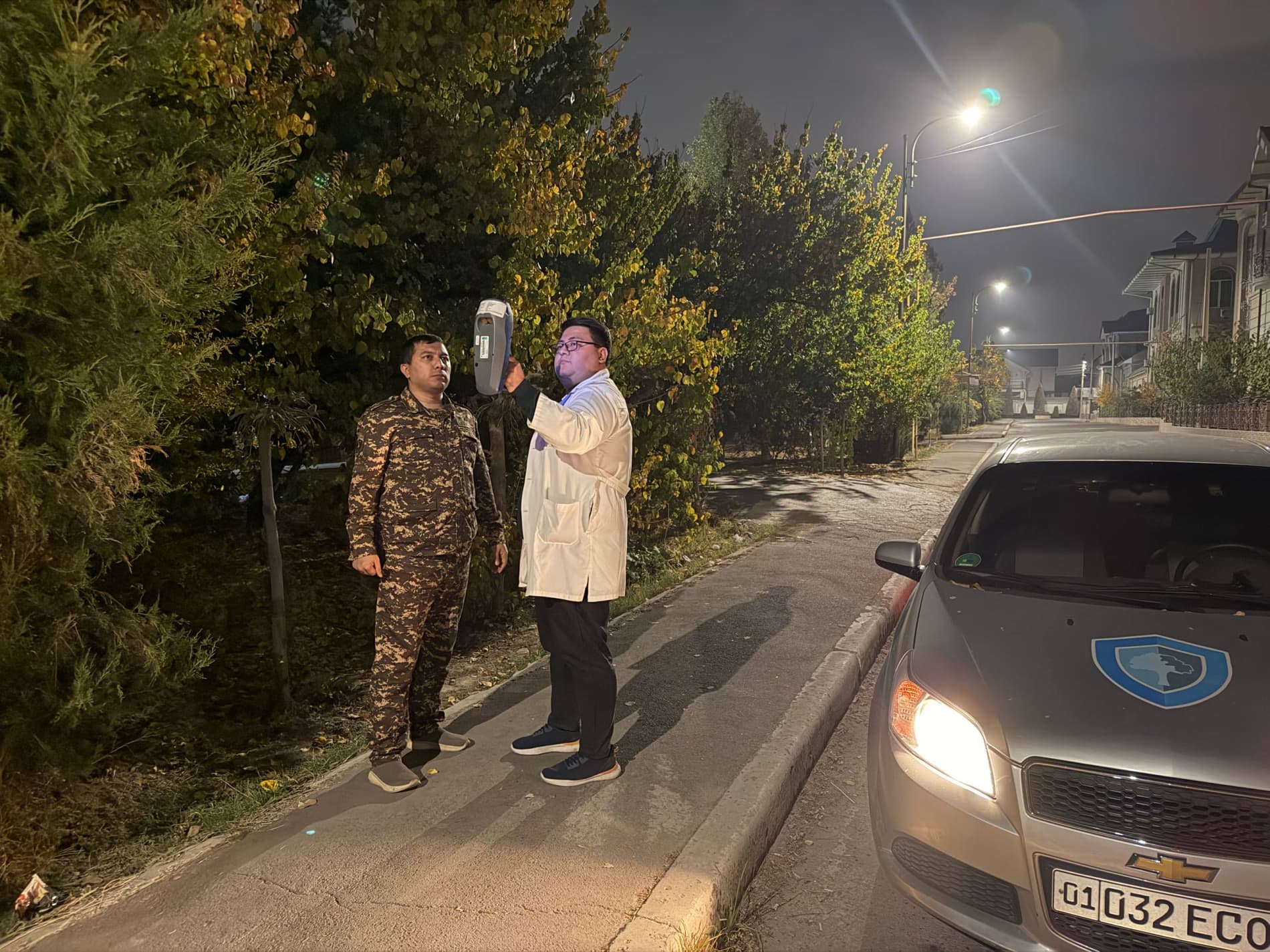
In addition, specialists from the National Centre for Environmental Monitoring carried out instrumental measurements of ambient air quality at various locations across Tashkent city and the Tashkent region overnight.
From the morning of 4 November, the temperature inversion began to weaken, allowing vertical air circulation to improve. As a result, air quality gradually improved. However, according to the international AQI, air quality is expected to remain in the “Unhealthy for Sensitive Groups” category today.
For reference: The National Committee on Ecology and Climate Change, its regional departments, Environmental Police officers and relevant organisations are conducting inspections and enforcement raids around the clock, 24 hours a day, seven days a week.
On 3 November alone, inspections covered a total of 46 sites in Tashkent city and the Tashkent region, including 32 greenhouses, one industrial facility and 13 other sites.
Since the beginning of 2026, more than 4,100 cases of burning fallen leaves and other plant waste have been identified during inspection and enforcement activities. Administrative violation reports have been drawn up in all identified cases.
In addition, modern aerospace technologies are being used in cooperation with the “Uzbekcosmos” Agency to detect the burning of crop residues in agricultural fields in real time, identify violations and ensure a prompt response.
As part of the state space monitoring programme, 915 cases of crop residue burning have been detected, and administrative fines have been imposed on those responsible.
Inspection and enforcement activities are ongoing.