
International training on identifying dust storms and studying their movement gets underway
2026-10-27 16:45:00 / News
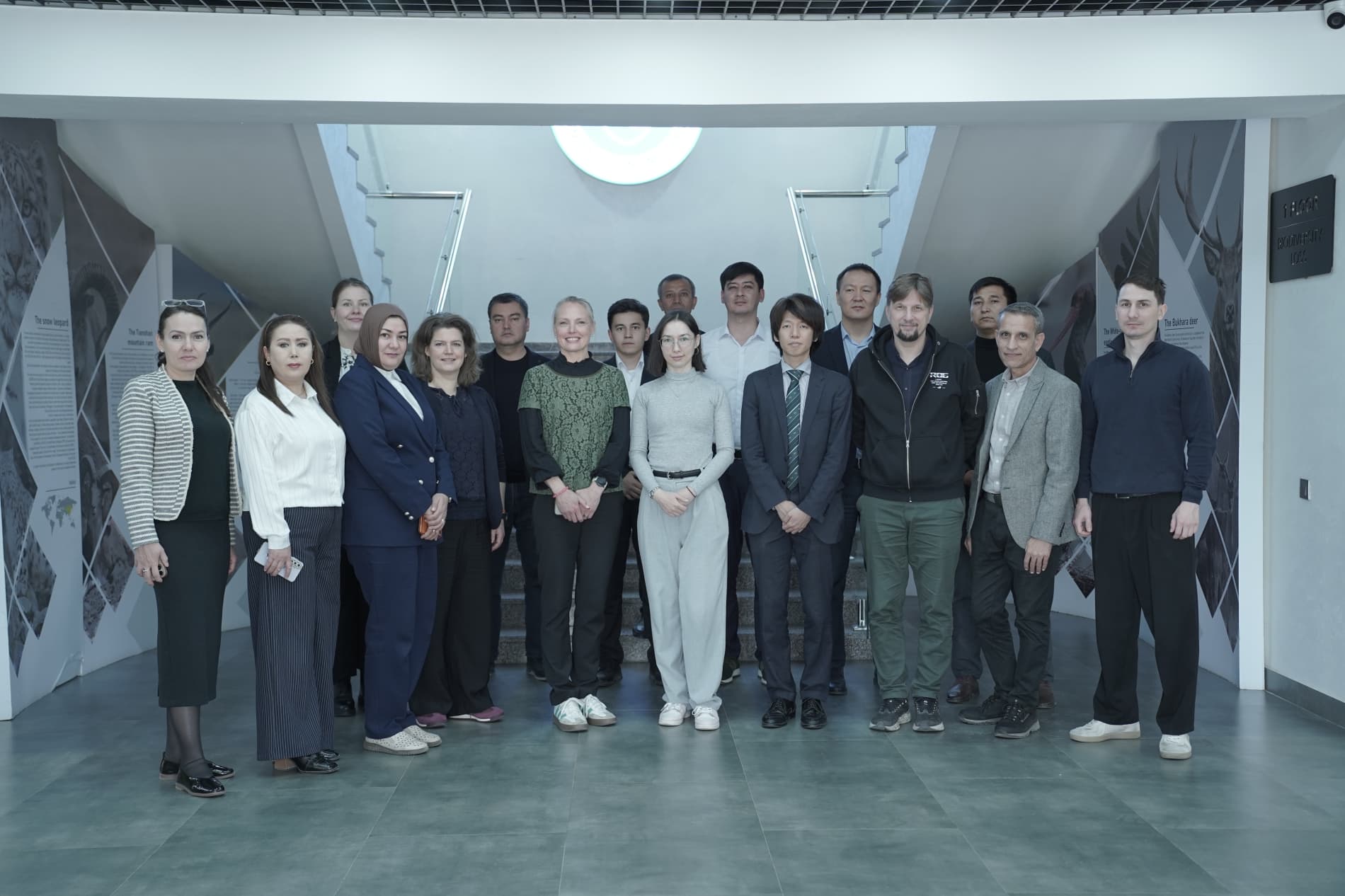


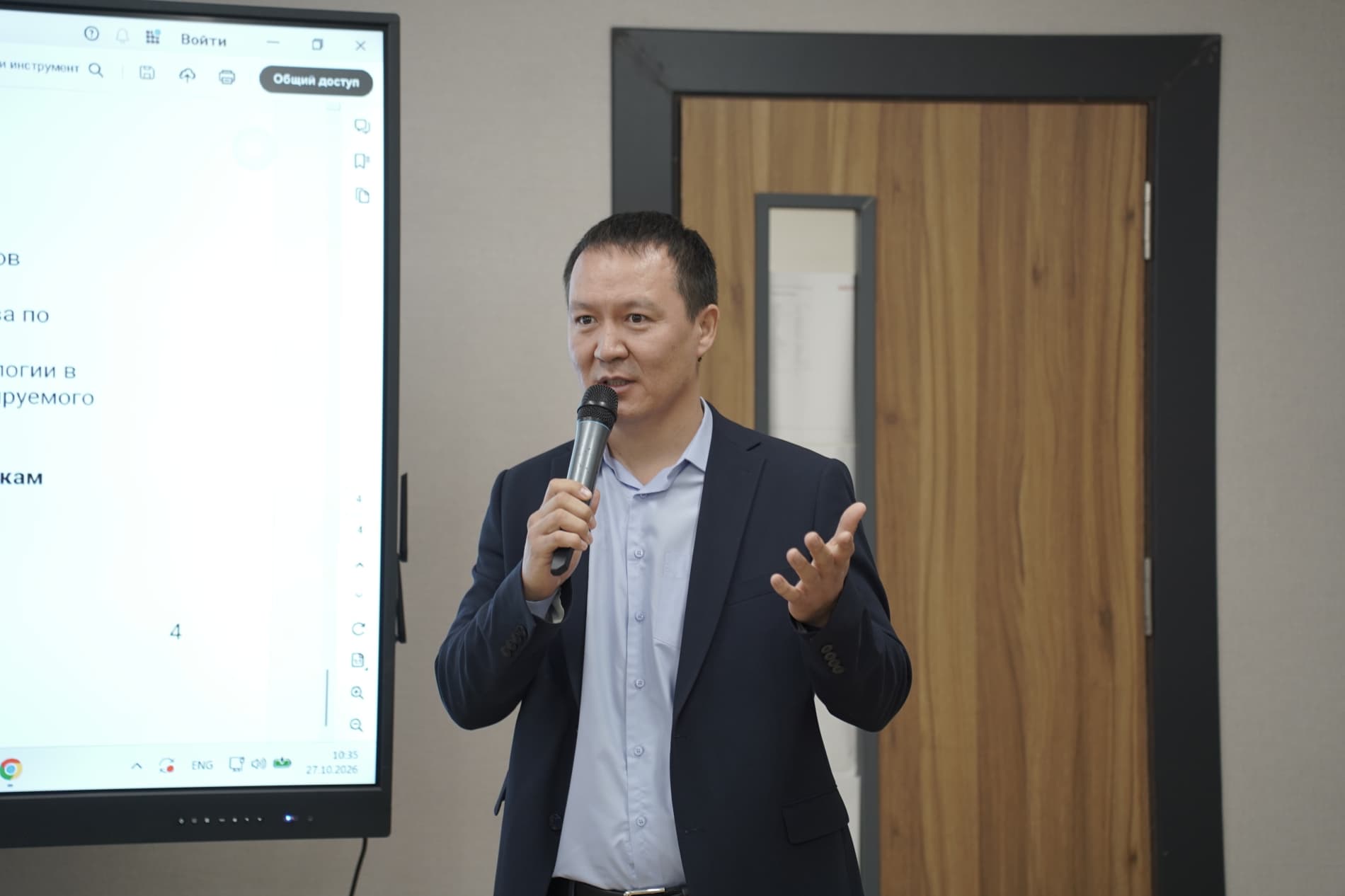
For reference: The project aims to strengthen the resilience of the population and the healthcare system in Termez to risks associated with sand and dust storms and air pollution. Sand and dust storms are currently among the significant environmental factors affecting ambient air quality across Central Asia. These events can increase concentrations of airborne particulate matter, heighten risks to public health and contribute to environmental degradation. Identifying the sources of dust storms, monitoring their development and movement, and assessing their potential impacts are therefore of considerable scientific and practical importance.
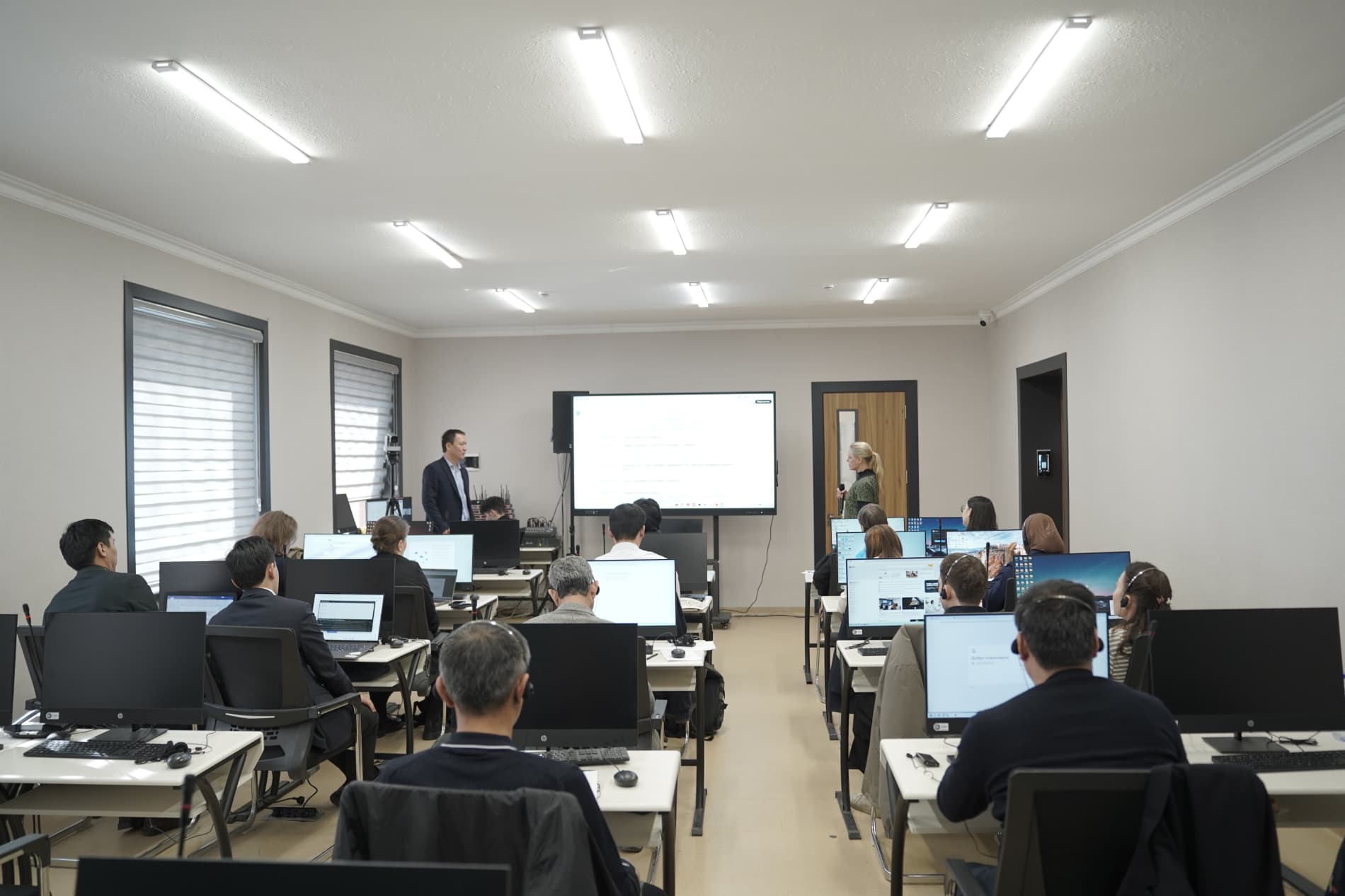
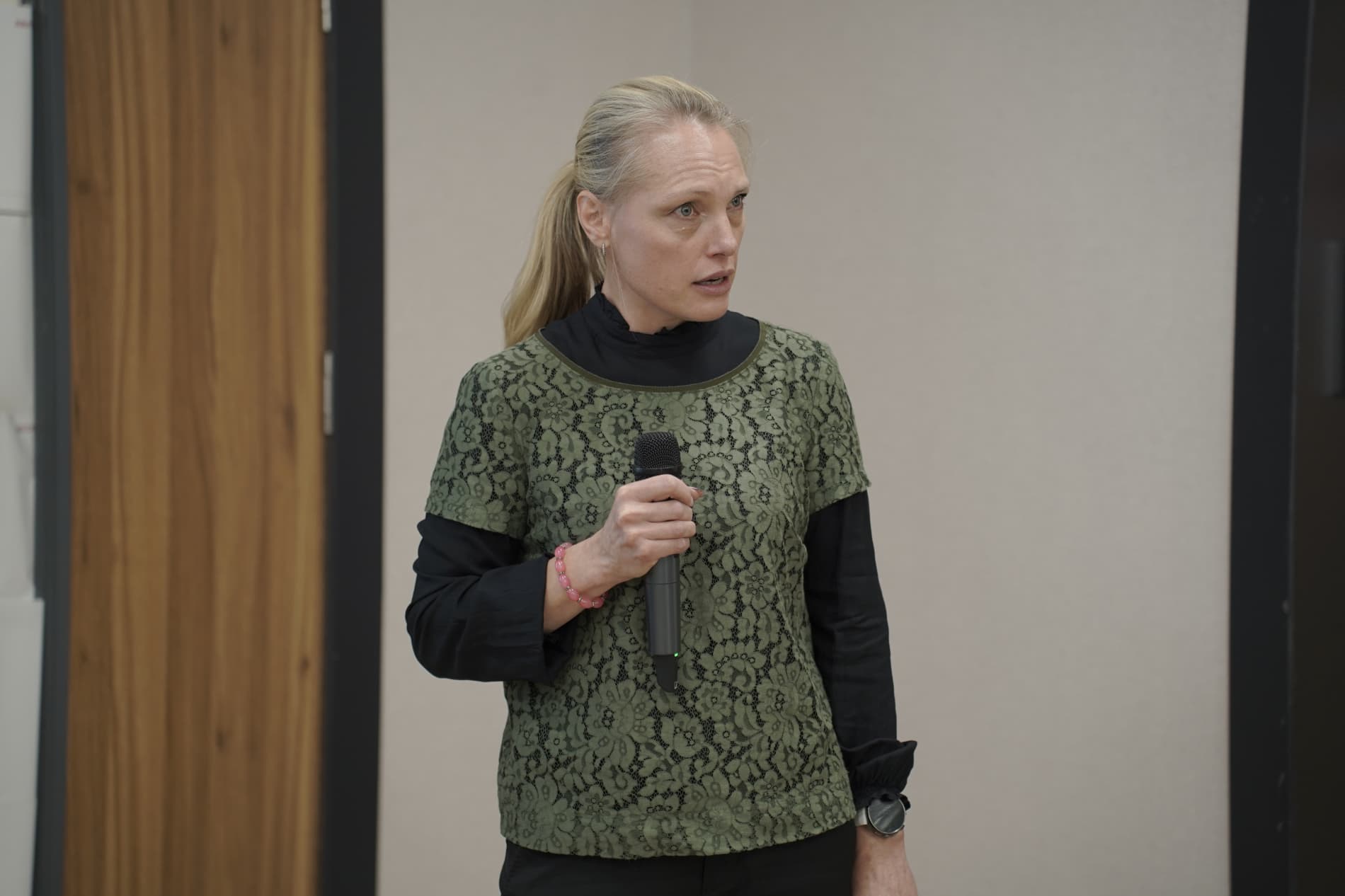
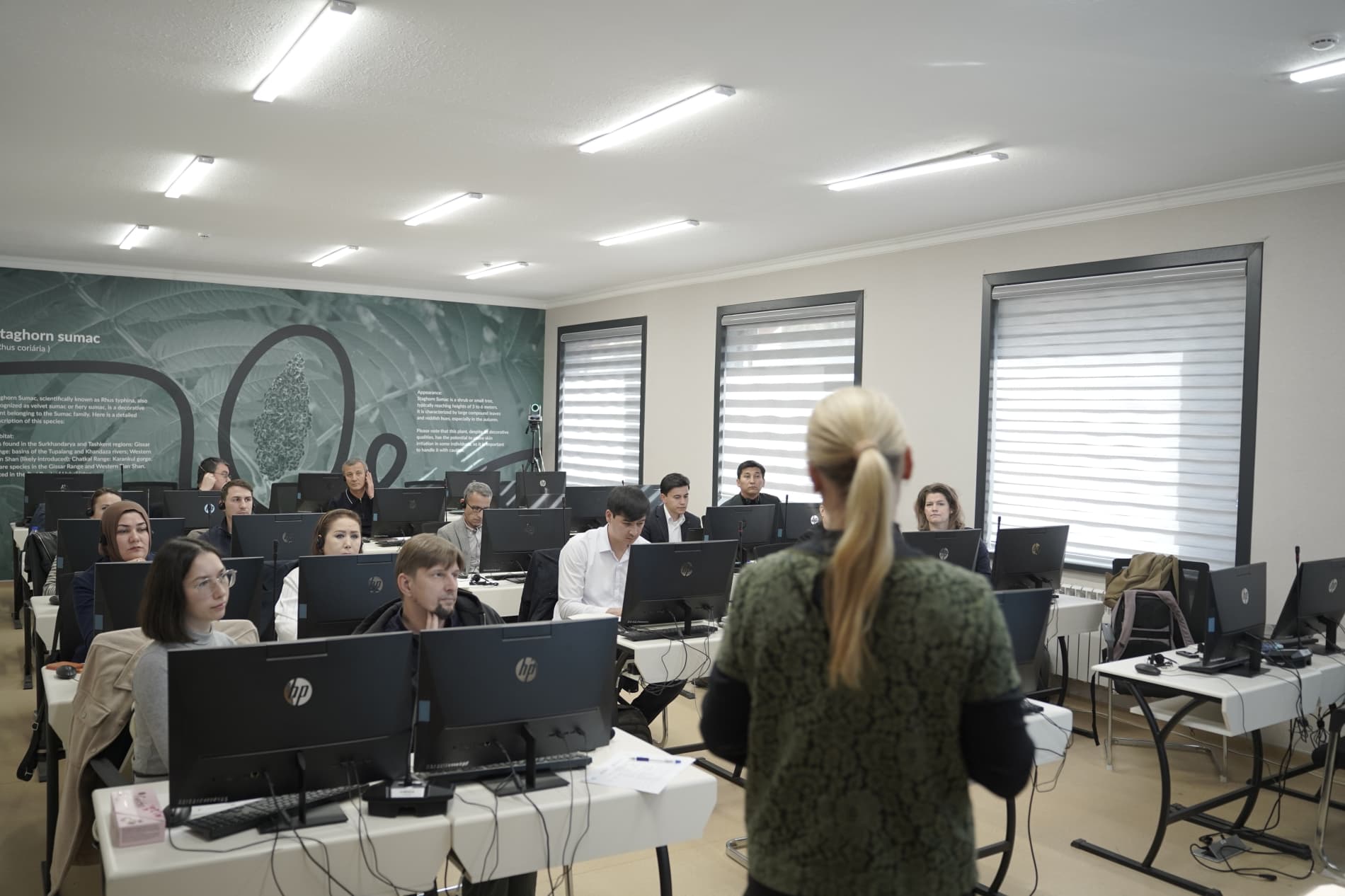
The primary objective of the training is to strengthen local specialists’ knowledge and practical skills in monitoring, analysing and characterising sand and dust storms, as well as to develop their capacity to apply integrated analytical methods that combine ground-based observations, meteorological indicators and satellite data. During the practical sessions, participants will learn to identify dust storm episodes, assess their duration and intensity, and analyse the associated meteorological conditions using data on concentrations of PM10, PM2.5 and total suspended particles in ambient air. The training will also cover methods for obtaining, visualising and interpreting satellite imagery and atmospheric aerosol data. Particular attention will be paid to tracking dust plumes and calculating air-mass back trajectories to identify potential dust sources and determine the direction of their movement.
As part of the practical sessions, participants will conduct analytical studies based on sand and dust storms observed in Termez, as well as cases involving elevated concentrations of airborne particulate matter. By comparing ground-based monitoring results with meteorological data and satellite observations, participants will examine approaches to characterising dust storms and classifying them as local, intraregional or transboundary events.
The programme also includes group analysis of selected cases, discussions of the findings and the development of criteria for assessing dust storm episodes. These criteria will include the geographical extent and duration of an event, its likely dust source, the direction of dust movement and the degree of uncertainty in the analytical results.
Participants will also discuss opportunities for exchanging expertise among local partners, researchers and sectoral specialists; documenting analytical findings using a consistent methodological approach; and applying the methods developed during the training in the work of relevant national institutions.
Upon completion of the training, participants are expected to develop a practical methodology for analysing sand and dust storm episodes, outline the main stages of the analytical process, prepare documentation templates and formulate recommendations on the use of relevant datasets. These outputs will provide a methodological foundation for further work on atmospheric process modelling, sand and dust storm forecasting and the development of early warning systems.