
Turkmen Long-eared Bat Recorded in Uzbekistan for the First Time
2026-10-14 13:00:00 / News
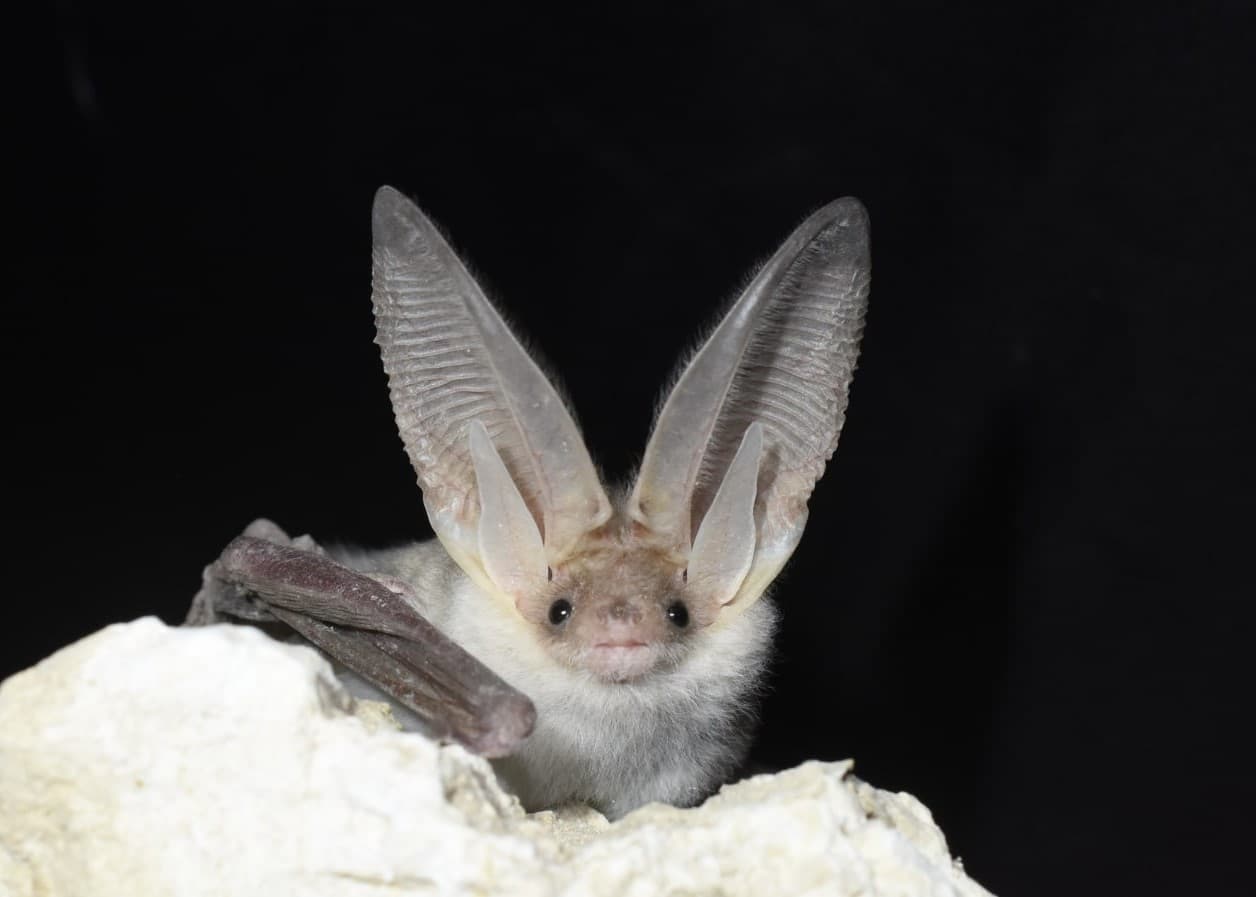
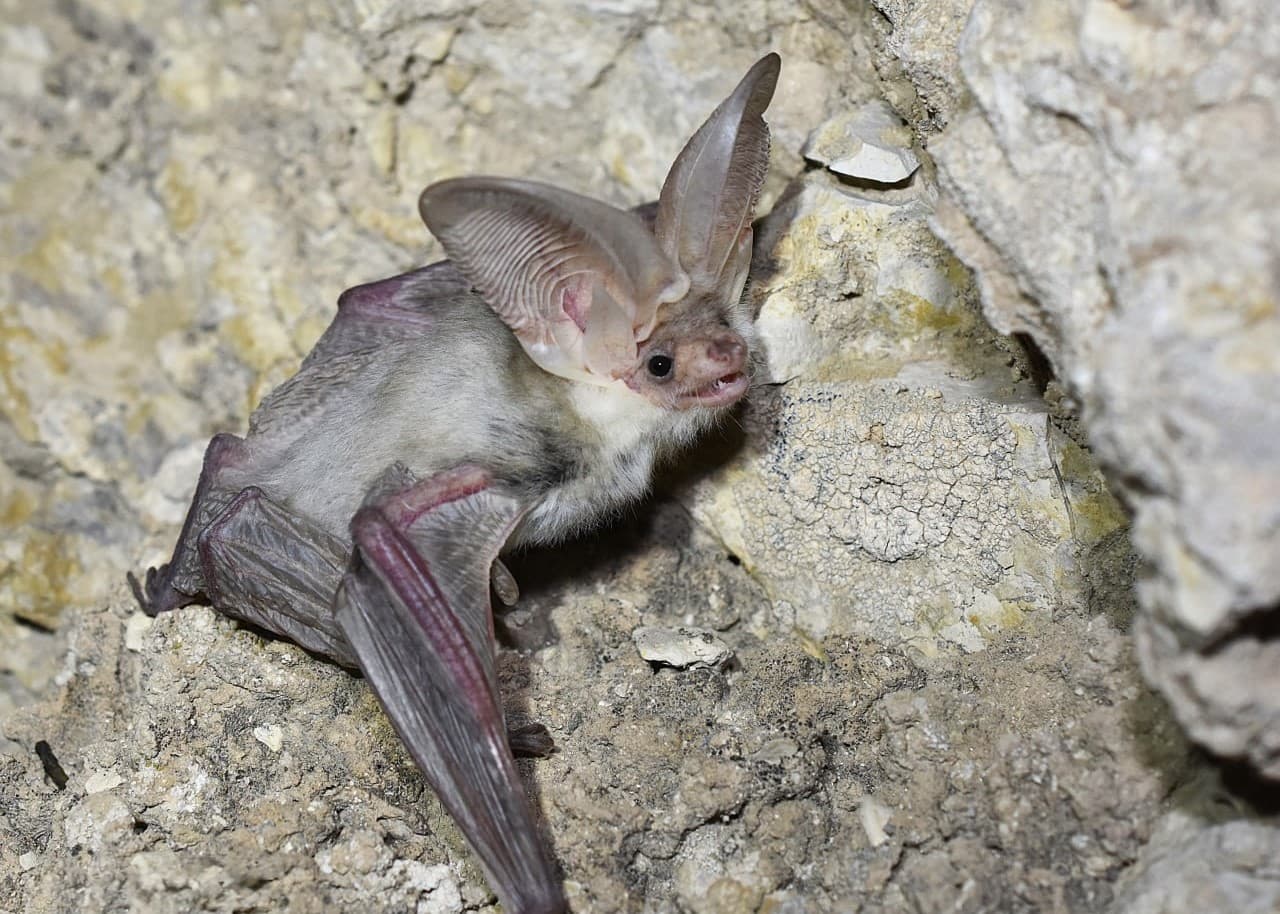
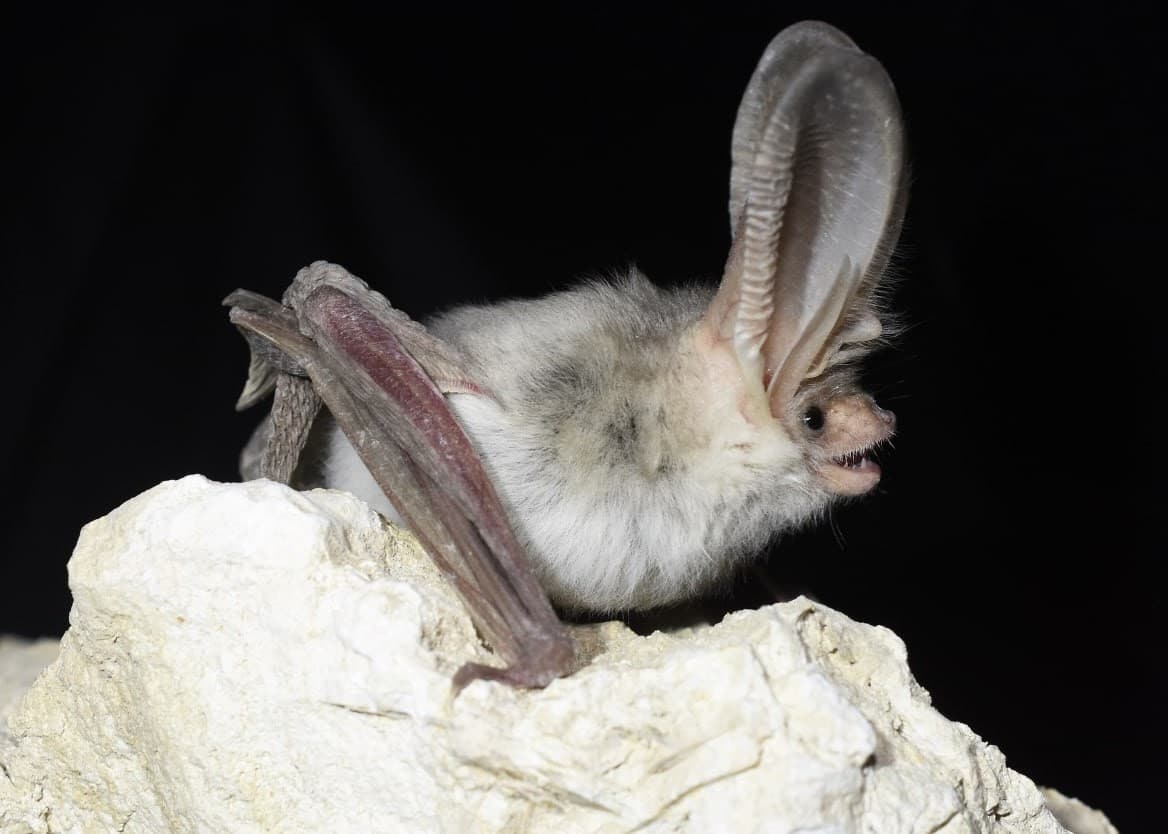
The research was carried out under the international IKI project "One Health in Nature Conservation: Strengthening Landscape Resilience to Zoonotic Disease Emergence through Enhanced Nature Conservation Systems in Central Asia". The project is implemented by the International Union for Conservation of Nature (IUCN), with the support of the National Committee on Ecology and Climate Change of the Republic of Uzbekistan.
The Turkmen long-eared bat is a rare bat species whose distribution and ecology remained poorly understood until recently. In 1988, zoologist Pyotr Petrovich Strelkov described it as a subspecies of the grey long-eared bat (Plecotus austriacus). In 2006, Friederike Spitzenberger and her co-authors recognised the Turkmen long-eared bat as a distinct species based on morphological and genetic evidence.
Before recent research, the last known record of this species in the wild dated back to 1970. No further sightings were documented over the following 55 years, and knowledge of the species was based primarily on museum specimens.
In autumn 2025, an international team of researchers from Germany, Uzbekistan and Turkmenistan, led by the Museum für Naturkunde Berlin (Natural History Museum Berlin), rediscovered the Turkmen long-eared bat in the Karakum Desert in Turkmenistan. For the first time, researchers obtained photographs and video footage of live individuals and recorded their acoustic signals. One of the bats was found near the border with Uzbekistan. For more information about this discovery, see the news release by the Museum für Naturkunde Berlin.
The discovery of the Turkmen long-eared bat on the Ustyurt Plateau provides the first confirmation of the species' presence in Uzbekistan and marks a significant step forward in research on the country's biodiversity. The finding expands our understanding of the distribution of rare bat species in Central Asia and highlights the importance of continued scientific research in the Republic's lesser-studied natural areas.