
Zoonotic disease prevention discussed in Karakalpakstan
2026-10-07 17:00:00 / News
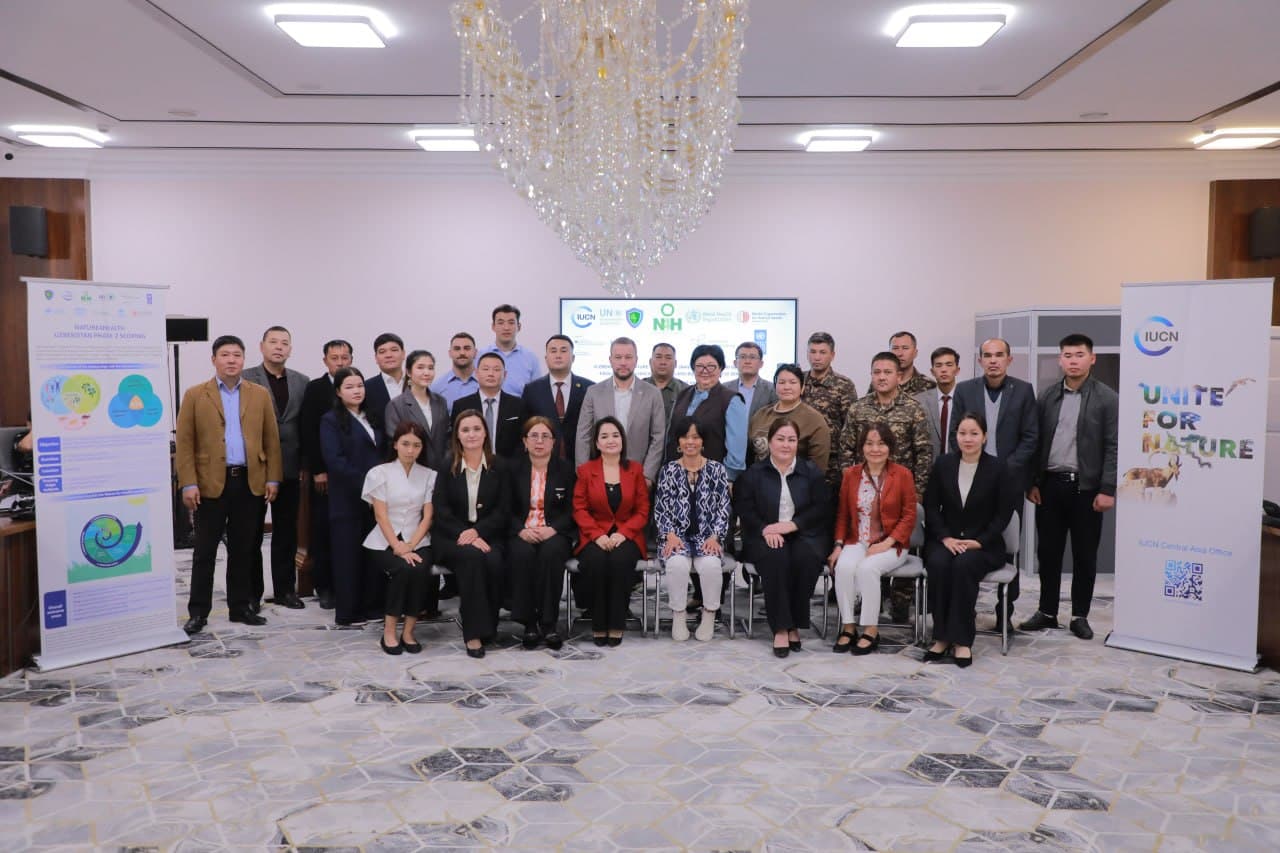
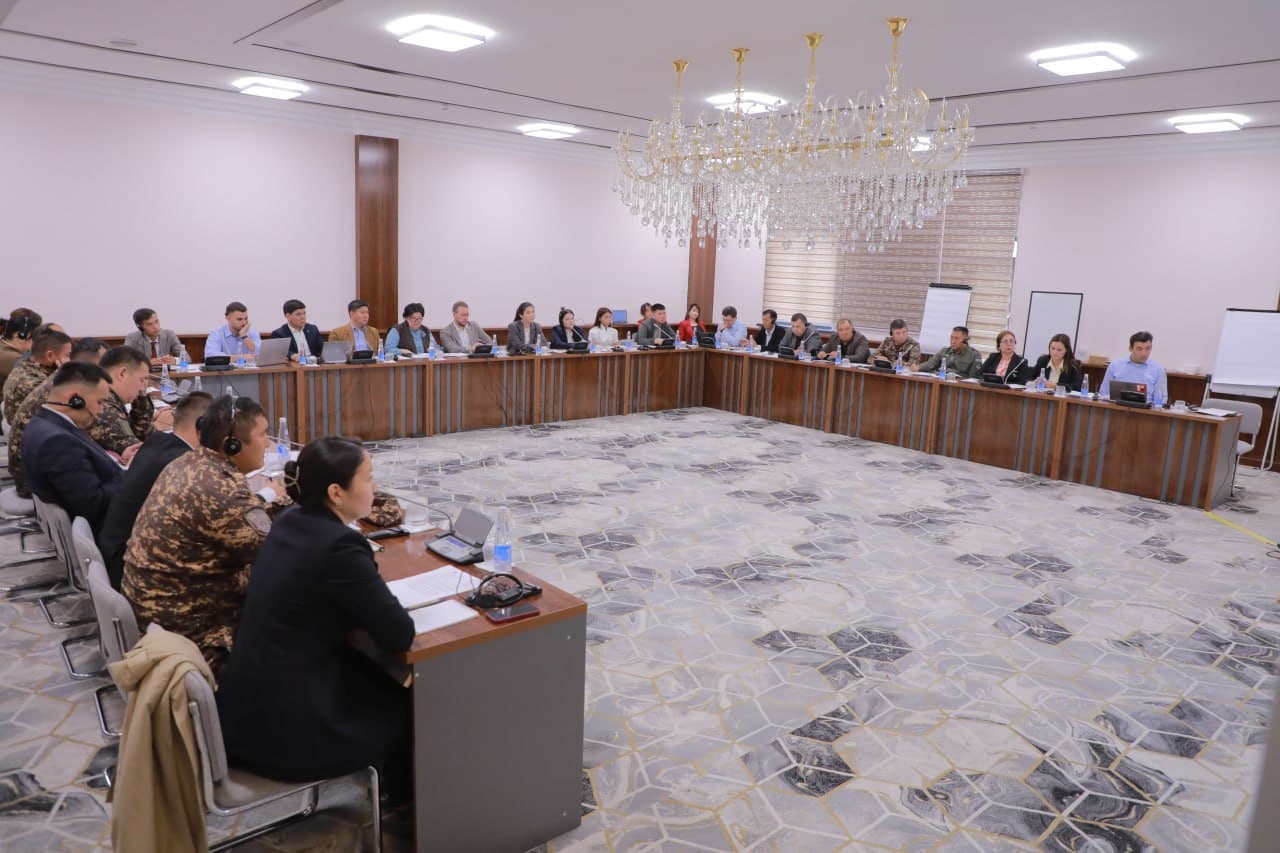
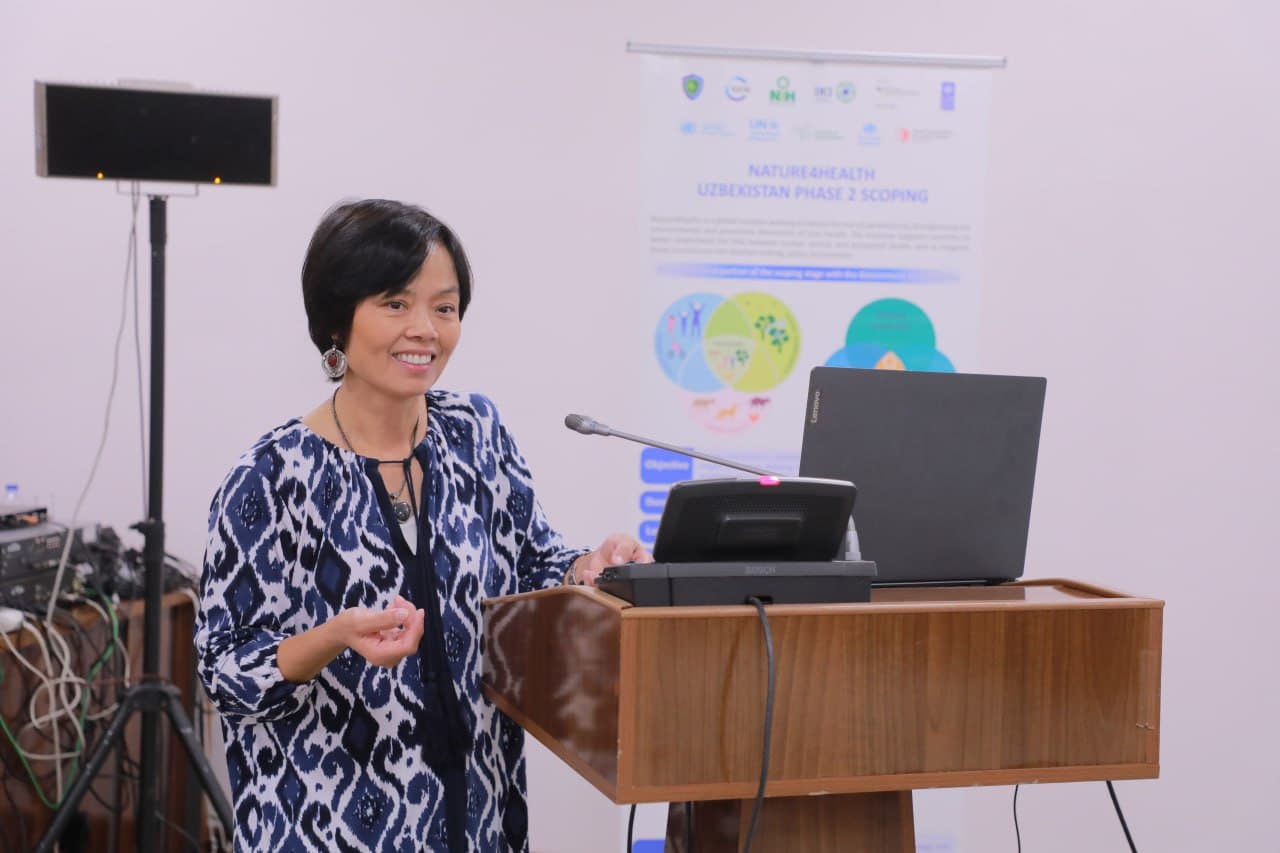
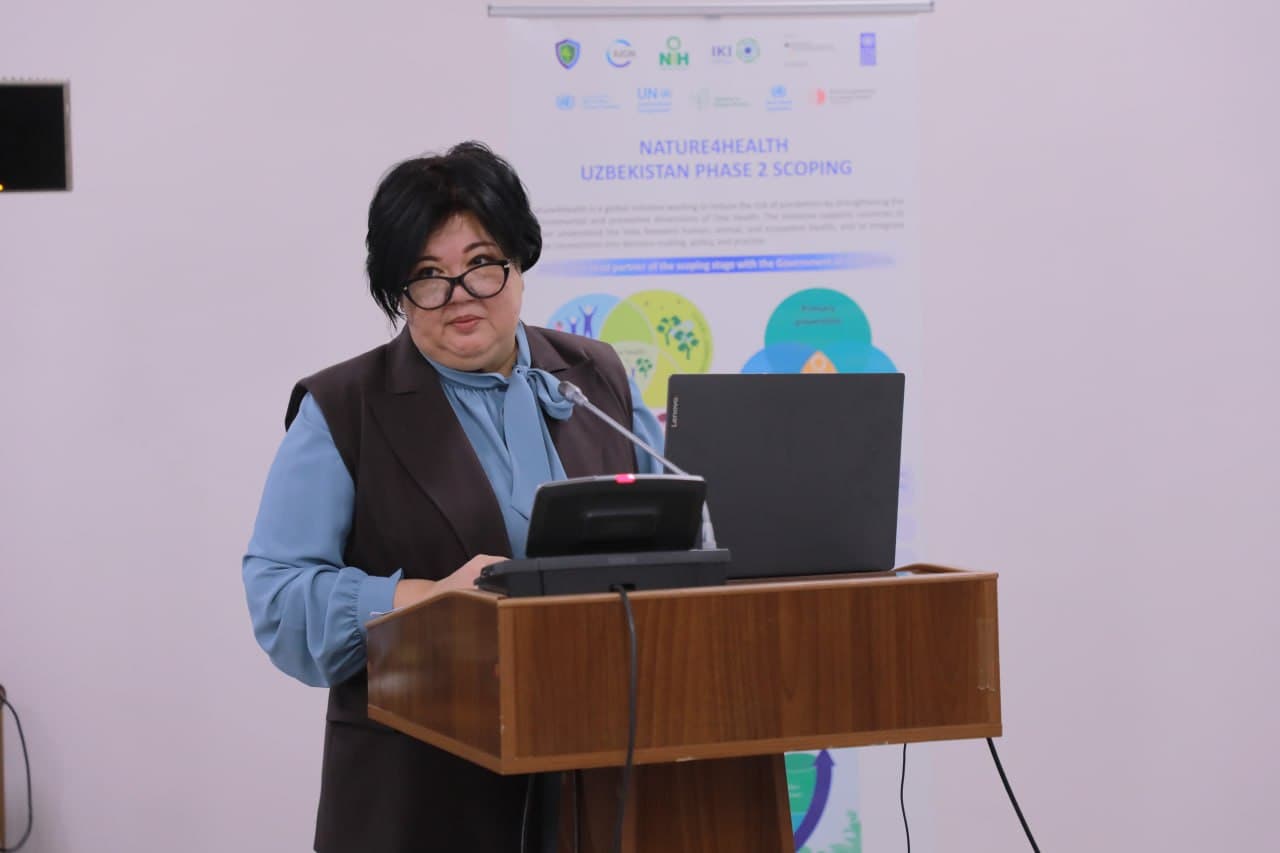
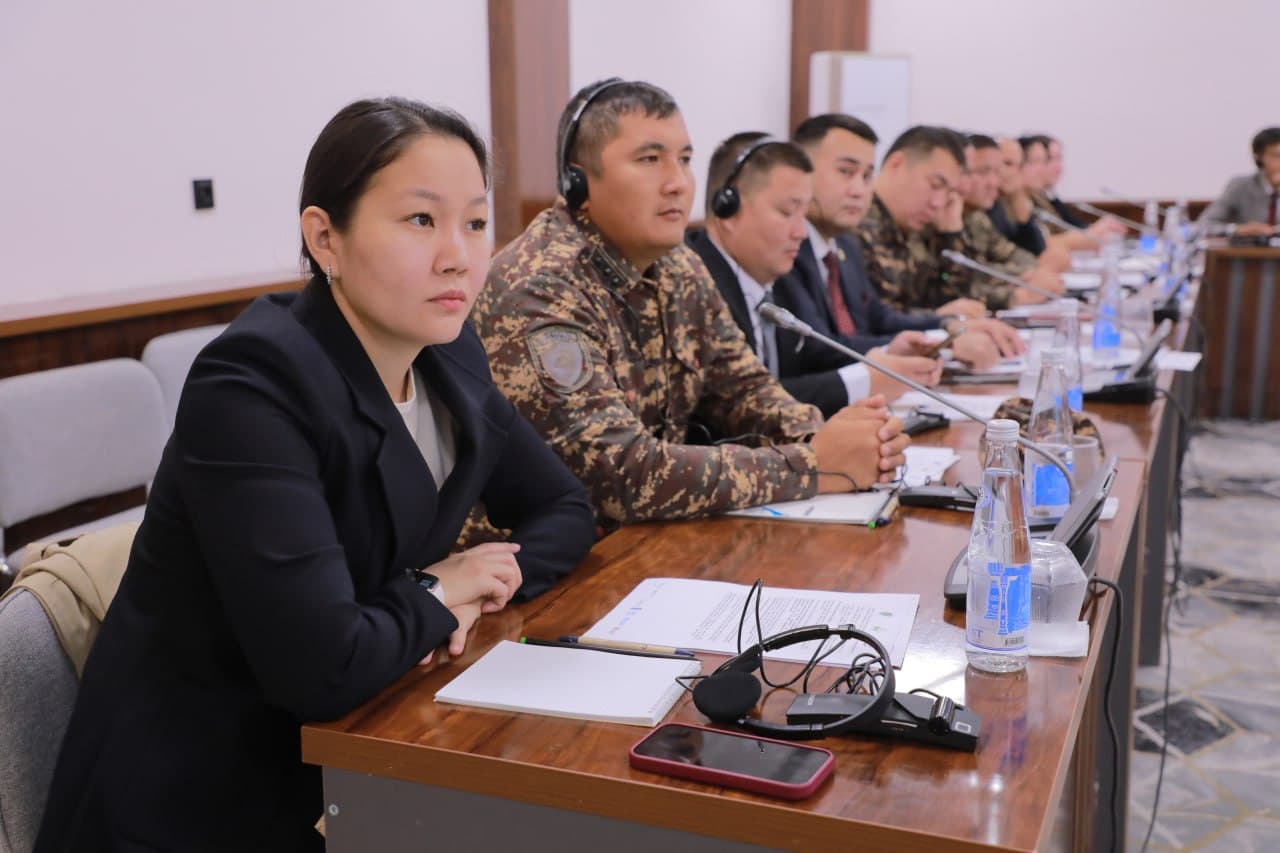
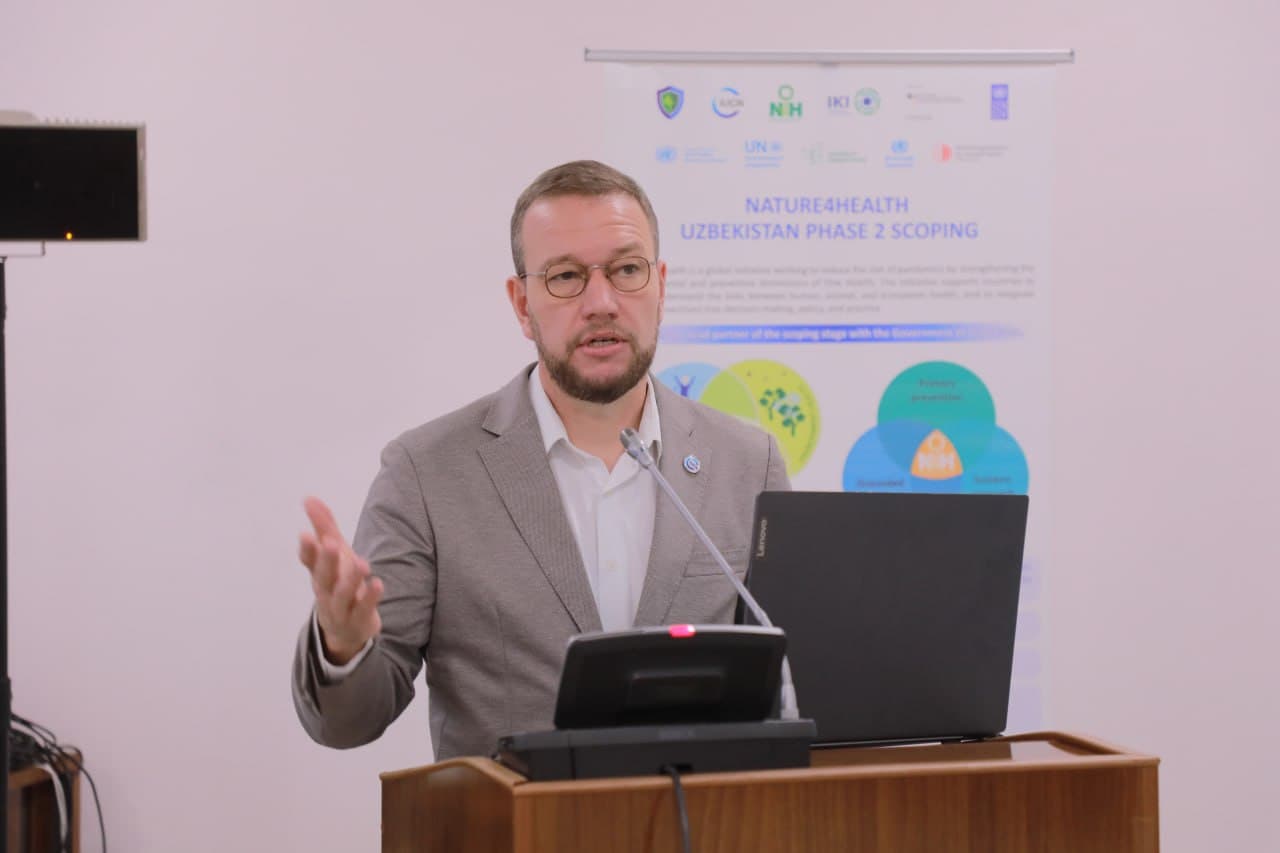
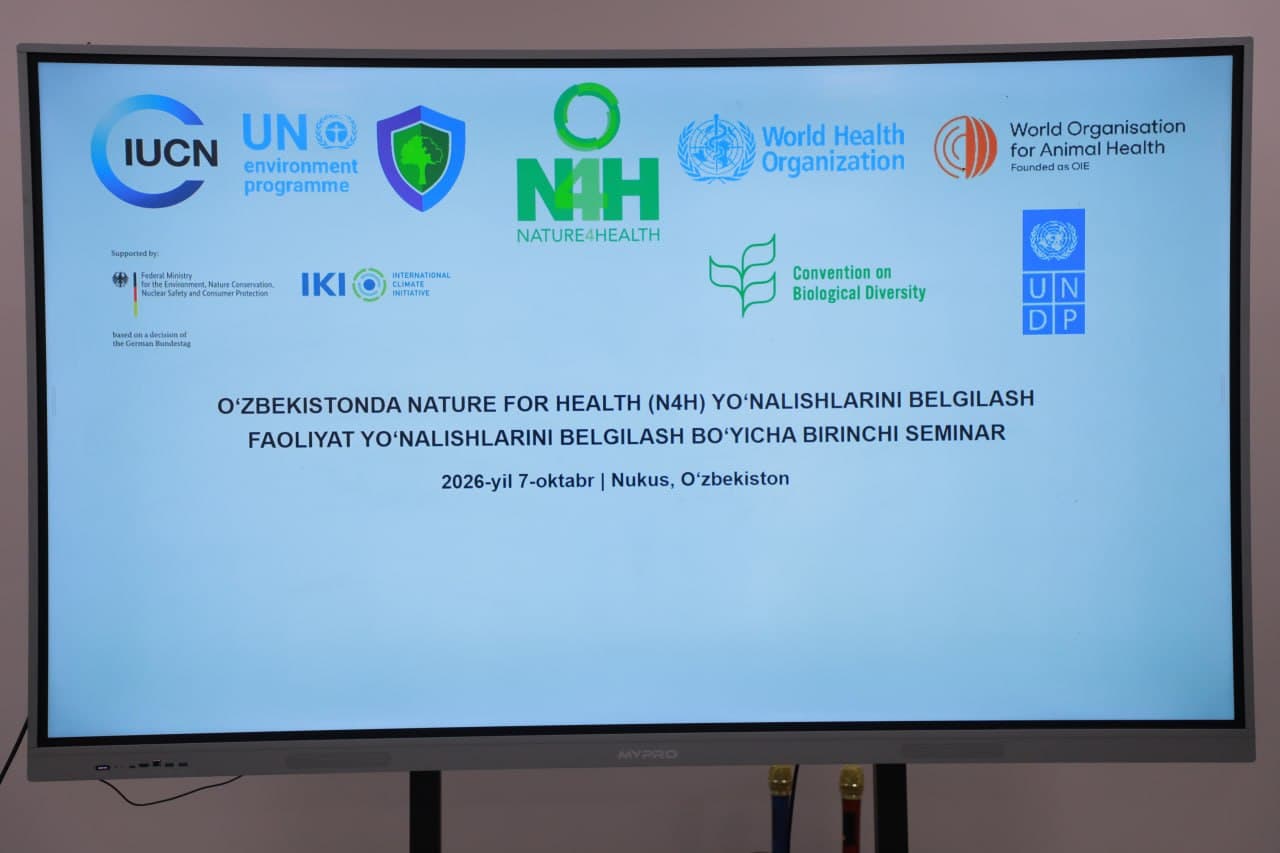
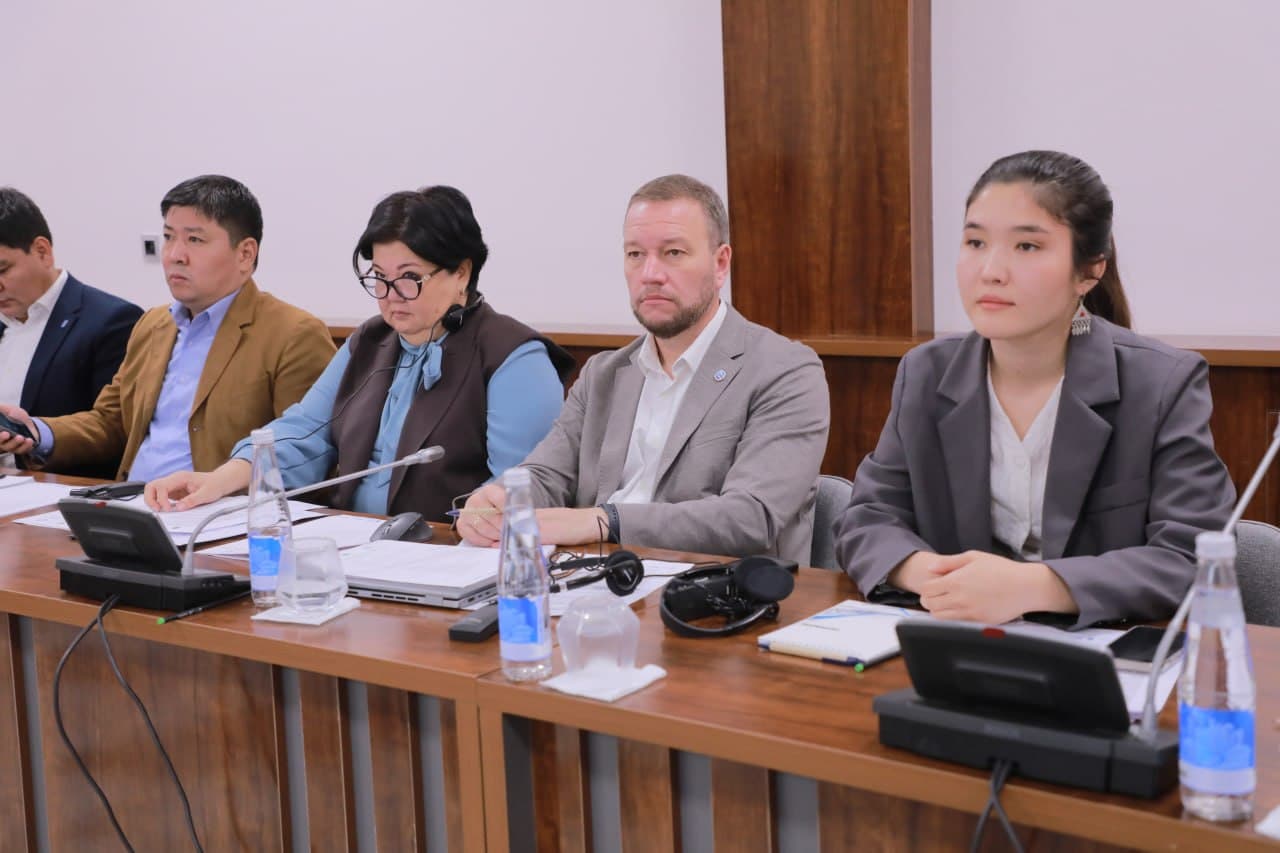
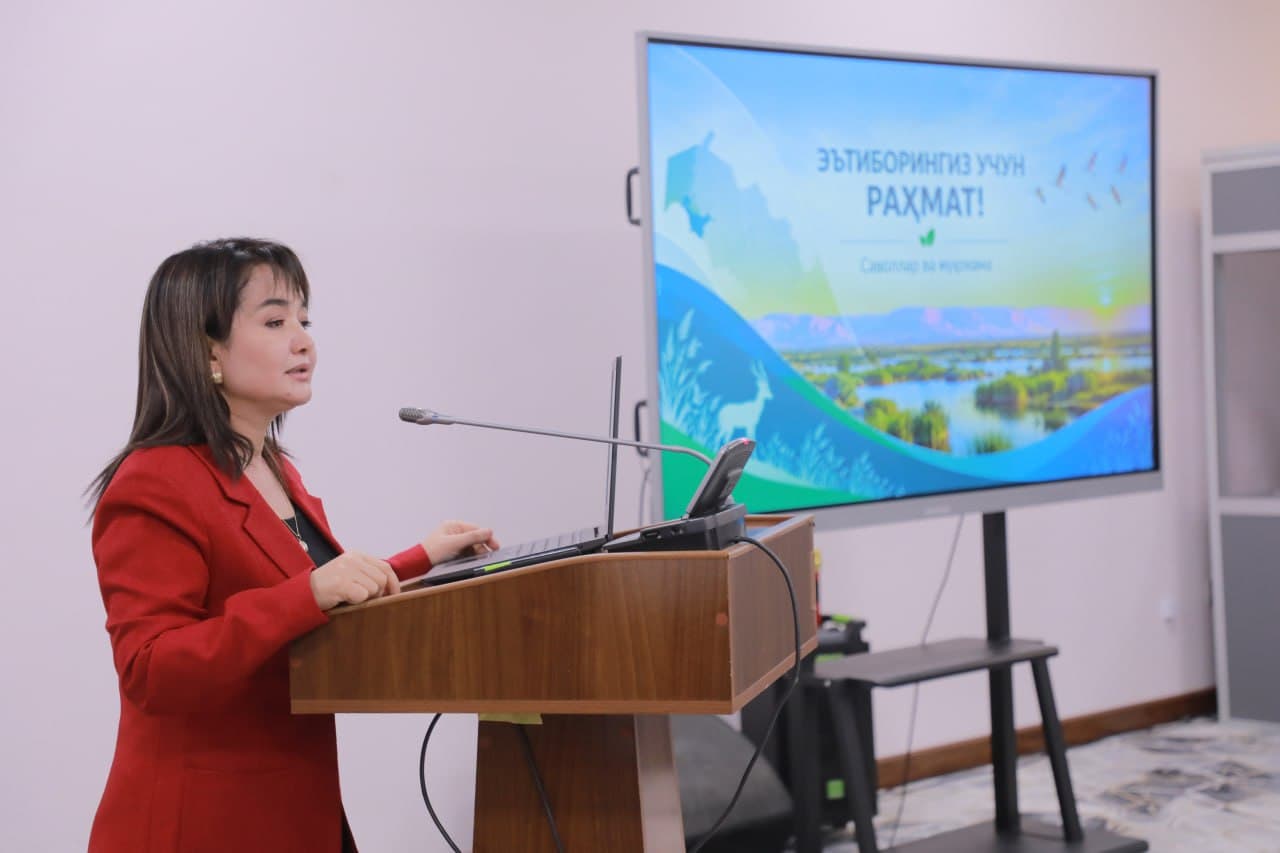
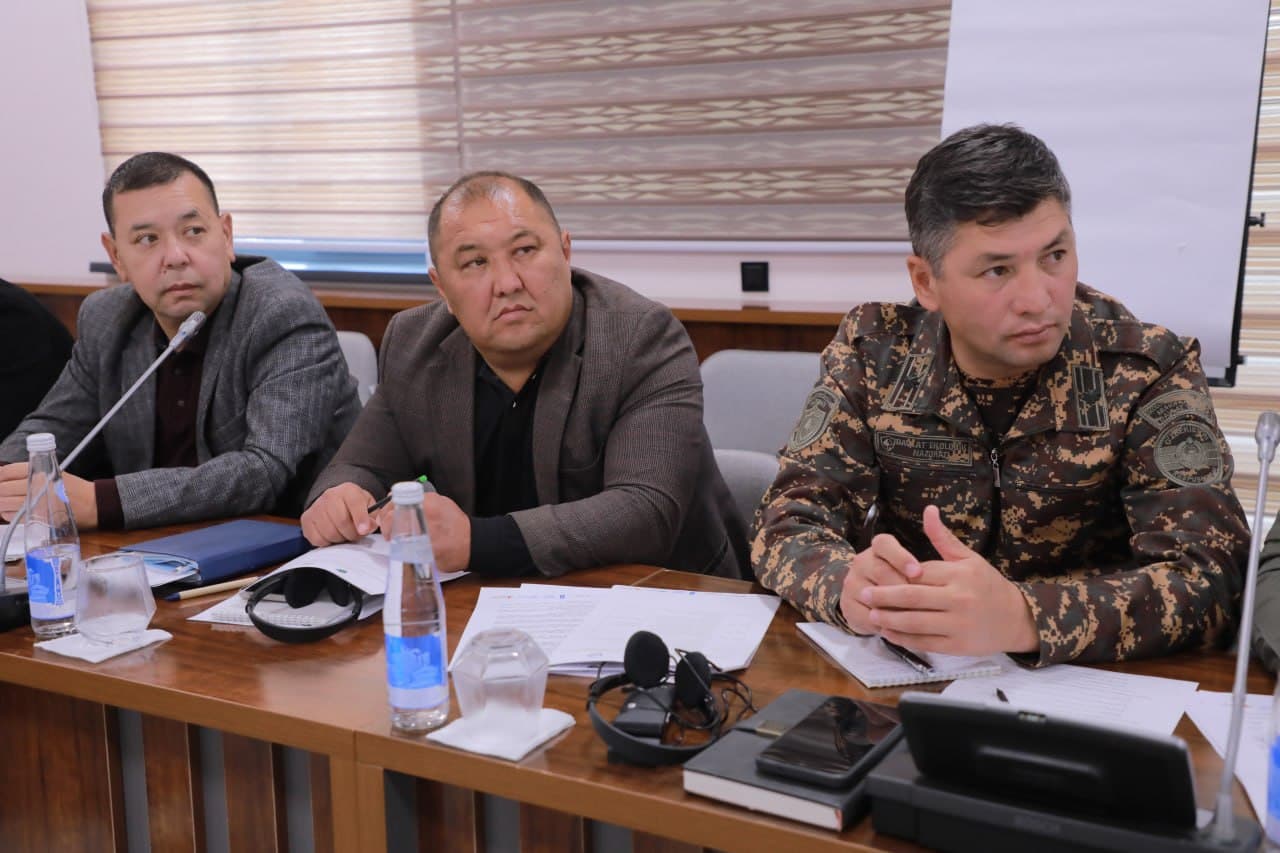
The event brought together representatives of government authorities, scientific and technical organizations, local authorities, and other relevant stakeholders. The seminar was organized by the International Union for Conservation of Nature (IUCN) in cooperation with the National Committee for Ecology and Climate Change of the Republic of Uzbekistan.
The discussions focused on the risks of the emergence and spread of zoonotic diseases associated with wildlife and human interactions with natural ecosystems.
During the seminar, specialists examined the interconnections between wildlife, livestock, people, and the environment, as well as the factors that may contribute to the emergence and spread of infectious diseases.
Participants jointly analyzed existing risks in Karakalpakstan, potential disease transmission pathways, key risk factors, institutional aspects, and existing data gaps. Particular attention was given to measures that can be taken at an early stage to prevent and reduce these risks.
One of the key outcomes of the seminar was the development of an initial systems map of the issues and interconnections involved. Through practical and group discussions, participants identified potential root causes of risks, bottlenecks, and possible entry points for preventive measures.
“Preventing zoonotic diseases requires coordinated action across different sectors, as well as a deeper understanding of the interconnections between people, animals, and the environment. This seminar provided an important platform for bringing together national and local expertise, helping us better understand the existing risks in Karakalpakstan and identify practical opportunities for prevention,” said Leyli Seitova, Chairperson of the Committee for Ecology and Climate Change of the Republic of Karakalpakstan.
Based on the discussions, preliminary priority areas and points for action requiring further study were identified. Participants also highlighted issues that require additional analysis and data collection.
“This seminar is an important first step in moving from understanding zoonotic risks towards identifying areas where preventive measures can deliver tangible results. By bringing together the knowledge and experience of specialists from different sectors, we can develop a more comprehensive understanding of the existing system and use the findings to inform the subsequent stages of the N4H inception process in Uzbekistan,” said Dmitry Gorshkov, Head of the IUCN Central Asia Representation Office.
The work carried out during the seminar will provide a basis for further consultations with stakeholders. The findings will be taken into account in the preparation of the final inception report and the project document for the implementation of the initiative.
Background: The seminar in Nukus was the first of three planned events as part of the N4H inception process in Uzbekistan. Nature for Health is a global initiative aimed at reducing risks to human health by addressing environmental and socio-environmental factors. The initiative promotes the environmental and preventive dimension of the One Healthapproach, which brings together human health, animal health, and ecosystem health.
N4H is implemented at the initiative of the German Federal Ministry for the Environment, Climate Action, Nature Conservation and Nuclear Safety (BMUKN), in partnership with international organizations with expertise in One Health, the environment, biodiversity, and human and animal health.