
Important Steps Towards Environmental Sustainability
2026-10-05 10:00:00 / News


Important reforms are being implemented in the areas of water resource management and sanitation. Local wastewater treatment facilities at industrial enterprises are being modernized, while vehicle washing facilities are being equipped with water-saving technologies. Cooperation on the efficient management and use of transboundary water resources is also being strengthened.
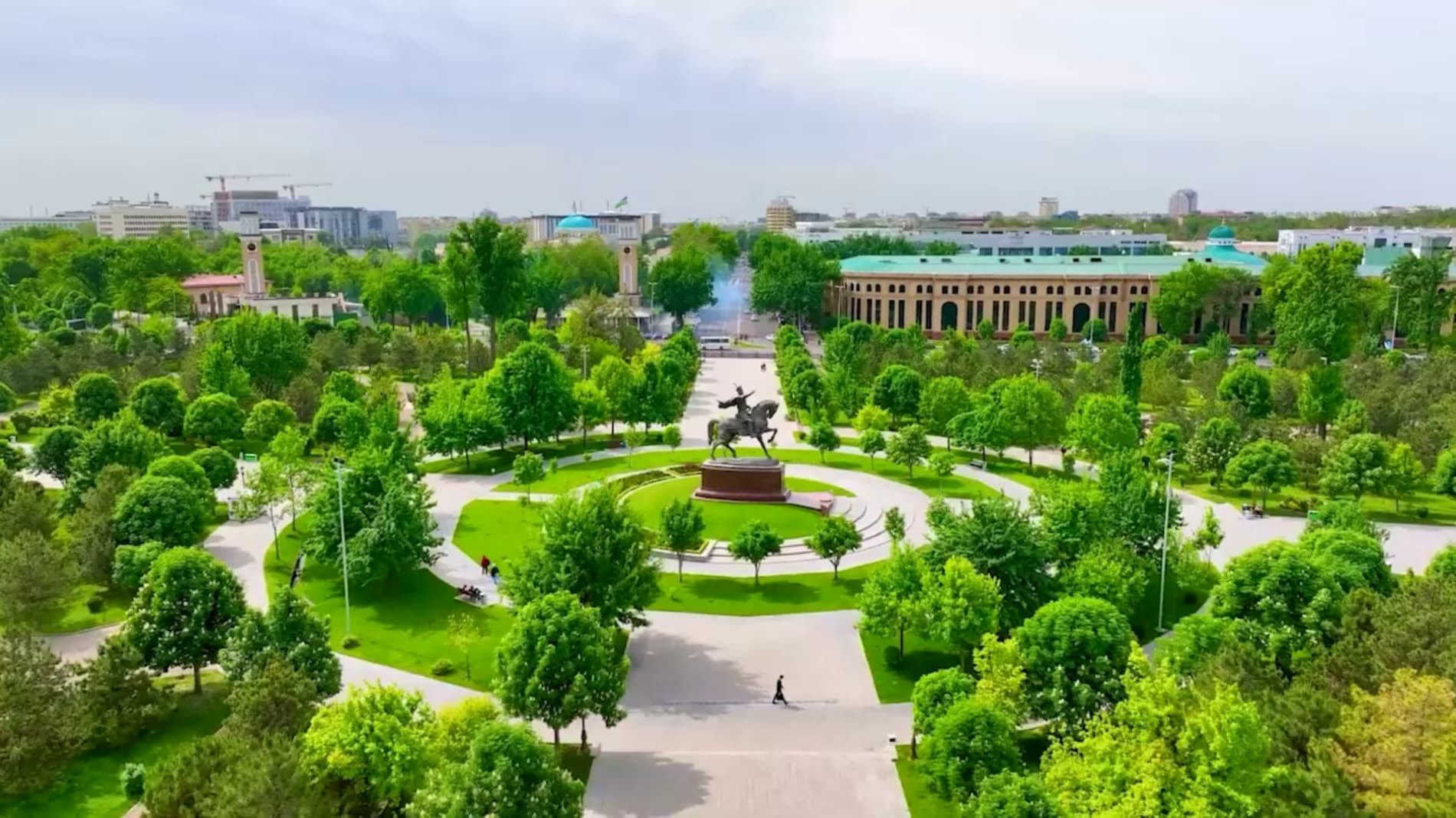
To protect the environment and enhance the sustainability of cities, monitoring systems for air, water, and soil quality have been expanded. Under the "Clean Air" project, dust and gas treatment systems at industrial enterprises are being upgraded. As part of the nationwide Yashil Makon project, millions of seedlings have been planted, and the country’s green cover has reached 15 percent.
To promote sustainable consumption and production, the Agency for Waste Management and Circular Economy Development has been established. Digital waste management systems are being introduced, the use of environmental labelling for products is being expanded and modern projects for waste recycling and waste-to-energy generation are being implemented.
Raising environmental awareness among the population is also one of the key priorities. To this end, the nationwide "Eco-Culture" project is being implemented, with particular attention given to promoting sustainable lifestyles and a responsible attitude towards nature. Green University and green technical colleges are providing training for qualified specialists in environmental fields, while also supporting scientific research.
Uzbekistan is also taking important steps to address climate change. Under the Paris Agreement, Uzbekistan has committed to reducing greenhouse gas emissions per unit of GDP by 35 percent by 2030 compared with 2010 levels. In addition, the country has set a target of increasing this reduction to 50 percent by 2035. These commitments reflect Uzbekistan’s continued efforts to advance its transition towards a green economy.
Significant efforts are also being made to conserve biodiversity and expand forest areas. The share of specially protected natural areas has reached 14.2 percent of the country’s territory. A new edition of the Red Book of Uzbekistan has been prepared and a list of national natural heritage sites has been established. In addition, green areas and protective forest belts are being established across thousands of hectares in desert and foothill regions.
These measures represent important steps in Uzbekistan’s efforts to strengthen environmental sustainability, conserve natural resources and create a healthy environment for future generations.