
State Nature Reserve "Sudoche-Akpetki"
2025-04-01 00:00:00 / Nature reserves


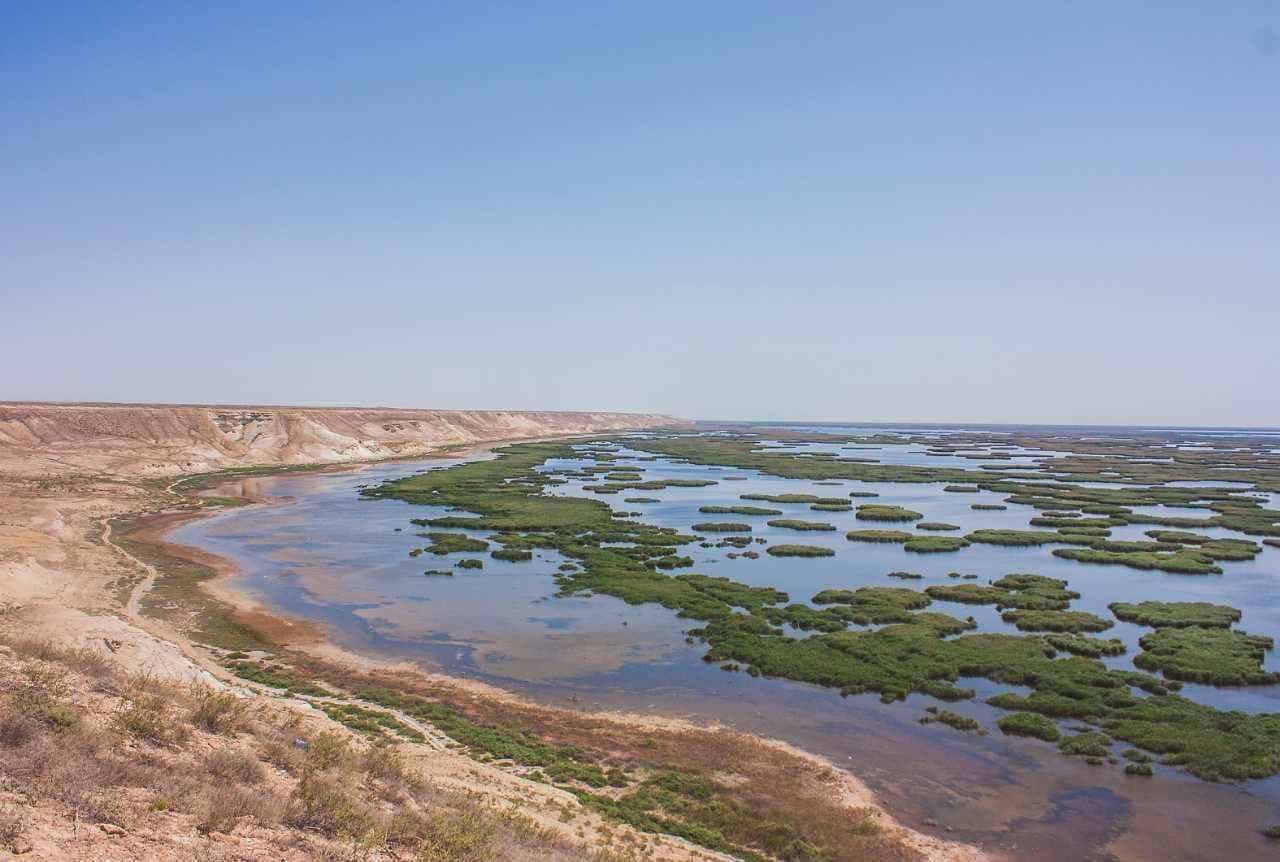

The territory of the State Nature Reserve "Sudoche-Akpetki" consists of such natural areas as the "Sudoche Lake System" section and the "Akpetki" section. The total area of the reserve is 280,507 hectares, of which the "Sudoche-Akpetki" section comprises 84,702 hectares and the "Akpetki" section comprises 195,805 hectares. The total area of the reserve's protected zone is 442,223 hectares, including 52,938 hectares in the "Sudoche Lake System" section and 389,285 hectares in the "Akpetki" section. The reserve is located in the territories of the Muynak, Kungirat, and Takhtakupyr districts of the Republic of Karakalpakstan.
The "Sudoche Lake System" section is a typical deltaic lake. The lake's water area and the Ustyurt Plateau to the west of it determine the high biological diversity of the area and provide its unique beauty. Preserving Lake Sudoche and the surrounding plains will help maintain landscape diversity in the face of the current desertification of the Amudarya Delta.
Two main types of ecosystems are found in the area: aquatic marshlands and desert territories, typical of natural faunal complexes. This area consists of large shallow freshwater and saline lakes adjacent to the Ustyurt Plateau, dense reed beds and salt-marsh lands, saxaul plantations, canals, deserts, and semi-deserts in chalk ravines, providing a habitat for unique plants and animals.
Fauna: 117 bird species nest here. The area serves as an important nesting and gathering place for migratory bird species threatened with global extinction. Among the birds inhabiting Lake Sudoche and the Ustyurt Plateau are several listed in the Red Book of the Republic of Uzbekistan and the IUCN Red List. These include the white-headed duck (sarka), steppe eagle, pink flamingo, Dalmatian pelican, spoonbill, and others. Among the Red Book and endemic fish species, the following can be distinguished: the Turkestan catfish, Aral pikeperch, as well as reptiles such as the Central Asian monitor lizard and Central Asian desert tortoise, among other animal species.
The "Akpetki" section comprises a complex of lakes, forests, and desert ecosystems. The Akpetki lake-forest faunal complex is characterized by 10 species of mammals and 19 bird species. In the desert ecosystem (sandy-saline desert), there are 26 species of mammals, 21 bird species, and 22 reptile species. According to preliminary estimates, 18 species of rare and endangered vertebrate animals have been registered in the area.
The following species of Red Book birds are also found here: Dalmatian pelican, pink pelican, little cormorant, pink flamingo, great crested grebe, pied avocet, mute swan, and other birds and mammals.
In 2022, a tourist facility was built in the Sudoche area. Observation platforms, gazebos, and shelters were built on the shores of Lake Sudoche to attract local and foreign tourists. In the tourist area, visitors can observe the environment and see ancient structures of the Urgi and flamingos.
For flamingos, Lake Sudoche serves as a transit point where they can feed before long flights. The main food of flamingos is small red artemia and its caviar. Flamingos also feed on mollusks, insect larvae, and worms. They search for food in shallow water. Flamingos arrive in March and leave in November. During these nine months, tourists come to see the flamingos. Among the major settlements near the reserve are the villages of Raushan and Karadjar, located 75 and 70 kilometers away, respectively.
Visit time
Weekdays from 12:00 to 20:00 in summer (until 17:00 in winter) Weekends and holidays from 09:00 to 21:00 (until 17:00 in winter)
Address: Kakhramon Street, 21, Samanboy Village, Nukus District, Republic of Karakalpakstan