
WTO accession to open new economic and environmental opportunities for Uzbekistan
2026-09-28 17:45:00 / News
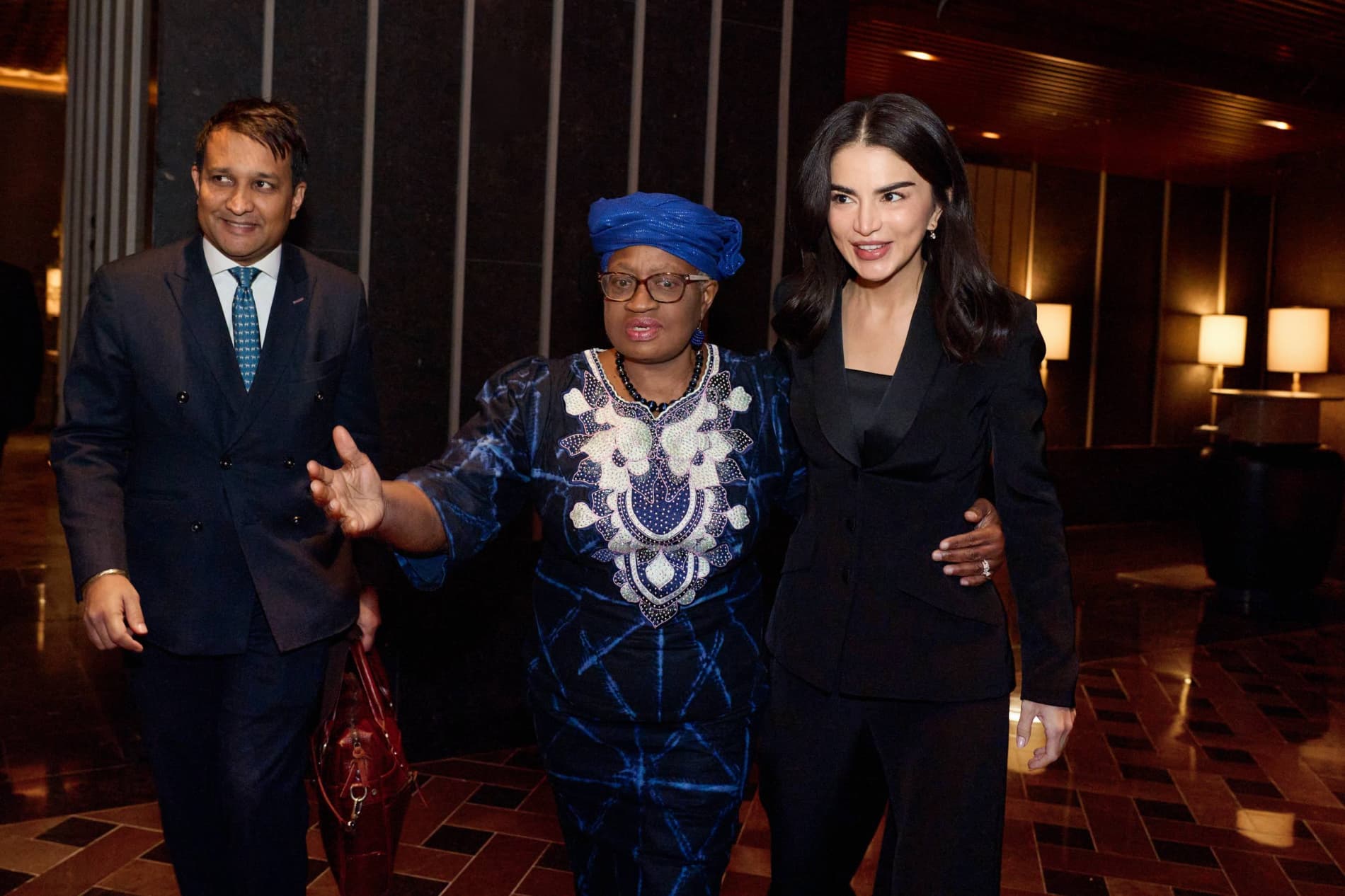

“We have come a long way, and it is now crucial that we maintain our momentum and bring the work we have started to completion,” Saida Mirziyoyeva said.
Accession to the WTO, first and foremost, means deeper integration of Uzbekistan into the international trading system. However, this process extends beyond economic, export and import issues. In today’s global economy, trade, technology, investment and environmental sustainability are closely interconnected. Uzbekistan’s integration into the WTO could therefore create new opportunities for the development of green technologies, more efficient use of natural resources, and further improvement of environmental standards.
What could WTO accession mean for the environment?
Environmental issues are playing an increasingly important role in international trade. Climate change, reducing carbon emissions, efficient resource use, waste management and the development of clean technologies are becoming important components not only of environmental policy but also of economic policy. Within the WTO, increasing attention is also being paid to the relationship between trade and environmental sustainability.
In particular, discussions cover the development of trade in environmental goods and services, including solutions in clean energy, waste management and efficient water use. For Uzbekistan, it is important to align these developments with national environmental policy and its objectives for the transition to a green economy.
New opportunities for clean technologies
Integration into the WTO could expand access to modern technologies, equipment and services. These include renewable energy technologies, energy-efficient equipment, modern dust and gas emission control systems, automated environmental monitoring systems, water-saving and water treatment technologies, as well as waste recycling equipment. The introduction and application of such technologies in Uzbekistan could contribute not only to the modernization of industry, but also to reducing its environmental impact.
How could this affect people’s daily lives?
The WTO is an international trade organization, but the processes taking place within it should not remain merely complex and distant economic concepts. As new technologies and environmental solutions are adopted more widely, their benefits could also become tangible in people’s daily lives.
Cleaner air. The use of modern pollution-control and monitoring systems at industrial facilities could help reduce emissions of pollutants into the atmosphere.
More efficient use of water resources. Modern irrigation, water-saving and water-treatment technologies can help conserve water resources.
Energy efficiency. Modern equipment can reduce energy consumption and improve resource efficiency in both production and everyday life.
Waste reduction. The development of recycling technologies can expand opportunities to reduce the volume of waste and return secondary raw materials to the economic cycle.
Product quality and safety. Access to international markets requires producers to ensure the quality and safety of their products and their compliance with established standards.
Environmental modernization as a factor in competitiveness
In global markets, competitiveness is increasingly linked to technological modernization and efficient resource use. For Uzbek enterprises seeking to enter international markets, it is important to modernize production processes, reduce energy and water consumption, improve waste management systems, and adapt to modern environmental requirements. This process can generate not only economic benefits, but also positive environmental outcomes.
Towards a green economy
The challenge for Uzbekistan is to avoid treating economic development and environmental sustainability as competing priorities and instead bring them together within a unified development model. WTO accession could create additional opportunities to access new technologies, investment, international cooperation and modern standards.
At the same time, WTO accession alone will not automatically resolve issues such as air pollution or waste reduction. Addressing these challenges requires a comprehensive approach, including effective national environmental standards, robust enforcement, technological modernization and responsible business practices in environmental protection.
In this context, Uzbekistan’s integration into the WTO could not only open access to new markets, but also create additional opportunities to accelerate the transition towards a modern, technology-driven and environmentally sustainable economy.
Ultimately, the goal is not only to increase trade volumes. The benefits arising from these new opportunities should also be reflected in people’s quality of life — through cleaner air, safe water, reduced waste, more efficient use of resources and a healthy environment.