
“We will fundamentally change our approach to water and nature”: President’s address takes centre stage
2026-09-22 16:00:00 / News
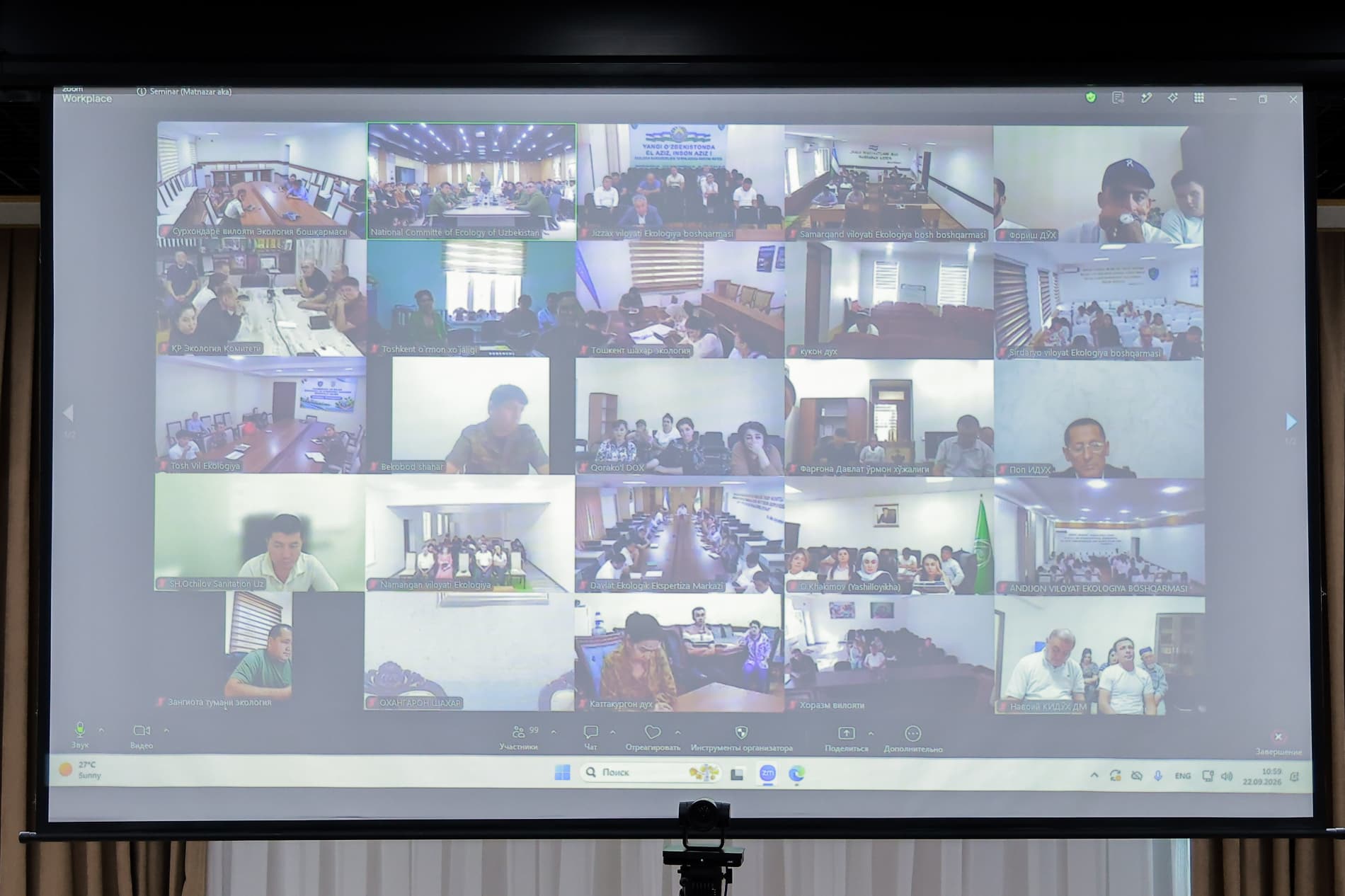
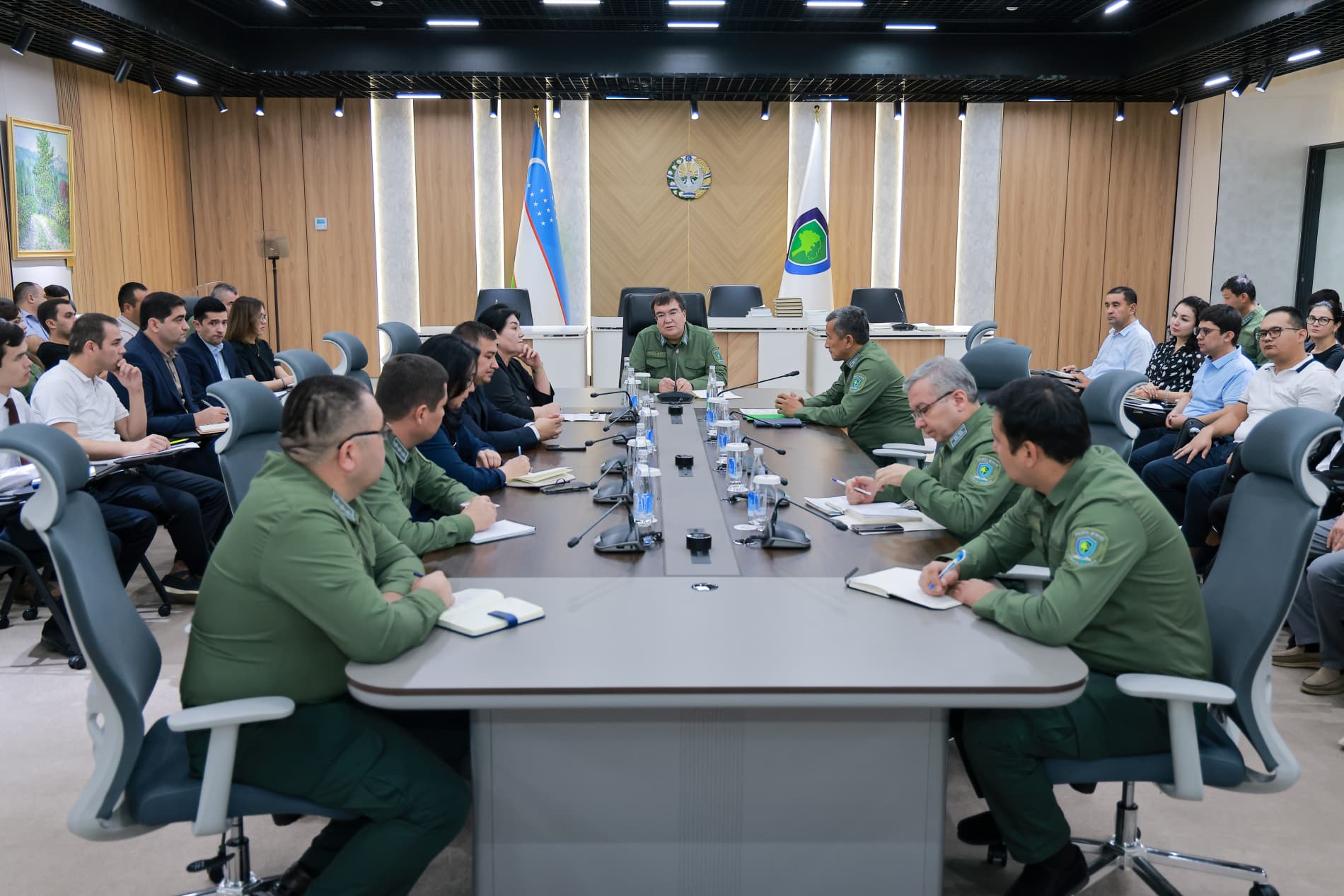
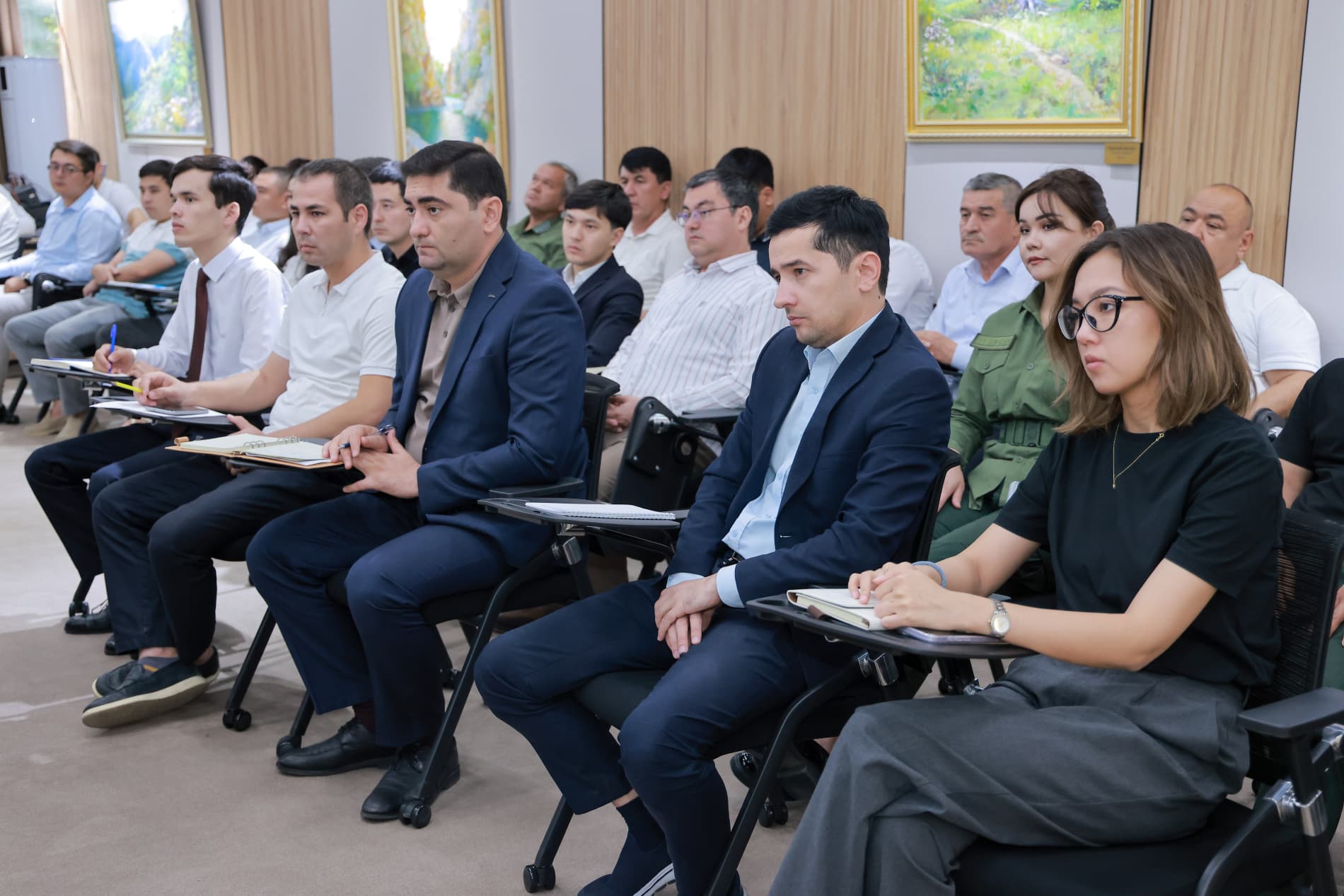
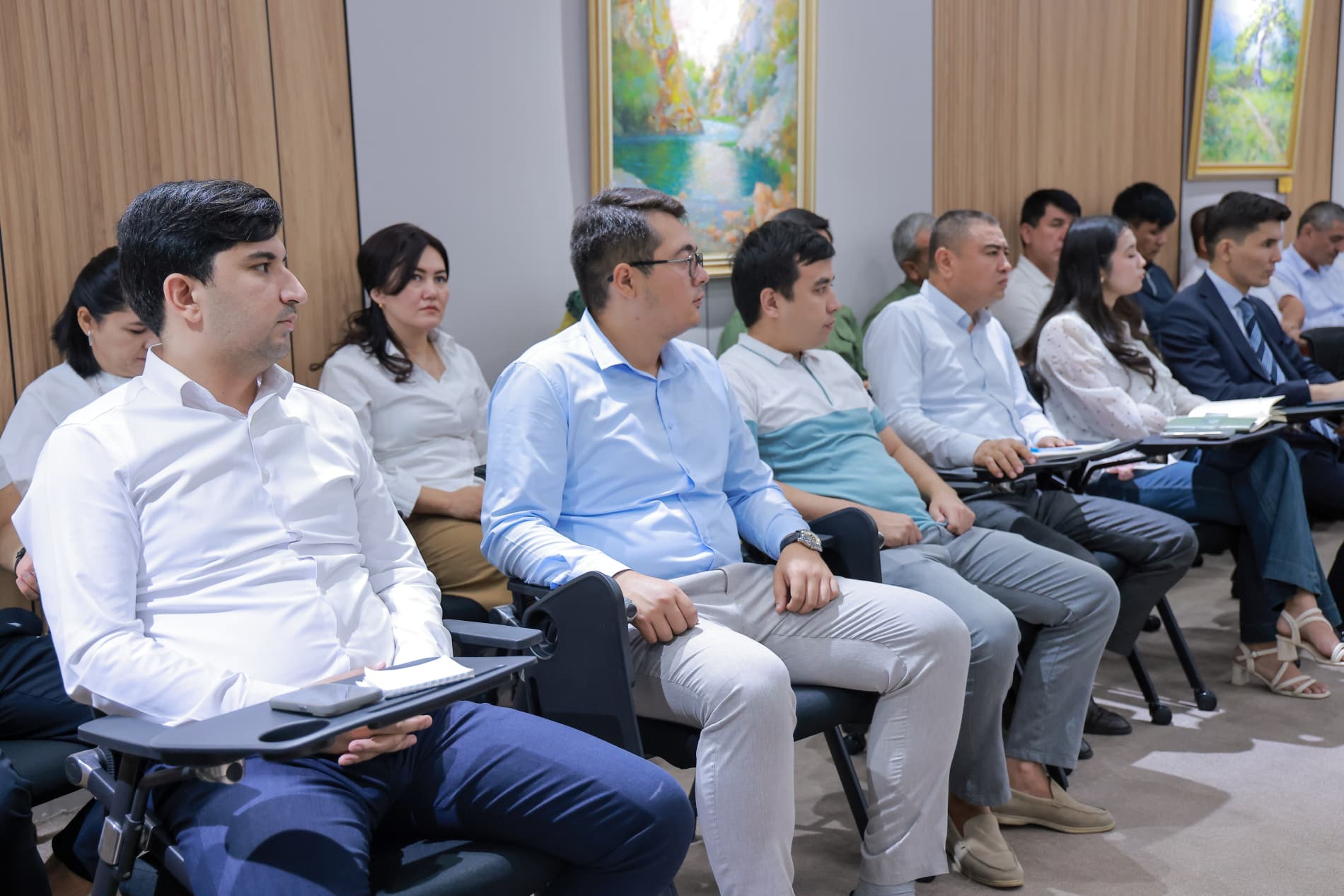
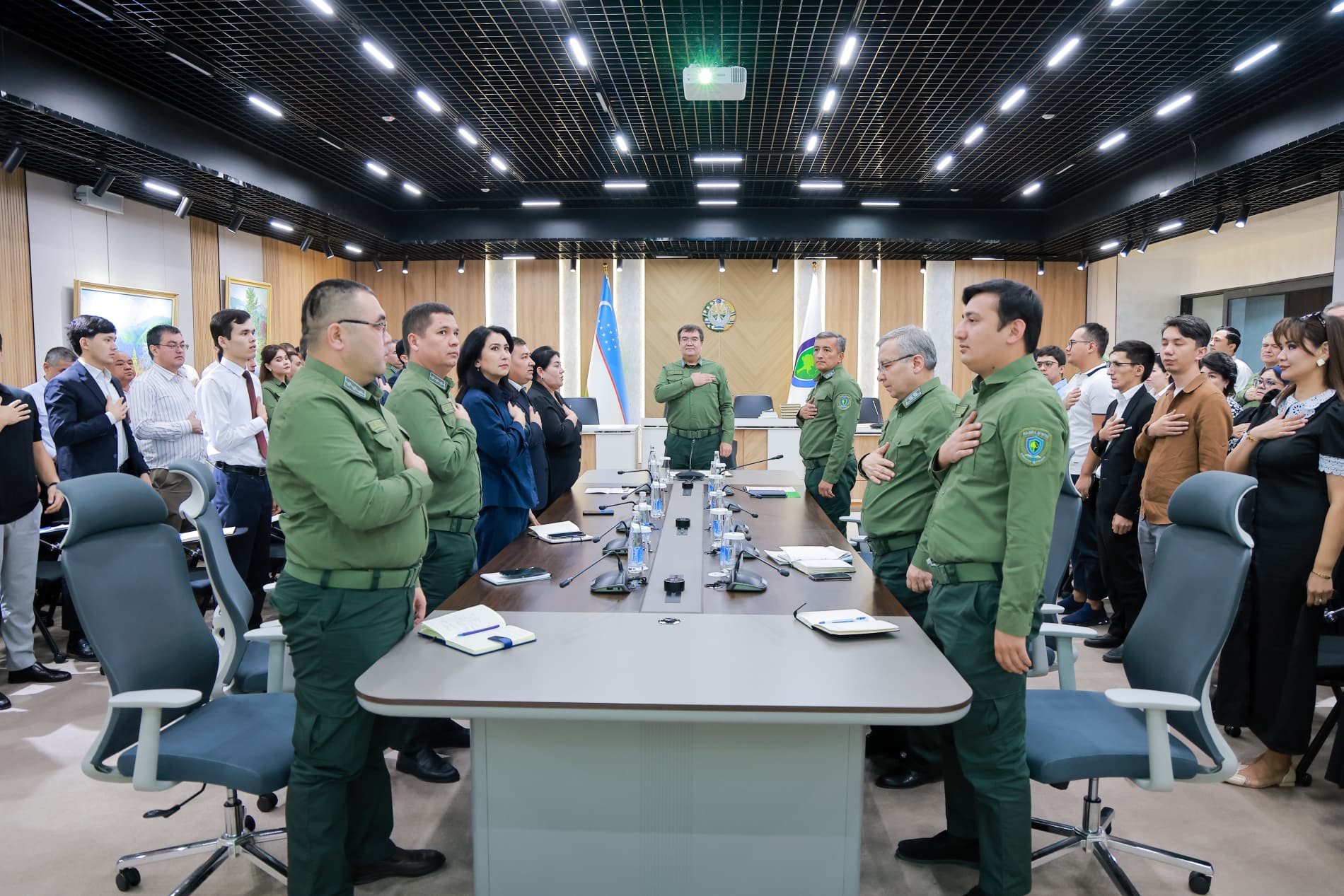
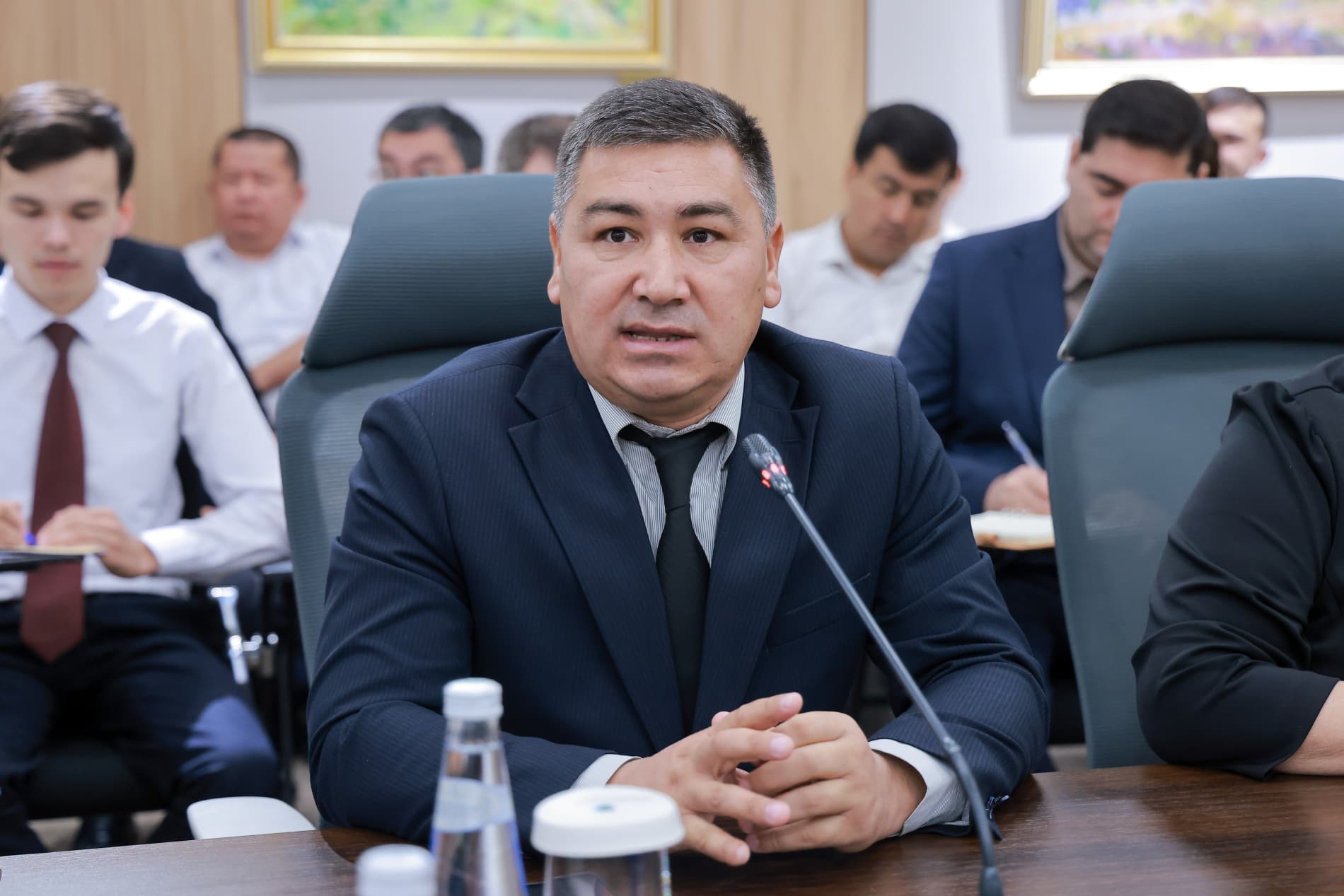
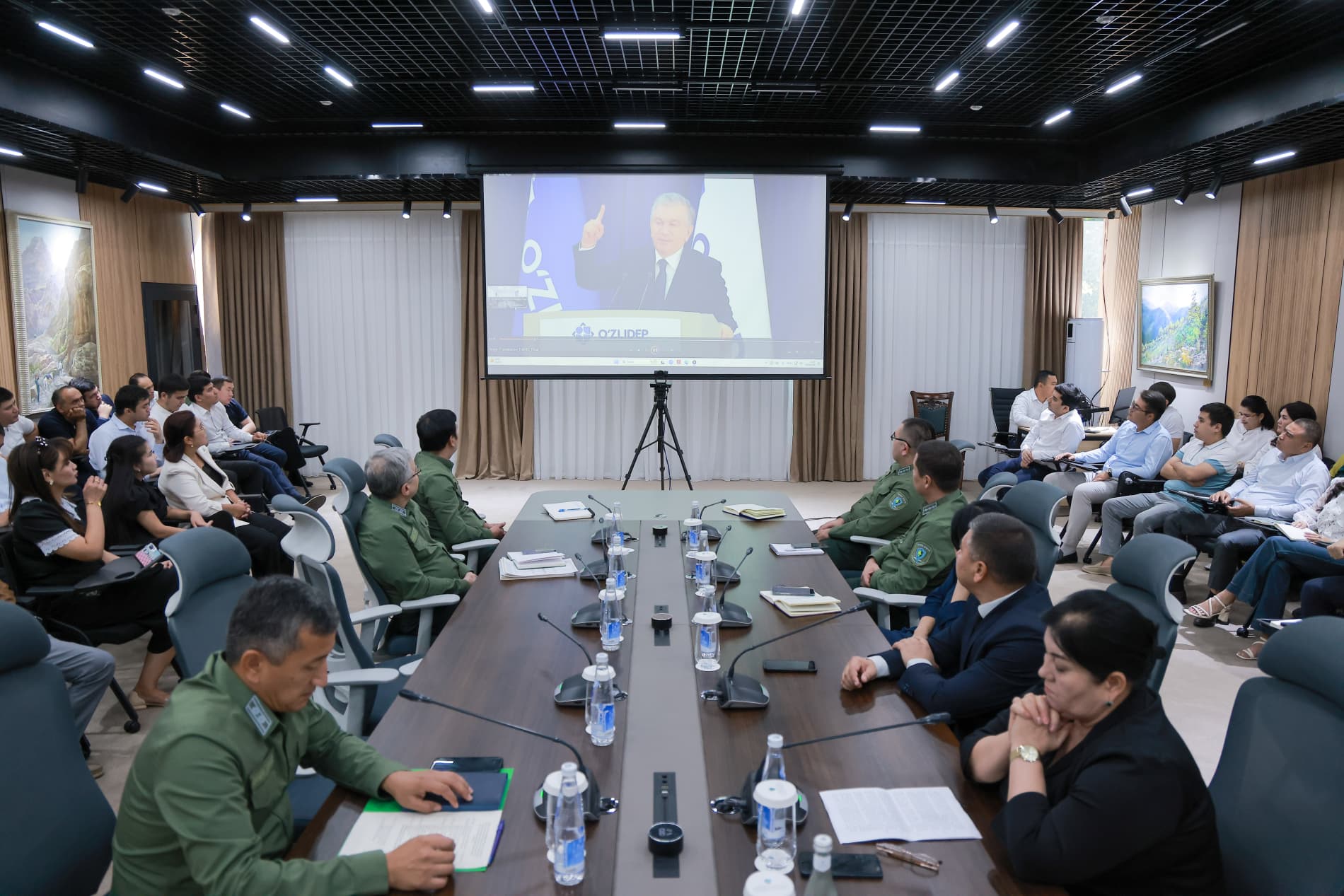
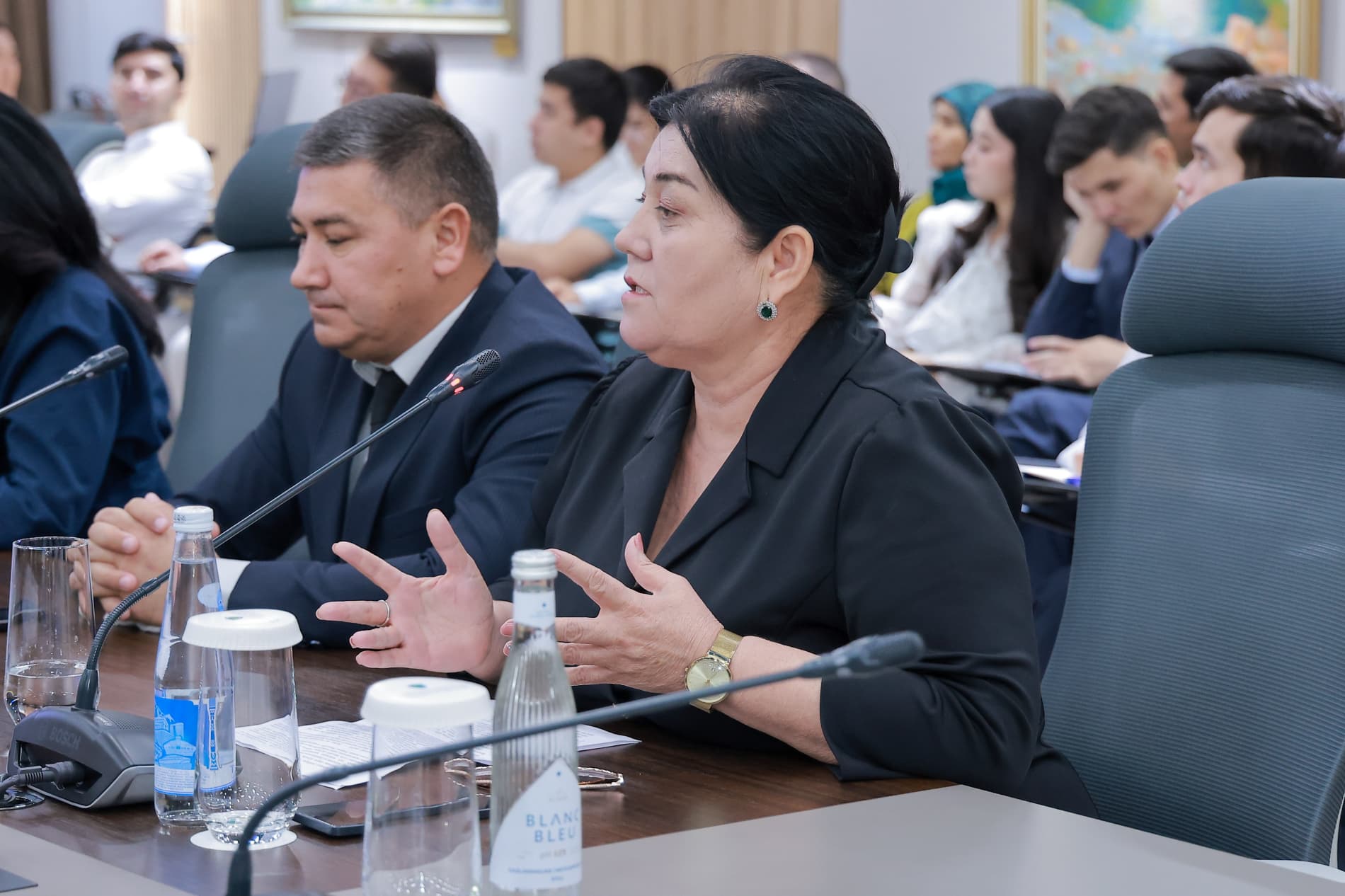
The event was attended by Otkir Jumanov, Head of the Executive Office of the Committee; Matnazar Elmurodov, Adviser to the Chairman of the Committee; representatives of the Republican Centre for Spirituality and Enlightenment; Farhod Ochilov, Doctor of Historical Sciences; Pardahol Norqobilova; as well as staff members of the National Committee for Ecology and Climate Change, its system organisations and territorial departments.
The event highlighted the President’s emphasis on a broad range of areas, particularly environmental protection. It was noted that Uzbekistan is entering an entirely new stage of development and that the coming decade is set to be a period of national advancement. Fundamental changes in the country’s approach to water and nature will play an important role in this process.
“Over the next five years, we will bring the coverage of cropland with water-saving technologies to 100 per cent. This will become a nationwide goal. Our attitude towards nature reflects the culture of the people, the responsibility of the state and the quality of development. Therefore, we will take the nationwide ‘Yashil Makon’ movement to a new stage of development. Green spaces around schools, kindergartens, hospitals and apartment buildings will be protected as an inviolable public asset. In the coming years, we will increase the share of green spaces in district and city centres to 30 per cent,” the President said in his address.
The event also featured a video dedicated to the development path of New Uzbekistan. It was noted that Uzbekistan’s independence did not simply emerge in 1991; rather, its roots can be traced back more than 3,000 years to the country’s traditions of statehood and the history of ancient civilisations. The contributions of the great scholars and thinkers of the First and Second Renaissance periods — Muhammad al-Khwarizmi, Beruni, Avicenna, Mirzo Ulugbek and Alisher Navoi — as well as the state-building role of Amir Timur, founded on the principles of justice and constructive development, were highlighted.
It was also emphasised that independence restored to the Uzbek people their dignity, sacred faith, native language and national values. Fundamental reforms in currency, tax, customs and investment policies enabled Uzbekistan to join the group of countries with a “moderately free economy”.
The address also outlined key priorities for the future. In particular, seven national programmes aimed at further enhancing human dignity will be implemented in the coming years: knowledge and skills will become the main capital for the country’s future development; the health and longevity of the people will be promoted; the economy will transition to a model based on advanced technologies and higher labour productivity; the country’s approach to water and nature will be fundamentally transformed; strengthening judicial independence and ensuring the rule of law will become shared values; and mahallas will become the principal drivers of community development.
In conclusion, Uzbekistan’s 35-year path of independent development has demonstrated major achievements rooted in the unity, hard work and creative potential of its people. The country now faces new strategic priorities focused on advancing education, healthcare, high technology and the economy; protecting the environment and water resources; upholding the rule of law; and strengthening mahallas and international cooperation. In the years ahead, human dignity, the well-being of the people and national development will remain key priorities, as Uzbekistan continues to develop as an increasingly strong, prosperous, peaceful and thriving country.