
Training on the "One Health" approach and biosafety for protected area specialists is being held in Tashkent
2026-09-22 15:00:00 / News
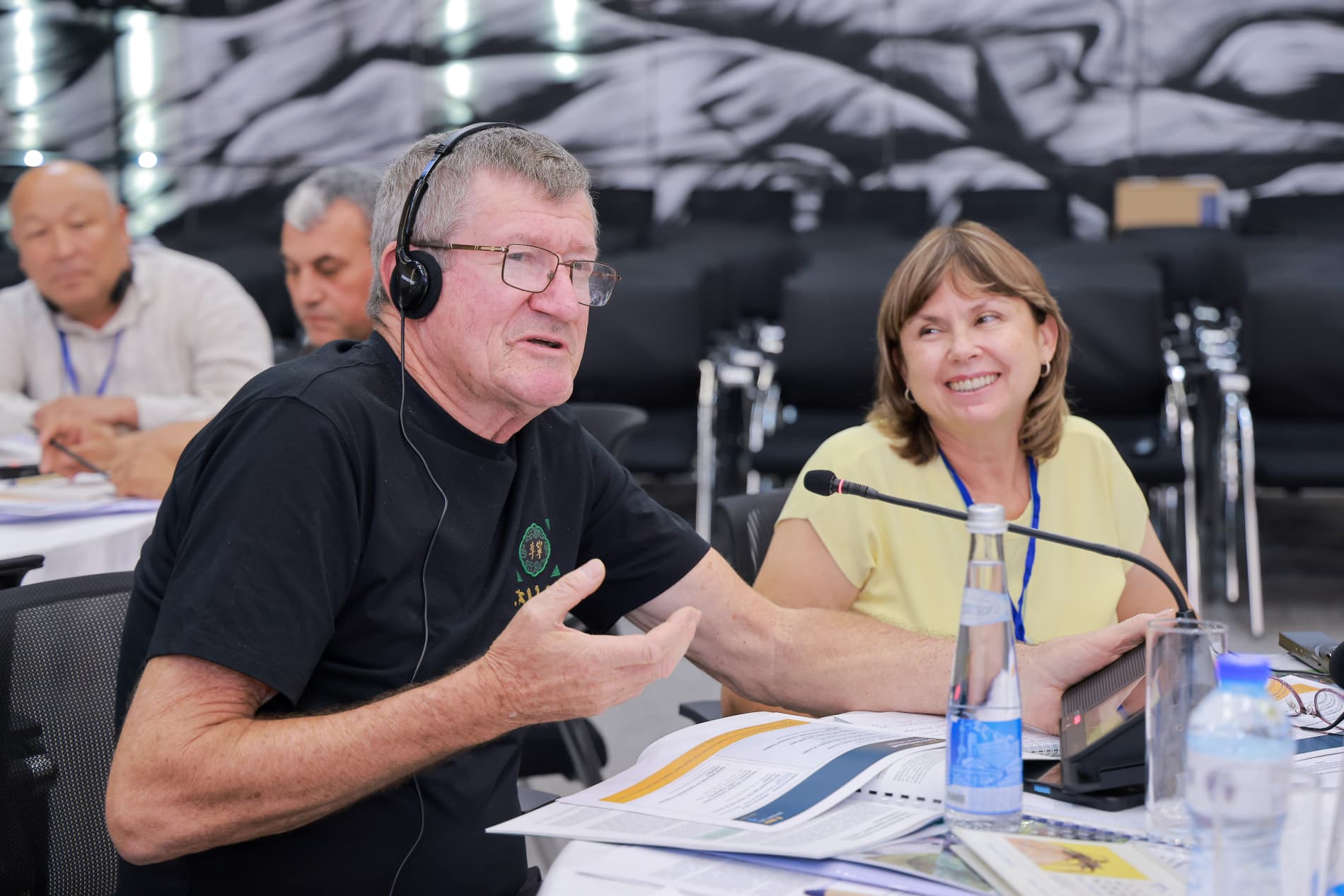
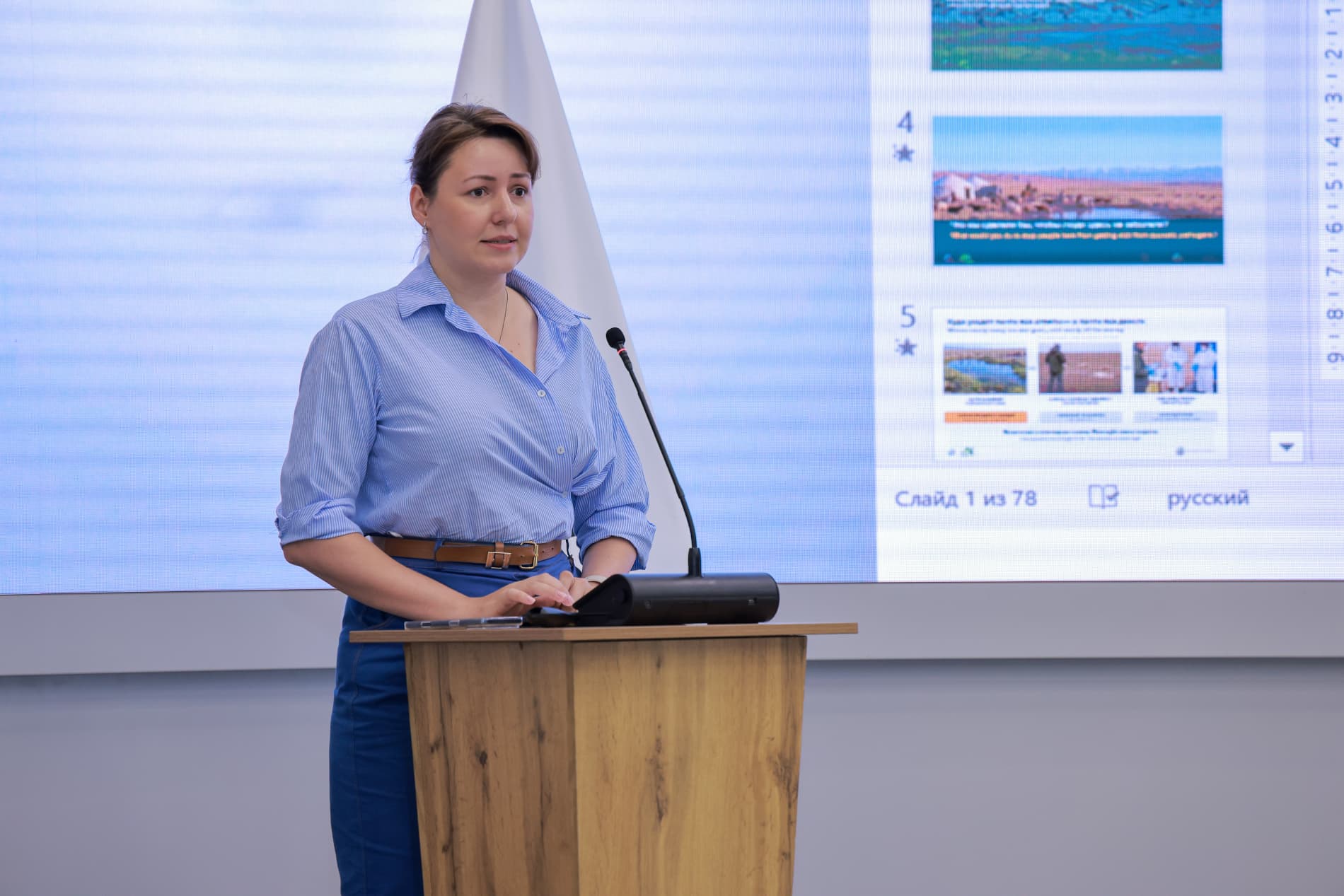
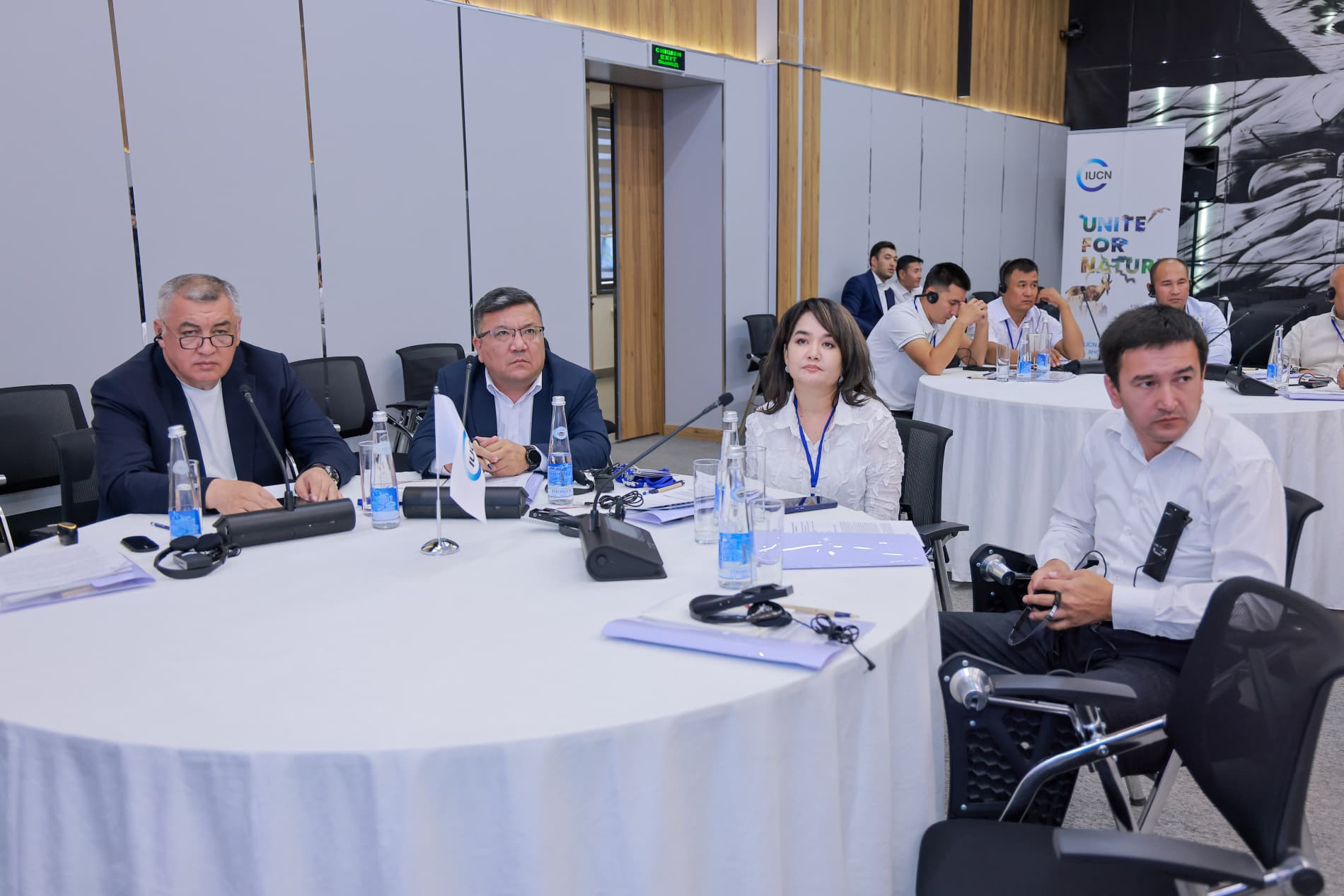
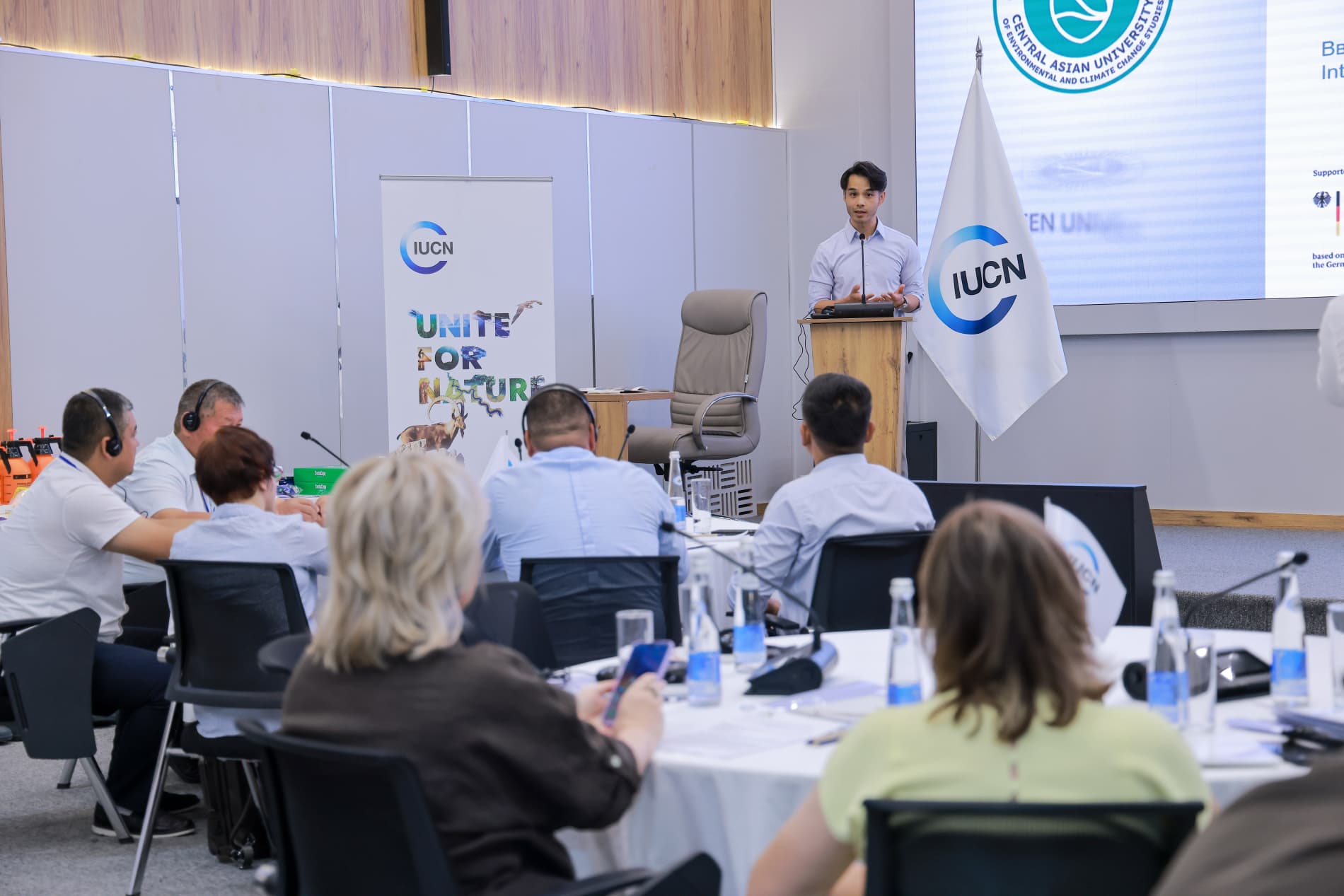
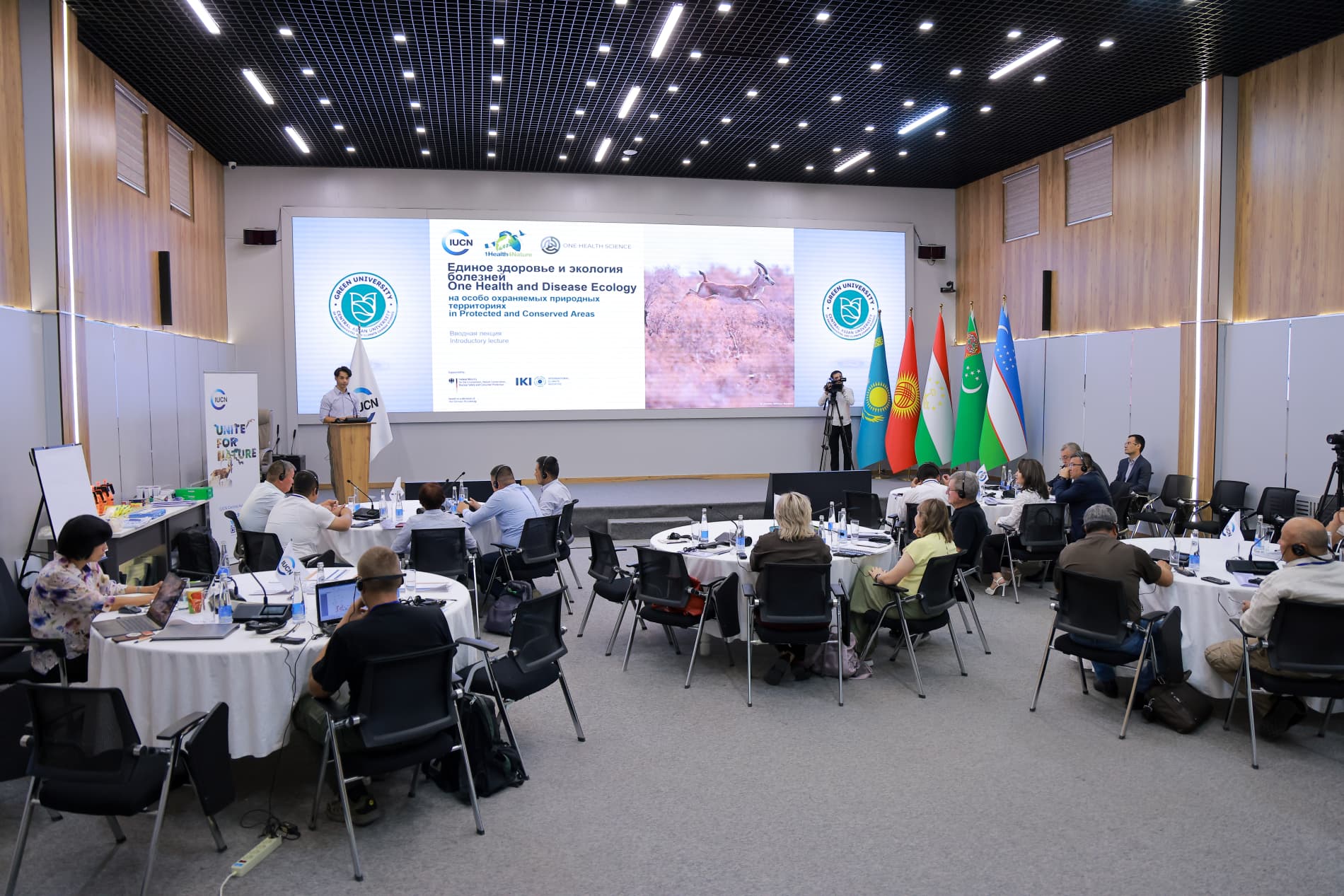
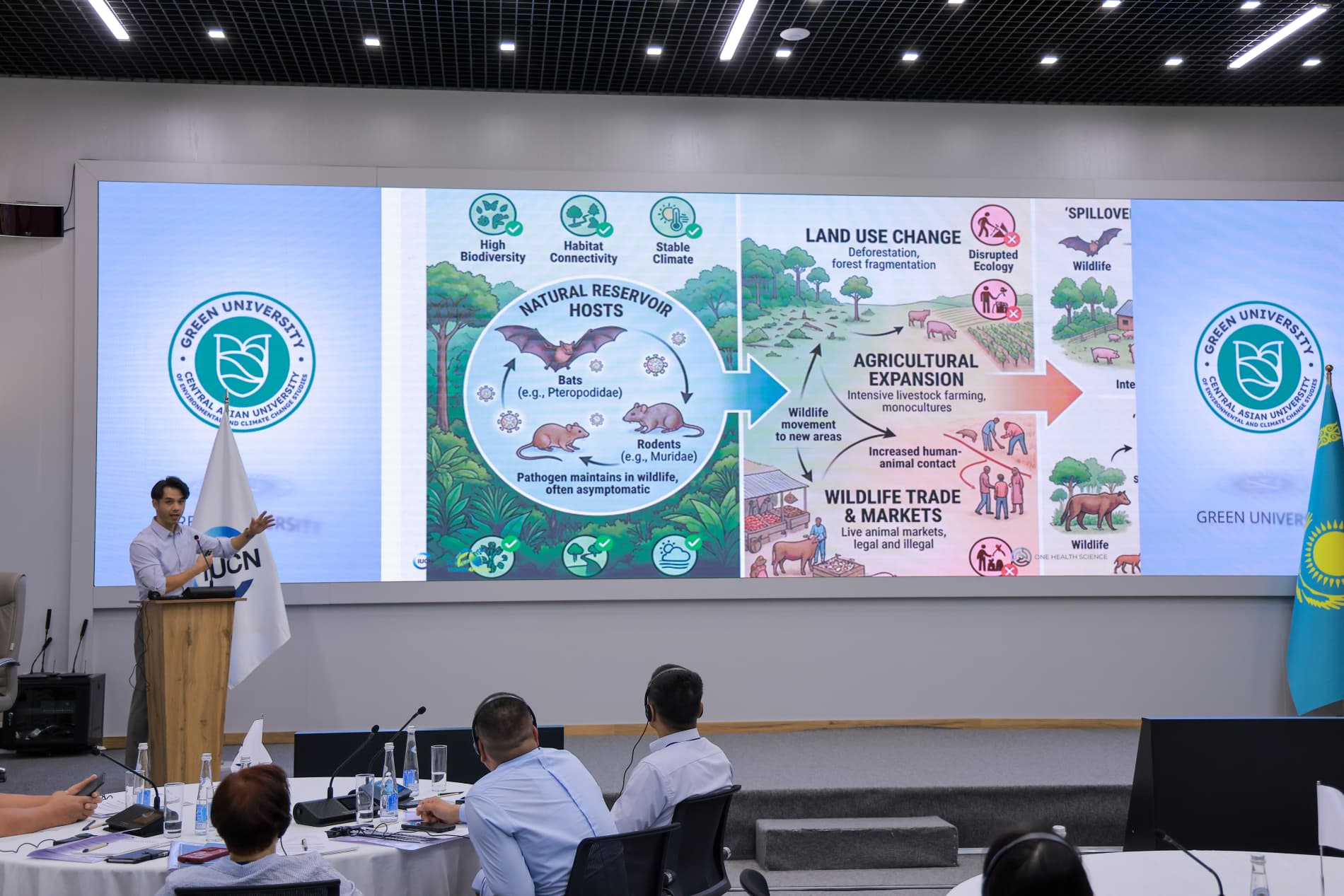
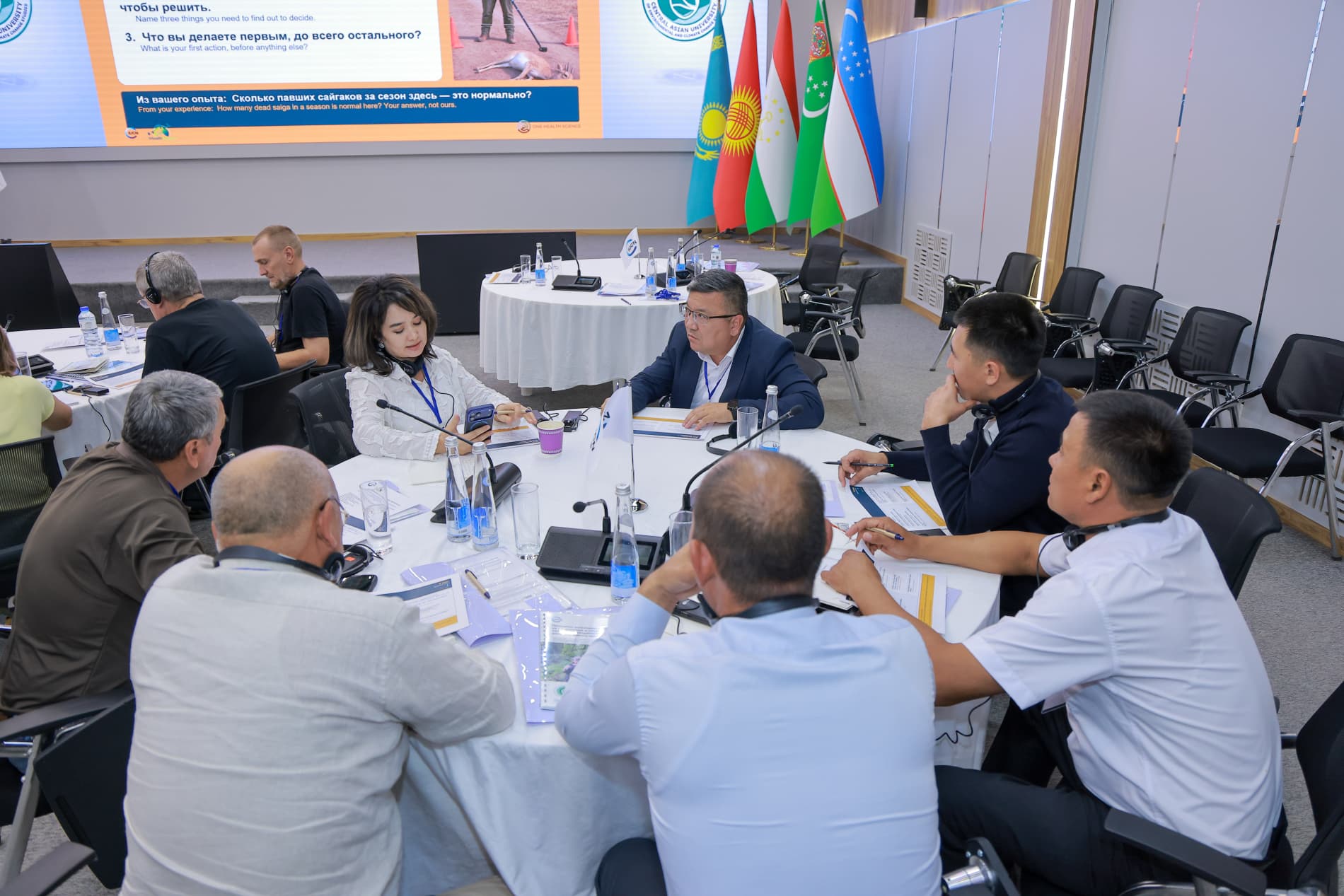
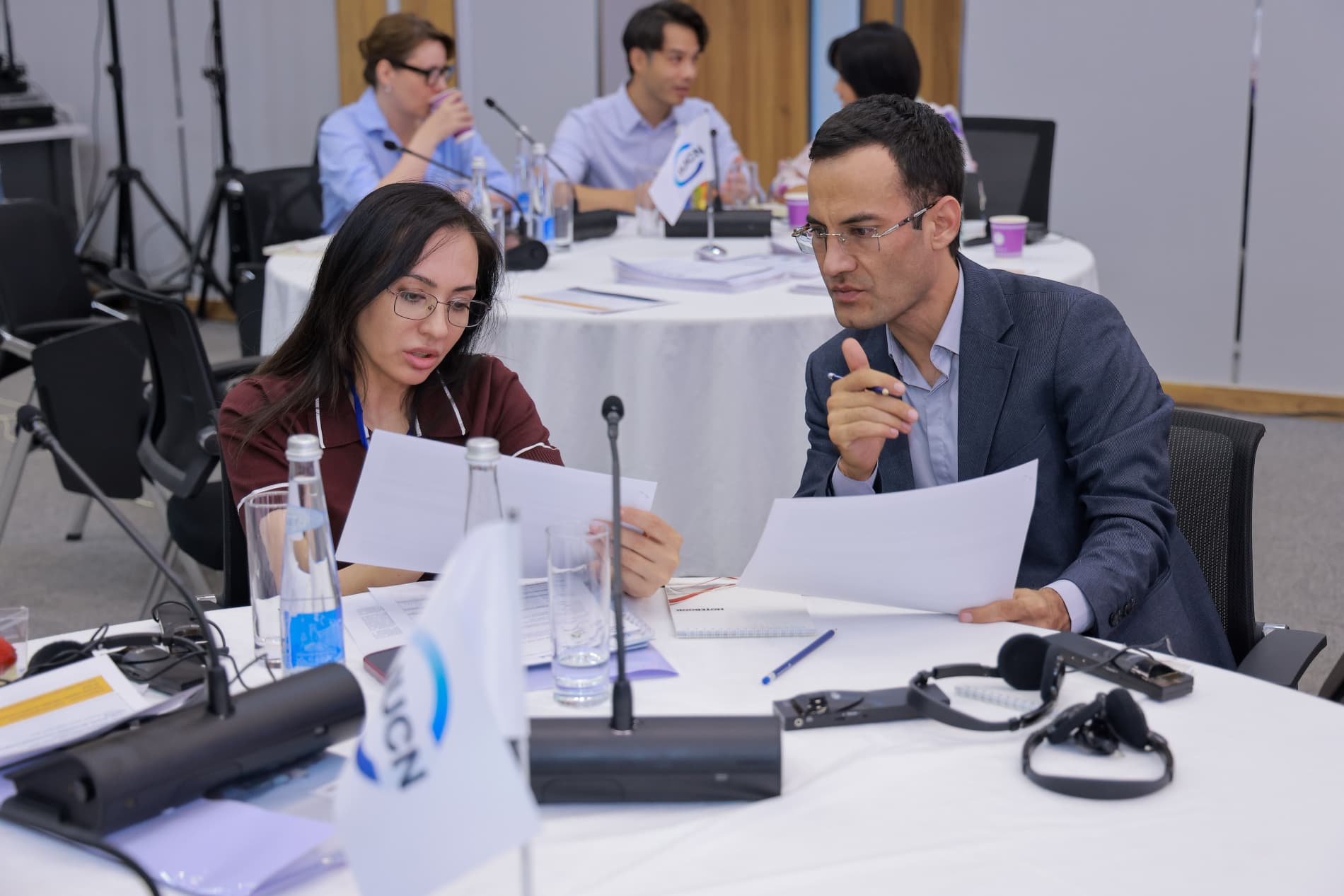
The training is being conducted by wildlife veterinarian and Doctor of Medical Sciences Mark Tran Valitutto. He has 20 years of experience in zoonotic disease surveillance, wildlife health and biosafety in field settings outside laboratory environments. He has also developed biosafety levels for fieldwork and categories of personal protective equipment based on the nature of the activities being carried out.
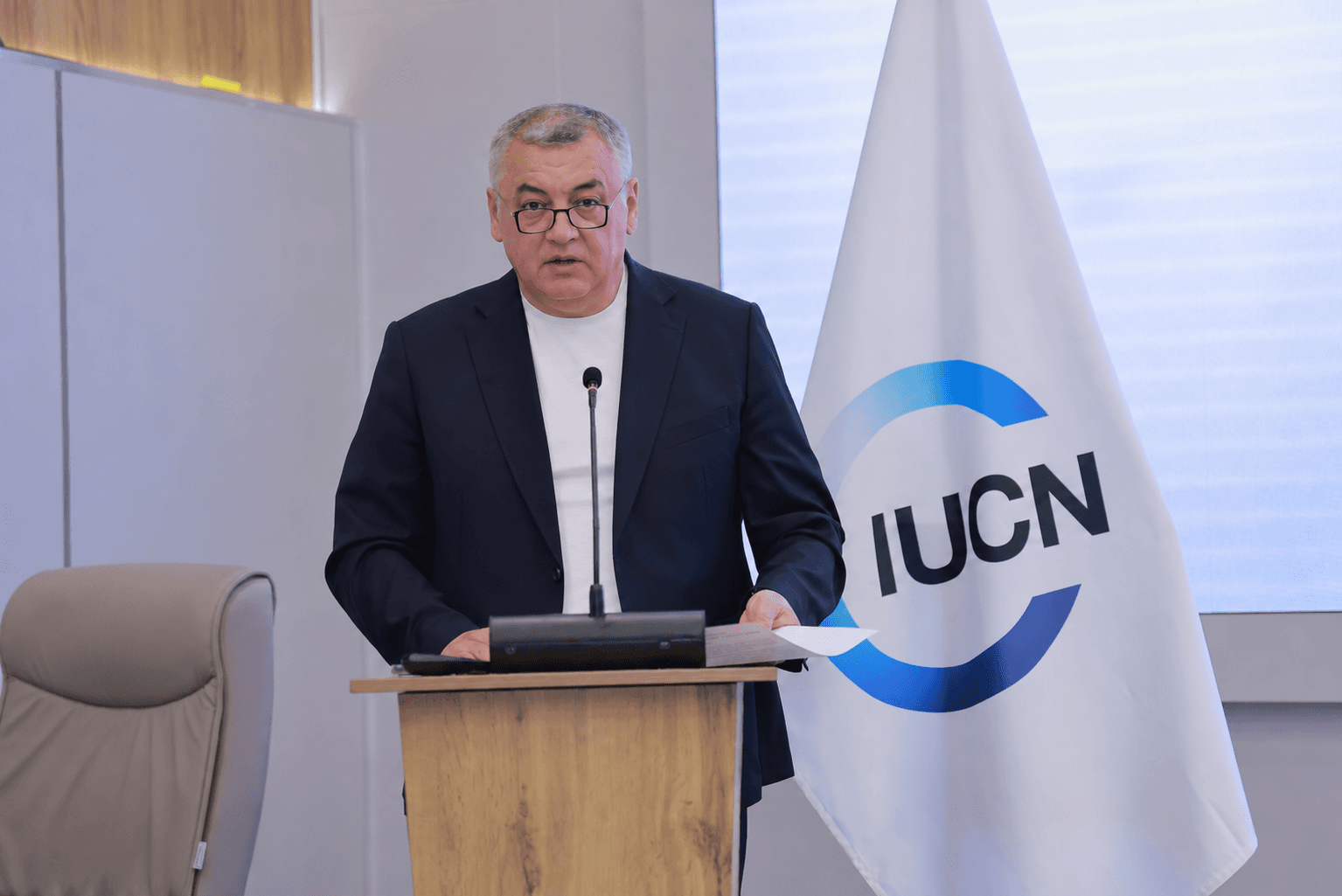
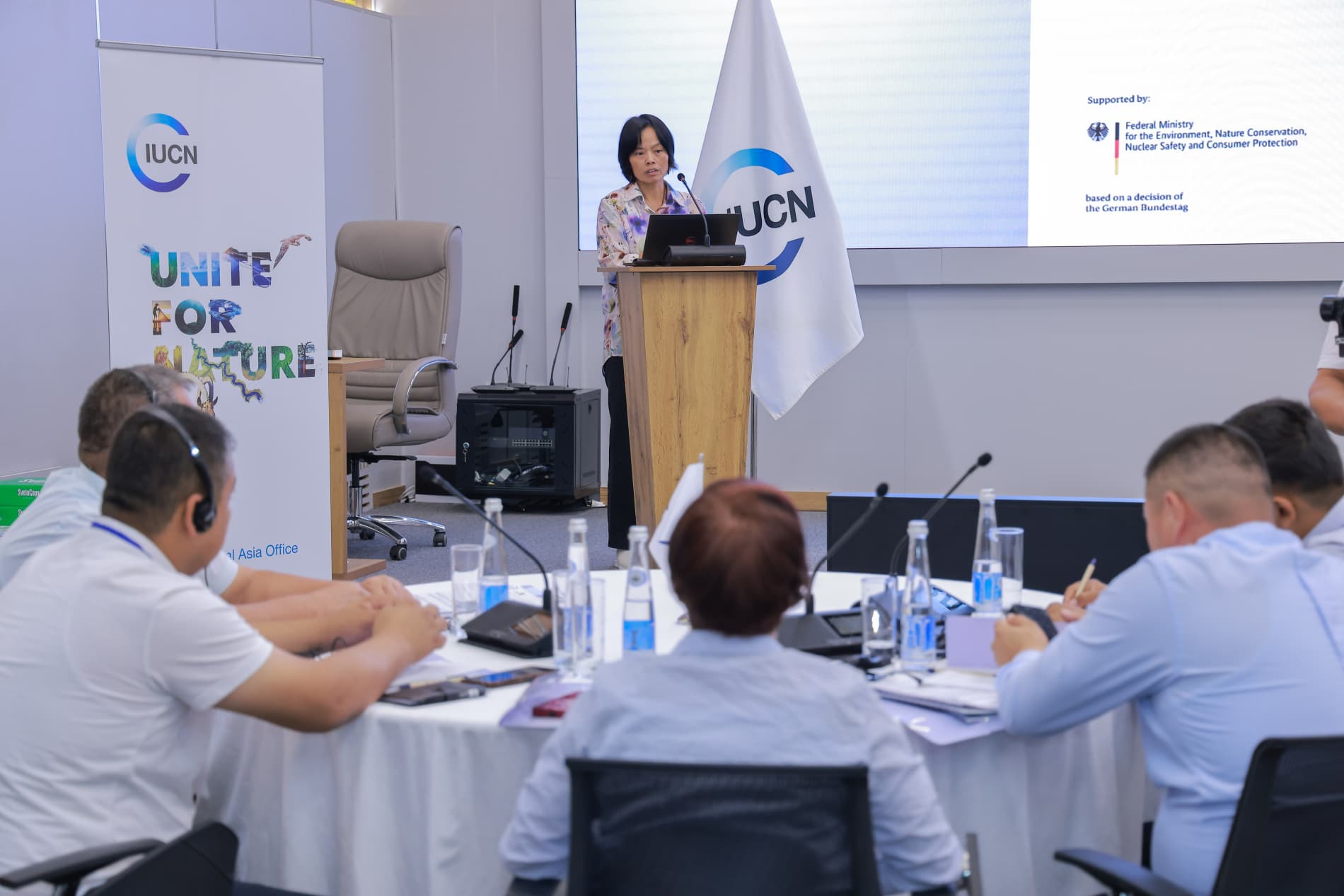
The training is organised as part of the regional project “Enhancing Landscape Resilience to Zoonotic Disease Emergence through Strengthened Conservation Systems in Central Asia.” Representatives of the National Committee of the Republic of Uzbekistan for Ecology and Climate Change and the IUCN Central Asia Office are taking part in the event. Specialists from protected areas, including Saigachiy, Southern Ustyurt, Chatkal and Zarafshan, are also participating in the training.
The two-day training programme is aimed at identifying the risks of disease transmission among wildlife, domestic animals and people, improving early warning and surveillance systems, and developing practical biosafety skills among specialists working in protected areas.
The training covers zoonotic disease risks in protected areas, epidemiological surveillance and early warning, biosafety in field settings, assessment of biological hazard levels, and the proper use of personal protective equipment. The programme also includes practical sessions during which participants learn to assess risks in different situations and determine appropriate response measures.
In addition, participants are studying methods for assessing disease risks among wildlife, investigating disease outbreaks, collecting samples and managing data, as well as ways to reduce risks associated with human–wildlife interactions in ecotourism. Particular attention is being paid to stakeholder identification and effective risk communication.
The final part of the training will include the development of an action plan for implementing the One Health approach, identification of priority areas based on the risks and stakeholders identified, an assessment of the knowledge gained and collection of feedback from participants. Upon completion of the training, participants will receive certificates.
The training is aimed at strengthening the professional capacity of specialists in nature conservation, wildlife health and biosafety, as well as strengthening regional cooperation in Central Asia.