
Exhibition “Interflows” Opens at ARTepa Gallery
2026-09-21 17:00:00 / News


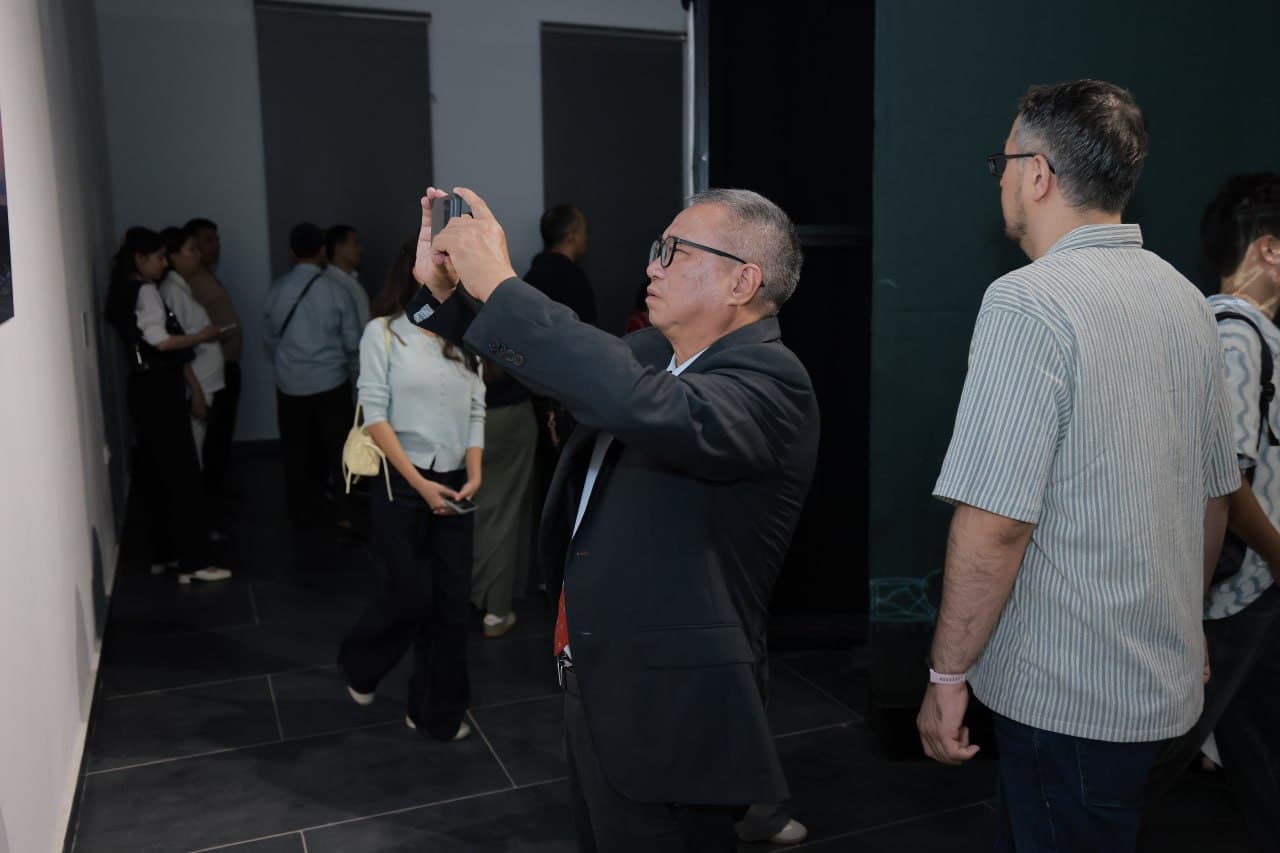


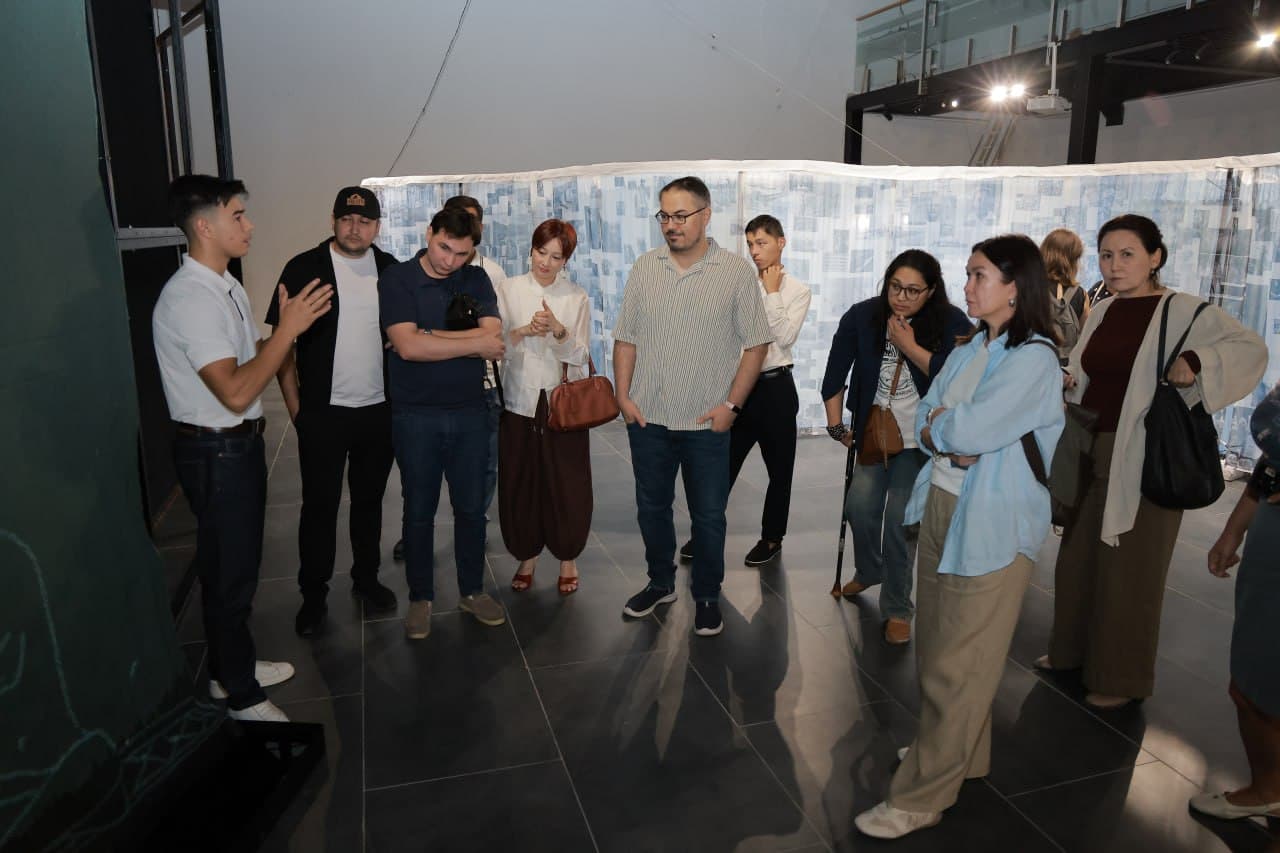

The event was held with the support of the National Committee on Ecology and Climate Change of the Republic of Uzbekistan and the Swiss Agency for Development and Cooperation, within the framework of the Central Asian Arts and Culture Programme (CAACP) and the project “Art Station: A Space at the Crossroads of Freedom of Speech, Artistic Practice, Inclusive Dialogue and Community Development.”
“Interflows” is an evolving exhibition that will continue to develop and transform throughout its three-month presentation at ARTepa, through 15 December. At its core is a research project by the DAVRA collective exploring the relationship between the ways water resources are used and transformed in Central Asia and broader environmental, political and social changes.
The exhibition features works by the DAVRA collective, including “Taming Waters and Women in Soviet Central Asia” (2024), as well as Saodat Ismailova’s film “Stains of Oxus” (2016). The film follows the Amu Darya from the glaciers of Tajikistan to the gradually disappearing Aral Sea. The exhibition will also feature new works by young artists from Central Asia, created as part of the project’s research and residency phases, including works produced within the framework of the recently held “EARTH, WATER & AIR” programme at ARTepa.
The exhibition is part of the DAVRA research project, which has evolved through a series of exhibitions, workshops and research programmes. These include the Matter of Art Biennale (2024), Lahore Biennale (2024), “TOMORROWS – A Land of Water” (2024), the “Socialist Anthropocene” workshop (2025) and the “Water, Air and Earth” residency (2026). At ARTepa, the project continues to evolve, bringing together works, ideas and outcomes developed at different stages of the research.
At the heart of the exhibition is the question of how humanity’s relationship with water and the landscape can be reimagined beyond traditional approaches based on the use, control and domination of nature and what alternative ways of interacting with the environment might be possible.
The exhibition will run through 15 December. Admission is free.