
Uzbekistan Discusses Measures to Mitigate the Impact of Climate Change on Natural Resources in Central Asia
2026-09-16 18:10:00 / News
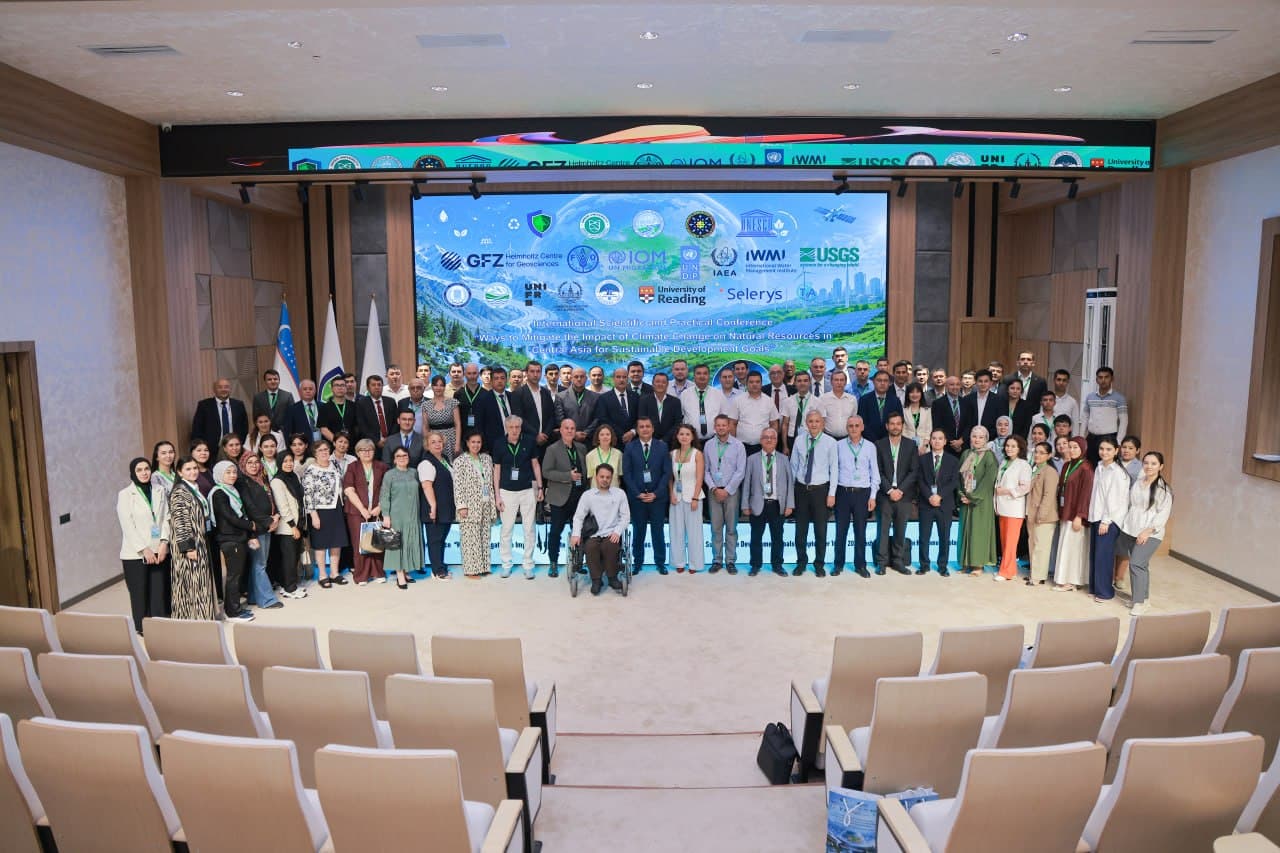
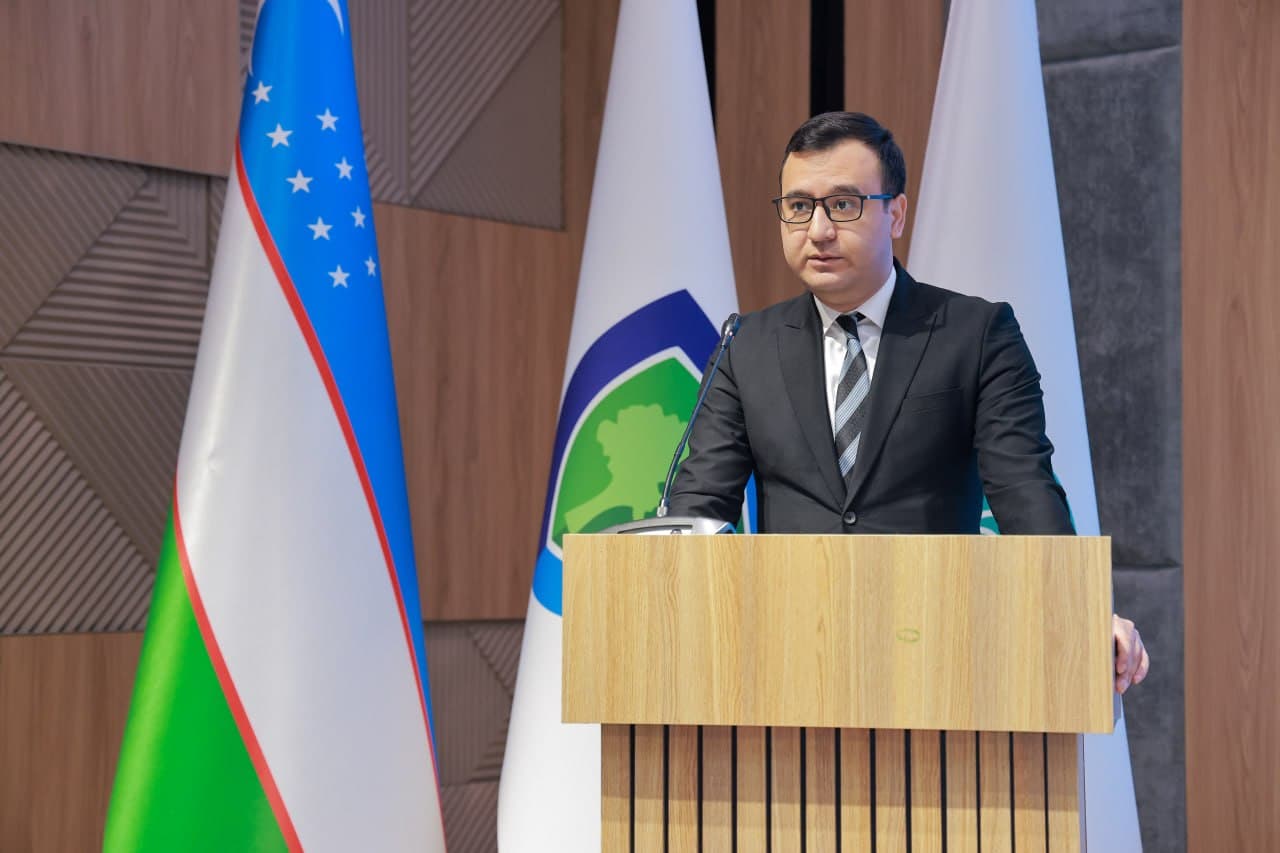

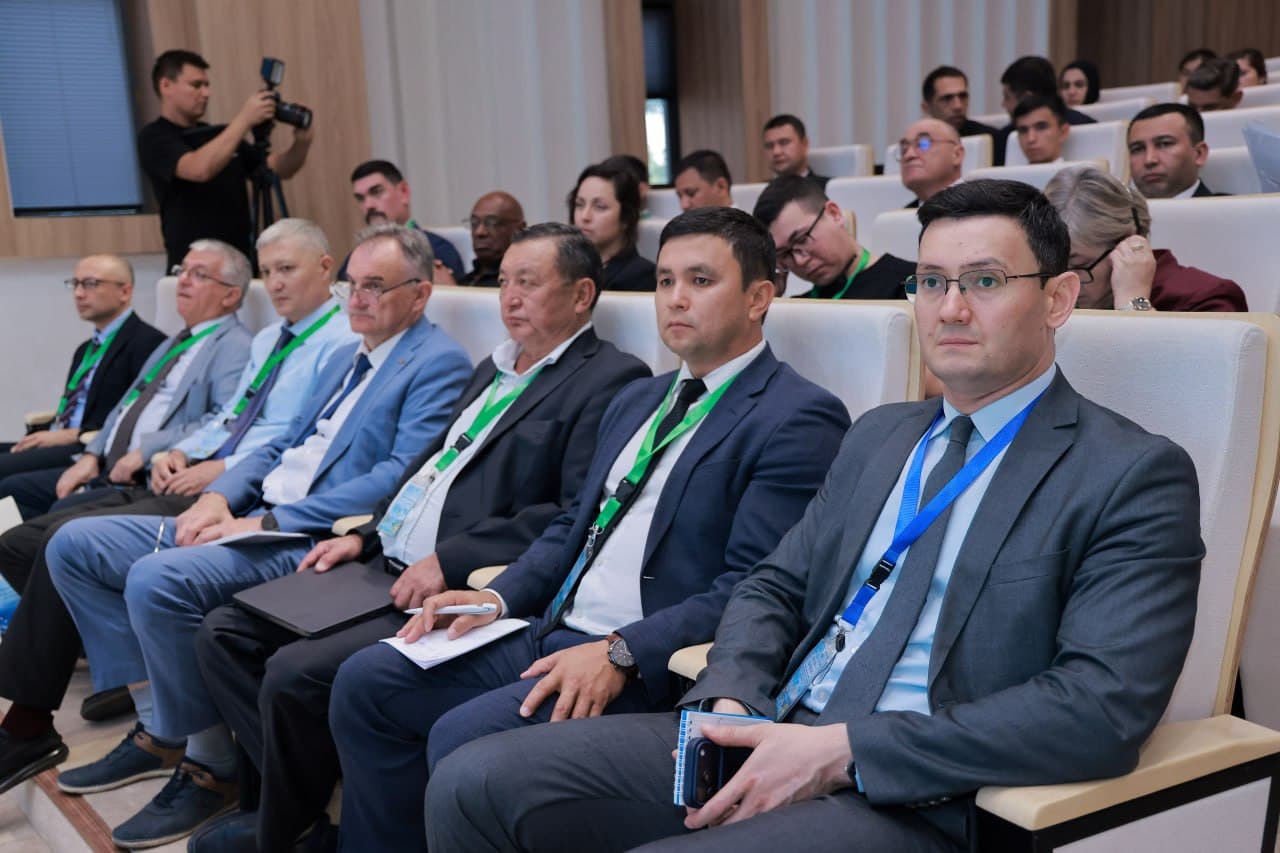
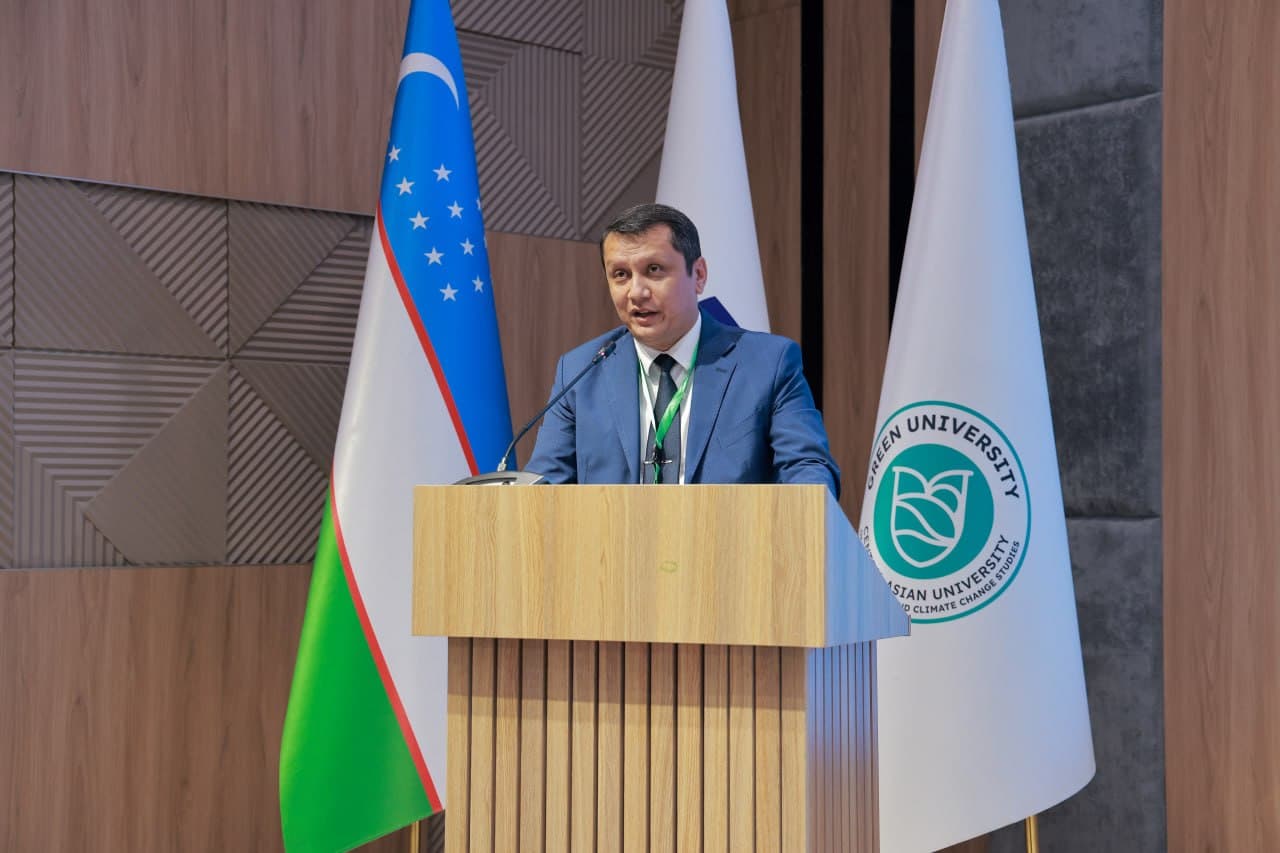
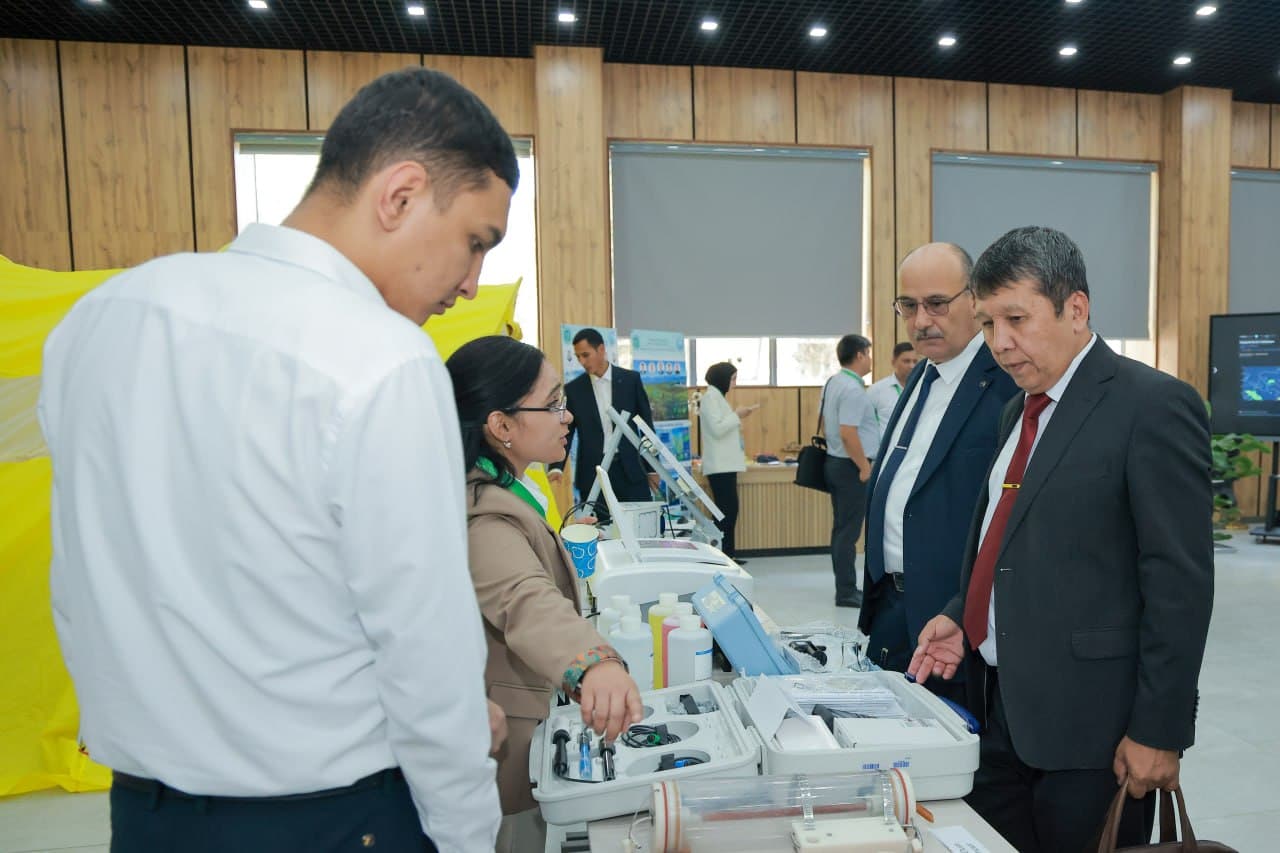
Speaking at the opening ceremony, Iskandar Qutbiddinov, Deputy Chairman of the National Committee on Ecology and Climate Change, emphasized that climate change is one of the most serious challenges to sustainable development in Central Asia. The region is experiencing rising temperatures, changing precipitation patterns, more frequent droughts, and increasingly severe extreme weather events. The retreat of mountain glaciers and changes in snow cover are of particular concern.
He also noted that President of the Republic of Uzbekistan Shavkat Mirziyoyev has identified environmental protection and the rational use of natural resources as key priorities of state policy.
“Uzbekistan has set a target of reducing greenhouse gas emissions by 50% by 2035 compared to 2010 levels. The country is also developing and implementing long-term strategies to promote the widespread adoption of water-saving technologies, protect biodiversity, modernize agriculture, improve waste management, and advance other areas of sustainable development. Another important goal is to increase the share of renewable energy sources to 54% by 2030,” said Iskandar Qutbiddinov.
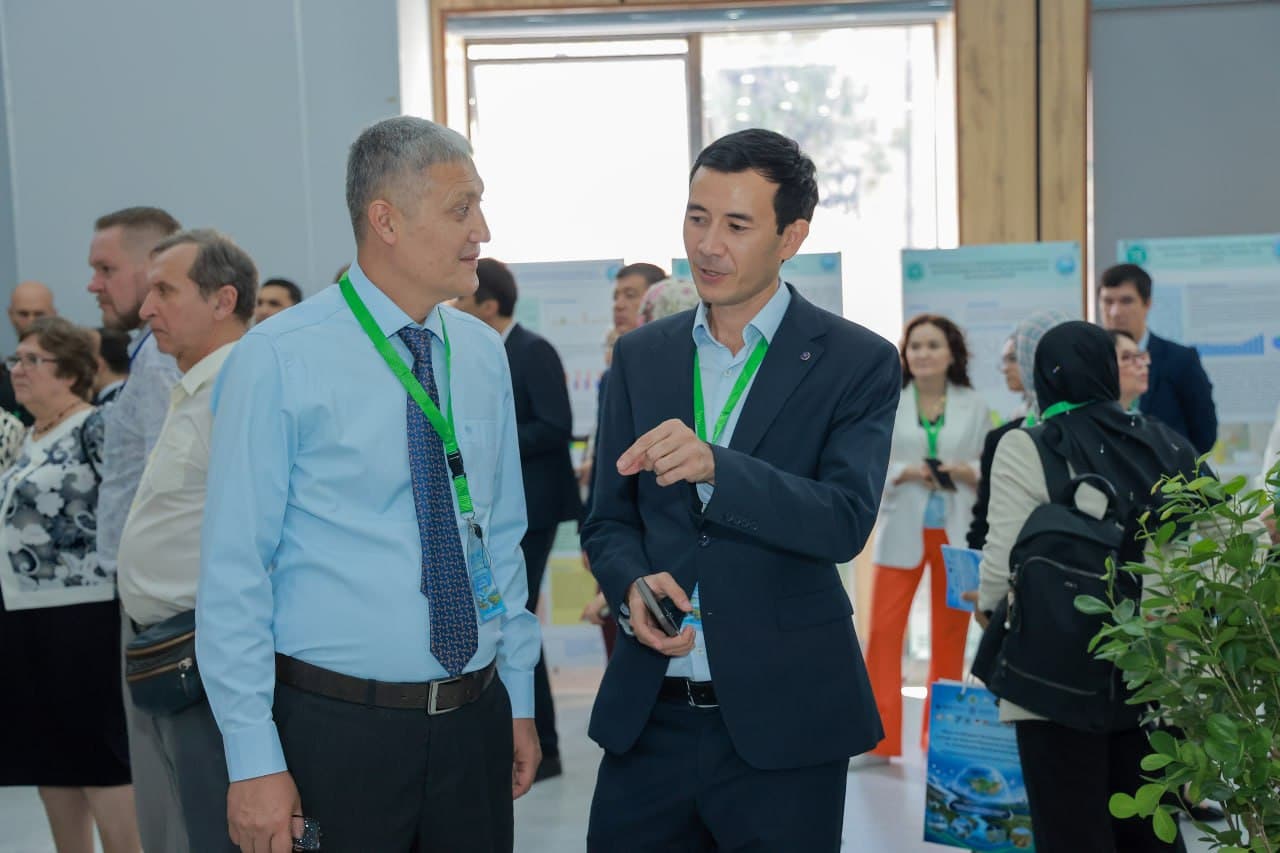
The conference also highlighted efforts under five nationwide environmental initiatives covering air quality, biodiversity conservation, waste management, greening, and environmental education and awareness, as well as work carried out under the nationwide Yashil Makon (Green Space) project. Participants also put forward a number of important proposals to strengthen regional scientific cooperation and knowledge exchange on climate issues, improve climate scenario development and precipitation forecasting, and enhance cooperation in preventing and addressing dust and sandstorms.
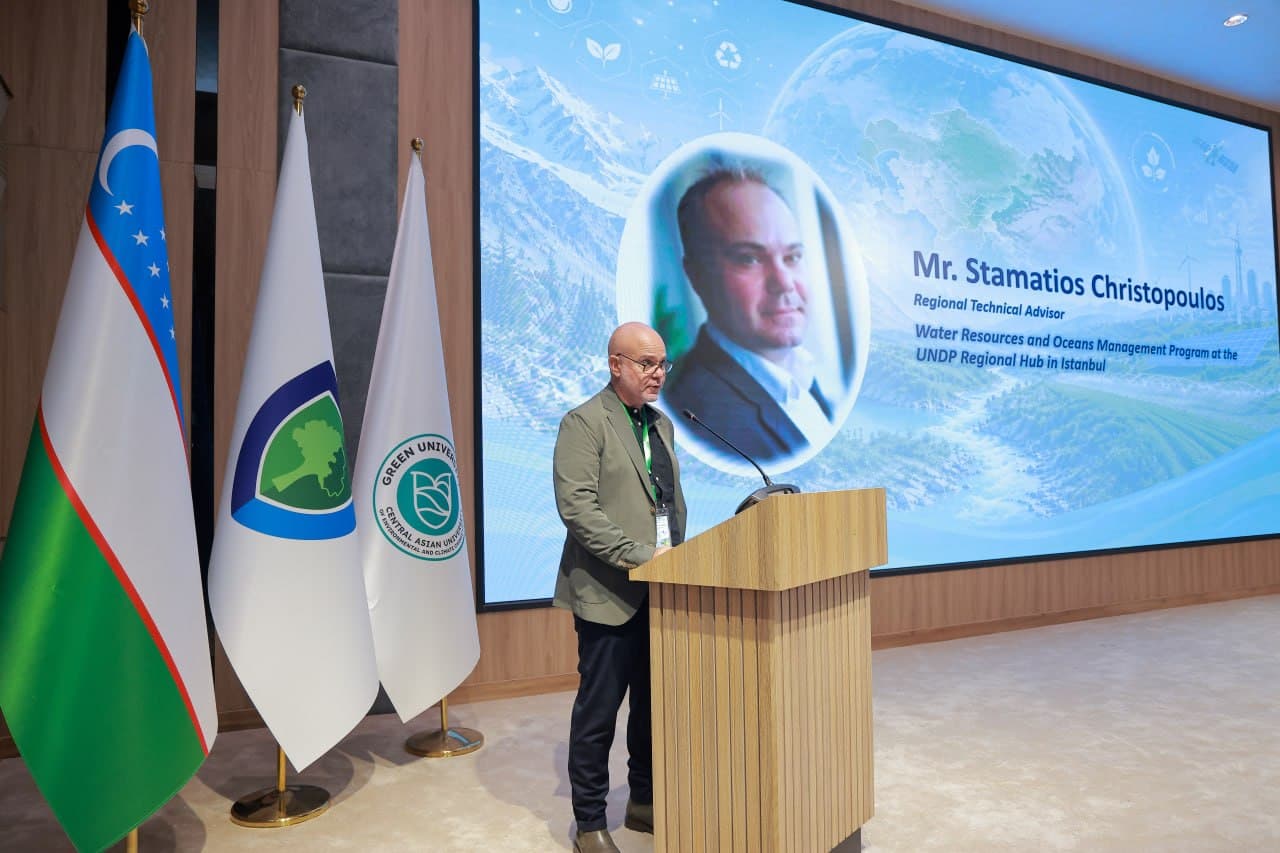
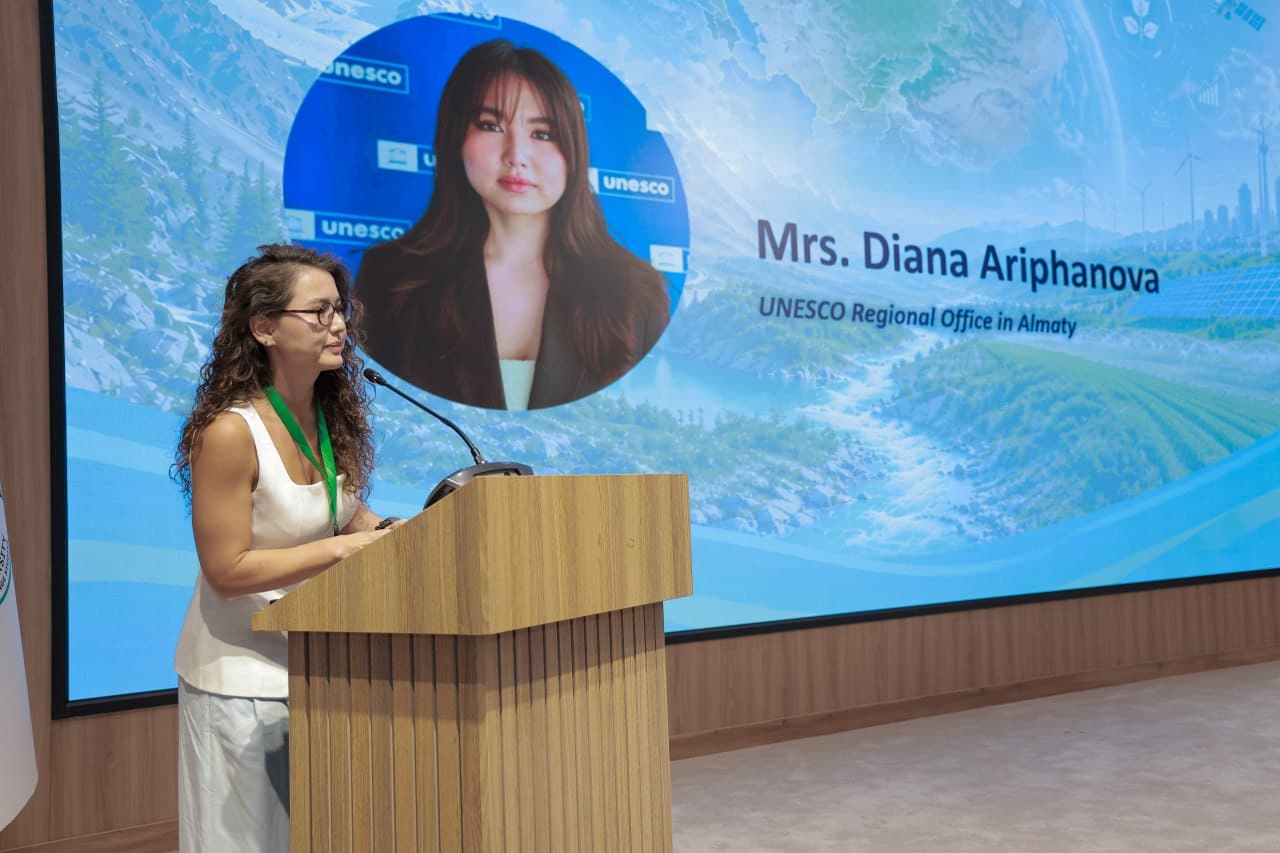
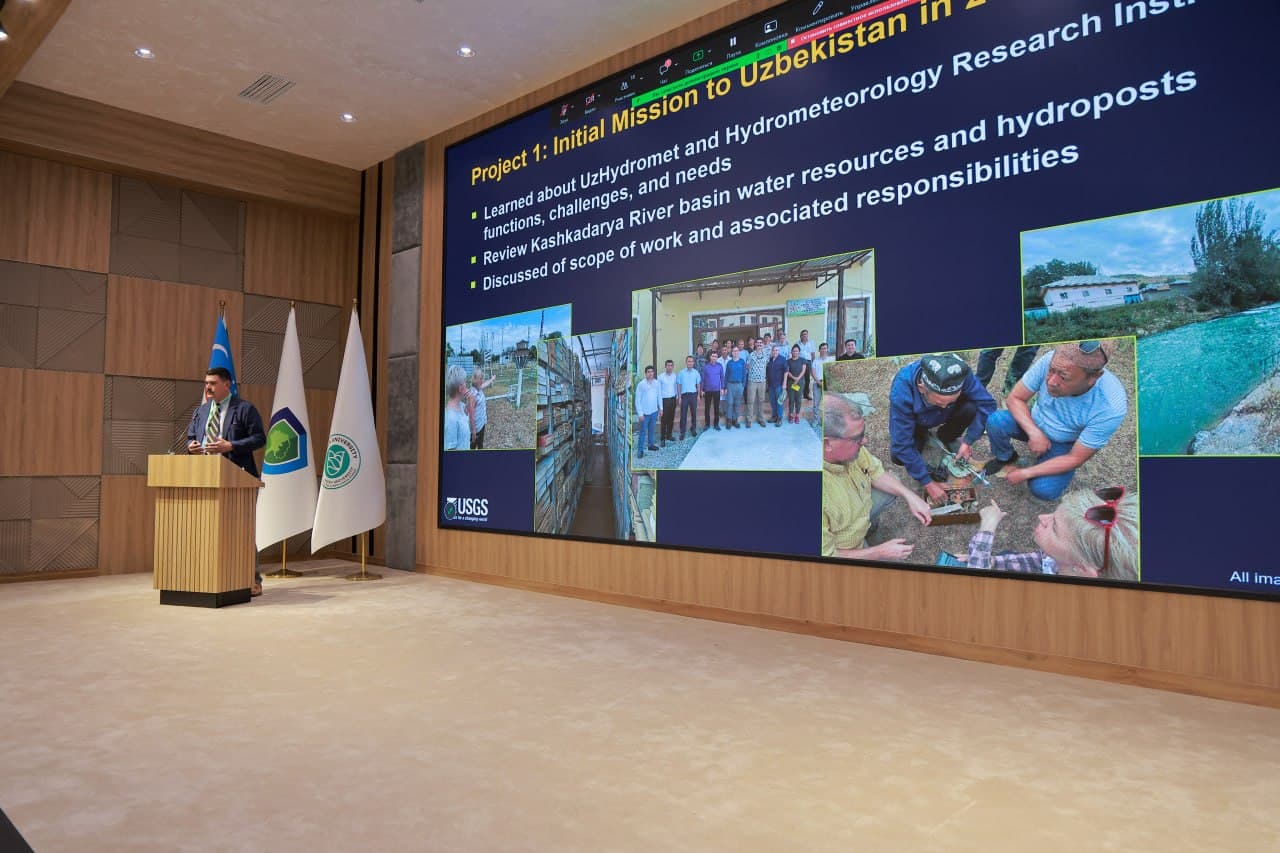
The conference programme includes plenary sessions, scientific and technical sessions, special sessions organized in cooperation with international organizations, panel discussions on climate policy and regional cooperation, and sessions on innovative solutions involving artificial intelligence, geographic information systems (GIS), remote sensing, and climate services. Around 50 international and national experts and scientists are taking part in discussions on the following topics: Climate change and the sustainable development of natural resources. Water resources and the cryosphere in a changing climate. Applied climatology and climate services: innovative solutions for energy, construction, transport, agrometeorology, and climate migration. Modern methods of water and climate research: isotope hydrology and meteorology. Geotourism and glaciotourism in a changing climate: potential, development and sustainable management.
The conference aims to provide an international platform for strengthening scientific capacity, advancing regional and international cooperation, and developing practical recommendations to mitigate the impact of climate change on natural resources. The event is expected to contribute to strengthening climate resilience across Central Asia and supporting progress towards the Sustainable Development Goals.