
Uzbekistan Puts Forward New Initiatives to Advance "Green" Cooperation in Central Asia at a Forum in the Republic of Korea
2026-09-16 15:00:00 / News
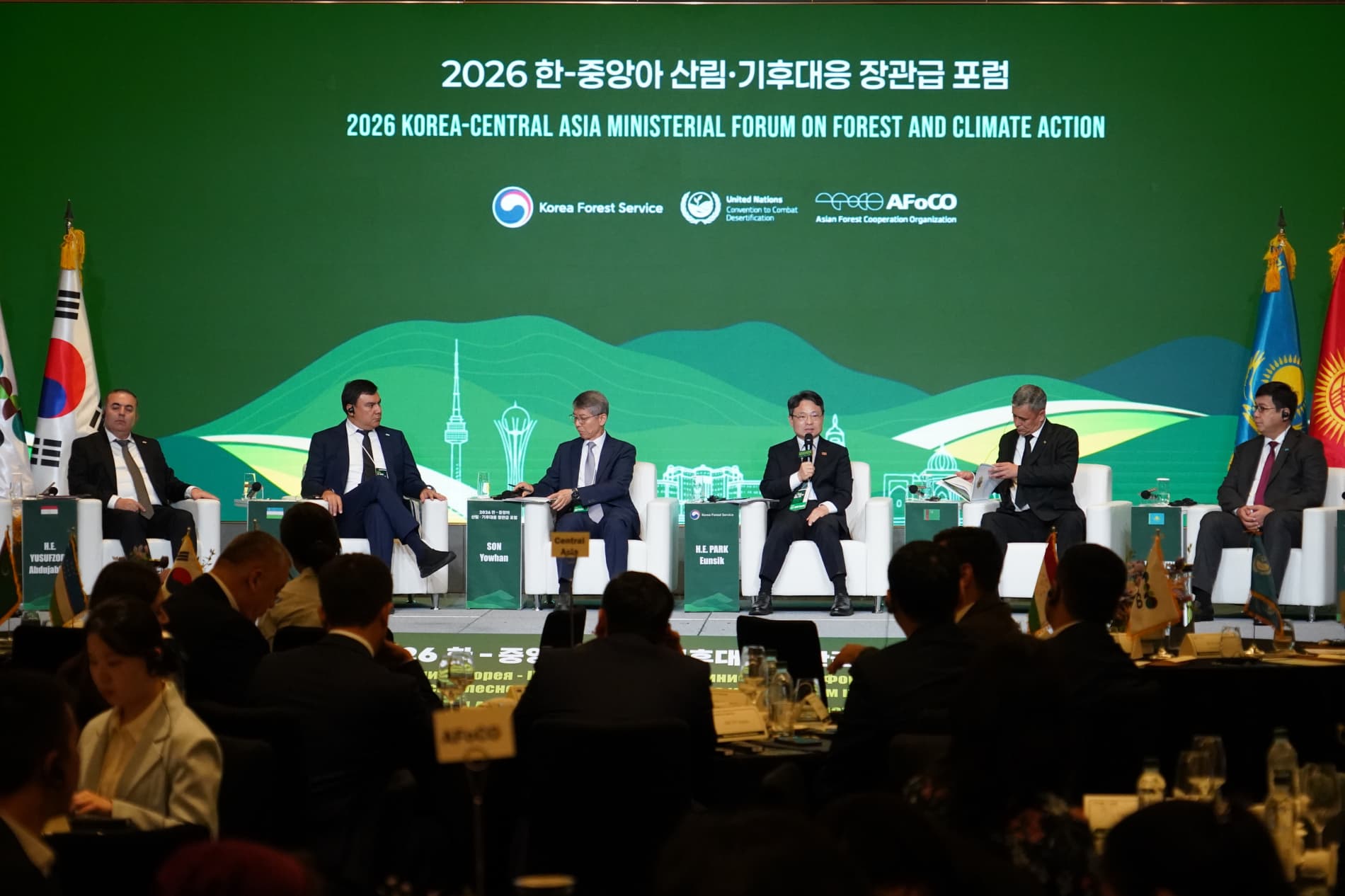
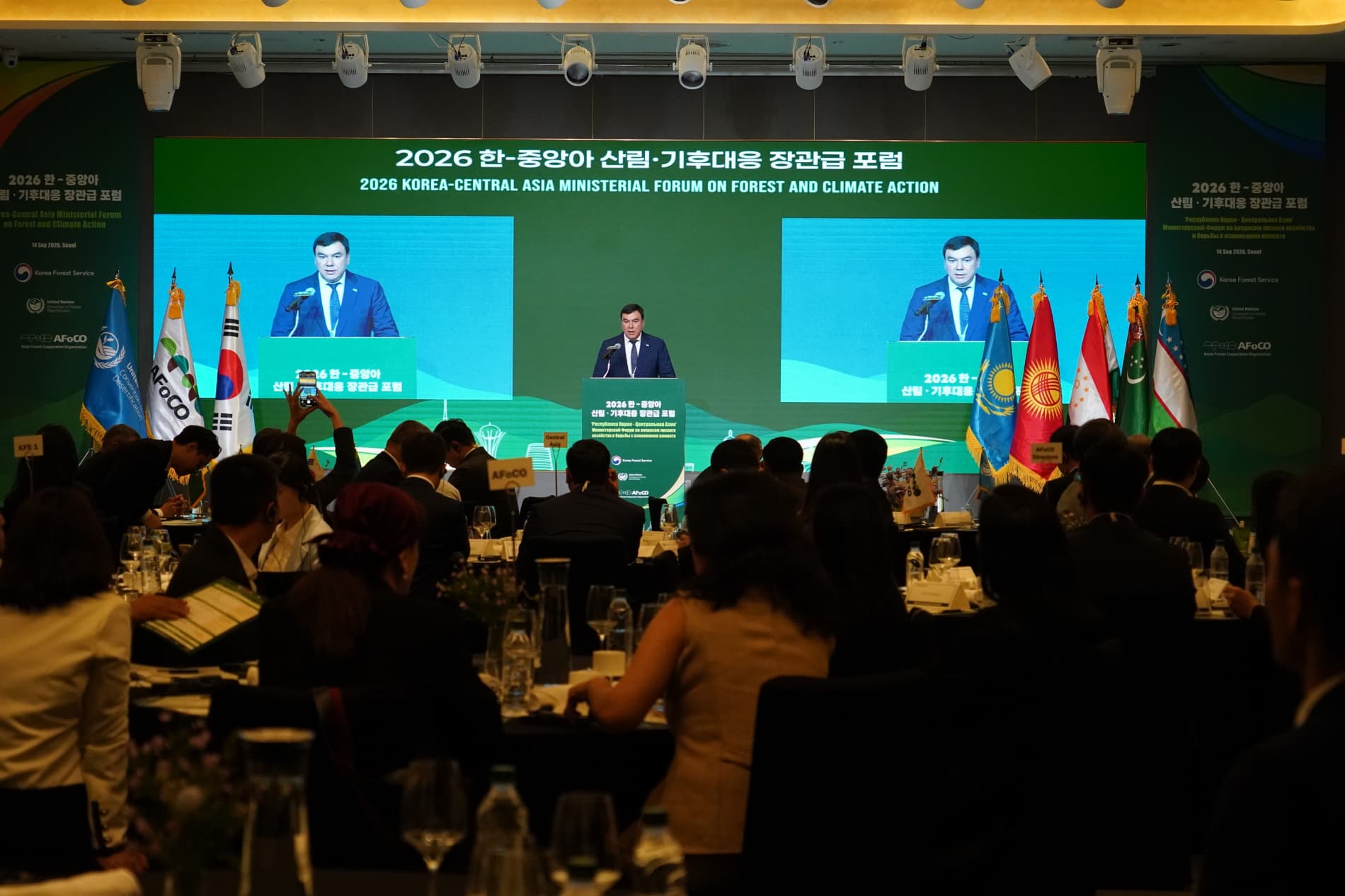
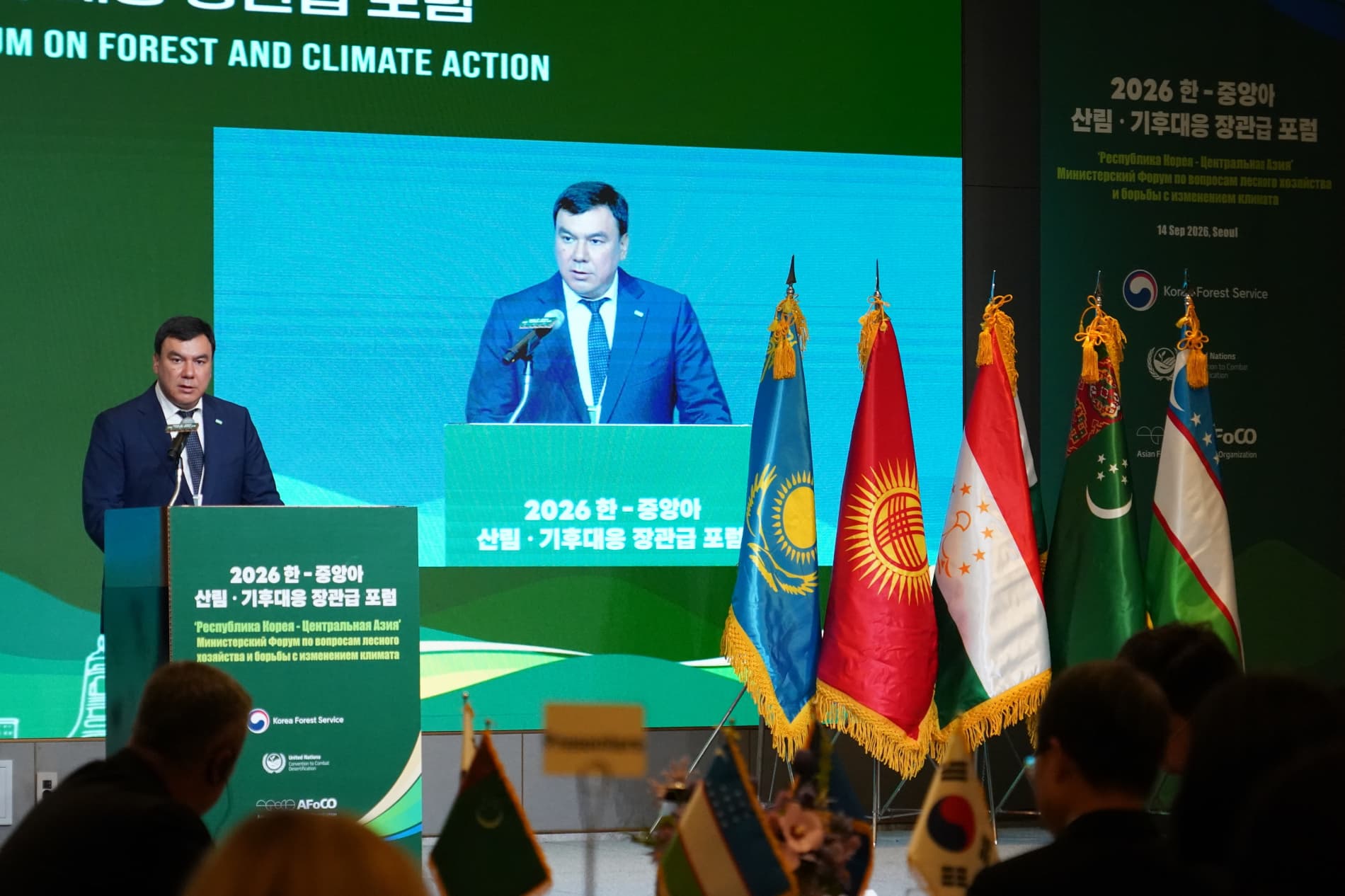
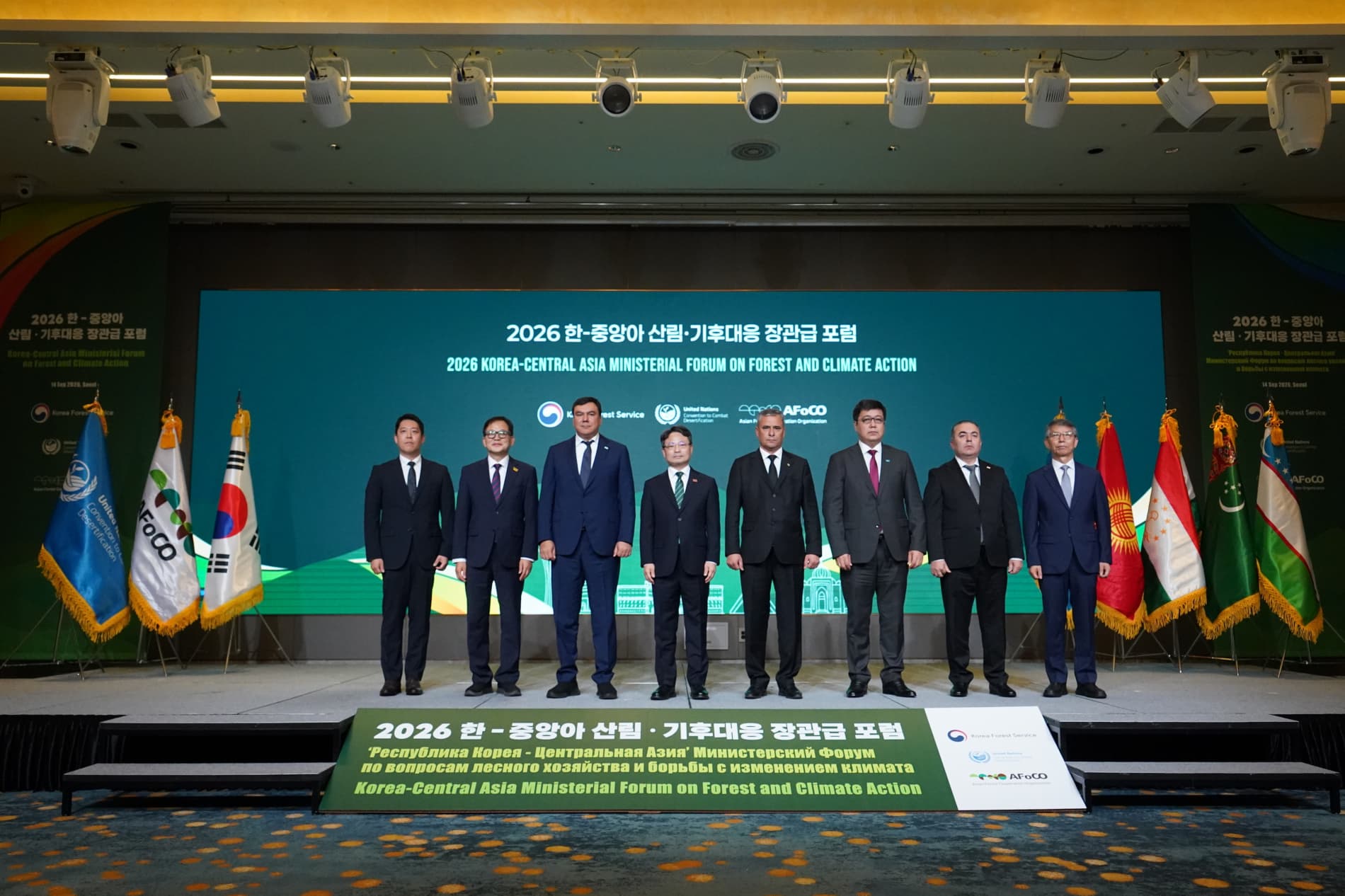
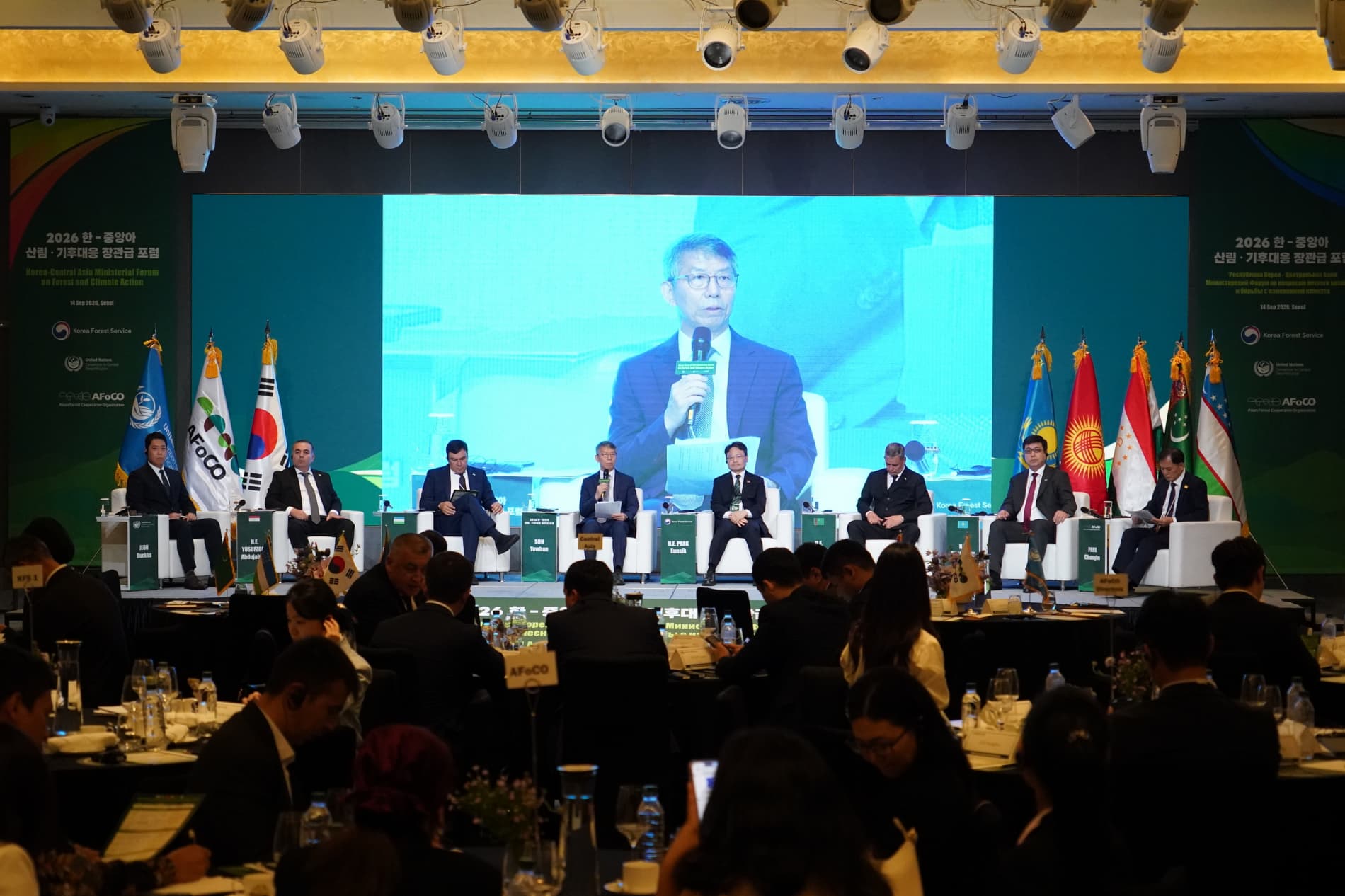
The forum highlighted Uzbekistan’s achievements and priorities in afforestation and the restoration of degraded land. In particular, it was noted that more than 1 billion seedlings have been planted under the nationwide "Yashil Makon" (Green Space) project, increasing the country’s green coverage from 8% to 14%. Uzbekistan has set a target of increasing this figure to 30% by 2030.
It was also noted that forest plantations have been established across approximately 2 million hectares of the dried seabed of the Aral Sea. In addition, a project to restore forest landscapes and develop ecotourism infrastructure is being successfully implemented in cooperation with the World Bank.
During the Ministerial Dialogue, Uzbekistan proposed establishing a “Korea–Central Asia Green Cooperation” framework and moving towards the practical implementation of the “Central Asia Green Belt” initiative. Under this proposal, Uzbekistan, with the participation of the Republic of Korea, the United Nations Convention to Combat Desertification (UNCCD), and the Asian Forest Cooperation Organization (AFoCO), would identify pilot areas, measurable targets, implementation timelines and financing mechanisms.
Particular attention was also given to the initiative to establish a regional programme for the conservation and modernisation of saxaul forests. The programme will encompass genetic research, seed production technologies, satellite monitoring, artificial intelligence and the development of a Unified Digital Atlas of Saxaul Forests.
In addition, to attract investment in land restoration, Uzbekistan proposed establishing a regional carbon hub with the participation of Korean companies and financial institutions. At the same time, an initiative was put forward to develop, jointly with the United Nations Convention to Combat Desertification (UNCCD) and the United Nations Framework Convention on Climate Change (UNFCCC), an “Arid Lands Carbon Standard” that takes into account the high costs and complex implementation requirements of carbon projects in desert and arid regions.
During the event, the Research Institute for Combating Desertification and Developing the Desert Economy at Green University was designated as a regional scientific and practical platform. The platform will serve as a basis for joint research, field trials, and pilot projects involving Korean and Central Asian scientists.