
16 September — International Day for the Preservation of the Ozone Layer
2026-09-16 13:00:00 / News
It should be noted that the Montreal Protocol provides for the phased reduction of the production and consumption of around 100 types of chemicals that deplete the ozone layer. In 2016, the Kigali Amendment was adopted in Kigali, Rwanda, taking these efforts to a new level. It provides for the phased reduction of hydrofluorocarbons (HFCs), which are potent greenhouse gases, as well as accelerating the transition to energy-efficient and environmentally sound cooling technologies.
Uzbekistan is undertaking efforts to protect the ozone layer in several areas. In particular, on 18 May 1993, the country acceded to the Vienna Convention and the Montreal Protocol. Subsequently, Uzbekistan ratified the London, Copenhagen, Montreal and Beijing Amendments. In addition, pursuant to Resolution No. 17 of the Cabinet of Ministers of the Republic of Uzbekistan dated 9 January 2018, the import and export of ozone-depleting substances, as well as products containing such substances, are subject to state regulation.
Furthermore, Uzbekistan is gradually phasing out the use of hydrochlorofluorocarbons (HCFCs). These substances are used in refrigeration and air-conditioning systems and are classified as ozone-depleting substances. Under the Montreal Protocol, specific steps have been established for Uzbekistan to reduce their use. At present, 99.9 percent of ozone-depleting substances have been phased out of circulation in the country. This represents a significant achievement in fulfilling Uzbekistan’s commitments under the Montreal Protocol.
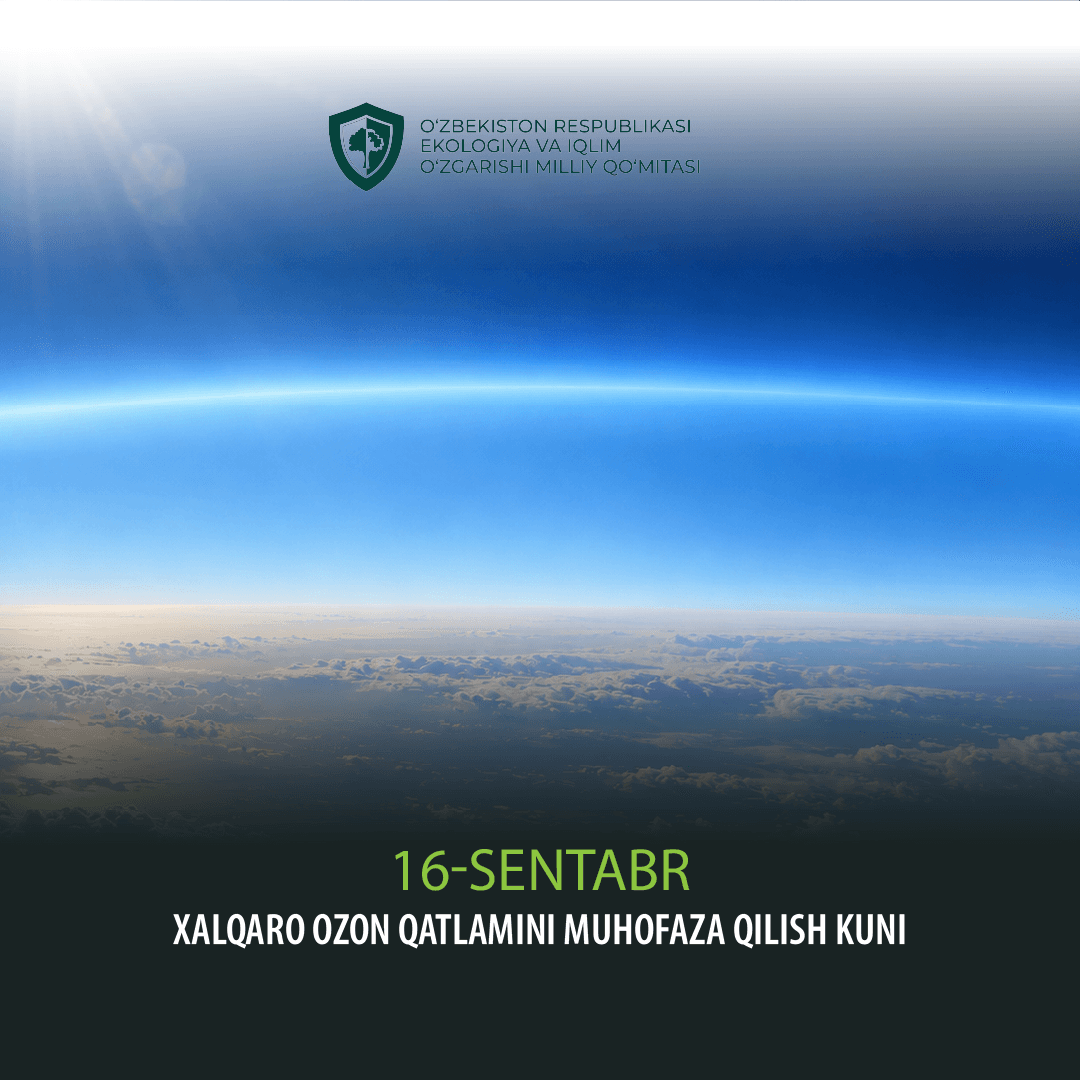
For reference: the average thickness of the ozone layer is approximately 3 millimetres. Ozone molecules (O₃) are distributed throughout the atmosphere at altitudes ranging from 10 to 50 kilometres above the Earth’s surface. They absorb harmful ultraviolet radiation from the Sun. Substances that pose a threat to the ozone layer include, in particular, chlorofluorocarbons, halons, methyl bromide and other chemical compounds. Once released into the atmosphere, these substances break down ozone molecules. The depletion of the ozone layer has serious adverse effects not only on human health but also on the environment as a whole.