
Initiatives to attract investment for land restoration presented at COP17
2026-08-24 17:10:00 / News
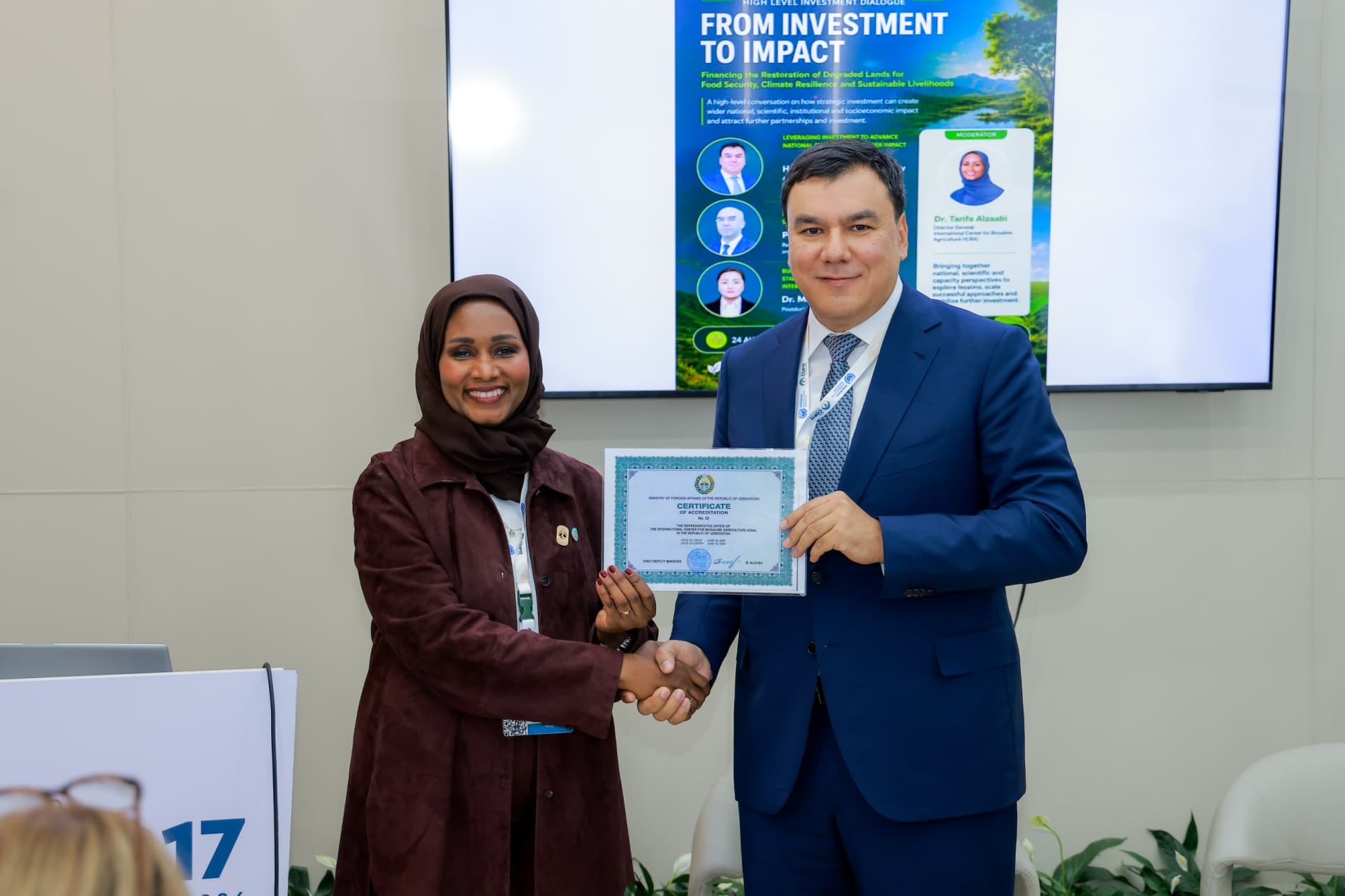
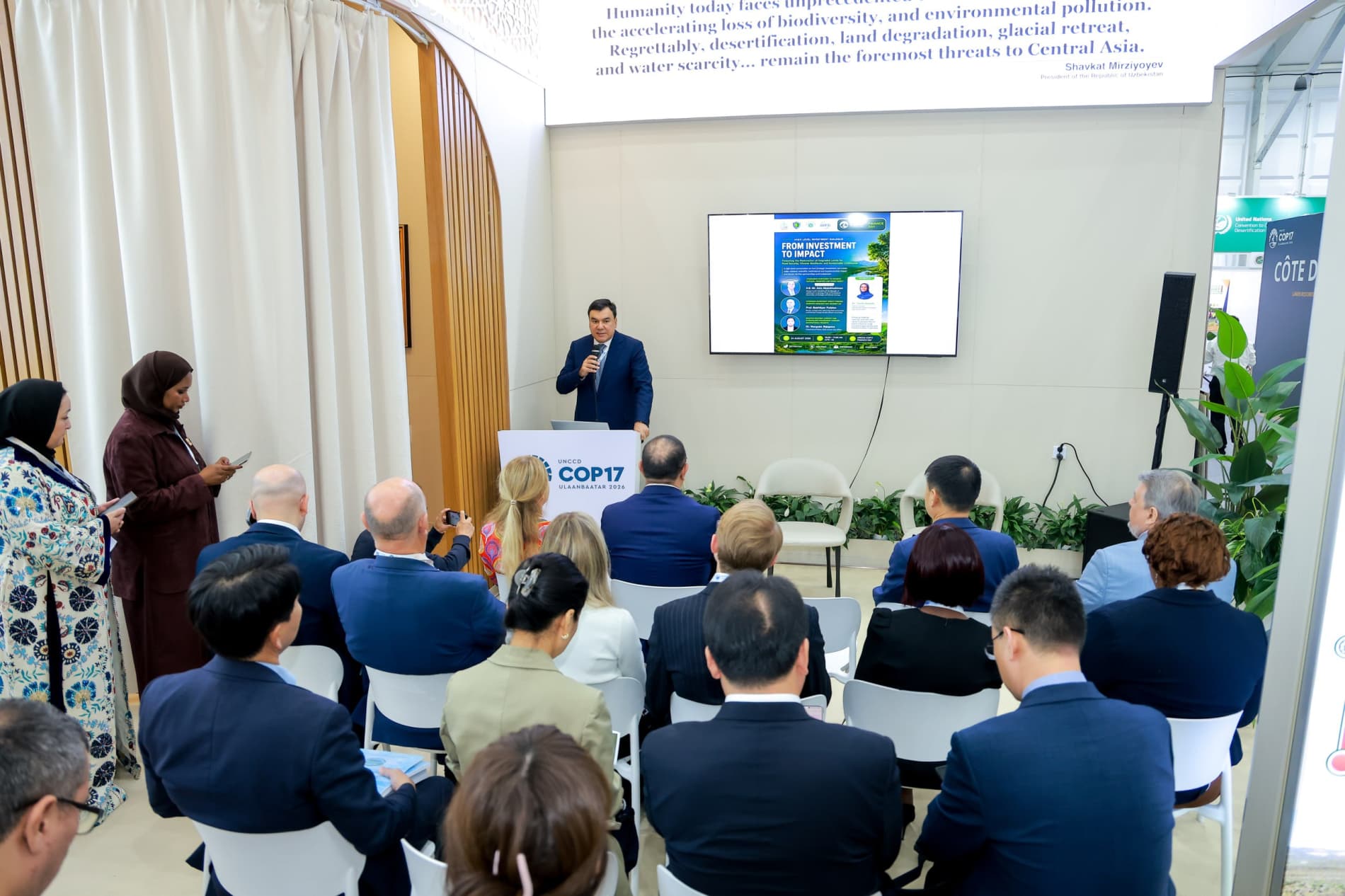
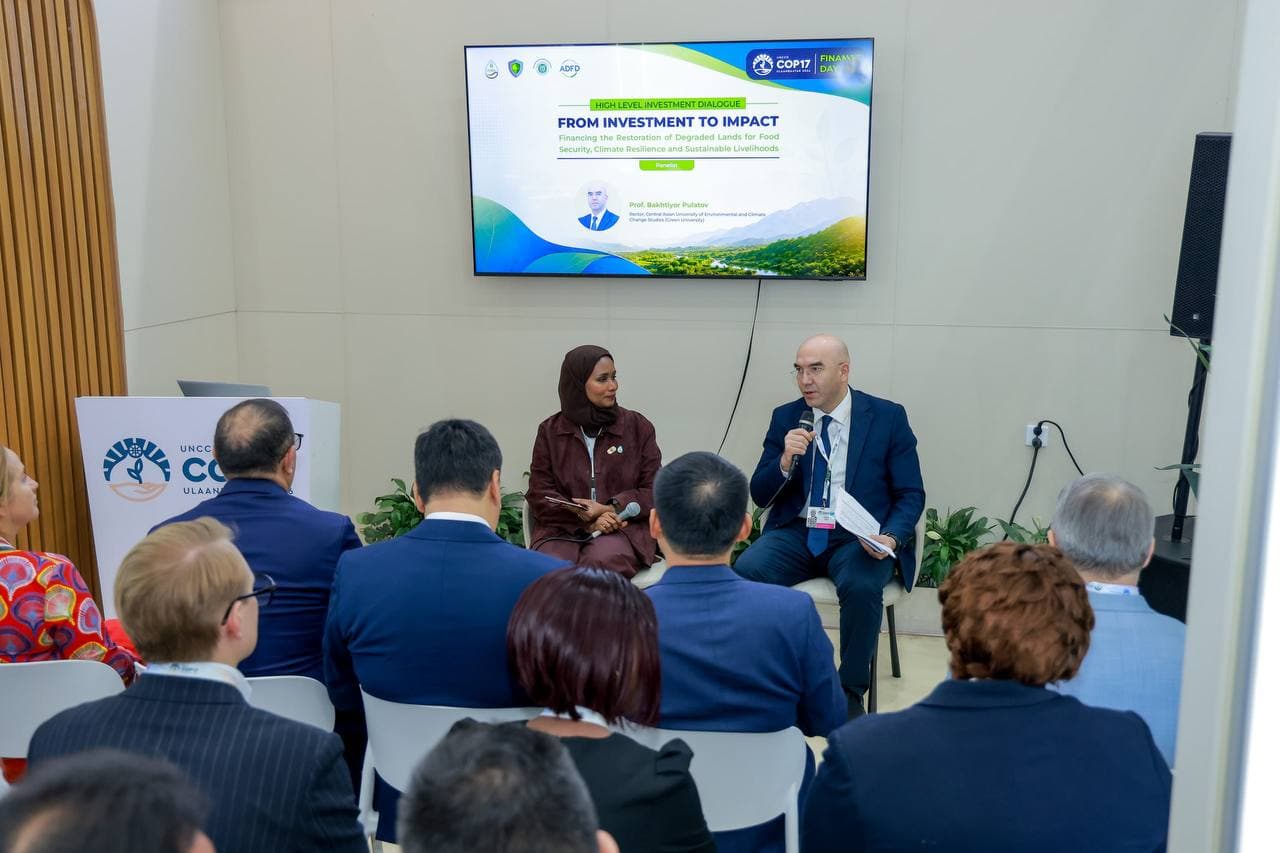
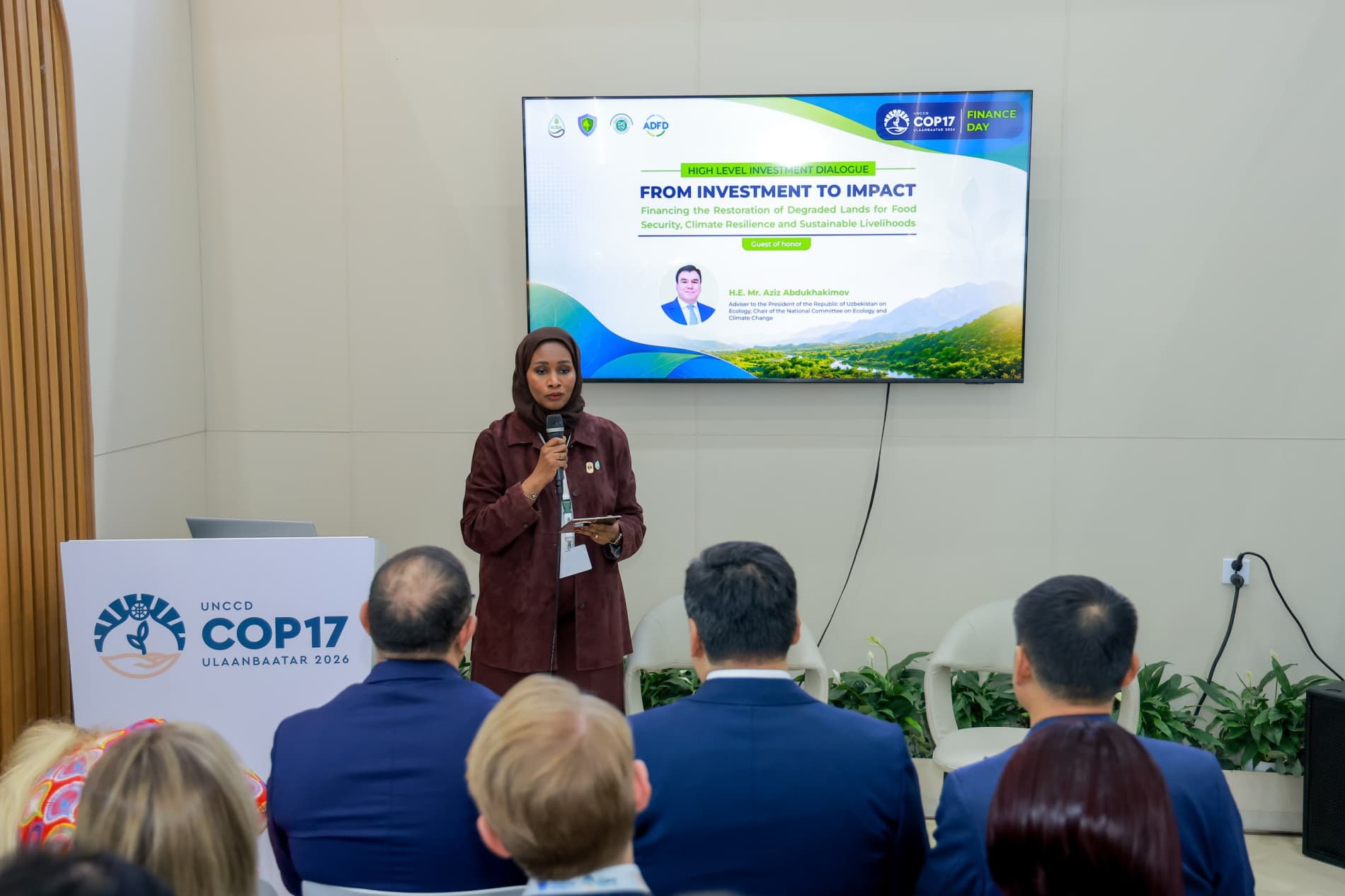
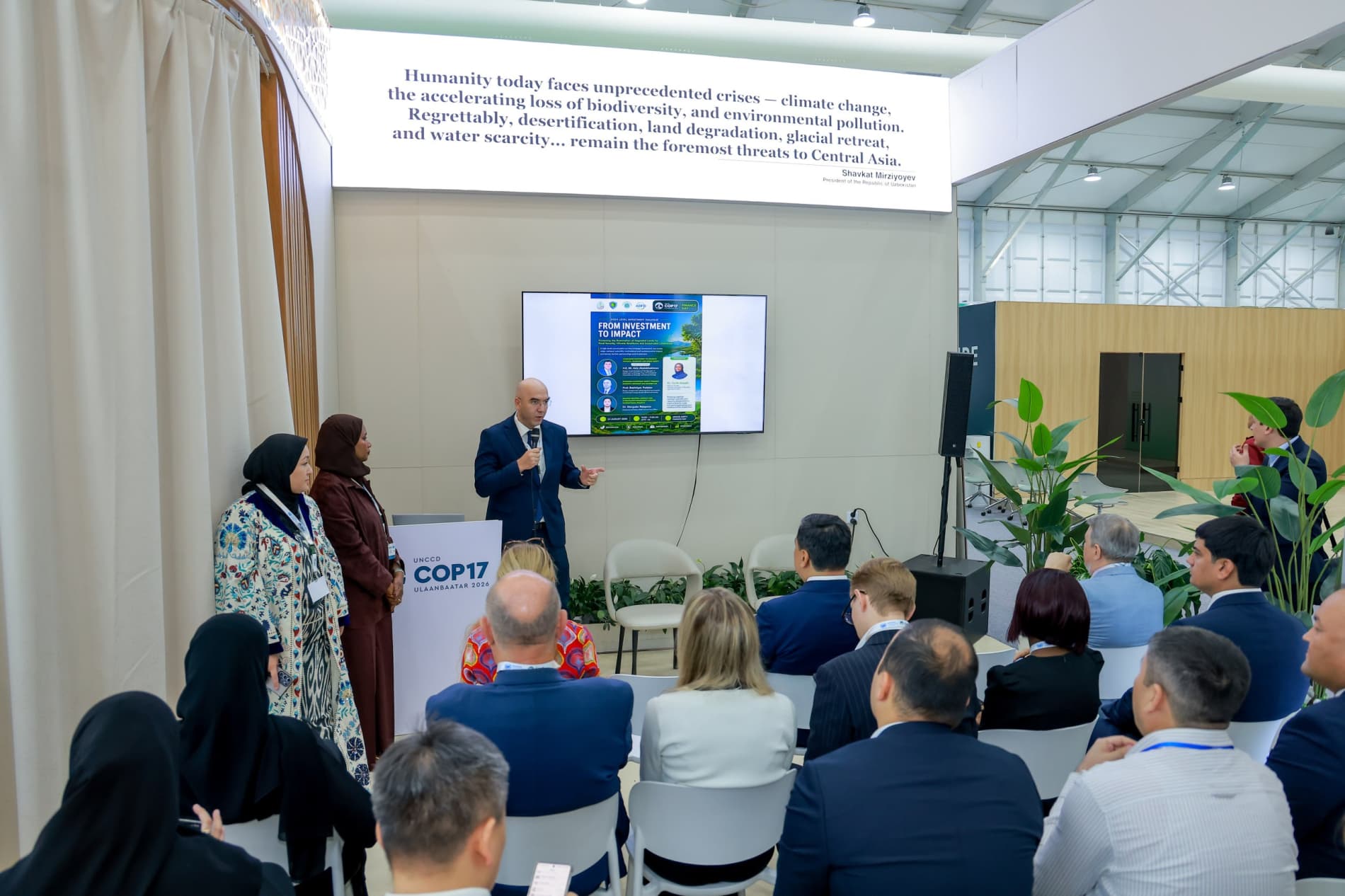

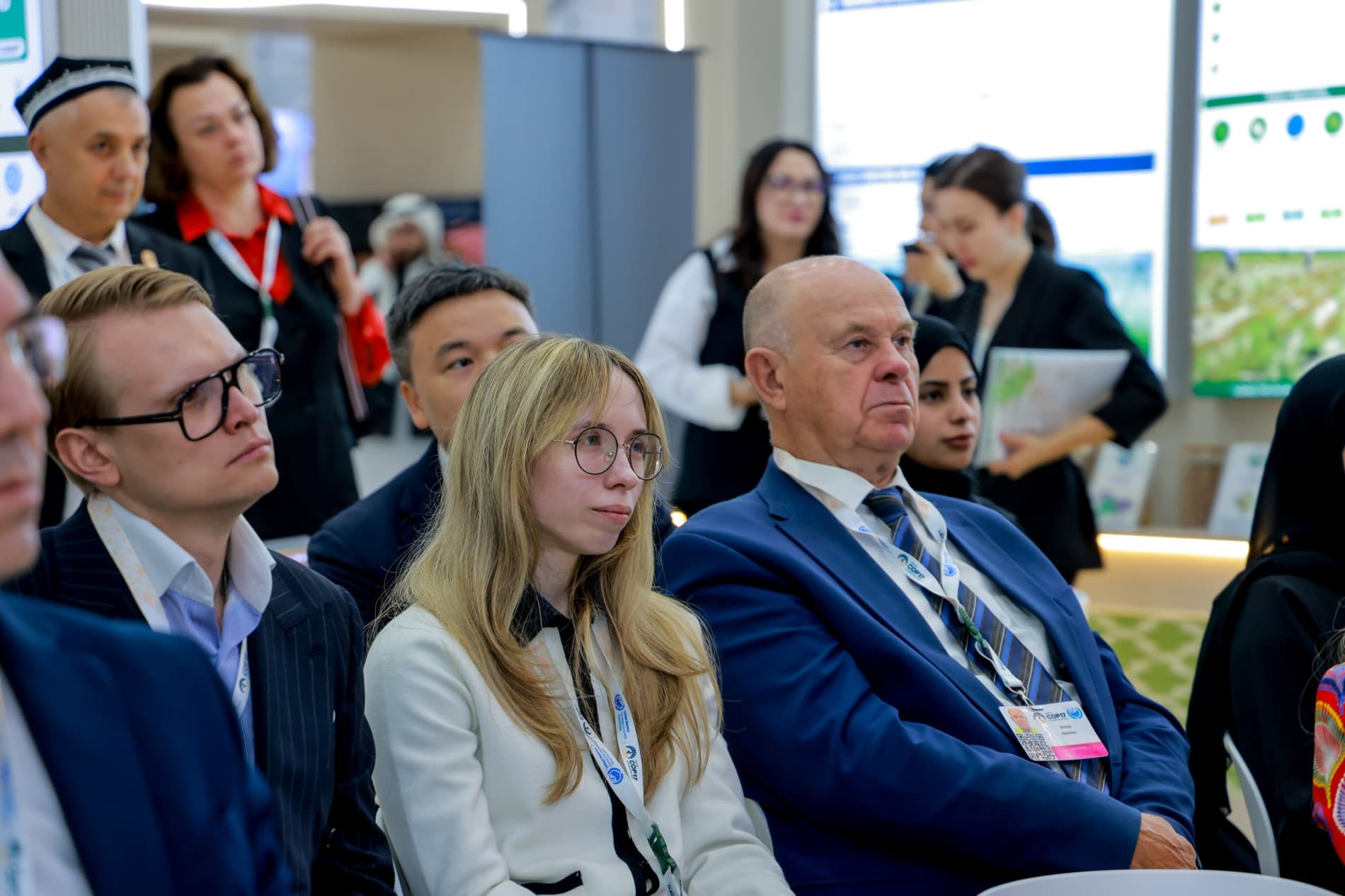
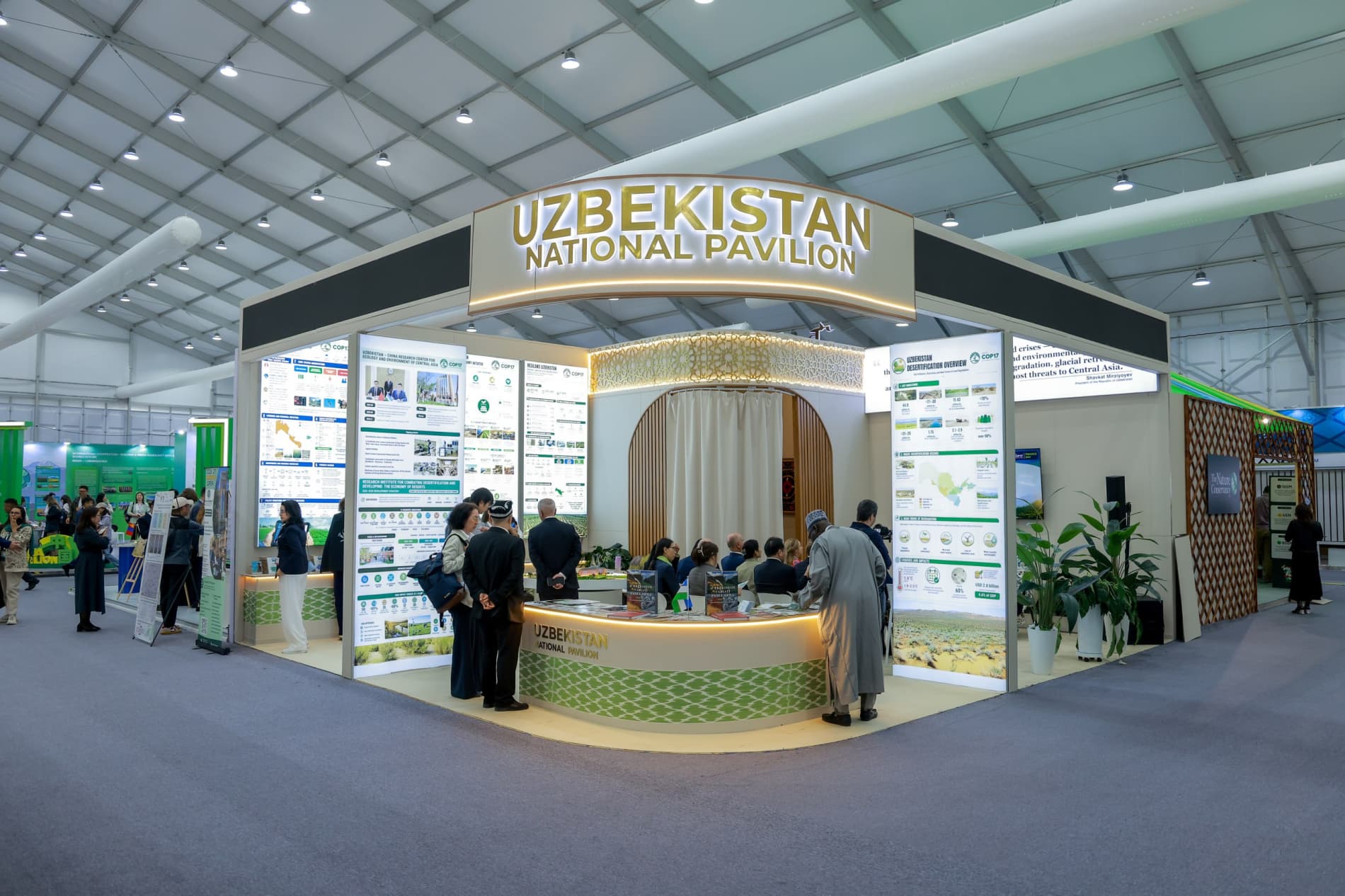
The event brought together Aziz Abdukhakimov, Advisor to the President of the Republic of Uzbekistan on Environmental Issues and Chairman of the National Committee on Ecology and Climate Change; Dr Tarifa Al Zaabi, Director General of the International Center for Biosaline Agriculture (ICBA); Professor Bakhtiyor Pulatov, Rector of the Central Asian University on Environmental and Climate Change Studies (Green University); and Dr Marguba Rejapova, ICBA CAC Postdoctoral Researcher.
In his remarks, Aziz Abdukhakimov highlighted that the experience of Karakalpakstan demonstrates how targeted investment can generate long-term impact extending far beyond an individual project. In 2023, with US$5.1 million in funding from the Abu Dhabi Fund for Development, the National Committee for Ecology and Climate Change, in cooperation with ICBA, implemented a project aimed at developing sustainable agricultural production systems in degraded areas of Karakalpakstan. The project established three demonstration sites, tested climate-resilient crops and developed approaches to more effective soil, water and agricultural management.
As Aziz Abdukhakimov noted, the initial project gradually evolved into a broader system for transferring technologies and knowledge. In 2025–2026, the programme reached an additional 4,144 farmers across all 15 districts of Karakalpakstan, while more than 20.9 tonnes of high-quality seeds were produced and distributed. It was emphasised that the task now goes beyond assessing the results of the initial investment: the focus is on institutionalising successful solutions, scaling them up and mobilising the next generation of investment.
The event also presented a concept for further developing cooperation between Uzbekistan and ICBA. In particular, participants proposed establishing the Central Asian Biosaline Agriculture and Climate Resilience Hub (CABACRH) at Green University. The proposed hub would bring together field-based projects, laboratory research, capacity building and the practical application of technologies. A key component of the initiative will be a planned US$5 million spirulina research laboratory, which will support research into microalgae, water resources and salinity, while also providing infrastructure for training students, researchers and farmers.
Particular attention was given to developing investment-ready land restoration projects. One of the proposed mechanisms is the establishment of a Drylands Project Lab at Green University, where projects would be prepared on the basis of defined baselines, budgets, environmental and social safeguards, key performance indicators and potential sources of financing. The first international cohort under the initiative is proposed for 2027, bringing together specialists from Central Asia, Mongolia and other dryland regions.
The event also discussed a proposal to develop a Regional Land Restoration Quality Standard and a Monitoring, Reporting and Verification (MRV) system. The proposed approach would assess not only the area of land restored, but also vegetation recovery, soil condition, water balance, productivity and socioeconomic outcomes. At the initial stage, the standard is proposed to be piloted across 5–10 land restoration projects.
In addition, participants considered the establishment of a Central Asian Land Project Preparation Centre aimed at preparing projects for investment and financing. The proposed mechanism would support key stages of project development, including feasibility studies, the establishment of baselines and MRV systems, environmental and social safeguards, economic analysis and financial structuring. Once prepared, projects could be channelled through existing financing mechanisms, including the Global Environment Facility (GEF), Green Climate Fund (GCF), international financial institutions, bilateral partners and private capital.
Continuing the discussion, Professor Bakhtiyor Pulatov and Dr Marguba Rejapova presented initiatives focused on strengthening scientific and institutional capacity, knowledge exchange, human capital development, and engagement with farmers and national institutions. Particular attention was given to cooperation between Green University and ICBA, as well as the work of AquaBio Lab as a platform for research, innovation and technological development, alongside the practical outcomes of international projects. The event concluded with discussions on expanding partnerships and mobilising new investment to scale up successful solutions and support new initiatives of Uzbekistan and ICBA.
The event reaffirmed an important principle: one successful investment should lay the foundation for the next — building an evidence base, strengthening capacity, facilitating technology transfer and creating a pipeline of investment-ready projects.