
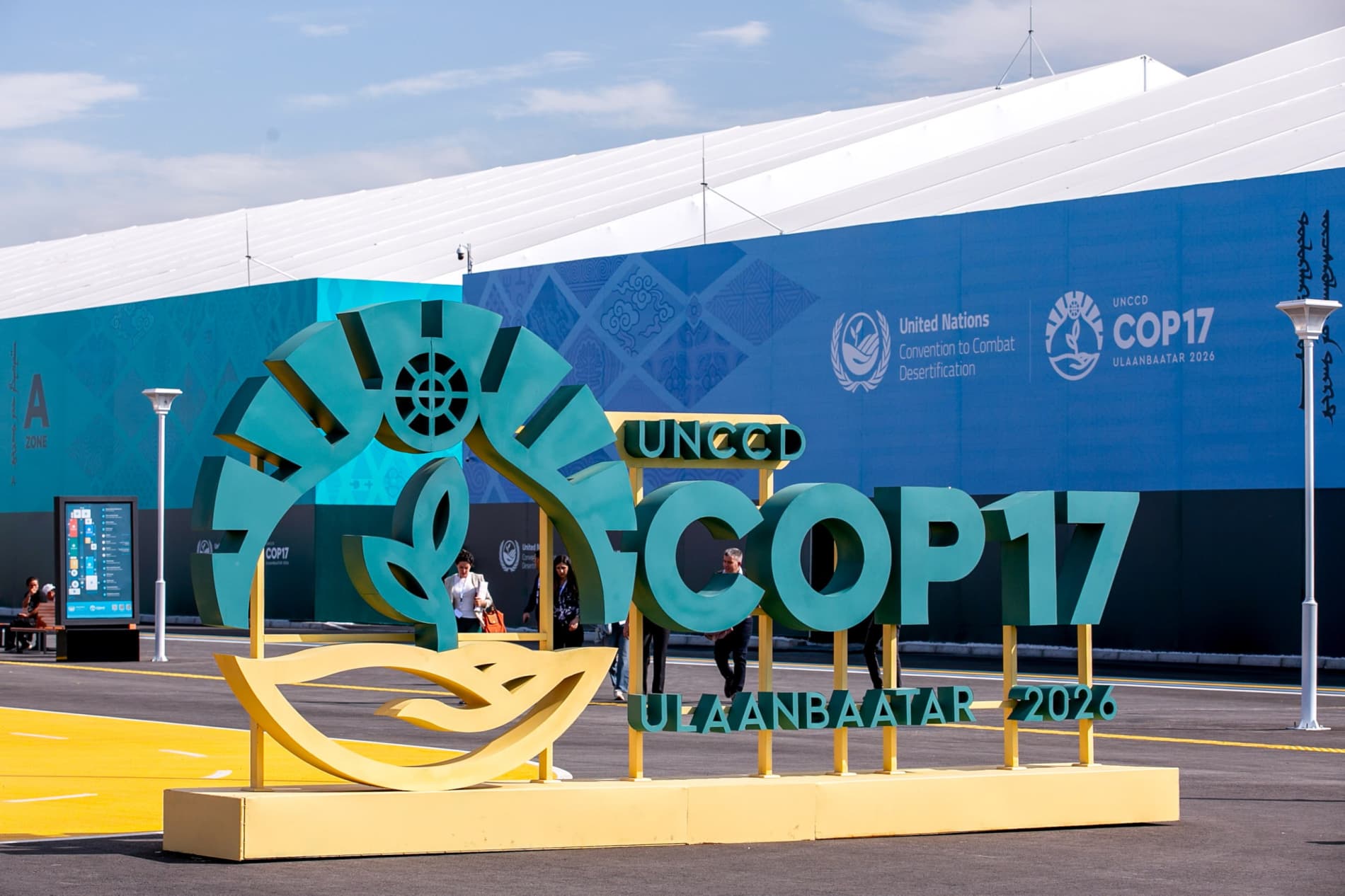
Official opening ceremony of the UNCCD COP17 Conference held in Ulaanbaatar
2026-08-18 18:05:00 / News
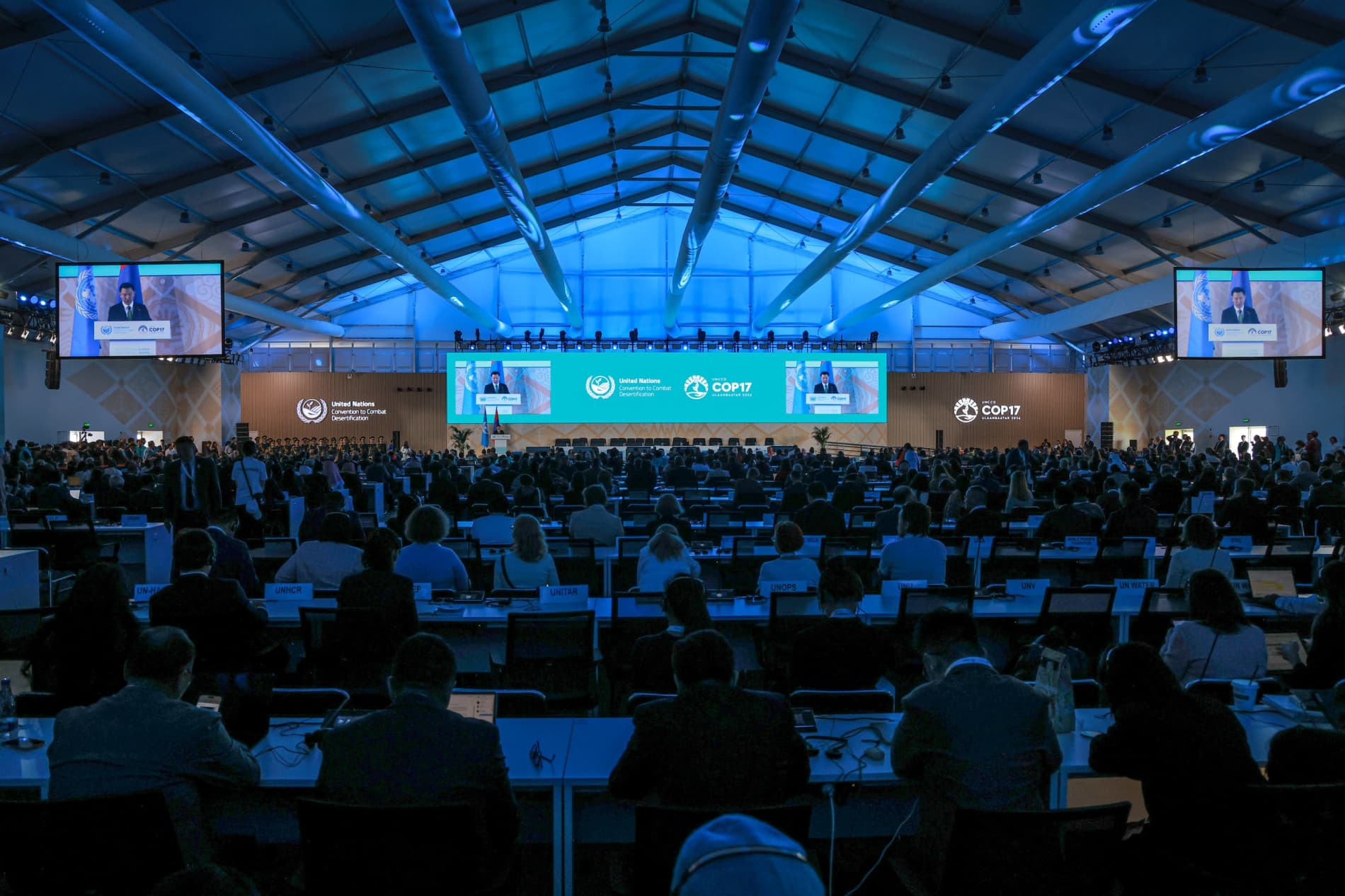
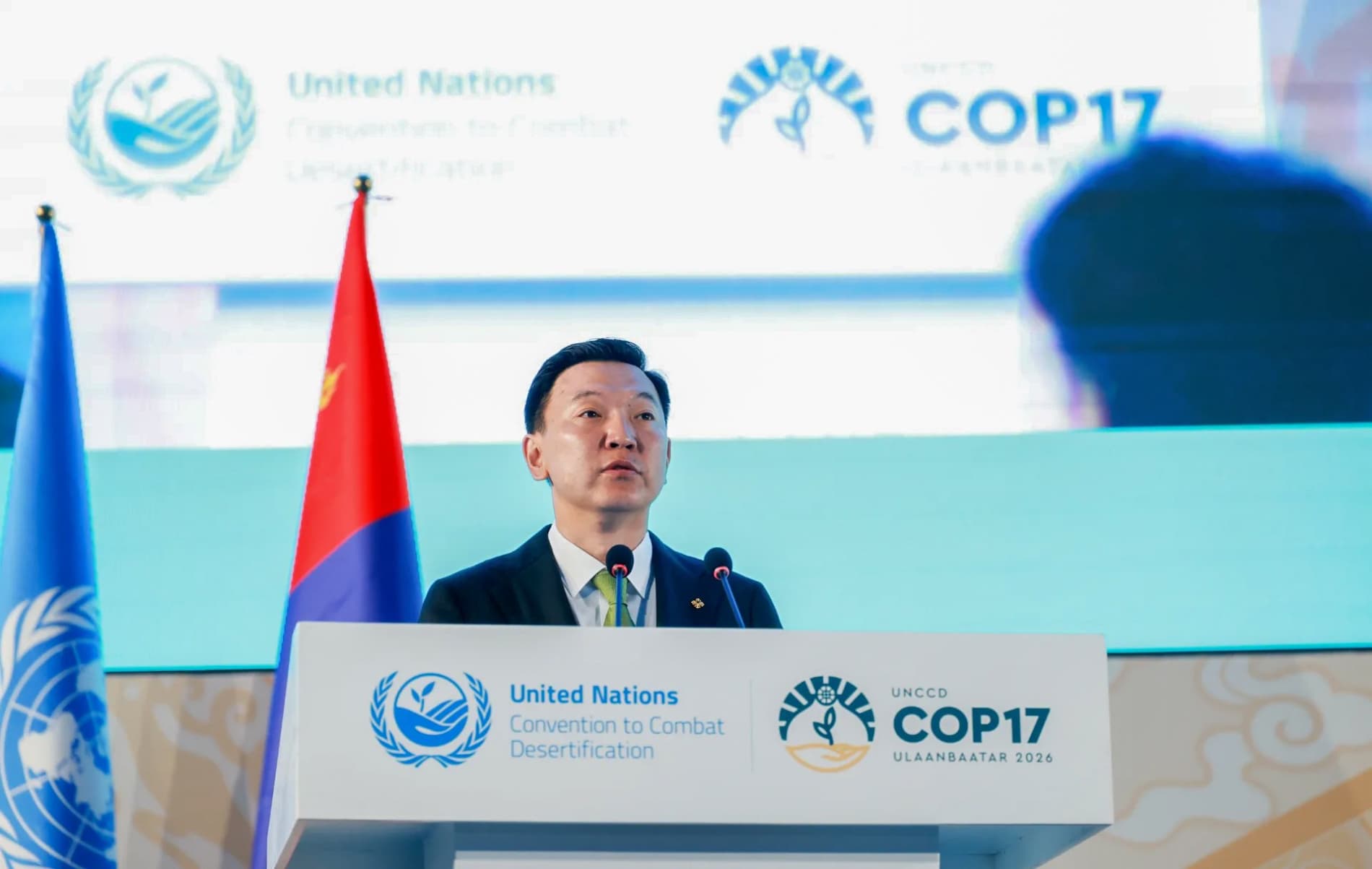
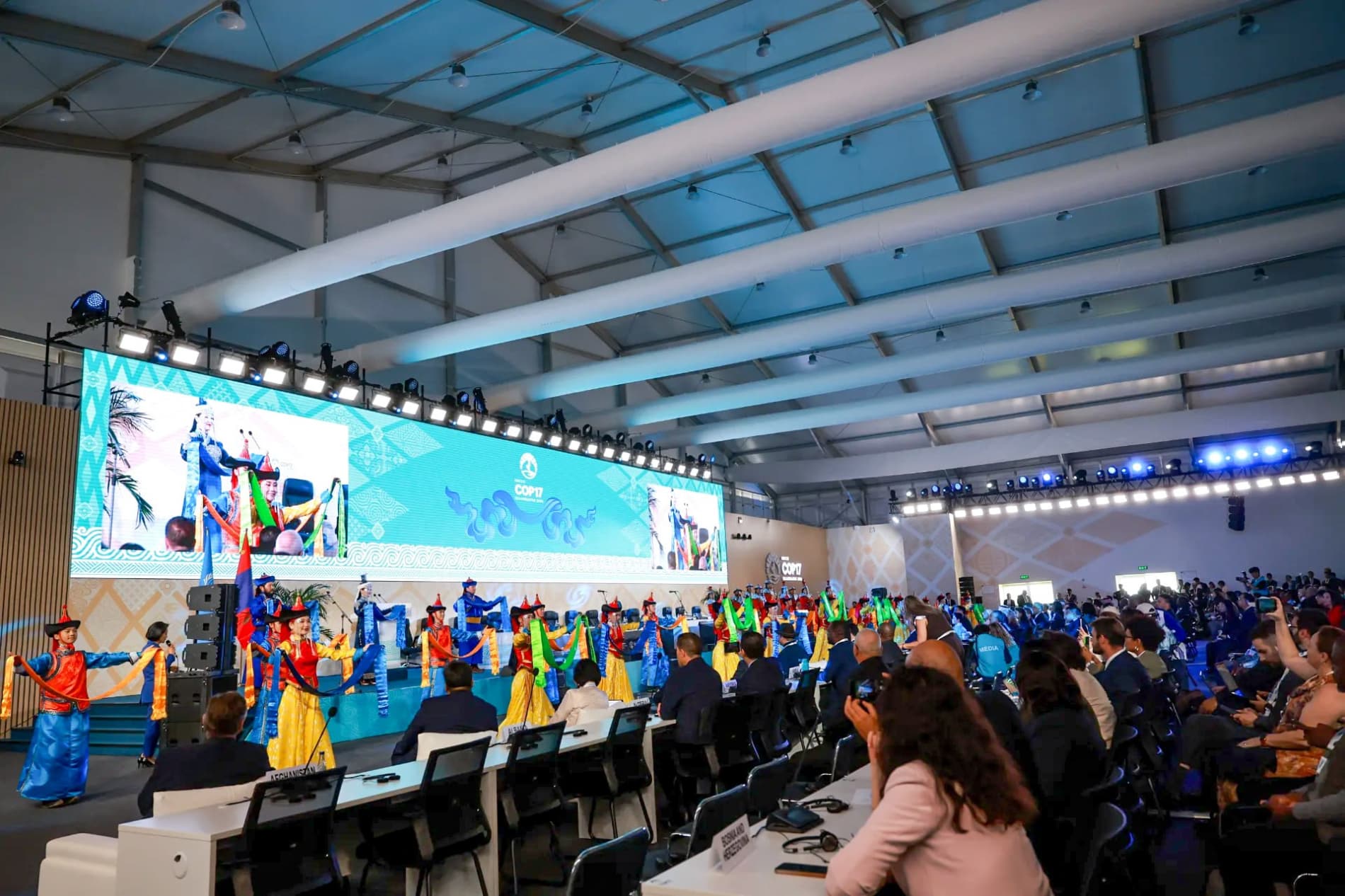
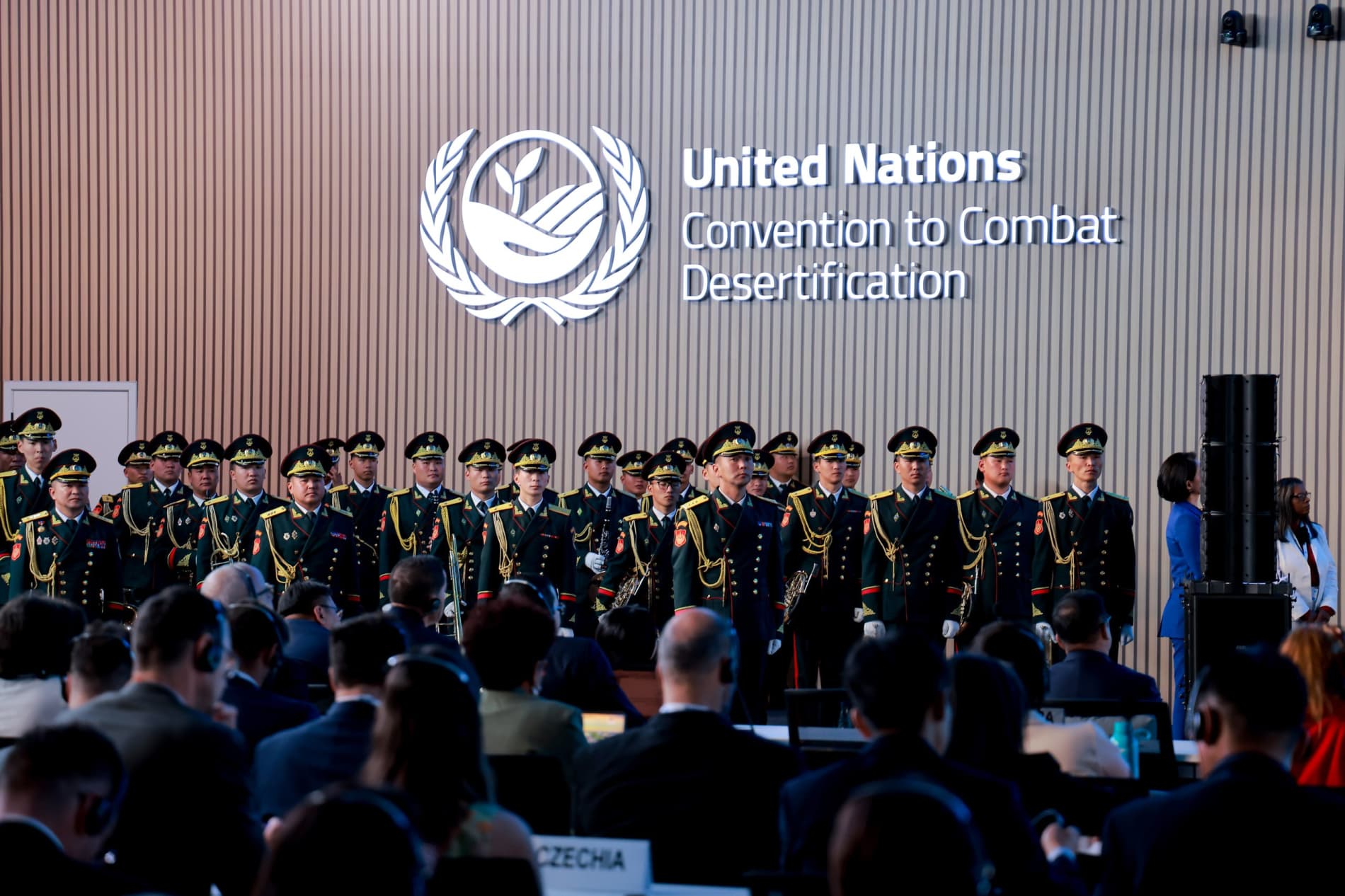
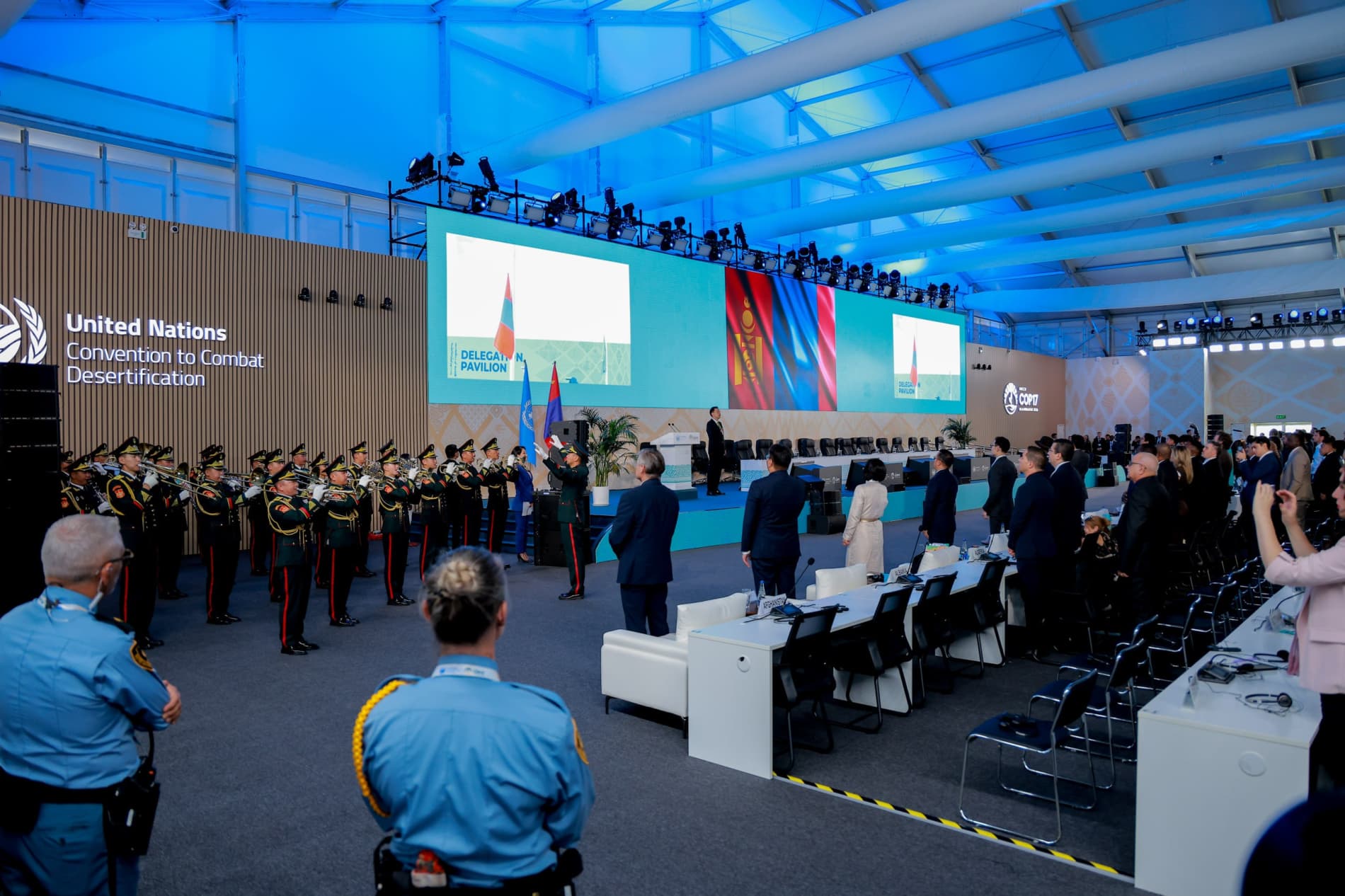
The opening ceremony featured addresses by Mongolian Prime Minister Nyam-Osoryn Uchral; Yasmine Fouad, Executive Secretary of the United Nations Convention to Combat Desertification; Dr Osama Ibrahim Faqeeha, Vice-Minister of Environment, Water and Agriculture of the Kingdom of Saudi Arabia and President of COP16; and Batmunkh Battsetseg, Minister of Foreign Affairs of Mongolia.
In his opening address, Prime Minister Nyam-Osoryn Uchral emphasised that the international community’s foremost task today is not merely to adopt new declarations, but to translate existing commitments into tangible results.
“COP17 must not be a conference that merely repeats previous decisions and declarations; it must be a conference that accelerates their implementation,” the Prime Minister stated.
In his remarks, the Prime Minister noted that land degradation is no longer solely an environmental issue related to soil and vegetation. It is a global challenge closely linked to food and water security, livelihoods, public health, migration, economic development, peace and security. He also noted that approximately 77 % of Mongolia’s territory is affected by desertification and land degradation.
One of the key moments of the opening ceremony was the official transfer of the COP Presidency from the Kingdom of Saudi Arabia to Mongolia. Conference participants unanimously elected Batmunkh Battsetseg, Minister of Foreign Affairs of Mongolia, as President of COP17.
The newly elected COP17 President stated that Mongolia would lead the conference process in accordance with the principles of openness, transparency, inclusiveness and consensus, with particular emphasis on bridging different positions and achieving practical outcomes. In her words, land restoration should not be viewed solely as an environmental task. Above all, it represents a long-term investment in human well-being, economic resilience, societies’ ability to withstand external shocks and the promotion of peace.
For her part, Yasmine Fouad, Executive Secretary of the United Nations Convention to Combat Desertification, stressed that the central task of the conference is to transform commitments into concrete projects, investments and tangible changes on the ground.
“COP17 must be a conference of results and practical implementation,” Yasmine Fouad emphasised.
According to her, the impacts of desertification, land degradation and drought currently affect billions of people worldwide. Land restoration must therefore be considered in close connection with food and water security, livelihoods and the resilience of communities.
Dr Osama Ibrahim Faqeeha, President of COP16, noted that building on the outcomes of COP16, held in Riyadh, enhancing drought resilience, promoting sustainable land management and strengthening international financing mechanisms would be among the key priorities of COP17. He called for further expansion of cooperation among international organisations, governments, the private sector and civil society.
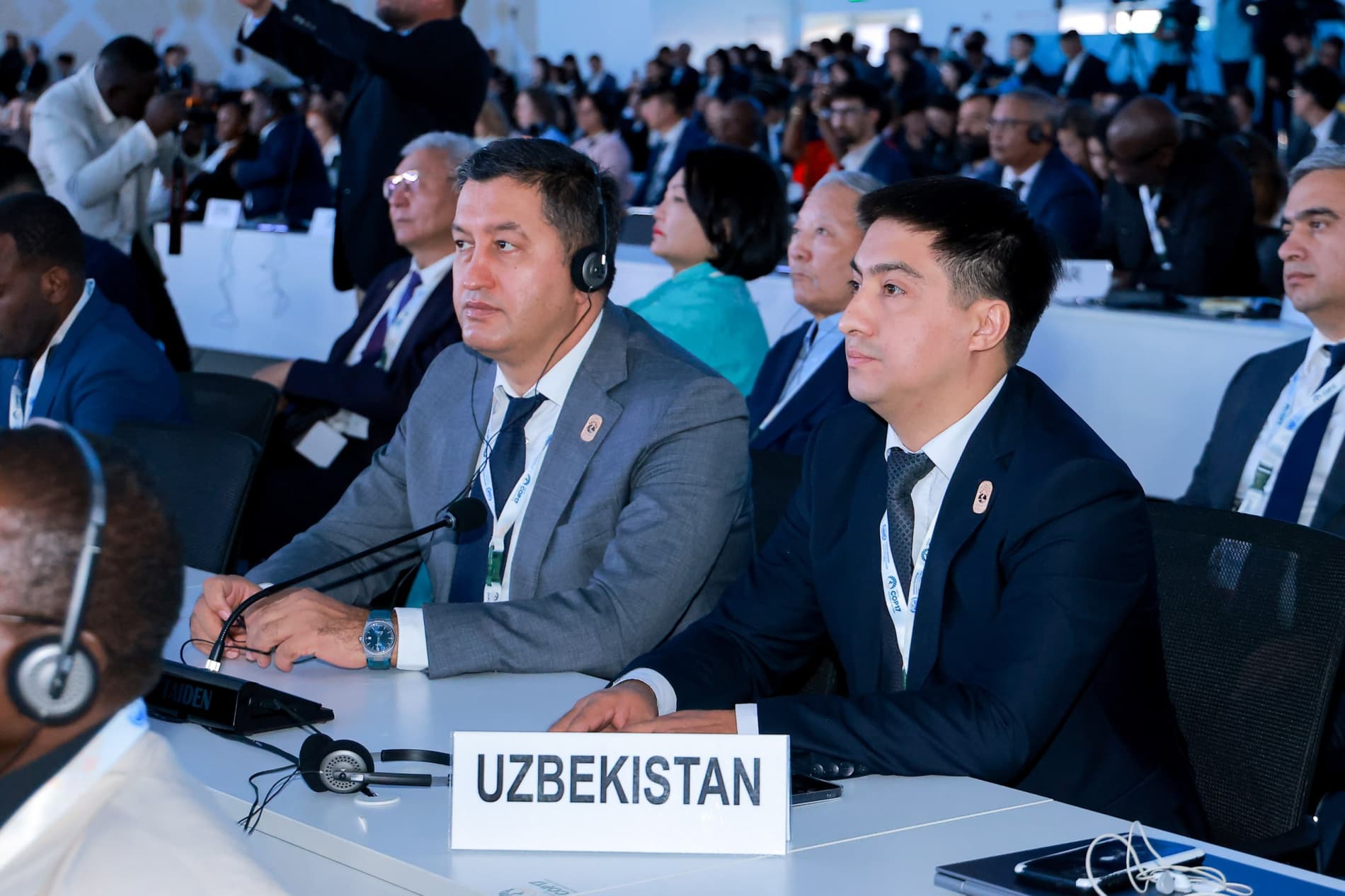
COP17 brings together delegations from all 197 Parties to the Convention, as well as representatives of governments, international organisations, the business community and civil society, scientists, young people, representatives of local and Indigenous peoples, pastoralists and farmers.
Over the course of the two-week conference, discussions will focus on land restoration, drought resilience, the interlinkages between water and land resources, sustainable rangeland management, soil health, food systems, the science–policy interface, innovation, technology and financing.
The designation of 2026 as the United Nations International Year of Rangelands and Pastoralists is also of particular significance, creating an important opportunity to elevate the protection, restoration and sustainable use of rangeland ecosystems within the high-level global policy agenda of COP17.
Overall, COP17 in Ulaanbaatar is expected to serve as a conference focused on translating the political commitments made at previous COP sessions into concrete projects, financing mechanisms, technological solutions and tangible results on the ground.
The conference is expected to conclude with the adoption of important decisions that will shape the international community’s future action on combating land degradation and desertification, strengthening drought resilience and restoring degraded ecosystems.