
Uzbekistan and Japan strengthen cooperation to enhance urban resilience to climate change
2026-08-14 15:40:00 / News
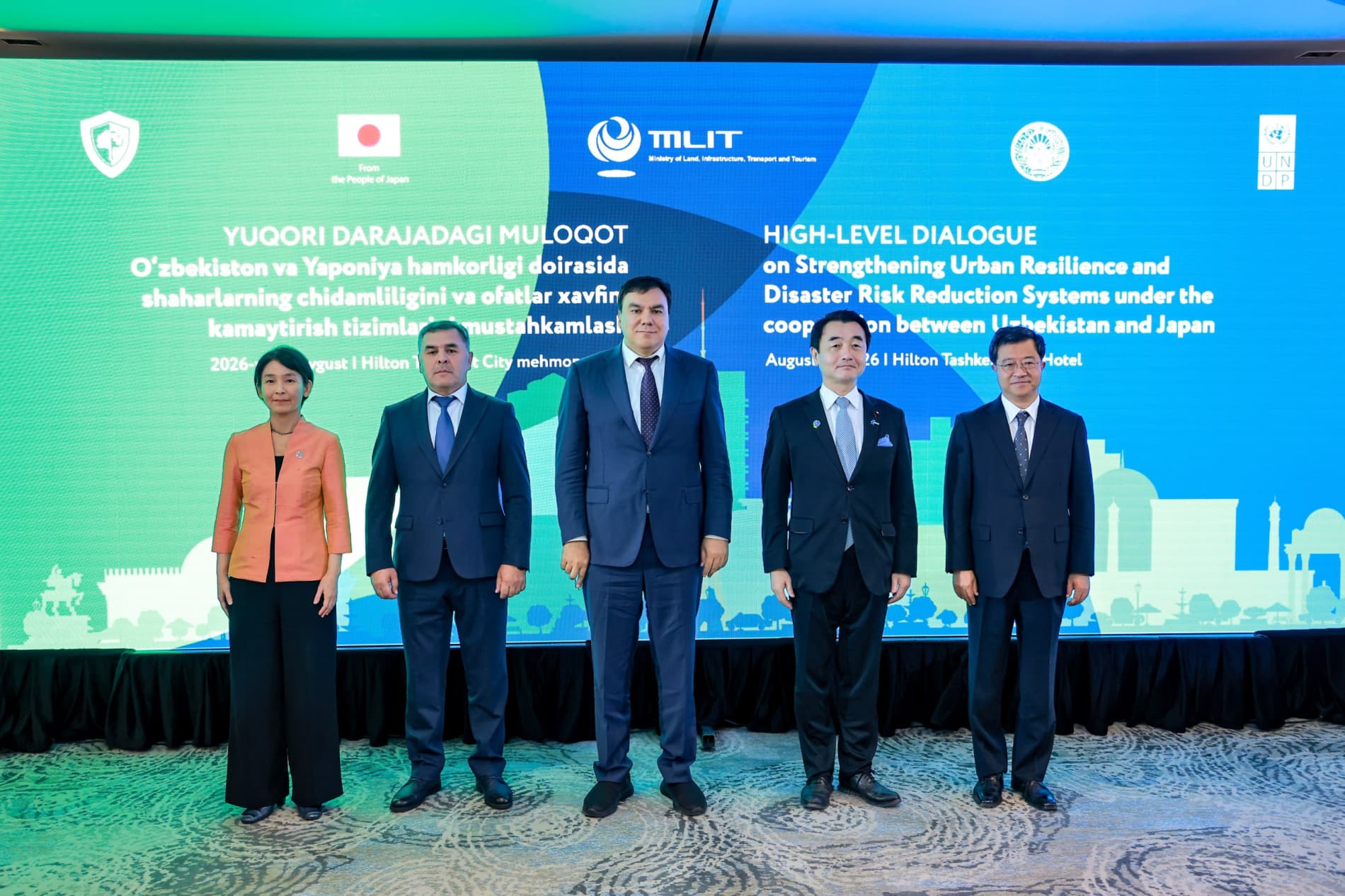
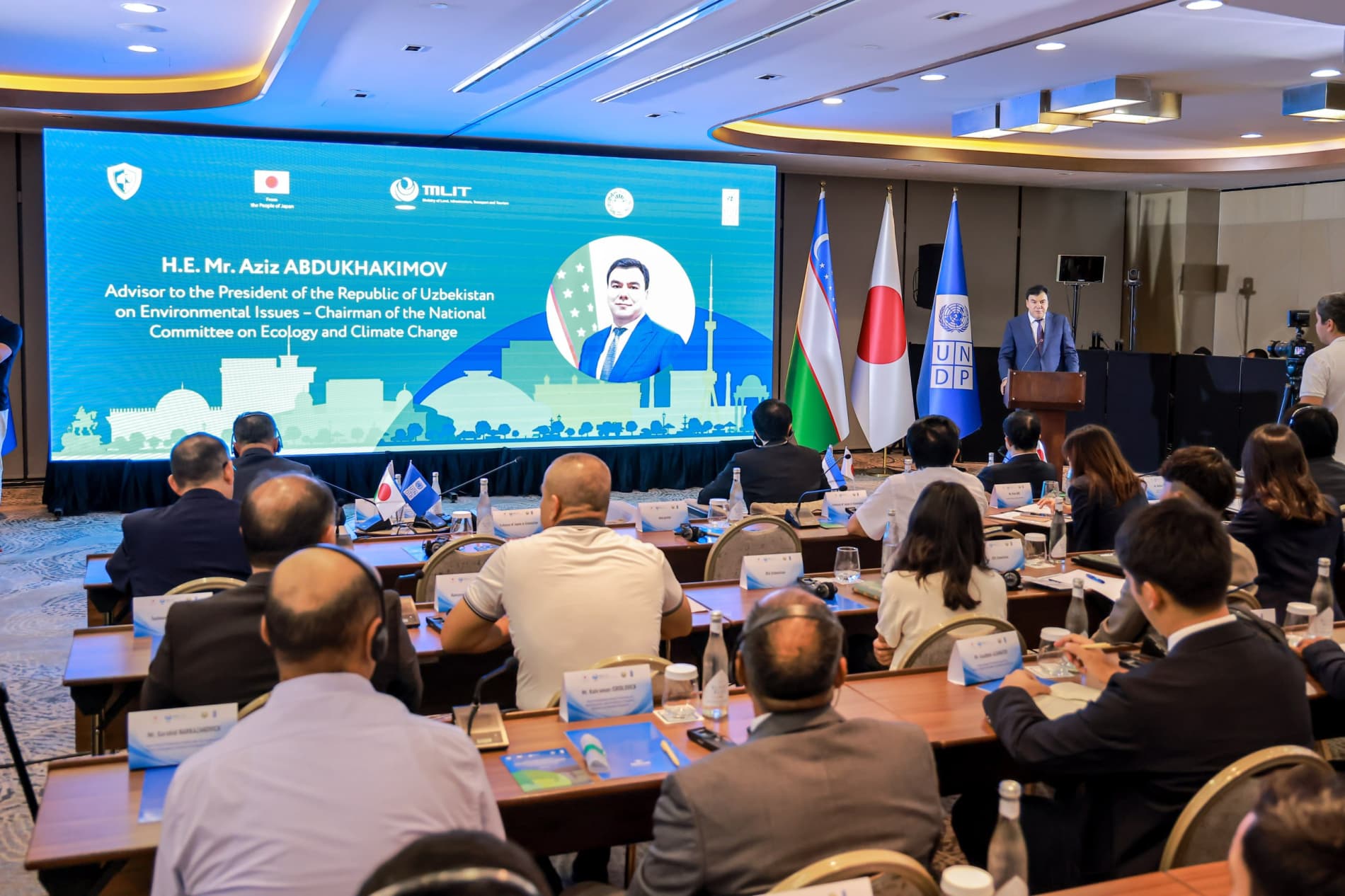

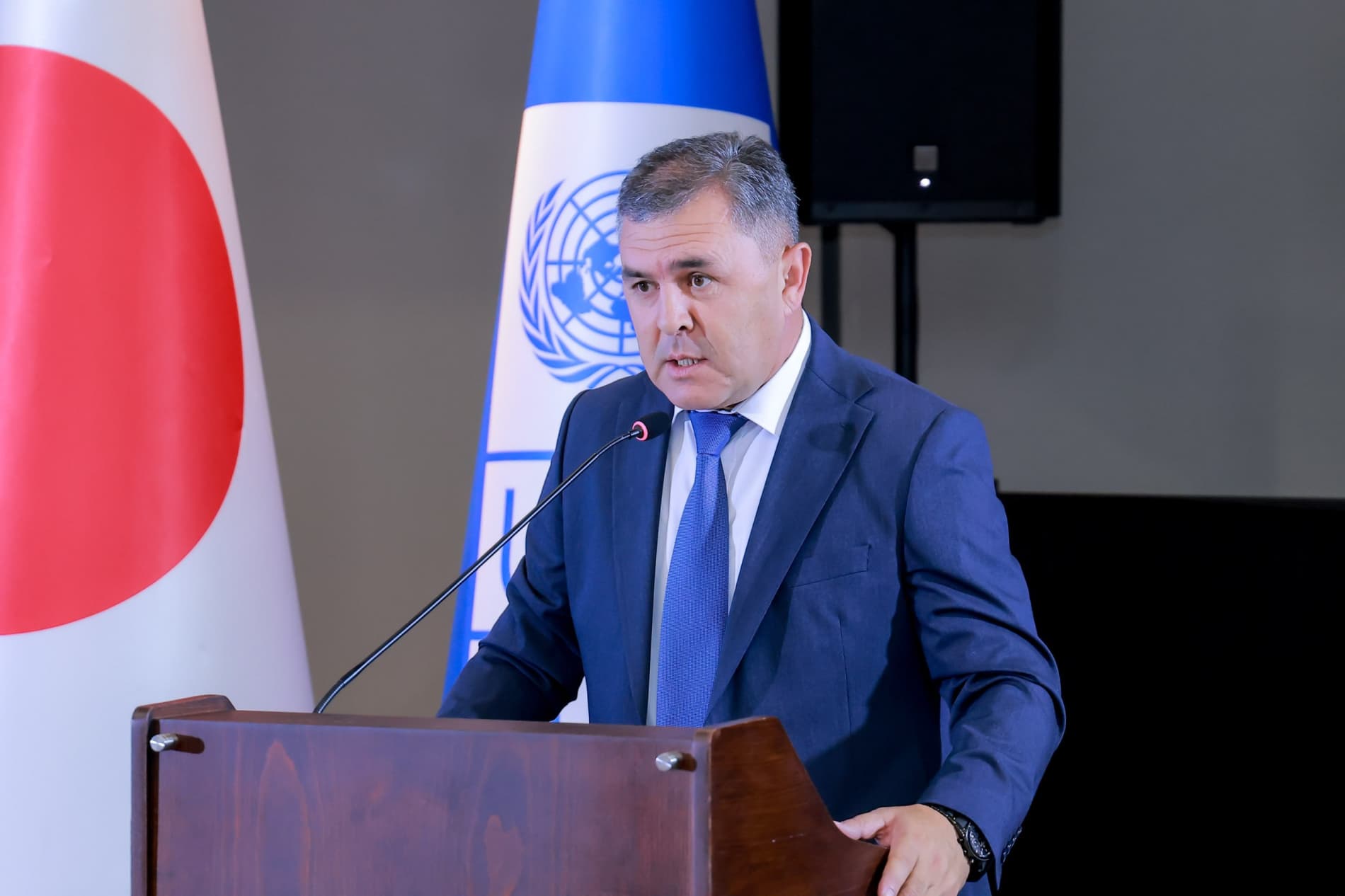
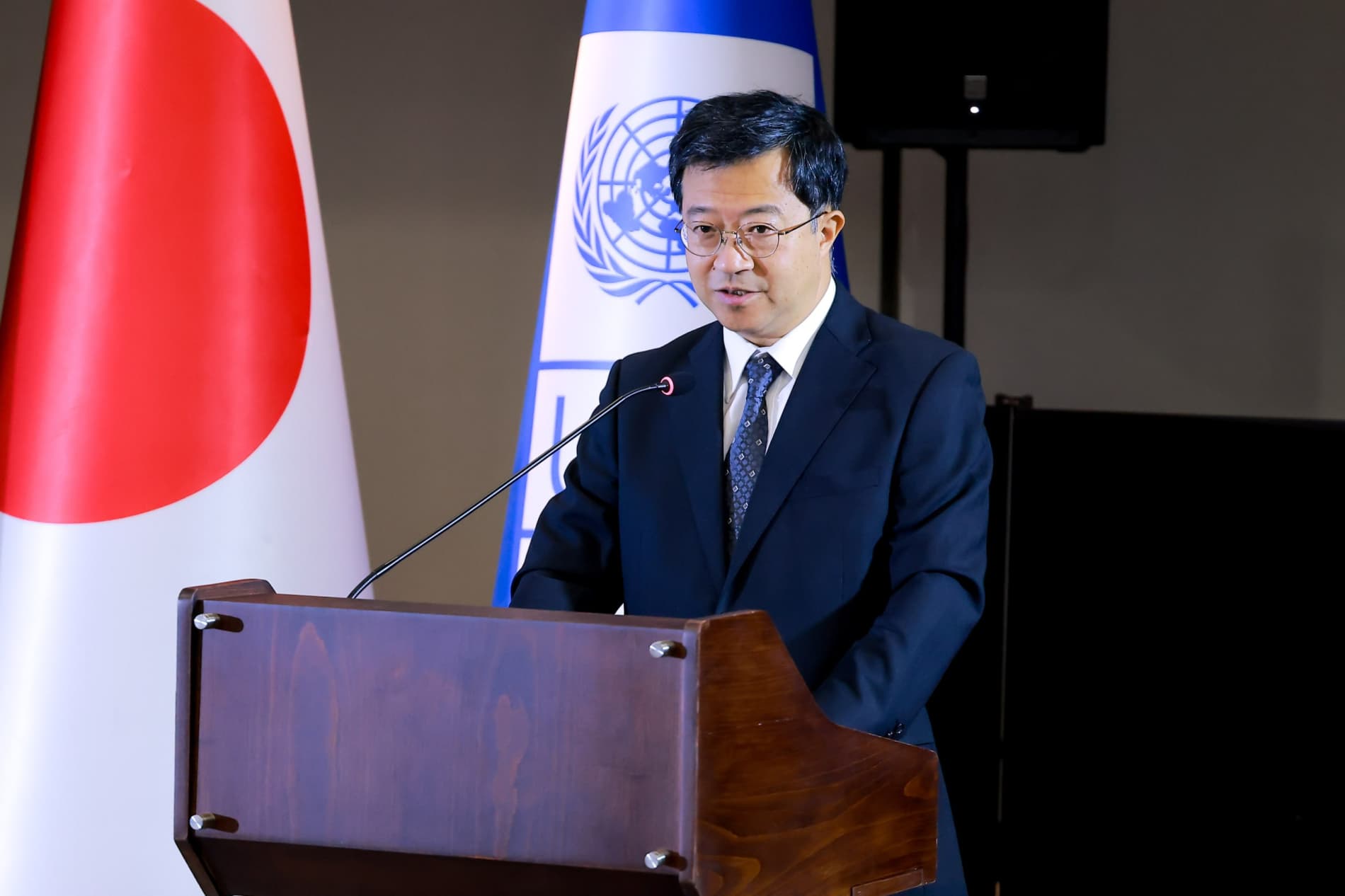
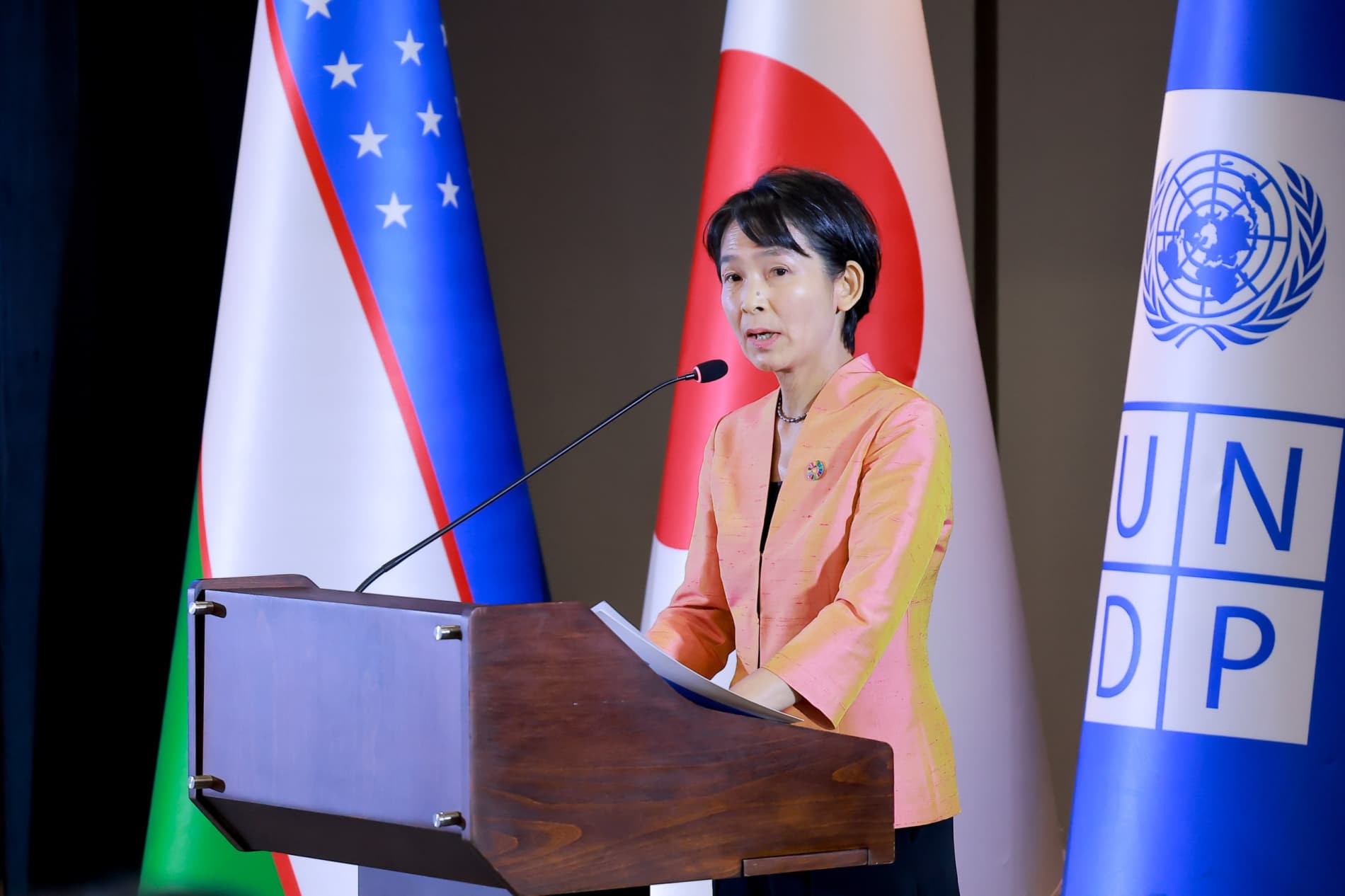
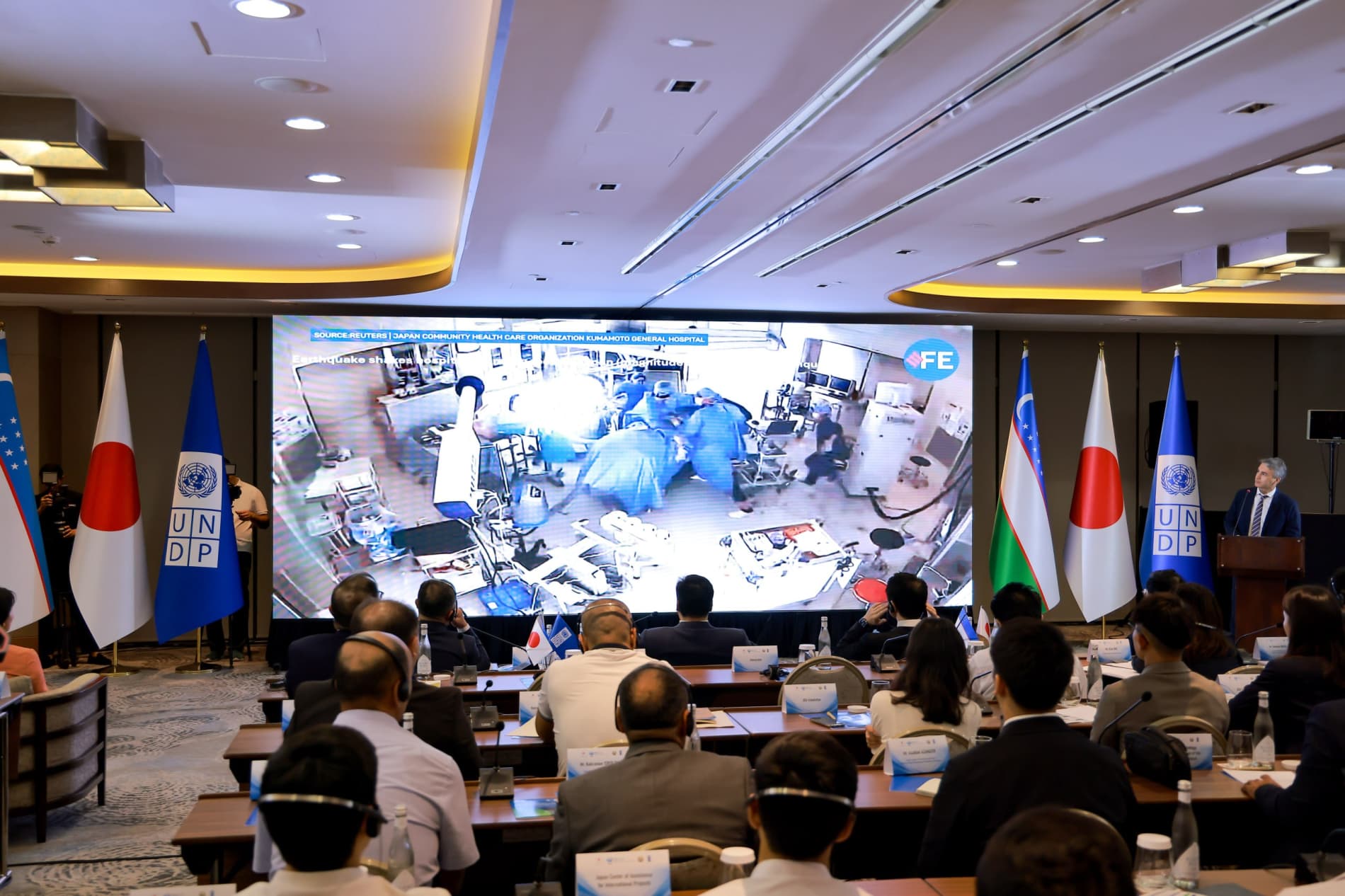
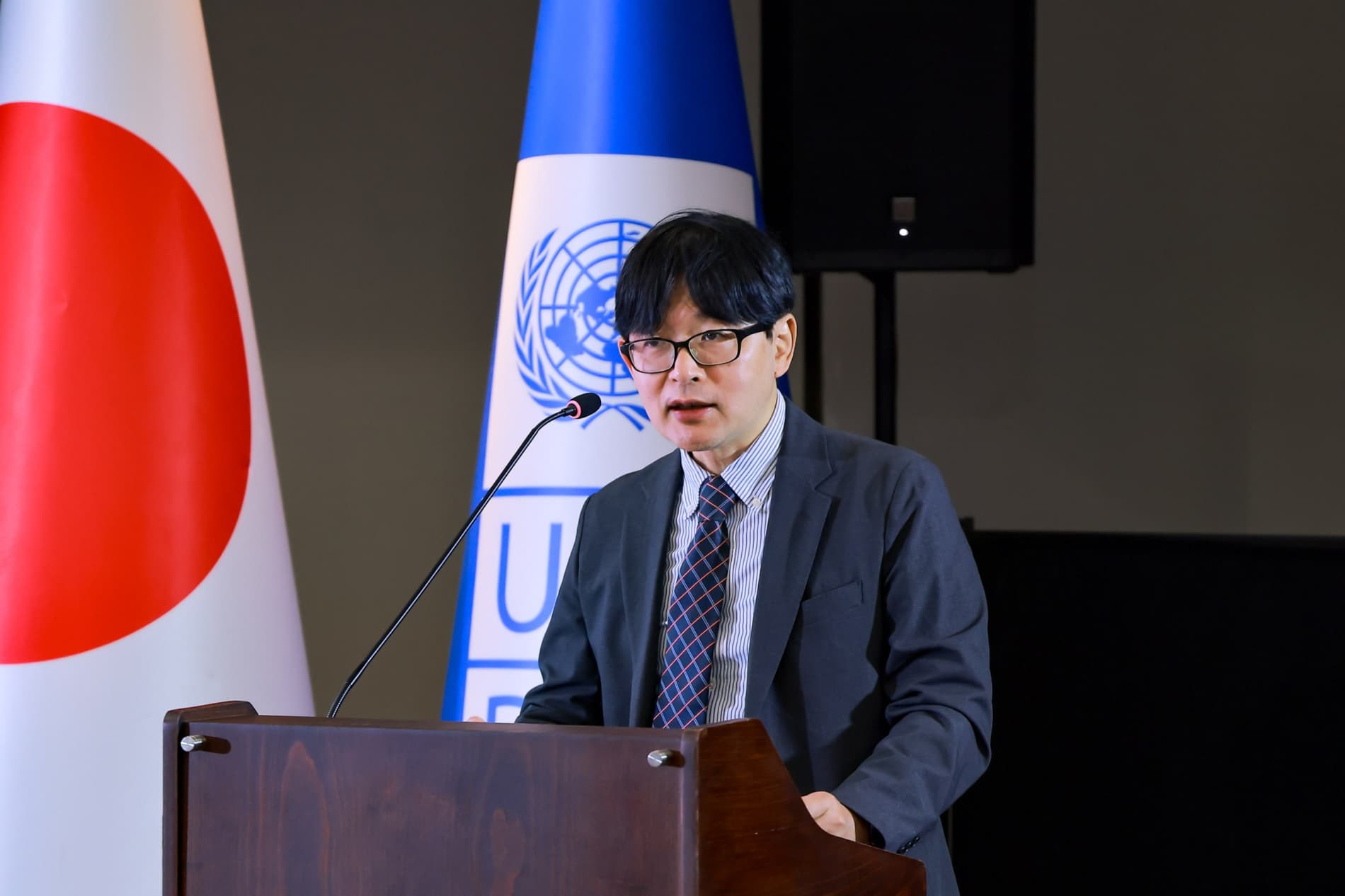
The event brought together government representatives, partners from Japan and Uzbekistan and experts to explore strategic priorities for building safer and more resilient cities. Discussions focused on supporting countries across the region in integrating climate change adaptation into urban planning and strengthening the partnership platform.
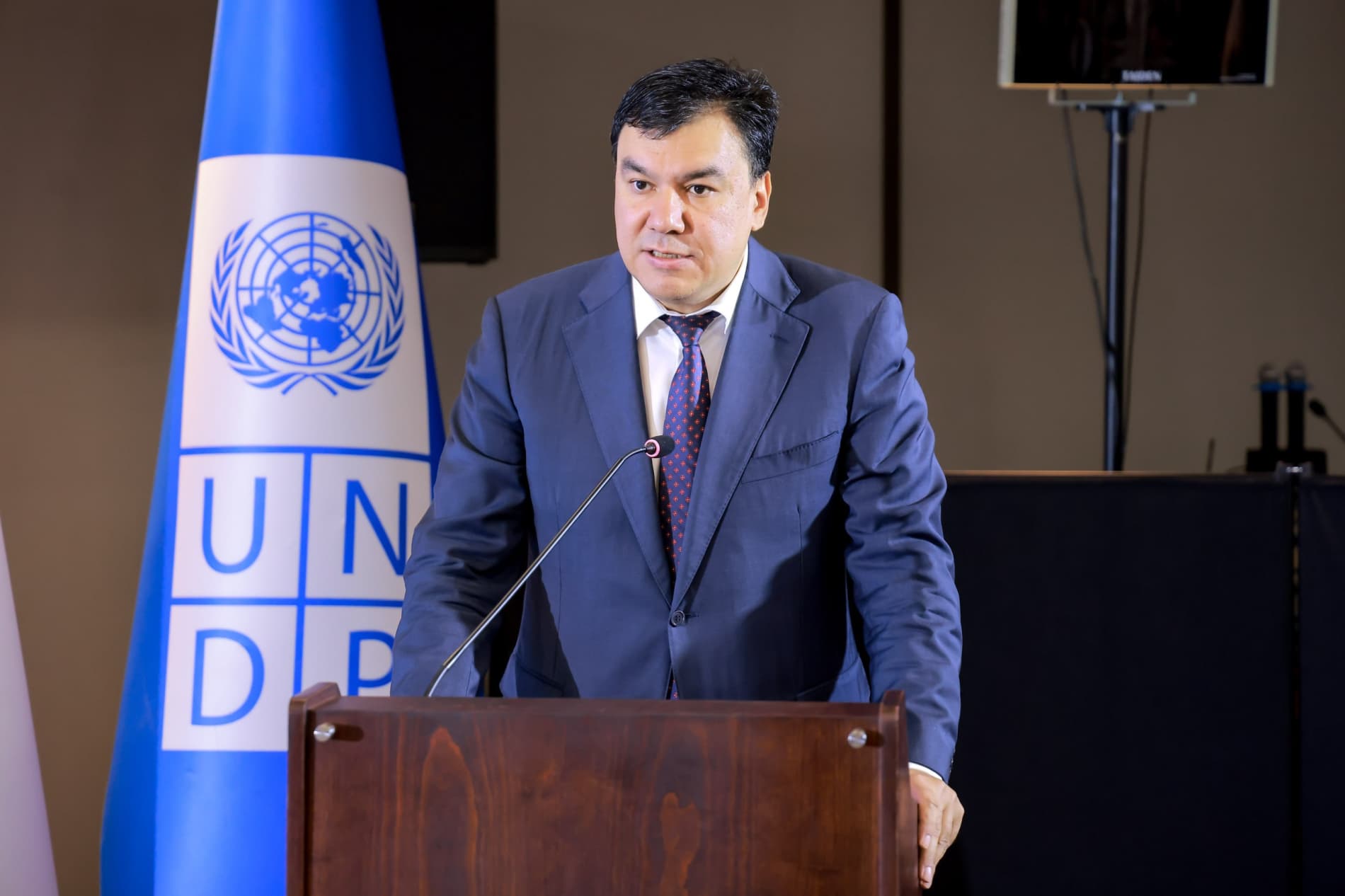
Opening the event, Aziz Abdukhakimov, Adviser to the President of the Republic of Uzbekistan on Environmental Issues and Chairman of the National Committee on Ecology and Climate Change, emphasized the importance of the dialogue in advancing cooperation between Uzbekistan and Japan in the areas of disaster risk reduction, early warning systems and resilient urban planning.
“In Uzbekistan, we are therefore strengthening both disaster preparedness and environmental resilience — from air quality monitoring and green infrastructure to early warning systems and risk-informed urban planning. This Dialogue will open new opportunities for cooperation with Japanese companies and technical experts, particularly in the areas of early warning systems, resilient infrastructure, sustainable urban development and advanced environmental technologies,” he noted.
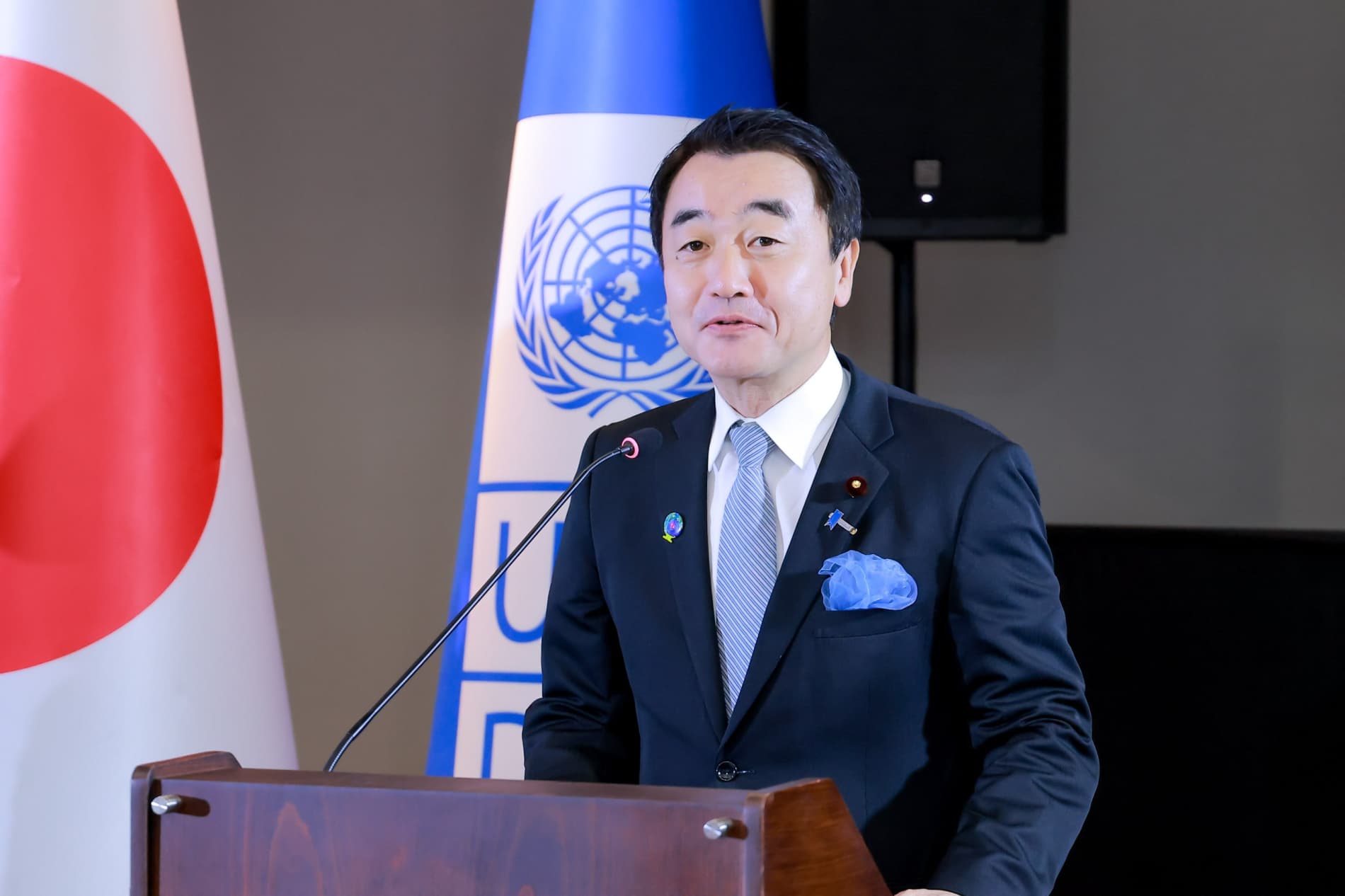
In his address at the event in Tashkent, Mr Hajime Sasaki, State Minister of Land, Infrastructure, Transport and Tourism of Japan, stated:“Through its experience of numerous natural disasters, Japan has learned the importance of understanding risks and strengthening the resilience of cities and infrastructure before disasters occur. We are ready to share Japan’s knowledge, technologies, and experience in public-private partnerships for disaster risk reduction with Uzbekistan and to contribute to the development of safe and resilient cities capable of withstanding the impacts of climate change and natural hazards.”
During the event, participants discussed international best practices and innovative approaches to seismic safety, flood preparedness and risk-informed urban development. Japanese experts shared their experience in disaster risk management, while representatives of Uzbekistan presented national strategies and practical measures being implemented in cities such as Tashkent and Namangan.
“The issues addressed during today’s dialogue — early warning systems, risk-informed urban planning, seismic safety, and integrated monitoring solutions — are directly linked to the lives and safety of our citizens. The Ministry of Emergency Situations is ready to support initiatives in these areas and expand cooperation aimed at achieving practical and tangible results,” said Khurshid Sotiyev, Deputy Minister of Emergency Situations of the Republic of Uzbekistan.
For his part, Mr Kenji Hirata, Ambassador Extraordinary and Plenipotentiary of Japan to Uzbekistan, noted:“Within the framework of the ‘Central Asia plus Japan’ Dialogue, our countries have identified disaster risk reduction, enhanced urban resilience, and climate action as important areas of cooperation. In partnership with the United Nations Development Programme, the Government of Japan is translating this cooperation into concrete action through two regional projects focused on urban resilience and disaster risk reduction. I hope that today’s dialogue will bring together the knowledge and experience of our two countries and lead to further cooperation in building more resilient cities and communities.”
Akiko Fujii, UNDP Resident Representative in Uzbekistan, emphasized the importance of strengthening resilience alongside rapid urban growth:“Urbanization is a powerful driver of economic growth. Official estimates show that every percentage-point increase in urbanization is associated with at least a one per cent increase in regional GDP, while also stimulating investment, innovation, and commercial activity. However, rapid urban growth must be accompanied by equally significant investments in resilience to protect people’s lives and livelihoods from potential disasters,” she said.“In this context, our joint initiative is of strategic importance. In Uzbekistan, with a particular focus on the city of Namangan, the country’s first-ever Climate and Disaster Risk Profile has been developed. This directly contributes to Uzbekistan’s progress towards Sustainable Development Goal 11 on sustainable cities and communities and Sustainable Development Goal 13 on climate action and climate- and disaster-risk management,” she added.
The dialogue concluded with the development of joint recommendations aimed at further strengthening institutional capacity, improving early warning systems and deepening regional cooperation to ensure a safer, more resilient and sustainable future for the people of Central Asia.