
SMART Patrol Launched in the "Zarafshan" National Park
2026-07-14 18:10:00 / News
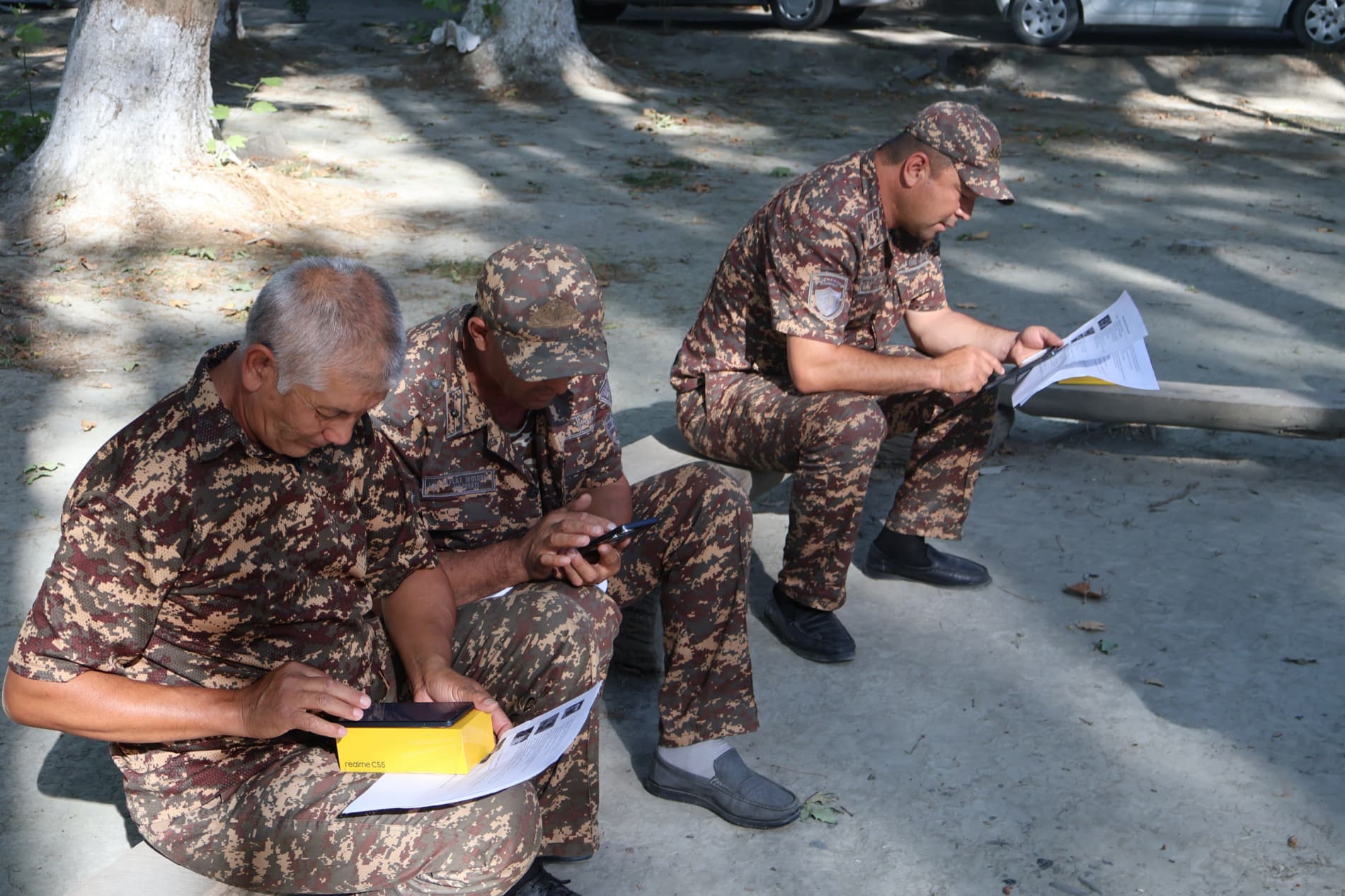
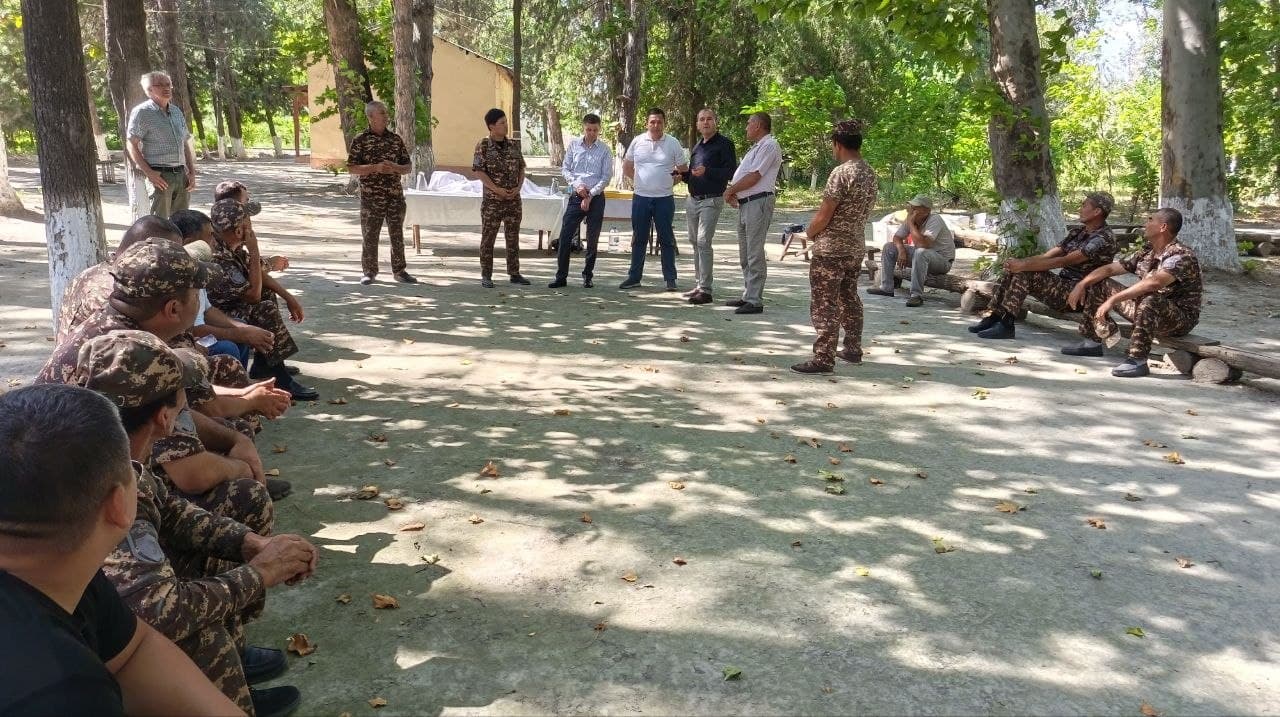
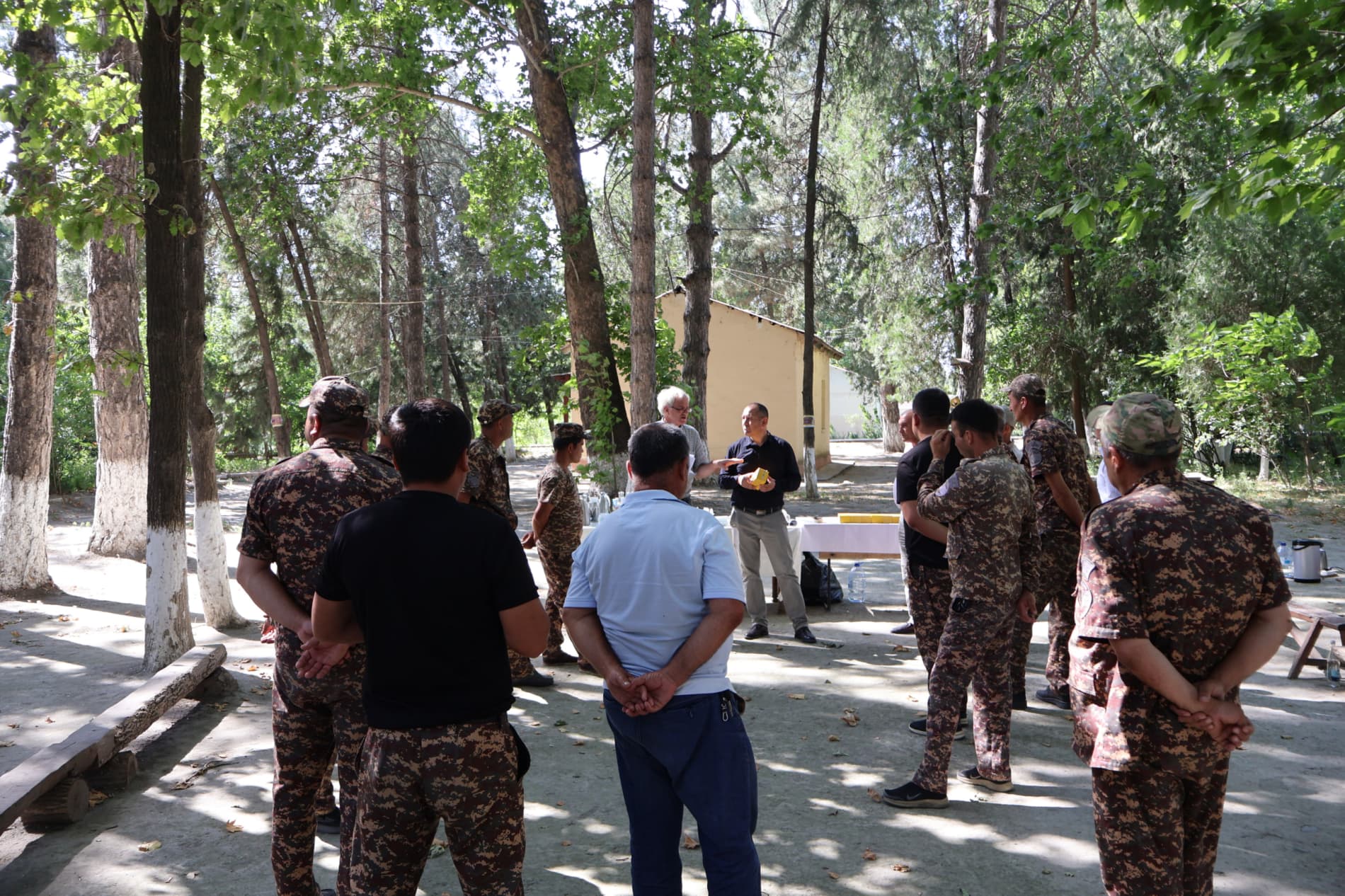
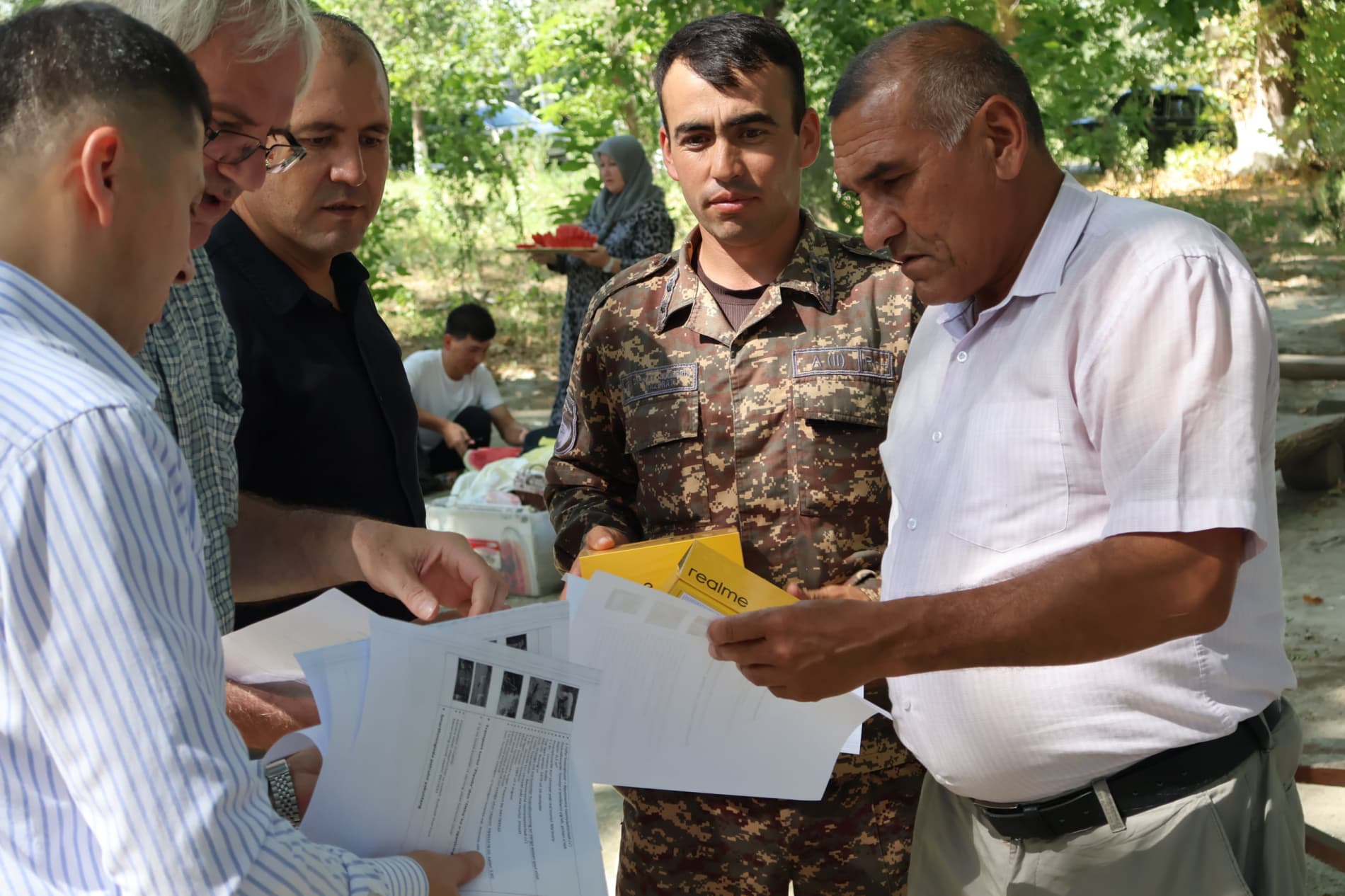
During the training, held on July 13-17, rangers and specialists from Zarafshan National Park are gaining both theoretical knowledge and practical skills in collecting, managing, and analyzing patrol data using the SMART system. Upon completion of the training, rangers will replace paper-based patrol logs with rugged smartphones equipped with the SMART Mobile application, enabling them to collect field data electronically, record observations with precise GPS coordinates, and upload information directly to a centralized database.
SMART (Spatial Monitoring and Reporting Tool) is a cutting-edge instrument for analyzing and reporting ranger patrol efforts and results. The program covers more than 1,200 protected areas in over 100 countries worldwide, and in 20 of them, it has been adopted at the state level. In Uzbekistan, SMART patrolling has already been introduced in the South Ustyurt National Park, the "Saigachiy" Complex Landscape Reserve, and the Surkhan State Reserve, and now it is the turn of "Zarafshan".
Throughout the training, rangers are learning how to collect and record patrol data using the SMART Mobile application, while database operators are being trained to manage, verify, and analyze the collected information and produce analytical reports. The final phase of the training focuses on establishing a wildlife monitoring system within the SMART platform, integrating monitoring data into the system, and testing its functionality under field conditions.
The sessions are conducted by Michiel Hotte, an ecologist and international wildlife conservation expert from the Netherlands:
"It is a privilege to work with the rangers and their managers as they learned to use SMART in their daily operations. Throughout the training, I am impressed by their commitment to accurate data collection during patrols, data management, and evidence-based decision making. With SMART now introduced, local staff are well equipped to collect, analyze, and use field information effectively, helping to improve biodiversity protection for the long term”.
The initiative itself is part of a series of adaptation measures that GIZ is implementing based on climate risk assessments conducted in five transboundary river basins in Central Asia. Thus, the implementation of SMART patrolling is being carried out for nature reserve staff in both Uzbekistan and Tajikistan, serving as an example of successful cross-border cooperation in climate risk management and nature conservation in the face of the climate crisis.