
Take Care of Yourselves and Protect Green Spaces During the Period of Extreme Heat
2026-07-12 16:30:00 / News
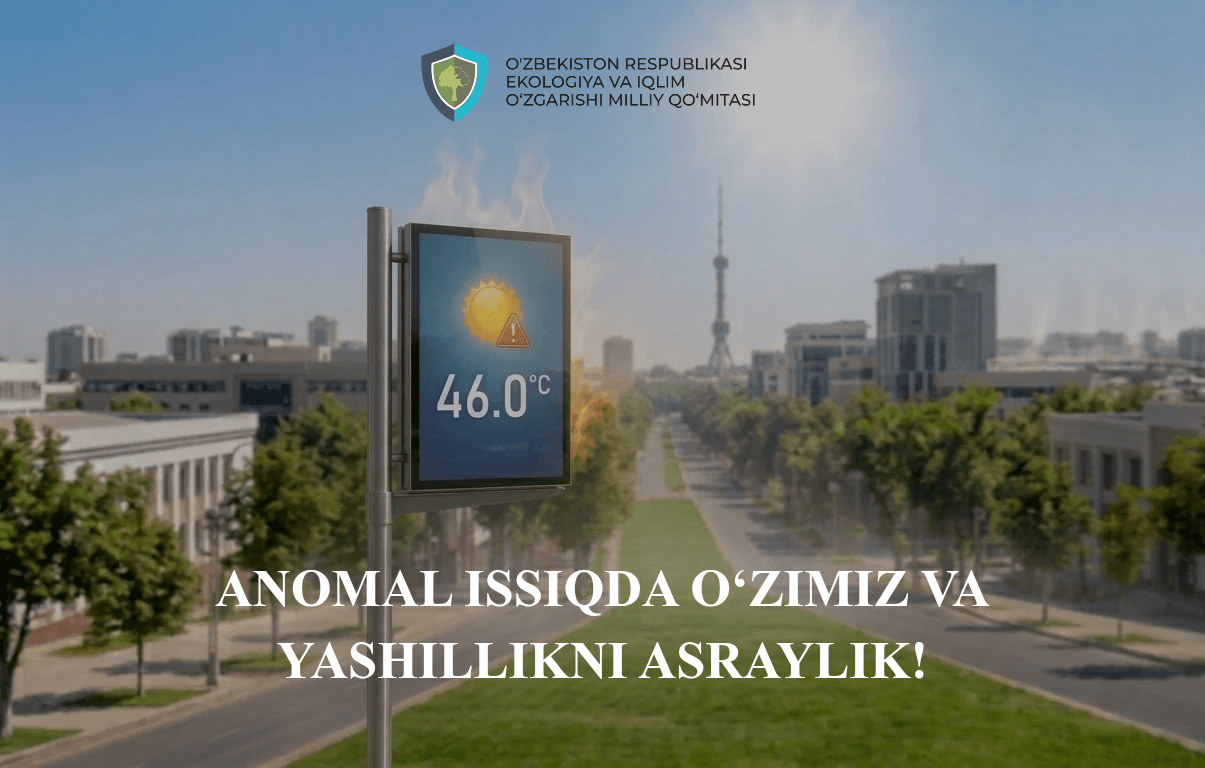
Extreme heat poses a serious threat not only to human health but also to the country's green spaces—including trees, shrubs and wildlife. Prolonged high temperatures can lead to the drying out of trees, damage to green area and further strain on already limited water resources, adversely affecting environmental sustainability.
In light of these conditions, the National Committee on Ecology and Climate Change urges all citizens and responsible organizations to strictly observe the following precautionary measures.
Recommendations for the Public:
1 Whenever possible, avoid staying outdoors during the hottest part of the day, from 11:00 a.m. to 5:00 p.m.
2 Drink sufficient water, wear lightweight, light-coloured clothing and protect yourself from direct sunlight.
3 Pay particular attention to children, older persons, and individuals with underlying health conditions.
4 Strictly observe fire safety regulations in forests, recreational areas and other green spaces. Do not light open fires or leave behind flammable waste.
5 Do not remain indifferent to trees in courtyards and mahallas that have been left without proper care. Take appropriate measures to help prevent them from drying out.
6 Water trees and shrubs in courtyards and mahallas regularly during the early morning or evening hours, loosen the soil around their roots to help retain moisture, and, where possible, apply organic mulch.
7 Refrain from any actions that could damage trees or other green spaces.
Local government authorities, municipal services, mahallas, enterprises, organizations and other responsible institutions are encouraged to strengthen their efforts in the following areas:
1 Conduct continuous monitoring of the condition of trees, shrubs, flowerbeds, and other green spaces in populated areas.
2 During periods of high temperatures, ensure regular and timely irrigation of trees and saplings in accordance with approved schedules and established horticultural practices.
3 Ensure the uninterrupted operation of irrigation networks, canals, and water supply infrastructure and promptly address any malfunctions.
4 Give special attention to recently planted saplings and green areas that are at high risk of drying out, providing them with additional care and maintenance.
5 Use water resources responsibly and efficiently by gradually introducing drip irrigation and other water-saving technologies.
6 Protect trees located near construction and industrial sites from the effects of dust. Where necessary, rinse their leaves with water and ensure that water can freely reach the root system.
7 Preserve water sources for wildlife, particularly wild animals and birds, prevent fires in natural areas and strengthen measures to protect natural ecosystems.
Remember! Every good deed carried out today contributes to cleaner air, a cooler environment, and a more sustainable ecological future for generations to come. Every tree that is preserved is an invaluable natural asset that helps mitigate the impacts of extreme heat, improves air quality and maintains ecological balance.
We call upon everyone to treat nature with care, protect existing green spaces and further strengthen their environmental responsibility during this period of extreme heat.