
Uzbekistan and Kazakhstan Join Efforts to Improve Ambient Air Quality
2026-07-03 19:30:00 / News
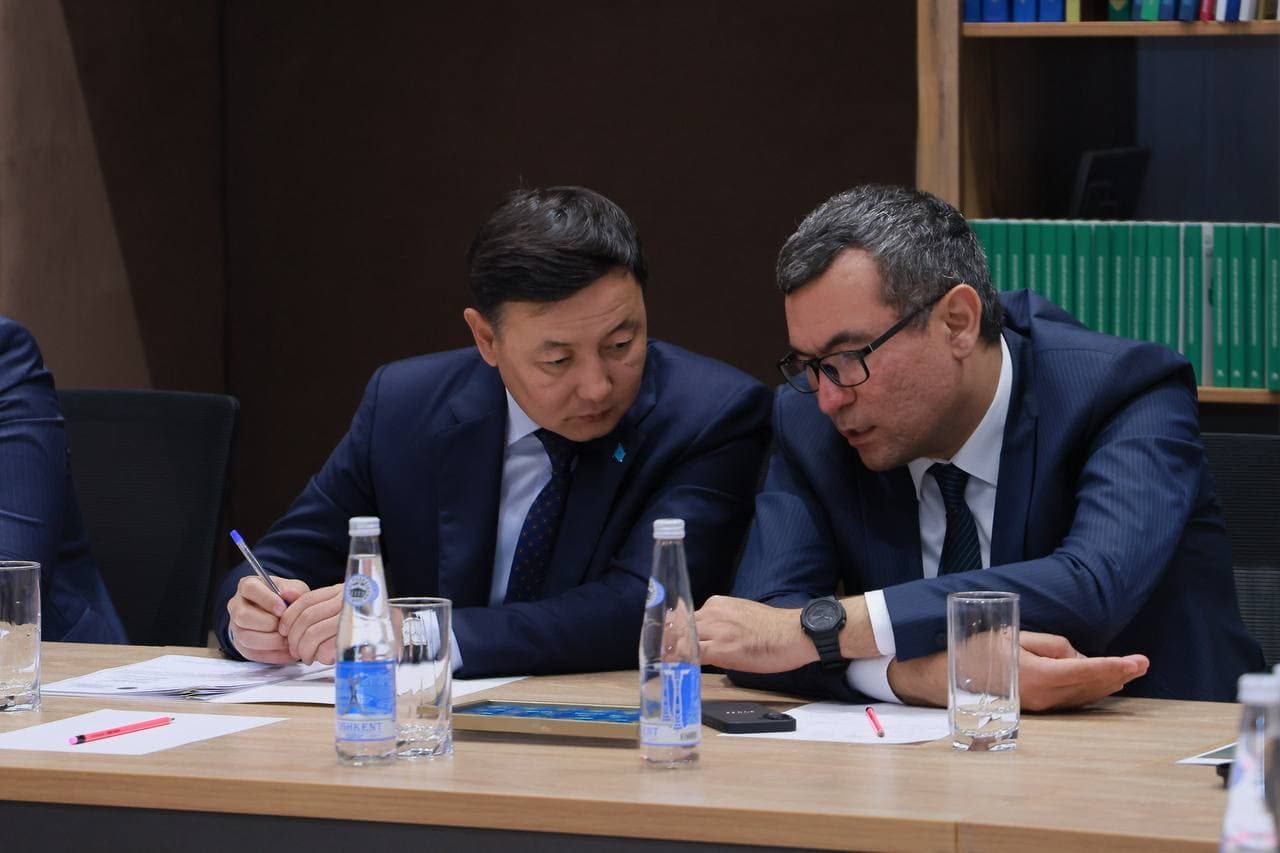
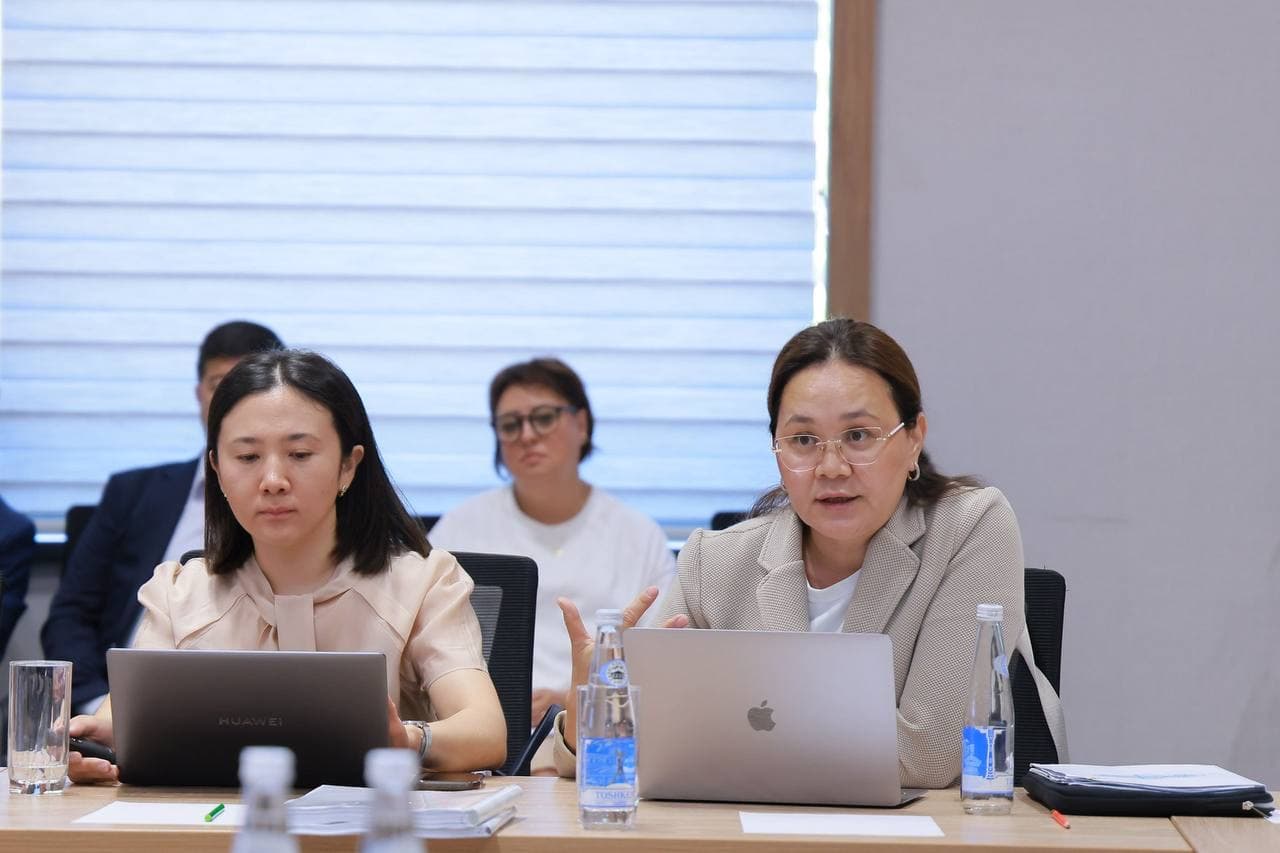
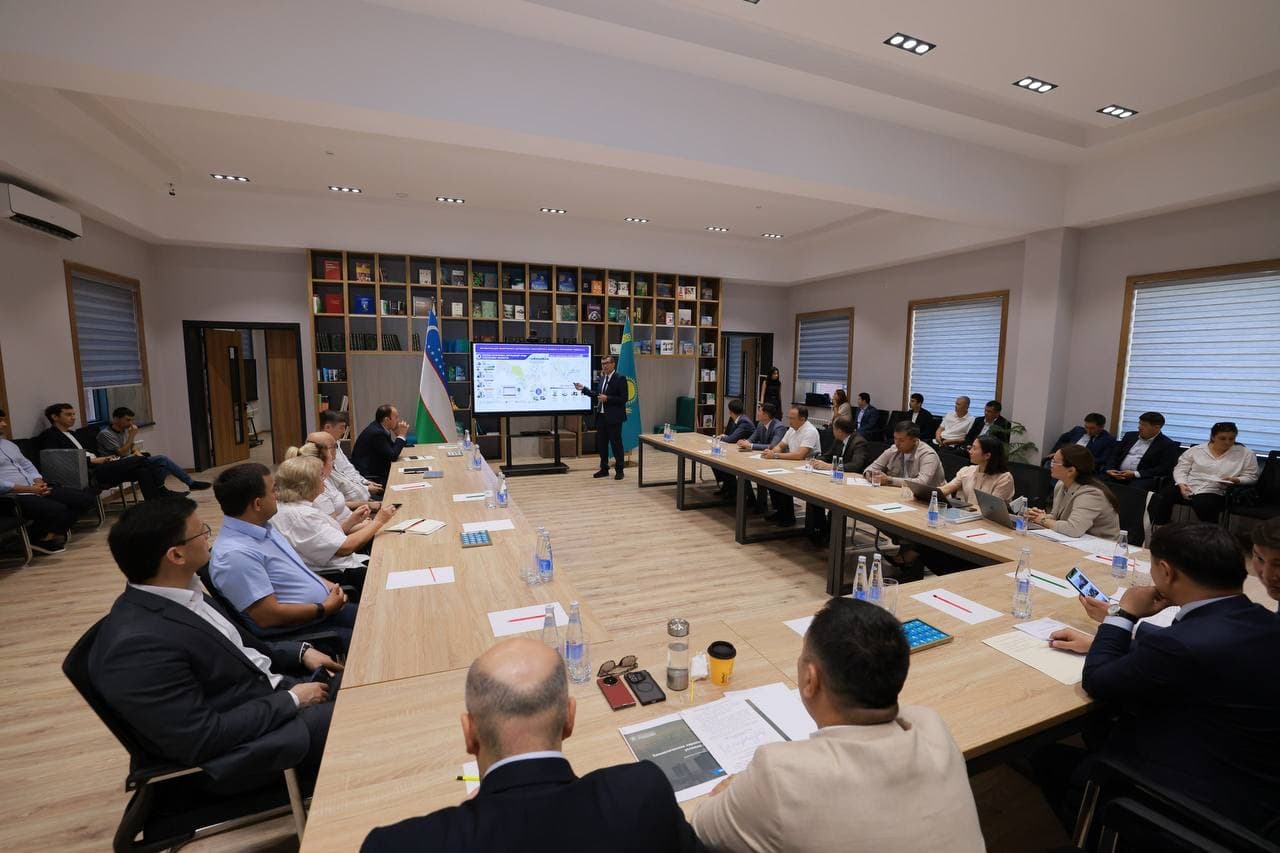
The meeting served as a practical follow-up to the agreements reached on 11 April 2026 in Bukhara during the talks between the President of the Republic of Uzbekistan, Shavkat Mirziyoyev, and the President of the Republic of Kazakhstan, Kassym-Jomart Tokayev. On that occasion, the two Heads of State underscored the importance of advancing regional environmental initiatives, including the implementation of the "Clean Air" project in border areas.
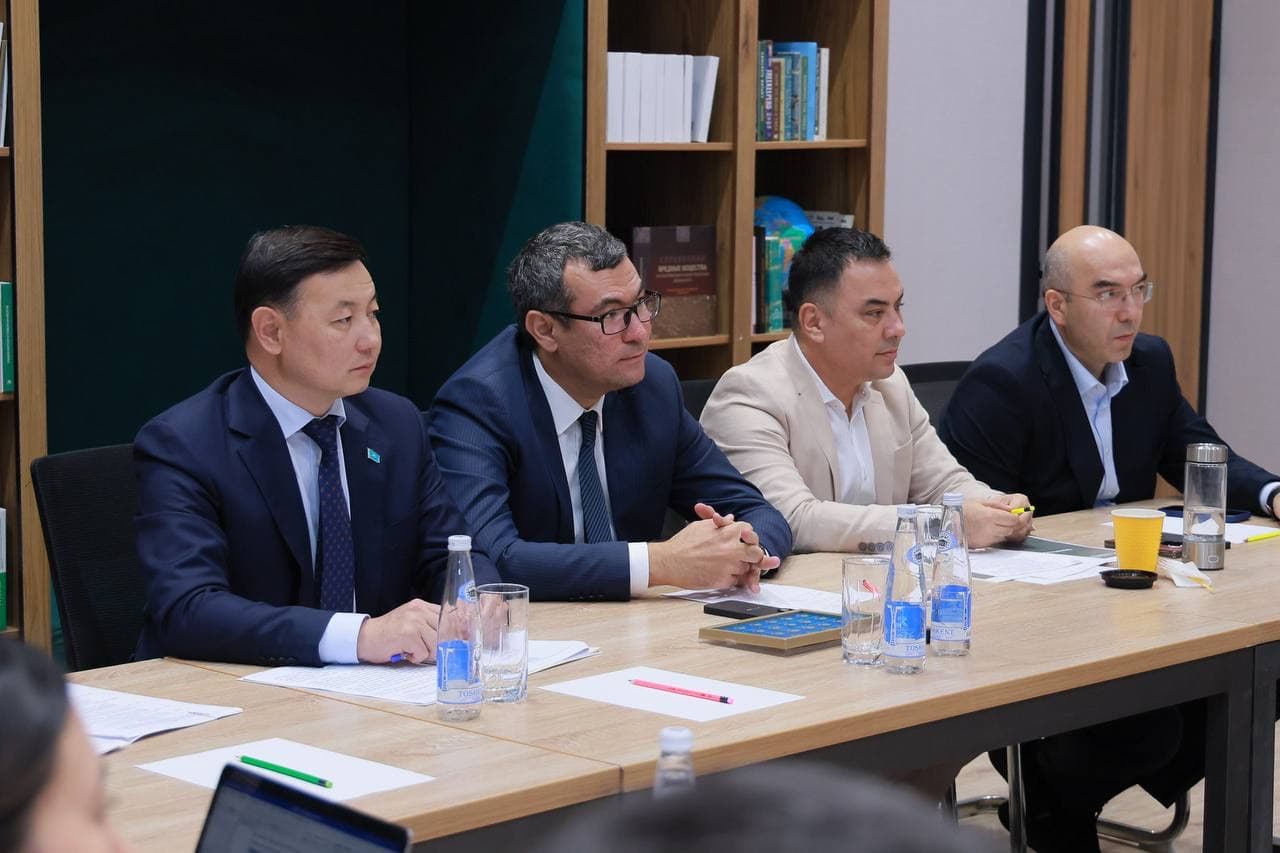
The meeting brought together representatives of the National Committee on Ecology and Climate Change of the Republic of Uzbekistan, Farrukh Sattarov, Director of the National Climate Change Centre, Sherzod Khabibullayev, Director of the Hydrometeorological Service Agency, as well as representatives of the Research Hydrometeorological Institute and other specialized organizations.
The Kazakh delegation included Yerbolat Kojikov, Chairman of the Committee for Environmental Regulation and Control under the Ministry of Ecology and Natural Resources of the Republic of Kazakhstan; Danara Alimbaeva, Director General of RSE "Kazhydromet"; Tursyn Tillakarim, Director of the Research Centre of the National Hydrometeorological Service of the Republic of Kazakhstan; and representatives of the Department of Agriculture of the Turkistan Region.
During the meeting, the parties exchanged information on the environmental protection measures being implemented in their respective countries, shared experience in public environmental governance, and discussed prospects for the further implementation of the joint "Clean Air" project.
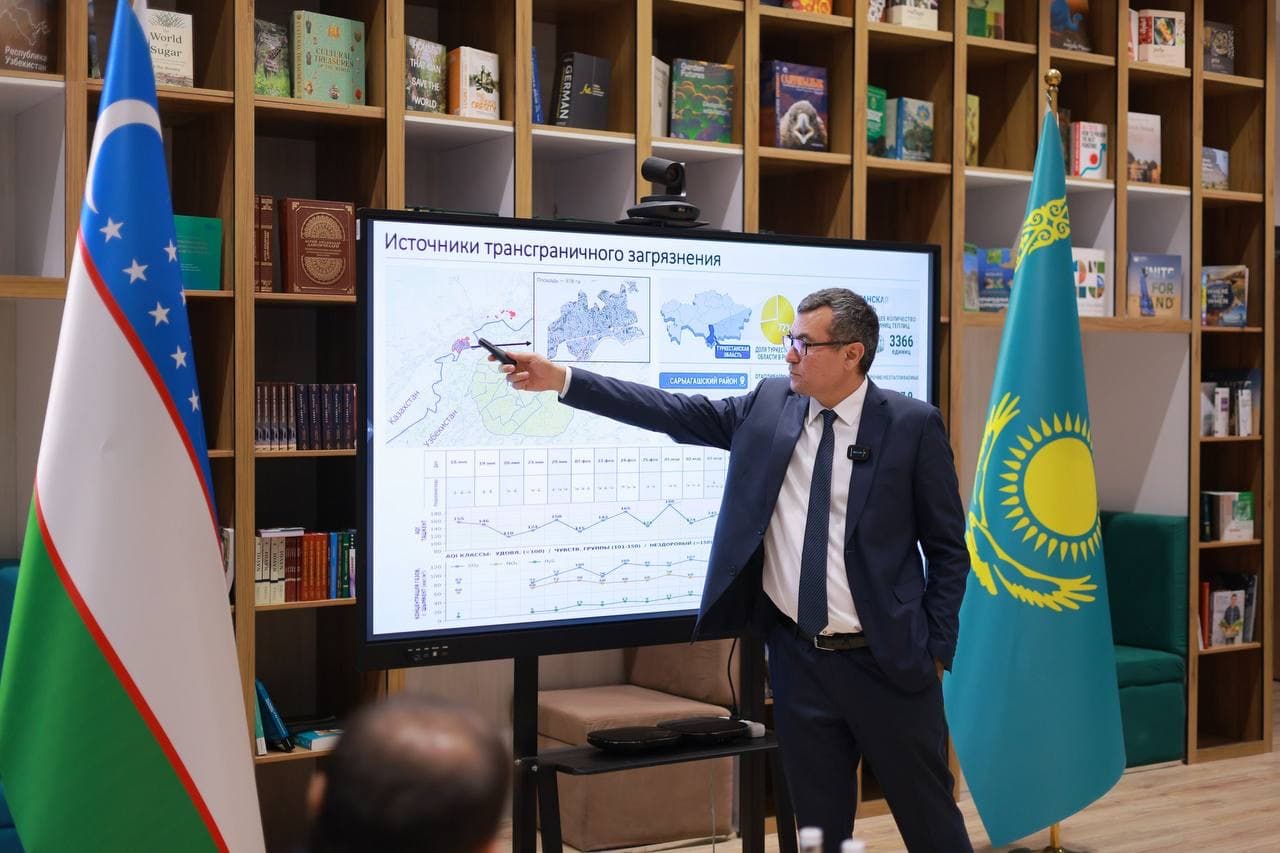
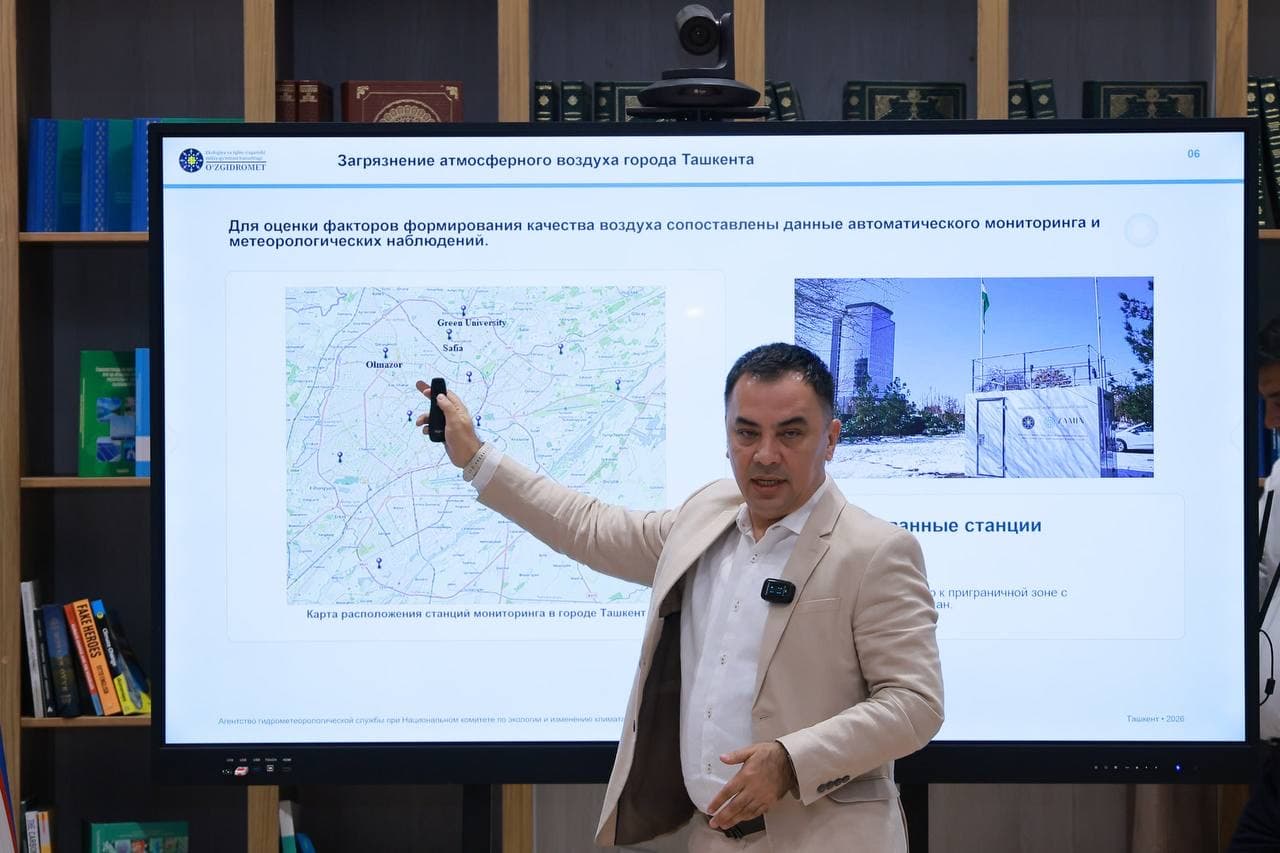
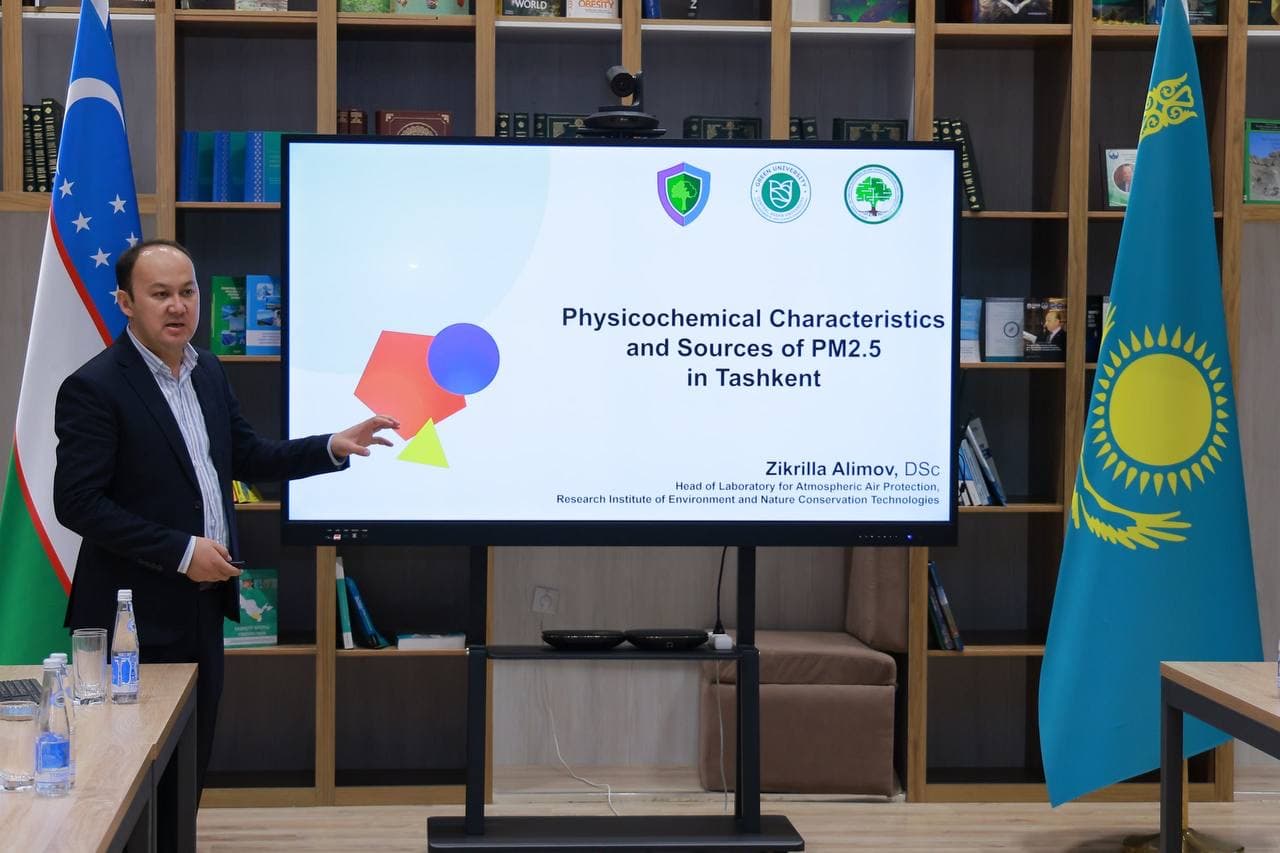
Particular attention was devoted to ambient air quality monitoring. Representatives of both countries presented the results of air quality observations, data on atmospheric circulation processes affecting the transport of air pollutants, and the findings of studies on concentrations of particulate matter, including PM10 and PM2.5. It was emphasized that the atmosphere transcends national borders and that the border regions of Uzbekistan and Kazakhstan are influenced by common atmospheric processes, making coordinated scientific research and joint action essential.
The Uzbek side presented the results of comprehensive studies indicating that the predominant share of air pollution in major cities is attributable to anthropogenic sources. At the same time, it was noted that atmospheric circulation and the long-range transport of air masses also play a significant role in the dispersion of pollutants. Scientific findings on the spatial distribution of PM2.5 and PM10 concentrations, prepared on the basis of data collected by automated air quality monitoring stations, were also presented.
During the meeting, the parties discussed the establishment of a joint working group involving the scientific communities of both countries. As a result of the discussions, an agreement was reached to establish the group to develop and implement practical measures aimed at minimizing transboundary air pollution. It is expected that this science-based approach will facilitate objective research outcomes and support the development of effective solutions to improve ambient air quality in the border regions.
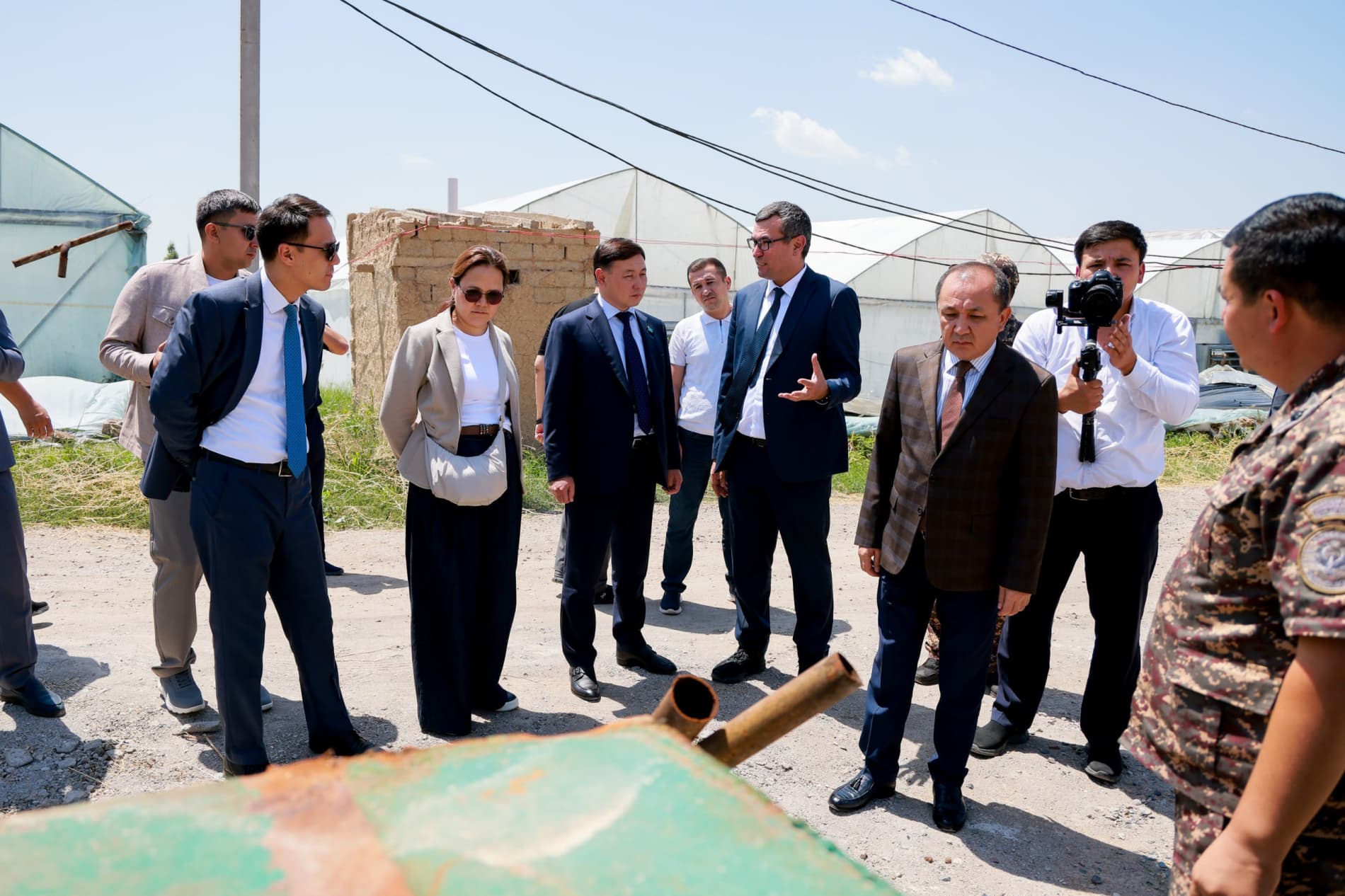
As part of the visit, the Kazakh delegation also reviewed practical measures being implemented in Uzbekistan under the nationwide "Clean Air" project.
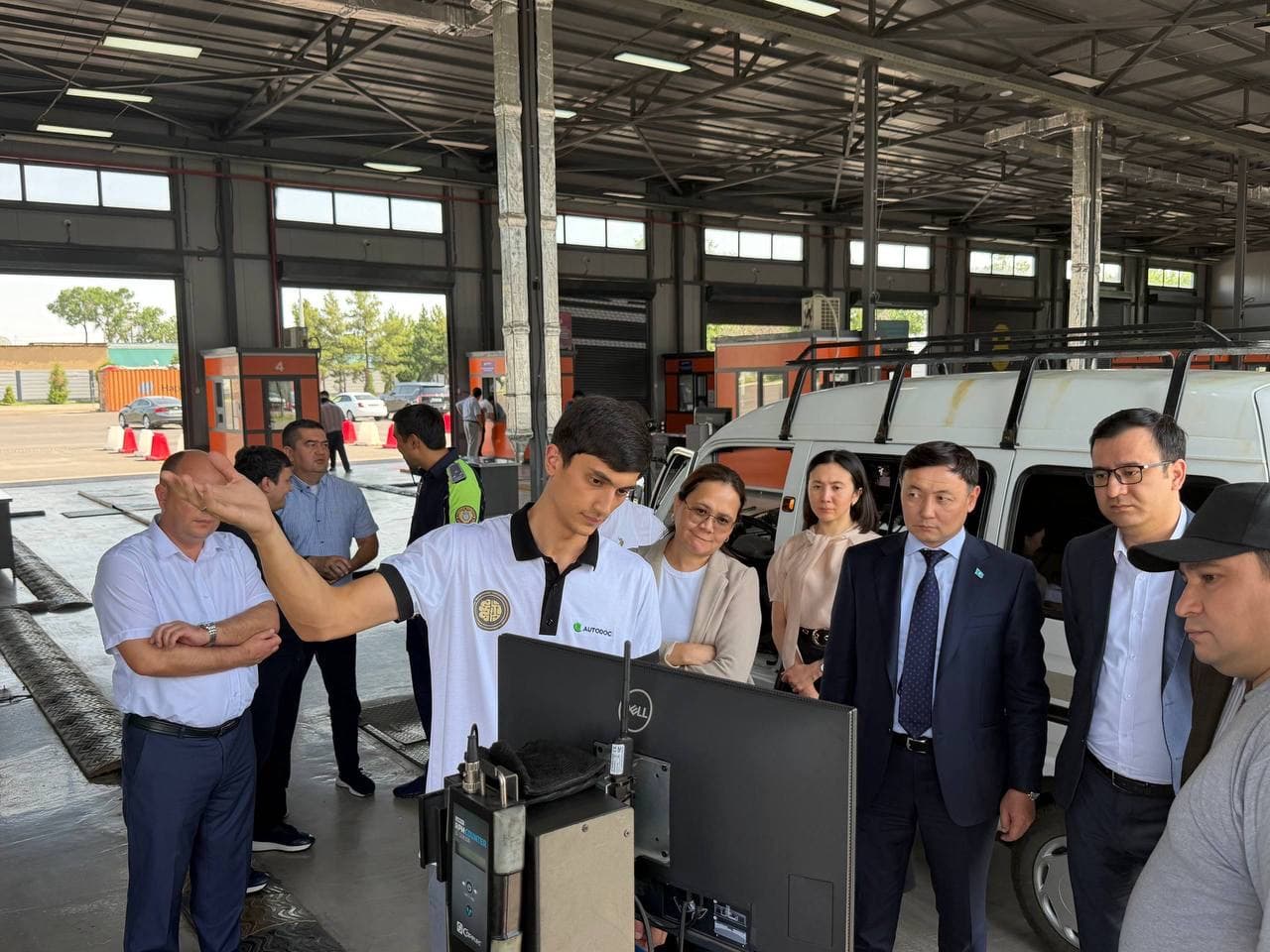
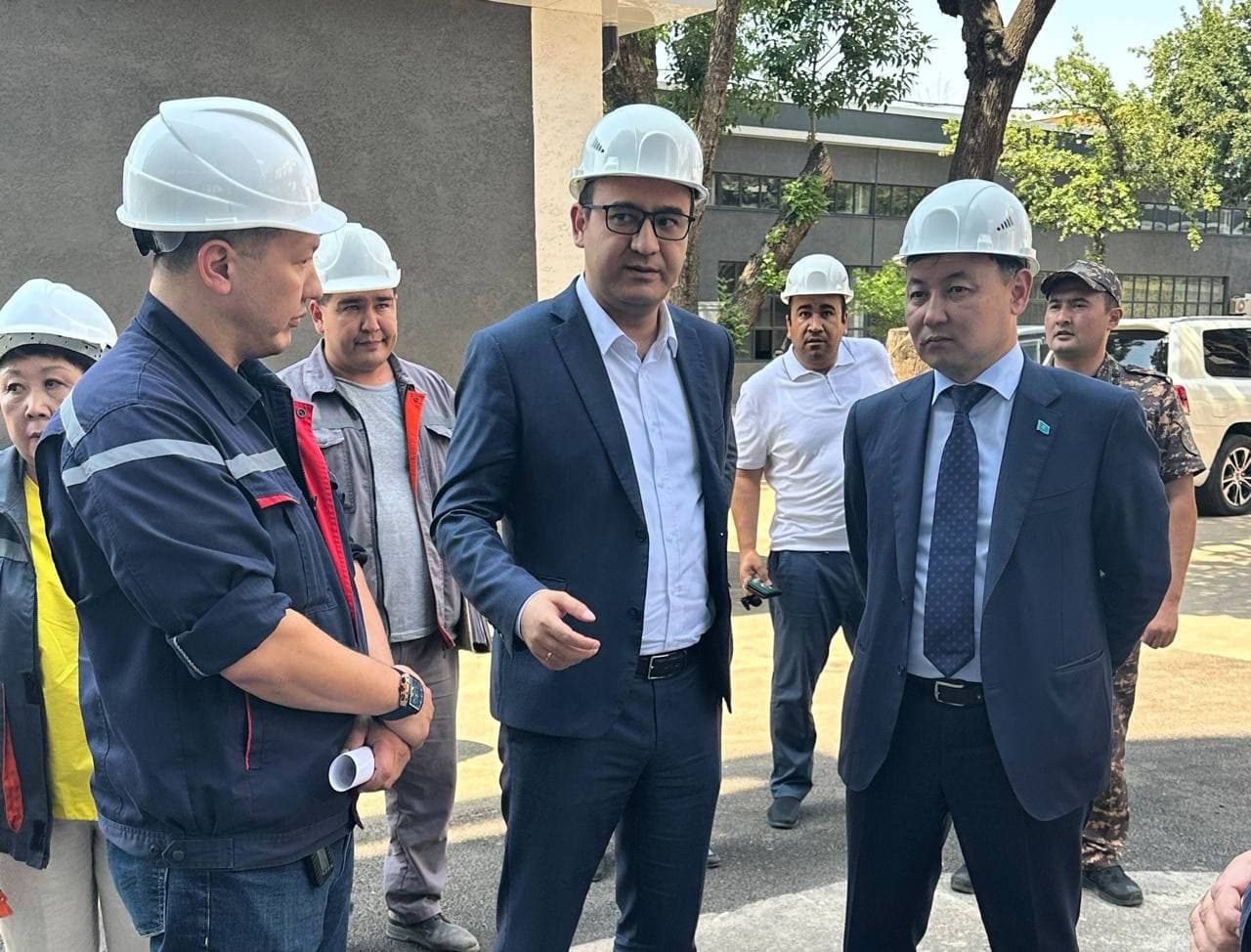
The delegation visited sites in the Tashkent Region where greenhouses are being dismantled for subsequent relocation to the Surkhandarya Region. The delegation also toured the Tashkent Thermal Power Plant, where it was introduced to modern emission control and filtration systems designed to reduce air pollution. In addition, the guests were presented with Uzbekistan's environmental vehicle sticker system, which serves as one of the instruments for reducing the environmental impact of road transport.
At the conclusion of the meeting, the parties agreed to continue implementing joint practical measures aimed at minimizing transboundary air pollution and strengthening bilateral cooperation in the field of ambient air quality protection.