
Uzbekistan Strengthens International Environmental Cooperation at the Zero Waste Forum 2026
2026-06-10 12:45:00 / News
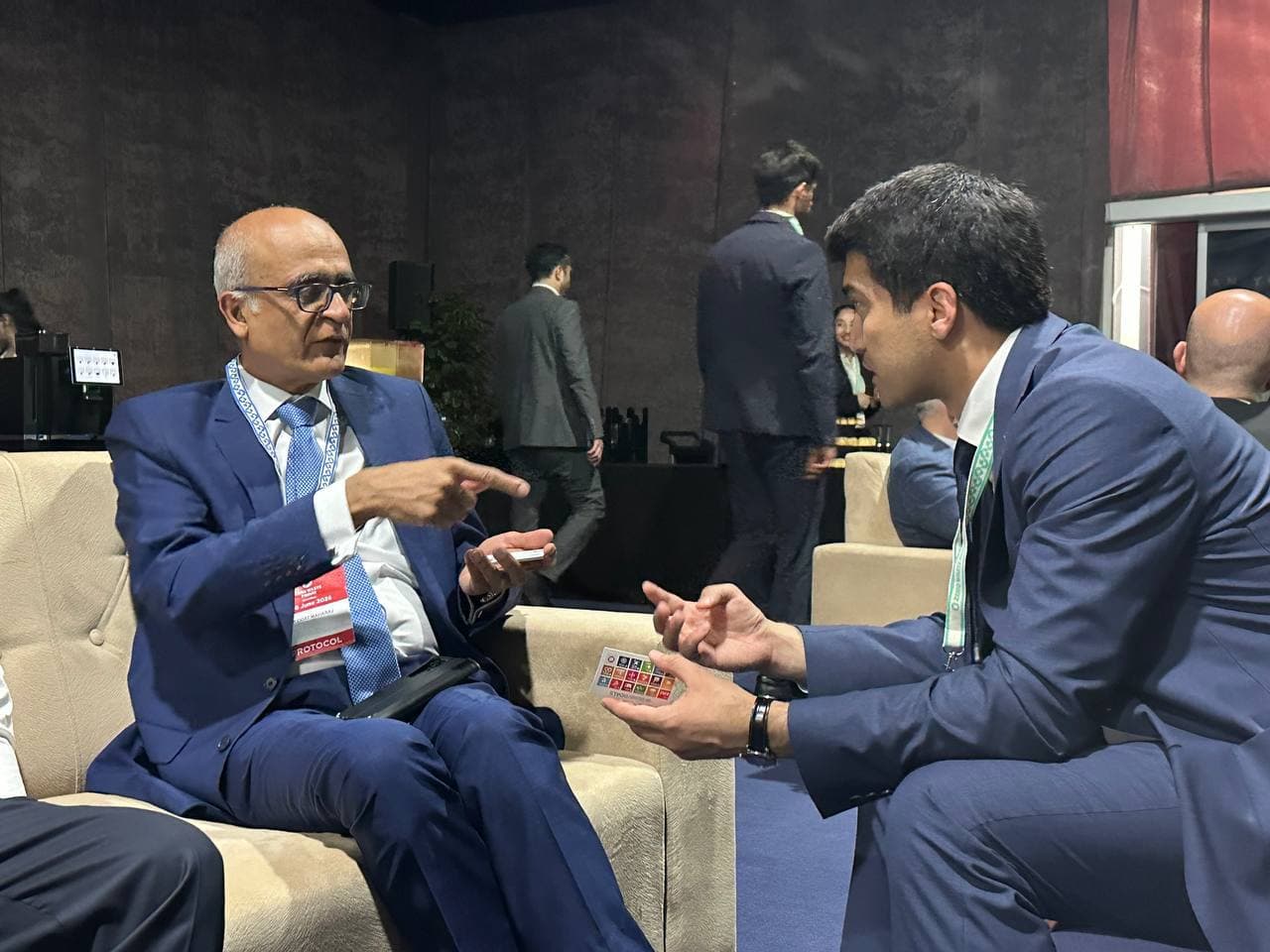
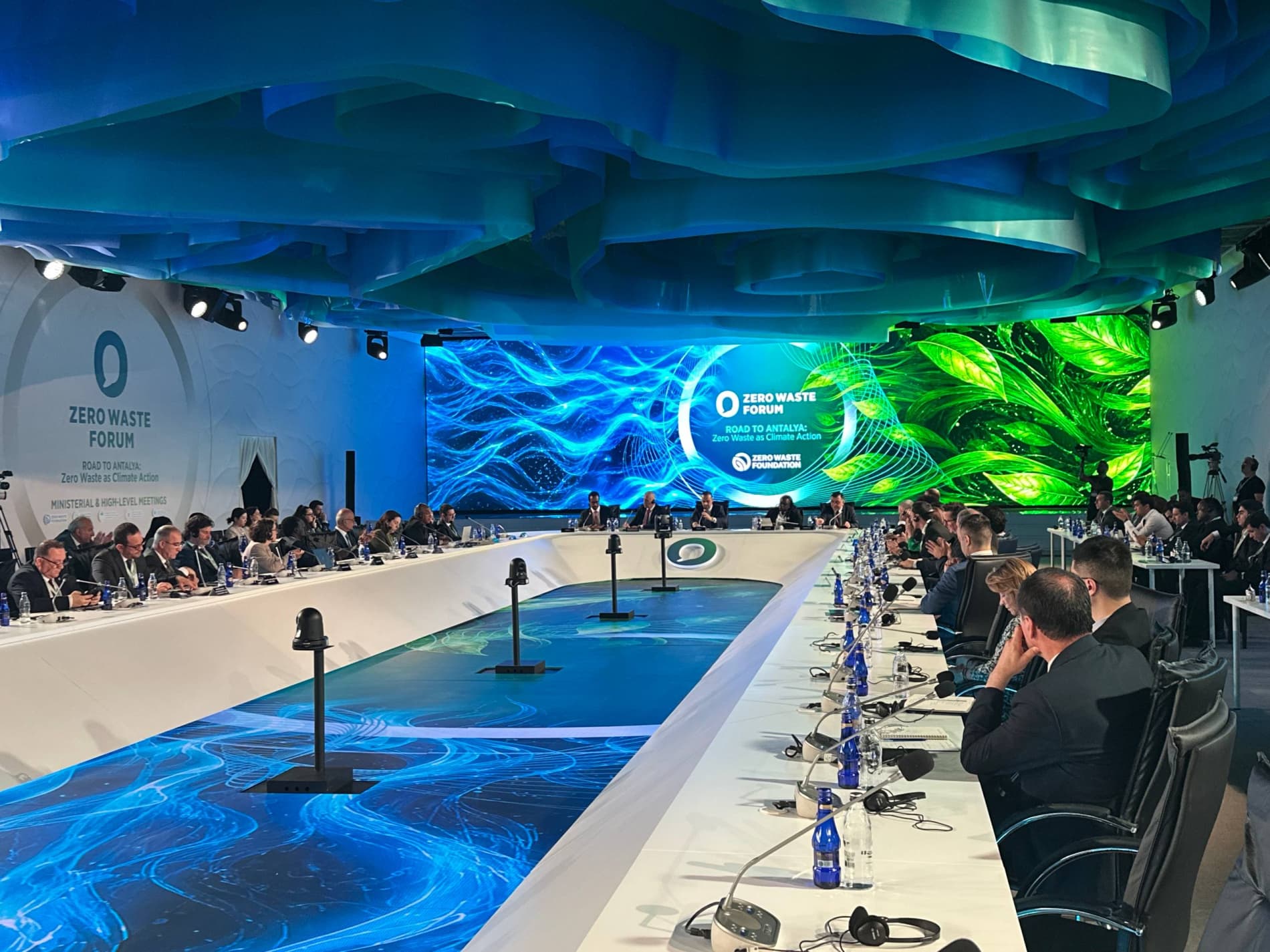
The Zero Waste Forum brought together representatives of governments, international organizations, the private sector, academia and civil society to discuss practical measures for advancing sustainable consumption, reducing waste generation, and promoting the transition to a circular economy.
During the ministerial session, Alisher Salomov, Adviser to the Chairman of the National Committee on Ecology and Climate Change of the Republic of Uzbekistan, emphasized that the Zero Waste principle is no longer merely an environmental initiative but is increasingly becoming a new model for sustainable development and technological sovereignty. He noted that waste remains one of the key drivers of environmental pollution and directly contributes to climate change, biodiversity loss and the deterioration of environmental conditions worldwide.
It was highlighted that waste management has been identified as one of the priority areas of Uzbekistan’s environmental reforms, implemented under the leadership and initiative of the President of the Republic of Uzbekistan, Shavkat Mirziyoyev. The country is consistently introducing the principles of a circular economy, modernizing waste management infrastructure and implementing waste-to-energy projects. In particular, two waste-to-energy plants are scheduled to become operational this year, followed by an additional nine facilities in the coming years. Together, these projects are expected to process up to 5.5 million tonnes of waste annually and significantly reduce greenhouse gas emissions.
In his remarks, Mr. Salomov also put forward several proposals within the framework of the global climate agenda and preparations for COP31. In particular, he called for a transition from conventional waste disposal practices to more efficient resource utilization and emphasized the importance of advancing digitalization and the application of artificial intelligence in environmental governance. He also underlined the need to establish a unified regional digital platform for monitoring material life cycles and tracking waste recycling volumes in real time.
Particular attention was given to international environmental cooperation. It was noted that the hosting of the Eighth Assembly of the Global Environment Facility (GEF) and the international exhibition Eco Expo Central Asia 2026 in Samarkand demonstrates Uzbekistan’s commitment to the principles of multilateral environmental diplomacy and the promotion of a green economy.
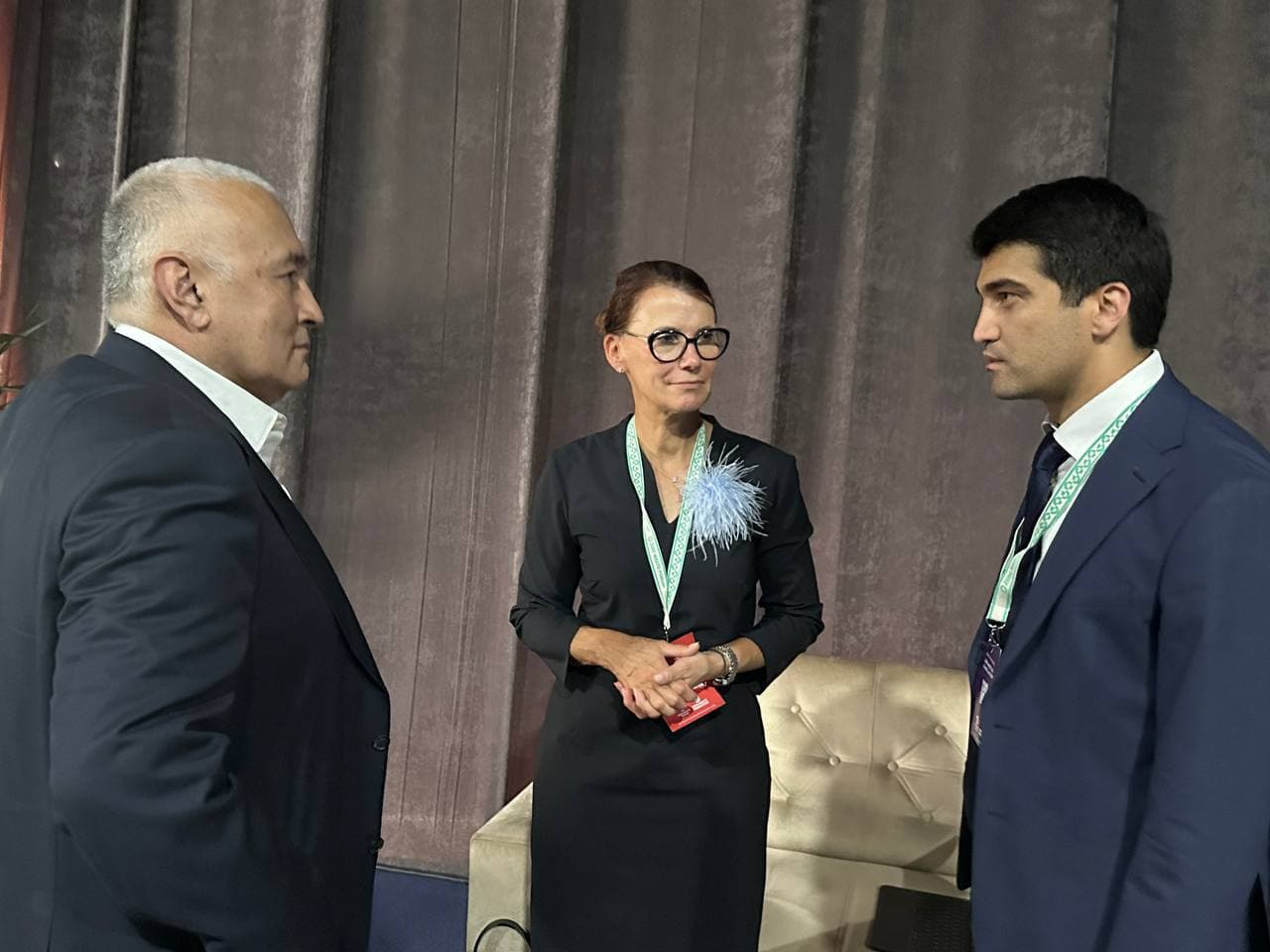
On the sidelines of the forum, the Uzbek delegation held a number of bilateral meetings with international partners. In particular, discussions were held with Rebeca Grynspan, Secretary-General of the United Nations Conference on Trade and Development (UNCTAD), focusing on the development of the green and creative economy, the advancement of sustainable development and the expansion of cooperation in environmental innovation and the circular economy.
The delegation also met with Murat Kurum, Minister of Environment, Urbanization and Climate Change of the Republic of Türkiye. The parties discussed prospects for expanding cooperation in waste management, the introduction of digital monitoring systems, the development of recycling infrastructure and the exchange of experience in implementing the Zero Waste concept. The Uzbek side also expressed interest in studying Türkiye’s experience in environmental planning, urban greening, and waste-to-energy projects.
A separate meeting was held with Anacláudia Rossbach, Executive Director of the United Nations Human Settlements Programme (UN-Habitat). The discussions focused on sustainable urban development, climate resilience, modernization of waste management systems, the development of green infrastructure and the implementation of nature-based solutions. Particular attention was devoted to the environmental restoration of the Aral Sea region and opportunities for cooperation in sustainable urban and rural planning.
The participation of Uzbekistan’s delegation in the Zero Waste Forum provided an important platform for advancing international environmental cooperation, exchanging best practices and strengthening partnerships in the fields of sustainable development, the circular economy, and climate action.