
Uzbekistan Proposes Initiatives to Strengthen the Role of Civil Society in the Environmental Agenda
2026-06-05 12:10:00 / News


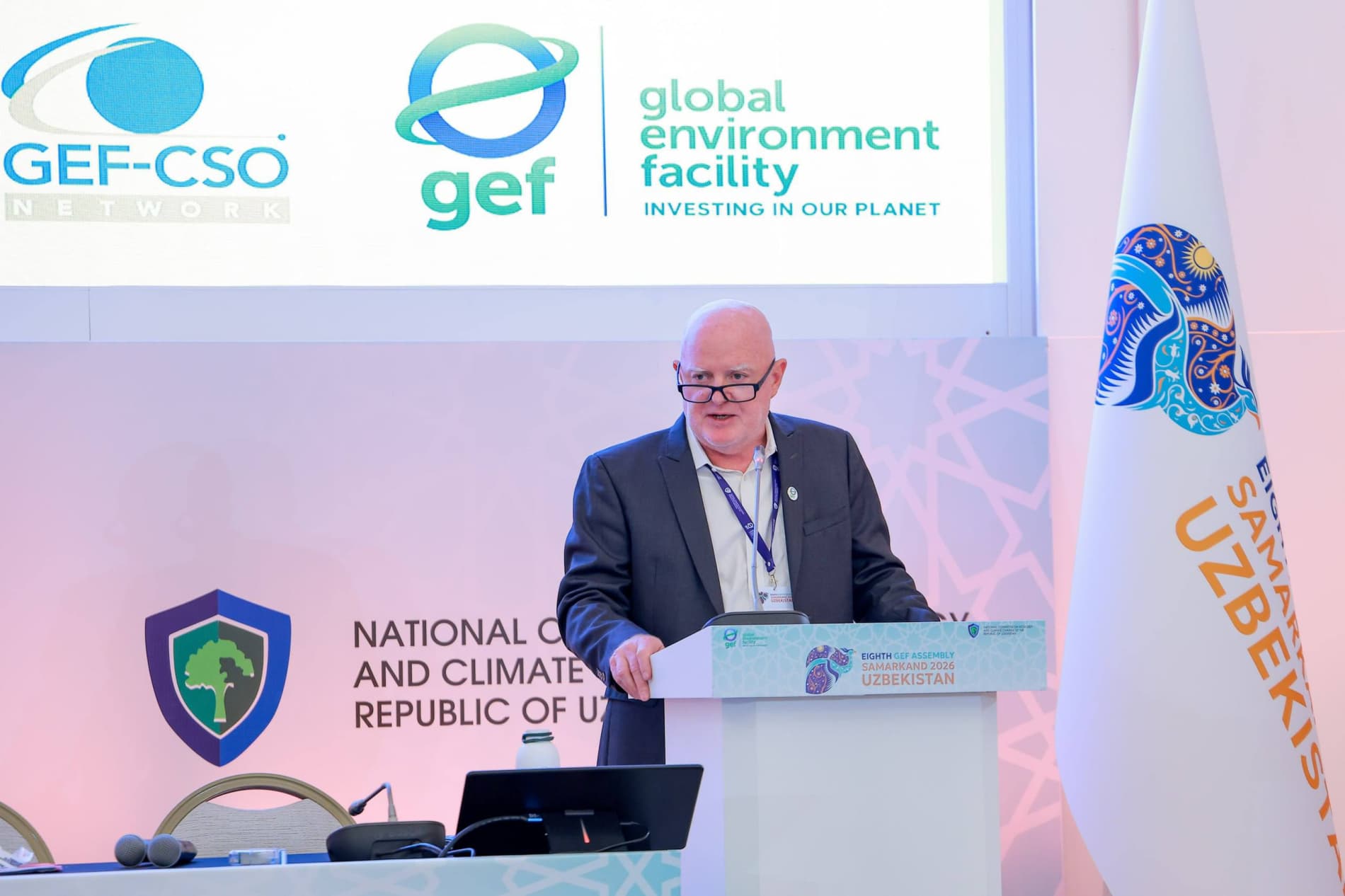


In his welcoming remarks, Aziz Abdukhakimov, Advisor to the President of the Republic of Uzbekistan on Environmental Issues and Chairman of the National Center for Ecology and Climate Change, emphasized that for Uzbekistan, the Civil Society Forum is not merely a side event, but a crucial component of the global environmental process.
It was noted that contemporary environmental challenges - climate change, land degradation, water scarcity, biodiversity loss, environmental pollution, and sand and dust storms—directly impact public health, food security, employment, and regional sustainability. The key role of civil society in identifying local environmental problems, raising environmental awareness, and implementing practical solutions on the ground was highlighted. In this regard, it was noted that Uzbekistan is consistently strengthening its partnership with civil society institutions and expanding public access to environmental information.
Special attention was given to Uzbekistan's accession to the Aarhus Convention on Access to Information, Public Participation in Decision-making and Access to Justice in Environmental Matters in March 2025. It was stressed that this step strengthens the legal framework for openness, transparency, and public participation in environmental governance.
During his address, Aziz Abdukhakimov noted that Central Asian countries are currently forming new regional platforms for environmental cooperation with the active participation of non-governmental organizations. At the same time, environmental NGOs in the region require further strengthening of their institutional capacity, as well as broader access to data, financing, and decision-making mechanisms.
In this connection, Uzbekistan advocated for enhancing the role of civil society within the framework of the new GEF-9 cycle through capacity-building programs, direct financing mechanisms, microgrants, support for youth and women's organizations, and the creation of regional platforms for sharing experiences.
Among the practical initiatives proposed were:
– Expanding NGO participation in environmental research and monitoring;
– Developing platforms for public environmental monitoring;
– Supporting local initiatives in the fields of ecosystem restoration, afforestation, waste management, and water conservation;
– Establishing a regional network of environmental NGOs in Central Asia;
– Strengthening partnerships between civil society, the private sector, and international organizations.
It was emphasized that civil society in Uzbekistan is already playing an important role in combating climate change, conserving biodiversity, countering land degradation, and promoting an environmental culture. Ultimately, the Forum served as a vital platform for formulating civil society proposals and initiatives for the new GEF-9 funding cycle, as well as for strengthening collaboration between international organizations, government agencies, and public associations in the spheres of sustainable development and environmental protection.