
National Biosafety Initiative Launched in Uzbekistan Under the Cartagena Protocol
2026-06-02 12:45:00 / News


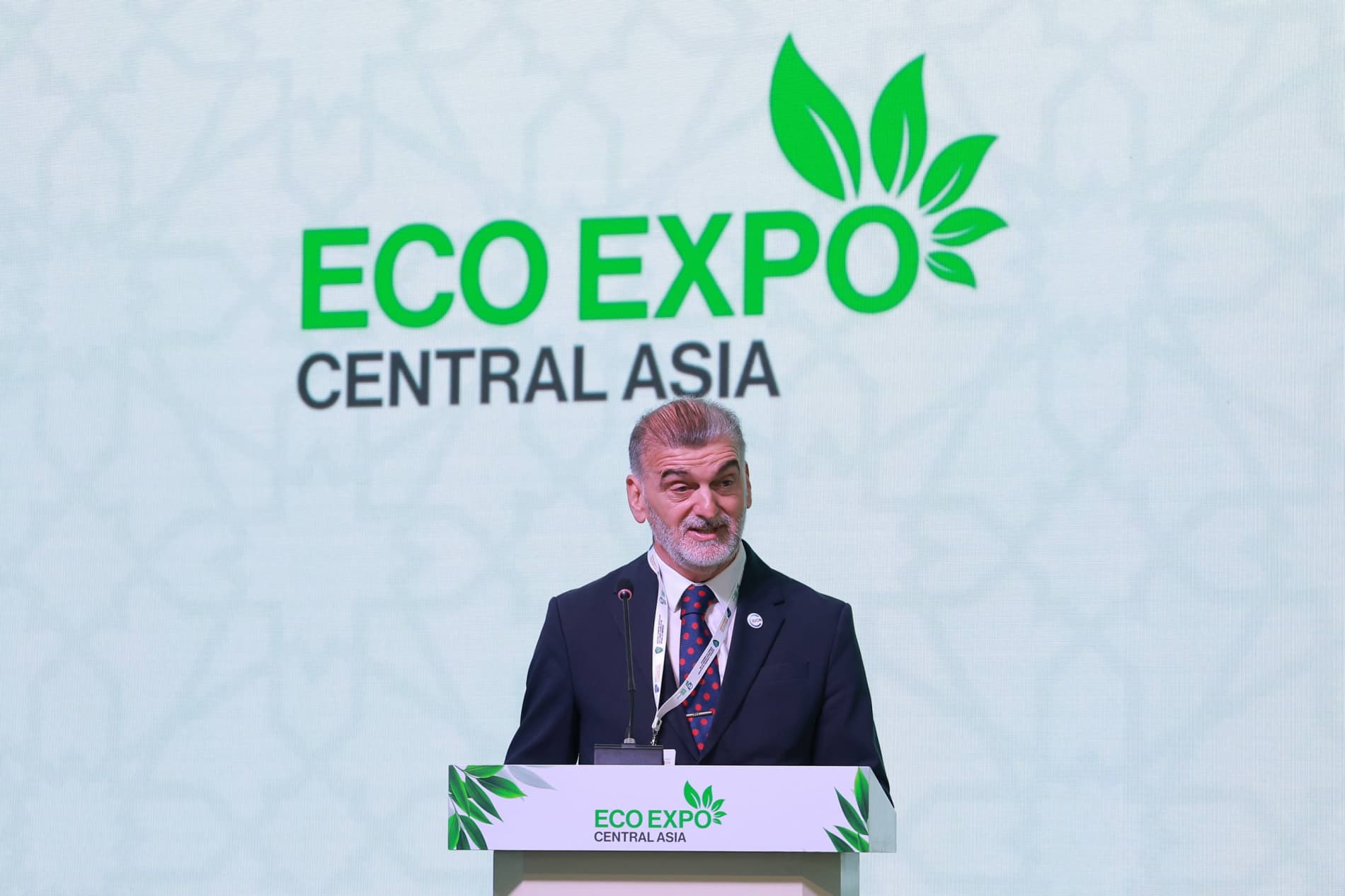
The event served as a high-level platform to present the goals and expected outcomes of the project, which is aimed at strengthening Uzbekistan's national biosafety system in accordance with international environmental obligations, particularly the Cartagena Protocol on Biosafety.
Welcoming remarks were delivered to the participants by Aziz Abdukhakimov, Advisor to the President of the Republic of Uzbekistan on Environmental Issues and Chairman of the National Committee on Ecology and Climate Change; Dr. Grethel Aguilar, Director General of the International Union for Conservation of Nature (IUCN); Jeffrey Griffin, Head of the GEF Unit at the Food and Agriculture Organization of the United Nations (FAO); and Asad Naqvi, Director of the Implementation Support Division at the Secretariat of the Convention on Biological Diversity. The event was moderated by Oliver Avramoski, IUCN Regional Director for Eastern Europe and Central Asia.
In his speech, Aziz Abdukhakimov emphasized that the launch of the project goes far beyond environmental management and is directly linked to Uzbekistan's economic development and trade integration. It was noted that as the country advances toward accession to the World Trade Organization, the formation of a transparent and science-based biosafety system aligned with international standards in agricultural trade and sanitary measures takes on particular importance.
It was also highlighted that as a nation located along key Eurasian transit routes, Uzbekistan faces growing risks associated with the transboundary movement of living modified organisms. In this regard, the development of laboratory capacity, monitoring systems, and border control is viewed as a strategic priority.
During the event, it was noted that the project will contribute to the improvement of national policy and the regulatory framework in the field of biosafety, the strengthening of interagency coordination, the development of technical and laboratory capacity, as well as the enhancement of risk assessment, monitoring, and management systems for living modified organisms.
Participants stressed the importance of effectively implementing international obligations in the areas of biosafety, biodiversity conservation, and environmental security, alongside the need to further strengthen national control and response mechanisms in this sphere.
As part of the side event, a signing ceremony for a Statement of Intent took place between the National Committee on Ecology and Climate Change of the Republic of Uzbekistan, the International Union for Conservation of Nature (IUCN), and the Food and Agriculture Organization of the United Nations (FAO). The document is aimed at advancing cooperation in the fields of biodiversity conservation, biosafety, sustainable natural resource management, climate resilience, and ecosystem restoration.
The parties expressed their intention to jointly strengthen national capacity, improve institutional coordination, develop scientific and technical cooperation, and support the implementation of international standards in biosafety and environmental protection. Special attention was given to the role of international partnerships and the mechanisms of the Global Environment Facility in assisting countries to transform global environmental commitments into concrete national actions and practical measures.