
Saiga Antelopes Are a Vital Link in Maintaining Natural Balance
2026-05-05 10:50:00 / News
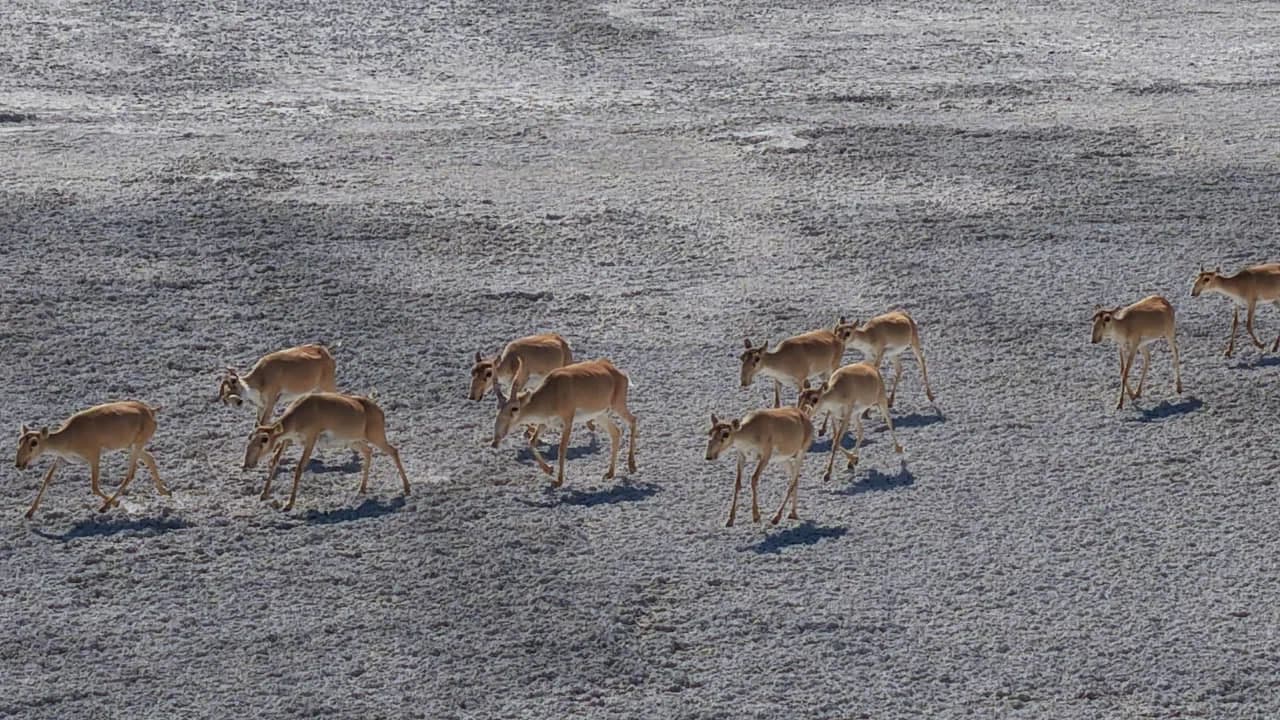
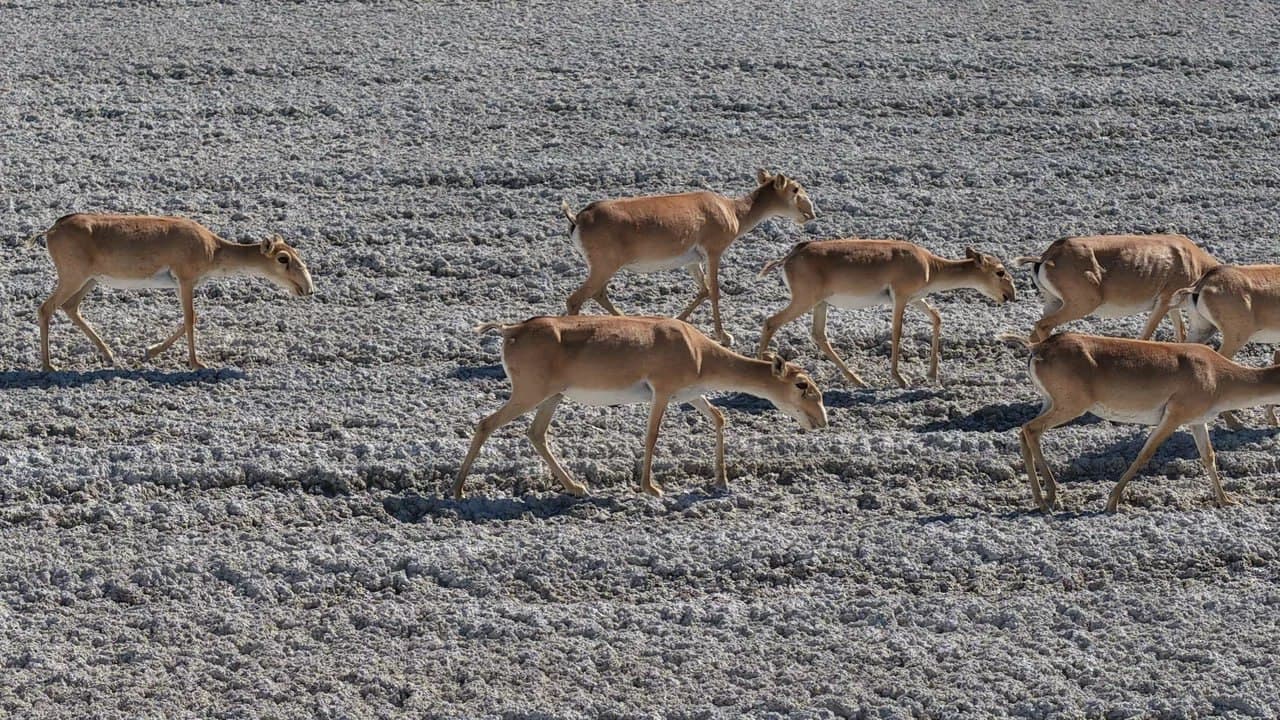
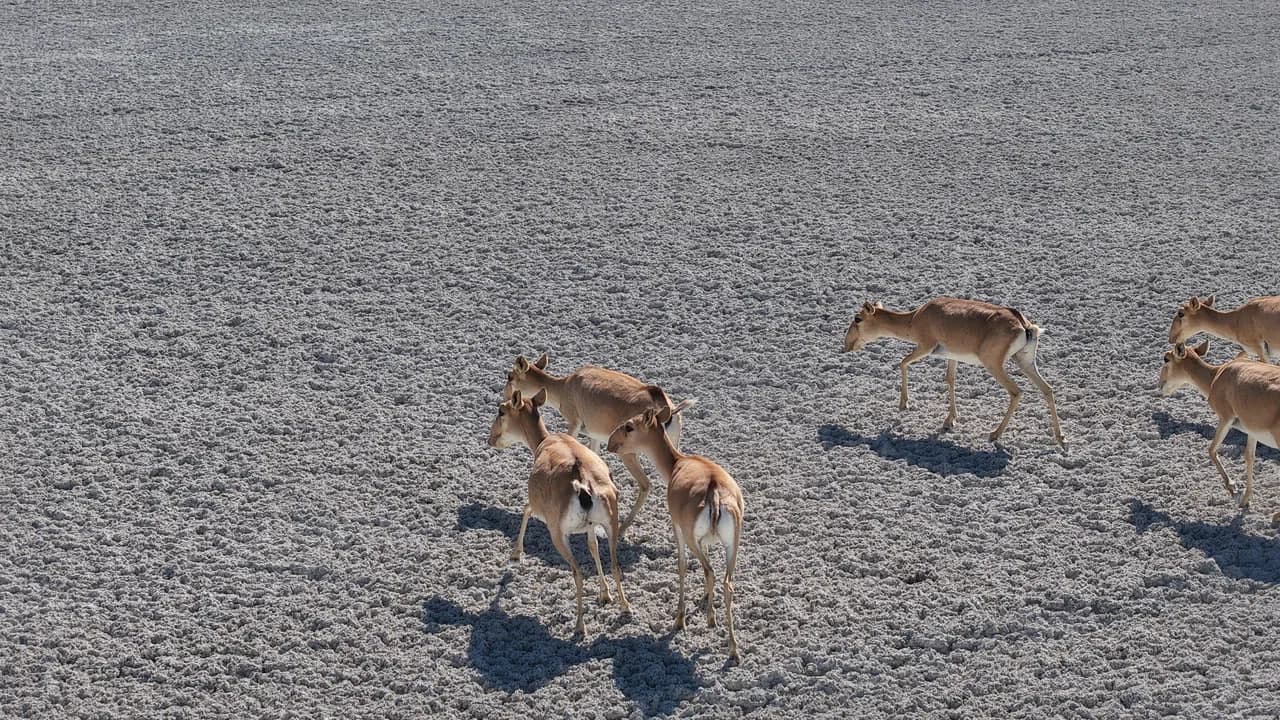
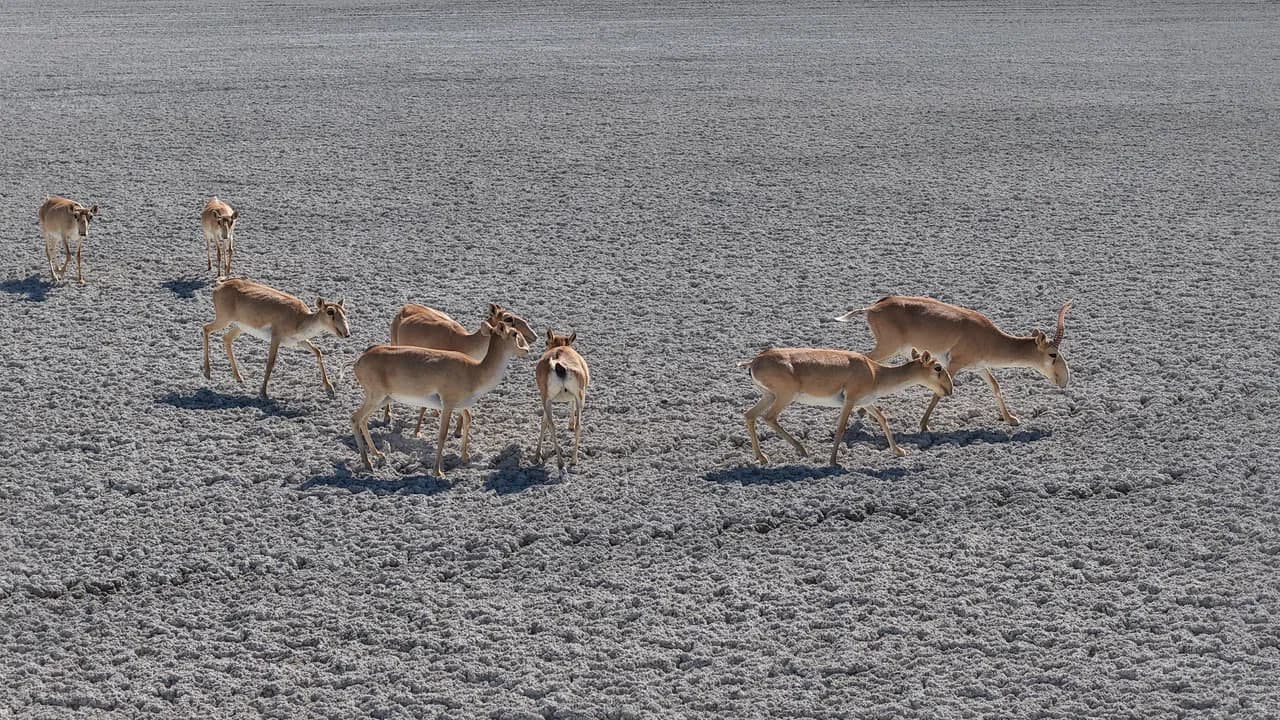
The saiga has an ancient history, having emerged 50–70 thousand years ago and survived from the time of the mammoths to the present day. However, this species is now under threat of extinction. The saiga is listed in the Red Book of Uzbekistan, the IUCN Red List and Appendix II of CITES, and its conservation is given special attention. In particular, Uzbekistan has signed a Memorandum of Understanding with the Republic of Kazakhstan on the conservation, restoration and sustainable use of the saiga, as well as an intergovernmental agreement on its protection.
In addition, at the 20th meeting of the Conference of the Parties to the Convention on International Trade in Endangered Species of Wild Fauna and Flora (CITES CoP20), held in Samarkand, special attention was given to the conservation and sustainable management of the saiga population as one of the key species of Central Asia’s desert ecosystems. Furthermore, at the 15th meeting of the Conference of the Parties to the Convention on the Conservation of Migratory Species of Wild Animals (CMS COP15), held in Brazil, Uzbekistan highlighted the need for coordinated action at both national and transboundary levels to protect migratory species, including the saiga. Moreover, at the Regional Environmental Summit in Astana, it was emphasized that five nationwide environmental projects are currently underway in Uzbekistan. Under the “Bionaslediye” (Biological Heritage) project, the establishment of specialized breeding centers for saiga is envisaged. The summit also resulted in the signing of a Regional Declaration on cooperation in biodiversity conservation and sustainable natural resource management, which provides for the protection of rare species, including the saiga.
It is also worth noting that the Global Environment Facility published a dedicated article on Uzbekistan, highlighting the country’s rich biodiversity. It was noted that Uzbekistan is home to rare species such as the snow leopard, Bukhara deer, saiga and markhor, and that more than 30 protected natural areas contribute to their conservation.
Saiga antelopes are an essential component of steppe ecosystems and play a significant role in maintaining biodiversity. Through selective grazing, they regulate vegetation cover, preventing the overgrowth of certain plant species. Their migrations facilitate seed dispersal and contribute positively to soil restoration. In addition, saiga serve as an important link in the food chain for predators. Therefore, a decline in their population can have adverse effects on the entire steppe ecosystem.