
Scientific Solutions to Urgent Environmental Challenges Presented at the International Conference “Goodwill Ambassadors of the Aral Sea Region”
2026-04-27 21:20:00 / News
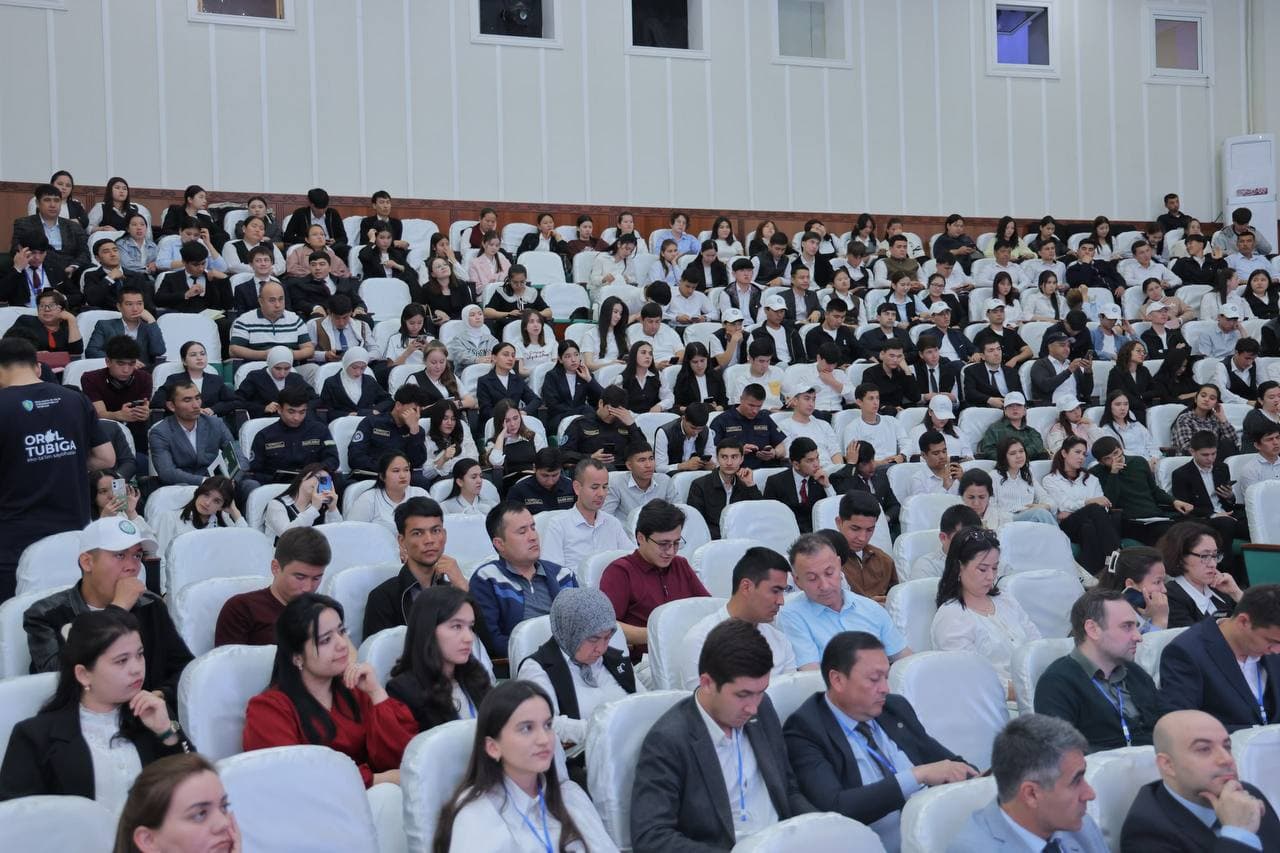
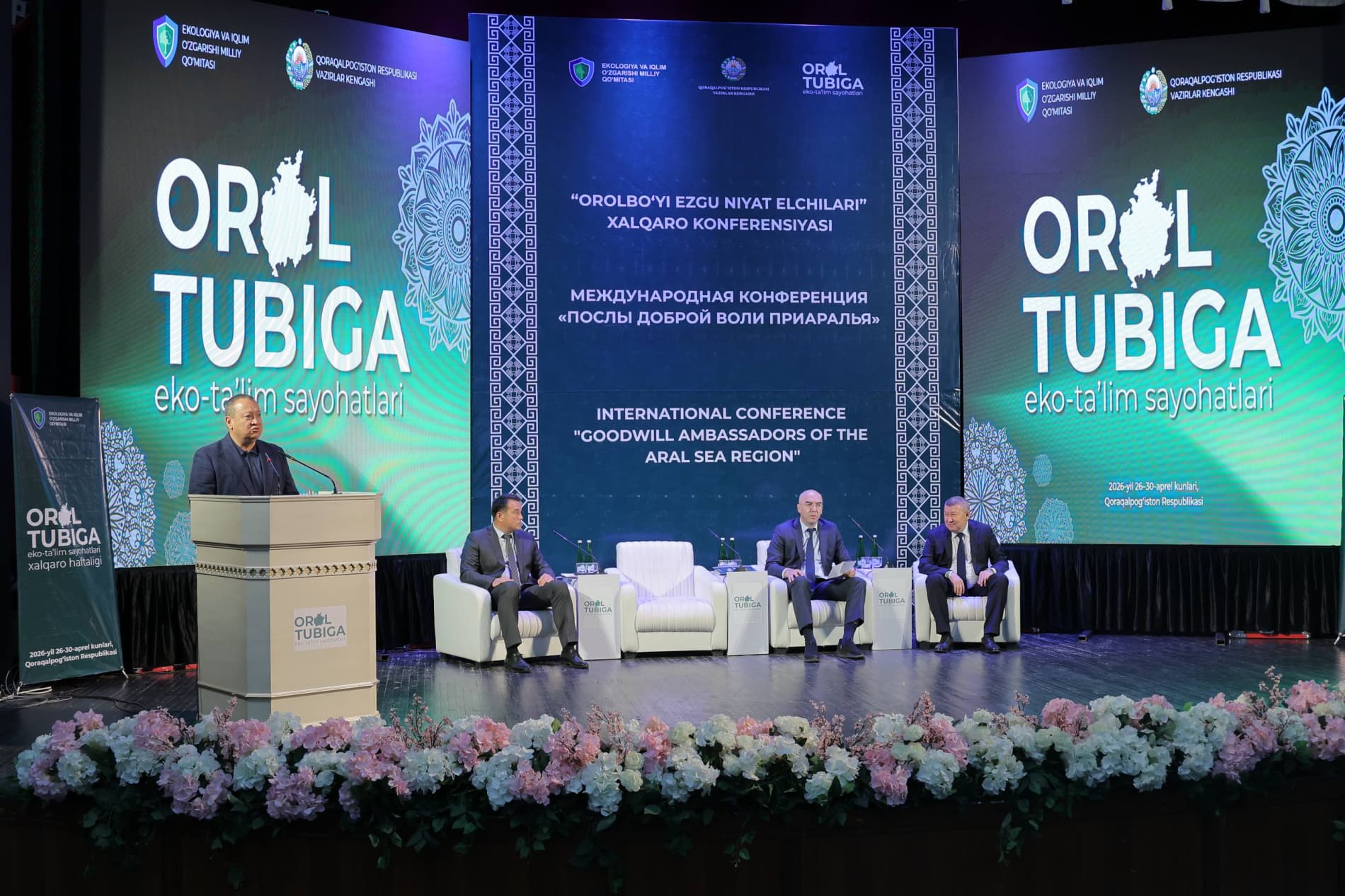
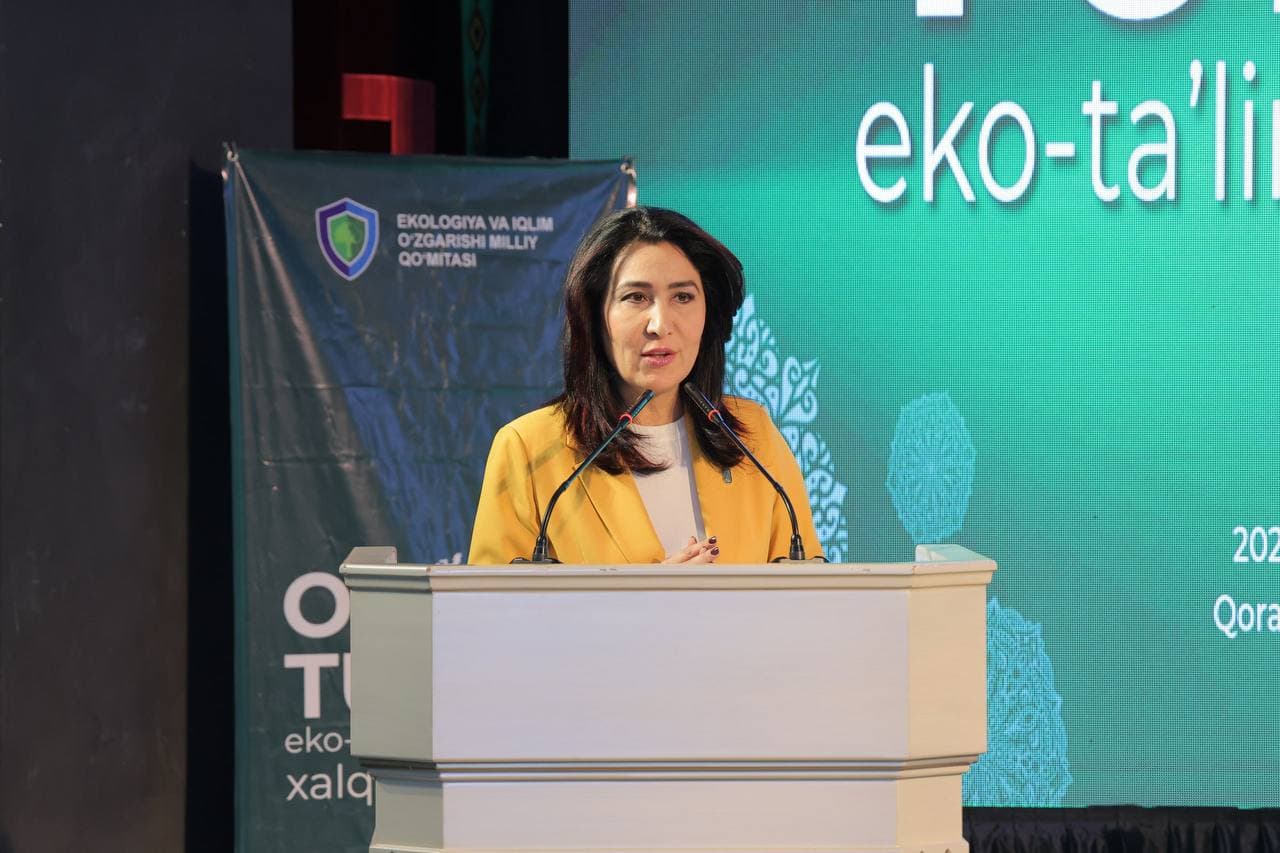
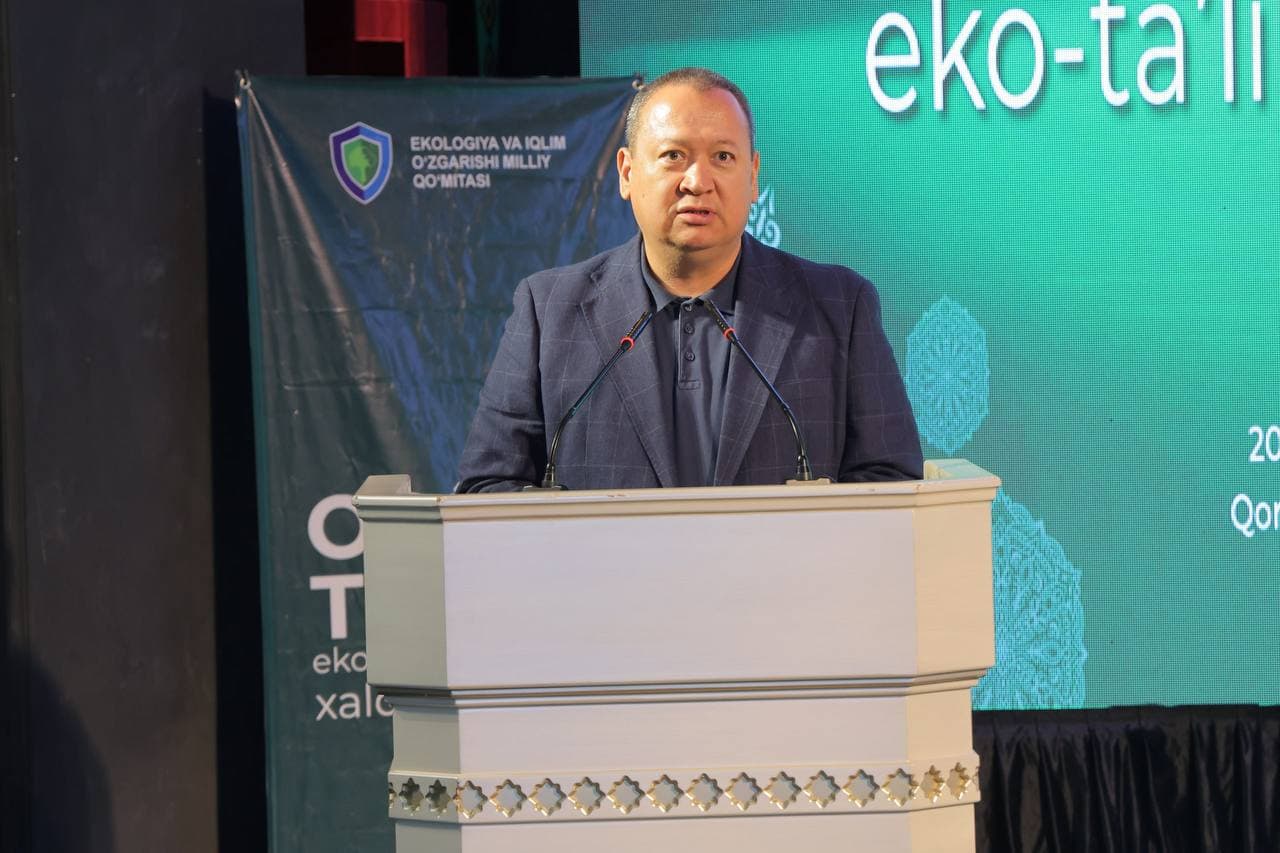
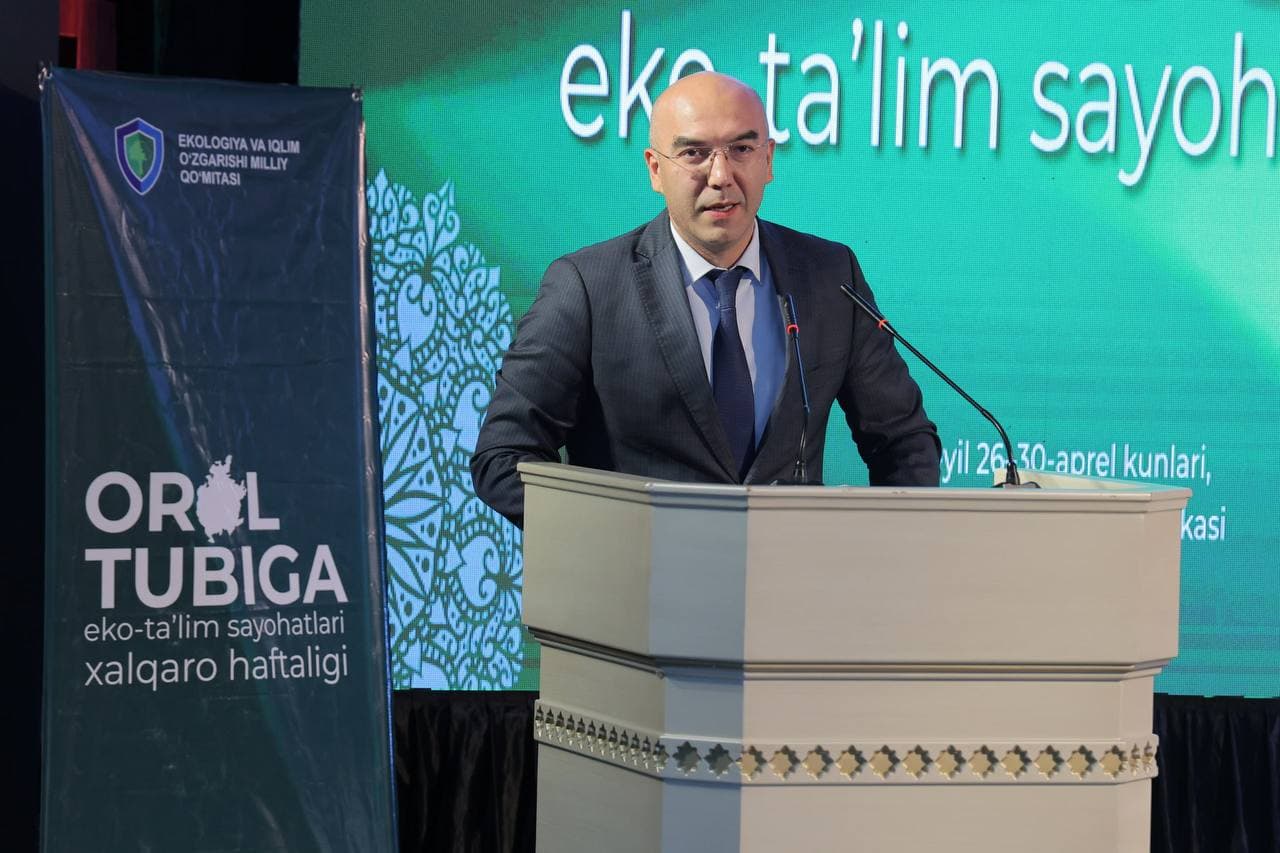
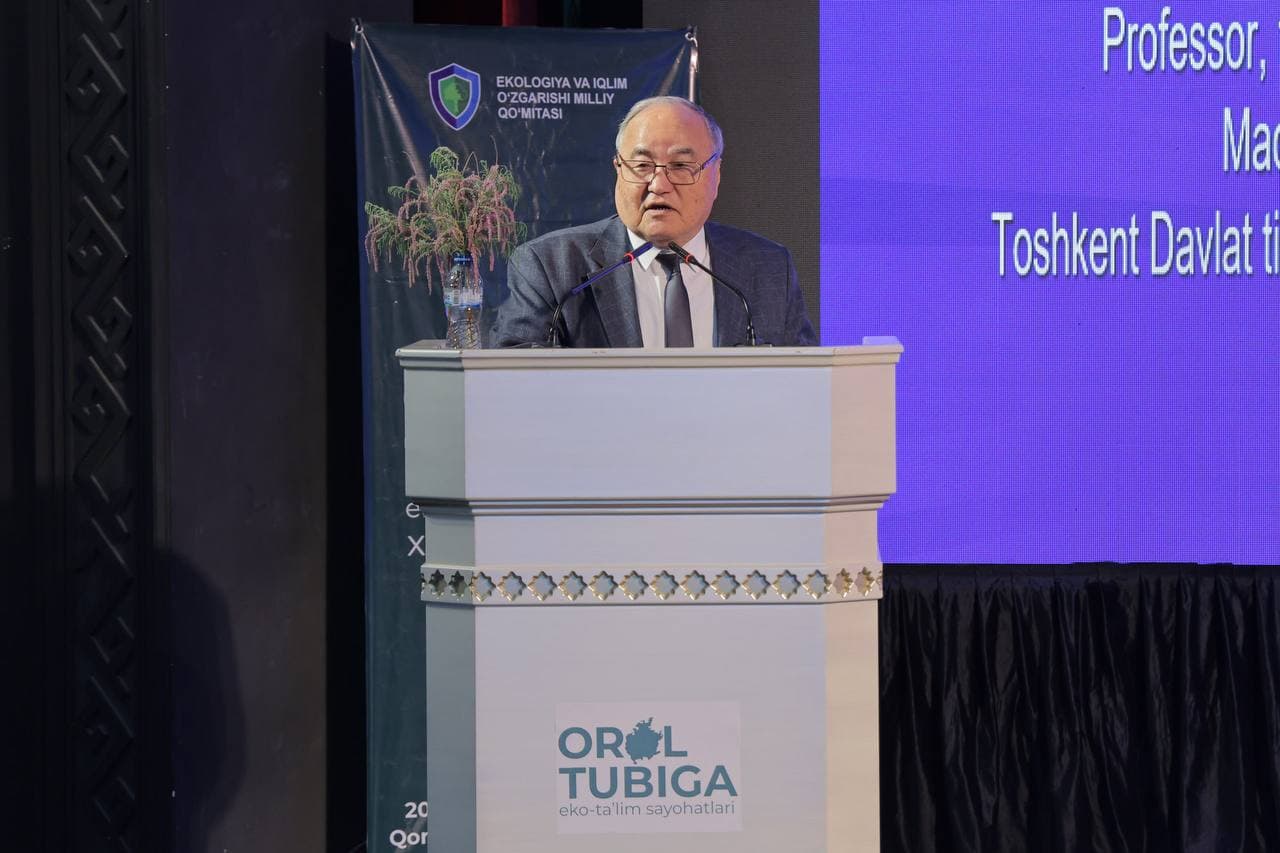
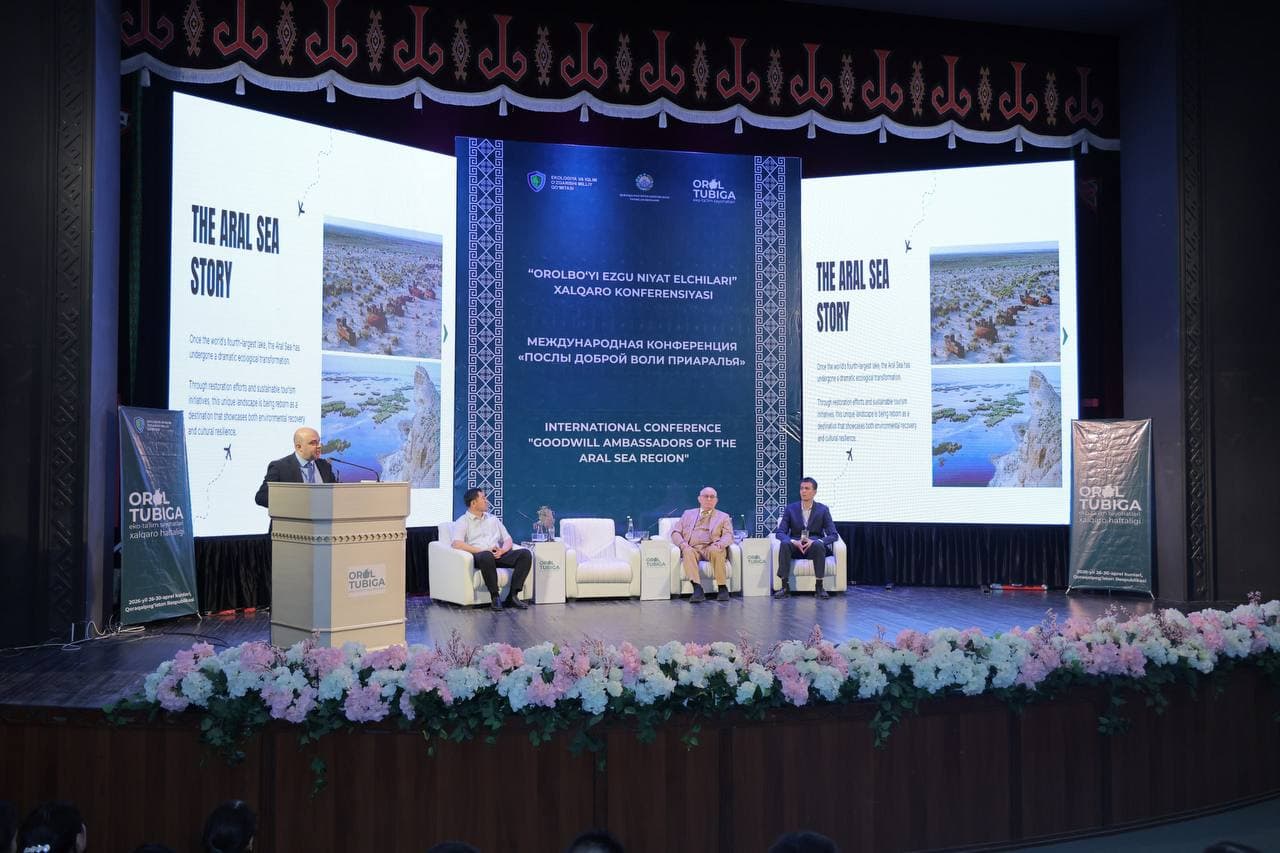
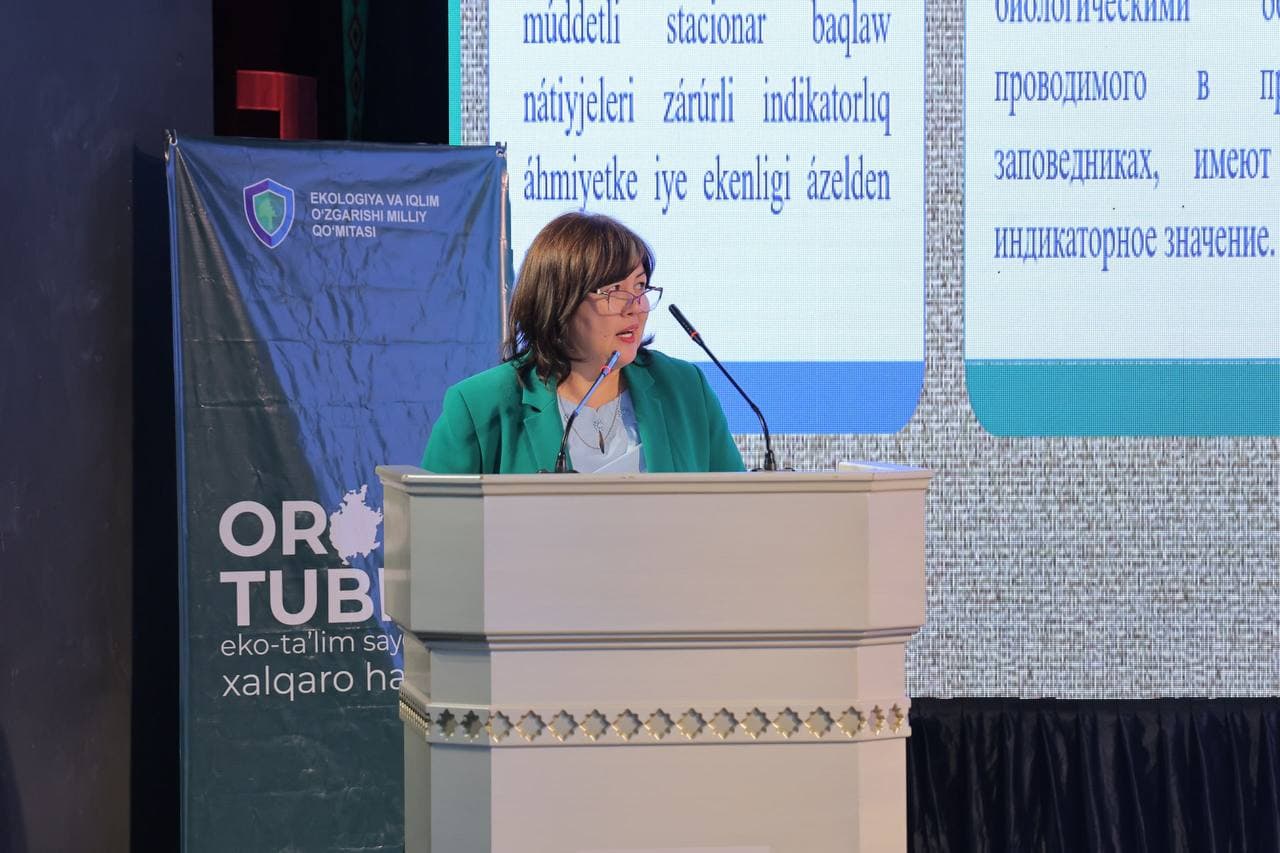
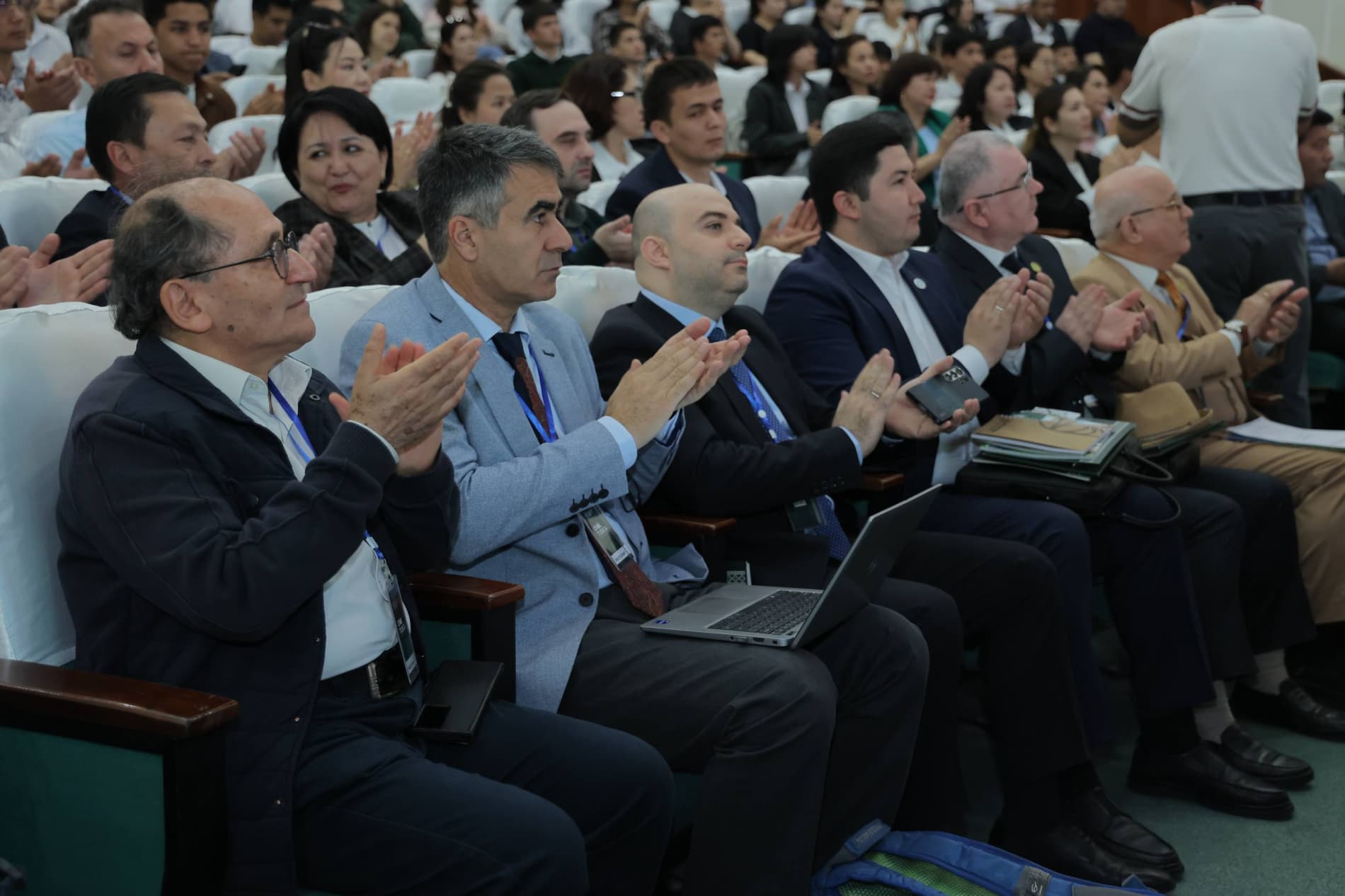
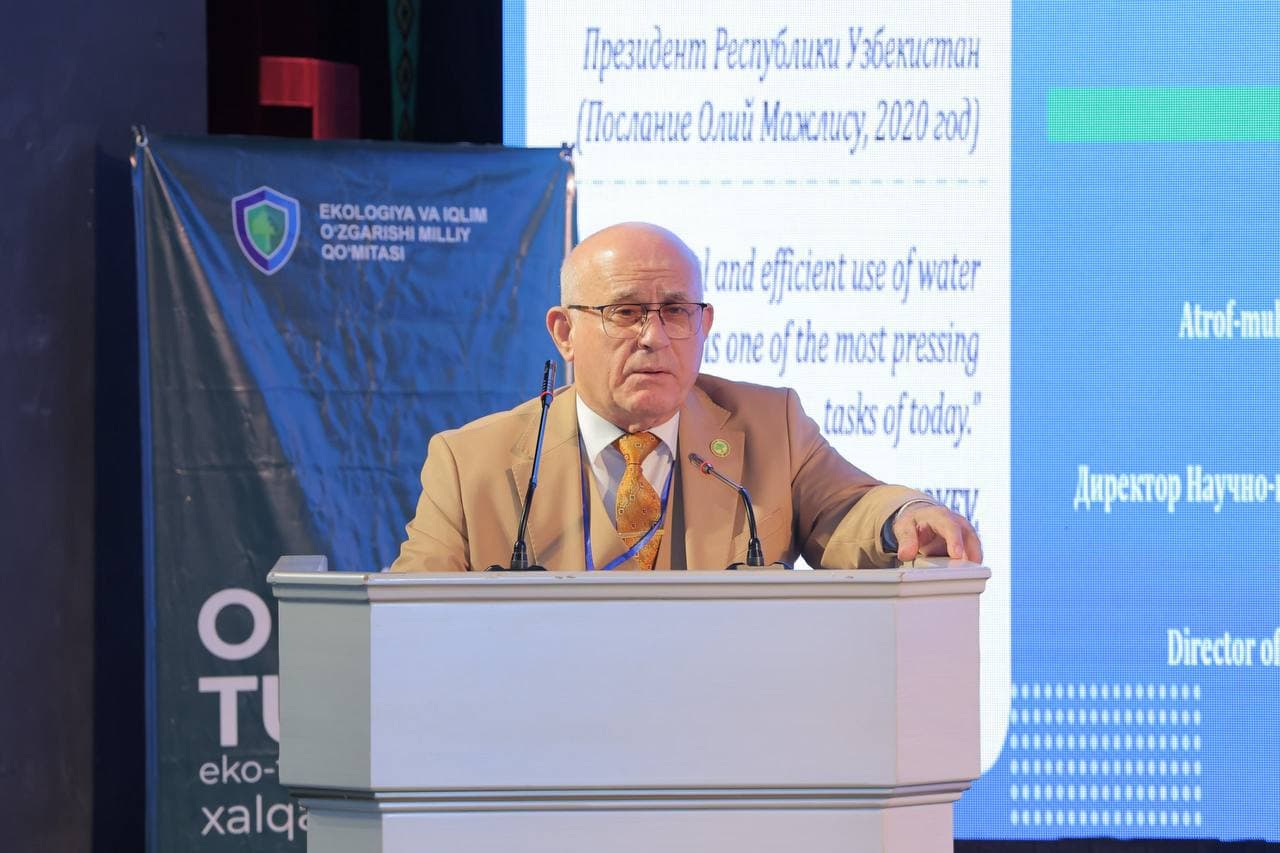
Participants highlighted the successful participation of Uzbekistan’s delegation in the Regional Environmental Summit held in Astana, where nationwide initiatives advanced under the leadership of the Head of State received particular recognition.
The conference focused on a range of pressing environmental challenges. In their remarks, Chairman of the Jokargy Kenes of the Republic of Karakalpakstan Murat Atamuratov and Deputy Minister of Ecology of the Republic of Uzbekistan Jusipbek Kazbekov addressed current environmental priorities, with a strong focus on the Aral Sea crisis. They emphasized the growing role of environmentally engaged youth in shaping and advancing practical solutions.
The programme also featured a series of expert presentations and lectures on key environmental topics. Professors from Green University representing Iran, Lebanon, Australia and other countries delivered presentations on “Halophytes: Diversity and Impact in a Changing Central and Southeast Asia,” “Desert Economics and Education,” “Building a Sustainable Future: Ecotourism in the Aral Sea Basin” and “A Smart Water Future: Transforming Water Resources through Satellite-Based Earth Observation and Advanced Technologies.”
Discussions further covered modern approaches to environmental education in the Aral Sea region, classification of plant species adapted to the soil and climatic conditions of the dried seabed, improving land-use efficiency and the impact of environmental stressors on public health. Participants also examined the monitoring of hydrological regimes and the current condition of lakes in the Southern Aral Sea area.
Special attention was given to biodiversity conservation, including the population dynamics of gerbils in the lower Amu Darya delta, as well as the development of satellite-based tools for tracking changes in lakes and reed ecosystems. Other topics included the introduction of climate-resilient agricultural practices in Karakalpakstan, cultivation of medicinal plants, the role of afforestation in restoring ecosystems on the dried Aral seabed, sustainable regional development, efforts to combat desertification and the ecological significance of rare insect species in the Southern Aral Sea region.
The conference also addressed capacity-building for sustainable development in the Aral Sea region, including training qualified specialists, studying the impact of electromagnetic fields on crops under local climatic conditions, and assessing fire risks in tugai forests along major Central Asian rivers—the Amu Darya, Syr Darya, and Zarafshan—using remote sensing and GIS technologies. Additional discussions focused on preventing sand encroachment and salt dispersion, fostering environmental awareness among youth and advancing restoration prospects based on green economy principles.
Overall, the conference served as an important scientific and practical platform for developing solutions to pressing environmental challenges, particularly those related to strengthening environmental sustainability in the Aral Sea region.
For reference: as part of the thematic week, a range of related activities are underway, including the “Eco-Initiative” project, a tree-planting campaign, the “10,000 Steps” walking marathon, and other events.