
Regional Cooperation on Air Pollution Control Strengthens
2026-04-25 15:30:00 / News
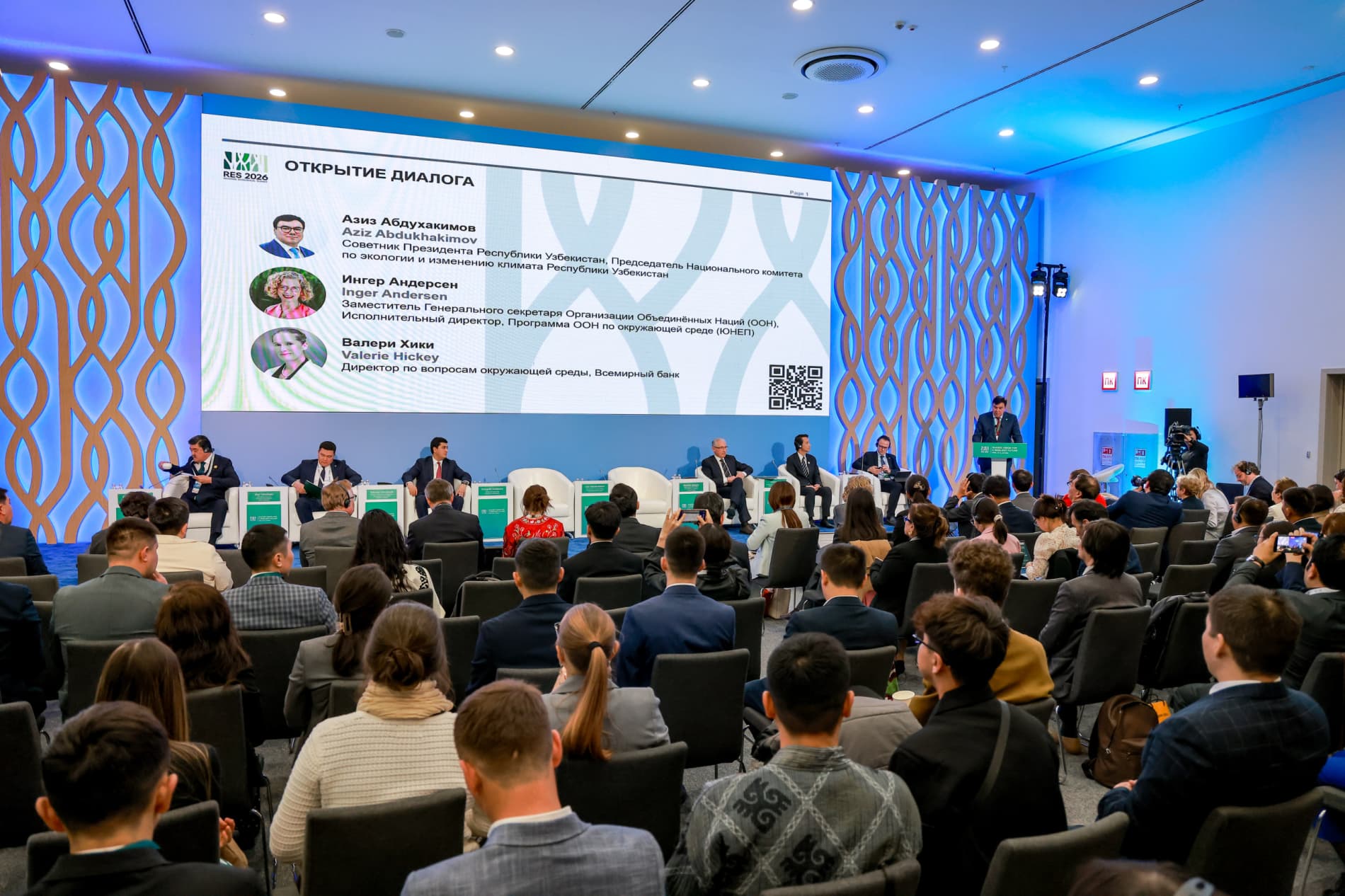
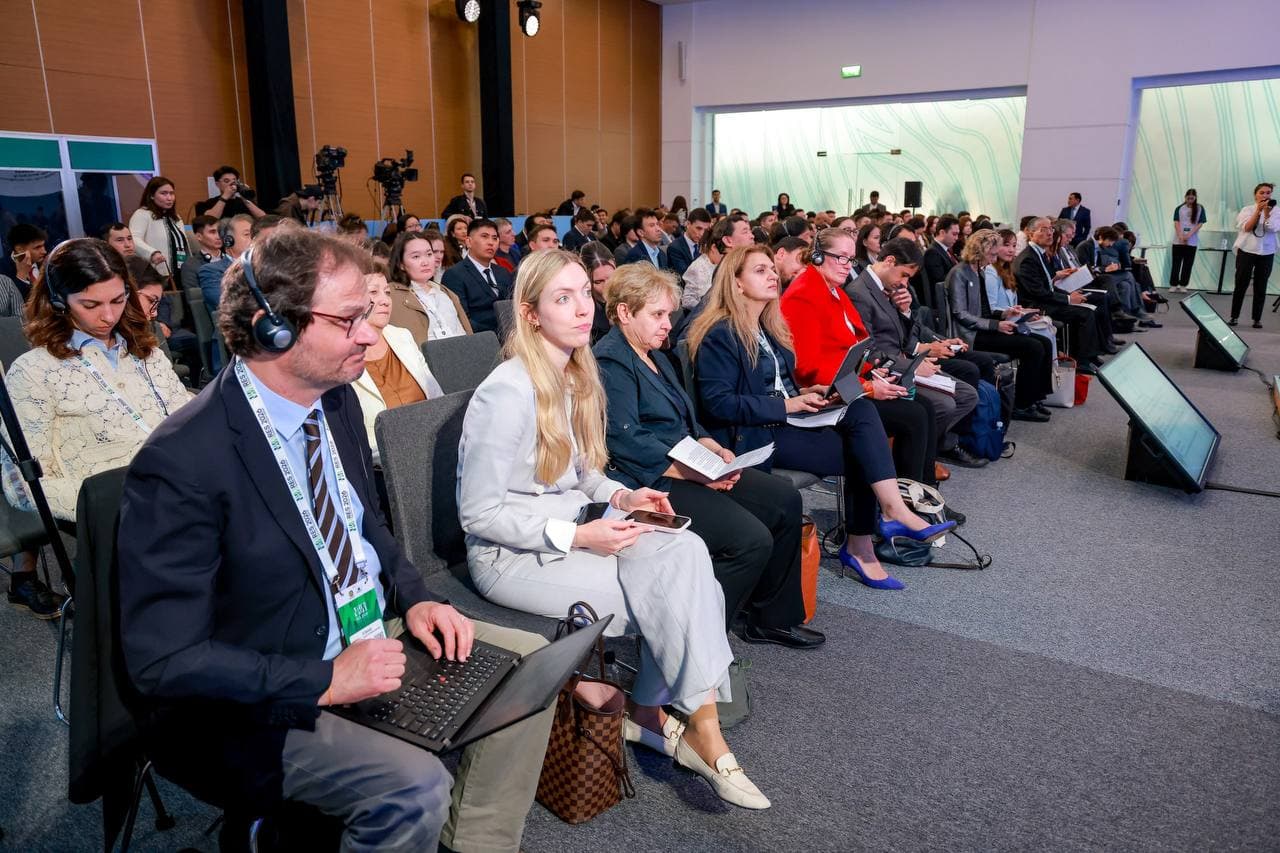
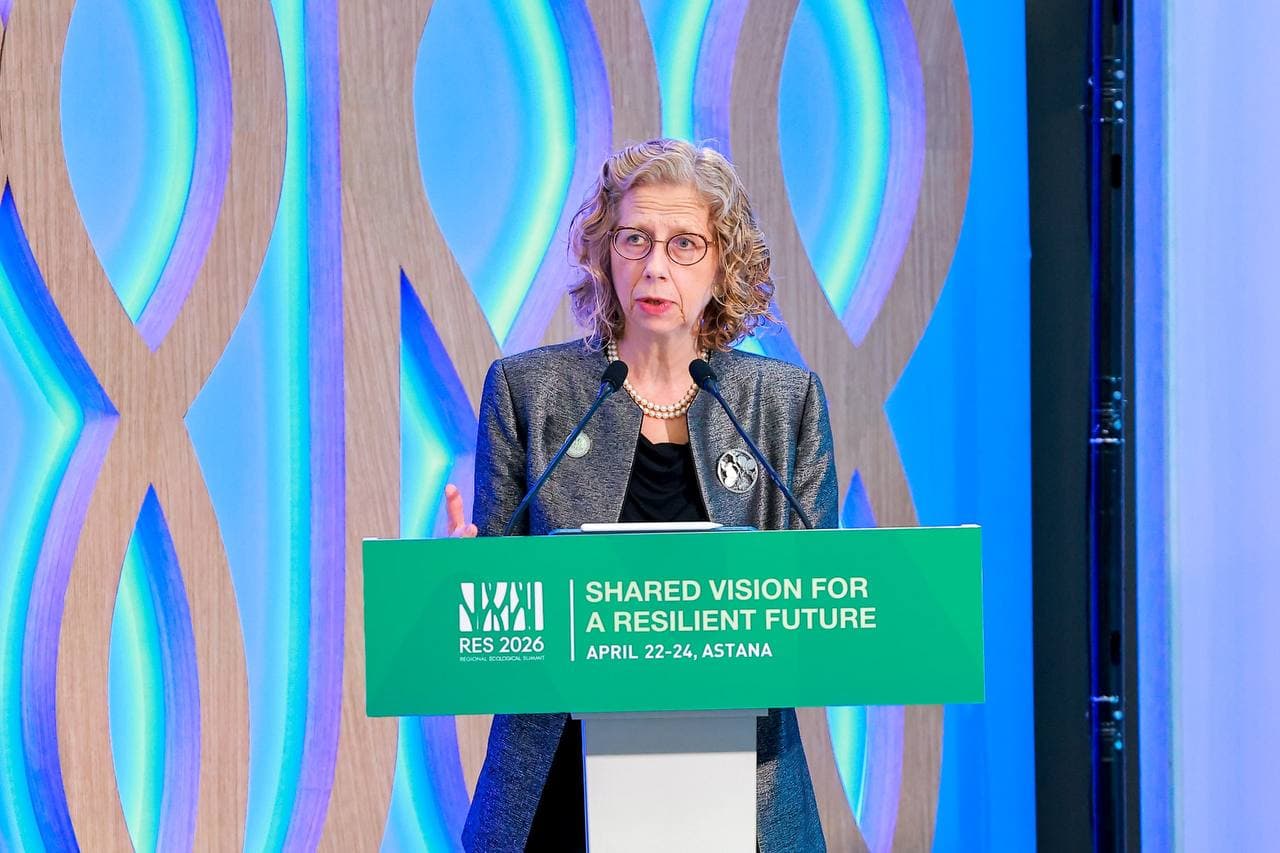
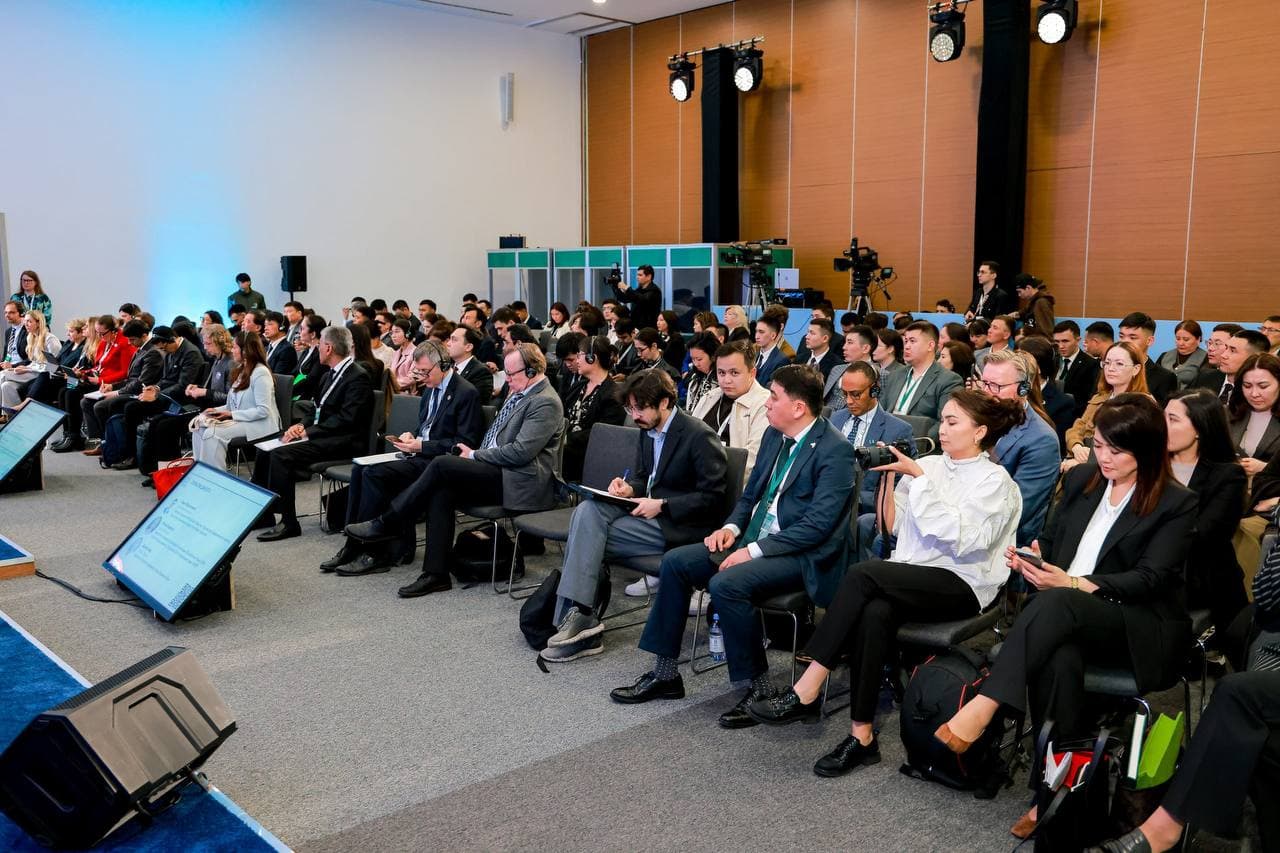
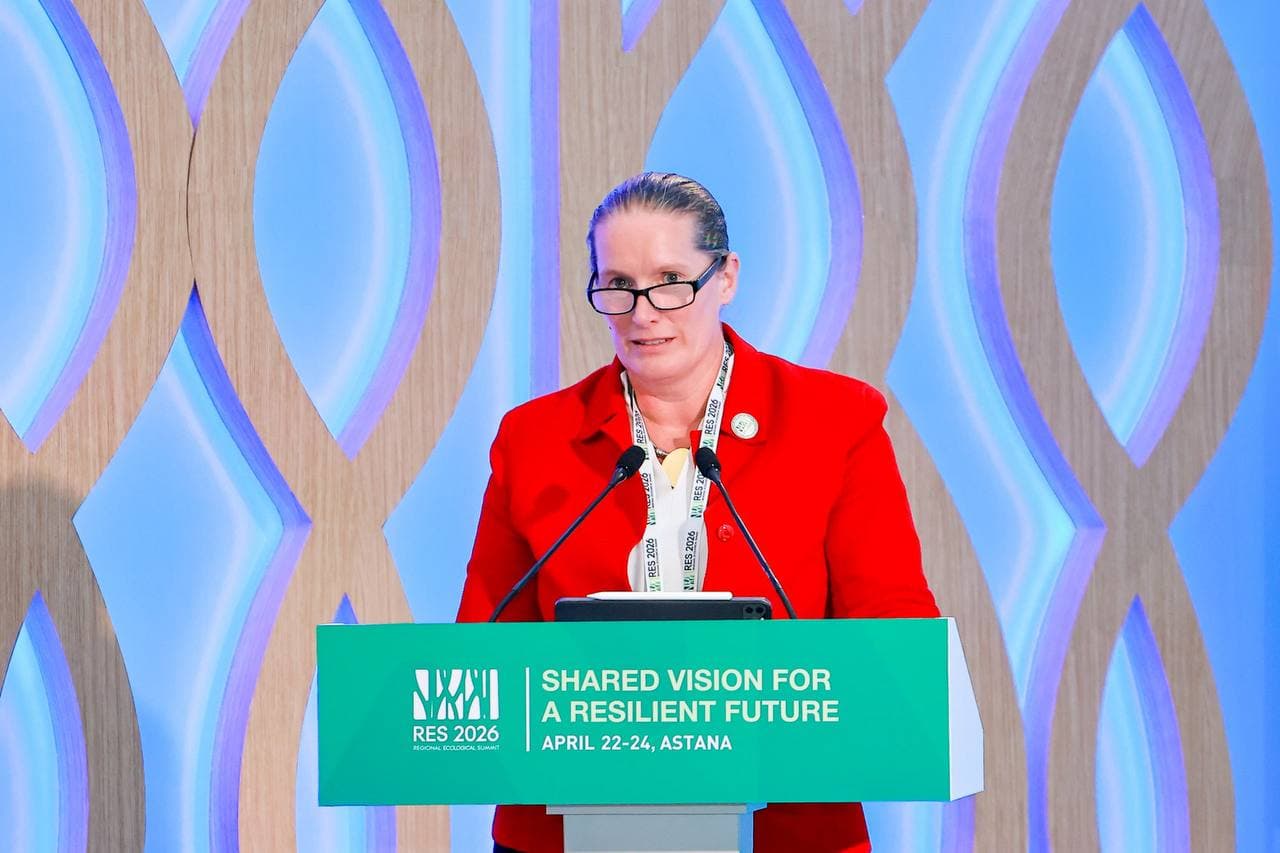
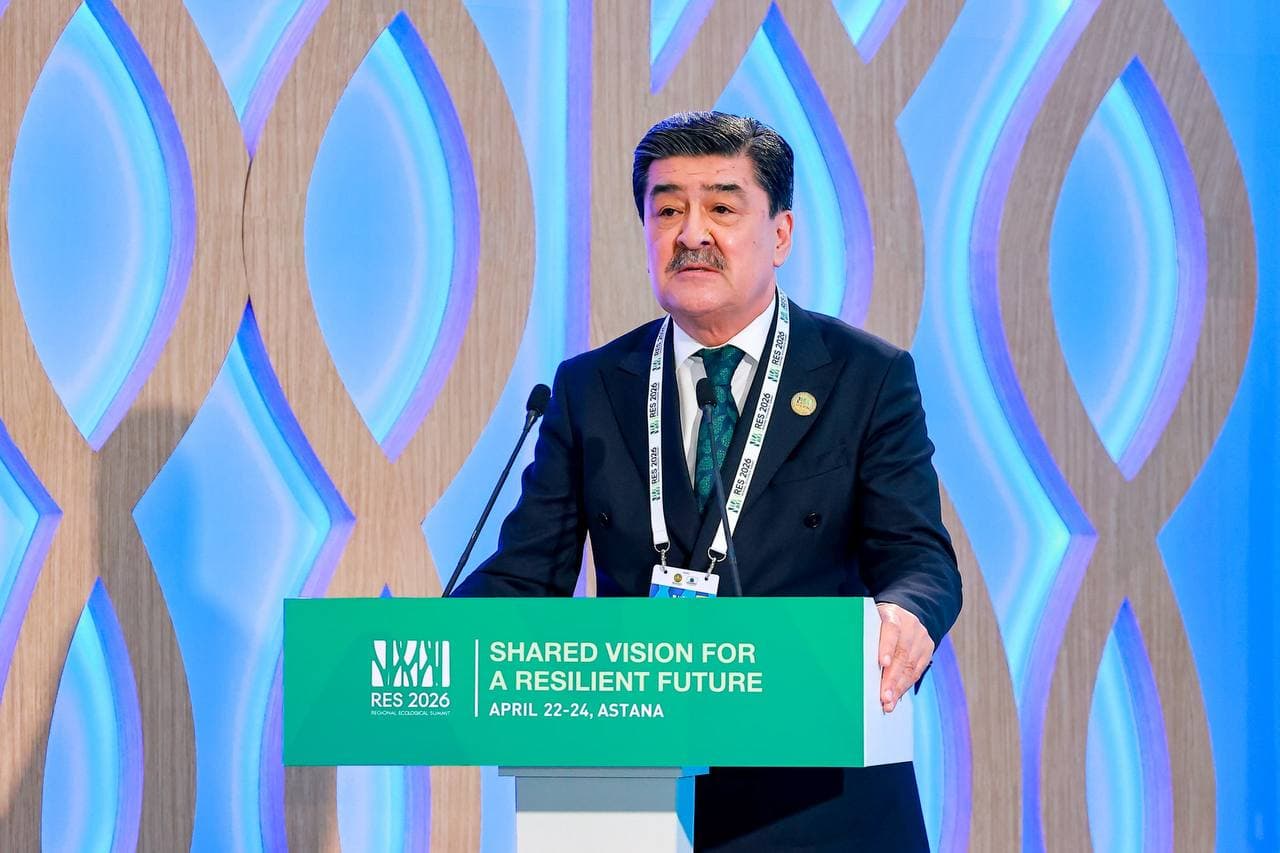
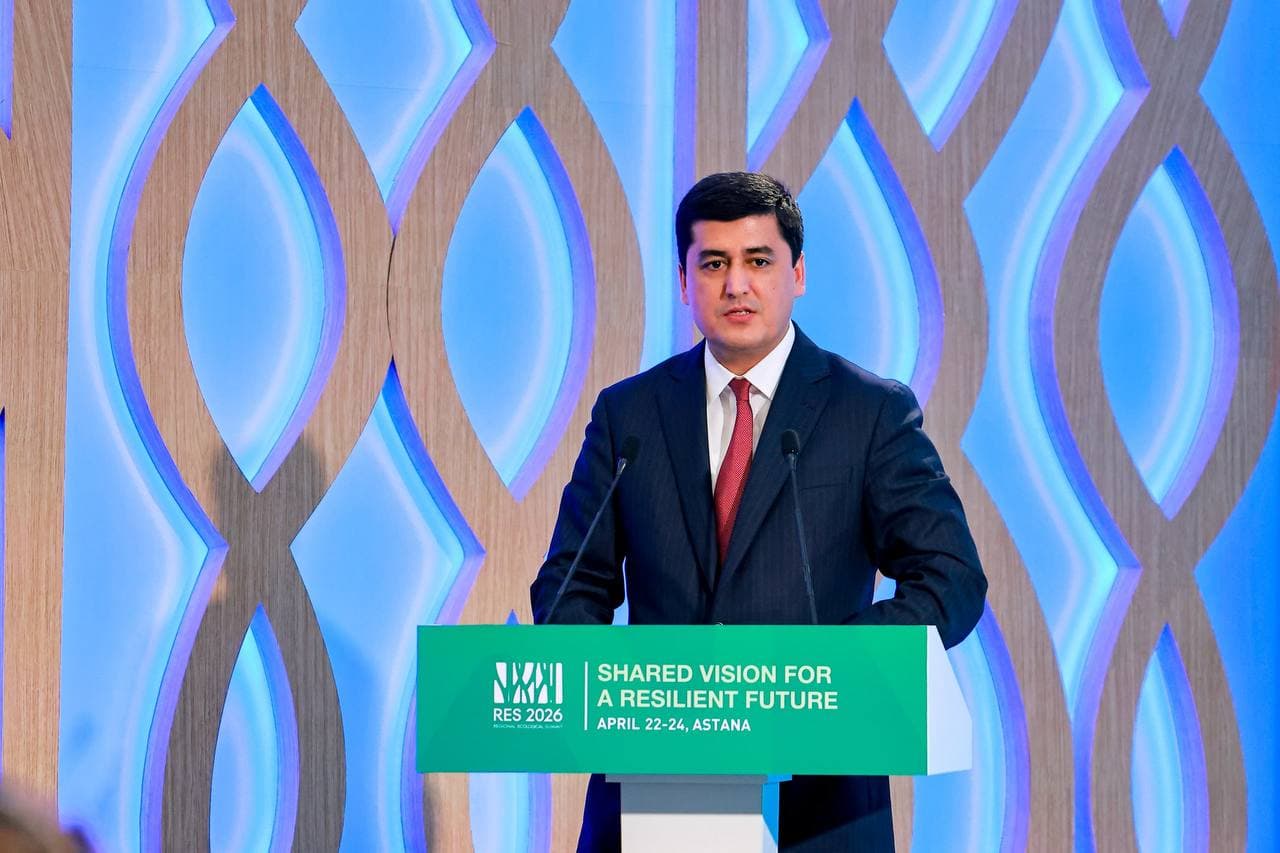
The event brought together representatives of Central Asian governments, international organizations, and financial institutions. Opening remarks and statements of purpose were delivered by the Advisor to the President of the Republic of Uzbekistan on Environmental Issues and Chairman of the National Committee on Ecology and Climate Change, Aziz Abdukhakimov; UN Deputy Secretary-General and UNEP Executive Director Inger Andersen; and World Bank Global Director for Environment Valerie Hickey.
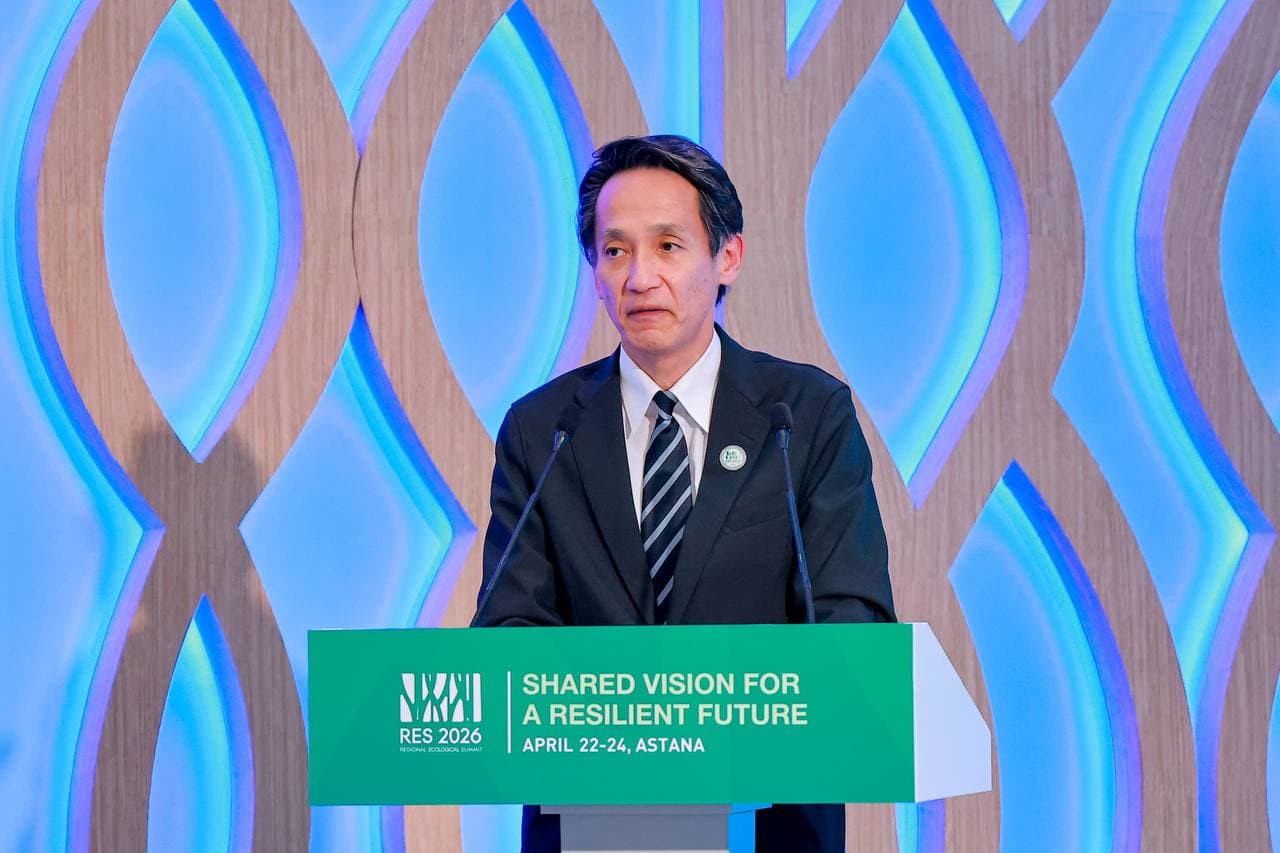
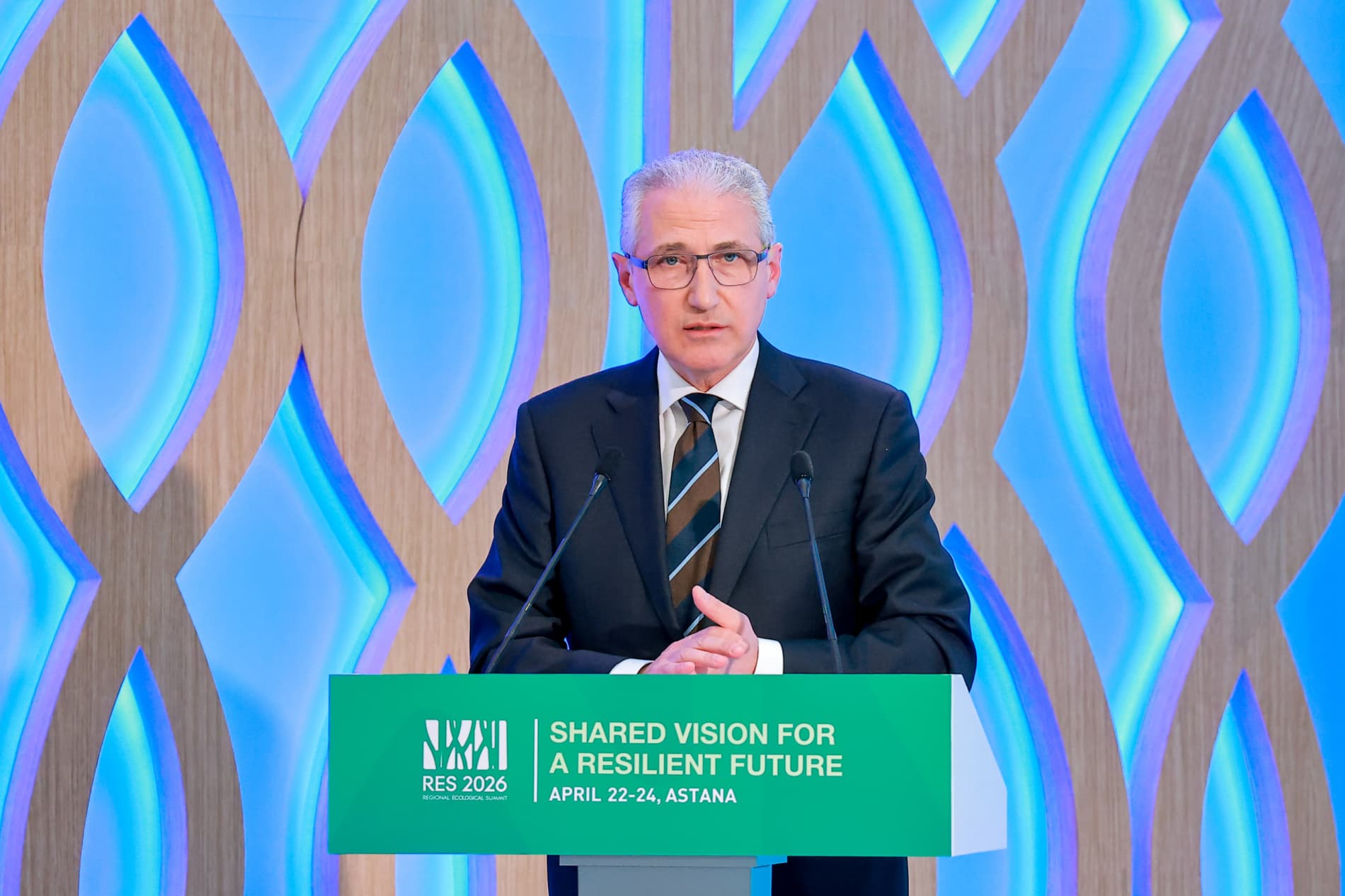
During the ministerial high-level dialogue, national priorities on clean air were presented and prospects for regional cooperation were discussed. The discussion was attended by Minister of Ecology and Natural Resources of Kazakhstan Yerlan Nyssanbayev; Minister of Natural Resources, Ecology and Technical Supervision of Kyrgyzstan Akil Toktobaev; Chairman of the Committee for Environmental Protection of Tajikistan Bahodur Sheralizoda; Minister of Environmental Protection of Turkmenistan Ovezgeldy Goshjanov; Representative of the President of Azerbaijan on Climate Issues Mukhtar Babayev and Deputy Minister for Global Environmental Affairs of Japan Kentaro Doi.
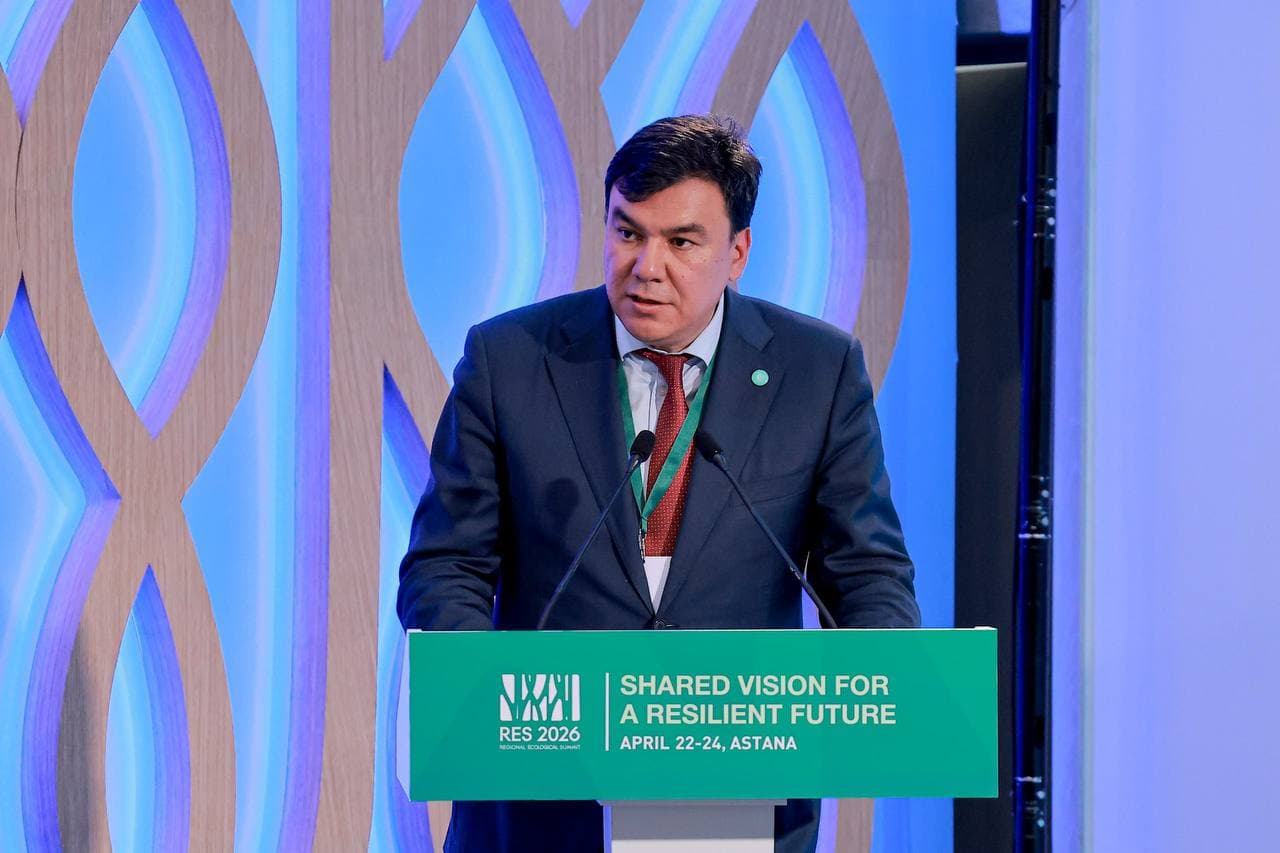
In his address, Aziz Abdukhakimov emphasized that, according to World Bank estimates, air pollution in Central Asia causes more than 65,000 premature deaths annually and economic losses of around USD 20 billion. In the context of growing industrial and transport pressure, accelerating urbanization, and increasing climate risks, the response requires not only national actions but also coordinated regional cooperation mechanisms.
He noted that the clean air agenda has already reached the highest political level. Following the meeting in Bukhara, the Presidents of Uzbekistan and Kazakhstan agreed to jointly advance the “Clean Air” project in border areas, giving air quality a strategic dimension in bilateral and regional cooperation.
Particular attention was paid to practical measures being implemented in Uzbekistan. By Presidential Decree of March 25, 2026, the nationwide “Clean Air” program for 2026–2030 was launched, aiming to reduce pollutant emissions by 10.5 percent, develop an automated monitoring system, and modernize industry. Key priorities also include reducing transport emissions, relocating environmentally harmful enterprises outside Tashkent, banning the use of fuel below AI-92 standard, and introducing an “Eco Transport” system.
Special emphasis was placed on the initiative of the President of Uzbekistan, Shavkat Mirziyoyev, to establish an interstate “Clean Air” consortium, proposed at the opening of the Regional Environmental Summit. In this context, Aziz Abdukhakimov proposed forming such a body between Uzbekistan and Kazakhstan, with the possibility of later expanding it across the region. The consortium is expected to serve as a platform for data exchange, satellite monitoring and analytics, as well as coordination of joint actions, including responses to dust and sandstorms and the implementation of pilot projects.
World Bank Global Director for Environment Valerie Hickey stated:
“Improving air quality enables countries and companies to modernize production capacities, enhance competitiveness, and access new markets, thereby supporting economic growth, job creation, and family well-being. The World Bank Group welcomes Central Asian countries’ efforts to build foundational infrastructure—through policy development and technology deployment—to address air pollution and will continue to support governments and the private sector in the region, including in cross-border cooperation.”