
Role of Women in Climate and Water Policy Discussed in Astana
2026-04-27 18:05:00 / News
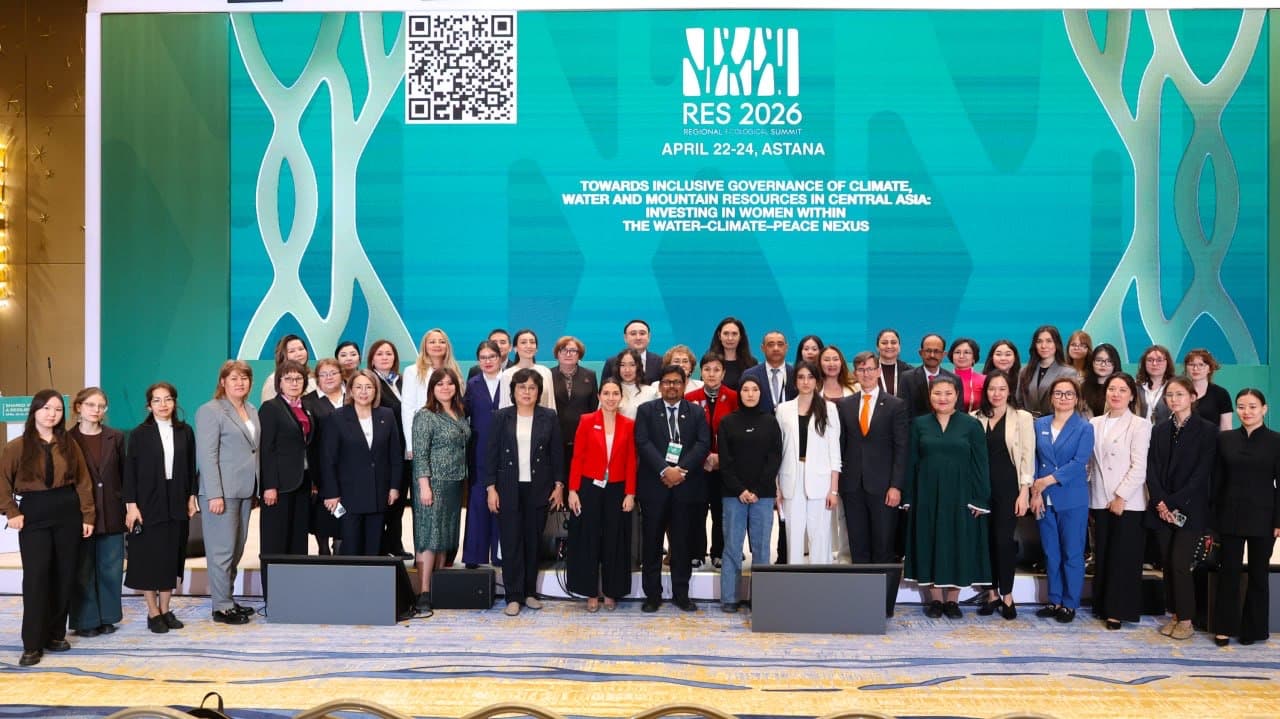
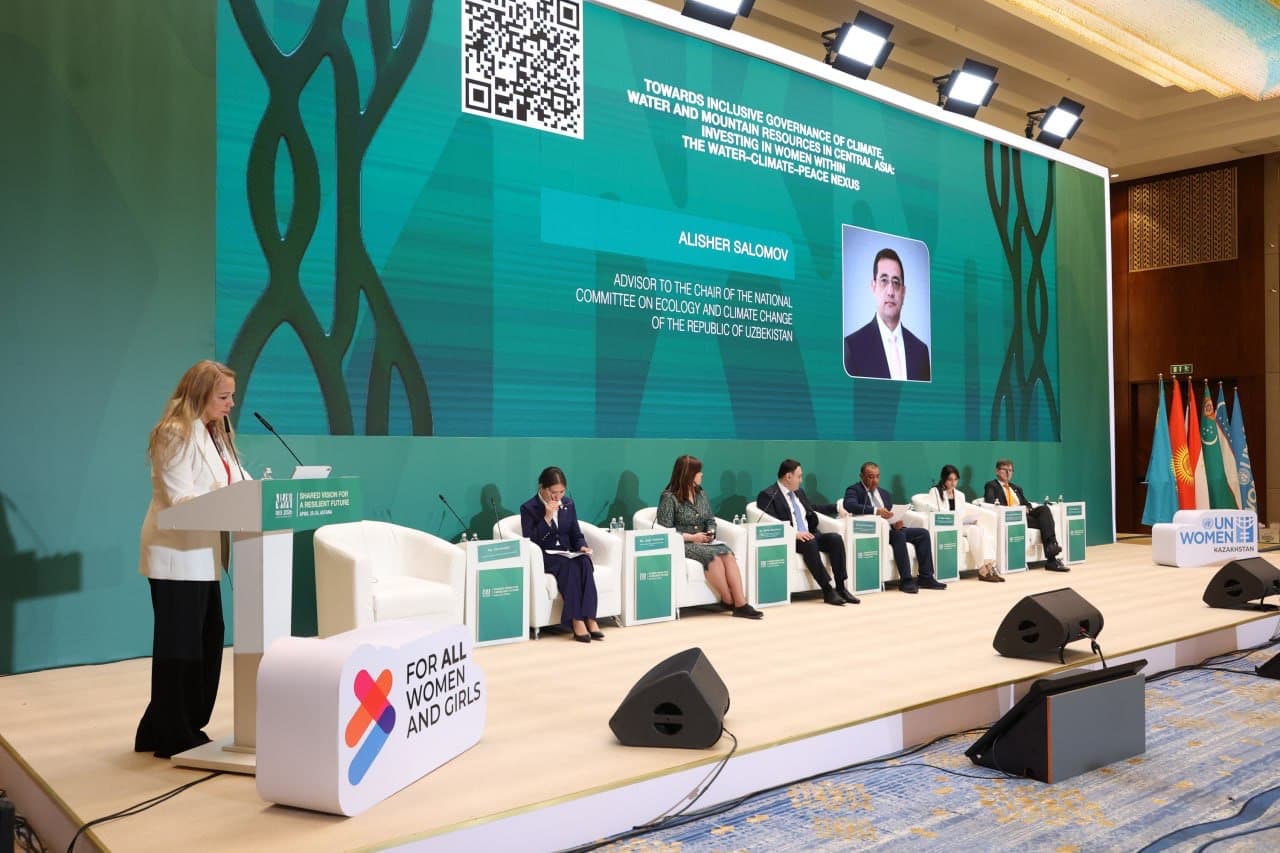
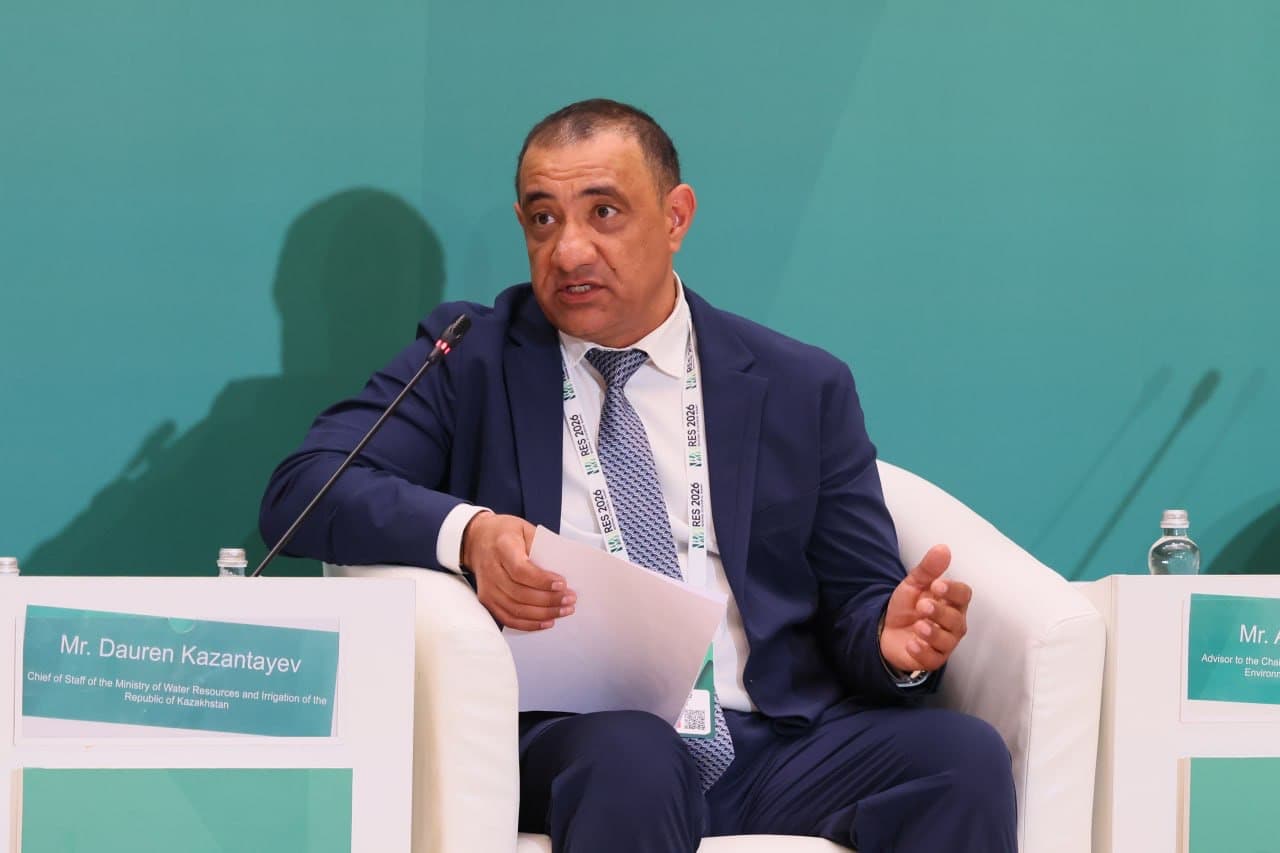
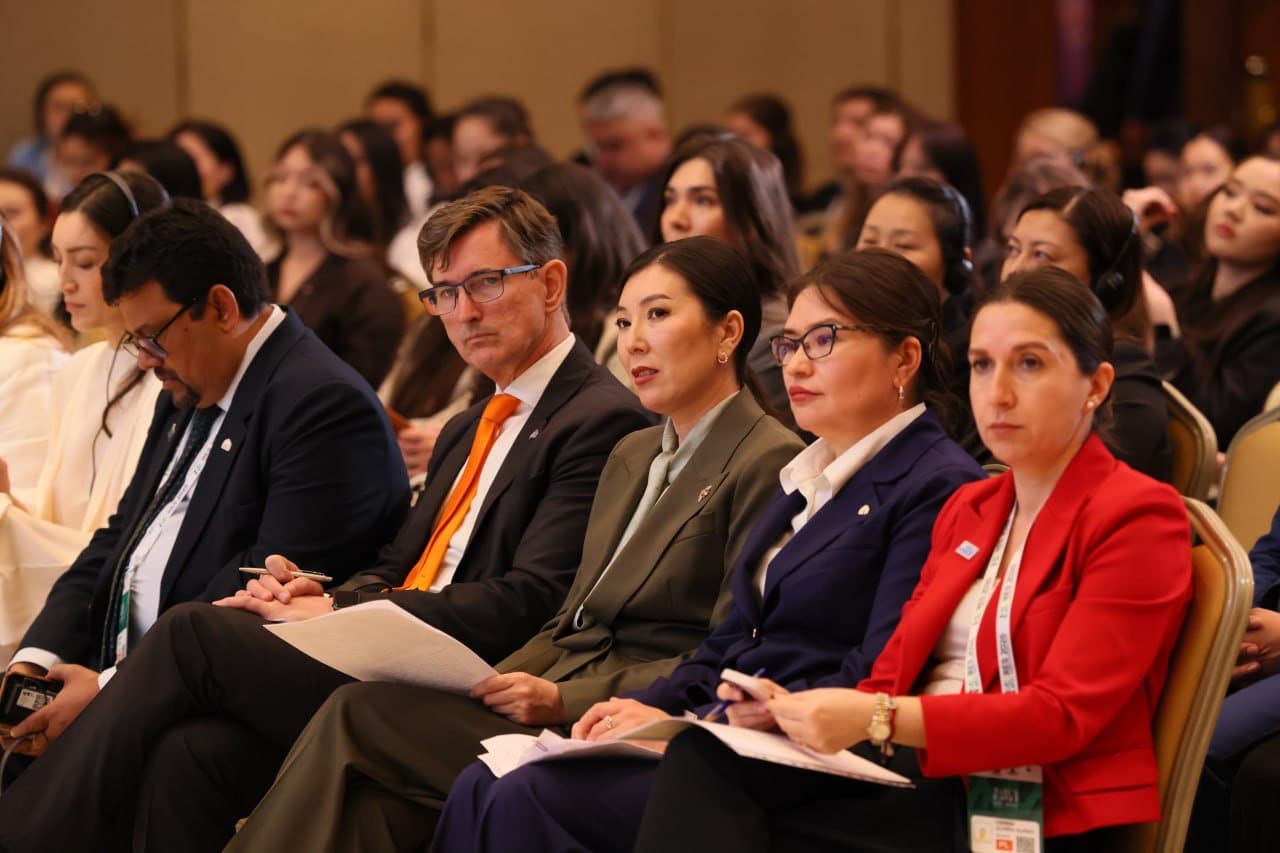
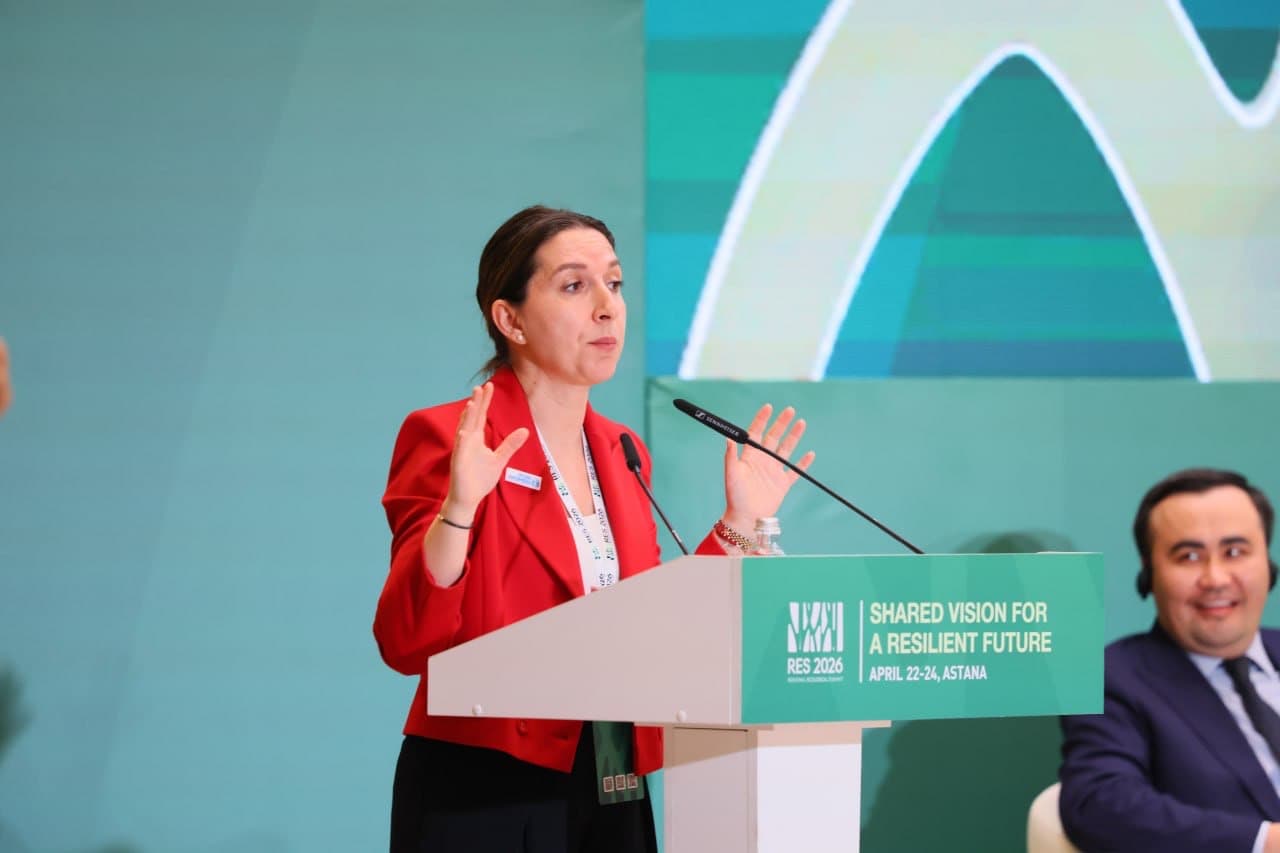
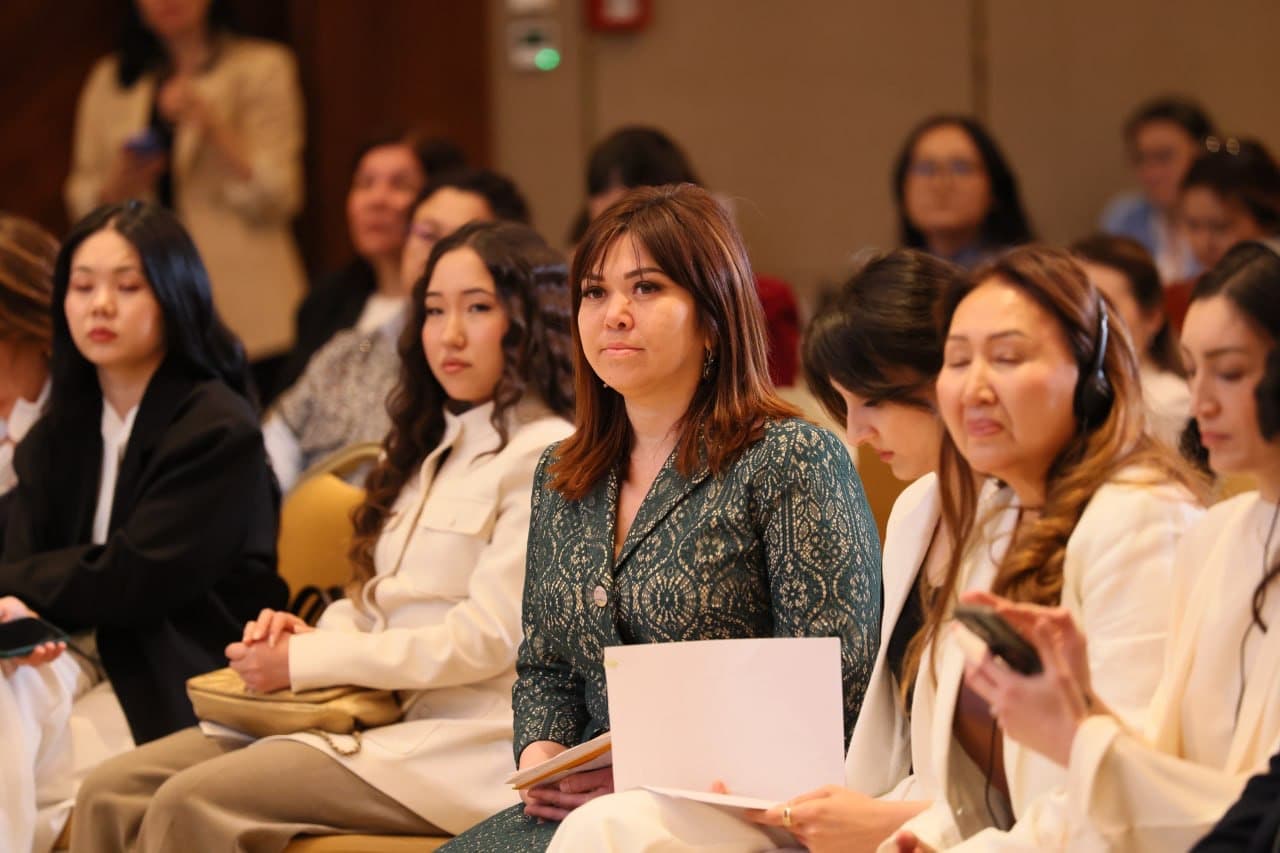
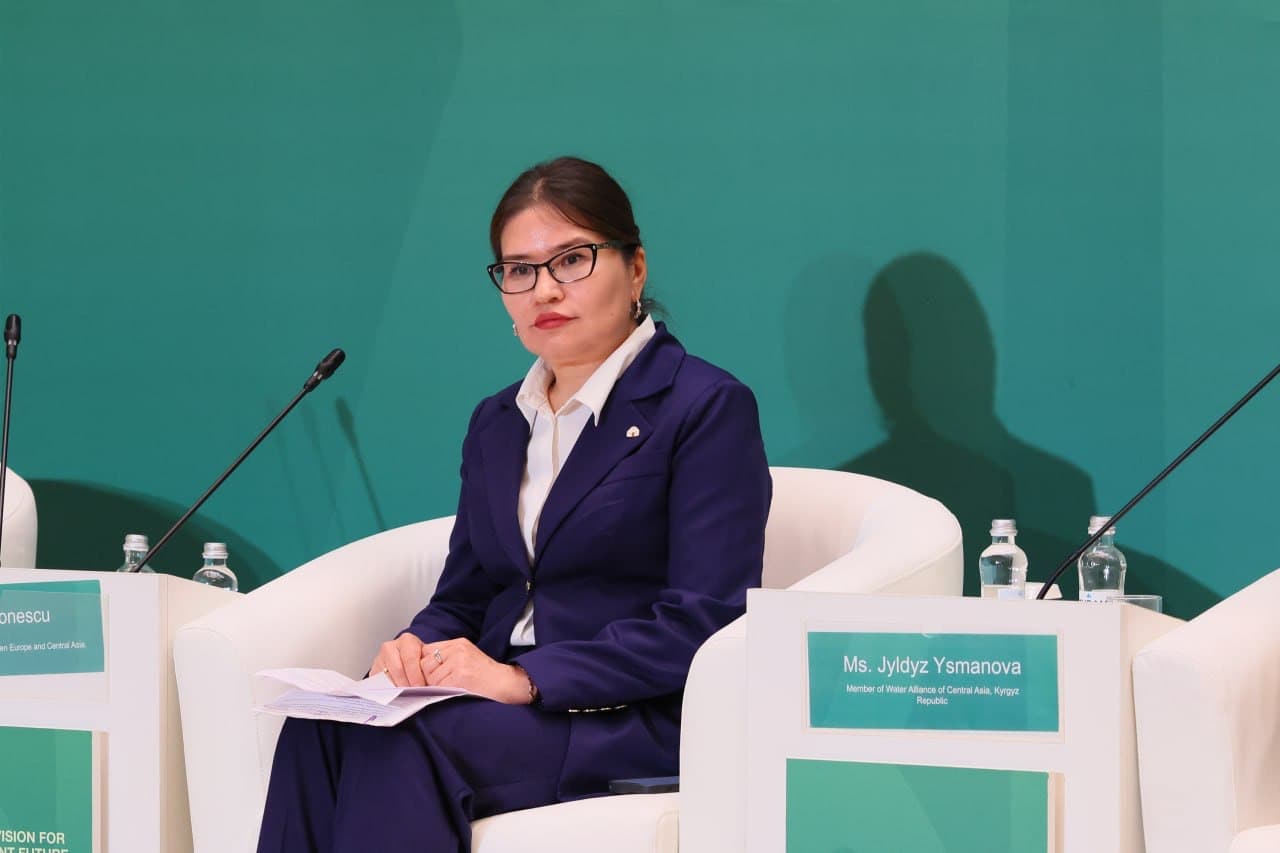
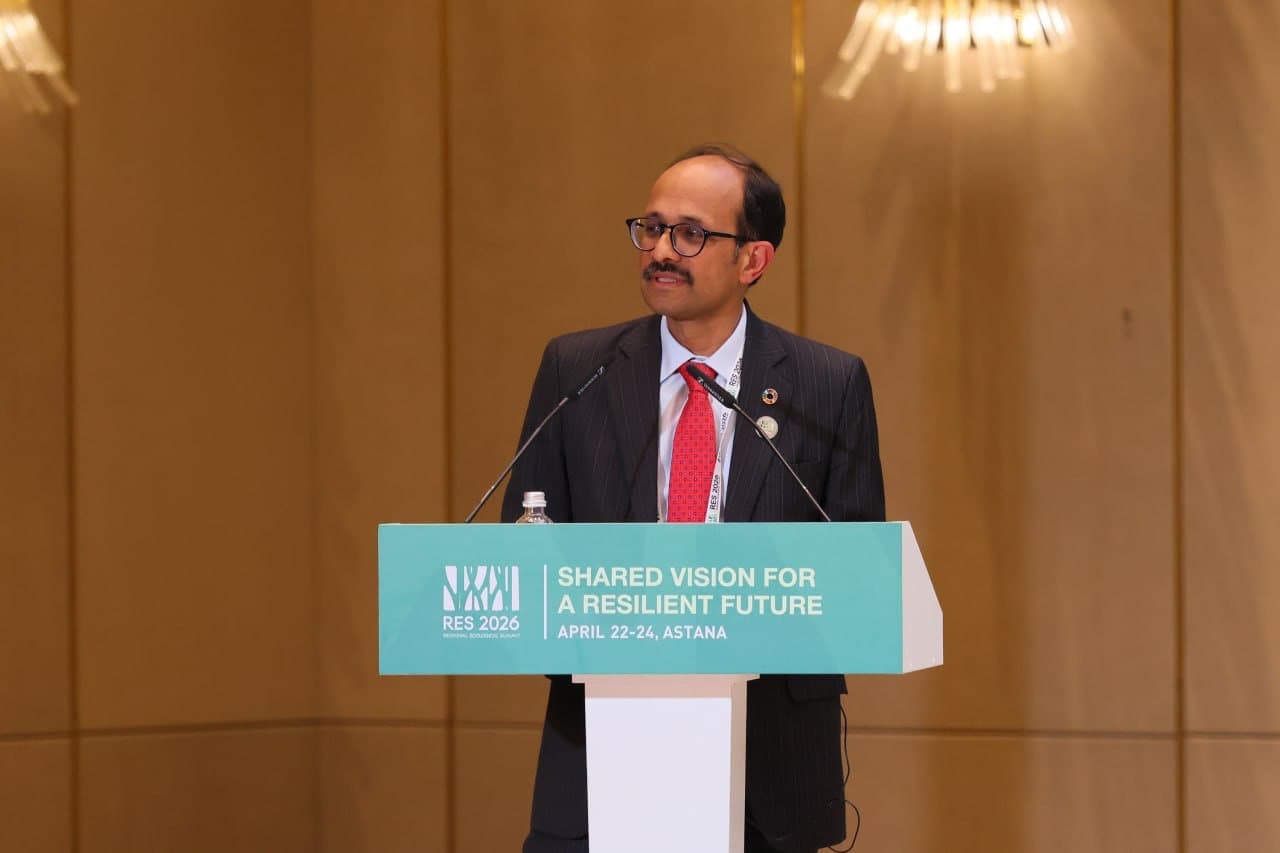
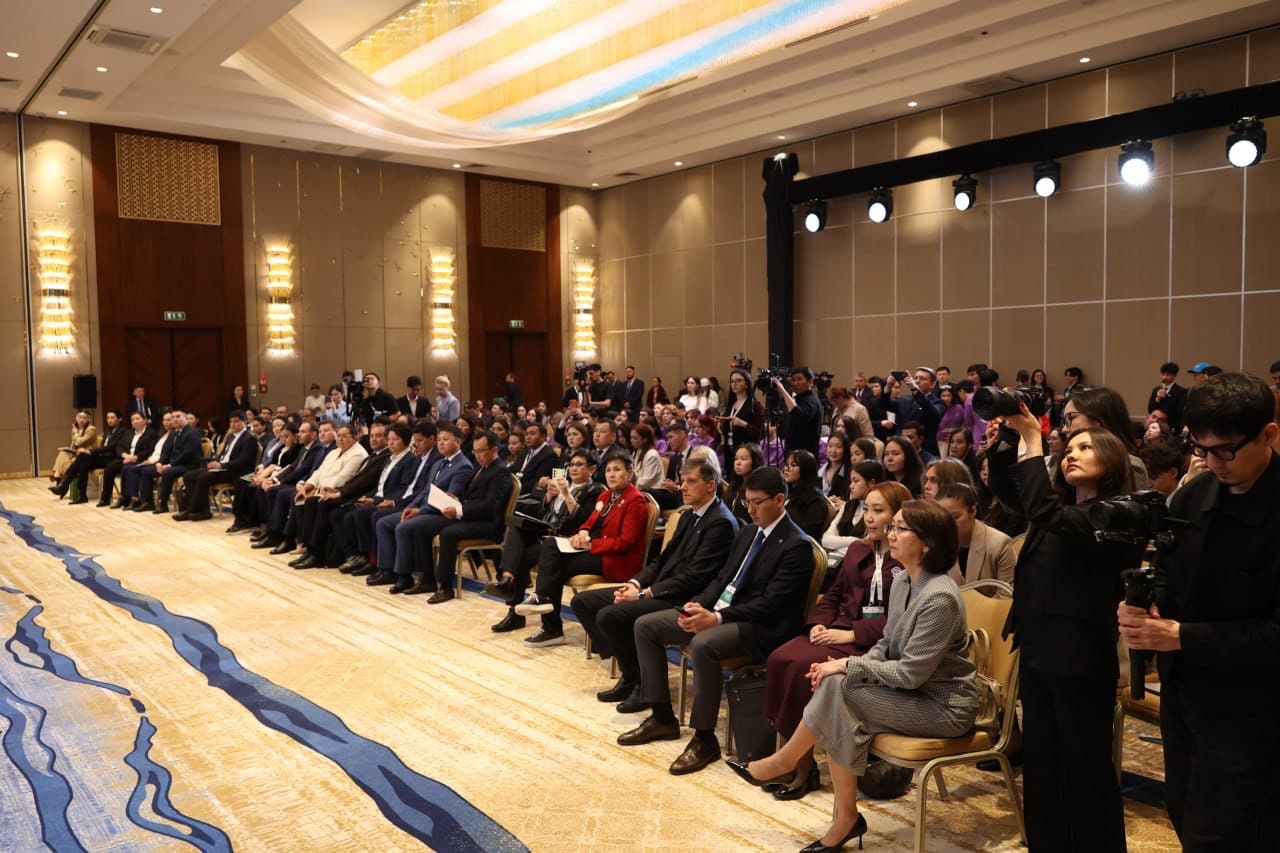
The event brought together representatives of international organizations, relevant ministries and agencies of Central Asian countries, the scientific community and civil society. Participants discussed the role of women in shaping effective climate and water policies, as well as in strengthening community resilience in the context of climate change.
A key focus of the panel discussion “Central Asia: Best Practices and Lessons Learned” was on successful regional case studies, water security issues, glacier melt, and the need to expand women’s participation in decision-making processes.
From Uzbekistan, Advisor to the Chairman of the National Committee on Ecology and Climate Change, Alisher Salomov, delivered a speech. He emphasized that gender equality in the country is regarded as an integral part of sustainable development and environmental governance. This approach is embedded at the institutional level and implemented through existing mechanisms for involving women in policy and program development.
It was noted that the National Committee on Ecology and Climate Change operates permanent advisory councils on gender equality, and that a Gender Strategy for 2026–2030 is currently being developed. A key feature of this work is the conduct of consultations in regions most affected by the impacts of climate change and water scarcity.
Particular attention is given to integrating the gender perspective into the country’s climate commitments. In Uzbekistan’s updated Nationally Determined Contribution, submitted in 2025, the gender dimension has been included for the first time. National adaptation plans, including programs for the Aral Sea region, are also being developed with consideration of the needs of different population groups.
Addressing the Aral Sea region, Alisher Salomov noted that sustainable water resource management is not possible without a long-term approach, regional cooperation and the active involvement of local communities, including women. Large-scale ecosystem restoration efforts are currently ongoing in the region, which are seen not only as an environmental priority but also as a social one.
In conclusion, participants of the session emphasized that inclusive and gender-responsive governance of climate and water resources should become one of the key areas of future regional cooperation in Central Asia.