
Uzbekistan Calls for Urgent Strengthening of Regional Cooperation on the Mountain Climate Agenda
2026-04-23 18:00:00 / News
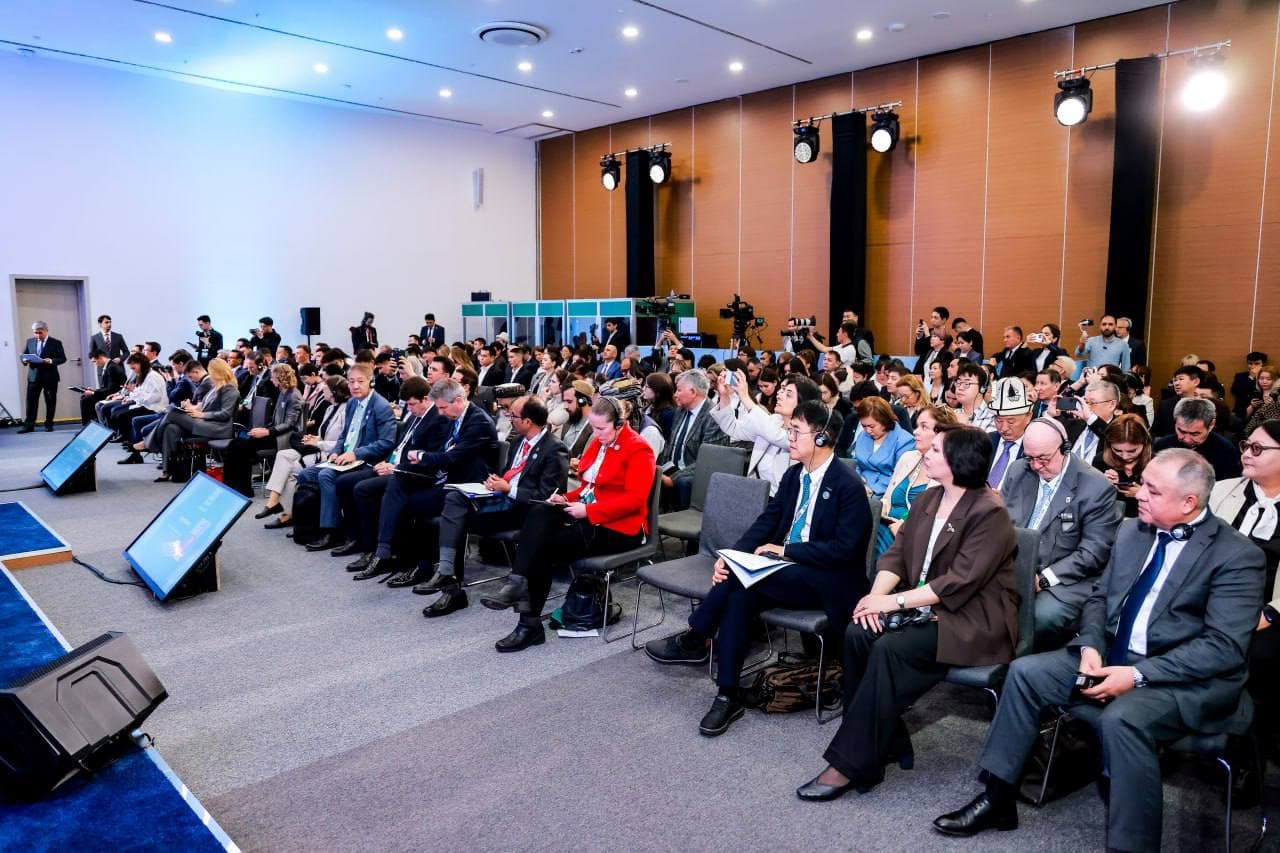

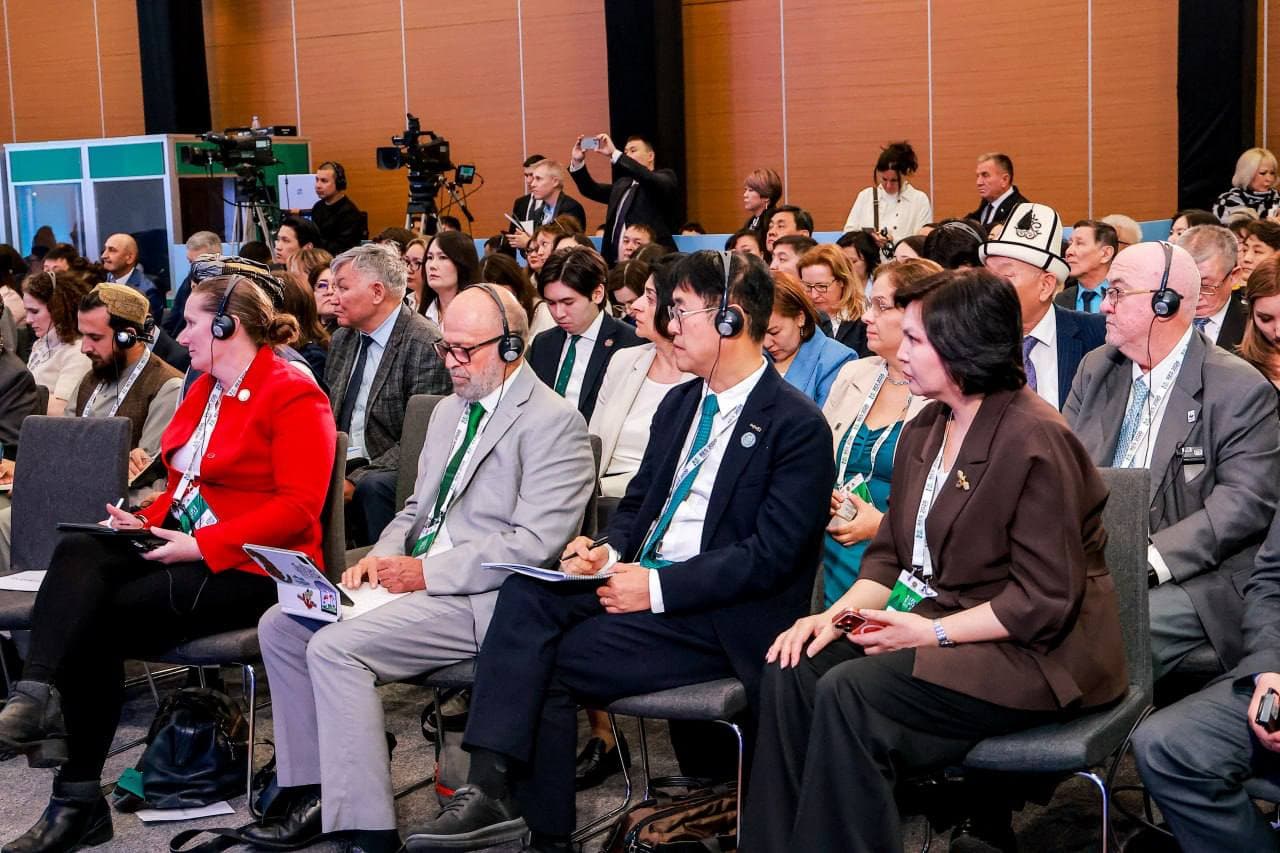
Today, Central Asia is among the most climate-vulnerable regions in the world. According to the World Meteorological Organization, warming rates in the region exceed the global average, with temperatures already rising by approximately 1.5–2°C compared to pre-industrial levels. In this context, the preservation of mountain ecosystems is of particular importance, as water, food, and environmental security in the region directly depend on their condition.
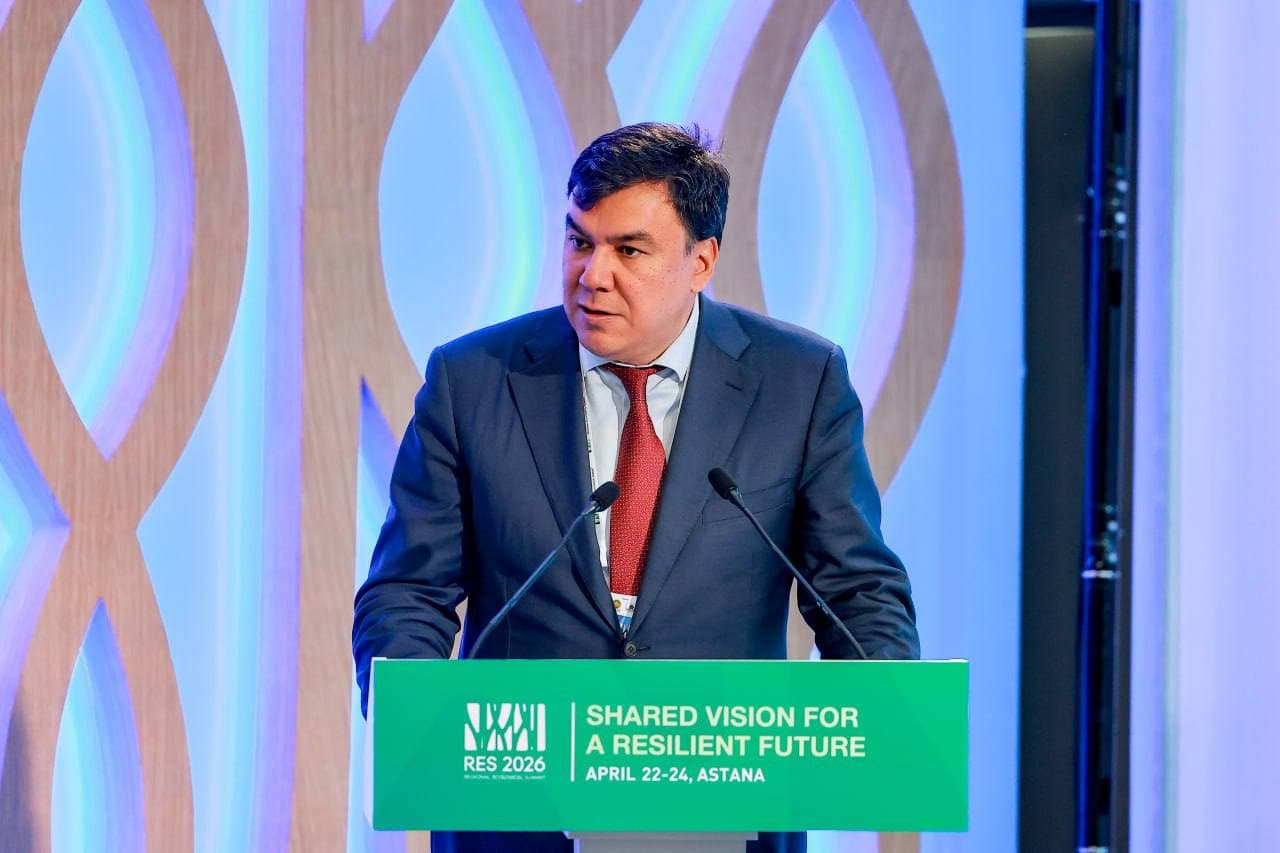
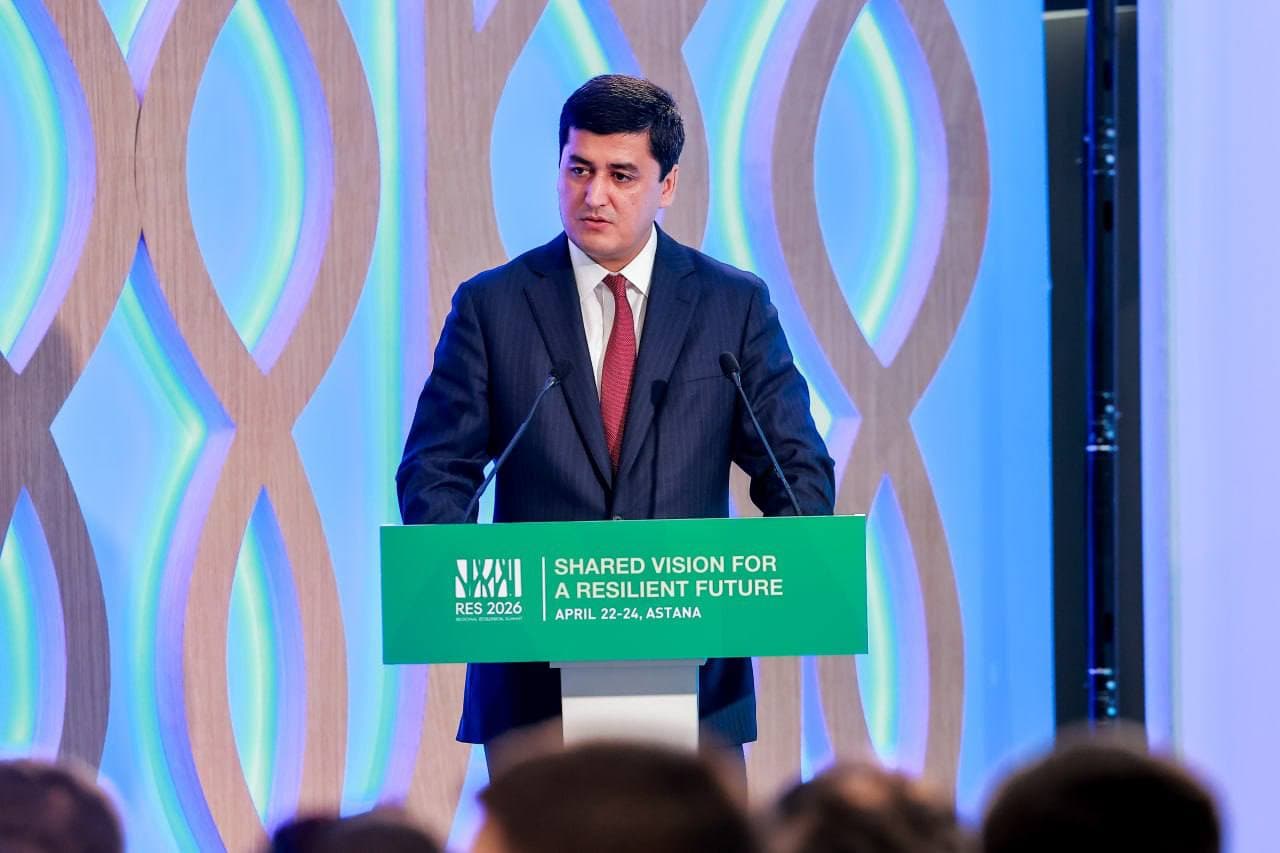
In his address, Aziz Abdukhakimov, Advisor to the President of Uzbekistan on Environmental Issues and Chairman of the National Committee on Ecology and Climate Change, emphasized that up to 80% of Central Asia’s water resources originate in mountain areas. However, the region has already lost up to 30% of its glacier volume, and this process continues to accelerate. In this regard, he called for the urgent strengthening of regional cooperation, the development of transboundary adaptation programmes, and the integration of the mountain agenda into Nationally Determined Contributions (NDCs) and adaptation plans.
Special attention was given to the practical implementation of nature-based solutions, including the restoration of mountain forests and pastures, the protection of watershed areas, and the sustainable management of ecosystems. Among Uzbekistan’s initiatives is the launch of scientific programs to study mountain regions in order to obtain up-to-date data on biodiversity status, as well as to prevent human–wildlife conflicts in key ecosystems.
Another key priority highlighted was the need to expand access to international climate finance. It was noted that the adaptation needs of the region amount to billions of dollars, while actual financing levels remain limited. In this regard, it was proposed to intensify the mobilization of resources from global funds and to launch regional programs supporting mountain ecosystems.
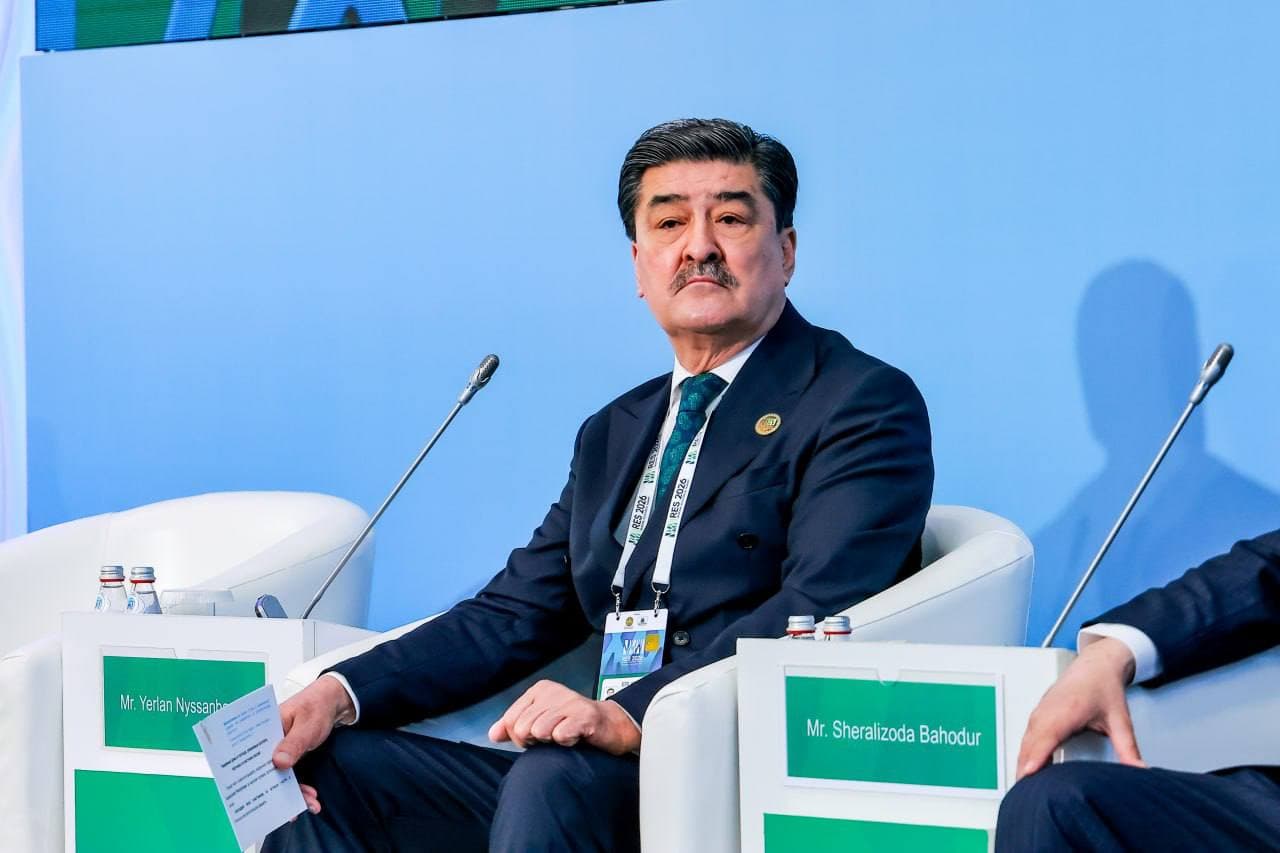
Participants also discussed prospects for developing a joint program on the conservation of Central Asia’s large cats and the protection of mountain ecosystems with the support of Global Environment Facility (GEF) grant funding. It was emphasized that such initiatives could become an important step towards strengthening ecosystem resilience and improving the well-being of mountain communities.
The session reaffirmed the growing importance of the mountain agenda in the international climate architecture and highlighted the need to move from discussions to practical actions based on regional cooperation, scientific evidence, and sustainable financing.