
Uzbekistan Presents National Pavilion at RES 2026
2026-04-23 17:30:00 / News
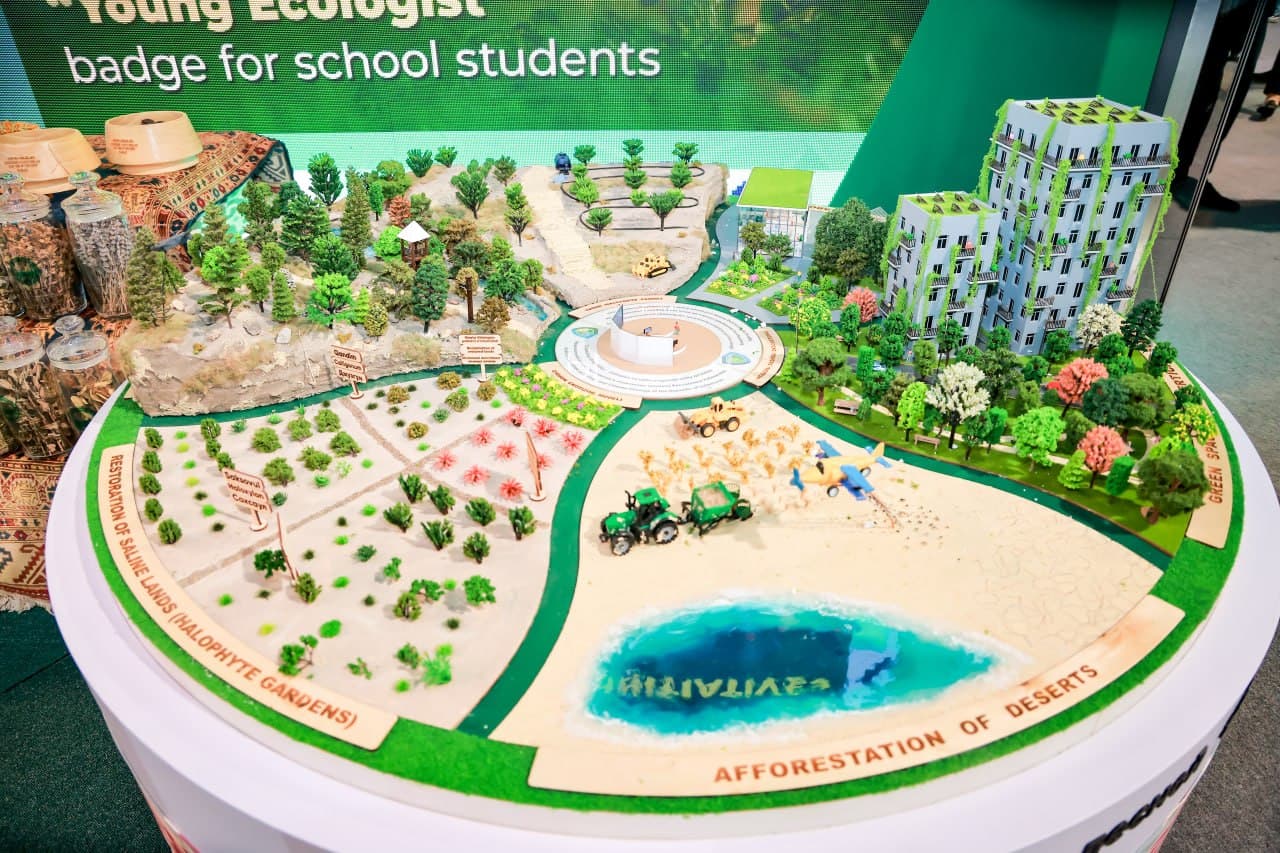
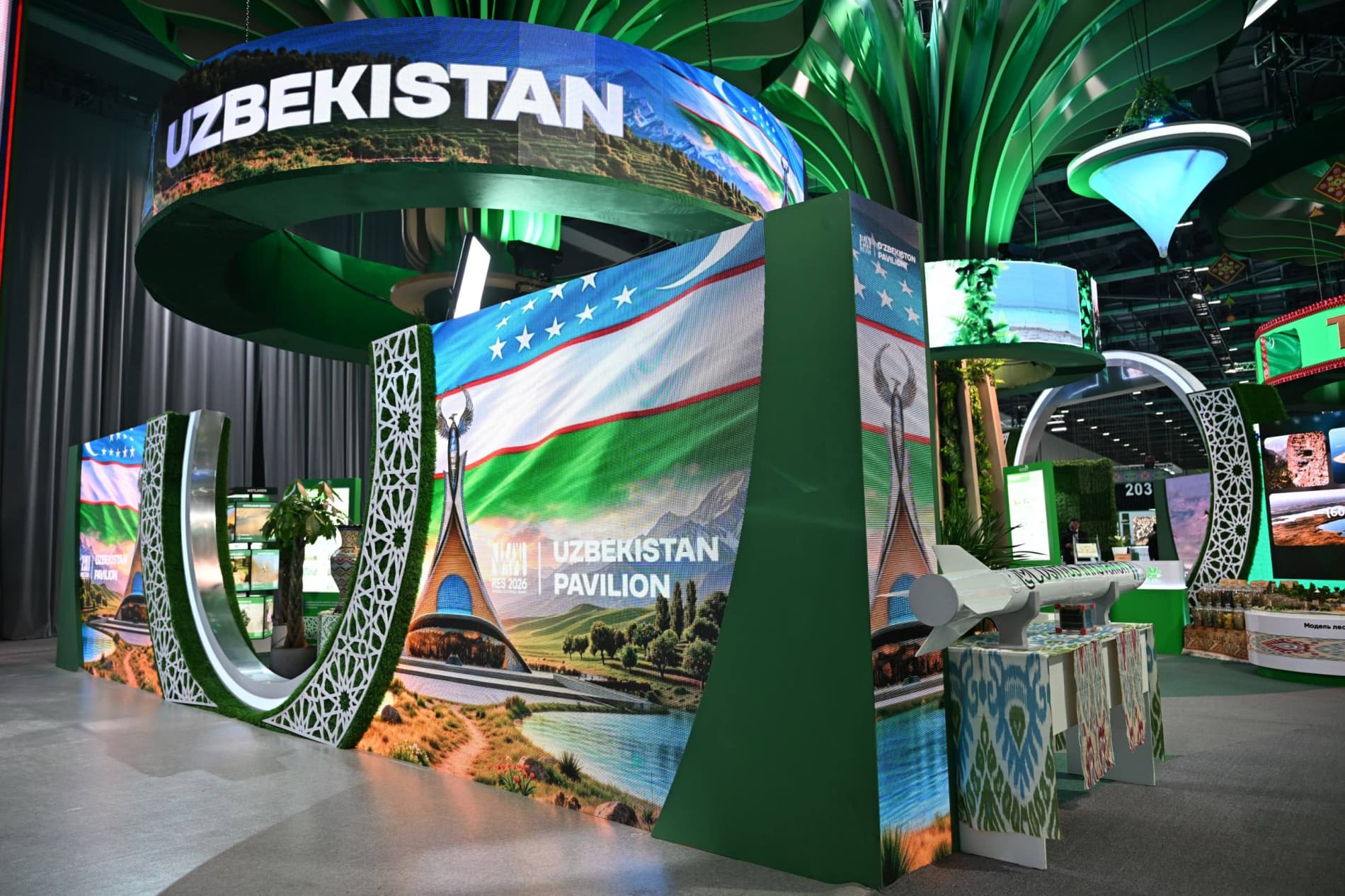
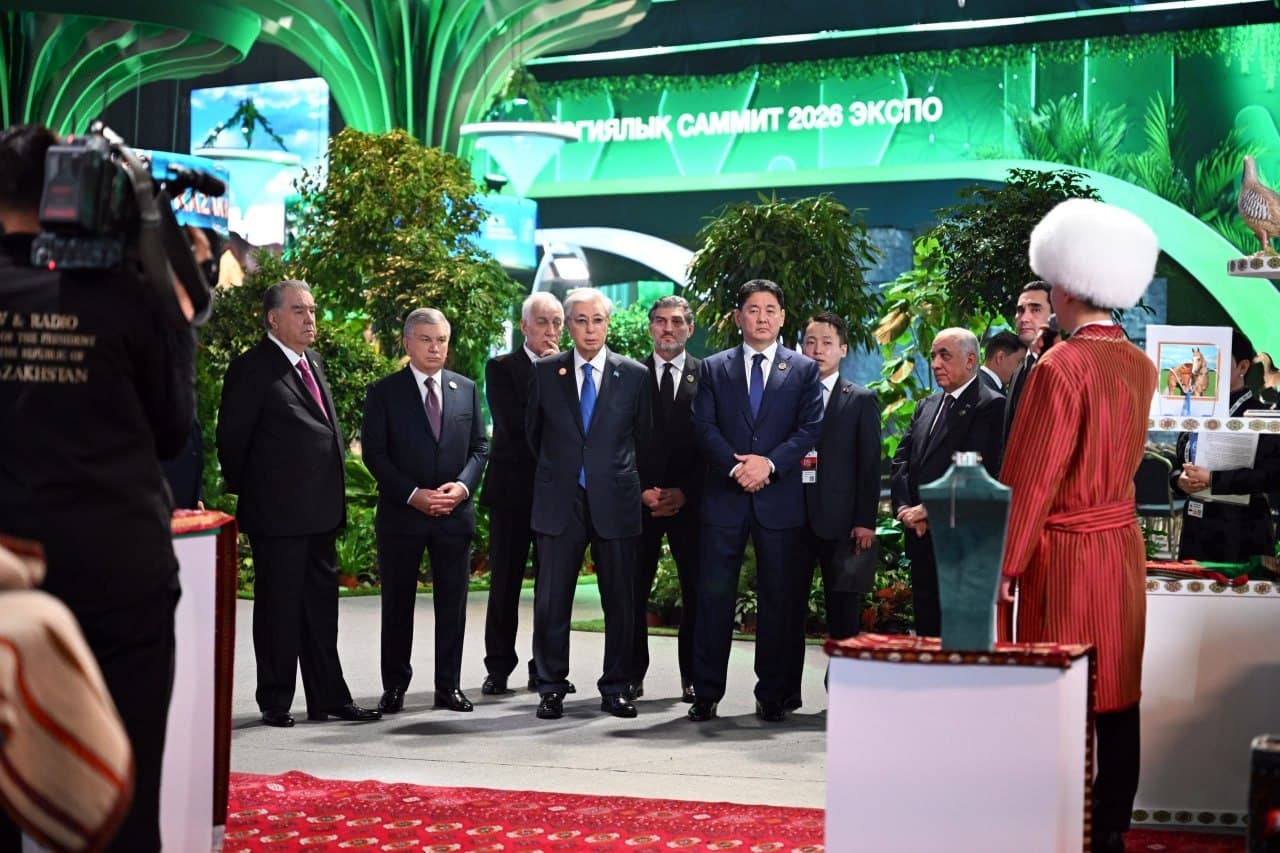
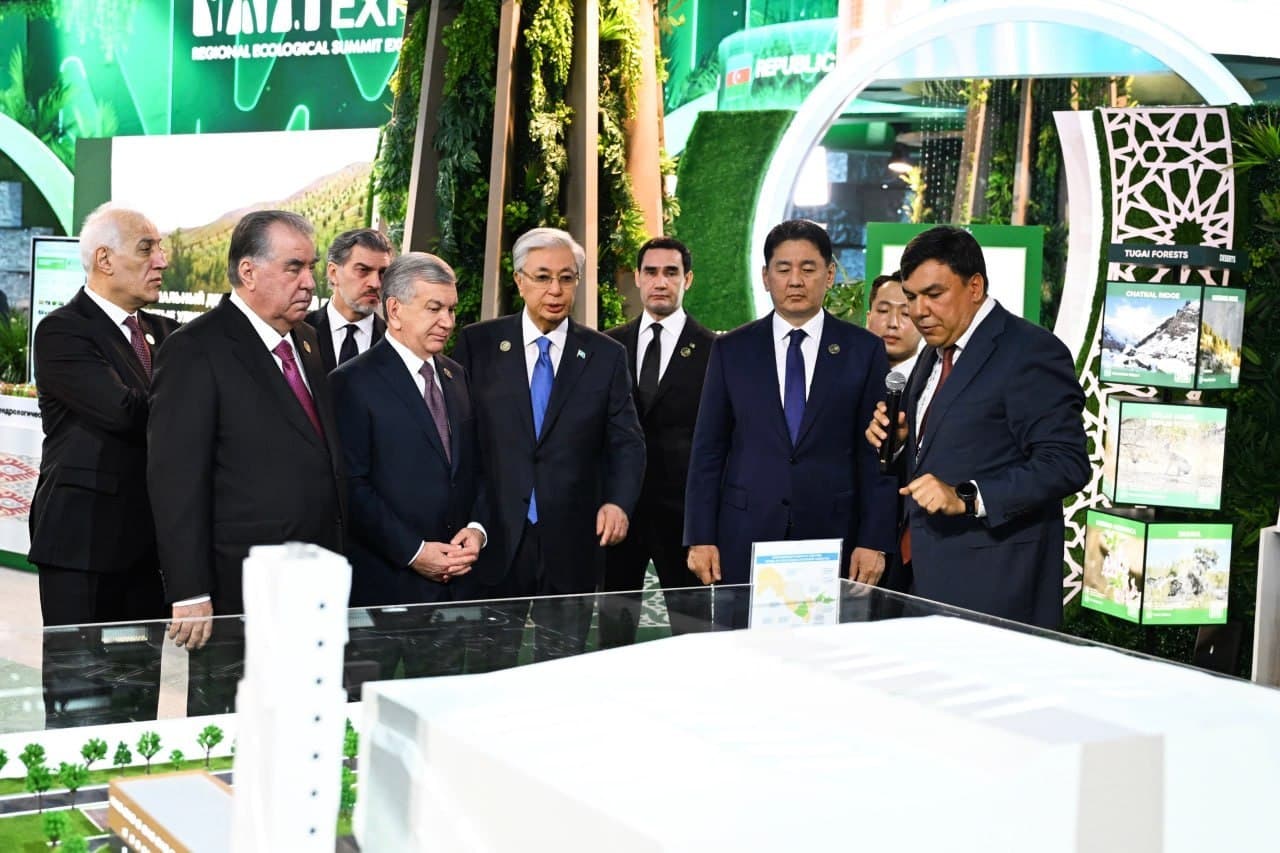
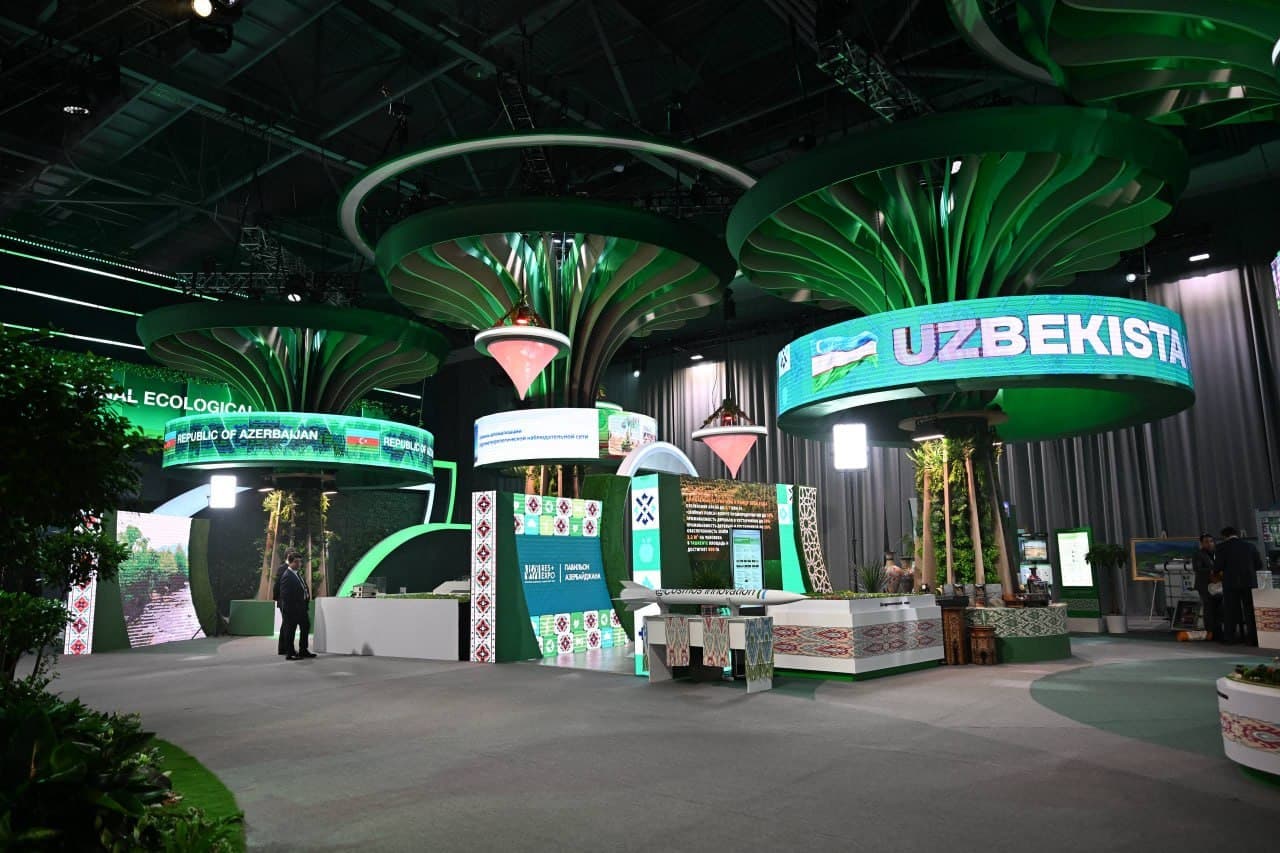
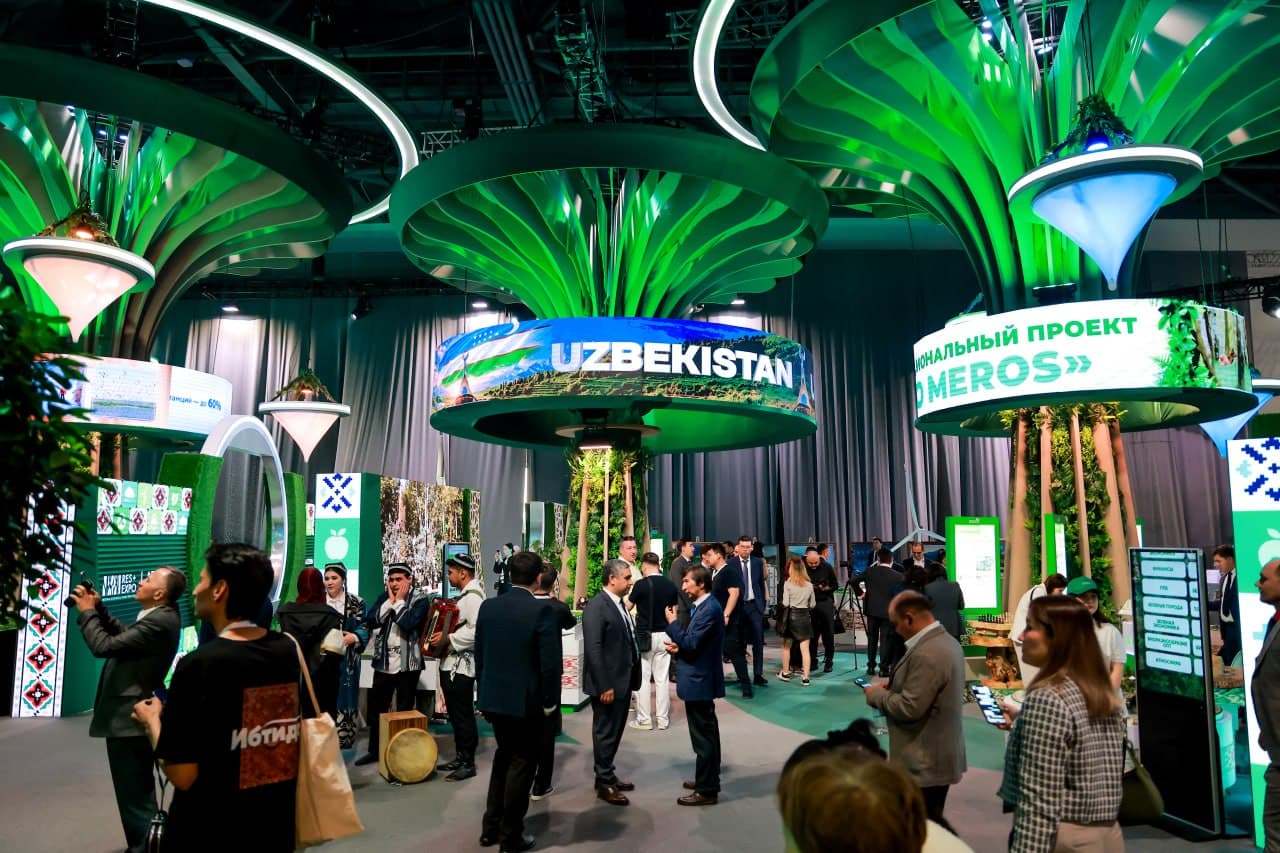

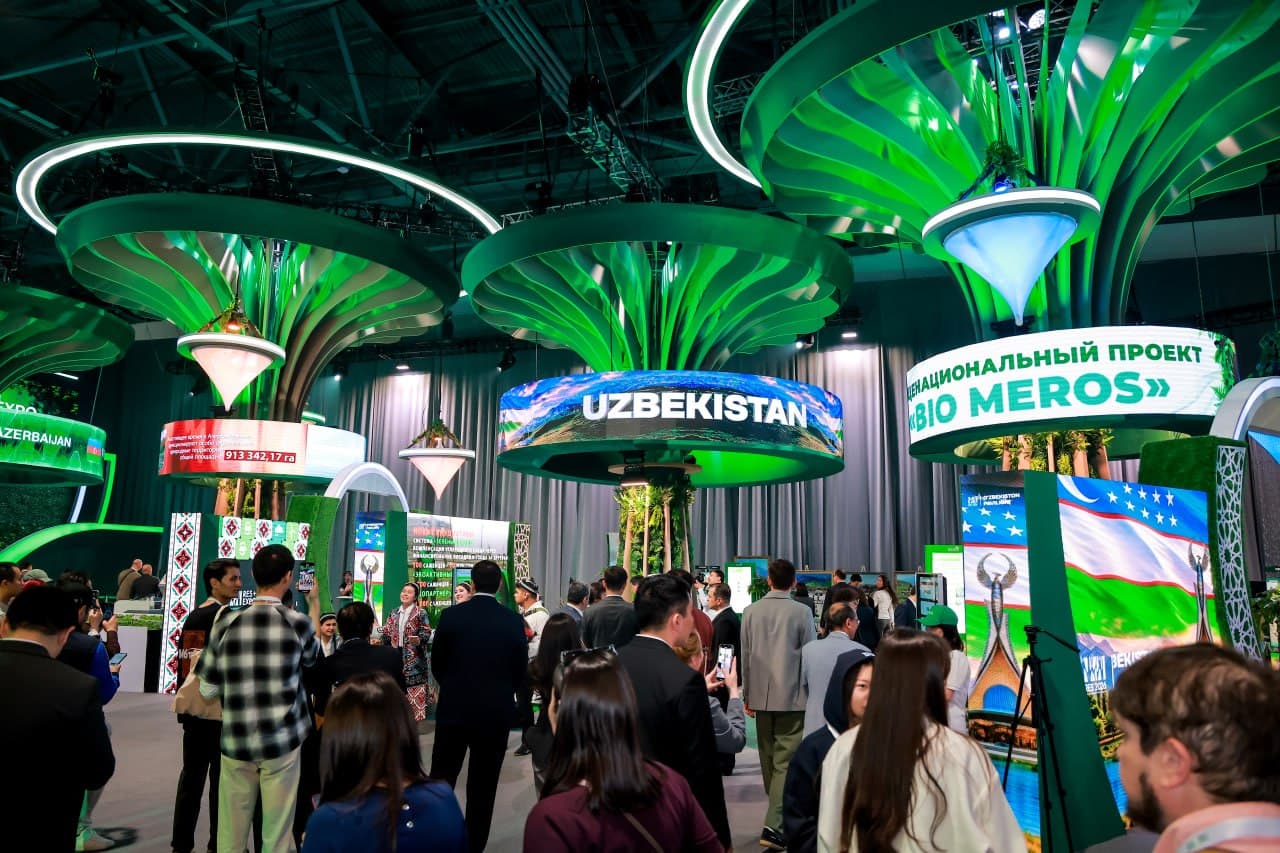
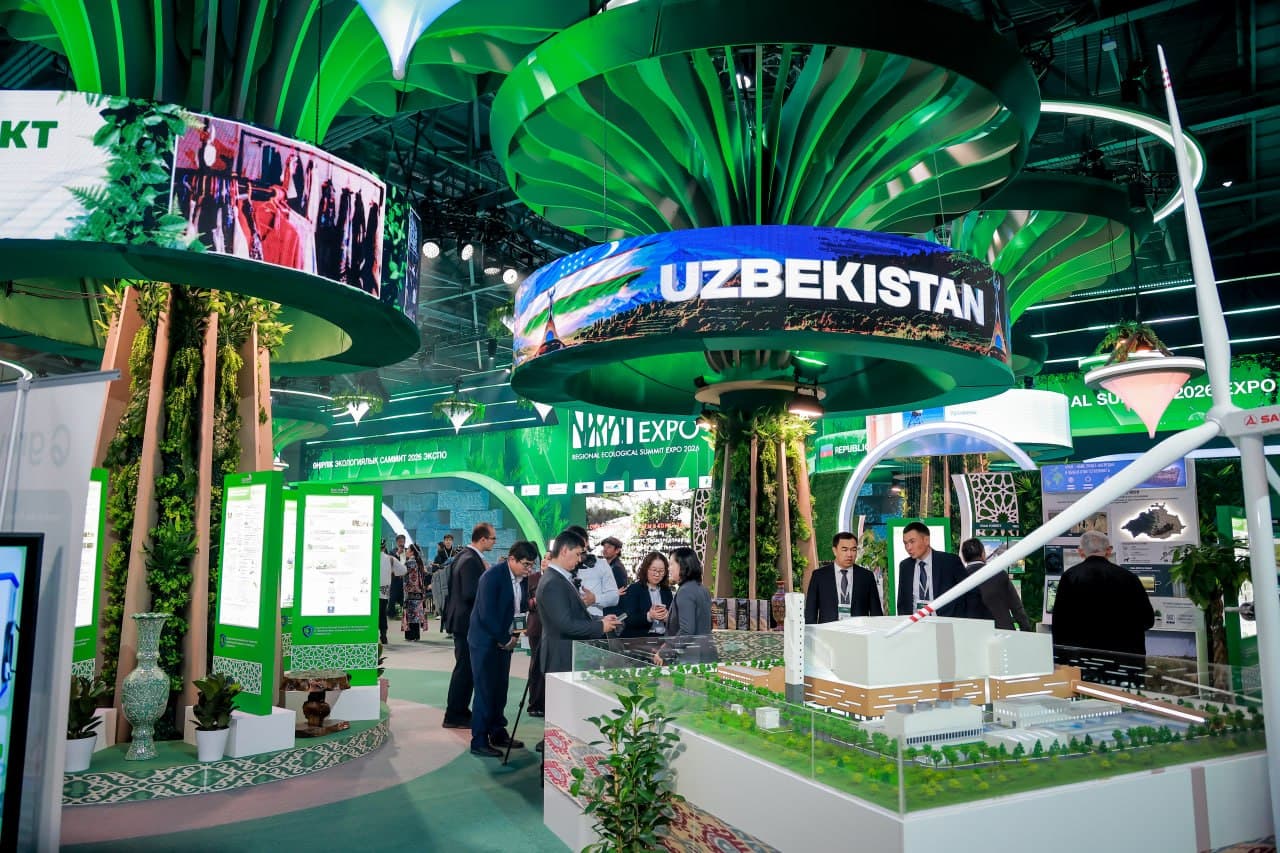
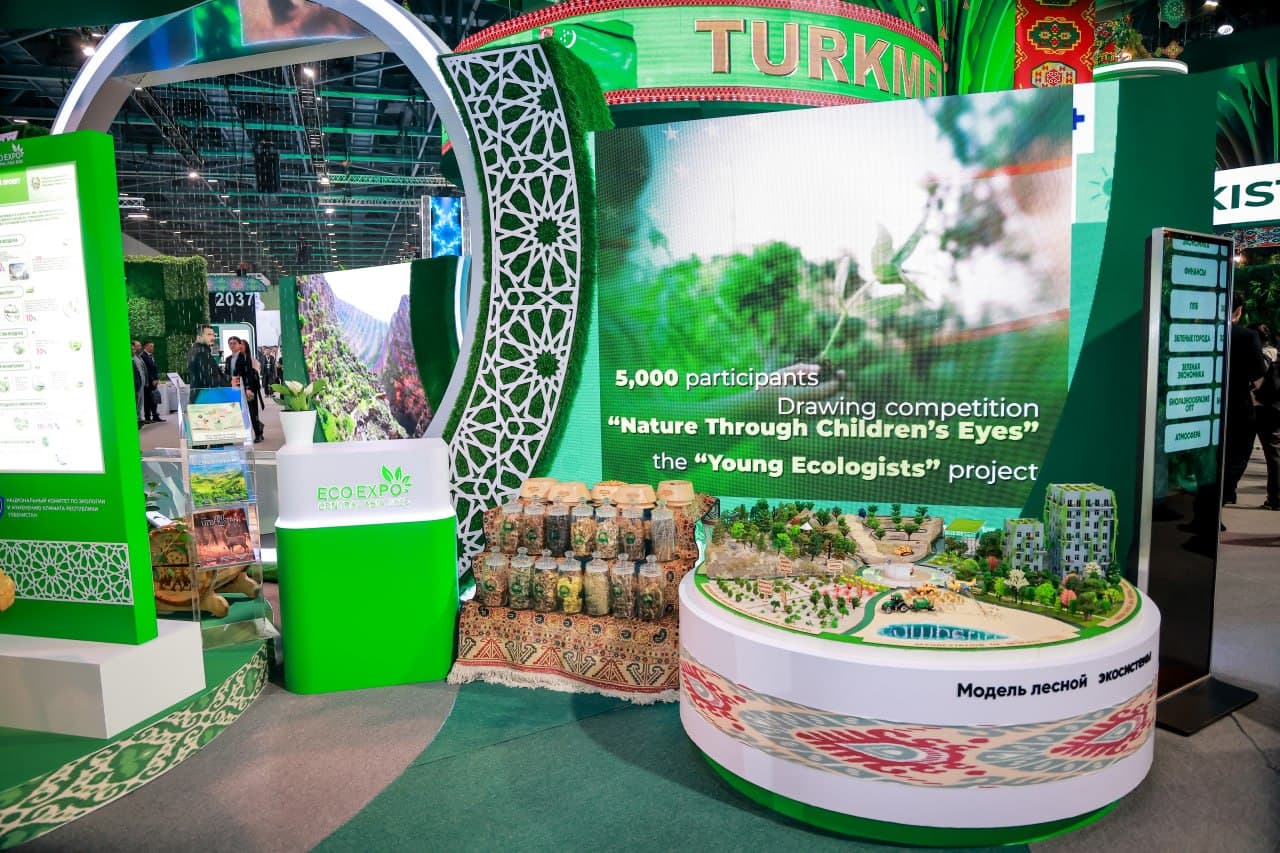
The pavilion, with a total area of 100–120 square meters, is designed as a multifunctional space combining exhibition, multimedia, and meeting zones. Its concept is aimed at demonstrating Uzbekistan’s systematic and regionally oriented approach to addressing environmental challenges in Central Asia, as well as promoting practical initiatives implemented at the national level.
The pavilion’s core content highlights the country’s contribution to overcoming the consequences of the Aral Sea crisis, advancing a green economy, conserving biodiversity, and fostering environmental awareness in society. Particular emphasis is placed on strengthening regional cooperation and partnerships with international organizations, especially UN structures, in developing coordinated solutions in the fields of ecology and climate.
The exhibition section of the pavilion is structured around major nationwide environmental projects, including:
“Waste-Free Territory” – development of waste management systems, implementation of circular economy principles, and zero-waste practices;
“Clean Air” – measures to improve air quality, reduce emissions, and promote environmentally friendly transport;
“Yashil Makon” – creation of green spaces, botanical and dendrological parks across the country;
“Eco Culture” – fostering environmental awareness and sustainable behavioral practices among the population;
“Bioheritage” – conservation of ecosystems and rare species of flora and fauna;
Environmental Education (Green University) – development of science, training of specialists, and introduction of innovations in ecology and climate change.
Functionally, the pavilion includes an entrance zone featuring a key visual image of Uzbekistan as an environmental leader in the region, thematic exhibition blocks, a multimedia area with interactive screens and infographics, and a meeting space for negotiations, presentations, and signing agreements. A dedicated partnership zone showcases joint programs with international organizations and regional initiatives planned for 2026–2030.
The pavilion’s design incorporates modern eco-friendly solutions and materials, with an emphasis on natural color palettes and sustainable construction approaches. The space is organized to ensure удобная навигация and adaptability of content for various target audiences—from government delegations and international experts to media representatives and youth.
A separate section of the exhibition is formed by sectoral ministries, agencies, and leading companies of the country, demonstrating the practical implementation of green economic transformation and ESG approaches. This includes achievements in renewable energy development, the introduction of environmentally sustainable technologies in industry, the formation of a green economy and carbon instruments, attraction of investments in environmental projects, and expansion of international cooperation. The exhibition also reflects the implementation of energy-efficient and resource-saving solutions in mining, chemical, construction, and light industries, as well as the development of environmentally clean production and waste recycling. Special attention is given to sustainable mobility, including the development of electric vehicles, hybrid transport, and specialized equipment for environmental infrastructure, along with the integration of environmental initiatives into business activities.
The national pavilion of Uzbekistan serves as one of the key venues of the exhibition, clearly demonstrating the practical implementation of environmental reforms, science-based approaches, and the country’s active role in shaping the regional environmental agenda.